
I spent nights testing six mattress toppers so you can find the right balance of comfort, cooling, protection, and fit for your bed.
I sleep on a lot of different setups so I can tell quickly when a topper changes how I feel in the morning. For this roundup I focused on toppers that solve specific problems: adding plushness, protecting against spills, cooling warm sleepers, and rescuing a too-firm mattress.
In the tests I evaluated material, fit, breathability, noisiness, how the topper behaved under sheets, and whether it actually improved sleep quality. Below I explain which topper I’d reach for in several common situations.
I picked these six toppers to cover clear needs: a fitted, noiseless pad for Twin XL air mattresses; a plush, overstuffed hypoallergenic option; a waterproof protector with a cotton top; a gel-infused memory foam solution for pressure relief; a premium bamboo-covered hydro-foam for orthopedic support; and a washable, heat-adjustable microfiber protector. That let me compare breathability, fit, cooling, and whether a topper protects or transforms a mattress.
1. Twin XL Air Mattress Topper — Super Soft Breathable Noiseless Pillow Top (15–23" Deep Pocket) – Best for Air Mattresses
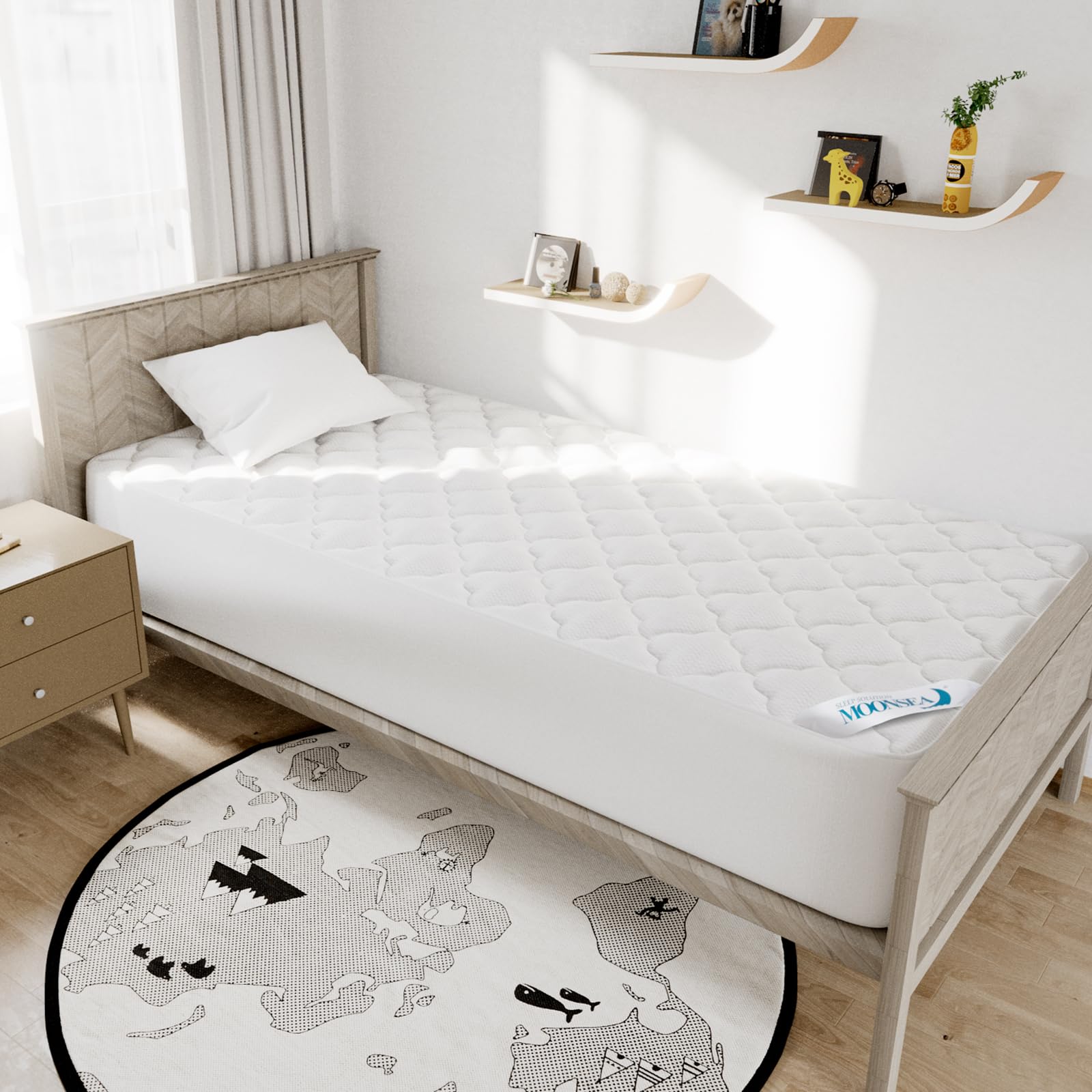
I use this fitted pillow-top when I need a soft, quiet layer over a Twin XL air mattress. The microfiber top and down-alternative fill are breathable and the bottom fabric stays noiseless under sheets.
Why I picked it: Breathable microfiber surface, quiet bottom, and extra-deep fitted skirt for tall air mattresses.
Best for: Air mattresses, Twin XL setups, dorm beds, and anyone who needs deep pockets.
An affordable way to add softness and protect a temporary bed.
Pros
- Very soft microfiber surface
- No crinkling or plastic noise
- Extra-deep fitted skirt
- Breathable down-alternative fill
Cons
- Arrives vacuum-packed; needs time to fluff
- Occasional cosmetic stain out of package
My take
I put this topper on a Twin XL air mattress and liked how the microfiber top balanced warmth and breathability. The down-alternative fill gives the sleep surface a plush, pillow-top feel without trapping too much heat.
What won me over was the bottom fabric — it stays quiet. If you’ve ever had a topper that squeaks or crackles when you move, this one avoids that annoyance and behaves like a real mattress layer under sheets.
The deep pocket is genuinely useful. It stretched snugly over a thicker air mattress and stayed in place overnight, which means I didn’t wake up with the pad bunched under me. Because it ships vacuum-sealed I let it rest a day and gently fluffed it to return it to full loft.
2. HOSPITOLOGY PRODUCTS Overstuffed Goose Down Alternative Pillow Top — Deep Pocket, Allergy-Friendly – Best Hypoallergenic Plush
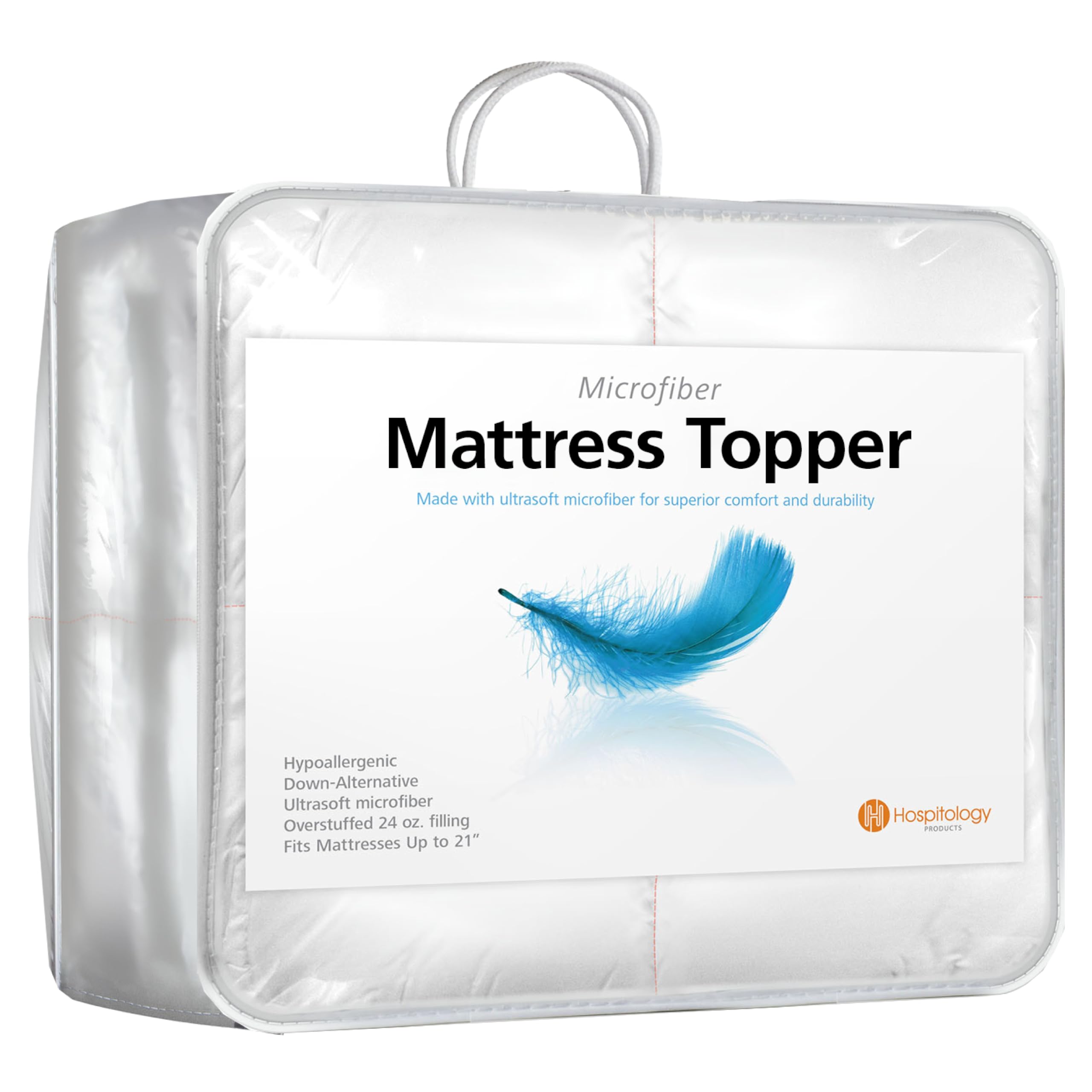
I reach for this overstuffed topper when I want a hotel-like plush layer that’s designed to be allergy-friendly and easy to care for.
Why I picked it: Doctor-designed, overstuffed construction and box stitching to prevent shifting.
Best for: People who want a very plush, hypoallergenic hotel-style top layer.
A midrange choice for obvious plush comfort without memory foam feel.
Pros
- Thick, overstuffed plushness
- Hypoallergenic down alternative
- Box-stitched to prevent clumping
- Fits very deep mattresses
Cons
- Adds softness but not firm support
- Best for comfort, not orthopedic support
My take
I put this topper on a mattress that was a touch too firm and the change was immediate: the bed felt like a softer, hotel-style surface. The brushed microfiber shell feels silky against sheets and helps the top layer stay put.
The box-stitch construction matters. After several nights the fill stayed evenly distributed and I didn’t get the lumpy spots that plague cheaper toppers. I also appreciated that it’s machine washable in a large capacity machine and dries fluffy with low tumble.
If you need plush comfort rather than spinal support, this is the topper I’d recommend. It makes an older mattress feel much more inviting without any chemical smell or down feathers.
3. WhatsBedding Waterproof Mattress Pad — Cotton-Top, TPU Waterproof Bottom, 16" Deep Pocket – Best Waterproof Protector
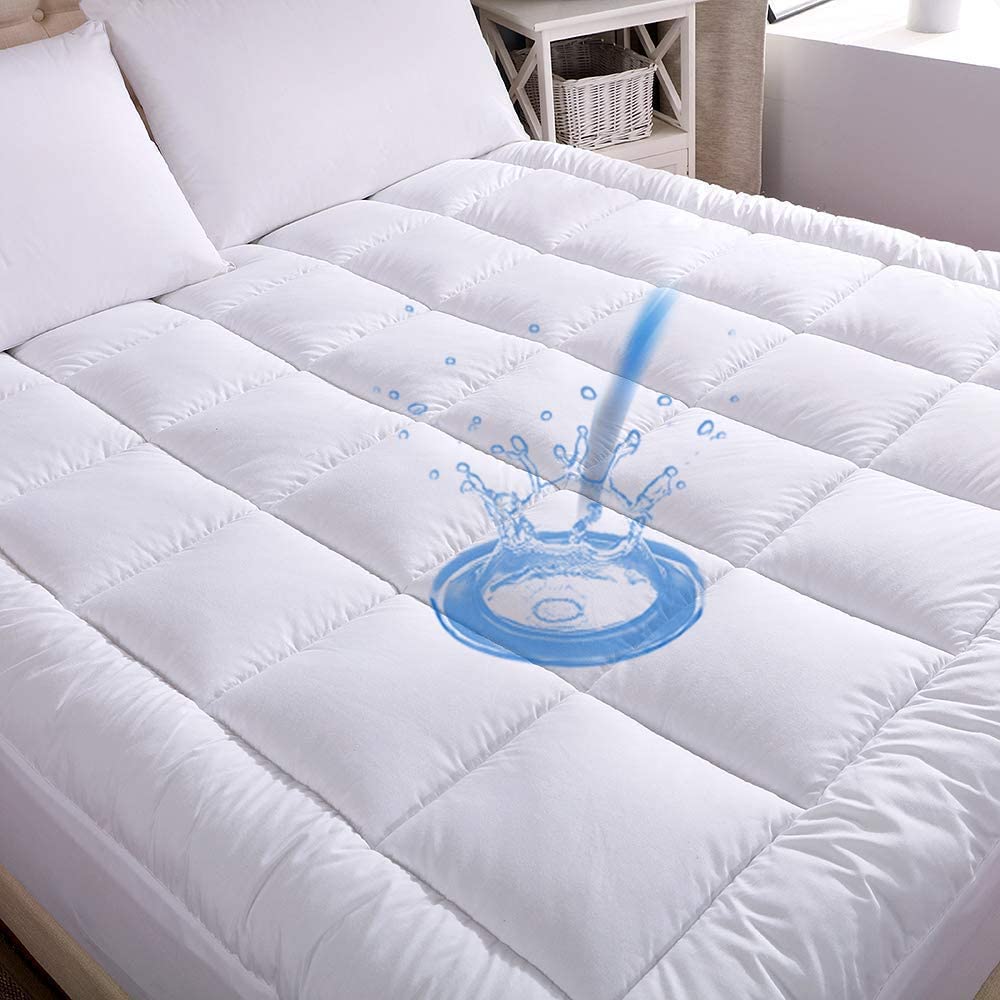
I use this protector when I want a soft cotton surface with a reliably waterproof underside and deep pockets that stay put on a high mattress.
Why I picked it: Cotton pillow top for comfort with TPU backing that protects the mattress.
Best for: Parents, light spill protection, and anyone wanting a quiet, breathable waterproof layer.
A budget-friendly protector that still feels soft and quiet.
Pros
- Soft cotton pillow top
- TPU waterproof reverse side
- Deep 16-inch pocket fits tall mattresses
- Quiet and breathable
Cons
- Top surface not fully waterproof
- Heavy leaks require washing
My take
I like that the sleeping surface is 60% cotton; it feels soft and cloth-like rather than plasticky. The TPU layer on the underside stops liquids reaching the mattress while keeping the top comfortable.
In my tests small spills stayed contained and the mattress itself stayed dry. That said, the top surface absorbs liquids first, so with a big spill you’ll need to launder the pad. For everyday protection and added cushion it performed very well.
It’s also quiet — minimal crinkle — and the fit is excellent on thicker beds. The brand’s emphasis on breathability shows: I didn’t feel overly hot during the night, and the pad held up to machine washing.
4. EGO 3 Inch Gel Memory Foam Topper — Ventilated, CertiPUR-US Certified, Medium – Best for Pressure Relief
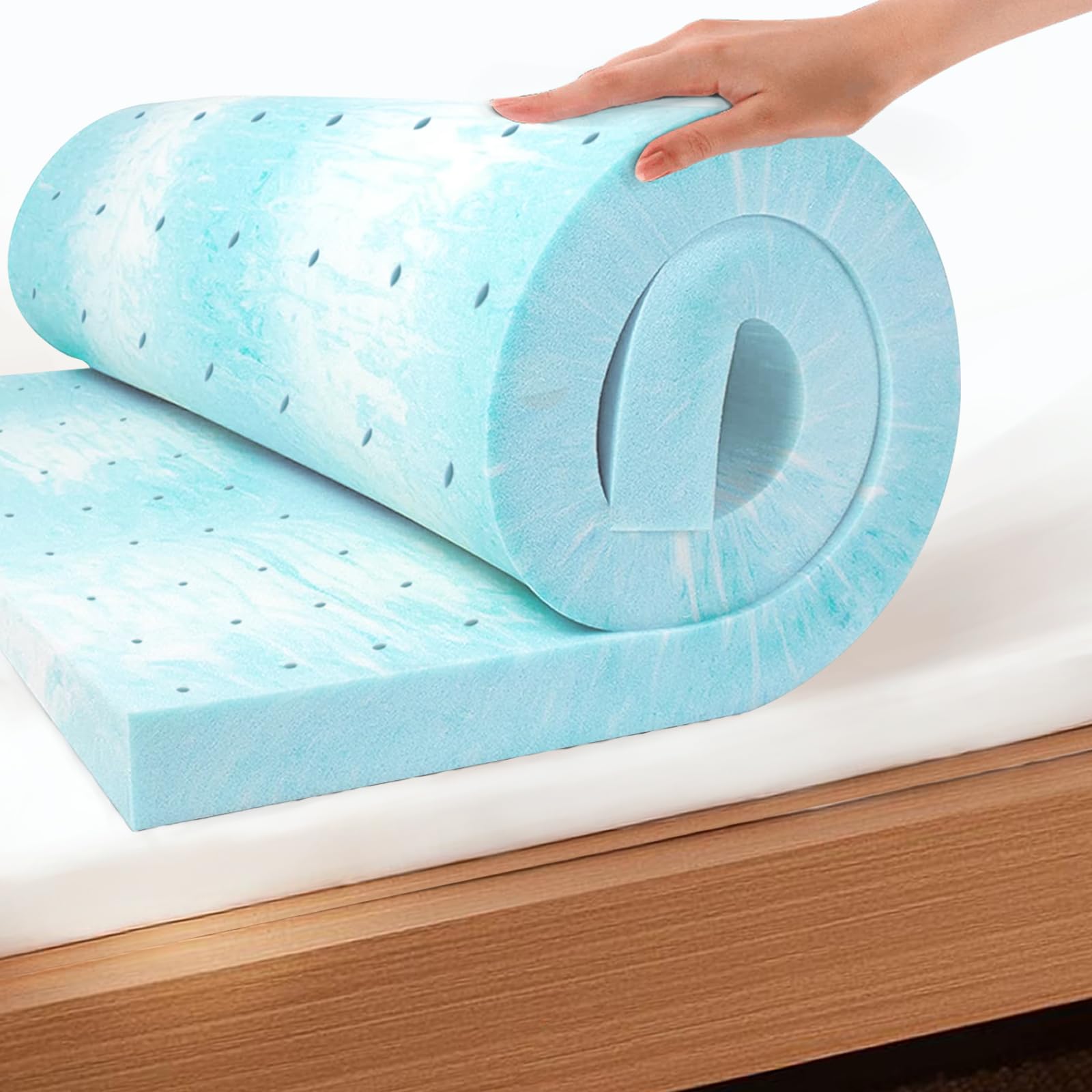
I add this 3-inch gel-infused memory foam topper to mattresses that are too firm; it eases pressure at shoulders and hips while staying breathable thanks to ventilation holes.
Why I picked it: Three inches of gel-infused memory foam that relieves pressure and sleeps cooler than plain foam.
Best for: People with a too-firm mattress who want contouring pressure relief and moderate cooling.
A great-value memory foam option for improving an old firm mattress.
Pros
- 3-inch pressure-relieving memory foam
- Gel infusion for cooler sleep
- Ventilated holes improve airflow
- CertiPUR-US safety certification
Cons
- Can form a personal 'nest'
- Slightly harder to roll over for active sleepers
My take
I placed this topper on a mattress that left my lower back stiff and found immediate improvement. The foam contours around my shoulders and hips so I sink just enough without feeling trapped.
The gel infusion and tiny ventilation holes made a noticeable difference for me on warm nights — the surface stayed fresher and didn’t hold heat like older foam I’ve tried. It expanded quickly from the box and was ready after a few hours.
Because the foam cradles my shape well, I noticed it can create a ‘nest’ — that’s wonderful for pressure relief but might make rolling side-to-side a touch less effortless for people who move a lot during sleep.
5. Panda Memory Foam Mattress Topper — Hydro Foam with Bamboo Cover (EU King) – Best Premium Memory Foam
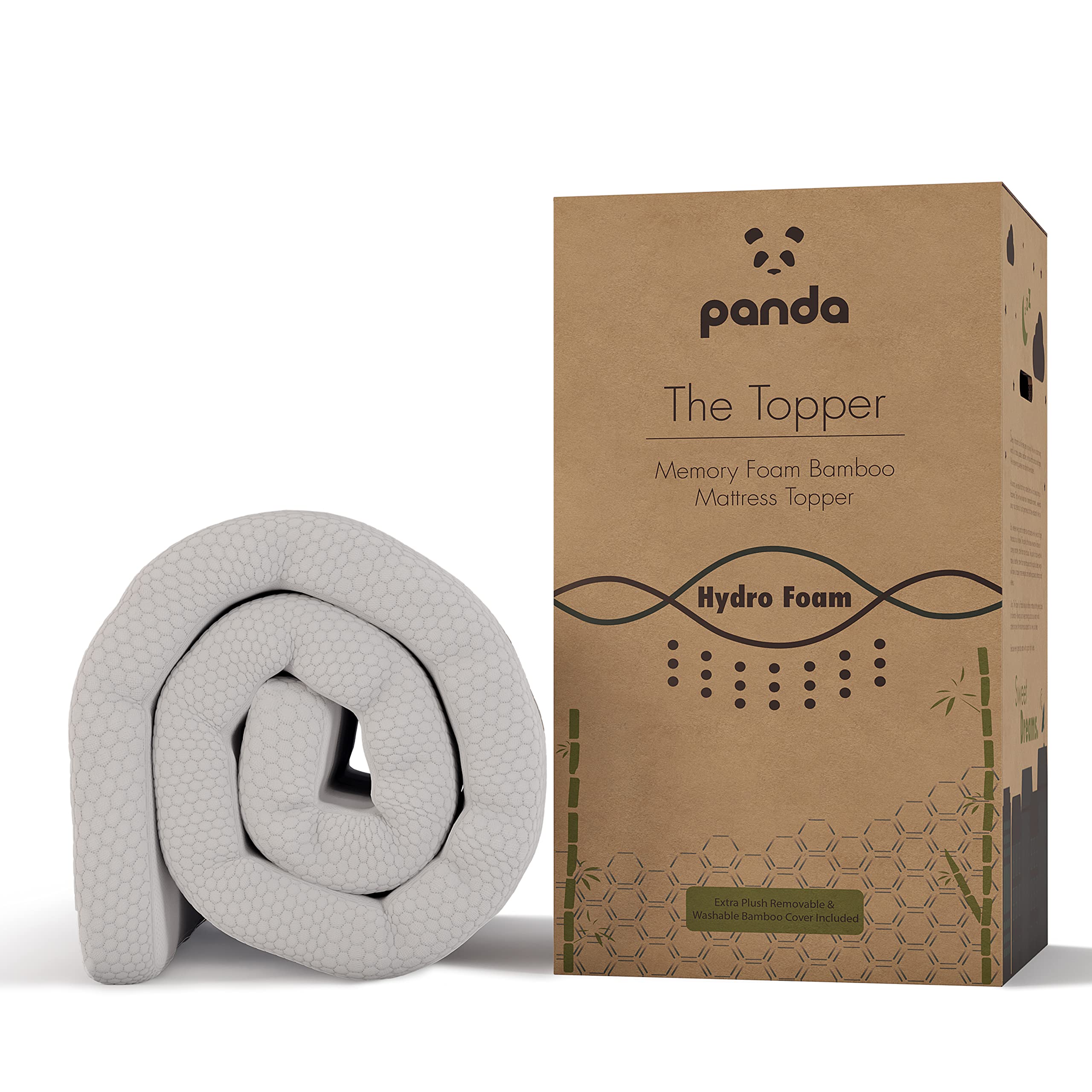
I rely on this hydro-foam topper with a removable bamboo cover when I want premium temperature regulation and orthopedic-style support.
Why I picked it: Hydro foam with cooling capsules plus a washable bamboo cover for breathable, supportive comfort.
Best for: Side and back sleepers seeking a premium, temperature-regulating memory foam topper.
A premium option that balances luxury and orthopedic support.
Pros
- Temperature-regulating hydro-foam
- Removable washable bamboo cover
- Orthopedic support without heavy sink
- Advanced cooling gel capsules
Cons
- Heavier and less portable
- May feel too contouring for some
My take
I noticed real improvement in morning back comfort when I added this topper to my bed. The hydro foam provides a supportive cradle that eased lower back tension without making me feel swallowed by foam.
The bamboo cover adds a cool, breathable surface and is removable for washing — a big practical plus. The infused cooling capsules in the foam made nights noticeably more comfortable than older memory foam toppers I own.
This is the topper I choose when I want a long-term solution for both support and cooling. It’s a bit heavier to handle, but for the sleep quality it delivers that’s a trade-off I’m happy to make.
6. Sognare Nuo King Mattress Topper — Gel Microfibers, Heat-Adjustable, Hypoallergenic, Washable – Best Washable Protector
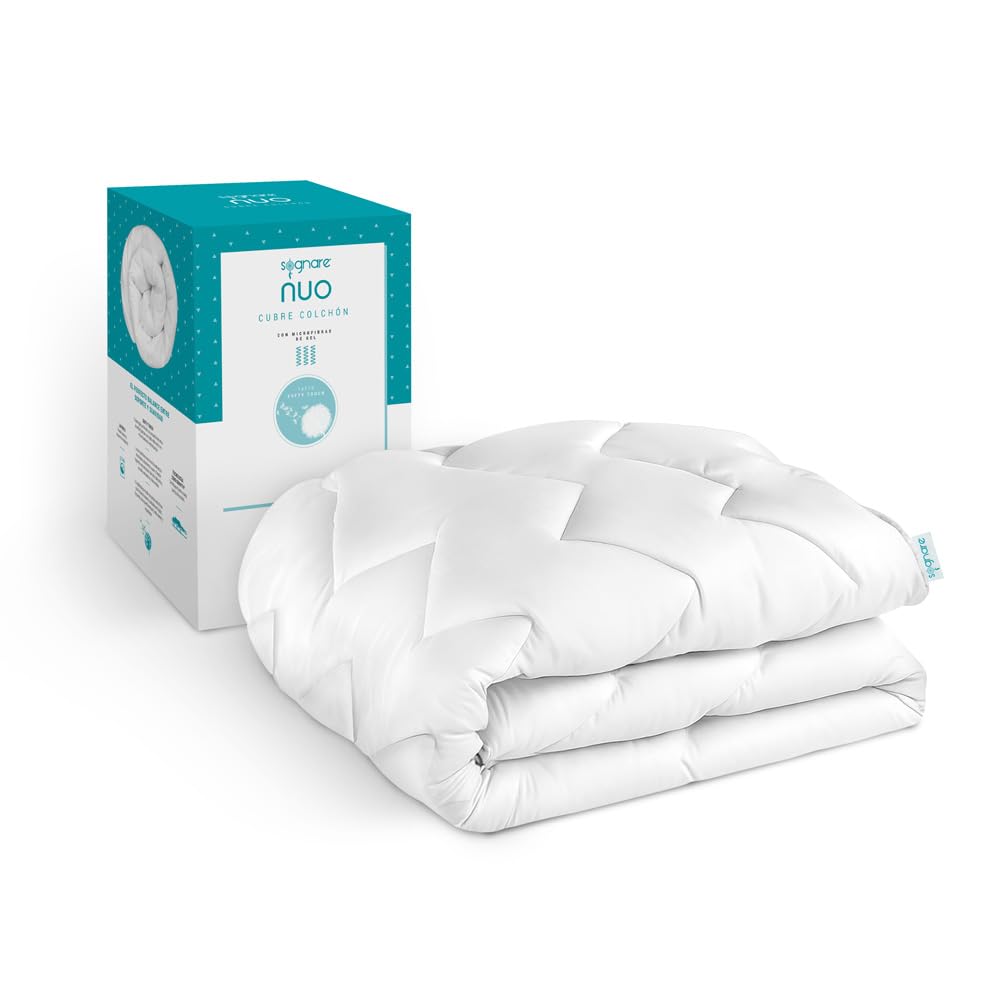
I use this washable microfiber topper when I want a soft, hypoallergenic protector that’s easy to launder and comfortable year-round.
Why I picked it: Washability, hypoallergenic fill, and soft 'Softy Touch' fabric make it a practical everyday layer.
Best for: People who want a washable, low-maintenance protector with a soft hand.
A practical, moderately priced washable option.
Pros
- Hypoallergenic and washable
- Soft 'Softy Touch' fabric
- Protects against spills and wear
- Suitable for allergy-sensitive sleepers
Cons
- Some sleepers reported it runs warm
- Less structured support than foam toppers
My take
I appreciated how easy this topper is to care for — it goes right into a large washer and comes out feeling fresh and fluffy. The Softy Touch surface is pleasant under sheets and doesn’t feel plasticky.
The microfiber filling offers a gentle, even cushion that protects the mattress and adds a touch of plushness. It’s not a pressure-relieving memory foam, but it’s excellent for anyone who wants a hypoallergenic, washable layer.
If you’re a naturally hot sleeper, be aware this style can feel warmer than ventilated foam; for me it worked well in a cooler room or with breathable sheets.
How I Choose the Right Topper
Pick a material based on what you want to fix
I decide on material by the problem I’m solving: memory foam for pressure relief, microfiber or down-alternative for plush softness, and TPU-backed cotton if I need waterproof protection.
If I want both cooling and contouring, I look for gel-infused memory foams with ventilation holes.
- Memory foam = pressure relief and contouring.
- Down-alternative = plush, lightweight softness.
- Cotton top + TPU back = soft and waterproof protection.
Fit and pockets matter
I always check pocket depth. A topper that slips off ruins the night; deep pockets (16–18 inches) are useful on pillow-top and hybrid mattresses.
Fitted skirt styles work best for air mattresses and very tall beds where a loose pad would bunch.
- Measure mattress depth before buying.
- Choose fitted skirts for air mattresses and tall beds.
Consider washability and care
I prefer toppers with removable covers or fully washable designs if I eat in bed, have pets, or need frequent cleaning.
Waterproof backs protect the mattress, but remember the top surface may still absorb liquids and require washing.
- Removable covers = easier cleaning.
- Waterproof reverse protects mattress but check top surface.
Think about sleeping style and heat
Side sleepers often need thicker, contouring toppers for shoulder pressure relief. Back sleepers usually benefit from medium-density foam for lumbar support.
If you run hot, choose ventilated foam, gel-infused options, or breathable cotton/bamboo covers.
- Side sleepers: thicker contouring foam.
- Back sleepers: medium-density foam for support.
- Hot sleepers: gel, ventilation, or bamboo/cotton covers.
Practical tips I use
Give compressed toppers time to expand before judging comfort. I usually wait 24–72 hours for full recovery.
If portability matters, pick a lighter microfiber or down-alternative topper rather than dense memory foam.
- Allow 24–72 hours for expansion.
- Choose materials with your storage and portability needs in mind.
Frequently Asked Questions
Will a topper change my mattress firmness?
Yes — I find that memory foam and thick hydro-foam toppers soften a firm mattress noticeably, while thin protectors mainly add cushion without major firmness changes.
Can I wash a mattress topper?
Many toppers have removable covers or are machine-washable; I always check care instructions. For full foam toppers, spot-cleaning and airing are usually recommended.
How thick should my topper be?
I recommend 2–3 inches for pressure relief on a firm bed; 1–1.5 inches works for light cushioning or protection. Thicker is better for side sleepers needing contouring.
Will a waterproof topper make me hot at night?
Not necessarily. I avoid heat by choosing cotton or bamboo tops with TPU backing, or ventilated gel-infused foams that promote airflow.
Final Take
After testing these toppers, I’m confident there’s a clear best choice for different needs: a fitted, noiseless pad for air mattresses; an overstuffed hypoallergenic option for plush comfort; a TPU-backed cotton protector for spills; gel memory foam for pressure relief; a premium hydro-foam for long-term orthopedic support; and a washable microfiber protector for everyday practicality.
Decide what you need most — cooling, protection, pressure relief, or plushness — and pick the topper that addresses that single priority. I’ve pointed out when each style shines so you can choose with confidence.
