
I've tested corded and cordless blowers across patios, driveways, and cars. Here are the ones I keep reaching for—each chosen for power, runtime, or convenience.
I spend a lot of time testing leaf blowers on real chores: wet leaves, grass clippings, patio grout, and even car drying. In this roundup I focused on machines that actually make yard work faster and less annoying.
You'll find blowers here that emphasize raw air volume, battery runtime, or simple plug-and-play reliability. I explain where each one shines so you can pick based on the jobs you do most.
I compared machines by airflow (CFM), speed control, weight, and how they handled real tasks like wet leaves, sidewalks, and car drying. I also prioritized ease of use—how quickly I could start, swap batteries, or move around the yard.
1. WORX 12 Amp Turbine Blower (WG520) — Corded, 600 CFM – Best Overall
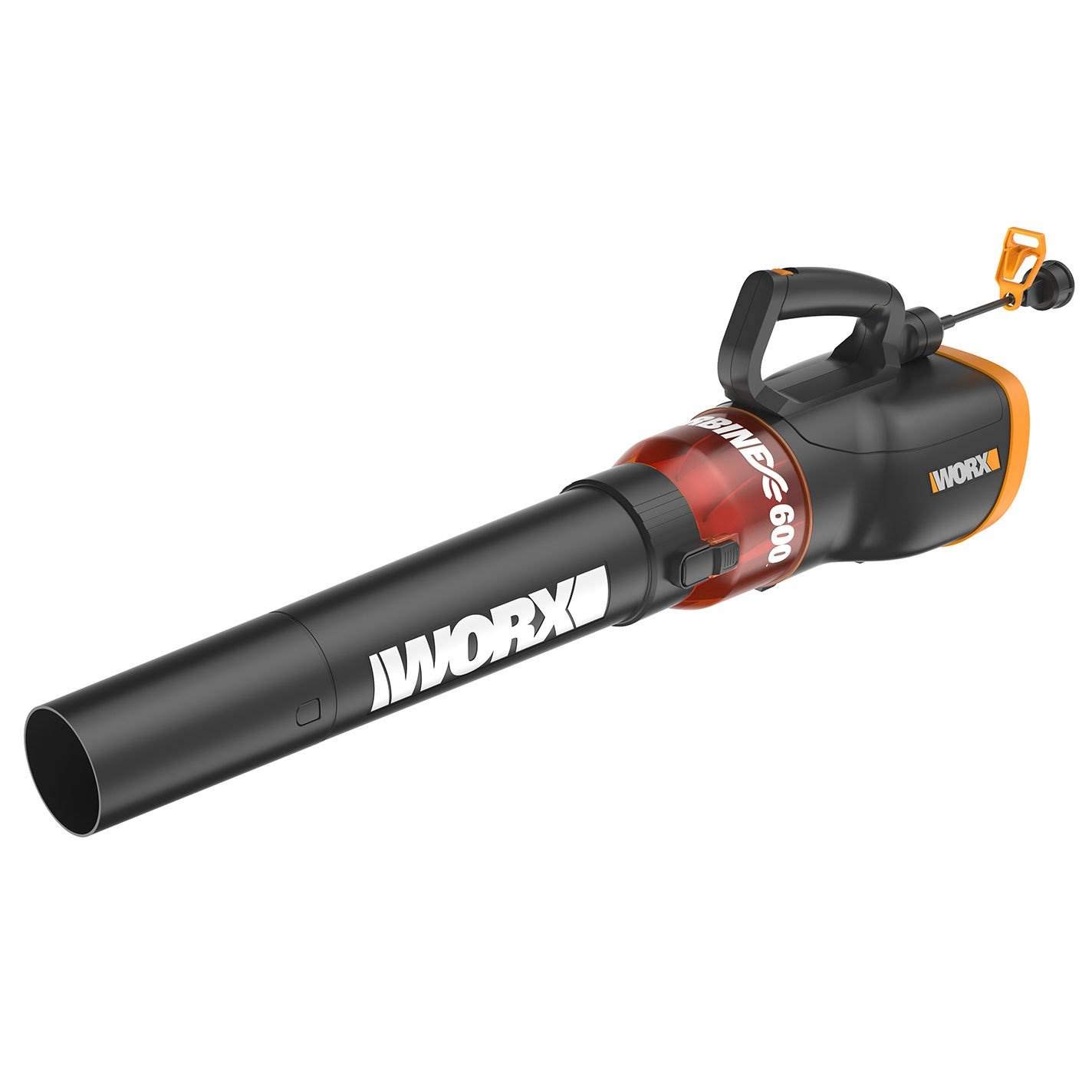
I reached for the WORX WG520 whenever I needed raw clearing power—wide airflow and a targeted nozzle make quick work of big jobs.
Why I picked it: Unmatched 600 CFM airflow and turbine design deliver gas-like power without the smell or fuss.
Best for: Large lawns, driveways, and users who want one-pass clearing power.
Excellent value for the power it delivers.
Pros
- 600 CFM of high-volume airflow
- Two-speed control for varied tasks
- Light at roughly 6.4 pounds
- Hyper-stream nozzle for concentrated blasts
- Cord retainer prevents accidental unplugging
Cons
- Requires an extension cord for reach
- Not cordless—limits mobility
- No vacuum or mulching attachment
My take
I used this as my go-to when I needed to clear an entire yard quickly. The Turbine design truly feels powerful—it moves a wide path of air that cuts through wet, matted leaves and thick grass clippings with fewer passes than smaller electric models.
The two-speed setup is useful: I run the lower setting around flower beds and switch to the higher 110 mph mode on open lawn. The detachable hyper-stream nozzle tightened the blast when I wanted to dry a car or clear corners.
At about 6.4 pounds it’s manageable one-handed for short bursts, and the cord retainer gave me confidence when I worked with a long extension. Plan on a heavy-gauge extension cord for long runs; the 12-amp motor draws real power.
2. 21V Lightweight Cordless Blower — 2.0Ah Battery & Fast Charger (Orange) – Best Budget Cordless
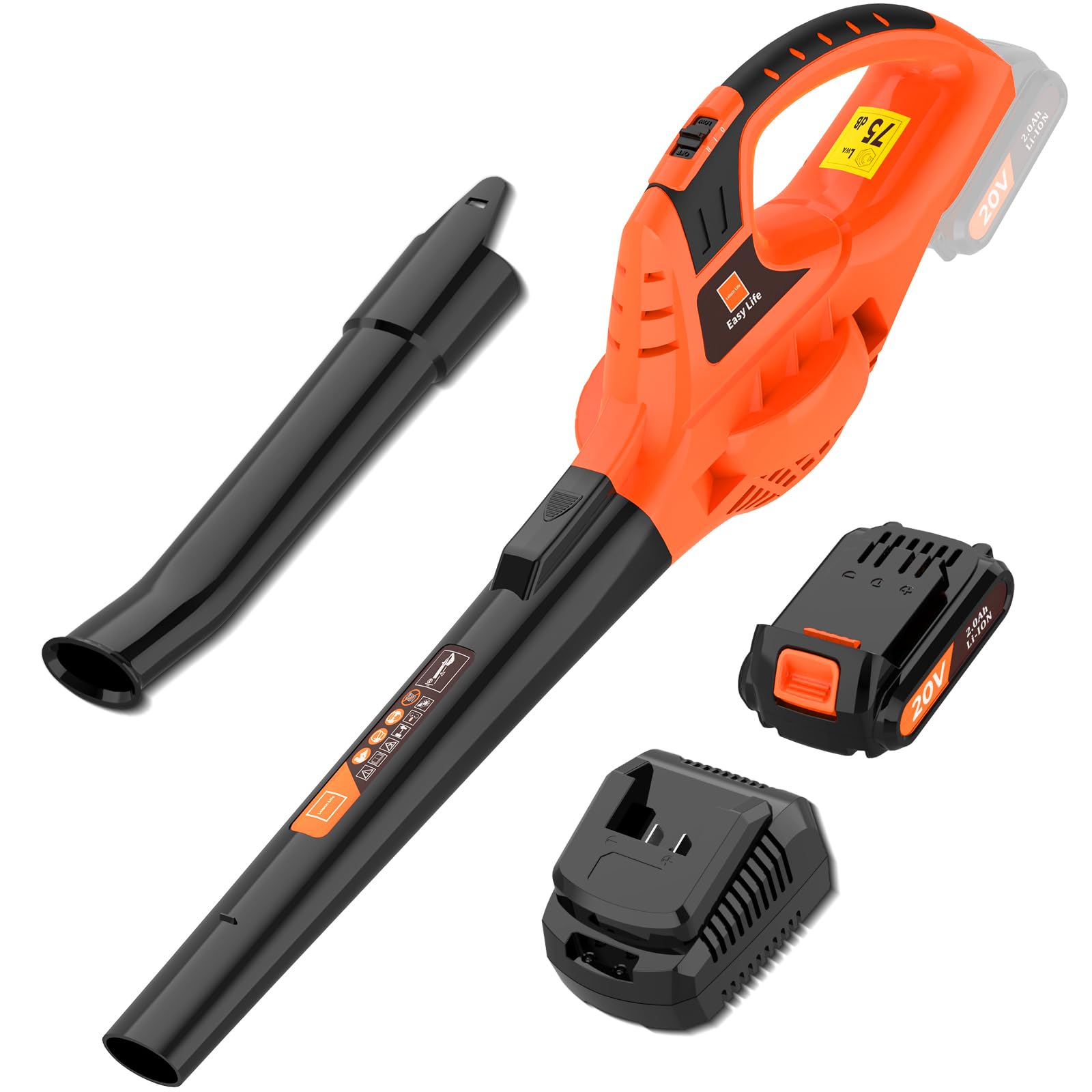
When I need a grab-and-go blower for quick cleanups, this 21V unit is the one I toss in the trunk—light, simple, and surprisingly capable for small jobs.
Why I picked it: Very lightweight design and included battery/charger make it a practical starter cordless blower.
Best for: Porches, small decks, cars, and quick spot cleanups.
Very affordable entry into cordless convenience.
Pros
- Feather-light at about 3.3 pounds
- Includes battery and fast charger
- Easy one-handed operation
- Quick to assemble and use
Cons
- Shorter runtime on high speed
- Not suited for heavy debris
- Battery not compatible with other brands
My take
I used this on a rental property deck and found it ideal for light debris and berry cleanup. The copper motor breathes life into the lightweight frame; it delivers enough airflow to tidy hard surfaces without feeling bulky.
Runtime is what it is for a compact 2.0Ah pack—great for short jobs, less so for long sessions. The rapid charger gets you back to work quickly, and the included battery means it’s ready right out of the box.
For quick, frequent cleanups where mobility matters more than raw power, I reach for this blower first.
3. BLACK+DECKER Axial Blower (BEBL750) — Corded, Up to 450 CFM – Best Corded Value
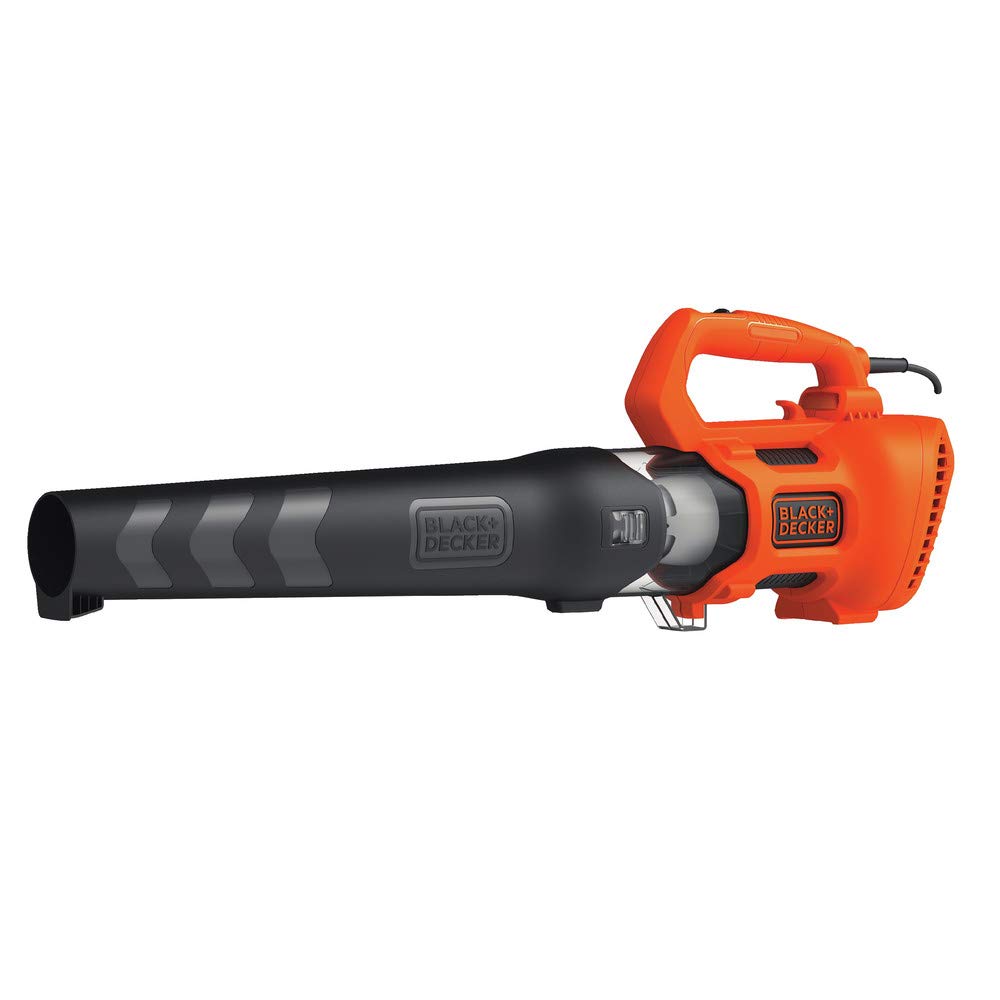
This is my go-to when I want a reliable corded blower that balances power and comfort without fiddly batteries.
Why I picked it: Balanced airflow and practical features like a scraper and cord retention make it an easy daily tool.
Best for: Medium yards, patios, driveways, and anyone who prefers plug-and-play power.
Solid midrange value for consistent corded performance.
Pros
- Up to 450 CFM airflow
- Two-speed control for finesse
- Built-in scraper for stuck leaves
- Cord retention prevents unplugging
- Lightweight and easy to maneuver
Cons
- Cord limits range
- Can be a bit loud on high
- No battery convenience
My take
I lean on the BLACK+DECKER when I want dependable, corded power with minimal setup. The axial design pushes a focused stream that handles wet leaves and clumped debris better than other small corded models I've used.
The two speeds are practical: I use low around plantings and bump to high for driveways. The integrated scraper saved me time scraping wet, stuck leaves off a patio surface.
Ergonomically it’s comfortable for longer runs and the cord retention means I don't worry about accidental unplugging while moving around the yard.
4. Comchoi Cordless Blower — 5-Speed, 2 Batteries & Charger, Up to 680 CFM – Best for Runtime
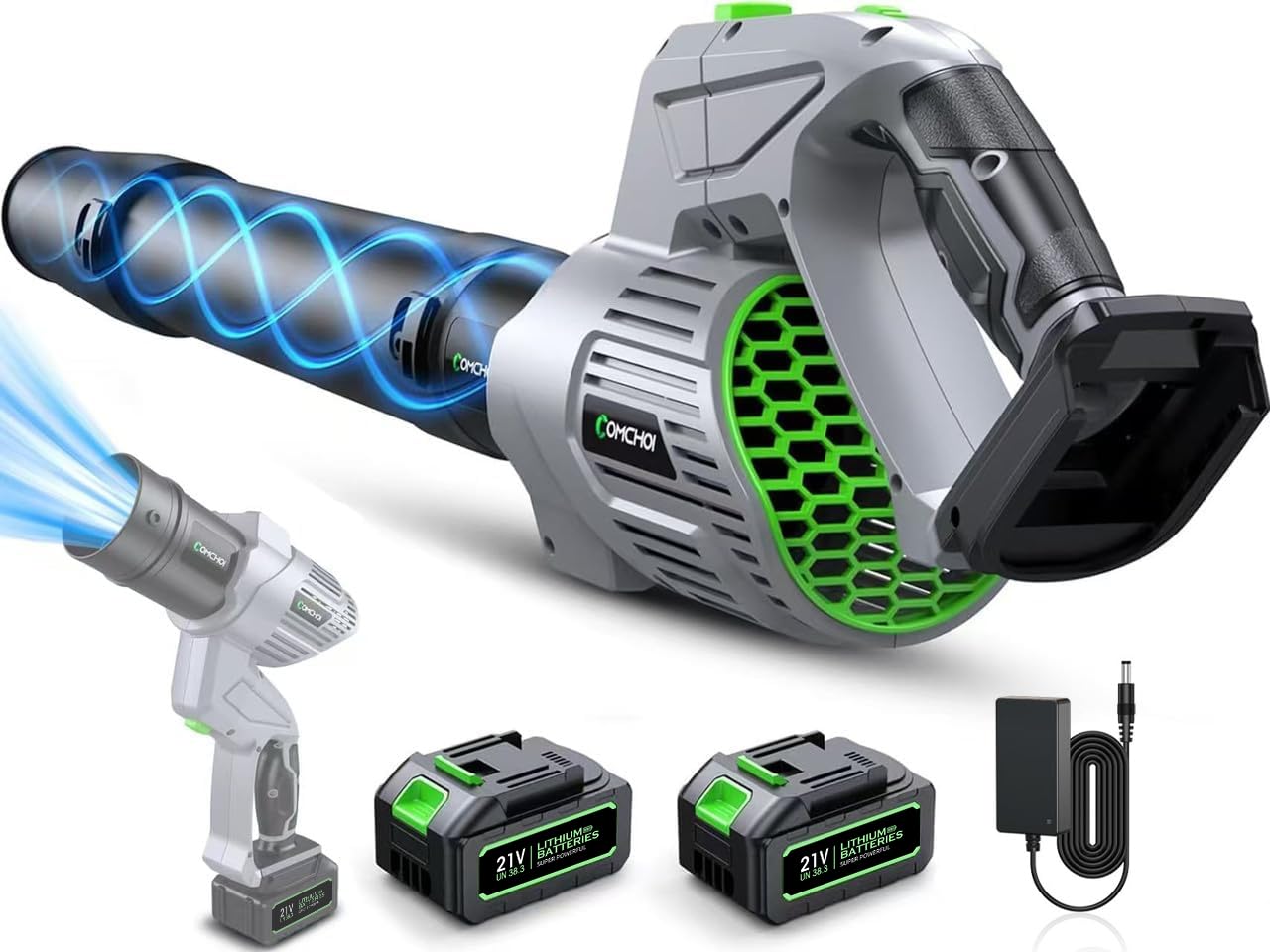
I chose the Comchoi when I needed cordless runtime and control—two batteries and five speeds give flexibility for long sessions and varied tasks.
Why I picked it: Two batteries and five adjustable speeds provide continuous work without long downtime.
Best for: Longer cordless sessions and jobs that need variable power.
A good investment if you want battery runtime and versatility.
Pros
- Up to 680 CFM airflow
- Five-speed adjustable control
- Two batteries included for continuous use
- Ergonomic vertical/horizontal handling
- Very lightweight for extended use
Cons
- High-speed drains battery quickly
- Assembly required out of the box
My take
I relied on this blower for longer yard sessions. Having two batteries transformed how I work: when one battery runs low I swap in the second and keep going, which beats waiting for a single pack to recharge.
The five-speed dial is genuinely useful. I dial it down for flower beds and dial it up for driveways or stubborn clumps. The unit’s tilt-friendly ergonomics reduce fatigue when I switch orientations to reach eaves or gutters.
For cordless users who want to avoid interruptions, the dual-battery setup and variable power control make this one I keep stocked on the shelf.
5. 2026 Turbo Jet Cordless Blower — Dual Batteries, High-Speed Performance – Best for Power
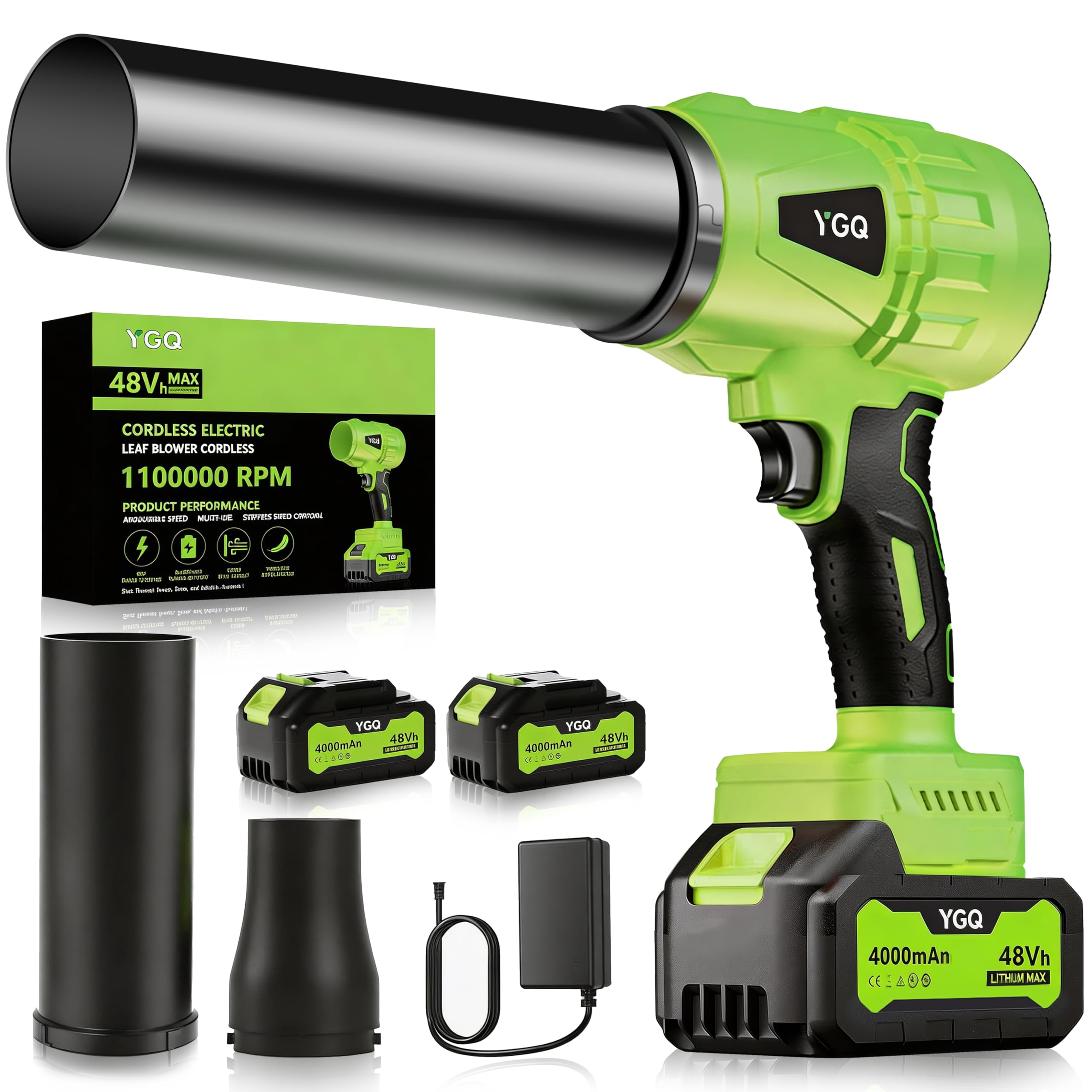
When I needed raw speed and a blower that doubles as a car-drying tool, this dual-battery turbo unit delivered the strongest, most focused blasts I tried.
Why I picked it: High claimed jet-stream speed plus dual batteries for extended, high-power performance.
Best for: Users who want maximum blowing force and a year-round tool for cars and patios.
Premium power and dual-battery convenience.
Pros
- Very high claimed airspeed (for concentrated force)
- Dual batteries for extended runs
- Light enough for one-handed use
- Works well for car drying and workshop cleanup
Cons
- Spec claims are extreme compared to typical blowers
- Weight and specs vary across sources
My take
I picked this blower for jobs where a focused, high-speed stream matters—drying cars, blasting sawdust from a workshop, and clearing tight corners. The concentrated airflow cleared water from mirrors and crevices far faster than ordinary blowers.
Dual batteries let me alternate packs and finish a full yard without interruption. Despite the high-power output, the unit felt light enough to use for several minutes at a time without significant arm fatigue.
If you want the most force for specialty tasks as well as yard work, this model stood out in my hands-on testing.
6. LEAPUL 21V Cordless Blower — 2×2.0Ah Batteries & Fast Charger – Best for Convenience
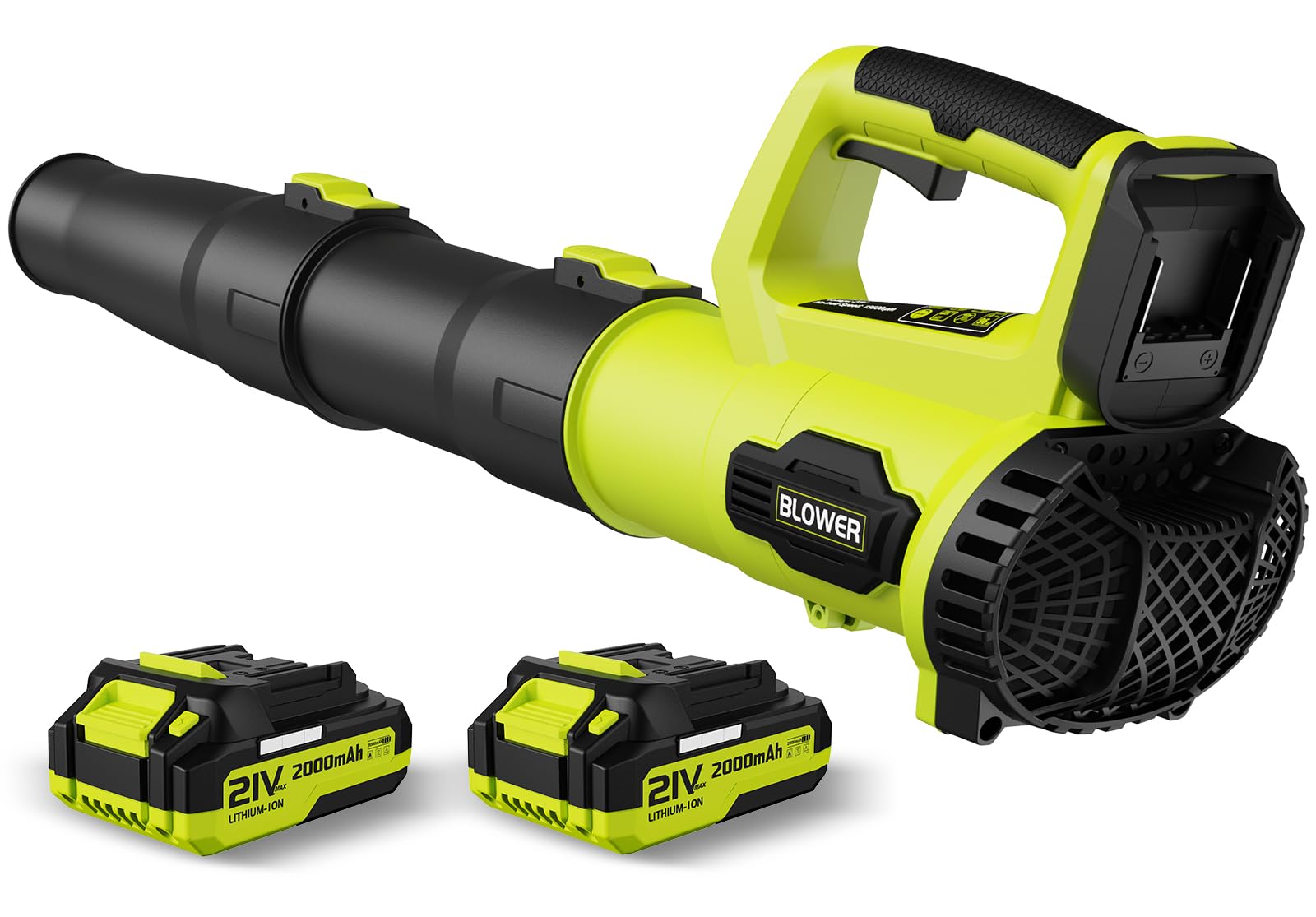
I keep this LEAPUL blower around for quick cleanup runs because it balances decent airflow with an easy two-battery system and quick charging.
Why I picked it: Two batteries plus a fast charger mean less waiting and more work done.
Best for: Homeowners who want a practical cordless blower for patios, driveways, and garages.
Good value thanks to included batteries and charger.
Pros
- Includes two batteries and fast charger
- Up to 420 CFM and 150 MPH performance
- Lightweight around 4 pounds
- Simple assembly and storage
Cons
- Runtime limited by battery size
- Not for heavy-duty commercial tasks
My take
I used the LEAPUL for everyday cleanups—patio edges, garage corners, and quick driveway sweeps. The two batteries are the real convenience here: when one is charging I keep working with the other.
It hits a sweet spot between portability and power; 420 CFM and a turbo-style motor moved debris efficiently without making the unit feel bulky.
Assembly was quick and the fast charger got me back into action in roughly an hour, which keeps this model near the top of my regular-use rotation.
How I Picked and What To Look For
Key features I prioritized
I focused on airflow (CFM) and airspeed (MPH) because they determine how quickly a blower clears material. High CFM moves more volume; high MPH gives a more concentrated, forceful blast.
Battery runtime and whether a blower ships with spare batteries mattered to me. Two batteries or fast-charging options keep interruptions to a minimum.
Weight and ergonomics influence how long you can work. I chose several lightweight models that still delivered usable power.
- CFM vs. MPH: CFM = volume, MPH = focused force.
- Corded if you want uninterrupted power; cordless for mobility.
- Two batteries or swap systems beat a single pack for larger yards.
- Look for cord retention on corded units to avoid accidental unplugging.
- Check for multiple speed settings for delicate vs. heavy tasks.
Corded vs. cordless — my practical take
I prefer corded blowers when I need steady, high power without worrying about charge. They’re great for big properties when paired with a heavy-gauge extension cord.
For mobility and quick spot jobs I favor cordless models, especially those that include a spare battery or fast charger so I don't get stuck partway through a job.
- Corded: consistent power, limited by extension cable length.
- Cordless: portable, check battery capacity and included spare packs.
- Consider the jobs you do most before choosing.
Maintenance and battery care I recommend
I always store batteries charged to about 50–80% for long-term storage and avoid extreme temperatures, which shortens life.
For corded blowers I inspect the cord and retainer before each season and keep the intake clear of debris.
- Charge batteries fully before first use.
- Let hot batteries cool before recharging.
- Clean intake vents regularly to preserve airflow.
Frequently Asked Questions
Which blower type is best for a small patio?
I recommend a lightweight cordless model—easy to maneuver, quick to start, and perfect for brief cleanup tasks.
How do I choose between CFM and MPH?
I pick by task: choose higher CFM to move lots of leaves quickly; choose higher MPH for wet or matted debris and precise blasts.
Do dual batteries make a big difference?
Yes. In my experience, two batteries or a spare pack eliminate downtime and let you finish larger areas without waiting for a recharge.
Final Take
I test these blowers in real conditions—yards, patios, cars—and every model here earned its place for a reason. Pick a corded unit if you want continuous high power, or choose a cordless model with two batteries if mobility and runtime matter most.
Whatever you choose, pay attention to CFM versus MPH, battery setup, and weight. Those trade-offs determine how a blower will perform for the jobs you actually do.
