
I tested a range of pellet grills for flavor, temperature control, build, and everyday usability. Here are the six models I kept returning to, with notes on who each one fits best and why.
I’ve cooked dozens of briskets, ribs, pizzas, and weeknight dinners across a wide range of pellet grills. In this roundup I focused on real-world performance: temperature control, smoke flavor, capacity, and how easy each unit is to use and maintain.
Whether you want something portable for tailgates or a large-capacity grill for weekend entertaining, I’ll walk you through where each model shines and the trade-offs I noticed on the cook line.
I compared these grills on heat consistency, pellet management, build quality, and everyday convenience—Wi‑Fi and super-smoke modes matter if you do long cooks; hopper size and portability matter if you plan to travel.
1. Traeger Pro 22 Wood Pellet Grill & Smoker – Best Overall
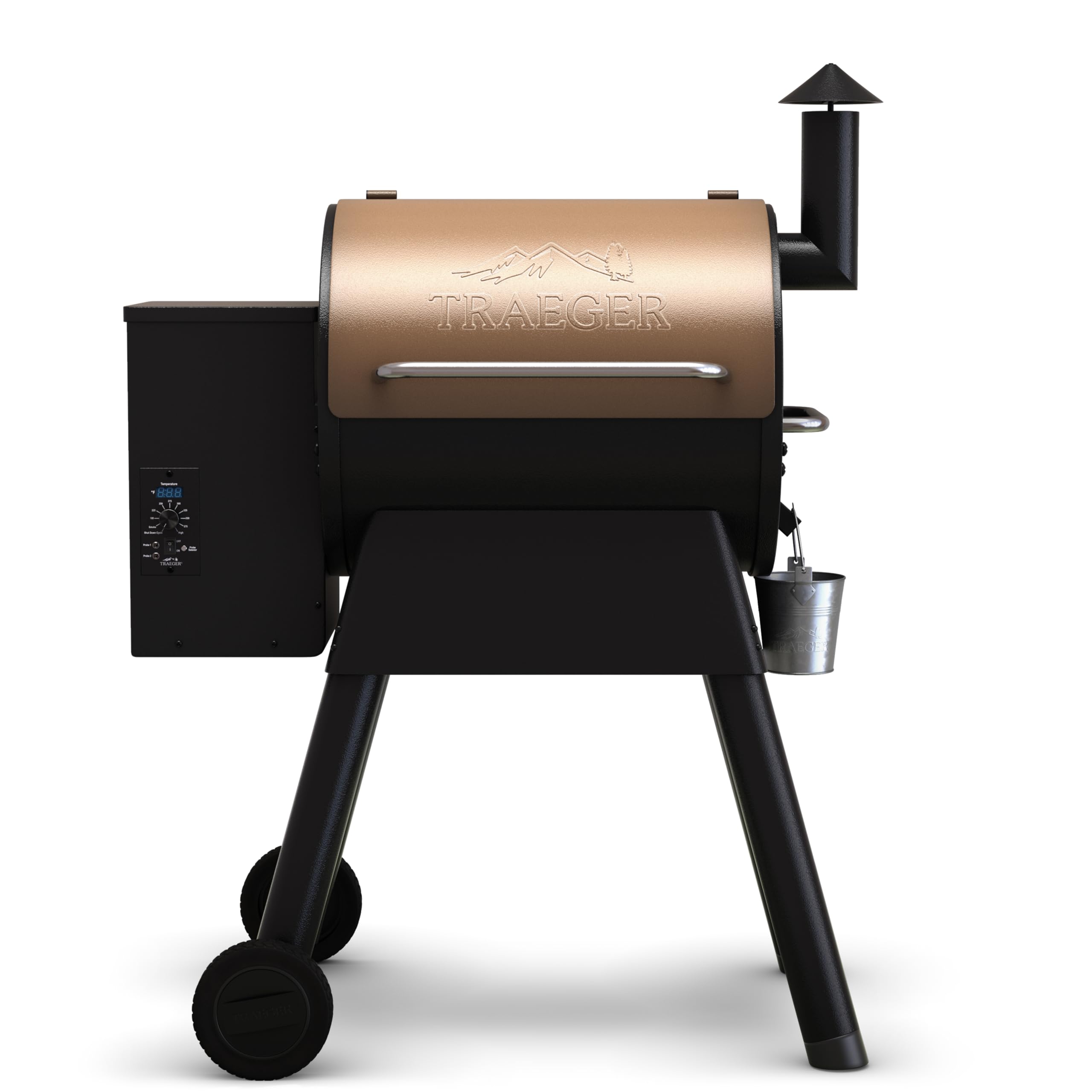
A compact, dependable pellet grill that balances size, consistent temps, and classic wood-fired flavor.
Why I picked it: Consistent temperature control and a flexible 572 sq. in. cooking area.
Best for: Backyard cooks who want dependable, versatile performance.
A solid midrange choice for everyday grilling and smoking.
Pros
- Reliable Digital Pro controller
- Good-sized 572 sq. in. cooking area
- 18 lb hopper for longer cooks
- Porcelain-coated grates for easy cleanup
Cons
- No remote Wi‑Fi control
- Max temp limited to 450°F
- Heavy to move without help
My take
I appreciate how straightforward the Traeger Pro 22 is to live with: the Digital Pro controller holds temperature within a tight window, so low‑and‑slow cooks come out predictable. The 572 square inches of cooking surface handled family meals and weekend gatherings without crowding the food.
Assembly is doable by one person if you take your time, but this unit is sturdy and built like it. I used the included meat probe to avoid opening the lid during long smokes, and that small habit makes a big difference in bark and smoke pickup.
This grill isn’t the flashiest option—there’s no Wi‑Fi—but it nails the basics: flavorful results from hardwood pellets, easy cleaning with porcelain grates, and a hopper that keeps longer cooks running without constant refills.
2. Pit Boss PB440D2 Wood Pellet Grill, 440 SERIES – Best for Beginners
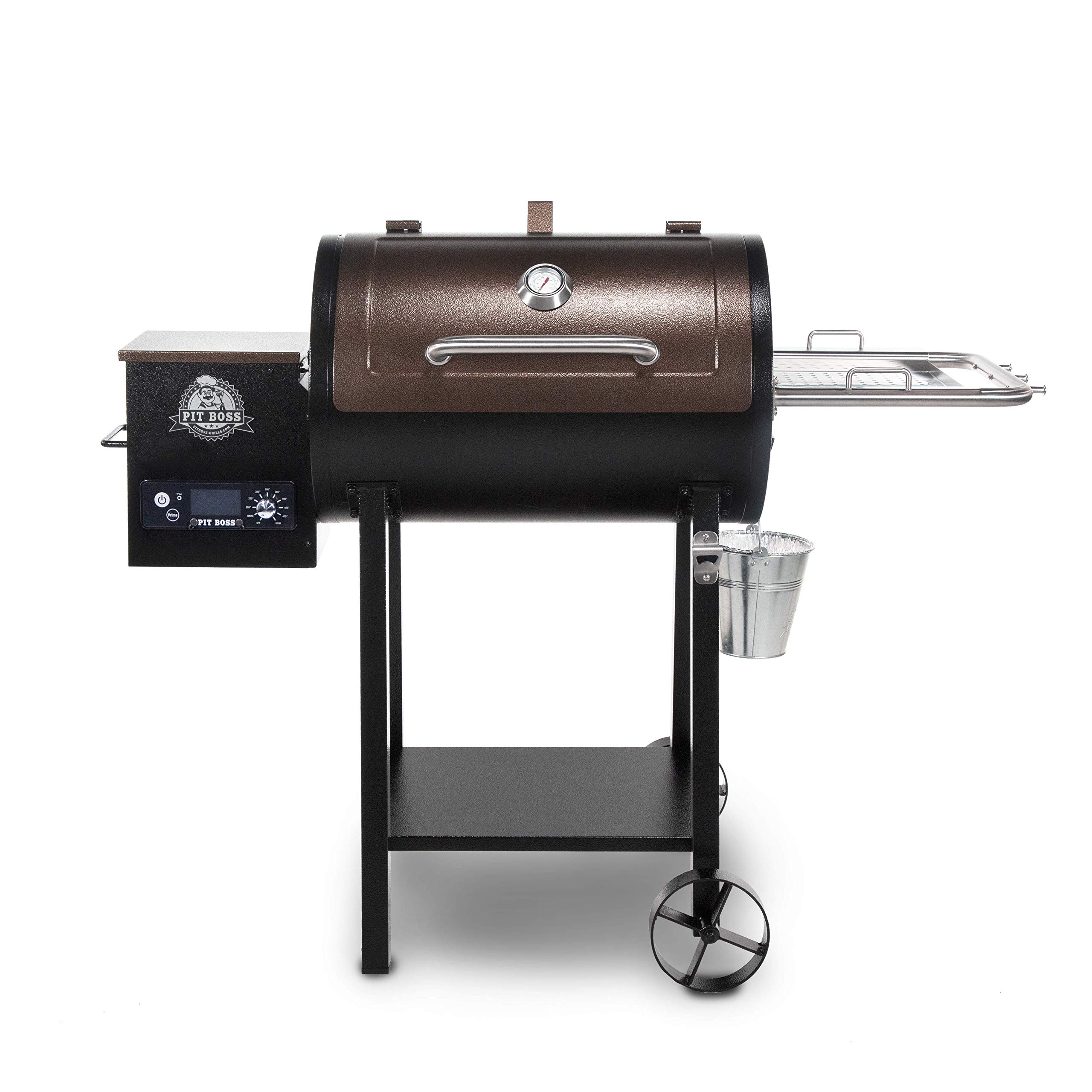
An approachable, value-oriented pellet grill that makes learning to smoke painless.
Why I picked it: User-friendly operation and good basic performance for new smokers.
Best for: First-timers who want an easy entry into pellet grilling.
A budget-friendly entry model with sensible features.
Pros
- Straightforward startup and operation
- Good heat range up to high temps
- Attractive, solid construction
- Great for basic smoking and grilling
Cons
- Smaller hopper requires more refills
- Top rack is short and shallow
- Lid thermometer can be unreliable
My take
I bought this unit to replace an older grill and found it welcoming for someone getting started with pellets. The setup took patience but the operation is simple: smoke mode for low cooks, then ramp to grilling temps when I wanted sear marks.
A few practical notes from my time with it: the hopper is on the small side and needs topping up on long cooks, and the top rack sits close to the lid so it’s not the most useful for tall items. Those are minor trade-offs for an otherwise attractive and capable grill.
If you’re learning the basics—cleaning routines, venting, and pellet management—this Pit Boss makes those lessons affordable and not frustrating. I recommend pairing it with a small shop vac and a few basic accessories to streamline maintenance.
3. Traeger Pro 575 Wood Pellet Grill & Smoker with WiFIRE – Best with Wi‑Fi
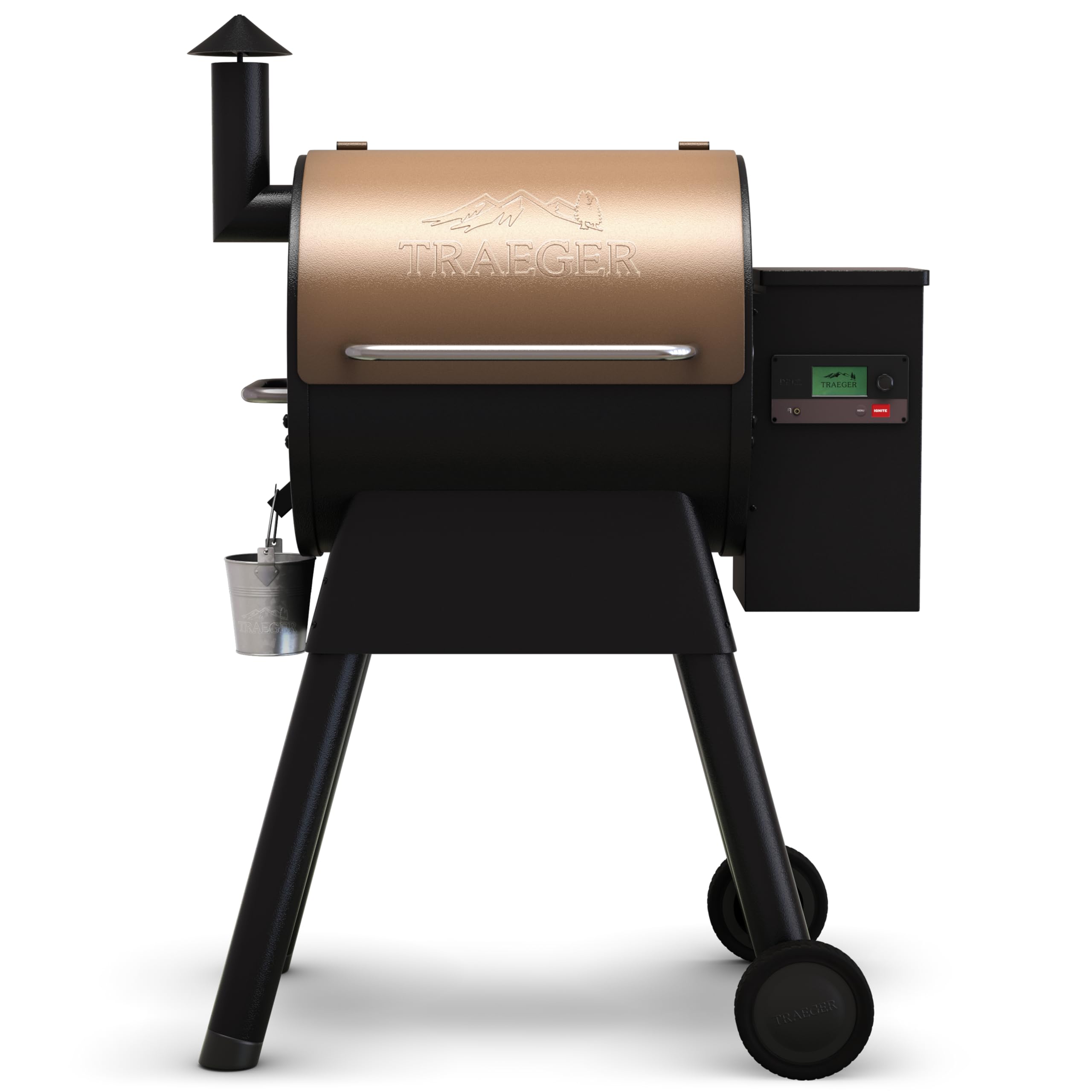
Traeger’s Pro 575 pairs the proven Pro series platform with WiFIRE for remote control and reliable performance.
Why I picked it: WiFIRE remote control plus TurboTemp and D2 direct drive.
Best for: People who want remote monitoring and fast recovery after lid opens.
A step up for cooks who value smart controls and quick heat recovery.
Pros
- WiFIRE app control
- D2 drivetrain for fast ignition
- 575 sq. in. grill area
- Handles 500°F for searing
Cons
- Pellets add to operating cost
- Heavy; two people recommended to move
My take
The WiFIRE functionality is the standout for me—being able to check and adjust temps from my phone while I prep in the kitchen changed how I manage long cooks. TurboTemp gives noticeably faster recovery when I lift the lid to baste or flip.
Performance-wise the Pro 575 is consistent: the D2 drivetrain lights quickly and keeps heat stable across low and high settings. I’ve used it for everything from slow-smoked salmon to high-heat searing, and it handled each task without drama.
Assembly and setup take some time and a second pair of hands helps. Once in place, the combination of app control, probe monitoring, and solid build quality made this one of my most reliable go-to grills.
4. Traeger Tailgater 20 Portable Electric Wood Pellet Grill and Smoker – Best Portable
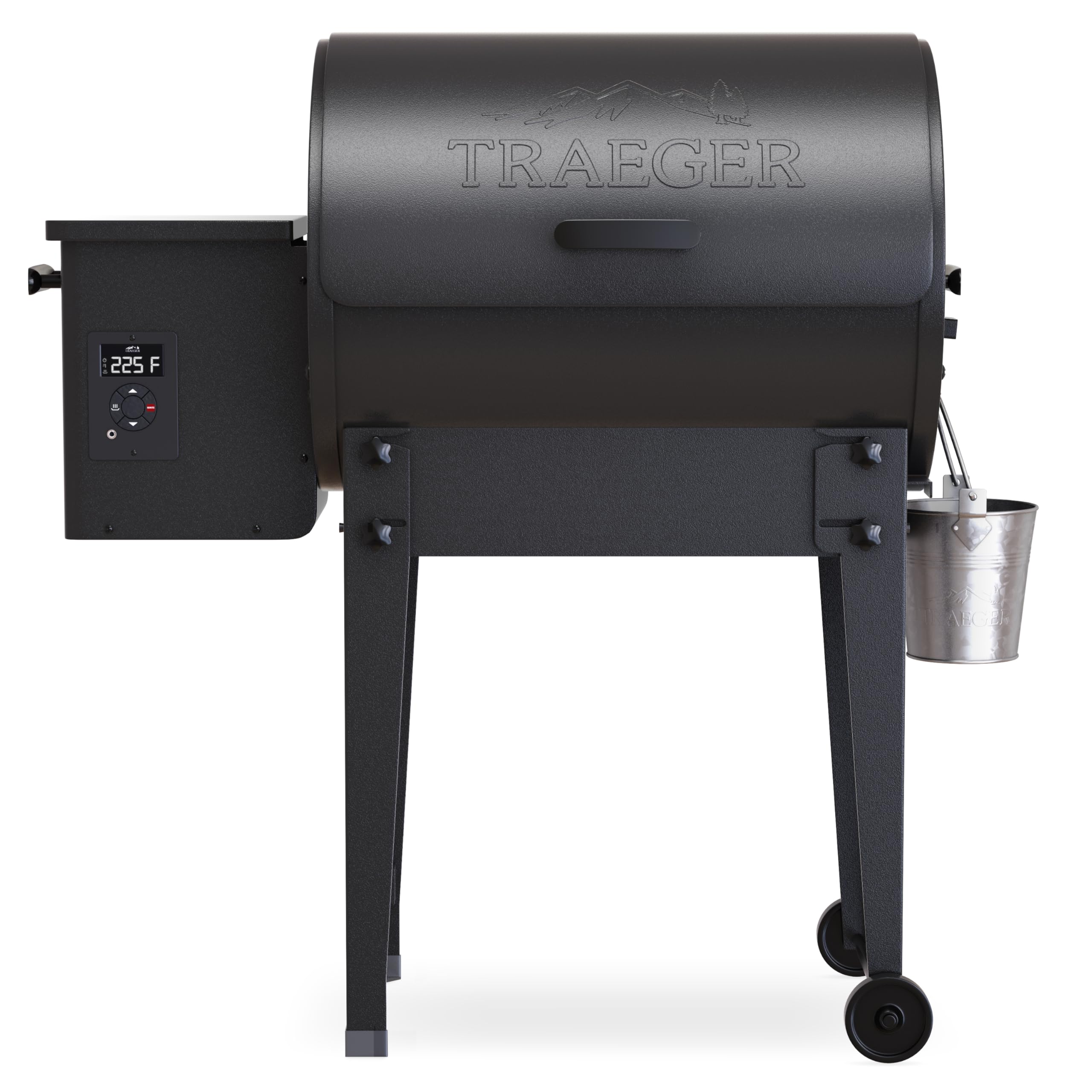
A genuinely portable pellet option that delivers Traeger flavor in a compact, foldable package.
Why I picked it: True portability with foldable legs and a consistent Digital Arc controller.
Best for: Tailgating, camping, and small-space grilling.
Priced for mobility without sacrificing core Traeger features.
Pros
- Compact and truly portable
- Solid temperature control
- Easy to clean porcelain grates
- Quick heat-up on 120V power
Cons
- Smaller 8 lb hopper limits long cooks
- Timer function can be unreliable
- Less cooking surface than full-size grills
My take
I take the Tailgater to lakeside cookouts and tailgates because it packs down and sets up quickly. The foldable legs and manageable weight make transport realistic—this is a grill I’ll actually load into the car.
On cook performance the Digital Arc controller keeps temps steady within the practical range, and the porcelain grates wipe clean easily. For weekend camping cooks or a small dinner for friends it delivers the same Traeger flavor profile in a much smaller footprint.
Expect compromises: the hopper is compact, and I’ve run into a finicky timer function that I now work around by using my phone timer. Still, for mobility and flavor this is the most convenient pellet grill I’ve used.
5. Traeger Ironwood 885 Wood Pellet Grill and Smoker – Best for Entertaining
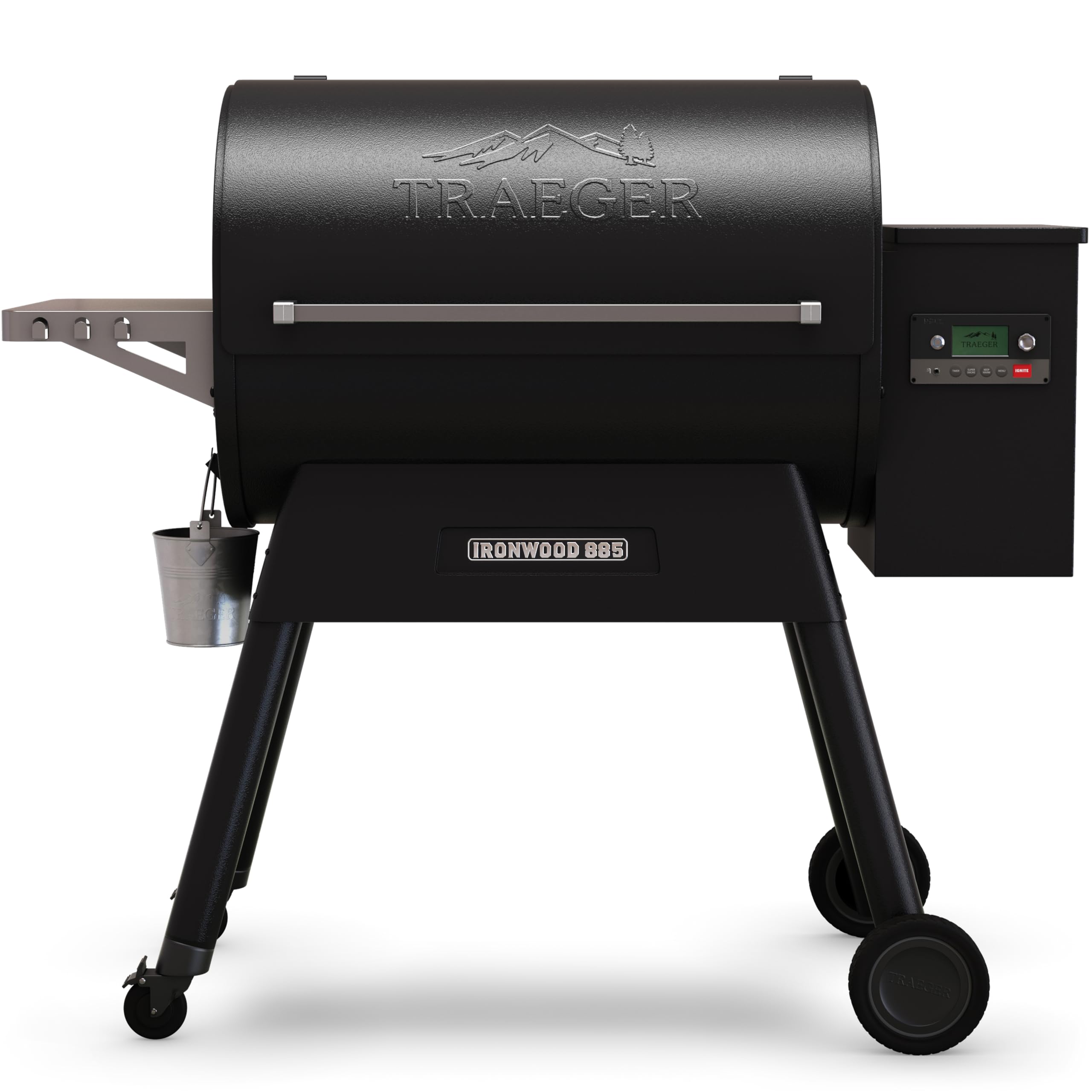
A large-capacity, feature-rich grill aimed at people who cook for big groups and long sessions.
Why I picked it: Massive 885 sq. in. capacity, Super Smoke mode, and WiFIRE control.
Best for: Weekend hosts and serious backyard chefs cooking for crowds.
Premium features and capacity for frequent entertainers.
Pros
- Huge 885 sq. in. cooking area
- Super Smoke mode for deep smoke flavor
- WiFIRE app and D2 controller
- 20 lb hopper with pellet sensor
Cons
- Very large footprint requires space
- Heavier and more permanent than compact grills
My take
When I need to cook for a crowd the Ironwood 885 is where I turn: the two tiers of space let me run multiple racks and trays without juggling cooks. The Super Smoke mode noticeably boosts flavor on briskets and shoulders.
WiFIRE and the D2 controller simplify long cooks—being able to check probe temps and adjust remotely removes a lot of the stress from all-day barbecuing. I also like the pellet sensor and large hopper; I rarely worry about running dry mid‑cook.
This is a serious piece of equipment. It’s heavy and takes real space and commitment, but if you’re regularly entertaining the convenience, capacity, and smoke performance make that investment worth it to me.
6. Z GRILLS 450E PRO Electric Wood Pellet Grill Smoker with PID 3.0 – Best Value Alternative
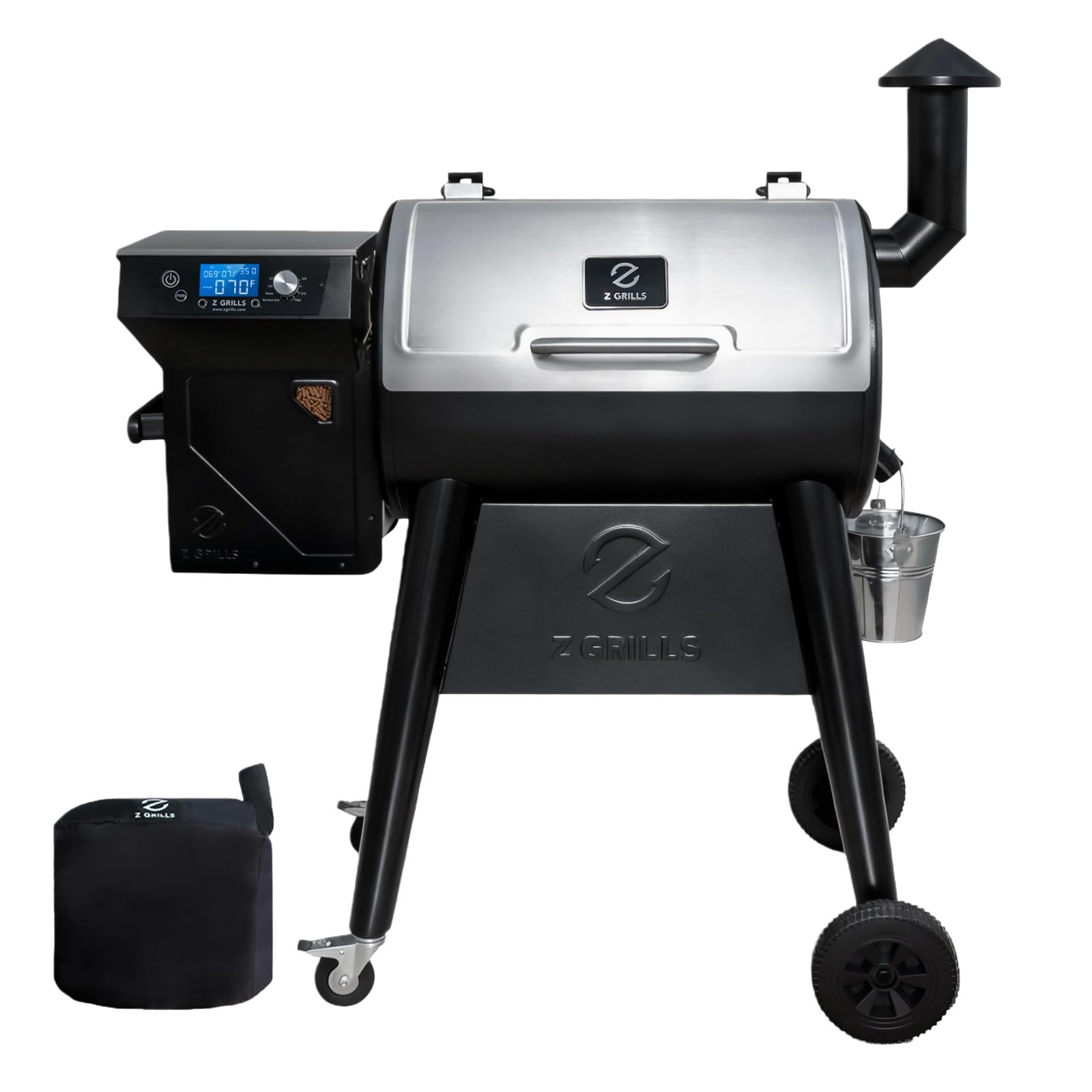
An affordable, well-featured alternative that brings PID control, dual probes, and solid construction.
Why I picked it: PID 3.0 control and real-time monitoring at a value-oriented package.
Best for: Grill owners who want PID accuracy without premium branding.
A cost-conscious option with strong feature parity.
Pros
- PID 3.0 for precise temp control
- Dual meat probes for monitoring
- Viewing window and easy-to-clean hopper
- Sturdy steel construction
Cons
- Assembly can be fiddly alone
- Display temp may differ from probe
My take
I was impressed by how much Z Grills packed into this unit: the PID controller gives steady heat and the dual probes are practical for multi-probe cooks. The viewing window is a small but useful convenience so I can check pellets without lifting the lid.
Assembly went smoothly overall but the legs required patience; two people make fast work of it. In use I did notice the grill’s display temperature can read higher than the probe by a few dozen degrees, so I rely on the probes for doneness rather than the cabinet readout.
For the price point this grill delivers serious capability: good smoke levels, dependable cooking, and durable materials. It’s the model I reach for when I want strong performance without the premium cost of top-tier brands.
How I Choose a Pellet Grill
Key features I prioritize
I focus first on temperature control, build quality, and pellet management because they determine consistency and flavor.
Wi‑Fi or app control is a convenience I value for long cooks, while hopper size and pellet access determine how hands-off a cook can be.
- Controller type: digital, PID, or brand-specific D2—affects temp stability
- Hopper capacity: bigger hoppers need fewer refills on long cooks
- Cooking area: match square inches to how many people you feed
- Build and insulation: double-wall cabinets hold temps better in cold weather
Size and capacity
I pick grills with capacity that matches how I cook: compact for tailgates, midsize for family use, and large for entertaining. Don’t buy a giant grill if you rarely cook for more than four people.
- 300–600 sq. in.: good for most families
- 600–900+ sq. in.: ideal for hosts and batch cooking
Controls and tech
If I run multi-hour smokes, app connectivity and reliable probes let me manage cooks from indoors. For quick weeknight use, a simple, stable digital controller is often all I need.
- Wi‑Fi/app: useful for remote monitoring
- Meat probes: I trust probe temps over lid thermometers
- Recovery time: fast recovery helps when you open the lid
Maintenance and durability
I look for porcelain grates, easy-to-remove drip pans, and accessible ash cleanup. Hopper clean-out doors and pellet sensors simplify pellet swaps and refills.
Wheels, handles, and build thickness matter if I plan to move the grill or keep it outdoors year-round.
- Porcelain-coated grates clean easier
- Hopper clean-out speeds pellet swaps
- Lockable casters add stability during cooks
Frequently Asked Questions
How important is hopper size?
I treat hopper size as a practical convenience: larger hoppers reduce refill frequency for long smokes, while smaller hoppers make the grill more portable. For overnight briskets I prefer an 18–20 lb capacity; for tailgating the 8 lb Tailgater is ideal.
Do Wi‑Fi features actually help?
Yes—when I’m running all-day cooks I rely on Wi‑Fi and probe monitoring to avoid needless lid openings. It’s not essential, but it changes the way I manage long smokes and gives me peace of mind.
Are displayed temperatures reliable?
I always use meat probes for final doneness. Built-in cabinet temps give a useful reference, but I’ve seen display temps differ from probe readings, so I base decisions on probe numbers.
What maintenance should I budget for?
Regular ash removal, drip tray liners, and an occasional deep clean of the flame shield and auger area keep performance predictable. I also vacuum pellet dust from the hopper every few cooks.
Can I use non-brand pellets in these grills?
I use a variety of hardwood pellets and recommend hardwood blends for consistent flavor. Pellet choice affects smoke intensity and cost, so test a few to find the flavor profile you prefer.
Final Take
After cooking across these models, I keep coming back to a simple idea: pick the grill that matches your routine. Choose portability if you travel, Wi‑Fi if you want remote control, and bigger capacity if you entertain often.
I personally recommend the Traeger Pro 22 for balanced everyday use, the Pro 575 if you want smart control, and the Ironwood 885 when cooking for a crowd. The Pit Boss and Z Grills options are sensible choices if you want capable performance on a tighter budget.
