
I tested compact to heavy-duty electric heaters and picked options that balance heat, safety, and noise for garages and workspaces.
I spend a lot of time in my garage workshop, so I know how important targeted heat is when the temperature drops. For this roundup I focused on heaters that deliver usable warmth in a garage environment while minimizing noise and safety risks.
I prioritized units with solid safety features, quick warm-up, and controls that work when my hands are greasy or gloved. Below are the heaters I trusted in real cold-weather sessions, organized by the role each one does best.
I compared heaters by heat delivery, coverage, noise, and safety features so you can match a model to your garage size and use.
1. DREO Space Heater, 1500W Portable Electric Heaters (Atom One) – Best Personal Garage Heater
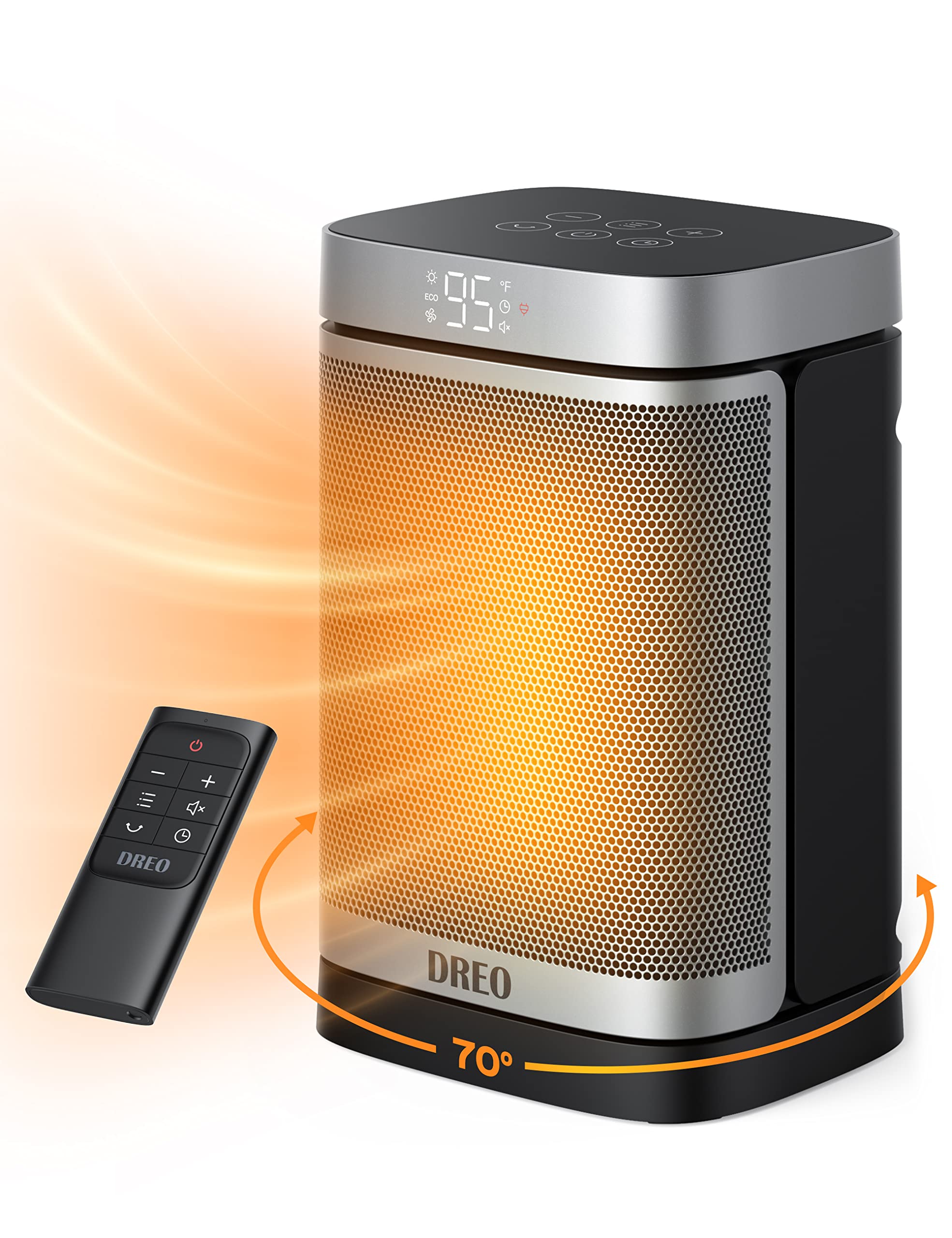
I used this compact 1500W DREO to warm a bench area and liked how fast and quietly it delivered heat.
Why I picked it: Very fast warm-up, whisper-quiet operation, and usable oscillation for a personal work area.
Best for: Warming a workbench, small garage corner, or a single-person workspace.
Affordable personal heater with premium-feeling features.
Pros
- Rapid warm-up
- Very quiet operation
- 70° oscillation
- Remote and timer
- Strong safety protections
Cons
- Not meant for whole garages
- Small footprint limits coverage
My take
I set this DREO on my shop floor next to the workbench and felt heat within minutes; the Hyperamics tech and 1500W output make it surprisingly effective for its size.
The unit runs almost silently thanks to the brushless DC motor, so I can use it while I’m tuning tools or recording a quick project without audible distraction.
Safety features like tip-over and overheat protection give me peace of mind when I step away. The digital thermostat and remote make short sessions easy to control while wearing gloves.
2. Dr Infrared Heater DR-968 Portable Space Heater, 1500-Watt – Best for Large Garages
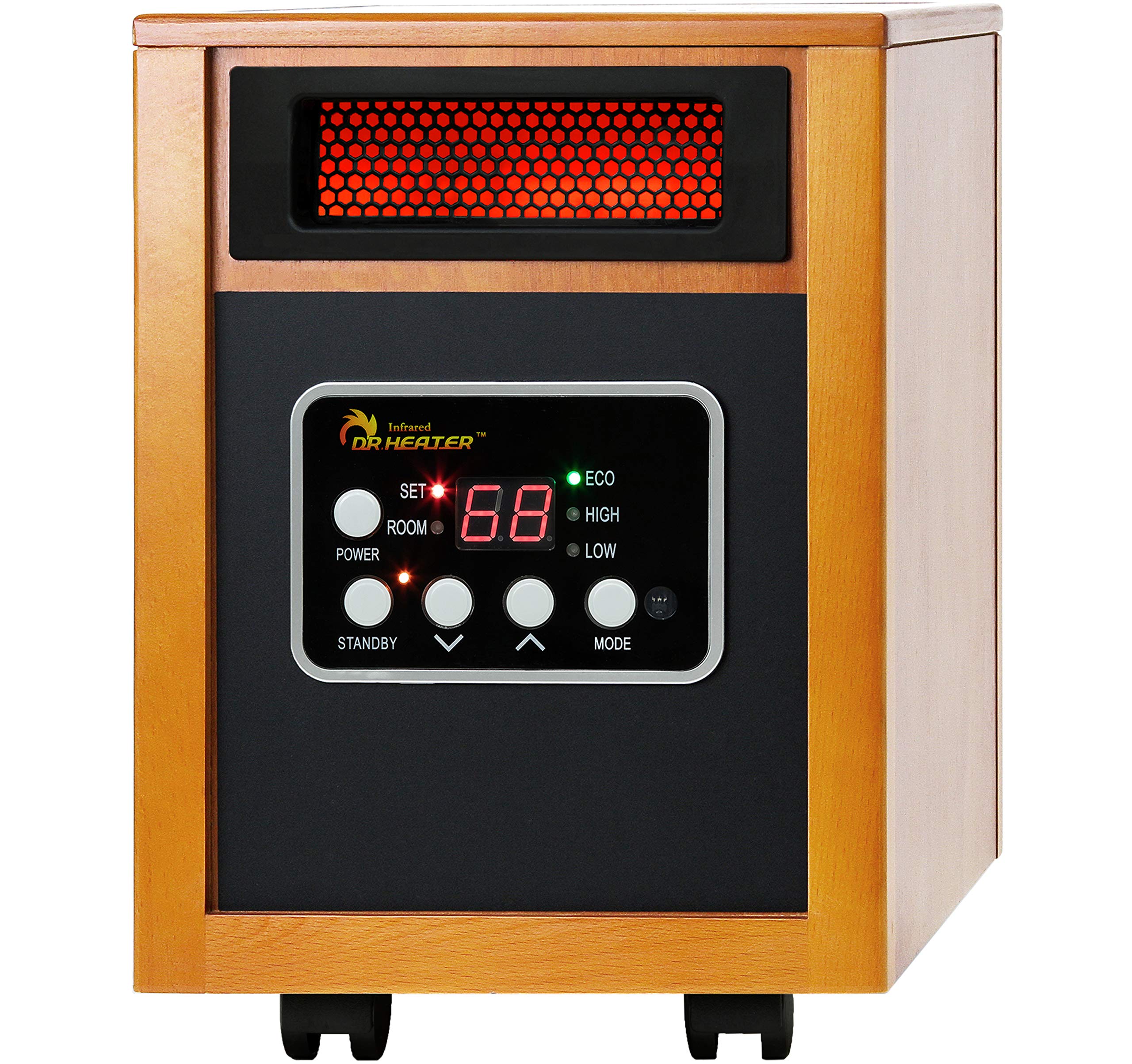
I relied on the Dr. Infrared when I needed to heat a larger garage bay; its dual heating system moves heat farther and faster.
Why I picked it: Dual heating (infrared + PTC) and a high-volume blower make it the strongest 1500W option here.
Best for: Heating large garage spaces, workshops, or open bays where faster area warming matters.
A more expensive option for heavier-duty garage use.
Pros
- Dual heating system
- Heats large areas quickly
- High-volume low-noise blower
- Durable build with caster wheels
Cons
- Heavier and less portable
- Clicks when cycling on/off
My take
When I needed to bring a chilly 1-car bay up to a comfortable working temperature, this Dr. Infrared unit did it faster than the smaller ceramic models I’ve used.
The infrared element warms objects and surfaces as well as the air, which makes the space feel warmer without blasting dry air across the room.
It’s solidly built and easy to move on casters, which I appreciated when I repositioned it between the garage and a basement workshop.
3. DREO Space Heater, 2024 Upgraded Portable Electric Heater (10 inch) – Best Compact Budget Heater
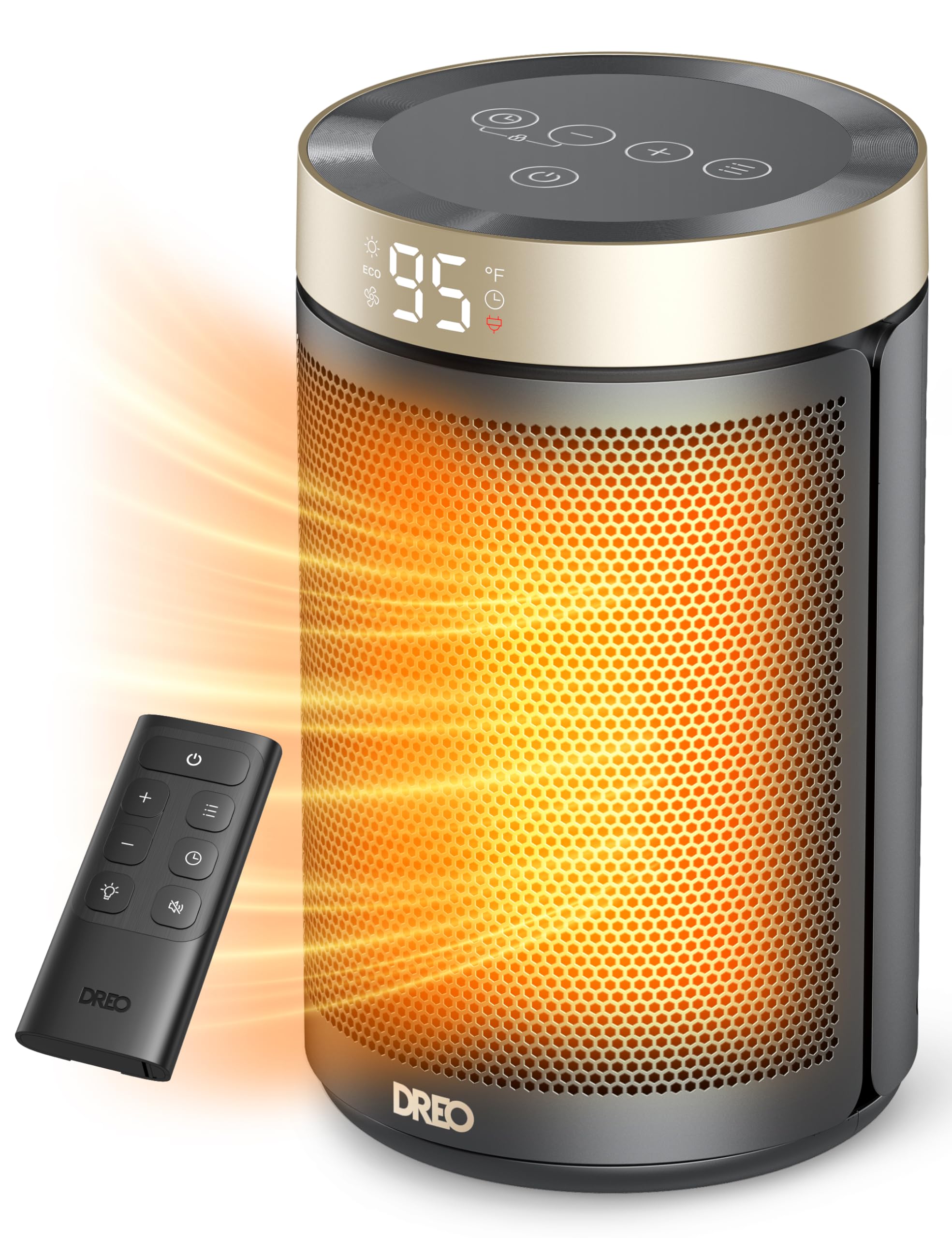
I needed a lightweight, inexpensive heater to drop into tight spots and this DREO handled small-to-medium garage nooks well.
Why I picked it: Compact size with precise thermostat control and quiet operation for tight spaces.
Best for: Tight corners, small garages, and temporary spot heating while working.
Lowest-cost option that still includes precise controls.
Pros
- Excellent value
- Compact and portable
- Precise 1°F thermostat
- Very quiet
Cons
- Limited coverage area
- Not for heavy-duty whole-garage heating
My take
I put this small DREO in a 10×12 garage and it warmed the immediate area quickly—its Hyperamics PTC system pushes heat farther than you'd expect for a unit this size.
The improved chipset lets me hold a target temperature that cycles efficiently, so the heater runs less and conserves energy during short jobs.
It’s lightweight and the remote plus timer make it easy to use when I’ve got my hands full.
4. DREO Space Heater, 1500W Electric Heater (Gold Standard) – Best Balance: Coverage & Quiet
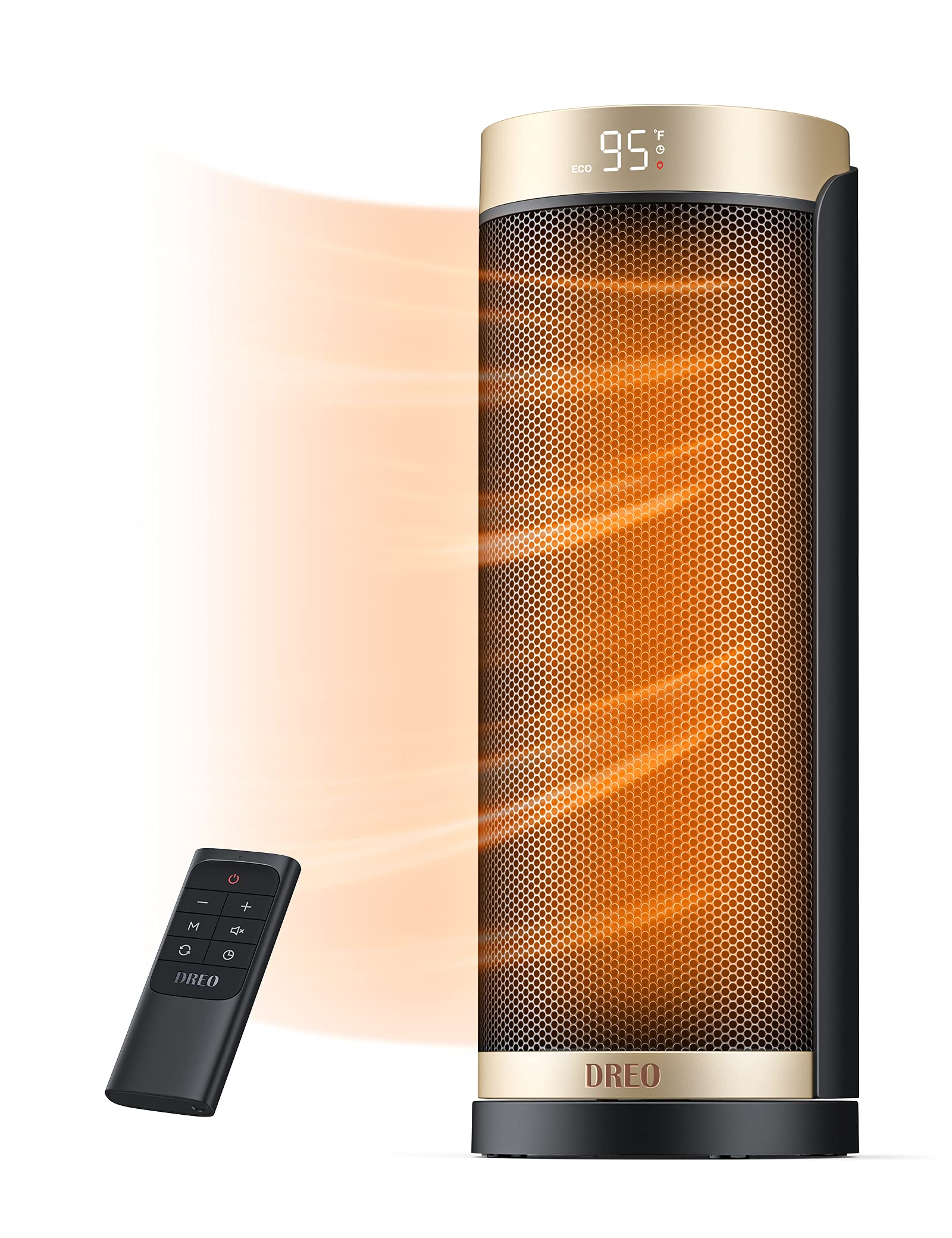
I used this DREO when I wanted broad coverage without a noisy blower—recommended when you want steady heat for a medium garage.
Why I picked it: Good balance of coverage (rated ~270 sq.ft.), quiet operation, and safety features.
Best for: Medium garages, workshops, and spaces where even heat distribution matters.
Mid-range option balancing performance and features.
Pros
- Covers larger rooms
- Very quiet (34dB)
- 70° oscillation for even heat
- Strong safety features
Cons
- Oscillation occasional hiccups
- Remote sensitivity varies
My take
I used this unit in a 220–270 sq.ft. garage and noticed more even warmth across the space thanks to the wide-angle oscillation and trackball distribution.
It’s one of the quieter models I tried, so I can run it while I work without constant fan noise.
The ECO mode and precise temperature sensor reduce runtime, which is helpful when I want to keep battery or circuit load down during longer projects.
5. DREO Space Heaters for Indoor Use, Large PTC Ceramic Electric – Best for Even Coverage
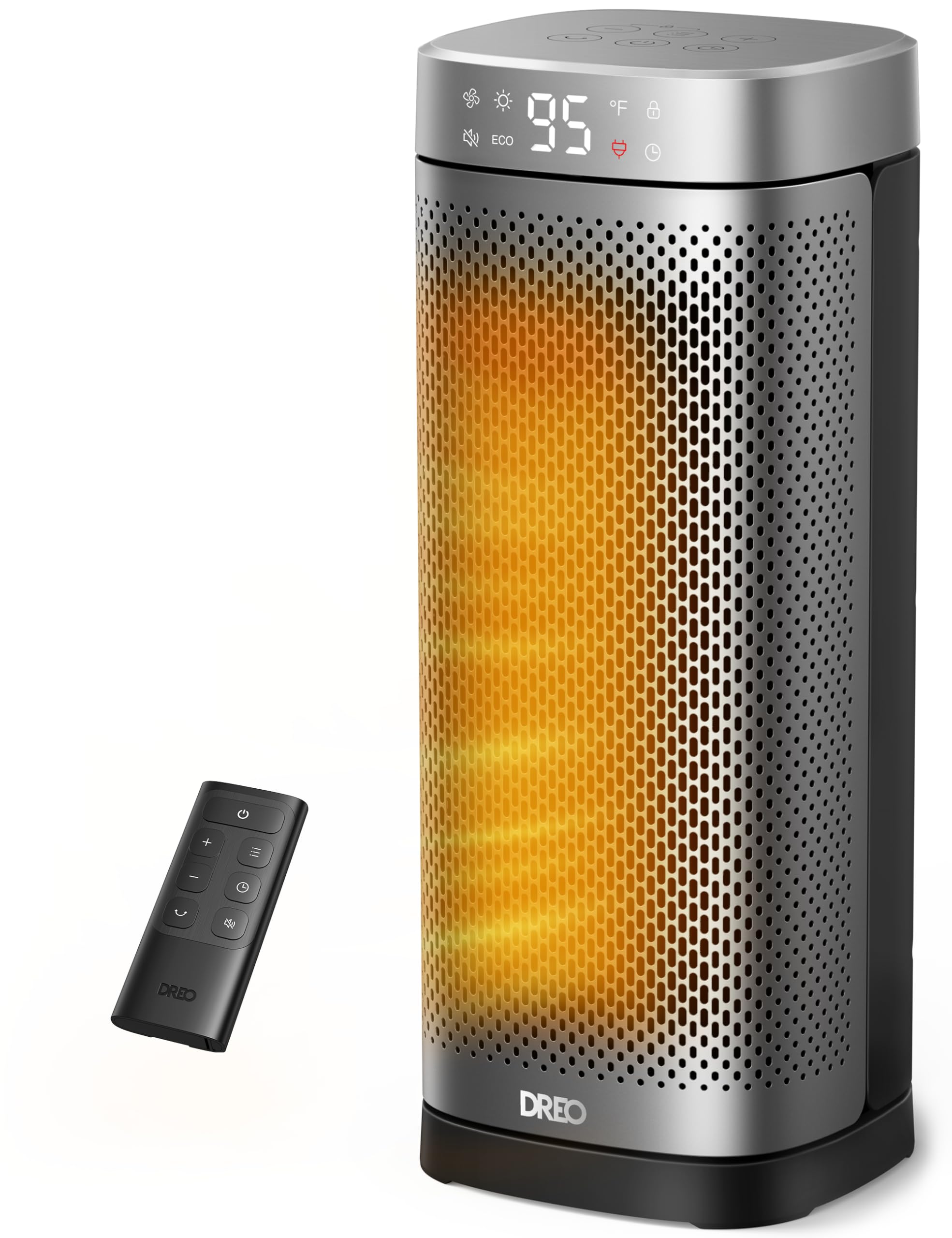
I put this model in a corner and appreciated the wide-angle sweep and room-filling warmth for multi-zone garage tasks.
Why I picked it: Wide 70° heating and claims of up to 250 sq.ft. coverage deliver consistent warmth across a garage area.
Best for: Garages where you want heat to reach workbench, seating, and entry points evenly.
Solid mid-priced option for larger footprint coverage.
Pros
- Fast heating speed
- Wide-angle distribution
- ETL-listed safety
- Quiet operation
Cons
- Remote range limited
- Occasional oscillation stops
My take
I ran this DREO across a variety of layouts and it consistently provided an even warmth instead of just blasting one direction.
The Shield360° safety system and auto shut-off gave me confidence to leave it running while I stepped into the house for short breaks.
It’s easy to move between the garage and living areas when needed, and the ECO mode helps manage runtime during long sessions.
6. PELONIS PTH15A2BGB 1500W Fast Heating Space Heater (Tower) – Best Tower Heater
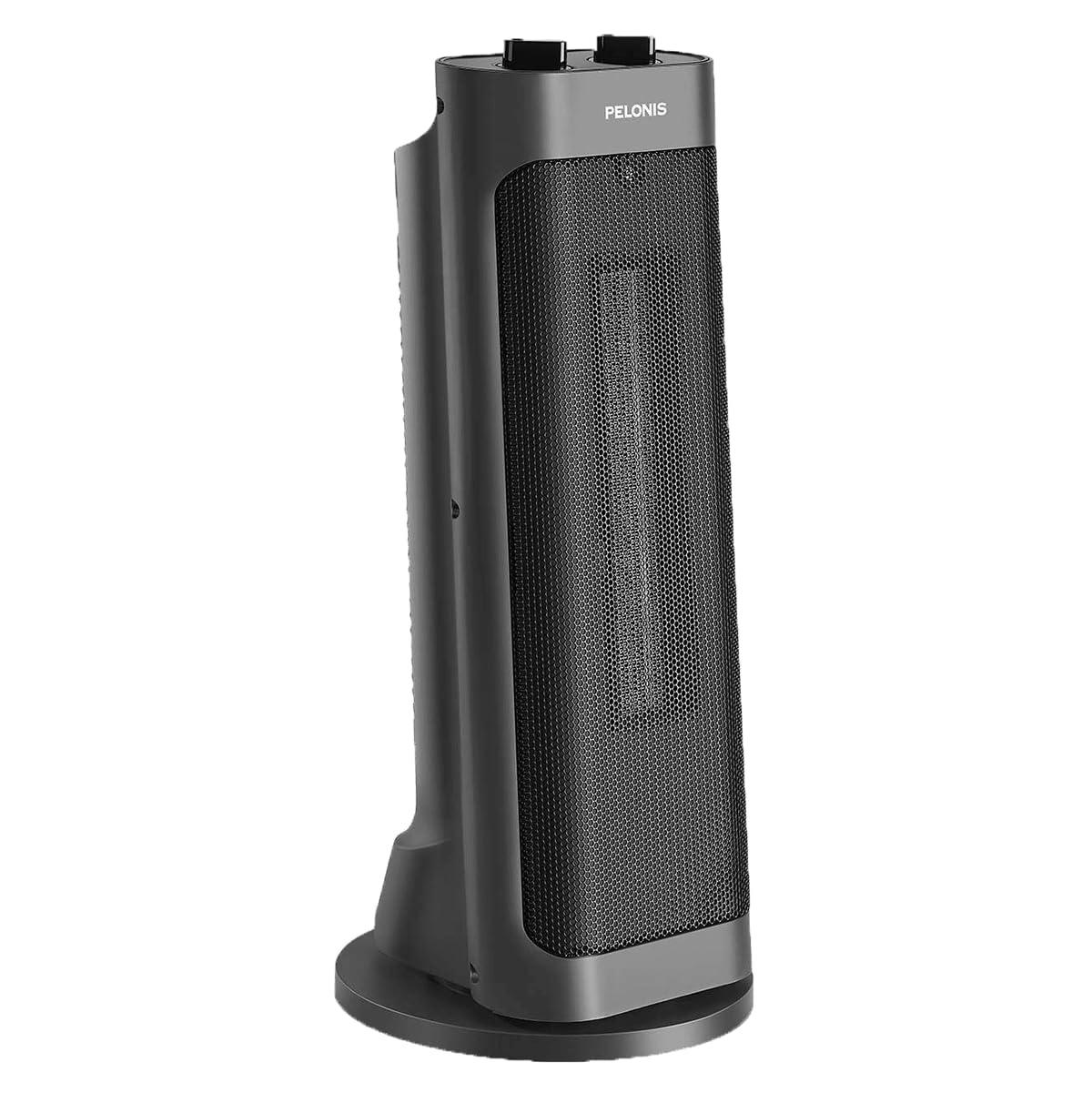
I liked the tower profile for placing under benches or near shelving; it’s compact vertically but moves heat efficiently.
Why I picked it: Tall form factor with wide oscillation and programmable thermostat fits narrow garage spots.
Best for: Narrow workspaces, under-benches, and garages where floor space is limited.
Reasonably priced tower with practical features.
Pros
- Tall, slim footprint
- 83° oscillation
- Fast heat-up
- Tip-over protection
Cons
- Can be louder at max
- Controls are basic
My take
The Pelonis tower fit neatly under my bench and pushed heat upward where I needed it most; the 83° sweep spreads warmth well for its size.
It heated up almost instantly and I appreciated the programmable thermostat for keeping a steady temperature during long projects.
While not the quietest at the highest setting, it’s unobtrusive on medium power and reliable for day-to-day garage use.
How I Choose Garage Heaters
Match heater size to your garage
I always size a heater to the space. For a single-car garage I look for units that state coverage of 200–300 sq.ft. or a strong directional output. For larger bays, I favor dual heating systems or units with high-volume blowers.
- Small stalls and bench zones: 1500W ceramic/PTC personal heaters
- Medium garages (~200–300 sq.ft.): units with wide oscillation and ECO modes
- Large open bays: infrared + convection or high-volume blower models
Prioritize safety features
I never run a heater in the garage without tip-over shutoff, overheat protection, and flame-retardant materials. These features reduce risk when tools, rags, or benches are nearby.
- Tip-over and overheat auto-shutoff
- ETL/UL certification when available
- Avoid using extension cords unless product allows it
Consider noise and placement
I choose quieter models when I’m working on tasks that demand focus or when I’m running a heater overnight. For short spot heating, noise is less important than directional warmth.
- Brushless motors for quieter operation
- Place units off the floor for better heat spread when possible
- Oscillation helps fill corners and reduce cold spots
Power and circuit considerations
I check the heater’s amperage and plan which circuit I’ll use. High-output heaters can trip shared circuits if lights or tools are running on the same line.
- 1500W models typically draw about 12–13 amps
- Avoid running heavy tools on the same circuit as the heater
- Consider using casters for heavier units to reposition easily
Frequently Asked Questions
Can I safely run a 1500W heater in my garage?
I run 1500W heaters in my garage regularly. I keep the heater on a dedicated circuit when possible, avoid extension cords, and ensure tip-over and overheat protections are enabled.
Which heater type warms a garage fastest?
In my experience, units that combine infrared and convection or those with high-volume blowers warm the space fastest because they heat both surfaces and move air efficiently.
Is a quiet heater important for garage work?
I prefer quiet heaters when I’m doing focused work or running the heater while listening to audio. For short, intense warm-up sessions, I’ll accept more noise for stronger airflow.
Final Take
I chose these models to cover garage roles from spot heating at a bench to warming an entire bay. Match the heater’s coverage and sound level to how you use your space.
If you want a simple, quiet personal heater, I reach for the compact DREO units. For the most garage-friendly, whole-space warming I relied on the Dr. Infrared and the mid-size DREO models.
Whichever one you pick, I recommend checking circuit load, keeping clearances around the heater, and using the built-in safety features whenever possible.
