
I tested six lunch boxes so you don’t have to. These are the ones I keep reaching for—rugged, insulated, and built for real days on the job or on the go.
I’ve carried a lot of lunch bags over the years—on job sites, on commutes, and on weekend trips. I focused on rugged construction, real insulation performance, and practical layouts when I tested these six options.
In the sections below I walk through where each bag shines, what I’d avoid, and who I’d recommend it to based on hands-on use.
I prioritized toughness, insulation, capacity, and ease of cleaning. Where possible I note real measurements and construction details so you can match a bag to how you pack.
1. Carhartt Camping Cooler / Worksite Lunchbox (Black) – Best for Tough Worksites
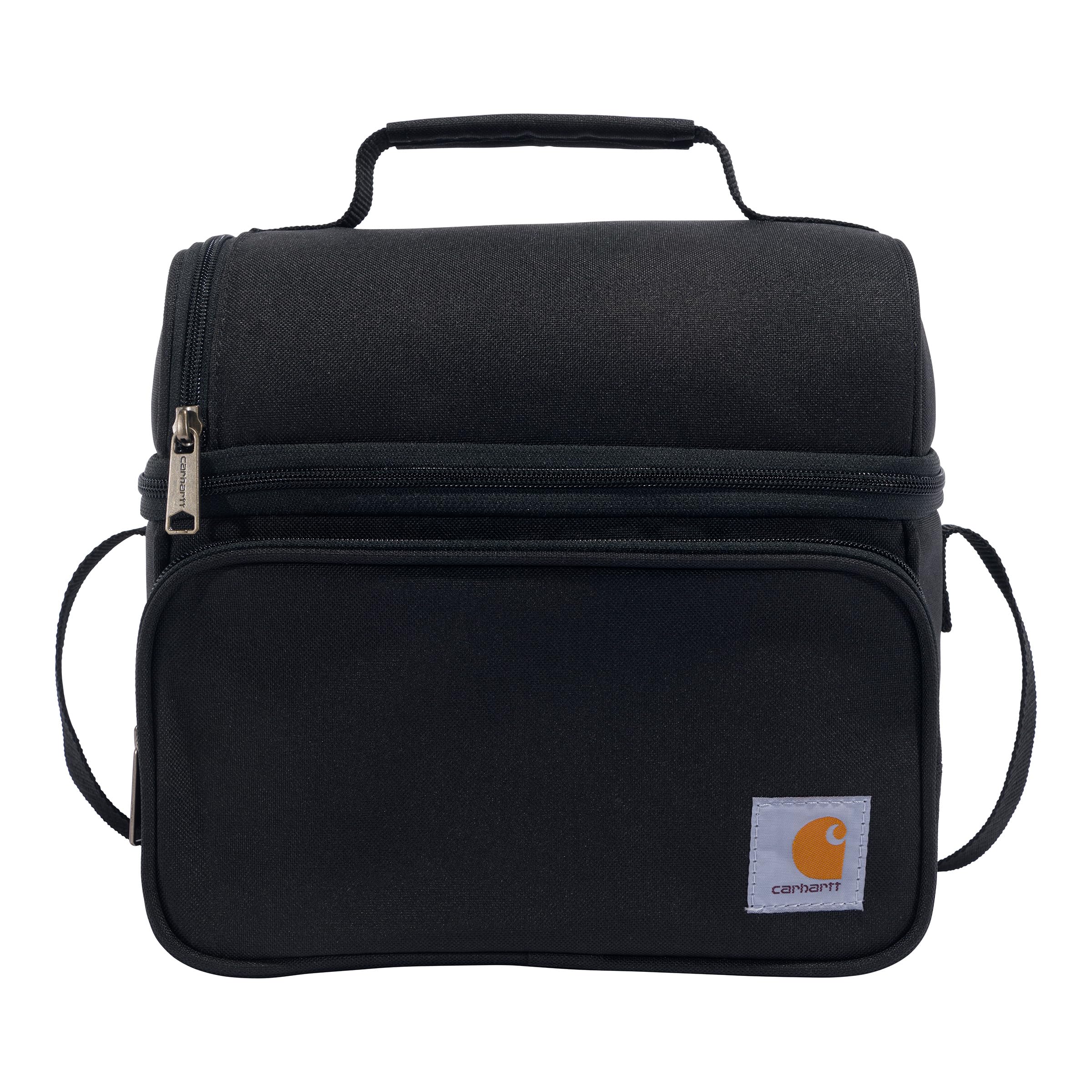
This is the toughest soft cooler I’ve used. Built like workwear, it handles rough handling and keeps food cold with minimal ice.
Why I picked it: Rugged construction, dual compartments, and proven all-day cooling.
Best for: Construction, fieldwork, camping, and heavy daily use.
Durable, mid-to-premium value.
Pros
- Extremely durable exterior
- Dual compartments for organization
- Long carrying strap for hands-free transport
- Zippers and hardware hold up
- Easy to wipe clean
Cons
- No external bottle holder
- Advertised 12-can capacity is optimistic
My take
I’ve used this Carhartt bag five days a week for years and it still looks solid. The fabric and stitching resist scuffs and the zippers have not failed on me despite heavy use.
The dual-compartment layout is genuinely useful: I keep drinks and ice in the lower section and sandwiches or dry items in the top, which helps prevent soggy lunches. With a single small ice pack the bag kept my food cold all day on most jobsites.
Practically speaking, the bag fits comfortably in a staff fridge and can hold multiple drinks alongside containers. If you plan to pack a lot of cans plus ice, expect usable capacity closer to half the claimed number—so don’t count on it as a party cooler.
Cleaning is simple: I usually wipe the interior with a wet paper towel after a day in the field and nothing has stained or retained odors. For rugged, everyday carrying where durability matters more than carrying the maximum number of cans, this is the one I reach for.
2. BALORAY Insulated Lunch Bag (Black White Stripes) – Best Budget Pick
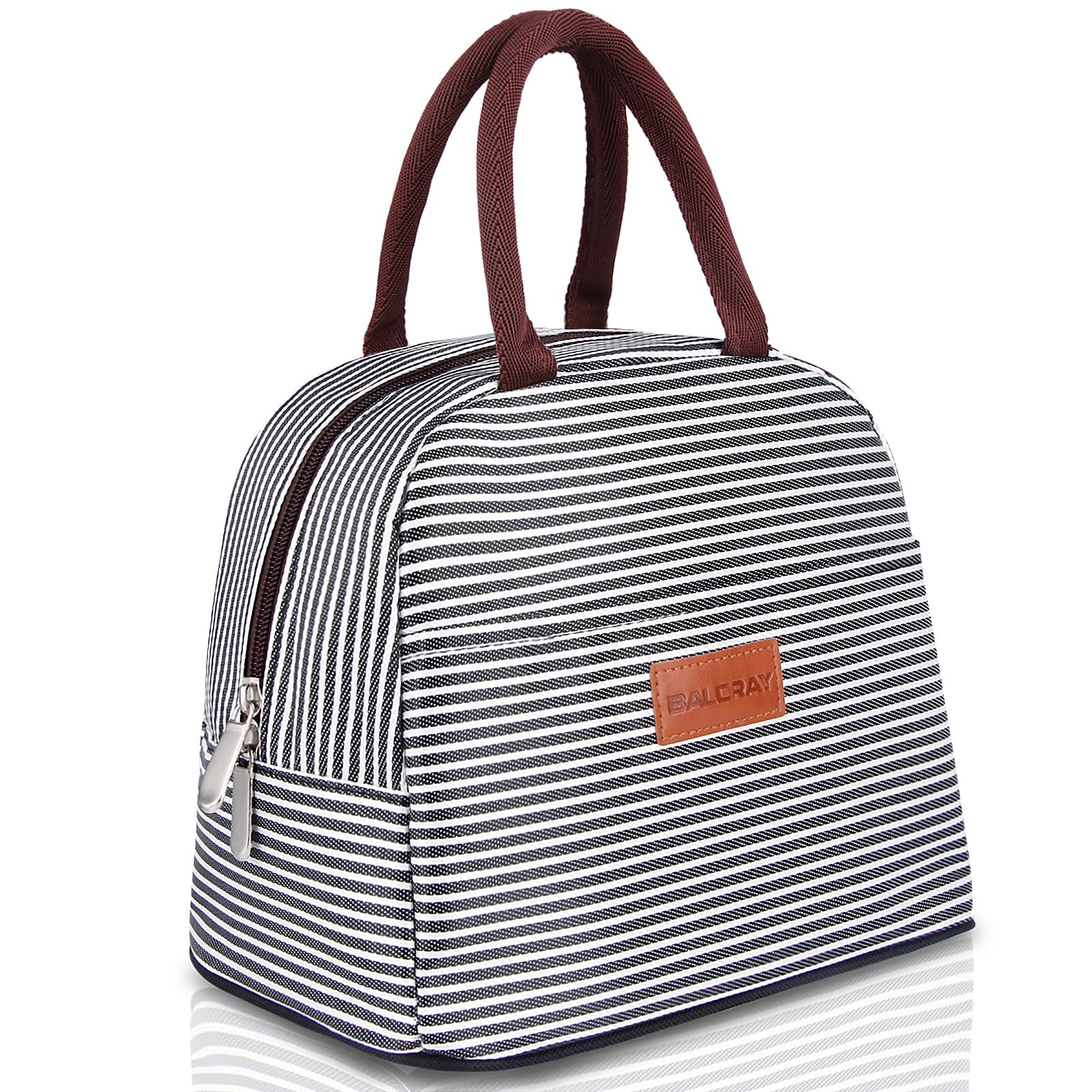
Small, lightweight, and surprisingly capable. This is the grab-and-go bag I use when I don’t need huge capacity.
Why I picked it: Triple insulation and wipe-clean materials at a very low cost.
Best for: Minimalist commuters and anyone who needs a simple daily lunch tote.
Very affordable and practical.
Pros
- Lightweight and easy to carry
- Triple insulated liner
- Front pocket for small items
- Easy to wipe clean
Cons
- Can flop when lightly packed
- Limited capacity for big meal prep
My take
This BALORAY bag surprised me for its price. The 10 x 6.6 x 8.5 inch footprint fits a meal-prep plate and a drink without deforming the bag badly.
The interior foil liner wipes clean quickly, and the padded handle is comfortable when I’m walking between meetings. I did notice the swivel hooks make the bag a bit floppy if I pack very light, so I either add a small ice pack or a napkin to keep it stable.
It’s not the bag I’d pick for a multi-container lunch, but for a single meal, a snack, and a drink it’s an economical, low-fuss choice that performs exactly as advertised.
3. MIYCOO Double Deck Leakproof Insulated Bag (15L, Gray) – Best for Organization
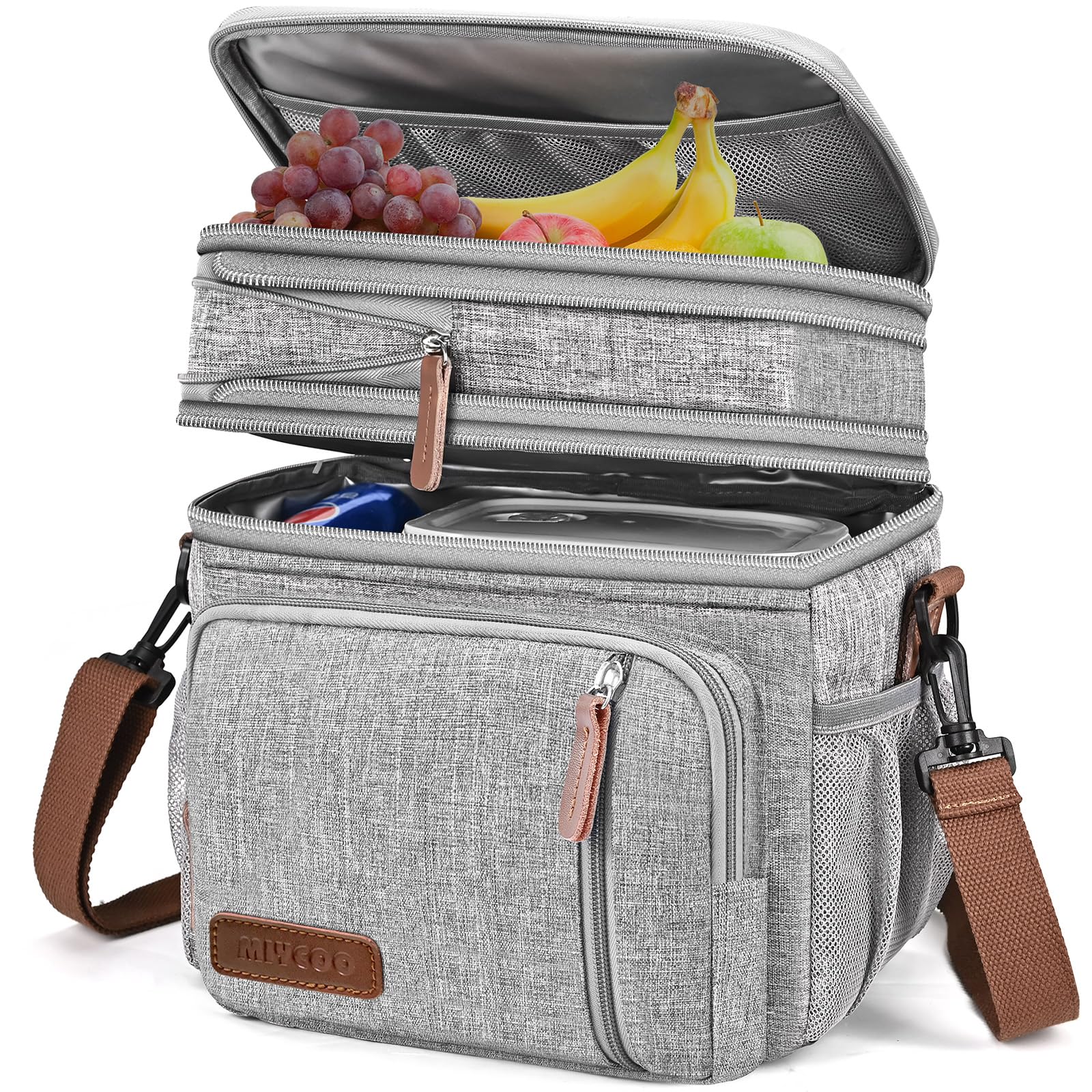
The double-deck layout is the feature I appreciated most: it keeps fragile items separate and the leakproof liner gives me confidence with liquids.
Why I picked it: Two independent layers and a leakproof PEVA liner.
Best for: Separating hot and cold items or packing multiple meals.
Great value for the capacity offered.
Pros
- Double-layer separation
- Leakproof PEVA liner
- Expandable capacity
- Plenty of external pockets
Cons
- Minor squeak at latch
- Not pocket-friendly when fully expanded
My take
I tested the MIYCOO bag on busy days when I needed breakfast and lunch separated. The upper and lower layers prevented my sandwiches from getting crushed by containers and I liked that I could reserve one level for snacks.
The PEVA liner is seamless and easy to wipe out; I once dropped a glass bowl in the bag and nothing leaked. Insulation is strong—on several occasions a frozen water bottle I packed in the morning was still partially frozen at the end of the day.
The bag expands a little when you need the room, which I found handy for weekend picnics. My only nitpick is a small squeak from the latch hardware, but that’s cosmetic compared to the organizational advantage you get.
4. LOKASS Insulated Wide-Open Lunch Bag (Gray, 10 L) – Best Wide-Open Access
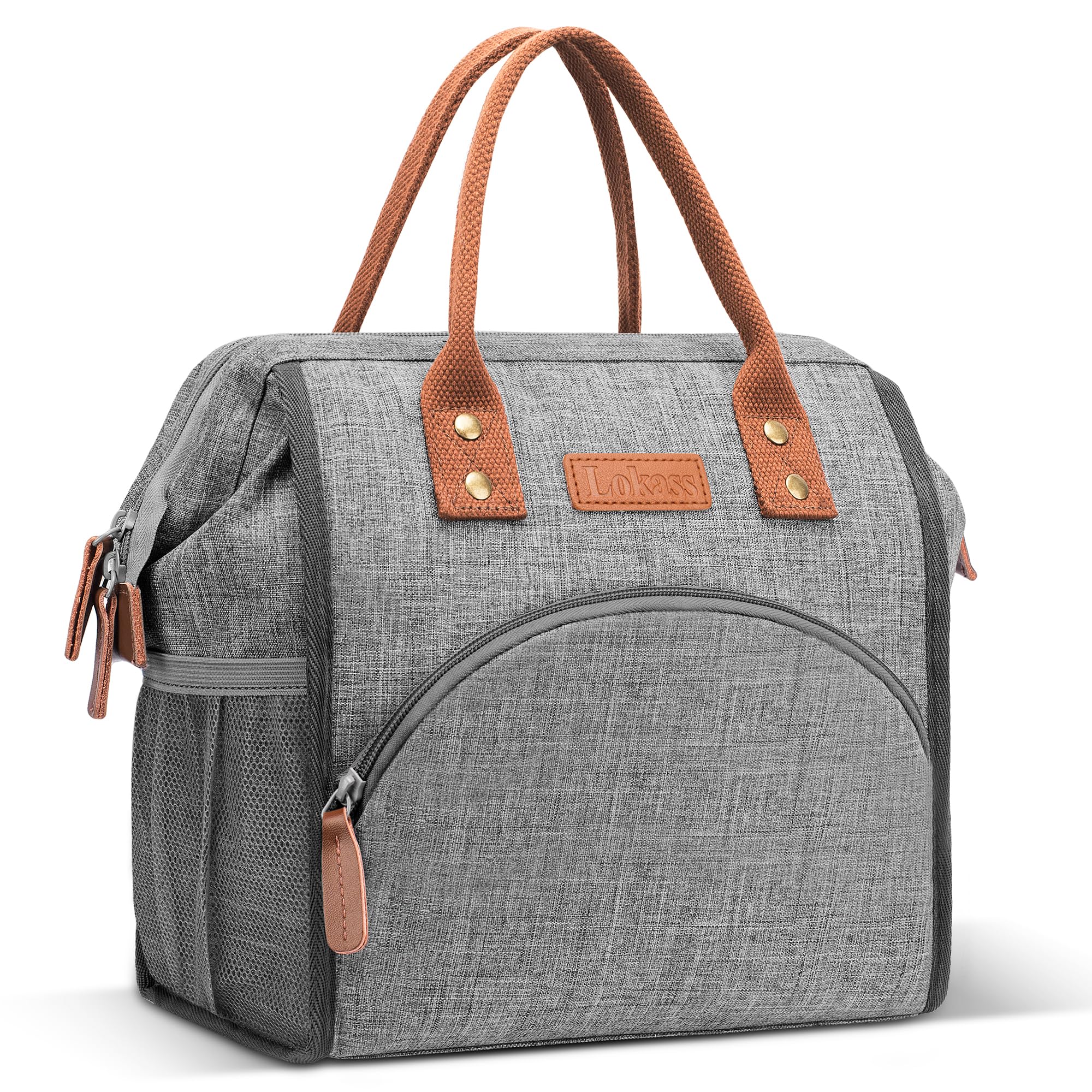
A wide top opening makes packing and unpacking effortless, and the construction is built to handle heavy daily use in demanding environments.
Why I picked it: Wide zipper opening and heavy-duty construction for quick access.
Best for: Medical staff, busy shifts, and anyone who needs fast horizontal access.
Solid midrange option with durable build.
Pros
- Wide-open dual-zipper top
- Seamless leakproof lining
- Side pockets for bottles
- Reinforced handles and stitching
Cons
- Smaller than some expect
- Insulation best for typical workday hours
My take
I like this bag when I’m carrying meal prep containers that need to lie flat—the dual-zipper top opens fully so I can slide containers in and out without spilling.
The hot-pressed, seamless lining means I’m not worrying about spills soaking through. I use the front zip pocket for napkins and utensils, and the side mesh pockets handle my coffee cup reliably.
It survived being passed between family members and still looks good; I’ve ordered multiples because the construction makes it a dependable daily tote for hectic schedules.
5. PackIt Freezable Classic Lunch Box (Sporty Camo Navy) – Best Built-in Cooling
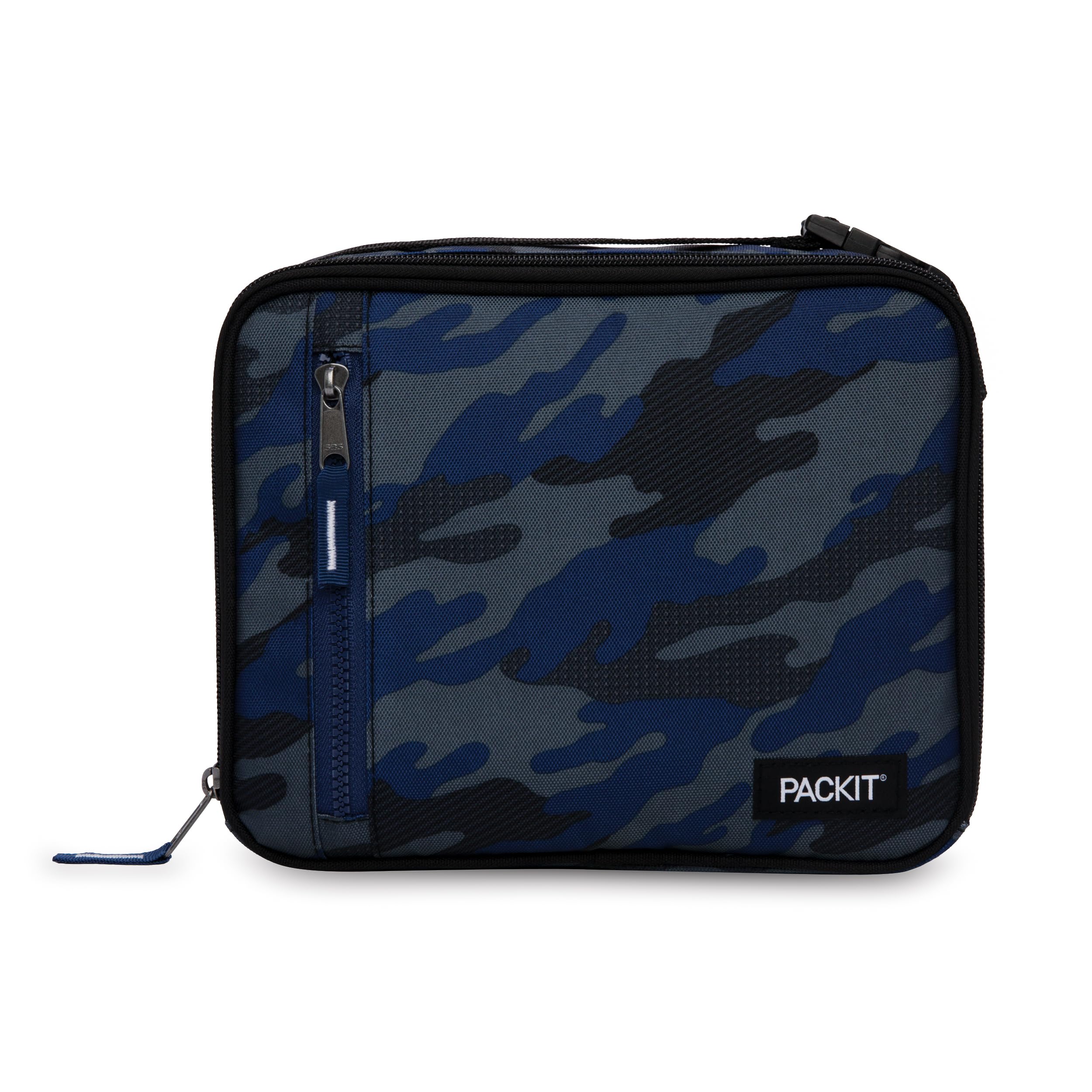
I rely on the PackIt when I need guaranteed cold without separate ice packs—the entire bag freezes and brings refrigeration with it.
Why I picked it: Integrated freezable gel walls eliminate separate ice packs.
Best for: Commutes, keeping dairy and salads safe, and longer warm-weather outings.
Unique tech, moderate cost for built-in cooling.
Pros
- Built-in freezer gel walls
- No separate ice packs needed
- Collapses flat for freezer storage
- Non-toxic, PVC/BPA-free materials
Cons
- Heavier when frozen
- Not machine washable
My take
The PackIt is the only bag I own that truly brings cold from the freezer. I freeze it overnight, pack in the morning, and the walls stay cold for hours—enough to keep deli meats and salads safe on warm days.
Because the gel is integrated into the walls the bag takes up less usable interior space than some soft coolers, but I still manage a full meal and a 12-ounce drink without trouble. It’s slightly heavier when frozen, but that’s the trade-off for built-in refrigeration.
I’ve owned one for years and it still freezes solid and performs reliably. I hand-wipe the interior and spot-clean the exterior; the company care guidance is straightforward and I haven't had durability issues.
6. Weitars Insulated Lunch Bag (Green) Large Tote – Best Large Capacity
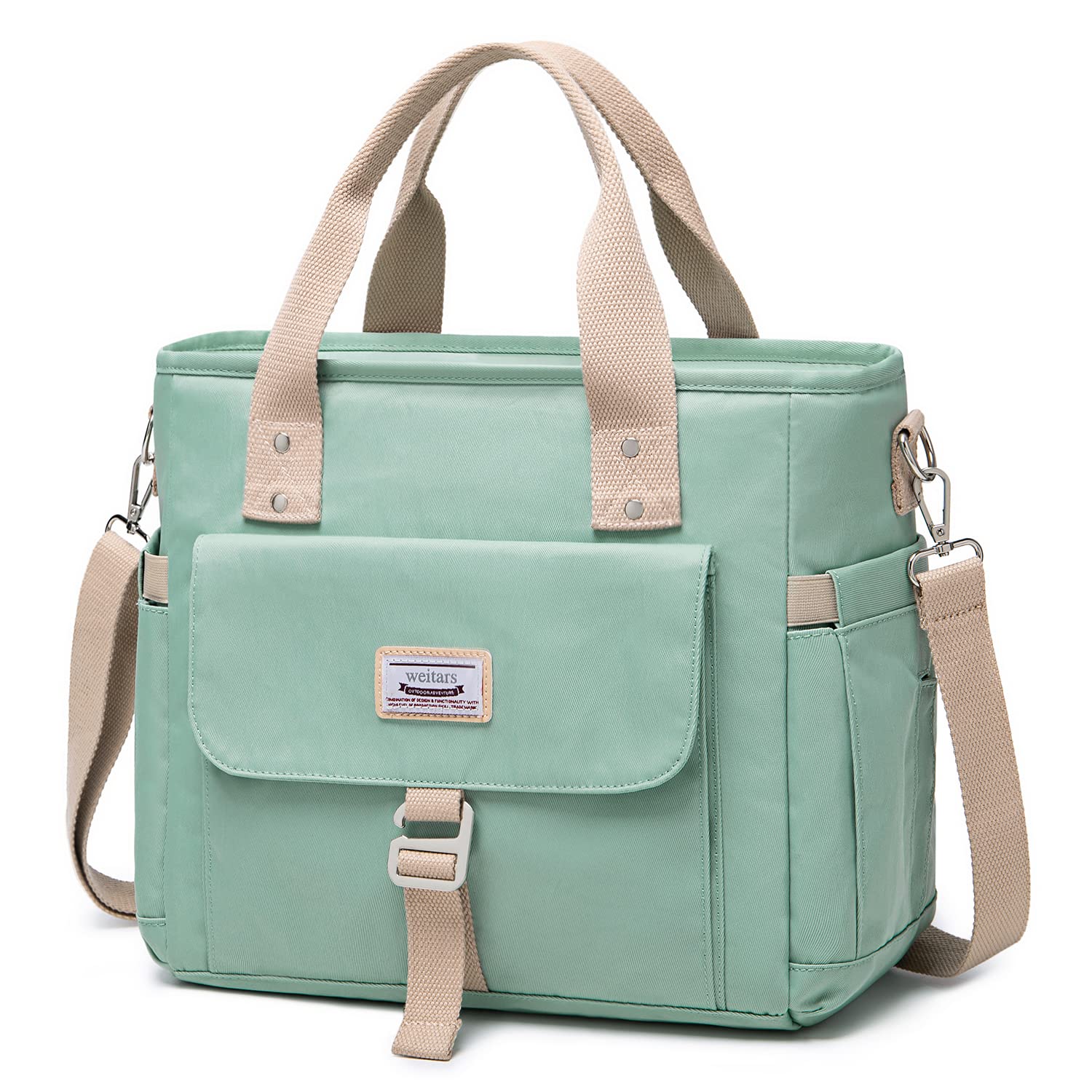
If you pack multiple meals or need space for pumping supplies and work gear, this oversized tote handles serious volume while still looking tidy.
Why I picked it: Very large interior, multiple pockets, and two carry options.
Best for: Big meal-prep days, commuters with extra gear, and multi-meal packing.
Affordable option for big-capacity needs.
Pros
- Huge internal capacity
- Multiple external and internal pockets
- Removable shoulder strap included
- Durable oxford-cloth exterior
Cons
- Can be bulky when fully loaded
- Not as sleek as smaller coolers
My take
I turn to the Weitars bag when I’m packing breakfast, lunch, snacks and a drink. The roomy interior swallows large containers and even a small milk bottle with room to spare.
Construction feels solid—riveted stress points, metal zipper pulls, and reinforced straps give it a premium feel despite its modest price. With ice packs it kept contents cold through a long shift.
Because it’s big, it can look more like a tote than a traditional lunch cooler. That said, the two-way carry (handles plus removable shoulder strap) makes transportation comfortable whether I’m walking or biking.
How I Choose a Lunch Box
Insulation Type
I decide between bags with thick foam liners, PEVA/foil liners, and freezable gel walls depending on how cold I need my food to stay.
Freezable walls (like PackIt) beat ice packs for consistent cold, but they add weight and require freezer space.
- Foam/foil liners: good all-around, easy to clean
- PEVA liners: excellent leak protection and wipe-clean
- Freezable gel: longest passive cooling, heavier
Size and Capacity
I measure what I typically pack: a single meal and a drink, or multiple containers. Pay attention to stated dimensions and whether the bag opens wide enough for flat containers.
If you want to store the bag in a shared fridge, check the footprint—some expandable bags swallow more without blocking other shelves.
- Check width and depth for meal-prep containers
- Double-deck designs separate items and prevent crushing
- Expandable bags add flexibility for weekend use
Durability and Build
When I’m on job sites I choose heavier fabric, reinforced stitching, and metal hardware. For commuting, lighter fabrics can be fine but zippers should be sturdy.
Handles and straps matter—look for reinforced or riveted attachment points if you carry heavy loads.
- Oxford cloth and heavy-duty canvas last longer
- Reinforced stitches and rivets reduce failure points
- Metal zipper pulls feel more reliable than cheap plastic
Leakproofing and Cleaning
I prefer seamless liners or hot-pressed seams when I pack anything liquid. A wipe-clean interior is non-negotiable for day-to-day use.
If you expect spills, choose bags marketed as leakproof and avoid anything with glued seams that can peel over time.
- Seamless PEVA liners minimize leaks
- Hot-pressed interiors resist separation
- Wipeable interiors save time and odors
Carrying and Access
Wide-open tops make horizontal packing easier. If you need hands-free transport, look for long straps or convertible carry options.
External pockets are useful for utensils, napkins, and keys without needing to open the main compartment.
- Dual-zipper wide openings for easy container placement
- Detachable shoulder straps for flexible carry
- External pockets keep essentials handy
Frequently Asked Questions
How should I clean these lunch boxes?
I wipe interiors with a damp cloth for daily cleaning and spot-clean exteriors. For PEVA or foil liners I avoid machine washing—wiping and air drying prevents damage and preserves insulation.
Will a meal-prep container fit in these bags?
I pack meal-prep containers regularly; look for bags with wide openings and the stated dimensions. Double-deck and wide-open designs make horizontal containers easiest to fit.
Are freezable lunch boxes worth it?
Yes—when you need reliable cold without packing extra ice. I use a freezable bag on commutes or hot days and it keeps deli items safe without adding separate gel packs.
Final Take
I picked these six because they solved specific problems for me: durability, built-in cooling, organization, easy access, budget value, and sheer capacity.
If you work outdoors, choose the Carhartt. For built-in refrigeration, PackIt is the simplest solution. Want organization? The MIYCOO double-deck wins. Use this guide to match a bag to how you actually pack and carry.
