
I've tested portable travel grills, tabletop griddles, and full-size gas stations to find dependable propane options for every outdoor cook. Here are the ones I reach for.
I cook on propane grills almost every week, from solo camping trips to backyard dinners. Over time I've learned which features truly matter on the road and at home.
In this roundup I compare compact travelers, tabletop griddles, and full-sized three-burner grills so you can pick the right tool for the way you grill.
I focused on real-world use: portability and ignition reliability for travel grills; even heat and cooking area for backyard models; and flat-top performance for griddles. Each pick balances those priorities.
1. Weber Q1200 Liquid Propane Portable Gas Grill, Titanium – Best Portable Single-Burner
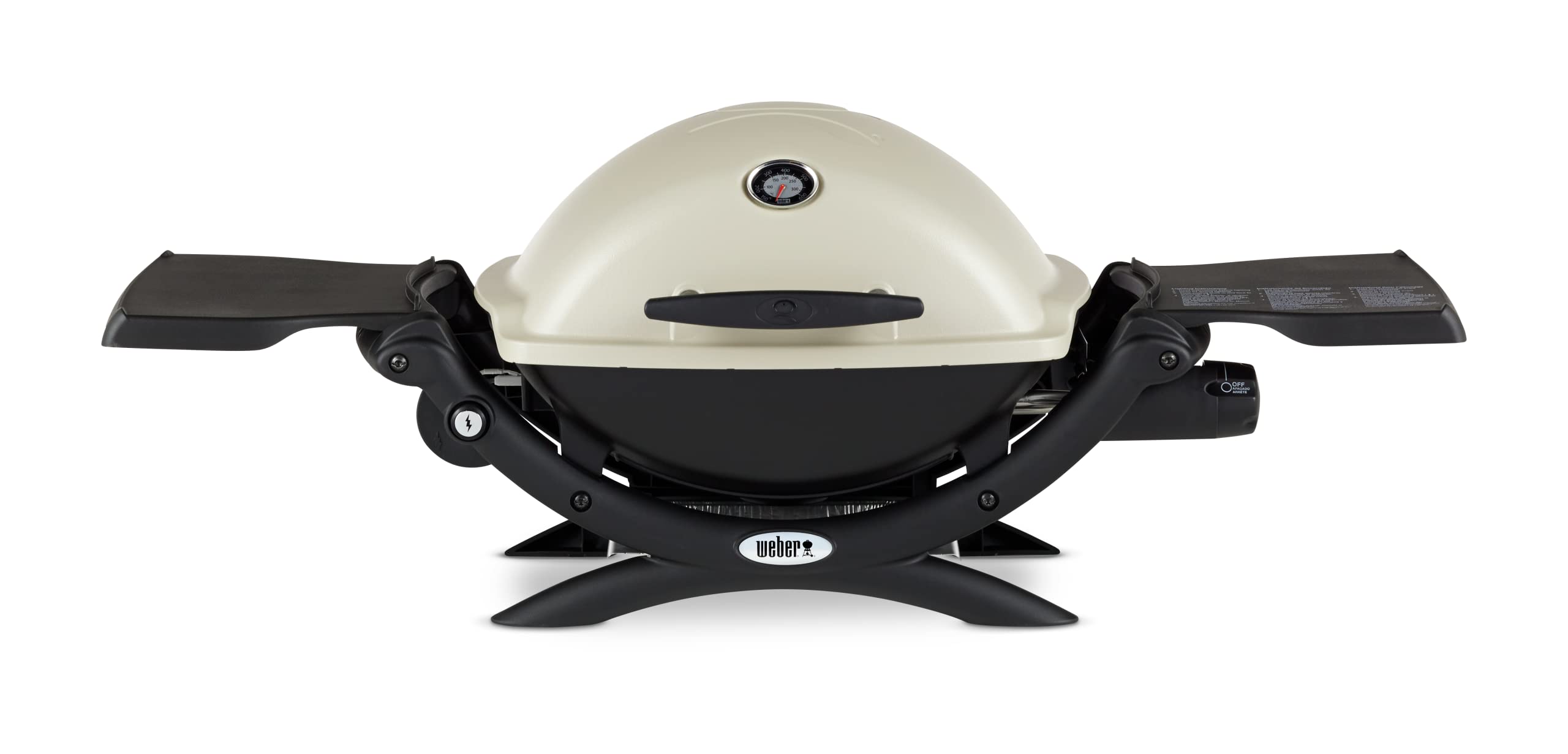
A compact, durable one-burner travel grill with cast-iron grates, electronic ignition, and an 8,500 BTU burner I rely on for quick sears and easy transport.
Why I picked it: Outstanding heat retention from porcelain‑enameled cast‑iron grates in a genuinely portable package.
Best for: Solo cooks, tailgates, and small camping parties who want real grill flavor.
Premium portable build—a more expensive but long-lasting travel option.
Pros
- Excellent heat retention
- Reliable push-button ignition
- Folding side tables
- Durable cast‑aluminum body
Cons
- Smaller cooking area
- Uses small disposable cylinders by default
My take
I take the Weber Q1200 when I want full-flavor grilling without hauling a full cart. The porcelain-enameled cast-iron grates hold heat like a champ, so I get real sear marks and steady cooking even on thicker steaks.
The electronic push-button ignition lights instantly, and the infinite control burner lets me dial low-and-slow cooks as well as quick, high-heat sears. The high-dome lid and integrated thermometer are surprisingly useful for larger cuts.
Transporting it is easy thanks to the folding side tables and lightweight cast-aluminum construction. I usually run it on a 16.4 oz. disposable cylinder for short trips; when I stay put I add an adapter hose for a 20 lb. tank.
2. Char-Broil Performance Series Convective 2-Burner Cabinet Propane Gas Grill – Best Small Backyard Grill
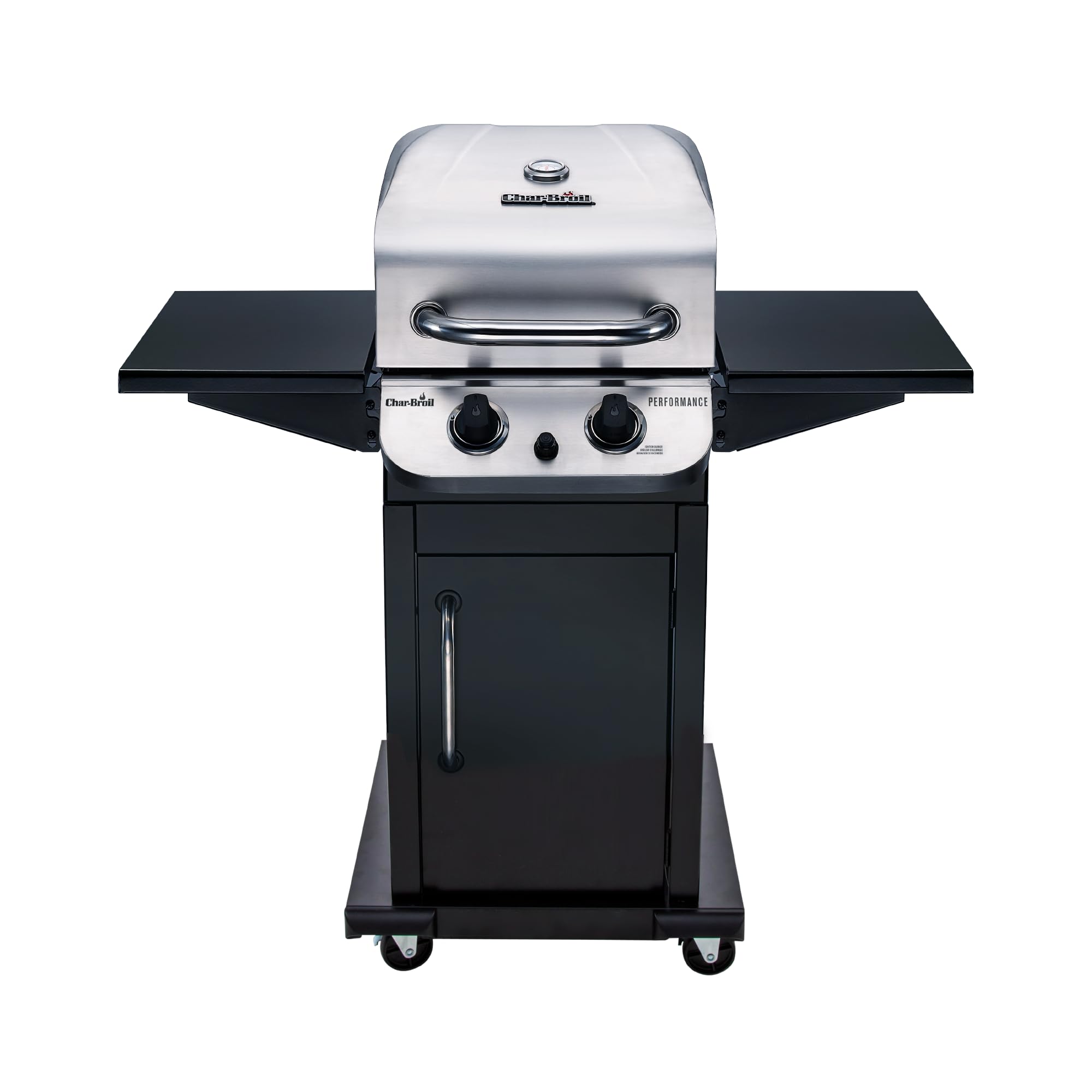
A compact two-burner cabinet grill with 300 sq. in. cooking area, cast-iron porcelain-coated grates, and 24,000 BTU power that handles small gatherings without fuss.
Why I picked it: Solid cooking area and strong heat output in a space-saving cabinet design.
Best for: Patios and small decks where assembly and storage matter.
Great value for a feature-rich small backyard grill.
Pros
- Roomy 300 sq. in. primary area
- Porcelain-coated cast-iron grates
- Large side shelf
- LED-illuminated control knobs
Cons
- Cabinet gaps can collect debris
- Some assembly required
My take
I keep this Char-Broil in rotation for neighborhood cookouts because it heats up fast and maintains even temperatures across both burners. The 24,000 BTU rating shows in how quickly it gets to searing temps.
The cast-iron grates hold heat and produce good grill marks, while the separate warming rack gives me indirect space for buns or delicate items. I appreciate the large side shelf for staging plates and sauces.
Assembly takes patience but is straightforward. Once built, the cabinet and casters make it simple to tuck away when I'm done grilling.
3. Blackstone 22" Tabletop Grill without Hood – 2 Burners – Best Tabletop Griddle
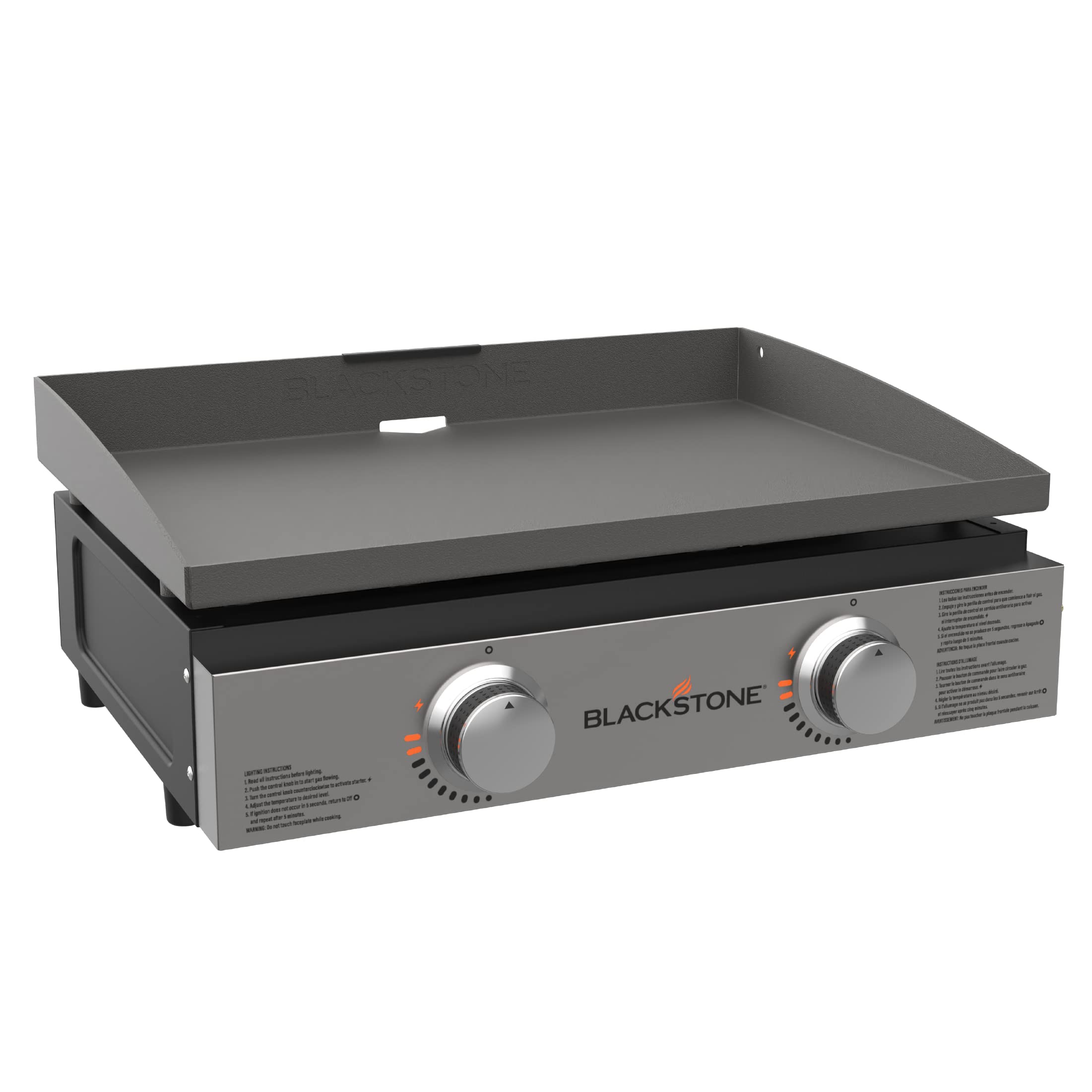
A heavy-duty 22-inch tabletop griddle with two H-style burners and about 361 sq. in. of cooking surface that excels when I want to cook for a group on a flat top.
Why I picked it: Flat-top versatility and even heat across a roomy griddle surface.
Best for: Campers, tailgaters, and anyone who prefers griddle-style cooking.
A cost-effective workhorse for versatile outdoor cooking.
Pros
- Large, even cooking surface
- Two independent heat zones
- Robust 24,000 BTU output
- Integrated grease system
Cons
- Requires initial seasoning
- Heavier to transport
My take
When I want hibachi-style meals, breakfast spreads, or large batches of fajitas, this Blackstone is my go-to. The two H-style burners give me true independent zones, so I can sear on one side and keep food warm on the other.
The rolled carbon-steel top seasons into a nonstick surface that performs beautifully once it's broken in. I do warn people: the seasoning step takes time and fuel, but the payoff is a griddle that cooks consistently and cleans up quickly afterward.
Stability on uneven ground is excellent thanks to adjustable rubber feet, and the rear grease trap keeps cooking tidy during long sessions.
4. Weber Traveler Portable Liquid Propane Gas Grill for Camping and Travel – Best Fold-Up Traveler
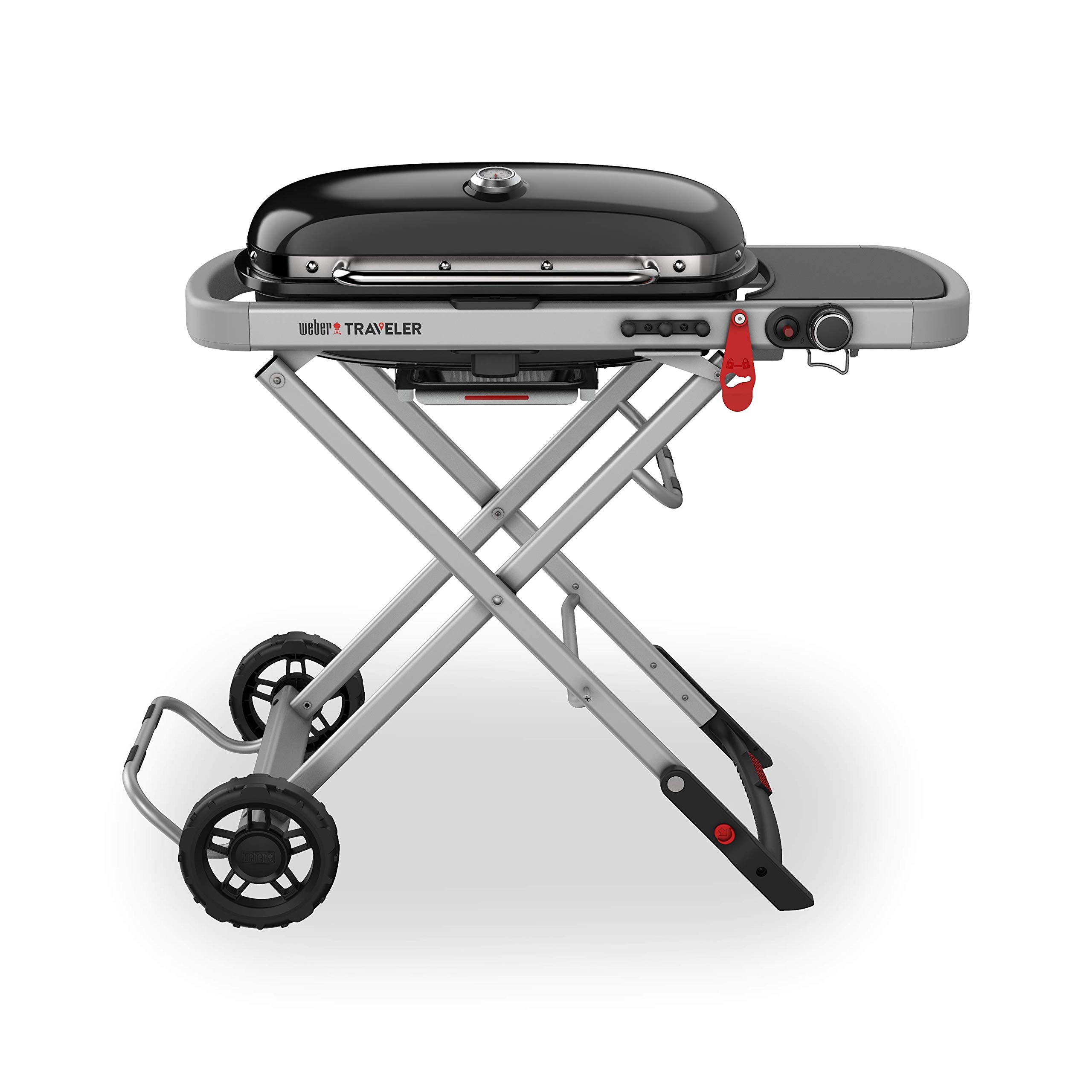
A foldable, cart-attached single-burner Weber with a 13,000 BTU burner and porcelain-enameled cast-iron grates that feels like a backyard grill in a travel-sized package.
Why I picked it: Foldable cart and large grilling area make it travel-friendly without sacrificing cooking space.
Best for: RVers and campers who want quick setup and plenty of surface area.
Higher initial cost for a well-built, portable cart grill.
Pros
- Large grilling area for a traveler
- Strong 13,000 BTU burner
- Easy fold-and-store cart
- Porcelain‑coated cast‑iron grates
Cons
- Designed for 1-lb cylinders by default
- Heavier than small tabletop units
My take
I use the Weber Traveler when I need a compact grill that still cooks for a crowd. The cart setup opens quickly and provides a comfortable cooking height compared with tabletop models.
Heat is surprisingly even for a single-burner design because the burner wraps to provide broad coverage. The cast-iron grates sear well, and the push-button ignition is fast and reliable.
For extended trips I swap the disposable cylinders for an adapter hose to run off a 20 lb. tank—then it behaves much more like a conventional backyard grill while still folding away when I'm done.
5. Lifemaster Portable Stainless Steel Gas Grill – 2 Burners – Best Compact Stainless Tabletop
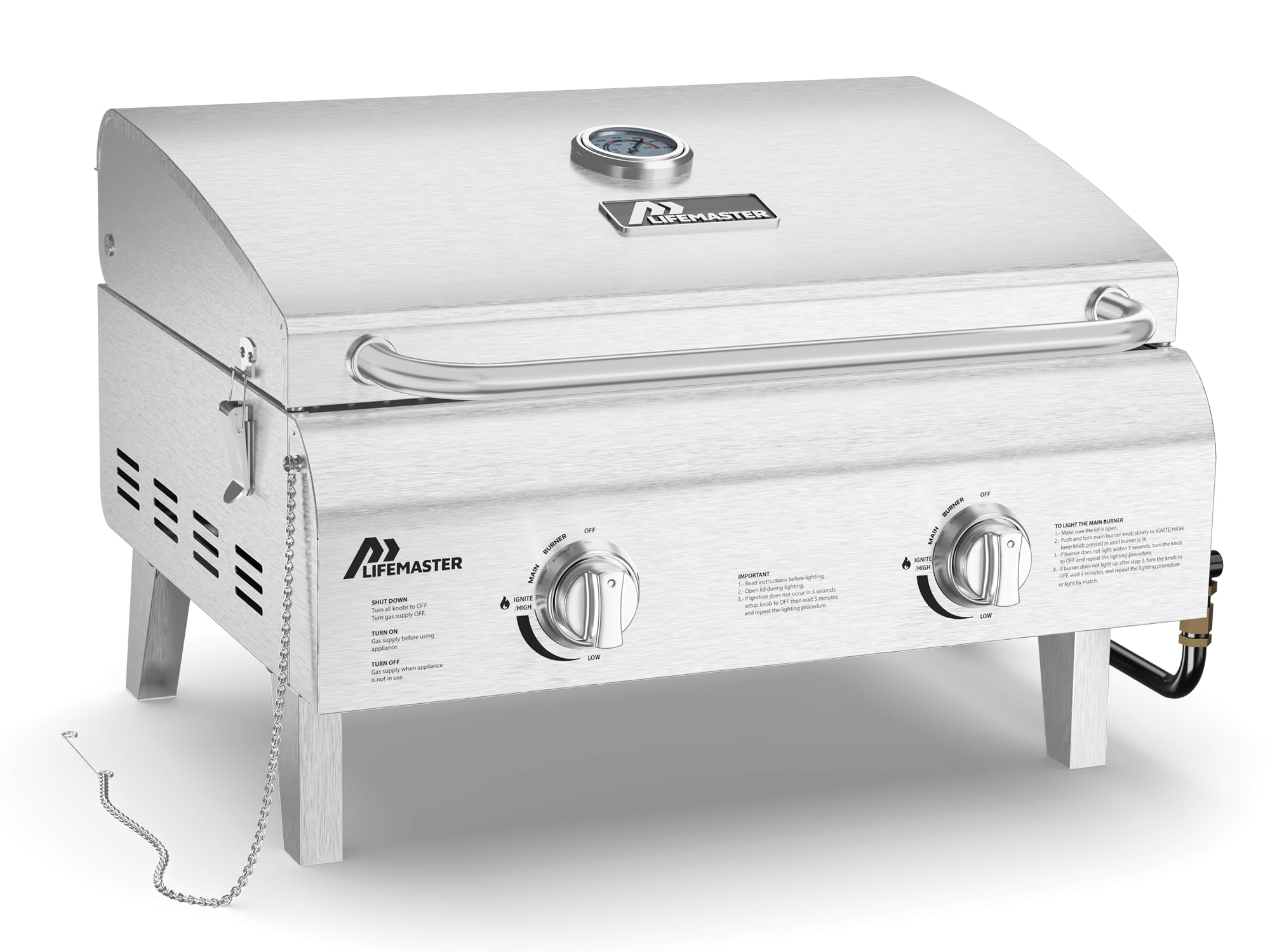
A stainless-steel 2-burner tabletop grill with foldable legs, integrated thermometer, and a 275 sq. in. cooking area that impressed me for campsite and RV use.
Why I picked it: Solid stainless construction and two U-shaped burners deliver steady heat in a compact footprint.
Best for: RVers and campers who want a robust stainless tabletop grill.
Affordable option with quality stainless build for frequent travel.
Pros
- Full stainless steel body
- Two 10,000 BTU burners
- Foldable legs for portability
- Easy-to-remove grease tray
Cons
- Stainless grade may show surface discoloration
- Not ideal on tiny disposable bottles
My take
I appreciate how sturdy this Lifemaster feels straight out of the box. The stainless construction gives confidence when I toss on ribeyes or a big batch of burgers.
The two U-shaped burners heat quickly and give me decent zoning control. Cleanup is straightforward thanks to the removable grease tray and the solid stainless grates.
A note from experience: it performs best with a full-size tank; small 1-lb cylinders struggle to keep the burners happily roaring.
6. Weber Genesis E-325 Liquid Propane Gas Grill for Outdoor Cooking, 3 Burners – Best Full-Size Three-Burner
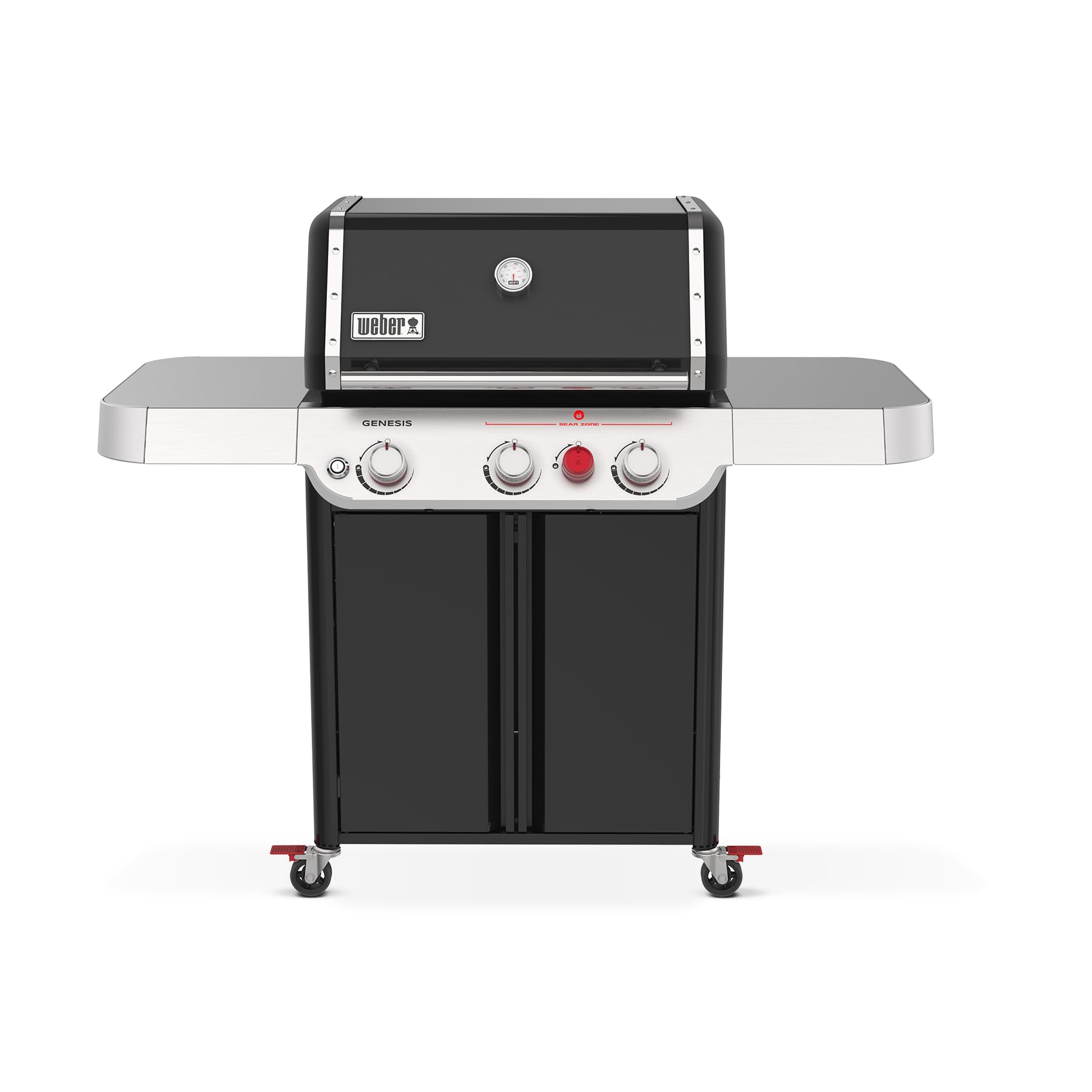
A three-burner Genesis with PureBlu burners, large sear zone, cast-iron grates, and FLAVORIZER bars—my choice when I want consistent, high-performance backyard grilling.
Why I picked it: Even heat across a roomy surface plus a true sear zone for steaks.
Best for: Home grillers who want versatility and rebuildable parts over seasons.
Premium full-size grill—worth the investment for serious backyard cooking.
Pros
- PureBlu burners for even heat
- Extra-large sear zone
- Porcelain‑enameled cast‑iron grates
- Grease management tray
Cons
- Assembly can take time
- Side tables don't fold down
My take
This Genesis is the grill I reach for when I'm cooking an entire meal on one surface. The PureBlu burners spread heat consistently and the sear zone gives that high, focused heat I want for steaks.
The FLAVORIZER bars vaporize drippings to boost flavor while protecting burners from clogging, and the pull-out grease tray makes maintenance painless after a long cook.
Build quality feels solid and built to last. I found assembly manageable, and once it's in place the grill handles winter cooks and heavy weekend use without drama.
How I Choose a Propane Grill
Key Features I Prioritize
I focus on the combination of heat control, cooking area, and construction. Those three things determine whether a grill will be useful for frequent grilling or only occasional use.
Portability matters for travel grills; for backyard units I weigh cooking area versus footprint and storage.
- Heat output and burner layout — ensures even cooking and a true sear.
- Cooking surface size — match square inches to the number of people I feed.
- Materials — cast‑iron grates and sturdy cookboxes last longer.
- Ignition reliability — electronic or push-button systems save time and frustration.
- Fuel options — check whether the grill uses disposable 1-lb cylinders or accepts a 20‑lb tank with an adapter.
Portability vs. Performance
I decide between portability and cooking power before anything else. A small Weber Q or Traveler is unbeatable on a trip, but a tabletop griddle or three-burner cart is better for groups.
If I need both, I look for models that accept a standard tank via an adapter so I can switch fuel sources on the fly.
- Travel grills — light weight, folding features, compact burner.
- Tabletop griddles — wide flat surface, excellent for mixed-heat cooking.
- Full-size grills — best for multi-course meals and larger groups.
Maintenance and Longevity
I prefer grills with easy grease management and replaceable parts. A removable grease tray, accessible burners, and common grate sizes save time and money.
For griddles, I plan for initial seasoning; for stainless grills I watch for surface discoloration and clean promptly.
- Grease management systems keep cleanup simple.
- Replaceable components prolong grill life.
- Seasoning flat tops prevents rust and builds a nonstick surface.
Frequently Asked Questions
Can I run these portable grills off a standard 20 lb. propane tank?
Yes. Several portable models ship set up for disposable 1-lb cylinders, but I often add an adapter hose to run a 20 lb. tank when I need longer cooking sessions without swapping bottles.
Do griddles need to be seasoned before first use?
They do. I put in the time to season a carbon-steel griddle properly; after that initial effort the surface becomes nonstick and cleans up easily. Skipping seasoning will lead to sticking and rust risk.
How often should I clean and maintain my propane grill?
I scrape grates after each cook, empty the grease tray regularly, and inspect burners every few months. A quick wipe and tray clean after every session keeps performance steady and parts lasting longer.
Final Take
Over the years I’ve learned there’s no single best propane grill—only the best for how you cook. Pick portability if you travel, a griddle if you feed crowds quickly, or a three-burner if you want full backyard versatility.
I keep at least one travel-friendly unit and a larger grill on hand so I can match the gear to the plan. If you want a specific recommendation for your routine, tell me how you grill and I’ll point to the best fit from this list.
