
I tested six pruning shears across styles and price points and selected the ones I reach for most often in my garden. Each pick reflects real use—comfort, cutting power, and long-term value.
I spend a lot of time pruning roses, shrubs, and small trees, so sharp, reliable shears are non-negotiable for me. This roundup reflects hands-on time with both classic manual secateurs and a cordless powered pruner.
I focused on cut quality, ergonomics, durability, and serviceability. The six tools below cover professionals and weekend gardeners: premium, budget, titanium-coated, cordless power, ergonomic designs, and versatile all-rounders.
I compared blade construction, cut capacity, handle comfort, and maintenance needs so you can quickly decide between a long-term heirloom tool, an inexpensive everyday pruner, or a battery-powered option for heavy loads.
1. Felco F2 Pruning Shears – 9.25" Swiss-Made Garden Clippers – Best Overall
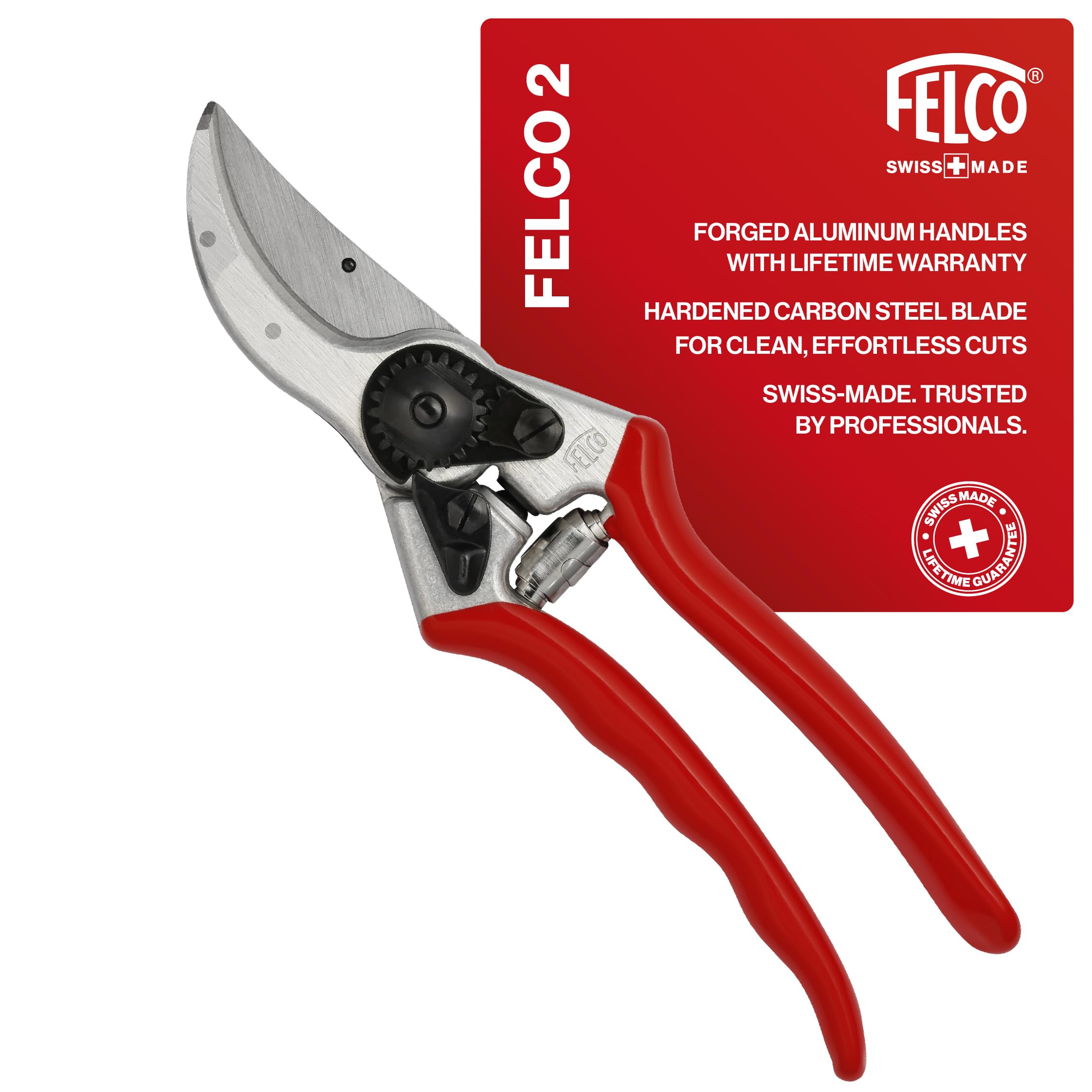
I rely on the Felco F2 when I want lifetime service, precise cuts, and a tool I can repair and keep for years.
Why I picked it: Swiss precision, fully replaceable parts, and superb ergonomics.
Best for: Serious gardeners who want a long-term tool investment.
Premium, built for longevity rather than a one-season purchase.
Pros
- Exceptionally sharp carbon steel blade
- Fully replaceable parts
- Lightweight forged-aluminum handles
- Comfortable non-slip grip
Cons
- Higher upfront cost
- May be overkill for casual use
My take
I reach for the Felco F2 when I need a no-compromise cutter. The Swiss-made blade slices cleanly through branches up to an inch thick and the cutting action stays smooth even after extended use.
What sold me was the serviceability: every component is replaceable or sharpenable, so I expect these to outlive several cheaper pairs I used to buy. The molded non-slip coating on the forged-aluminum handles keeps the tool steady in my hand during long sessions.
The bolt-and-nut adjustment and the shock-absorbing rubber pad reduce wrist strain on repetitive cuts. I keep this pair for my roses and woody perennials when I need precision and durability.
2. Corona ClassicCUT Forged Bypass Pruning Shears BP 3130 – Best for Small Hands
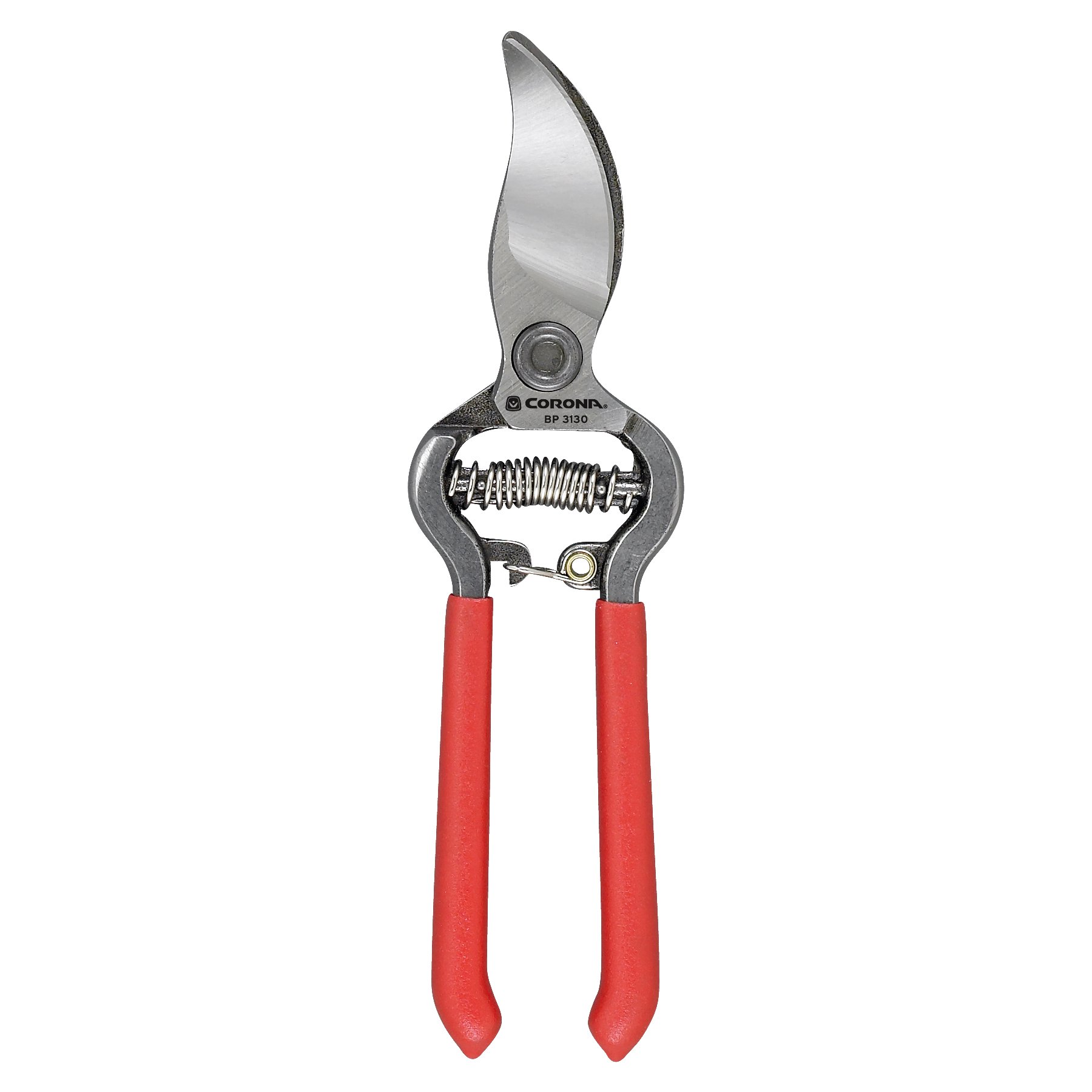
I use these when I want a solid, all-metal pruner that’s easy to handle for smaller hands and frequent light pruning.
Why I picked it: Hand-matched blade and hook with forged steel durability.
Best for: Gardeners with smaller hands or anyone who prunes frequently.
Affordable and built to outlast cheap plastic alternatives.
Pros
- Forged MAXFORGED steel blade
- Slender profile for precise cuts
- Self-cleaning sap groove
- Comfortable non-slip grip
Cons
- Spring can feel stiff initially
- Center bolt may interfere with some holsters
My take
I appreciated how the Corona ClassicCUT feels balanced in my hand. The hand-matched blade and hook deliver close, precise cuts ideal for flowers, vegetables, and light shrubs.
The MAXFORGED steel stays sharp longer than many economy options I’ve tried, and the sap groove helps keep the action smooth as I work through sticky stems.
These pruners are one of my go-to tools for routine garden maintenance because they combine forged durability with a slim profile that makes repeat pruning comfortable.
3. Haus & Garten ClassicPRO 8.5" Titanium Bypass Pruning Shears – Best Titanium-Coated
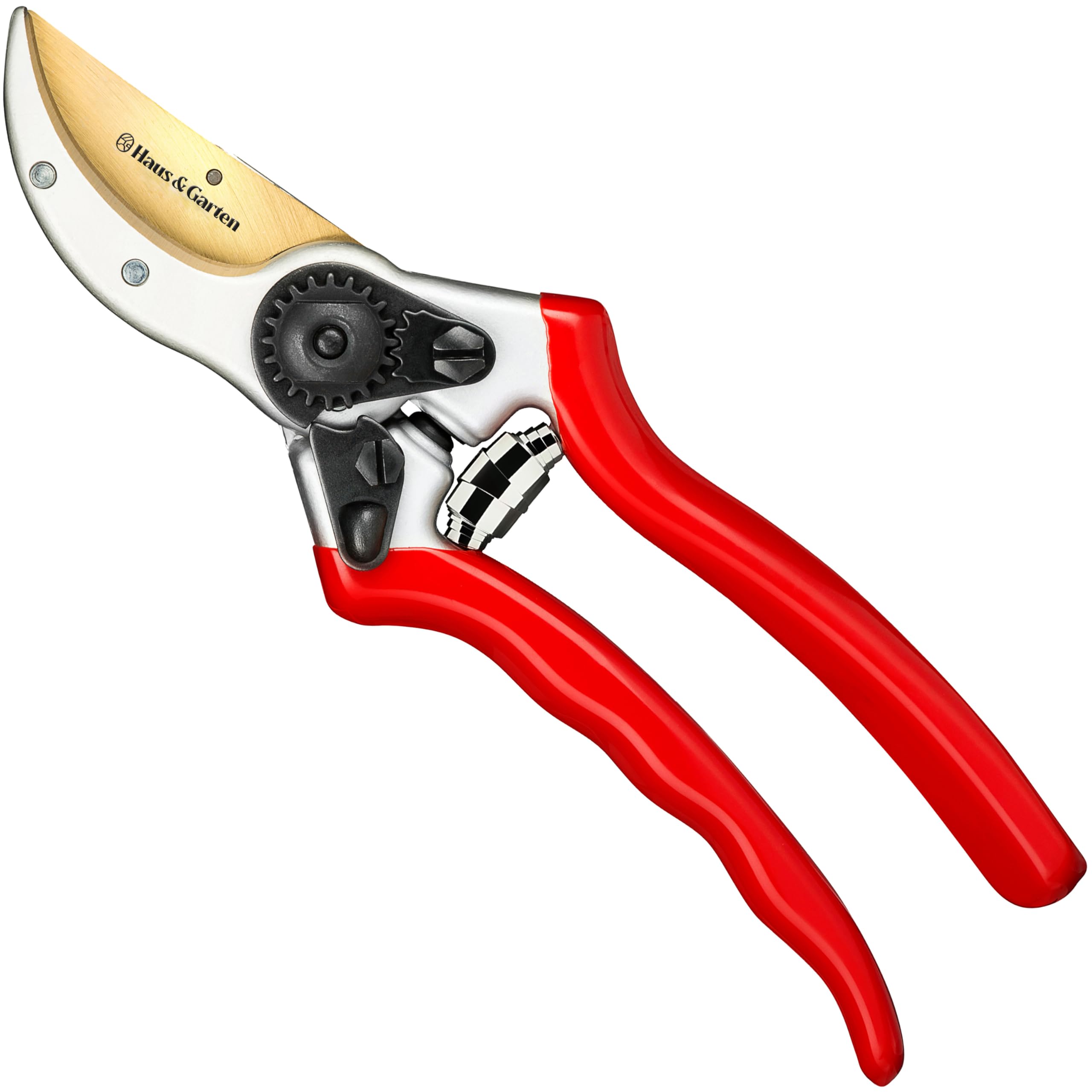
I bring these out when I want a lightweight, corrosion-resistant option with good edge retention and comfortable handles.
Why I picked it: Titanium-coated blades and ergonomic design reduce friction and rust.
Best for: Gardeners who want low-maintenance blades and reduced hand fatigue.
Mid-range option with corrosion protection and ergonomic features.
Pros
- Titanium-coated, high-carbon steel blade
- Ergonomic, non-slip grips
- Shock-absorbing pads
- Lightweight anodized aluminum body
Cons
- Not as serviceable as all-replaceable designs
- Claims of 1" cut capacity can be optimistic
My take
These ClassicPRO shears are surprisingly comfortable for longer sessions; the ergonomic handle and shock pads noticeably reduce hand fatigue for me.
The titanium-coated blades glide through green stems and resist corrosion better than bare steel. I used them on flowers, shrubs, and small branches and found the cuts clean and predictable.
If I want a sharp, low-friction pruner that’s kinder to my hands and resists rust, this is the pair I reach for.
4. DEWALT 20V MAX Cordless Pruning Shears (DCPR320B) Bare Tool – Best for Power Users
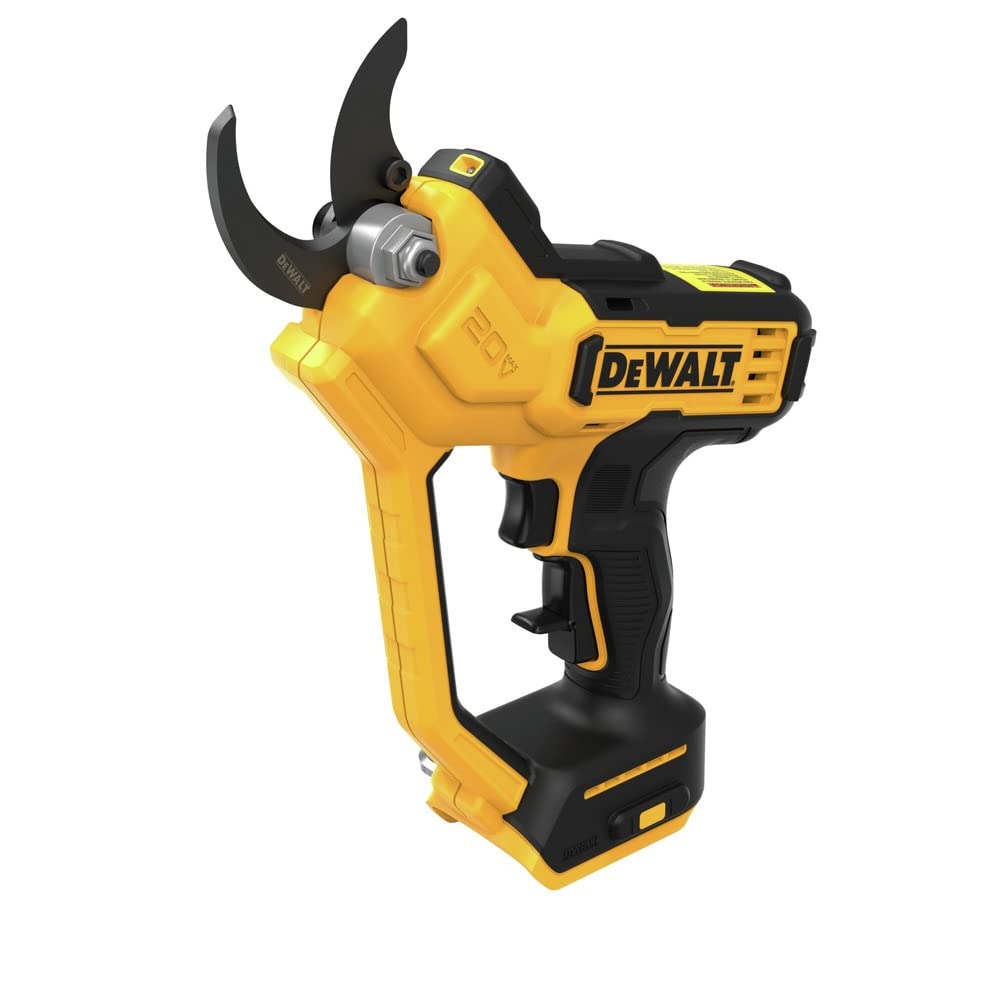
I use the DEWALT cordless pruner when I have heavy pruning days—it reduces effort and speeds through thicker stems.
Why I picked it: Cordless motor delivers fast, low-effort cuts up to 1.5".
Best for: Large yards, landscapers, or anyone with heavy pruning tasks.
Higher cost and requires a compatible battery; great for heavy workloads.
Pros
- Handles up to 1.5" branches
- Non-stick coated blades
- On-board LED for low light
- Significantly reduces manual effort
Cons
- Battery sold separately
- Heavier and bulkier than hand pruners
My take
When I need to process a lot of material quickly, the DEWALT cordless pruner is a game-changer. Paired with a 20V battery, it tears through thicker stems with a fraction of the force a manual pruner needs.
The non-stick blade coating and quick-change blade system keep my workflow moving. I like the onboard LED for shaded spots, and the tool’s cutting capacity is genuinely useful for branches up to about one and a half inches.
This is not a casual purchase for me—I reserve it for heavy-duty days. It’s heavier than hand shears, but it saves my hands and speeds up big pruning jobs.
5. Kimura 8" Pro Bypass Pruning Shears, SK5 Steel – Best for Comfort & Precision
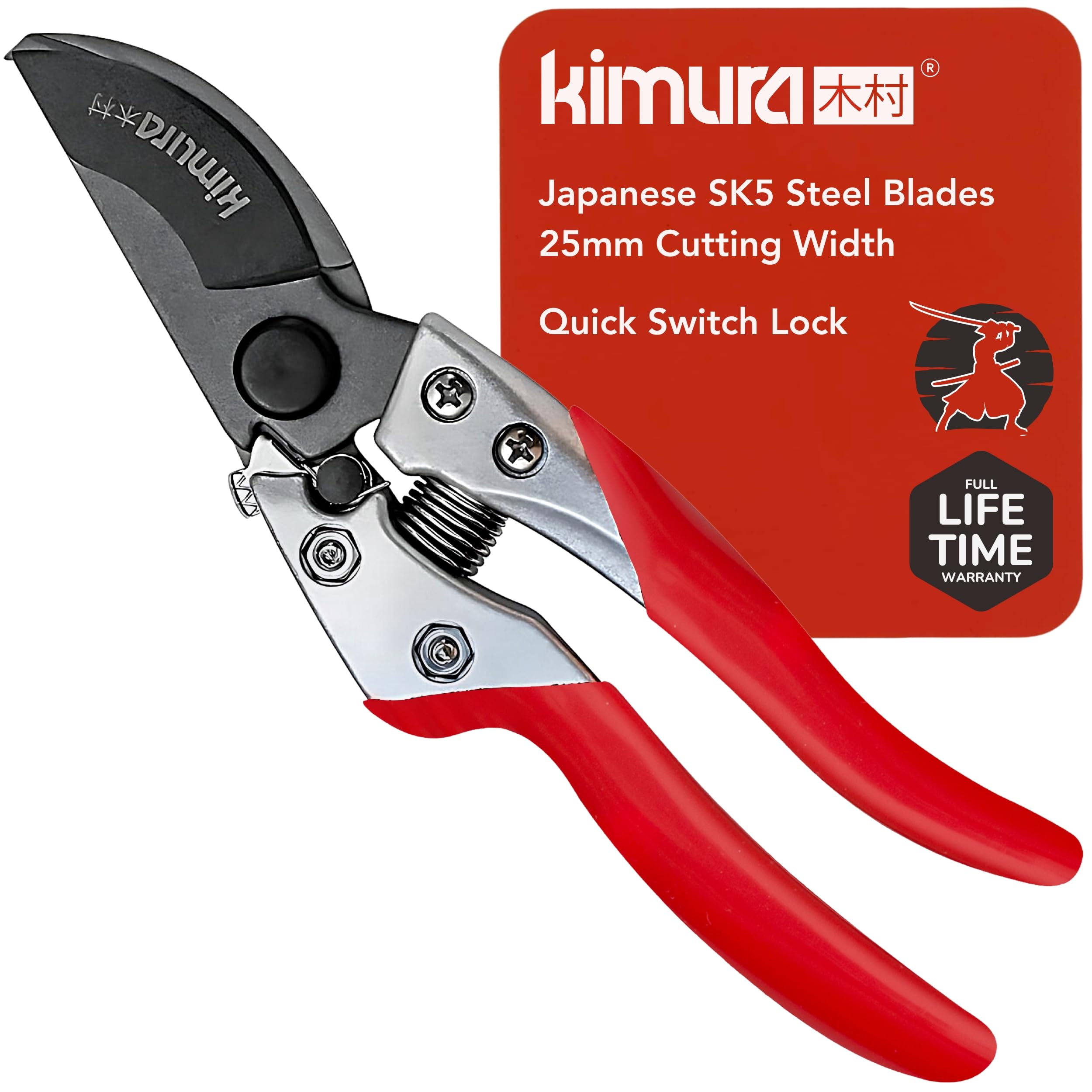
I pick the Kimura when I want sharp, heat-treated SK5 steel and a secure, ergonomic grip for consistent precision work.
Why I picked it: Heat-treated SK5 blades and PTFE coating keep edges longer.
Best for: Those who want sharpness and ergonomic comfort for frequent pruning.
Good mid-range choice with durable Japanese steel.
Pros
- SK5 heat-treated steel blades
- PTFE low-friction coating
- Ergonomic non-slip PVC handles
- Solid 1" cut capacity
Cons
- Handle coating can feel smooth when wet
- May be firmer in larger hands
My take
The Kimura pruners impressed me with their sharp SK5 blades and clean, consistent cuts. The PTFE coating keeps sap from gumming the action during long tasks.
I found the non-slip PVC handles comfortable for extended use, and the 1" cut capacity handled most of my routine pruning without hesitation.
For gardeners who want a dependable, sharp tool that stays sharp longer, this pair strikes a good balance between performance and value.
6. Spear & Jackson Razorsharp Large Bypass Pruning Shears – Best for Versatility
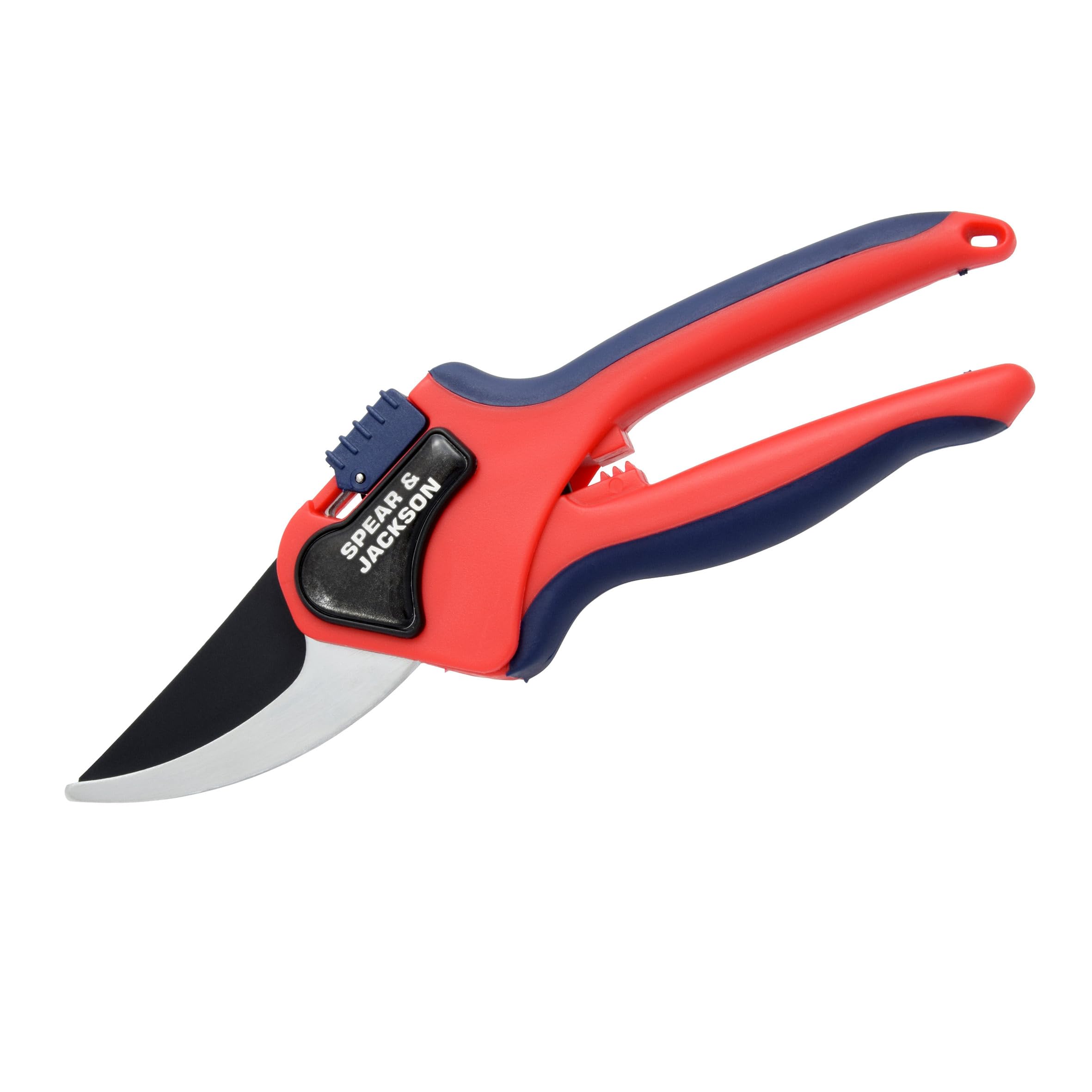
I use Spear & Jackson when I need a robust, comfortable pruner for a wide range of garden tasks.
Why I picked it: Durable SK5 blades with comfortable bi-material grips.
Best for: Versatile trimming across shrubs, flowers, and medium branches.
Solid value with a long guarantee and broad utility.
Pros
- Sharp SK5 carbon steel blades
- Comfortable soft-grip handles
- Durable construction
- 10-year guarantee
Cons
- Not ideal for very thick hardwood stems
- Aesthetic finish is utilitarian
My take
I often reach for the Spear & Jackson Razorsharp for everyday pruning. The blades deliver clean cuts up to around three quarters of an inch, and the ergonomic contoured handles reduce hand fatigue.
The PTFE coating on the blades gives a smooth cut and better resistance to rust during wetter seasons. For general garden work—shrubs, roses, and ornamentals—this pruner is a reliable, comfortable option.
With a generous guarantee and a sturdy build, it’s the kind of tool I don’t hesitate to use hard without worrying about early wear.
How I choose pruning shears
Blade type and cut style
I decide between bypass and anvil based on the plants I prune. Bypass blades give clean scissor-like cuts ideal for live stems; anvil styles work for dead or woody growth.
Blade material matters: high-carbon or SK5 steel holds an edge, while coatings (titanium or PTFE) reduce sap buildup and corrosion.
- Bypass for live green stems and precision
- Anvil for dead wood and crushing cuts
- SK5/high-carbon for edge retention
- Coatings reduce friction and rust
Cut capacity and intended use
I match cut capacity to my plants. For roses and small shrubs, a 1" capacity is plenty; for thicker branches or lots of material, consider a cordless pruner with higher cut capacity.
If I’m doing bulk pruning, a powered pruner saves hours and reduces hand strain.
- Under 1" for routine garden work
- 1" and up for woody shrubs and small trees
- Cordless pruners for heavy or repetitive tasks
Ergonomics and hand comfort
I test handle shape, grip texture, and spring tension. Ergonomic handles and shock absorbers make long sessions far easier on my wrists.
If I have smaller hands or arthritis, I choose slimmer profiles and lighter springs.
- Look for molded grips and shock pads
- Slim profile helps smaller hands
- Heavier springs require more hand strength
Serviceability and longevity
I prefer pruners with replaceable blades, springs, and bolts so the tool can be maintained for years.
Warranties and available spare parts matter to me when deciding between a low-cost throwaway and an heirloom tool.
- Replaceable parts extend life
- Sharpenable blades are more economical long-term
- Check warranty and spare-part availability
Frequently Asked Questions
How often should I sharpen pruning shears?
I sharpen blades after heavy use or whenever cuts start to tear rather than slice; for many home gardeners that's a couple times per season.
When should I choose a cordless pruner over manual shears?
I choose cordless when I have lots of thick stems or long pruning sessions—battery power cuts fatigue and speeds the job.
How do I prevent sap buildup?
I wipe blades after each use, apply a light oil, and use PTFE- or non-stick-coated blades if I want less frequent cleaning.
Final Take
I keep at least two pruners in my shed: a sharp manual pair for precision work and a cordless unit for bulk cutting. The right tool depends on your workload and how much maintenance you want to do.
If I had to recommend one starting point, I suggest a quality forged bypass pruner for most gardeners and a cordless model if you face heavy, repetitive pruning.
