
I tested a range of faucet mounts, under-sink systems, reverse-osmosis units, and replacement cartridges to find the most practical and effective ways to get better-tasting, safer water at the sink.
I spent time installing and using faucet-mounted filters, compact under-sink units, a full reverse-osmosis system, and several replacement cartridges so I could compare flow, taste, installation effort, and maintenance.
This roundup focuses on real-world pluses and trade-offs: countertop space, how long filters last, the contaminants each system targets, and how each option fit into the plumbing I had under my sink.
I separated the picks into faucet-mounts for quick fixes, compact under-sink units for renters or small kitchens, high-capacity under-sink systems that target PFAS and heavy metals, and a full RO system for bottled-water quality. Consider flow, certification, and ongoing filter costs when choosing.
1. iSpring RCC7AK, NSF Certified, 75 GPD, Alkaline 6-Stage Reverse Osmosis System, pH+ Remineralization RO Water Filter System Under Sink, Patented Top-Mounted Faucet Design for Easy Installation Brushed Nickel 6-Stage, Alkaline – Best Overall RO System
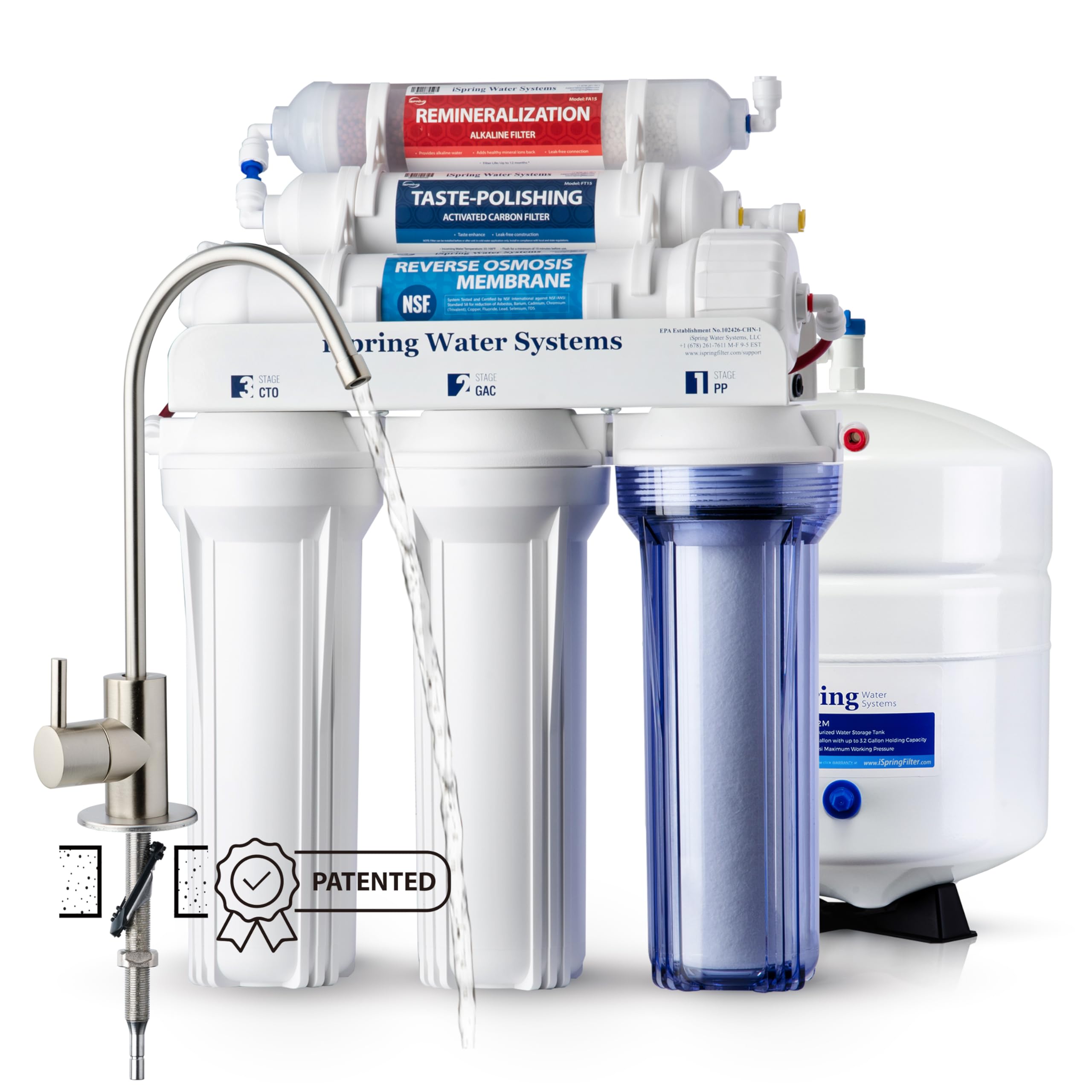
A complete NSF/ANSI 58 certified reverse-osmosis system with a 6-stage build that adds back minerals for a more natural, bottled-water taste.
Why I picked it: Full-system NSF certification plus an alkaline remineralization stage that noticeably improves water flavor.
Best for: Households that want near-bottled-water quality and are willing to dedicate under-sink space.
A higher upfront investment but strong long-term value for taste and contaminant removal.
Pros
- Full-system NSF/ANSI 58 certification
- Alkaline remineralization improves taste
- Transparent pre-filter housing
- Very high contaminant reduction
Cons
- Slower RO production flow
- Takes under-sink space
- More involved installation
My take
I installed the iSpring RCC7AK and the difference in water quality was immediate — crisp, smooth, and clearly cleaner tasting than our bottled options. The AK remineralization stage gives the water a rounder mouthfeel that I prefer to plain RO water.
The system’s patented top-mounted fastener made the faucet installation less fiddly than typical RO kits; being able to tighten from above saved me time. I also liked the transparent first-stage housing for quick visual checks during routine maintenance.
This is the pick if you want the broadest contaminant reduction (including fluoride and heavy metals) and a final product that tastes like high-quality bottled water. Filter changes are straightforward, and the system has been reliable in daily use.
2. Waterdrop 10UA Under Sink Water Filter System, Reduces PFAS, PFOA/PFOS, Lead, Chlorine, Bad Taste & Odor, Under Counter Water Filter Direct Connect to Kitchen Faucet, NSF/ANSI 42 Certified, 1 Year Black – Best Direct-Connect Under-Sink
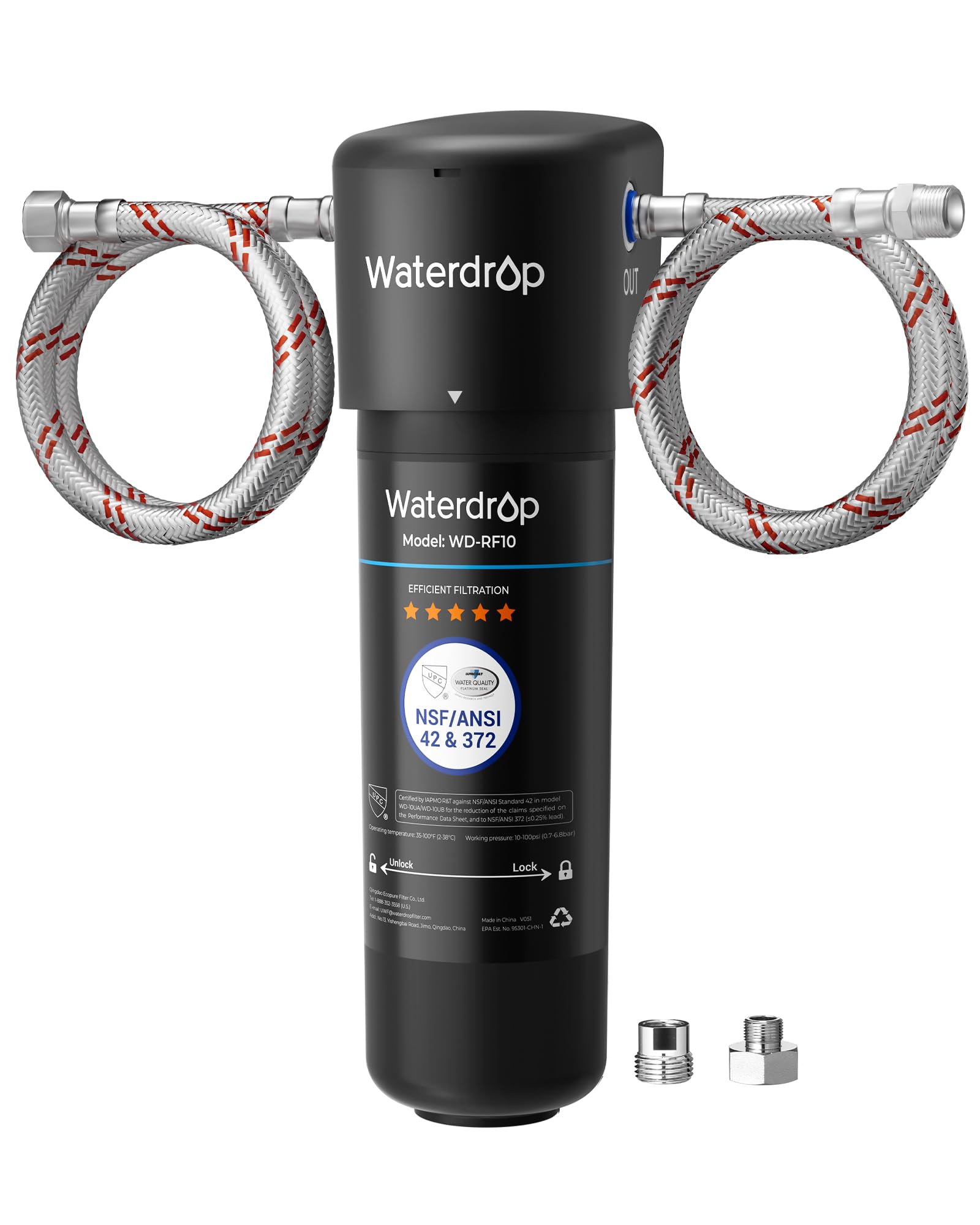
A compact, direct-connect under-sink filter designed for municipal cold water that targets PFAS, chlorine, lead, and bad tastes with a twist-and-lock cartridge.
Why I picked it: Very quick, tool-free connection to standard feed valves and targeted PFAS reduction in a small footprint.
Best for: Renters or apartment kitchens that need under-sink filtration without major plumbing changes.
A budget-friendly under-sink option with low ongoing filter costs.
Pros
- Twist-and-lock, tool-free installation
- Targets PFAS and chlorine
- Long, 12-month cartridge life
- Compact footprint for small cabinets
Cons
- Cold-water only
- Not suitable for well water
- May not lower TDS readings
My take
I set the Waterdrop 10UA up in my apartment and appreciated how clean the install was — the push-to-connect fittings and direct 3/8" line made it plug-and-play with the sink feed valve.
Taste and odor improved right away; the kit is explicitly designed for municipal cold water and feels like a practical, low-fuss upgrade compared with pitchers. Be aware that when I measured TDS it didn’t change much, so this is more about removing chlorine, PFAS, and bad tastes than stripping dissolved minerals.
For the price and ease, it’s the best under-sink solution I used when I couldn’t or didn’t want to add a dedicated faucet or full RO system.
3. Waterdrop Water Filter for Sink Faucet, NSF Certified Water Purifier, 320 Gallon Tap Water Filter for Kitchen Sink, Reduces Chlorine, Lead-Free Material, Faucet Mount Water Filtration System, 1 Filter White Plastic Basic-1 Filter – Best Faucet-Mount
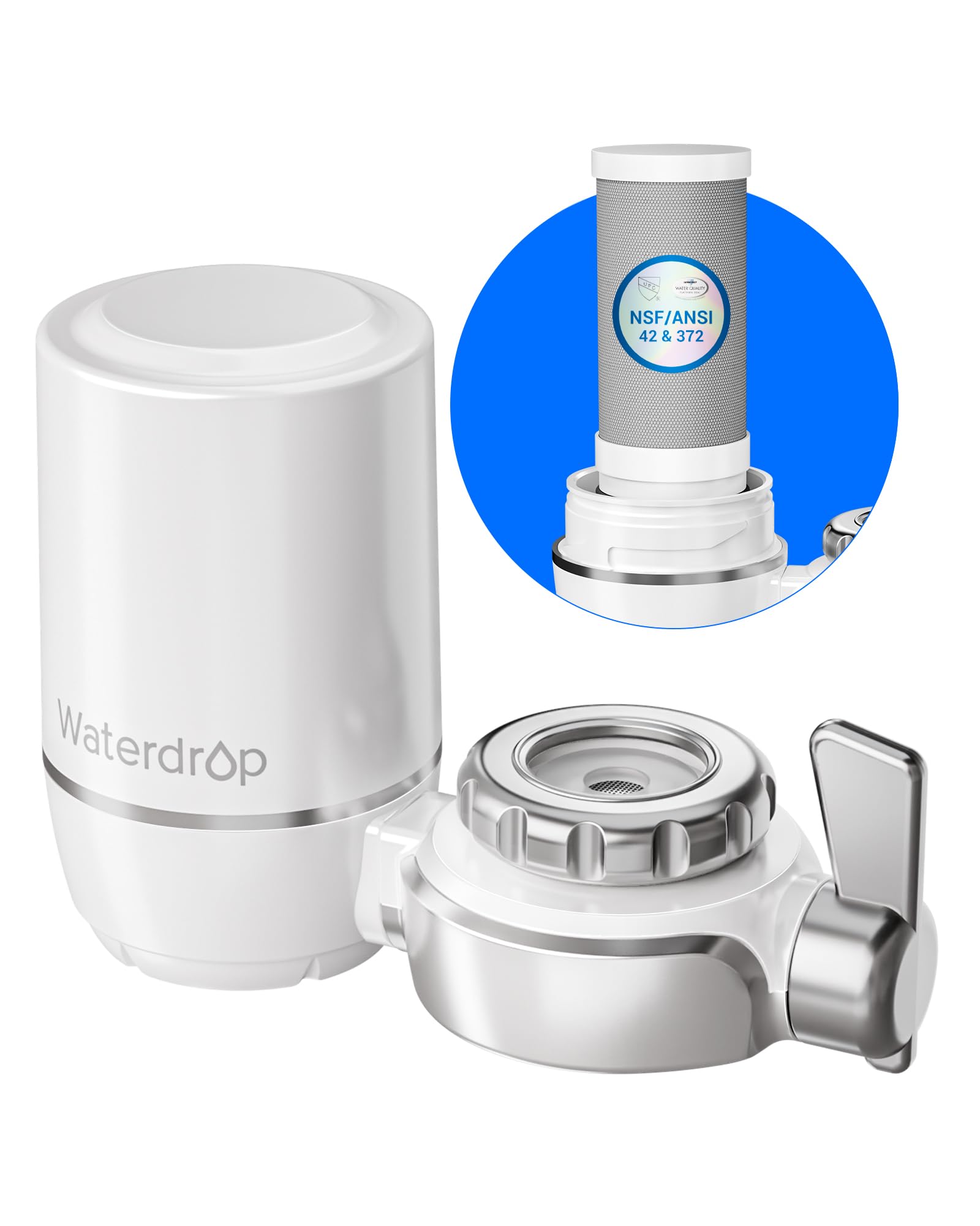
A simple faucet-mounted filter with NSF/ANSI 42 certification, a 320-gallon lifespan per cartridge, and fast flow that bypasses complex installs.
Why I picked it: Tool-free setup and fast-flow performance that makes filtered water convenient at the tap.
Best for: People who want immediate, low-cost filtration without under-sink work.
Very affordable and low-maintenance for short-term needs.
Pros
- Tool-free installation in minutes
- Fast flow, quick fill times
- 320-gallon cartridge life
- Lead-free materials
Cons
- Won't fit pull-out or sensor faucets
- Plastic joint can wear over time
- No electronic filter-change indicator
My take
I clipped the Waterdrop faucet filter onto a standard kitchen tap and had filtered water in minutes — switching between filtered and unfiltered water is a simple lever action that I used constantly.
Flow is impressively quick compared with many faucet mounts; I could fill a glass almost as fast as unfiltered tap water. The filter noticeably reduced chlorine taste and improved the water for coffee and ice.
My only gripe is the plastic interface between the two main parts; after heavy use that junction can show wear. For a cheap, fast upgrade that doesn’t take under-sink space, this one worked very well for me.
4. Waterdrop 10UB Under Sink Water Filter, Under Sink Water Filtration System for 11K Gallons, NSF/ANSI 42 Certified, Reduces PFAS, PFOA/PFOS, Lead, Under Sink Water Filter with Faucet Black-Basic-with Faucet-1 Year – Best for PFAS & Capacity
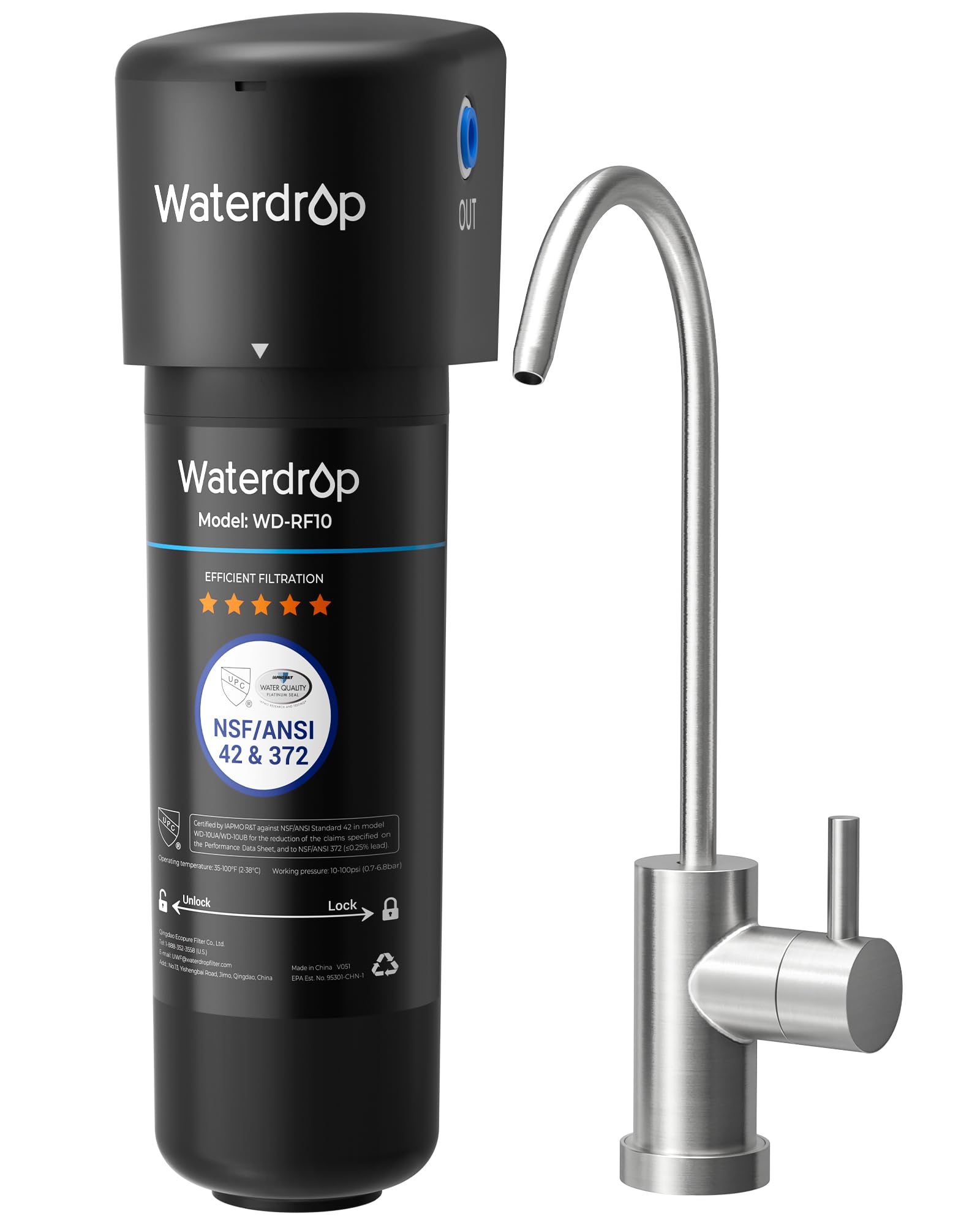
A robust under-sink multistage system that advertises high capacity and specific reduction of PFAS/PFOA/PFOS, plus it includes a dedicated brushed stainless faucet.
Why I picked it: Targets PFAS and heavy metals with a high-capacity cartridge and comes with a premium faucet.
Best for: Families who want a durable under-sink system that prioritizes PFAS and lead reduction.
A mid-priced under-sink system with strong filtration credentials and a dedicated faucet.
Pros
- Targets PFAS/PFOA/PFOS
- Includes stainless dedicated faucet
- High-capacity filtration
- Push-to-connect fittings for quick install
Cons
- Cold-water only
- Requires some under-sink space
- I once had a defective housing
My take
I replaced our pitcher system with the Waterdrop 10UB and appreciated that it felt like a true household solution — solid water flow, no slow-drip feel, and a dedicated stainless faucet that looks clean on the counter.
The multistage media noticeably removed the chlorinated or chemical taste I was getting from municipal water and the unit is certified against NSF/ANSI 42 and tested for lead reduction. That was the main reason I chose it.
I had one unit where the filter housing developed a flow interruption; customer support sent a replacement and the replacement ran flawlessly. For everyday use and longer service life, this is a reliable middle-ground between faucet mounts and full RO systems.
5. Filtrete Standard Capacity Whole House Grooved Water Filter, 5 Microns, Universal Filter, Sump Style Drop-In Filter, 2-Filters (4WH-STDGR-F02) 2 Count (Pack of 1) 4WH-STDGR-F02 – Best Whole-House Replacement
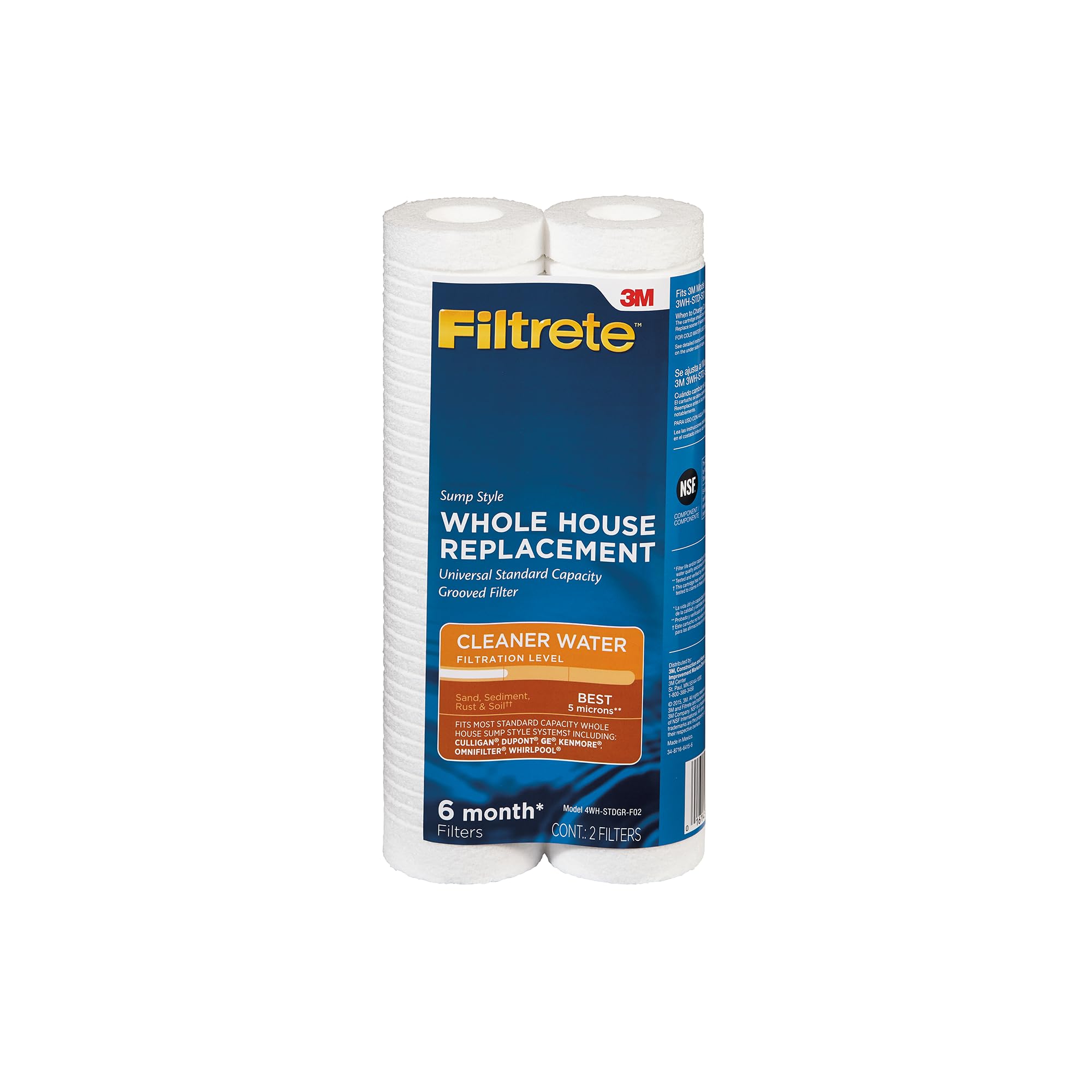
A universal 5-micron sump-style cartridge designed to reduce sand, sediment, silt, and rust throughout the house and protect appliances.
Why I picked it: Simple, economical sediment protection that preserves plumbing and appliances.
Best for: Homes seeking basic whole-house sediment filtration and appliance protection.
Very affordable replacement cartridges for whole-house systems.
Pros
- Reduces sand, sediment, rust
- Protects appliances and plumbing
- Six-month filter life
- NSF Standard 42 certified
Cons
- Not designed for chemical removal
- Needs correct sump housing
- Requires pre-filtration in dirty supply
My take
I use these Filtrete cartridges as the carbon/sediment line in my whole-house setups to keep sediment out of appliances and protect my hydroponics reservoir.
They’re inexpensive and do the job of trapping visible particles and silt; when paired with a pressure regulator and a sediment pre-filter, they keep downstream carbon filters and fixtures happier for longer.
This isn’t a taste or PFAS solution — it’s a workhorse sediment cartridge that I install before any polishing filters.
6. 2 Pack Faucet Filter Replacement for All PUR®Plus Water Filter Replacement, Pur® Filter Replacement RF-9999®, NSF 42 Certified, 600-Gallon Long Lifespan, Aqua Crest Blue 2 Count (Pack of 1) – Best Replacement Cartridge Value
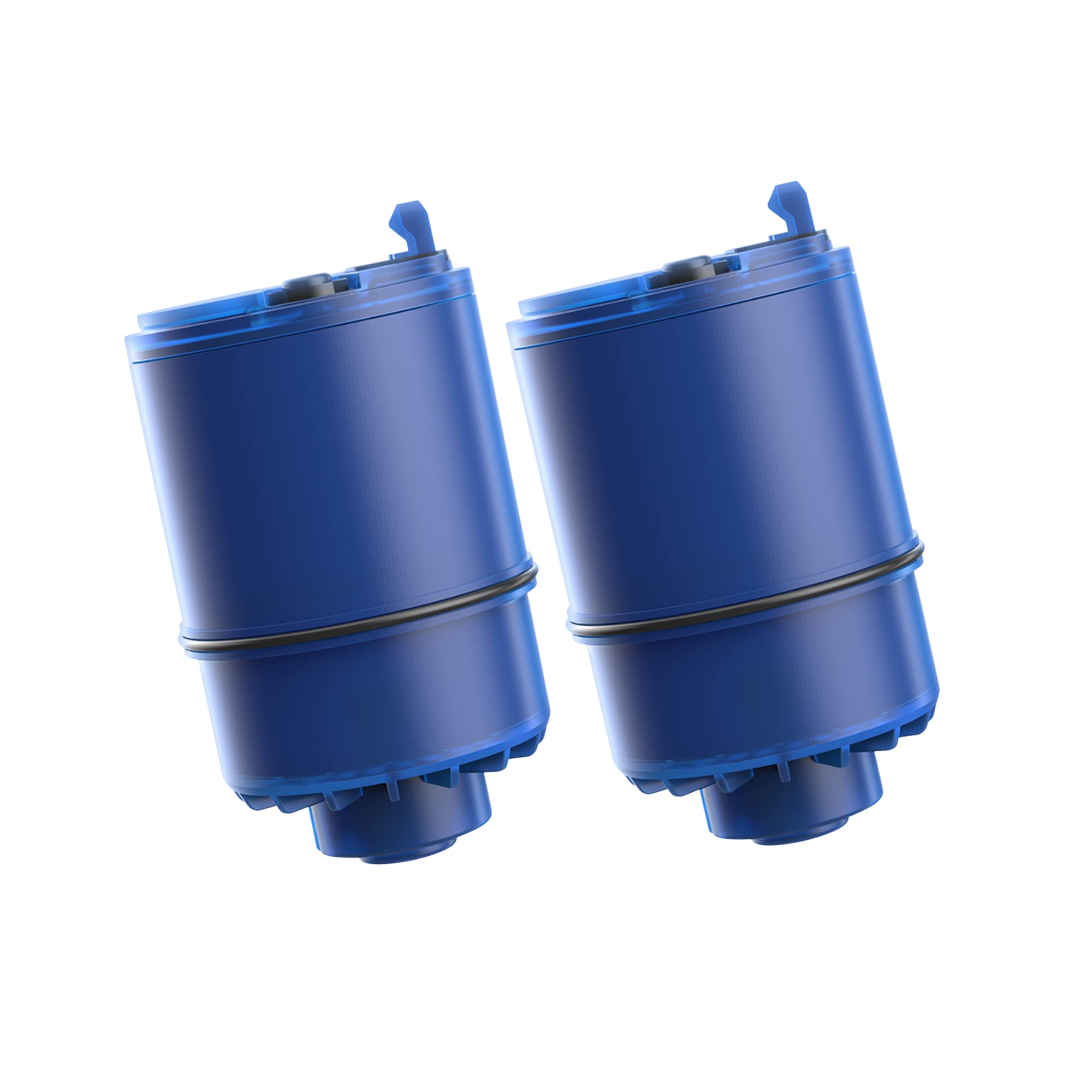
A compatible replacement cartridge option for common faucet filter systems, NSF/ANSI 42 certified and rated for a long service life.
Why I picked it: Cost-effective replacement cartridges that match name-brand performance on chlorine and taste.
Best for: Anyone looking to replace faucet cartridges without paying name-brand prices.
Lower-cost replacement option compared with brand-name cartridges.
Pros
- High chlorine reduction
- Long 600-gallon lifespan
- Fits common faucet filters
- Good value versus brand-name cartridges
Cons
- Must soak before use
- Fit varies by model
- Replacement interval varies by usage
My take
I swapped in these Aqua Crest cartridges as lower-cost replacements and found them to deliver solid taste improvement and reliable flow for several months.
They require a short soak before first use, which is easy to do, and after that they performed like the originals — no leaks, good taste, and predictable lifespan in my household.
If you want to save on consumables without sacrificing basic chlorine and taste reduction, these were the best-value replacements I tested.
How I Choose the Right Sink Water Filter
Pick the right type for your needs
I start by deciding whether I want a quick faucet-mounted fix, an under-sink system, or a full reverse-osmosis setup. Faucet mounts are instant and cheap; under-sink systems balance performance and space; RO gives the most comprehensive contaminant removal.
Think about where your water comes from: municipal systems respond well to carbon-based and PFAS-targeting cartridges, while well water often needs sediment pre-filters and specialized media.
- Faucet-mount: instant, no under-sink plumbing changes
- Under-sink: better filtration, dedicated faucet or direct-connect
- Reverse Osmosis: highest contaminant reduction, needs tank and space
- Whole-house cartridges: protect appliances and plumbing from sediment
Look at certifications and target contaminants
I always check for NSF/ANSI standards relevant to my concerns. NSF/ANSI 42 covers taste and chlorine; 53 covers health-related contaminants like lead; 58 is for RO systems.
If PFAS or PFOA are a concern in your area, select systems that explicitly list PFAS reduction or include media designed for those chemicals.
- NSF/ANSI 42 = taste / chlorine
- NSF/ANSI 53 = lead and health-related contaminants
- NSF/ANSI 58 = reverse-osmosis system certification
- Look for PFAS/PFOA claims when relevant to your supply
Installation, space, and plumbing
I consider how much under-sink space I have, whether I can add a dedicated faucet, and whether I want a direct-connect line to the cold-water feed. Push-to-connect fittings and twist-lock cartridges make installs faster.
If you’re renting, choose options that attach to the existing faucet or connect directly to the feed valve without permanent changes.
- Measure under-sink clearance before buying
- Choose twist-lock or push-connect for DIY ease
- Renters: favor faucet mounts or direct-connect cold-water units
- RO systems require a drain connection and storage tank
Maintenance and ongoing costs
I factor in cartridge lifespan and replacement costs. Faucet filters typically run months per cartridge, under-sink cartridges can be many months to a year, and RO membranes last longer but cost more to replace.
Set a calendar reminder for filter changes and keep spare cartridges on hand so you don’t lapse in protection.
- Faucet cartridges: ~3 months typical
- Under-sink cartridges: up to 12 months (depends on model)
- RO membranes and tanks: longer life, higher replacement cost
- Budget for consumables when comparing total cost of ownership
Frequently Asked Questions
Do I need a dedicated faucet for under-sink filters?
I usually prefer a dedicated faucet for drinking water because it isolates filtered water from everyday sink use. Some under-sink systems (and many Waterdrop units) include a dedicated faucet, but direct-connect options can run to your existing faucet feed if you prefer not to add another spout.
How often should I change filters?
My rule of thumb: faucet cartridges about every three months, most under-sink cartridges up to 6–12 months depending on use, and RO membranes much less frequently but replaced on a longer schedule. Always follow the manufacturer guidelines and monitor taste and flow.
Will these systems remove PFAS?
Some systems specifically target PFAS/PFOA — I paid attention to the Waterdrop under-sink units and the RO system because they list PFAS reduction or have media suited for those compounds. If PFAS is a priority, choose a system that explicitly lists PFAS/PFOA reduction or has the appropriate certification/testing.
Final Take
If I want bottled-water-level quality and the broadest contaminant removal, I go with the iSpring RO system. It’s the most complete under-sink solution I tested.
For a balance of performance, cost, and easy installation, the Waterdrop under-sink units are my go-to — especially if PFAS reduction is important.
If I need the simplest, fastest fix or I’m in a rental, the Waterdrop faucet mount and compatible replacement cartridges deliver the best immediate value. Pair the right filter with your space and priorities, and you’ll get noticeably better water at the sink.
