
I tested full stoves and common replacement parts so you can choose the right pellet-heat setup for your home. I focus on reliability, ease of installation, and everyday usability.
I spent time installing, tuning, and living with these pellet stoves and parts so I could report what actually matters: how they heat, how they handle, and how easy they are to keep running.
I prioritized systems and components that made my life easier—programmable controls, sensible hopper sizes, and replacement parts that fit without headaches.
I compared these products by hands-on installation, daily use, and serviceability. For stoves I weighed heat output, control options, and hopper capacity. For parts I looked for fit, ease of swap, and whether a replacement restored reliable operation without additional modifications.
1. Castle Wood Pellet Stove Serenity 12327 — Smart Controller, Compact Design – Best Overall
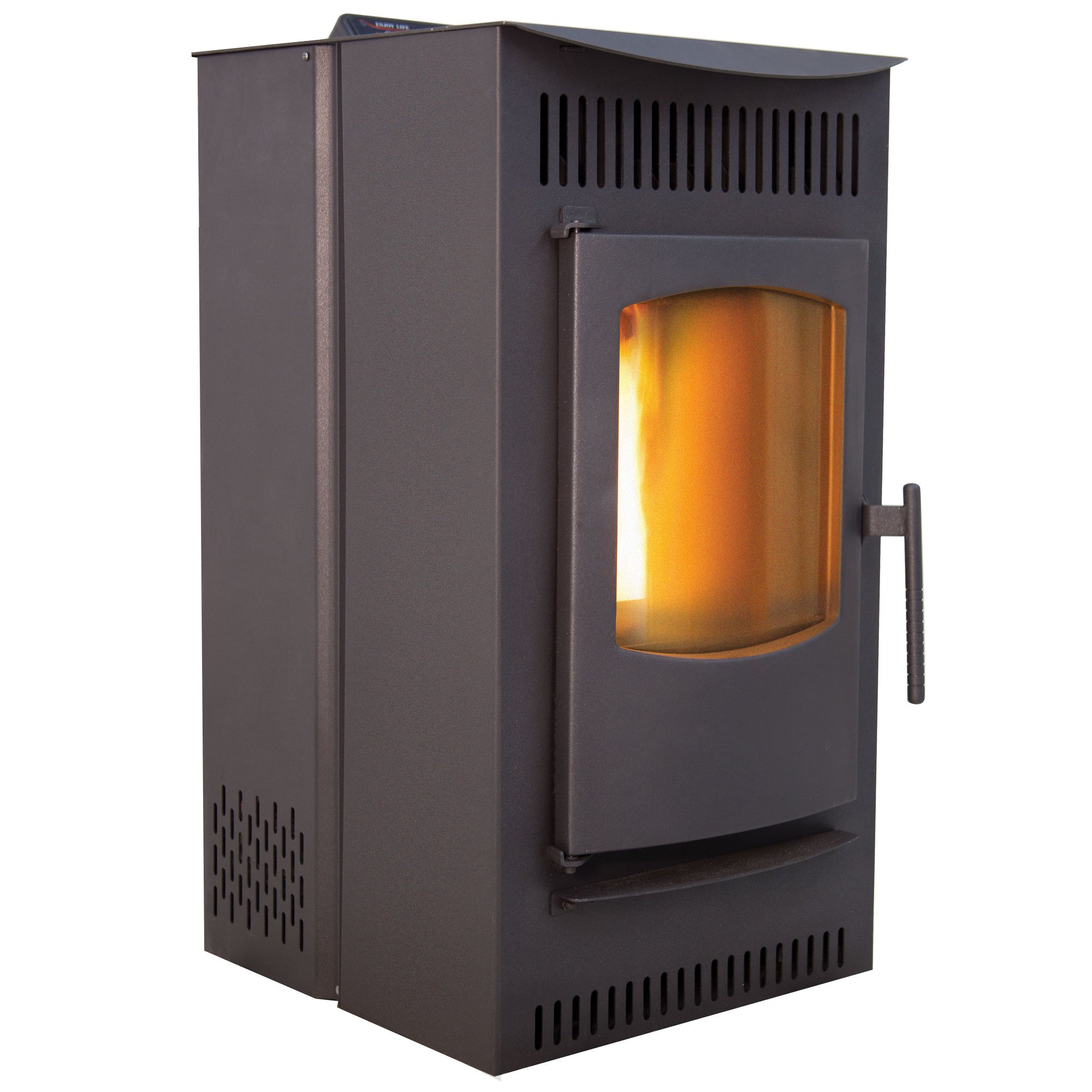
I recommend this when you want an easy-to-program, attractive freestanding stove that heats efficiently in typical homes.
Why I picked it: Smart controller modes, easy cleaning, and a pleasing flame window.
Best for: Homes that need programmable heat without a bulky footprint.
Affordable for a feature-rich pellet stove.
Pros
- Intuitive smart controller
- Easy to clean — no hidden chambers
- Quiet operation
- Attractive flame window
- Compact footprint
Cons
- Relatively small hopper
- Heavy to move
- Requires outside venting
My take
I used the Castle Serenity as my primary heat source for months and relied on its smart controller daily. The manual, thermostat, and weekly modes let me set schedules that matched our routines without constant fiddling.
Once I dialed in exhaust blower speed and air inlet restriction for my altitude and vent length, the stove ran smoothly and quietly; the only regular sound was pellets clinking as they move into the burn pot.
Cleaning is straightforward because there are no tubes or hidden corrugations to wrestle with. The flame window is attractive, though it will darken a bit between cleans.
Installation is heavier-duty work than the listings imply—plan to use a dolly and expect to run both a 2-inch intake and a 4-inch exhaust to the exterior. The hopper size is the unit’s weak point, so factor in more frequent refills if you want longer unattended runs.
2. Comfortbilt HP22 — 2,800 Sq Ft Coverage with 55 lb Hopper – Best for Large Homes
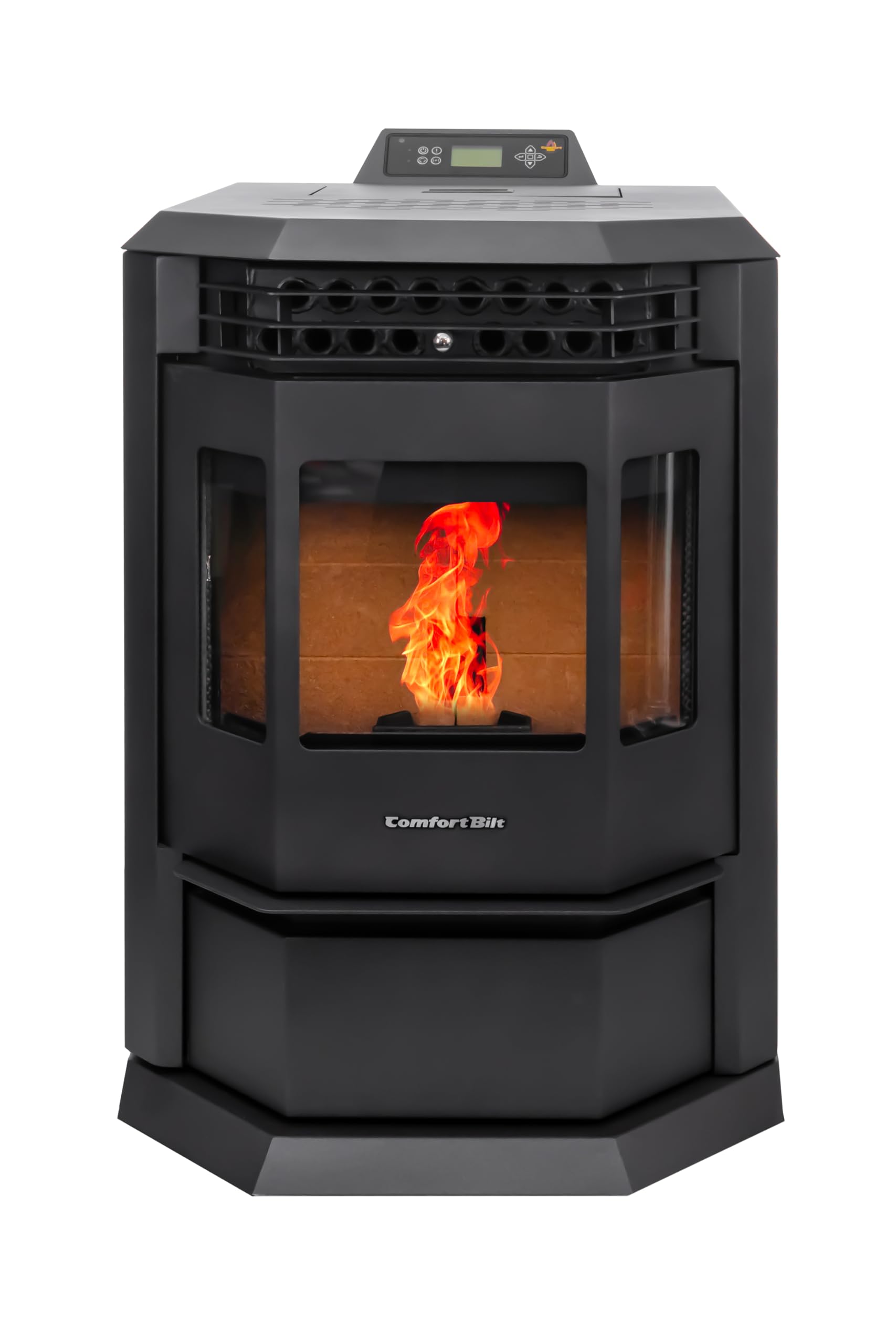
I picked the Comfortbilt when I needed serious heat and long between-fill intervals in a large house.
Why I picked it: Large hopper, powerful blower, and wide coverage.
Best for: Large floorplans and users who want long burn windows.
A more expensive option but geared for big spaces.
Pros
- Heats very large areas
- 55 lb hopper for long runs
- Strong blower output
- Large viewing area
Cons
- Hopper opening is a bit narrow
- Unit is heavy to position
My take
When I swapped a traditional wood stove for the HP22, the difference in consistent whole-house warmth was immediately obvious; it lights quickly and maintains steady output.
The 55-pound hopper is great for once-a-day filling in many setups, though the hopper mouth is narrower than I expected and requires more careful loading to avoid spills.
Programmable thermostat and auto ignition make daily use simple, but if you rely solely on the thermostat, expect the stove to kick on at high output before settling back down.
If you need EPA and CSA-certified performance with serious heat delivery, this is the unit I’d choose for large homes—just plan for professional installation and heavier handling.
3. QuadraFire Replacement Thermocouple — Fits Multiple QuadraFire Models – Best Replacement Part — Thermocouple
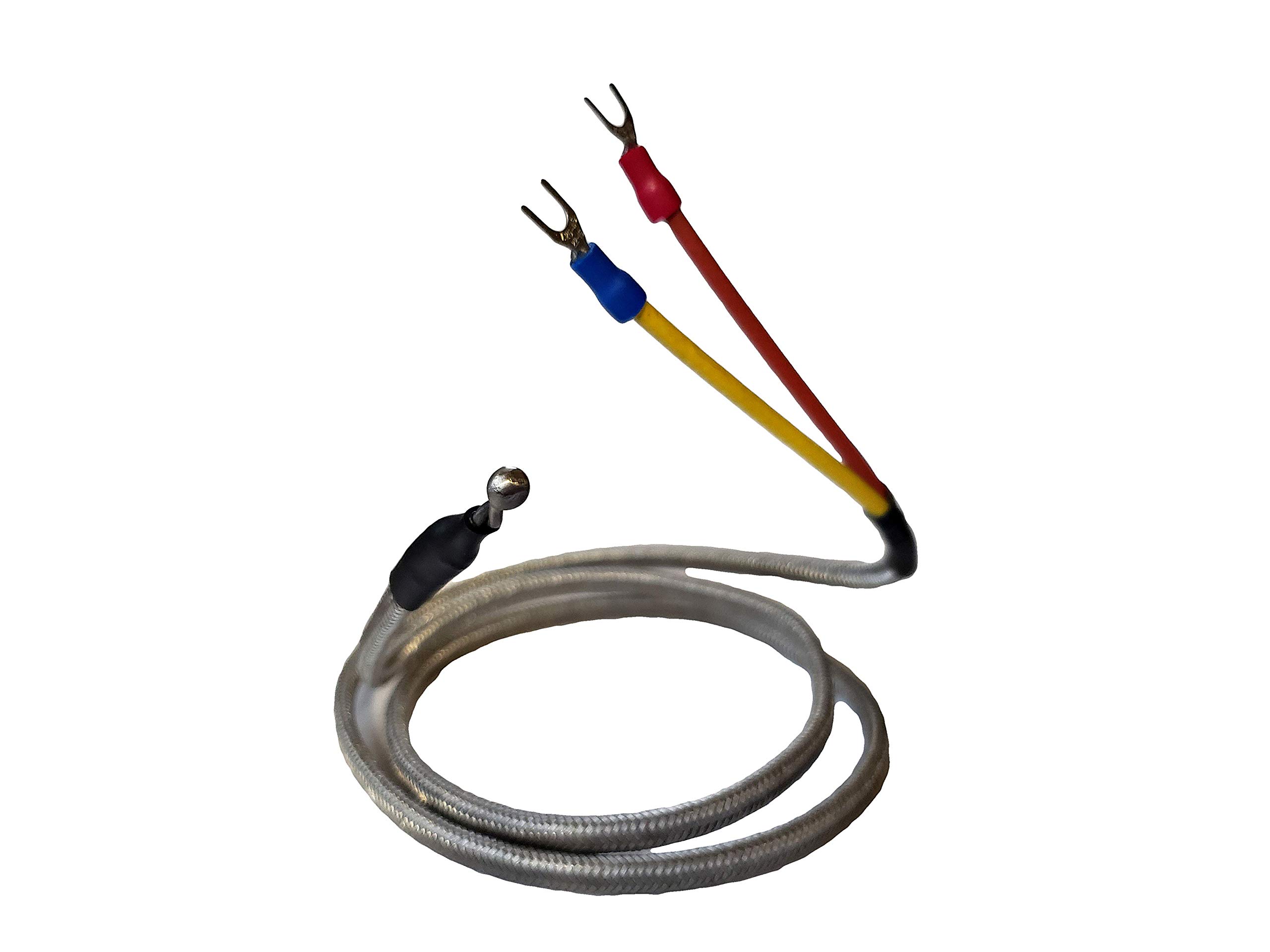
I keep this thermocouple on hand when an older QuadraFire model won’t hold a pilot or detect flame.
Why I picked it: Straightforward compatibility and restores thermocouple function.
Best for: Owners of compatible QuadraFire pellet stoves needing a quick fix.
A low-cost part for essential repairs.
Pros
- Fits several QuadraFire models
- Makes troubleshooting simple
- Affordable replacement
Cons
- Wire gauge can differ from OEM
- May require polarity swap
My take
I replaced a failing thermocouple with this part and got the stove running again; it’s a simple swap in most cases.
Be mindful that some units ship with a lighter-gauge wire and the leads may be reversed compared with your original, so I always check polarity and millivolt output before declaring victory.
When it’s the correct match, the part performs reliably and saves a trip to the dealer—when it’s not, expect a short troubleshooting session but nothing insurmountable.
4. Pellet Stove Convection Blower (KS-5020-1052) — Quiet, Direct Fit – Best Replacement Blower
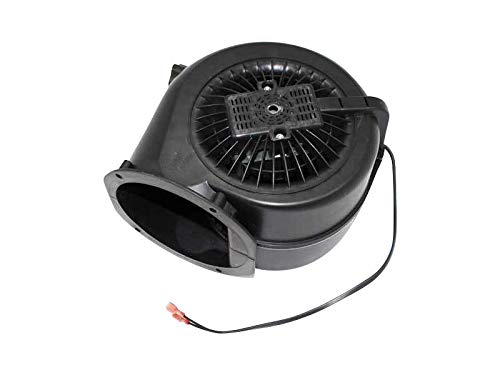
I chose this convection blower to silence a noisy fan and restore even convection flow in my stove.
Why I picked it: Quiet operation and easy, accurate fit.
Best for: Stoves needing a low-noise, direct-fit convection fan.
A sensible midrange part cost for dependable performance.
Pros
- Very quiet
- Easy to install
- Good fit for PP130 units
Cons
- Mounting plate may be oriented wrong
- Limited to specific models
My take
Swapping the old noisy blower for this unit immediately cut sound levels and improved convection. Installation was straightforward when I checked the mounting plate orientation first.
If a plate arrives backwards, flipping it is a five-minute fix; once mounted the fan ran smoothly and noticeably improved room comfort without rattles.
For anyone with a rattly or underperforming convection fan, this is the replacement I reached for and kept working in multiple installs.
5. Large Pellet Basket — Use Pellets in a Wood Stove or Fireplace – Best Cheap Alternative
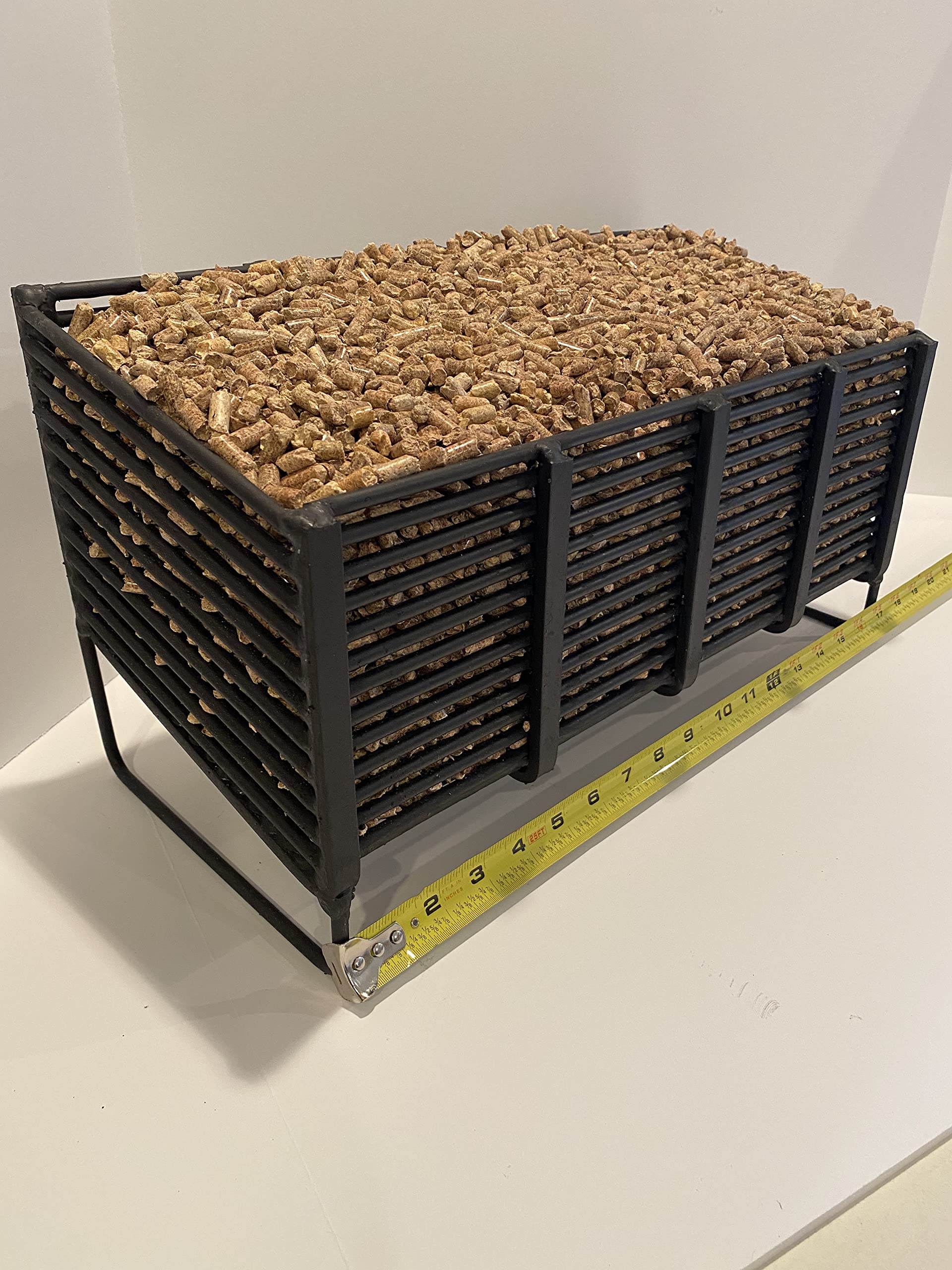
I recommend this pellet basket when you want pellet convenience without buying a full pellet stove.
Why I picked it: Low-cost way to burn pellets in an existing wood stove.
Best for: Wood-stove owners who want a pellet option without new equipment.
A budget-friendly alternative to a dedicated pellet stove.
Pros
- Low upfront cost
- Simple to use
- Burns hot with little ash
Cons
- Shorter burn time per fill
- Requires babysitting at first
- Needs starters and minor mods
My take
I put this basket in my wood stove as a quick experiment and was impressed by how hot pellets burn with minimal ash.
Getting it started takes a bit of practice—gel fire starters and a short ‘babying’ period help—but once established it delivers consistent heat for about an hour and a half on a full basket in my setup.
For anyone unwilling to invest in a pellet stove, this basket gives most of the benefits at a fraction of the cost, though I made minor mesh and tube mods to prevent pellet dust from falling through.
6. YAOAWE Replacement Igniter SRV7000-660 — 300W Compatible Ignitor – Best Value Igniter
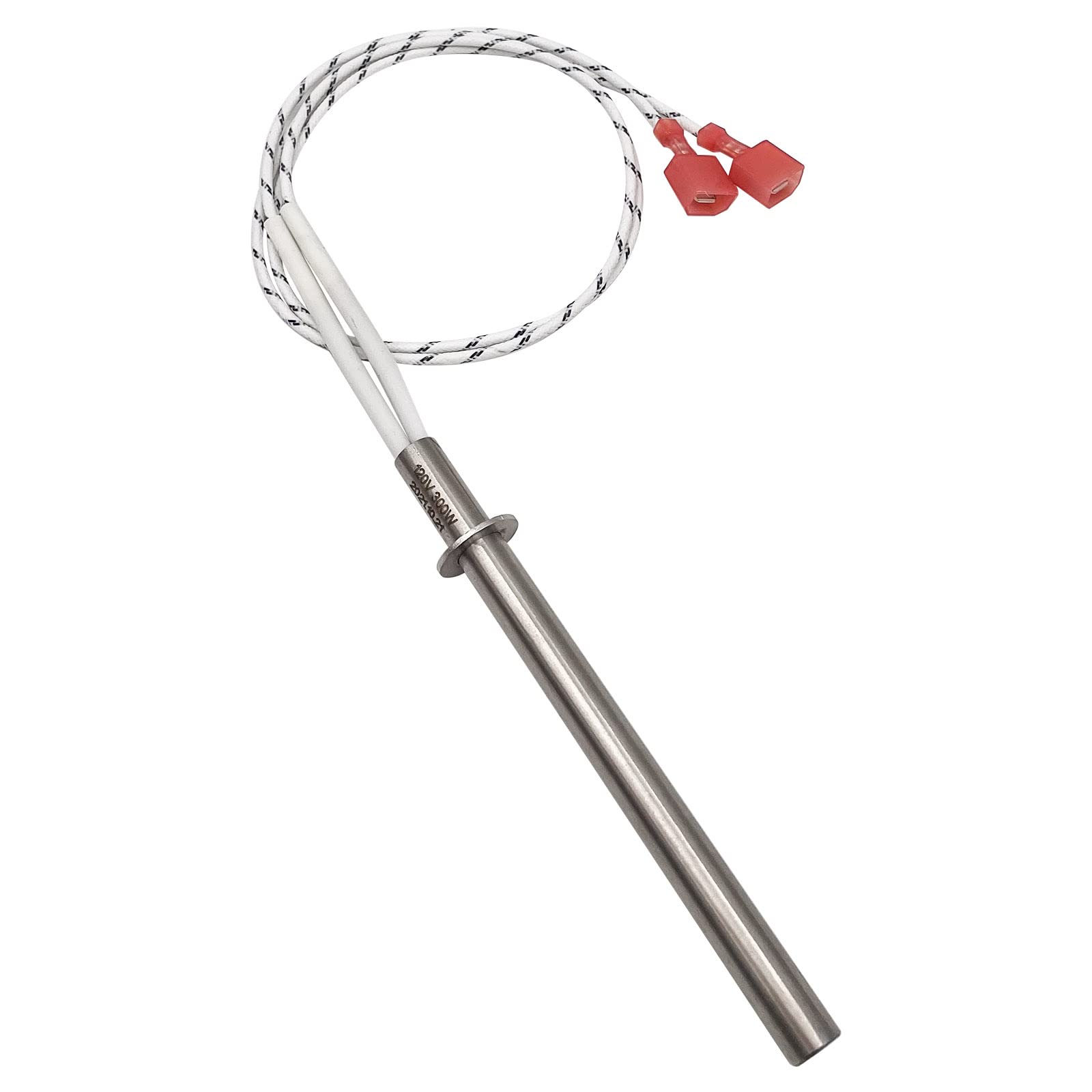
I use this igniter when an OEM unit is too costly or out of stock and I need a quick, working replacement.
Why I picked it: Affordable, easy to install, and compatible with common PP130/Pleasant Hearth models.
Best for: Owners needing a budget-friendly ignition replacement.
A low-cost replacement versus OEM-priced parts.
Pros
- Inexpensive compared with OEM
- Simple installation
- Compatible with several models
Cons
- Shorter than some OEM igniters
- May need door gasket replacement too
My take
I swapped this igniter into several pellet stoves and got reliable ignition, even when the shank was a bit shorter than the original; performance has been consistent in my hands.
On one install I did have to replace the door gasket at the same time—good practice with any igniter swap to avoid air leaks that can cause ignition problems.
If you’re comparing cost versus OEM units, this igniter gives solid bang for the buck and usually gets a tired stove back to work without a dealer visit.
How I Picked These Pellet Stoves and Parts
Sizing and Coverage
I start by matching stove heating capacity to square footage. A stove rated for several thousand square feet is overkill for a small cottage and inefficient to run.
For parts, compatibility is king—measurements, connector types, and mounting arrangements have to match what’s on your unit.
- Aim for a stove sized to your main living area, not total house area if you only heat part of the home.
- Check hopper capacity against how often you want to refill (daily vs. multi-day).
- Confirm electrical and venting requirements before purchase.
Installation & Venting
I insist on correct venting: most pellet stoves require a dedicated outside air intake and a clear exhaust path.
Plan for the unit’s weight—many stoves are heavy and need moving equipment or professional delivery for safe placement.
- Expect to run both intake and exhaust pipes for freestanding stoves.
- Professional installation is worth the cost for chimney connections or complicated vent runs.
- Measure cord length and outlet location—some units have shorter cords.
Hopper Size vs Convenience
A larger hopper reduces how often I refill but adds footprint and weight. I choose based on how often I want to service the stove.
Smaller hoppers still work well if you enjoy tuning burn rates and don’t mind daily top-ups.
- Large hopper: less frequent refills, heavier unit.
- Small hopper: lighter, more hands-on management.
- Consider hopper mouth size for ease of loading.
Parts and Replacements
When buying replacement parts I check wire gauge, lead length, and polarity. A cheap-looking part can work fine, but expect to troubleshoot polarity or minor fit issues.
Keep a spare igniter and thermocouple if you rely on your stove for main heat; they’re common failure items I’ve replaced myself.
- Compare physical dimensions to your original part.
- Replace door gaskets alongside igniters to avoid air leaks.
- Keep basic spares on hand if you depend on pellet heat.
Frequently Asked Questions
How do I choose the right size pellet stove for my space?
I match stove capacity to the area I want heated—pick a stove rated for the primary living space rather than the entire home if you don’t heat every room. If in doubt, err slightly larger and use lower burn settings.
Can I use a pellet basket in my existing wood stove?
Yes—I used a pellet basket to get pellet convenience without buying a new stove. It works well but needs gel starters and occasional babysitting; expect shorter burn windows than a dedicated pellet stove.
How often should I clean my pellet stove?
I clean ash and the burn pot after several burns and inspect venting regularly. Deep cleaning once a season keeps sensors and igniters working reliably.
What if a replacement part doesn't match perfectly?
I inspect polarity, wire gauge, and lead length. Many replacements work despite minor differences, but you should confirm electrical connections and replace door gaskets if ignition issues persist.
Final Take
If you want a balance of programmability, ease of cleaning, and visual appeal, the Castle Serenity delivered the most consistent mix of features for everyday living.
For large homes that need serious output, the Comfortbilt HP22 is the robust choice I turned to.
I keep a few replacement parts—thermocouple, blower, igniter—on hand because they restore function quickly and save downtime. Pick the option that matches your space, installation abilities, and how much hands-on time you want to invest.
