
I tested six popular snowboard goggles across sunny days, flat light, and long runs. Here are the pairs I kept coming back to, and why each one earned a place in my kit.
I spent multiple days on different mountains putting these goggles through real use—chairlift rides, fast groomers, tree runs, and a couple of cold, windy days. I focused on fit, fog control, lens clarity, helmet compatibility, and how easy each pair was to live with on a long day.
This roundup reflects what I actually wore and adjusted on the slopes, so every pick has a clear role depending on how and where you ride.
If you want quick lens swaps I lean toward magnetic systems; if you value simplicity and low cost I favor fixed-lens OTG options.
1. ZIONOR Lagopus B1 Ski Goggles OTG – Best Overall Budget OTG
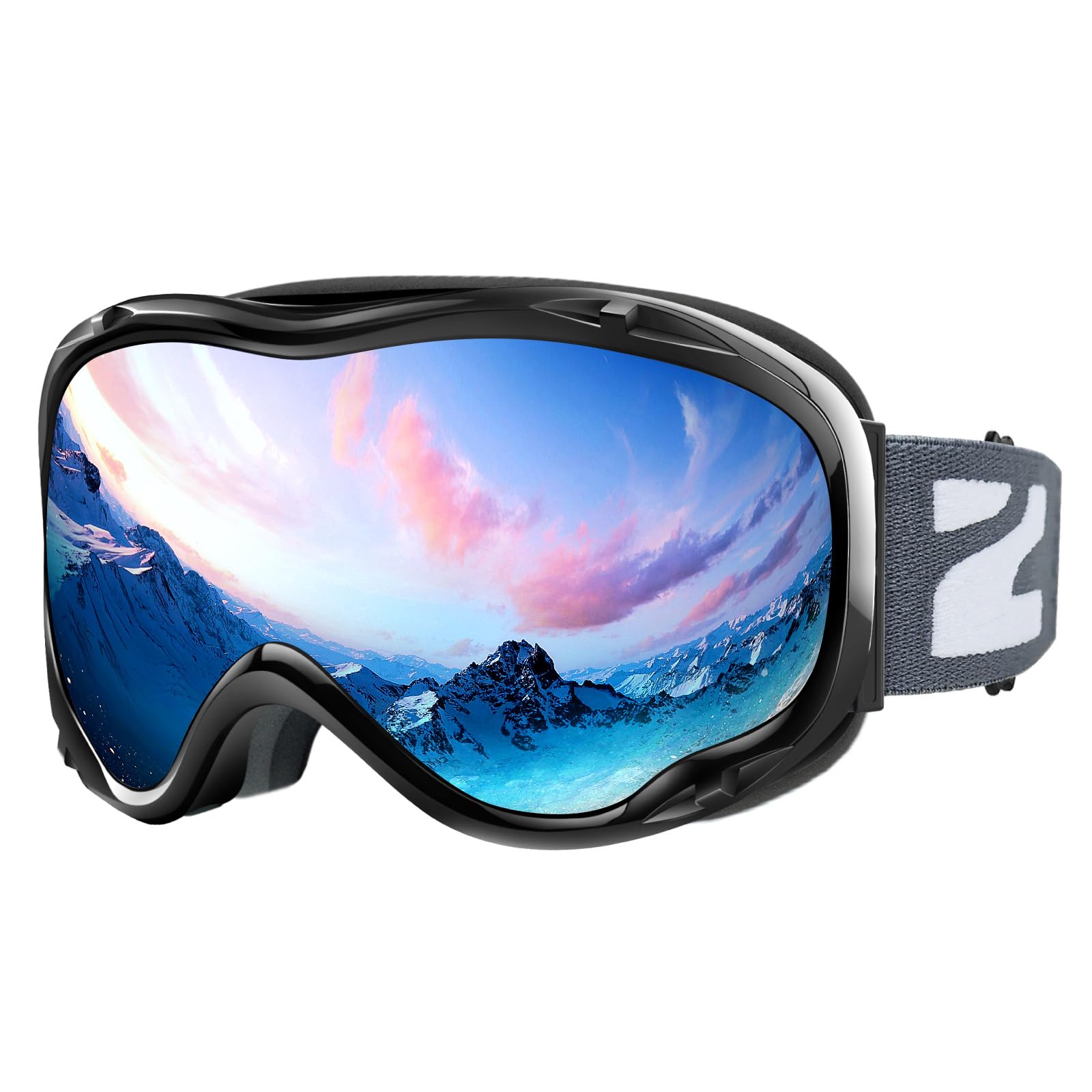
A dependable, lightweight OTG goggle with solid anti-fog performance and good ventilation for day-long comfort.
Why I picked it: Consistently clear vision, comfortable foam, and helmet compatibility at a low cost.
Best for: Riders who want fuss-free anti-fog performance and an OTG-friendly shape.
Very affordable, strong value for everyday use.
Pros
- Double-layer anti-fog lens
- Lightweight on my face
- Comfortable triple-layer foam
- Helmet compatible strap
Cons
- Limited lens interchangeability
- May be tight over large glasses
My take
I kept this pair in rotation because the double-layer lens and venting handled long, active runs without fogging. On cold lift rides and high-exertion laps the goggles cleared quickly once I started moving again.
The strap and foam sit comfortably against my face for hours; I barely noticed them during a multi-hour tubing session. They’re lightweight, and the elastic strap stays put with a helmet.
If you wear large optical frames, these aren’t guaranteed to fit underneath. For me the tradeoff of solid visibility and comfort at a very accessible price was worth it.
2. Wildhorn Roca Ski Goggles — Magnetic Lens – Best Interchangeable Lens System
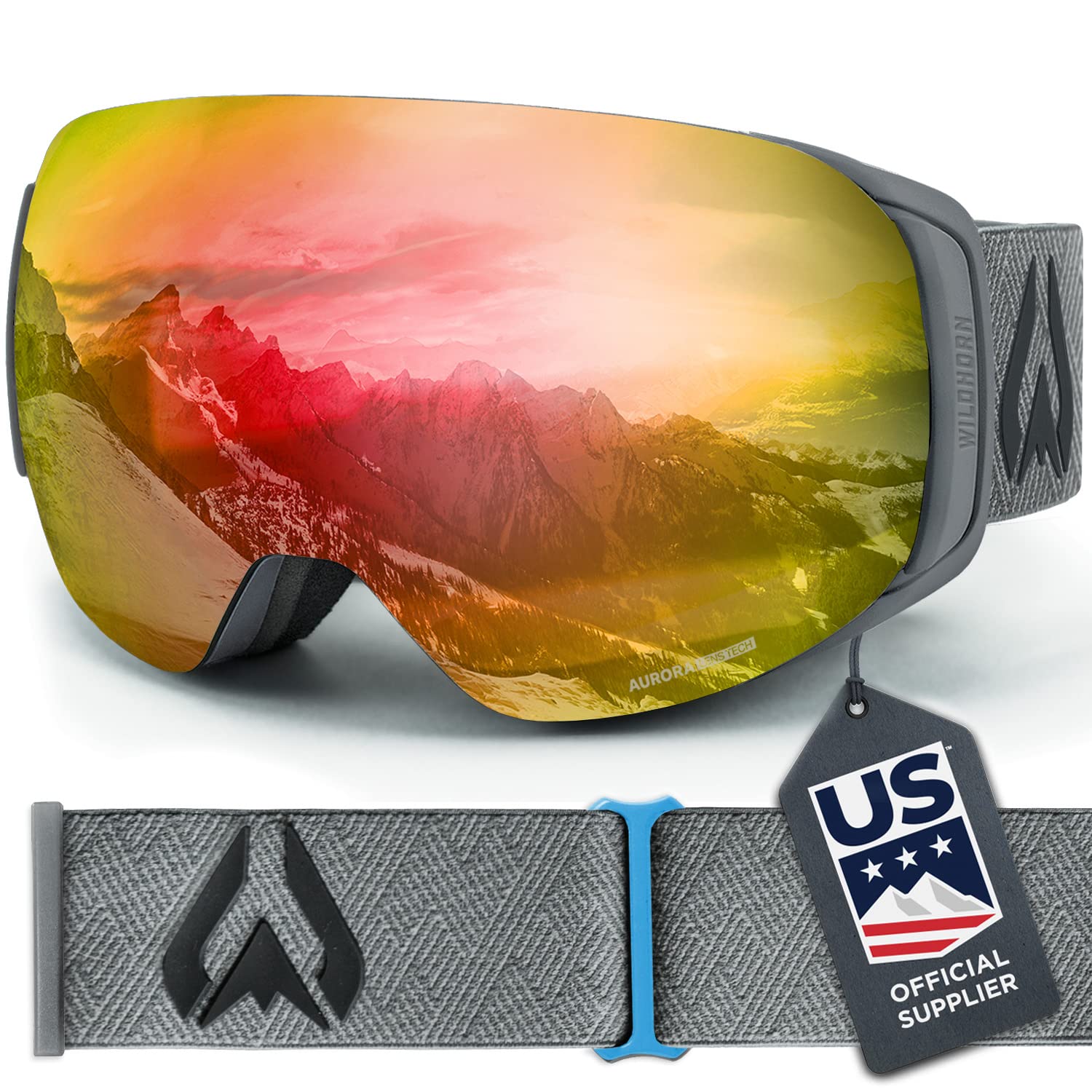
A semi-frameless goggle with a fast magnetic swap system and a wide panoramic view I relied on when light changed quickly.
Why I picked it: Rapid lens changes with secure side clips made adapting to variable light effortless.
Best for: Riders who swap lenses on the go and want a wide field of view.
A mid-range option that prioritizes versatility.
Pros
- Quick magnetic lens swaps
- Secure side-clip locking
- Wide spherical view
- Durable TPU frame
Cons
- Mirror lenses can scuff easily
- Not the cheapest option
My take
I switched lenses at the top of the lift more than once; the magnetic system and safety clips made changeovers fast and confidence-inspiring. That speed mattered when clouds rolled in and I needed more contrast.
On bright sun days the Aurora-style lenses gave excellent clarity and panoramic visibility downhill. The frame stayed comfortable with my helmet and the triple-layer foam felt supportive all day.
One caveat: I saw surface scratches form on a mirror lens after handling it without a cover, so I carried a soft bag for the lenses whenever they weren’t on my face.
3. ZIONOR X4 Ski Goggles Magnetic Lens – Best Magnetic Durability
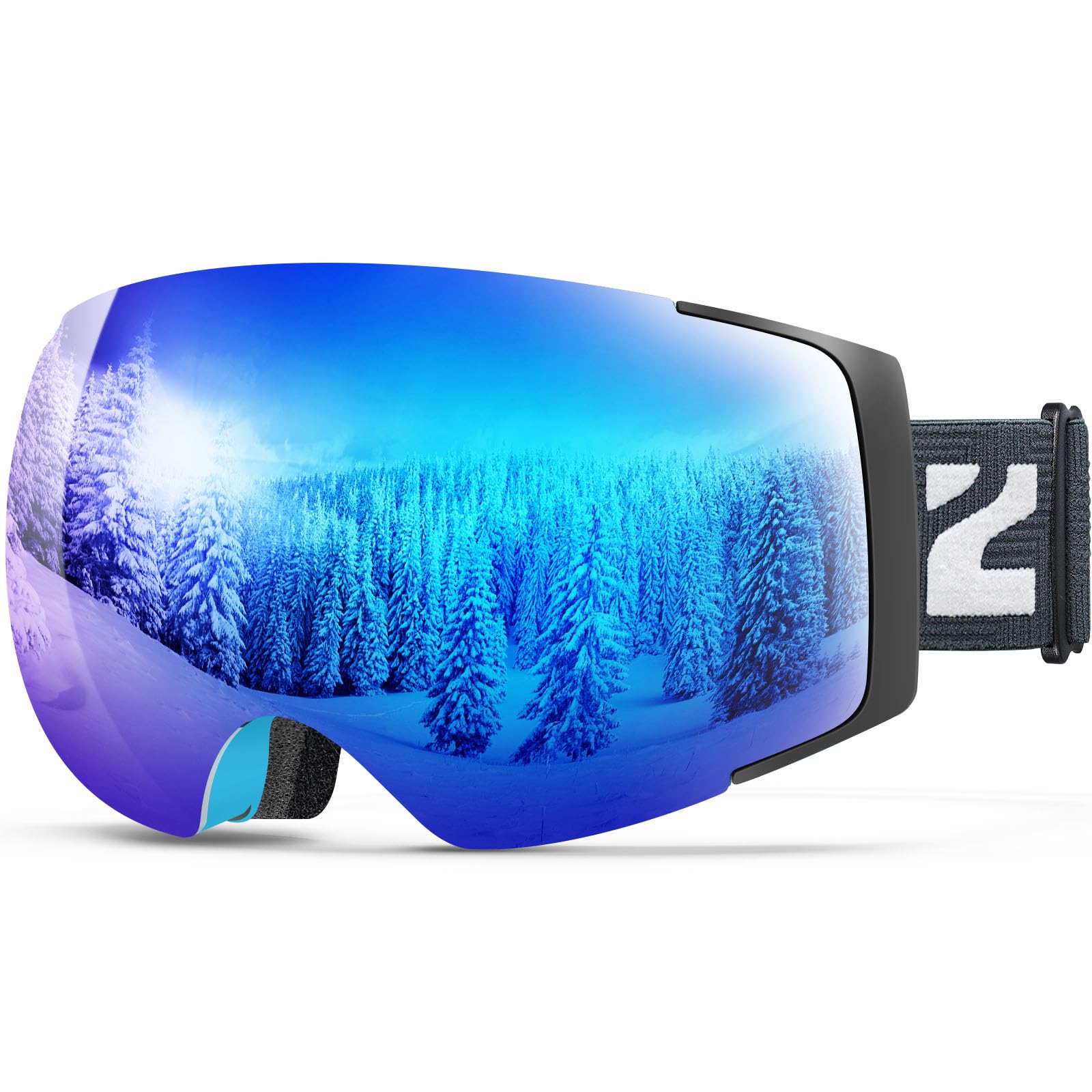
A rugged magnetic goggle with strong magnet retention, expansive viewing angles, and durable lens tech I trusted on tougher days.
Why I picked it: Robust construction and a tight magnetic system that stayed put through hard use.
Best for: Riders who want a wide, durable lens they can swap quickly.
Solid mid-price pick for durable magnetic goggles.
Pros
- Eight-magnet secure system
- 180° panoramic view
- Ruggedized impact-resistant lens
Cons
- Lenses can scratch if mishandled
- Strap fit varies by helmet size
My take
I appreciated the wide spherical view on faster runs and in variable weather; peripheral visibility made terrain changes easier to read. The ventilation channels did a good job reducing fog during sustained efforts.
Lens swaps were straightforward thanks to the strong magnets, and the frame felt sturdy over several seasons of use. I carried a spare low-light lens for cloudy afternoons and changed it quickly during a break.
Handle the lenses with care—I learned that a single scrape from gear can mark the finish, so I stowed extras safely when not wearing them.
4. Wildhorn Cristo Ski Goggles — OTG Comfort – Best Comfortable Midrange
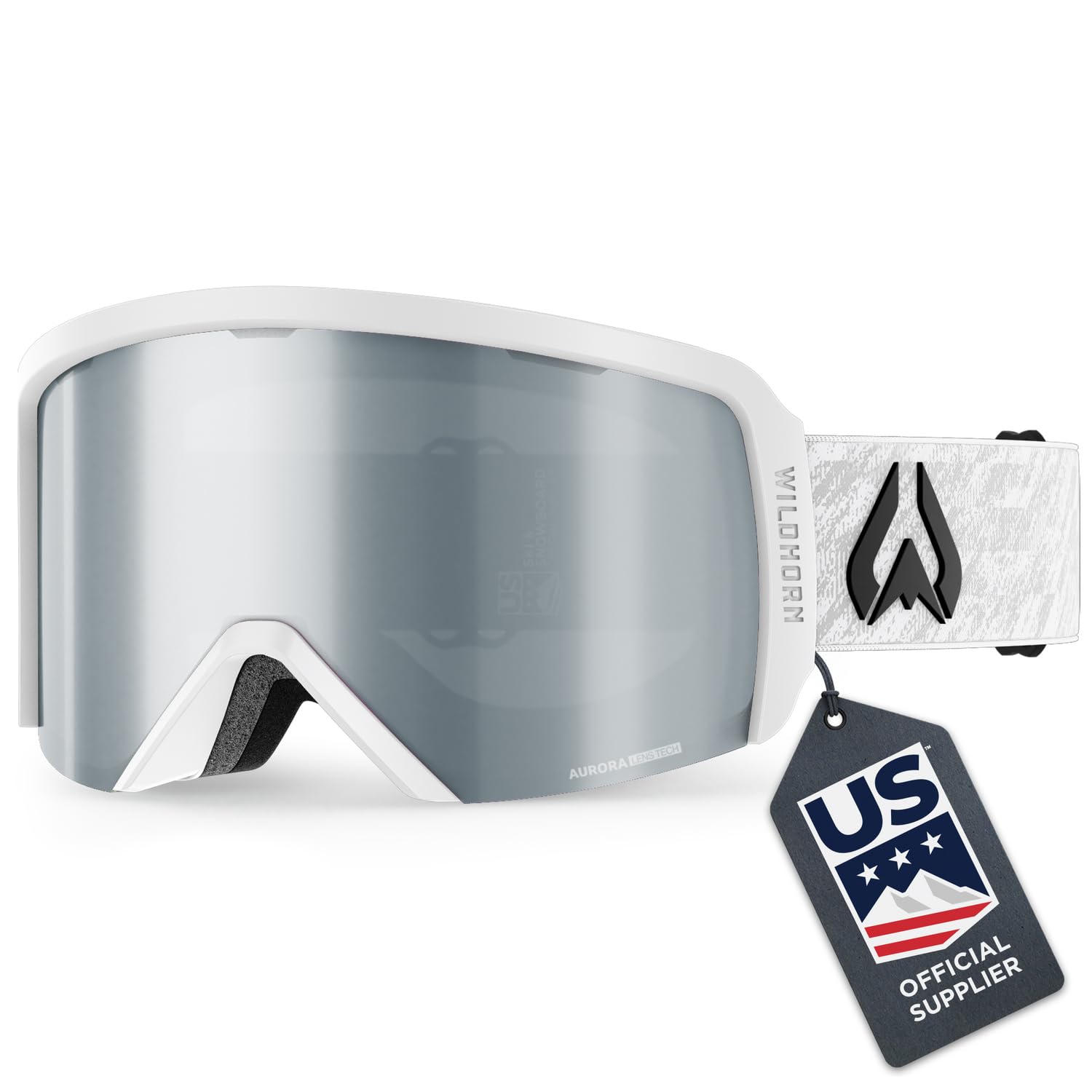
A comfortable, well-ventilated goggle with dual-layer lenses and a modern frameless look I reached for on long days.
Why I picked it: Comfortable foam and reliable ventilation made these a go-to for full days on lift service.
Best for: Riders who prioritize fit and comfort for long sessions.
A mid-priced option with team-proven design cues.
Pros
- Comfortable triple-layer foam
- Good ventilation that reduces fogging
- Clean, frameless aesthetic
Cons
- Lenses are fixed, not swappable
- May not fit larger eyeglasses
My take
These felt immediately comfortable—soft foam and a stable strap that didn’t slip under helmet use. I wore them for long sessions without feeling pressure points around my face.
They cleared quickly while I was moving, though I noticed a bit of fog build-up if I stopped and overheated. Restarting downhill or opening vents returned clear vision fast.
The lenses aren’t interchangeable, so I treated this pair as my sunny-to-partly-cloudy option and packed a second set of goggles for darker days.
5. EXP VISION Ski/Snowboard Goggles — Detachable Sponge – Best Lightweight Design
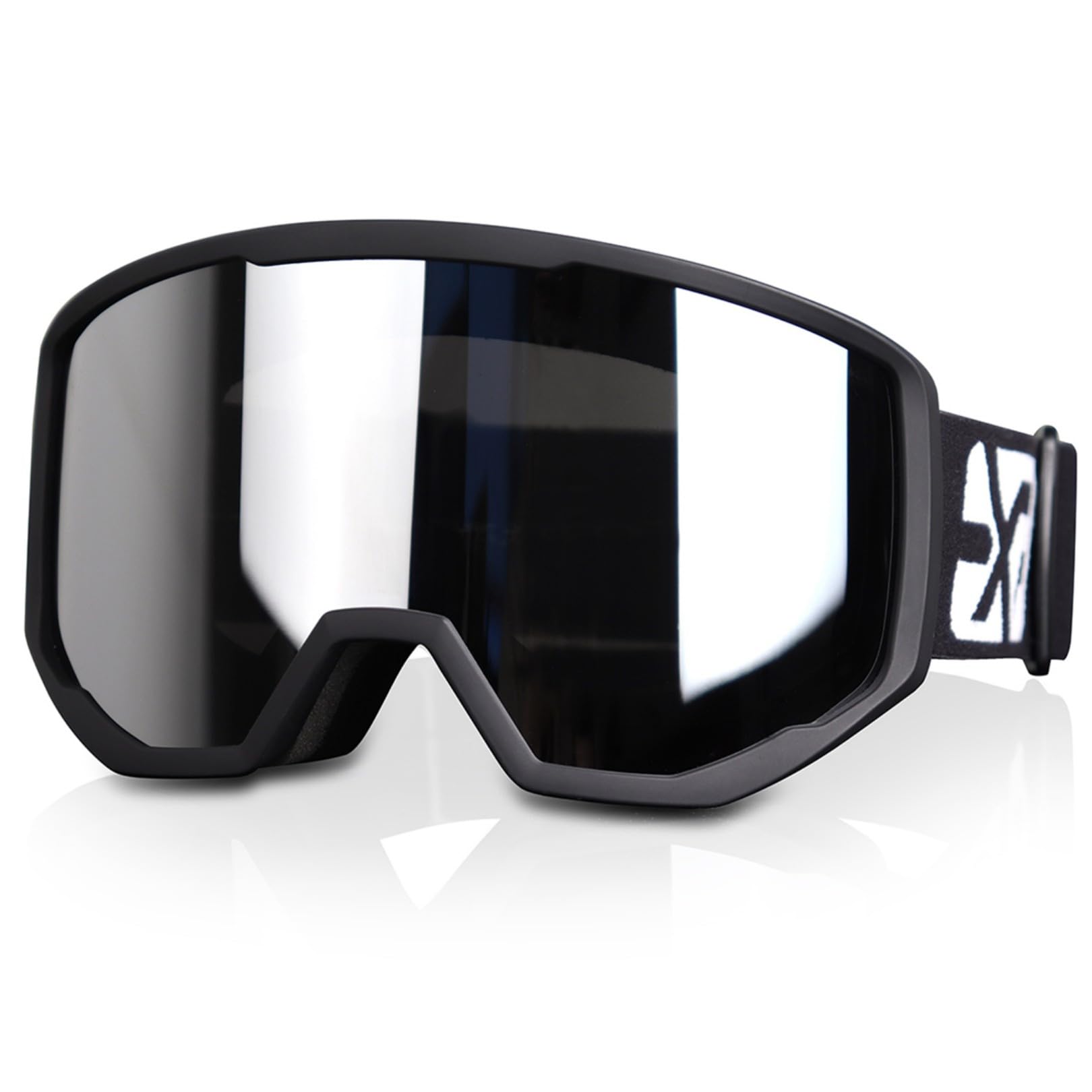
A very lightweight goggle with a removable sponge frame detail, strong glare reduction, and surprising durability for daily use.
Why I picked it: Featherlight feel and a detachable sponge made maintenance and comfort simple.
Best for: Daytime riders who want minimal weight and solid glare control.
Highly affordable and feature-packed for its cost.
Pros
- Detachable sponge for easy cleaning
- Featherlight, almost unnoticeable fit
- REVO coating reduces glare
Cons
- Best in bright conditions
- Not ideal for heavy blowing snow
My take
I liked how nearly weightless these felt during long sessions; the thin frame helped expand my field of view and the strap adjusted easily to my helmet.
The detachable sponge is a practical detail—I cleaned it between trips and it refreshed the fit quickly. Anti-fog performance stayed reliable across several runs.
For me these were a daytime favorite. In heavy blowing snow or flat light I wanted a darker or specialized lens, so I treated this set as a bright-day staple.
6. Juli Ski Goggles — Everyday Anti-Fog – Best for Casual Snow Sports
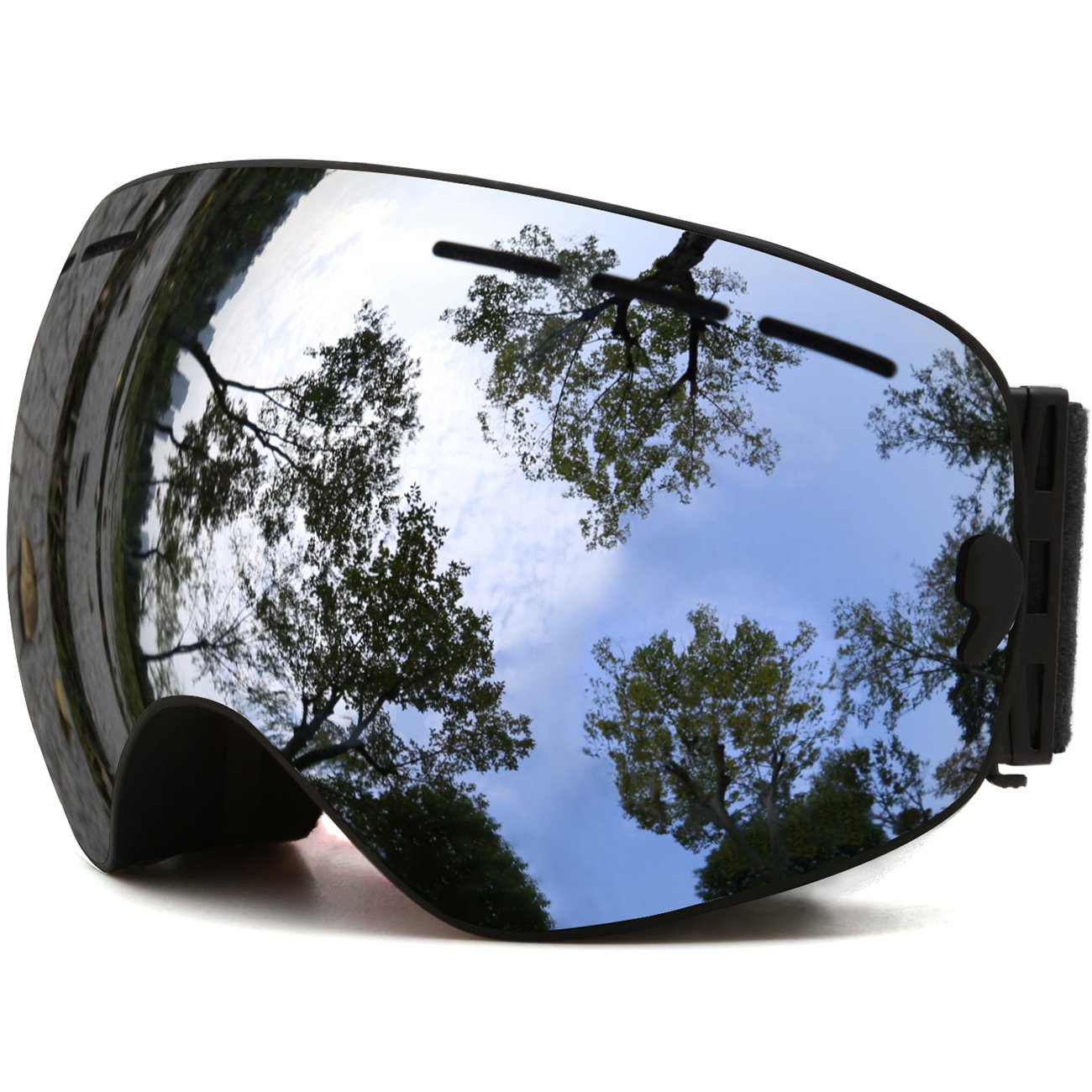
A no-nonsense, comfortable goggle that performed well for shoveling, snowmobiling, and casual resort days.
Why I picked it: Dependable anti-fog and solid protection for non-technical winter use.
Best for: Casual riders and winter chores where comfort and simplicity matter.
Budget-friendly pick for occasional use.
Pros
- Reliable anti-fog performance
- Comfortable fit and peripheral vision
- Lightweight and easy to wear
Cons
- Strap can loosen over time
- Not a premium, high-end build
My take
I used these for a variety of casual winter activities and they consistently kept my vision clear. They work well when I need solid protection without specialist lenses.
The strap adjusted easily for different helmets, though I did notice it loosen a couple times during extended wear. Re-tightening was quick and simple.
If you want a comfortable, budget-minded goggle for occasional resort days or snowmobiling, these are a practical and comfortable choice.
How I Choose Snowboard Goggles
Lens Type and VLT
I prioritize lens tint and Visible Light Transmission (VLT) based on the conditions I ride most. Low VLT (darker) for bright sun, higher VLT for flat light or storms.
If I only want one pair, I favor a mid-range lens with versatile contrast—otherwise I carry a second lens or a magnetic set.
- Sunny days: darker lenses, low VLT
- Cloudy/flat light: high VLT or yellow/rose lenses
- All-mountain: medium VLT for versatility
Interchangeable vs Fixed Lenses
I choose magnetic or snap systems when I expect rapidly changing light and want fast swaps on the lift.
Fixed lenses work well if you prefer simplicity and budget-friendly options—just plan to bring two goggles for very different conditions.
- Magnetic: fastest swaps, carry spares safely
- Clip systems: secure during crashes
- Fixed: simpler, often cheaper
Fit, Helmet Compatibility, and OTG
I always test goggles with my helmet before committing: strap length, foam contact, and whether the foam gaps with goggles can let in wind.
If I wear glasses, I look for true OTG space, but I also try frames on—some OTG-marketed goggles still struggle with large optical frames.
- Try goggles with your helmet and glasses
- Look for triple-layer foam for comfort
- Check strap length and anti-slip features
Anti-Fog and Venting
I value dual-layer lenses and active venting designs—those two details mattered most to me for fog reduction during high-effort runs.
If I know I’ll be stopping a lot, I prefer goggles with stronger venting to help clear condensation quickly.
- Dual-layer lenses reduce internal condensation
- Vents and channeling improve airflow
- Avoid blocking vents with balaclavas
Care and Handling
I treat mirrored and coated lenses gently: microfiber pouch in my pack and never wiping with gloves. Scratches are the fastest way to ruin clarity.
I clean foam and detachable pieces after a day of wet weather to prevent odor and prolong foam life.
- Carry a soft pouch for spares
- Use microfiber for lens cleaning
- Let foam dry fully before storage
Frequently Asked Questions
Can I wear these goggles over my glasses?
I found some pairs labeled OTG fit small to medium optical frames, but large frames can still be tight. I always try OTG goggles with my glasses before relying on them.
How do magnetic lenses hold up on fast lift rides?
In my experience the magnetic systems with added side clips or snaps stayed secure even on fast chairlift rides and a few rough falls—still, I stow spare lenses safely when I’m not wearing them.
How should I prevent fogging during back-to-back runs?
I keep vents clear, avoid blocking them with a balaclava, and rely on dual-layer lenses. If I stop, I lift the goggles briefly or open vents to let air circulate and clear condensation.
Final Take
I picked specific goggles for different roles: magnetic systems when I needed quick lens swaps, lightweight fixed lenses for sunny day comfort, and midrange OTG pairs for all-day wear.
My final advice is to match lens type to typical conditions, confirm fit with your helmet and glasses, and carry a safe case for spare lenses—those simple steps made every day on the mountain better for me.
