
I tested sealants, nailers, pry tools, hand tools, and blades so you can replace and repair shingles with confidence. These are the products I reached for across trailers, houses, and small commercial roofs.
I’ve spent time repairing leaks, replacing shingles, and fitting metal flashing on a variety of roofs. In this roundup I focus on the specific tools and sealants that made those jobs faster and more reliable.
I prioritized durability, ease of use, and real-world performance—products I’d use again on my own roof or recommend to the crew.
If you want a quick waterproof fix, the tape and polyurethane sealant are my go-tos. For installing or replacing shingles I rely on the Bostitch nailer and the Roof Snake pry bar. The Malco folding tool and oscillating blades solve the metal-forming and cutting tasks that come up around flashing and underlayment.
1. EternaBond RSB-3-50 RoofSeal Sealant Roof Repair Tape, Black (3" x 50') – Best for Permanent Seams
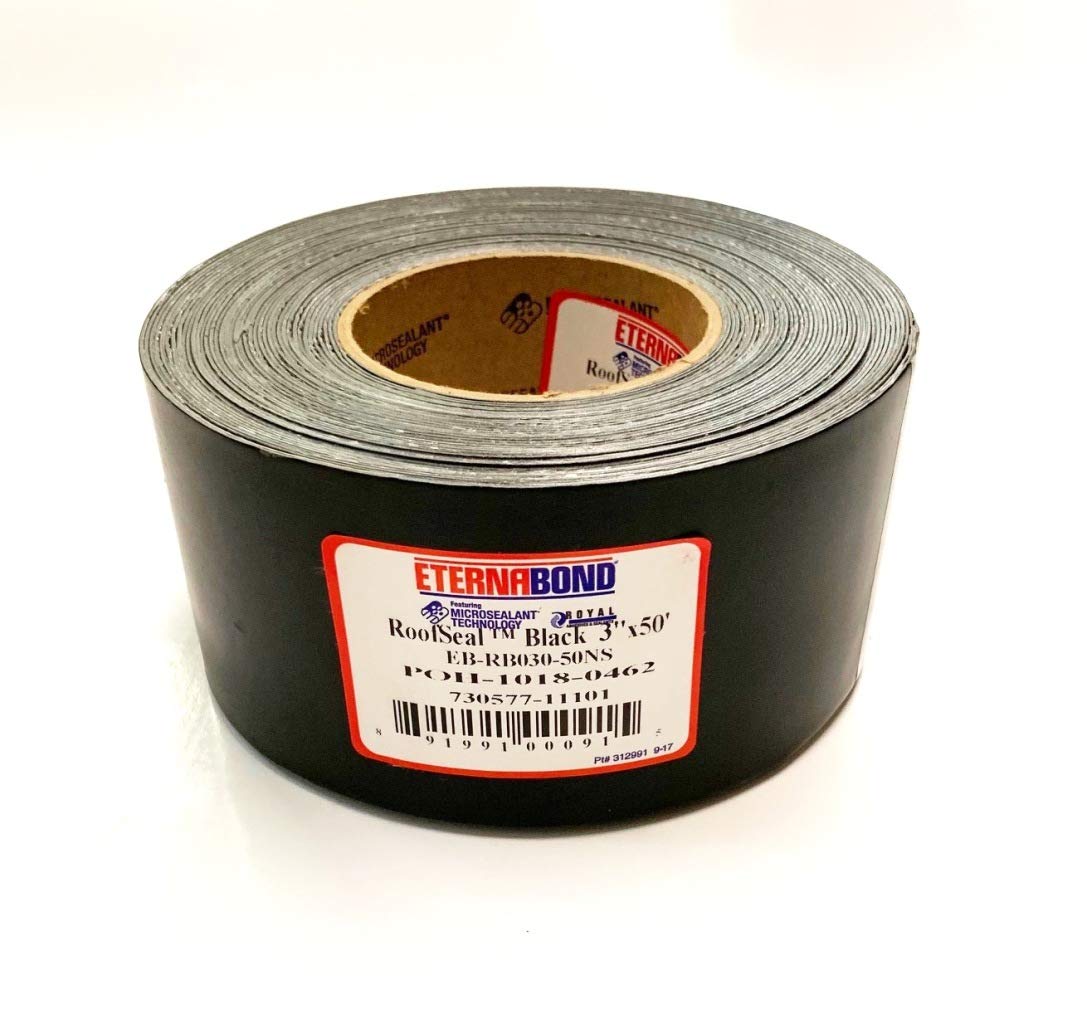
A microsealant tape that creates immediate, long-lasting watertight seams on rubber, metal, and many roof surfaces.
Why I picked it: Stops leaks fast and stays stuck for years when I prep properly.
Best for: Sealing seams on RVs, trailers, buses, and patching metal or rubber roofs.
Priced as a premium repair tape; one roll covers many small jobs.
Pros
- Creates permanent watertight seams
- Adheres to many roofing materials
- Long-term outdoor durability
- Easy, fast application
Cons
- One-shot placement—no repositioning
- Requires careful surface prep
- Large installs need a helper
My take
I used this tape to reseam an enclosed trailer roof that had been leaking for years. After stripping trim and cleaning the application area with acetone, the tape bonded aggressively and formed a seamless barrier.
Application is straightforward but unforgiving: you get one good shot at placement. I roll it firmly after laying it down and follow the manufacturer’s prep guidance. On multiple builds I’ve seen seams still intact after several seasons of exposure.
The microsealant format makes this my first choice when I need a fast, no-mess waterproof fix on rubber roofs, metal seams, or around vents. For larger roof projects I plan placement and bring an extra pair of hands to keep the tape flat during installation.
2. BOSTITCH Coil Roofing Nailer, Roofing Nail Gun, Fast Reloading, 3/4-Inch to 1-3/4-Inch (RN46) – Best for Speed & Power
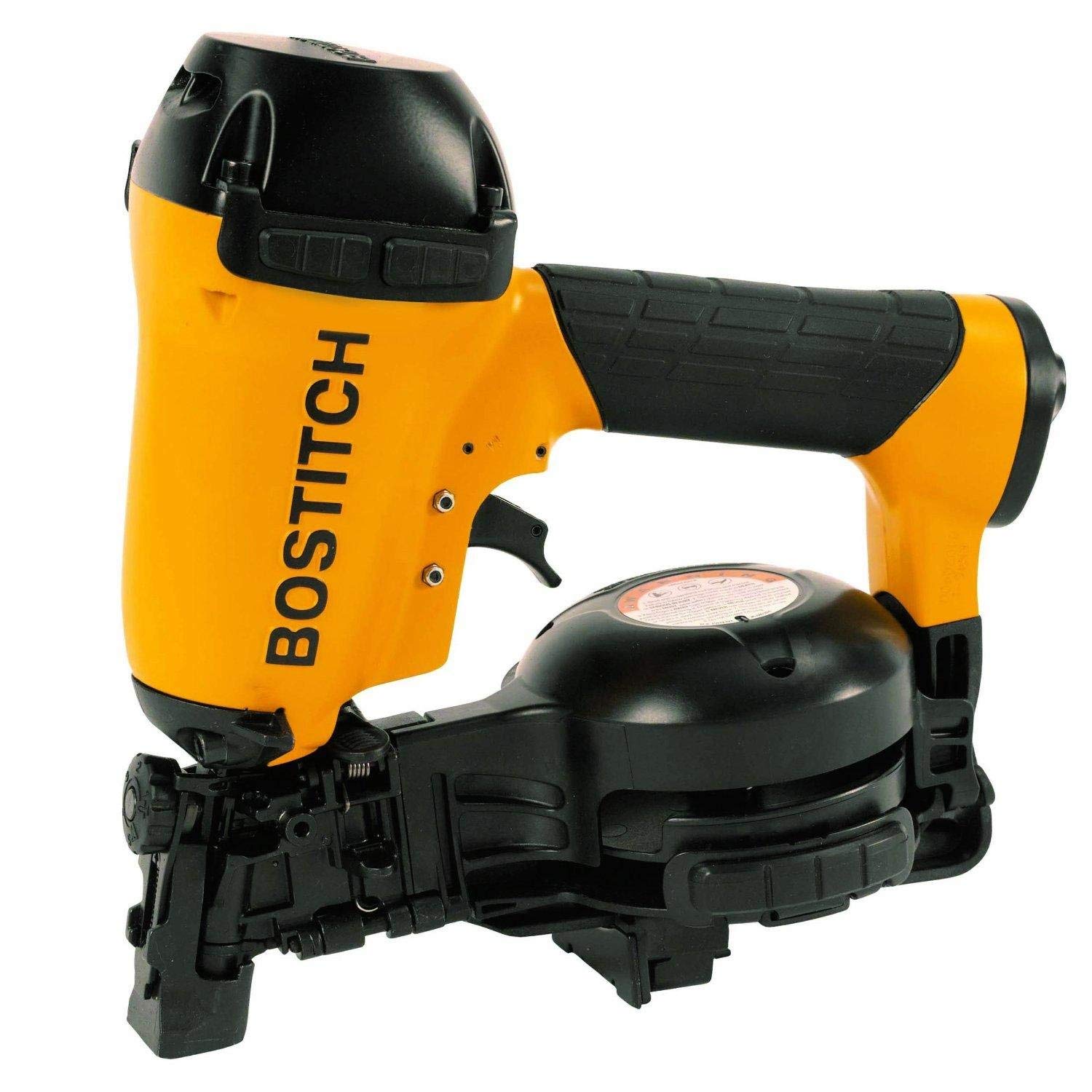
A workhorse coil roofing nailer with powerful drive, quick side-loading canister, and tool-less depth adjustment.
Why I picked it: Delivers consistent drives and fast reloads for full-day roof installs.
Best for: Installing composition shingles and high-volume reroofing work.
A professional-grade tool—an investment for frequent roofing work.
Pros
- Powerful, consistent nail drive
- Quick side-load canister
- Tool-less depth adjustments
- Holds large nail coils
Cons
- Requires an air compressor
- Two firing modes need practice
My take
I’ve used the RN46 on several reroofs and small jobs; it consistently set nails to depth and never jammed during my runs. The magnesium build keeps it light on the hip during long shifts.
The side-loading canister is a real time-saver when reloading coils, and the no-dry-fire lock keeps me from wasting nails. I switch between contact and sequential modes depending on whether I’m flying across fields of shingles or doing precise detail work.
If you’re replacing shingles regularly, this nailer speeds the job and reduces fatigue. Expect to pair it with a solid compressor and practice the firing modes for best results.
3. Malco 18 Inch Premium Sheet Metal Folding Tool, 3/8" and 1" Folding Depths (18F) – Best for Metal Flashing
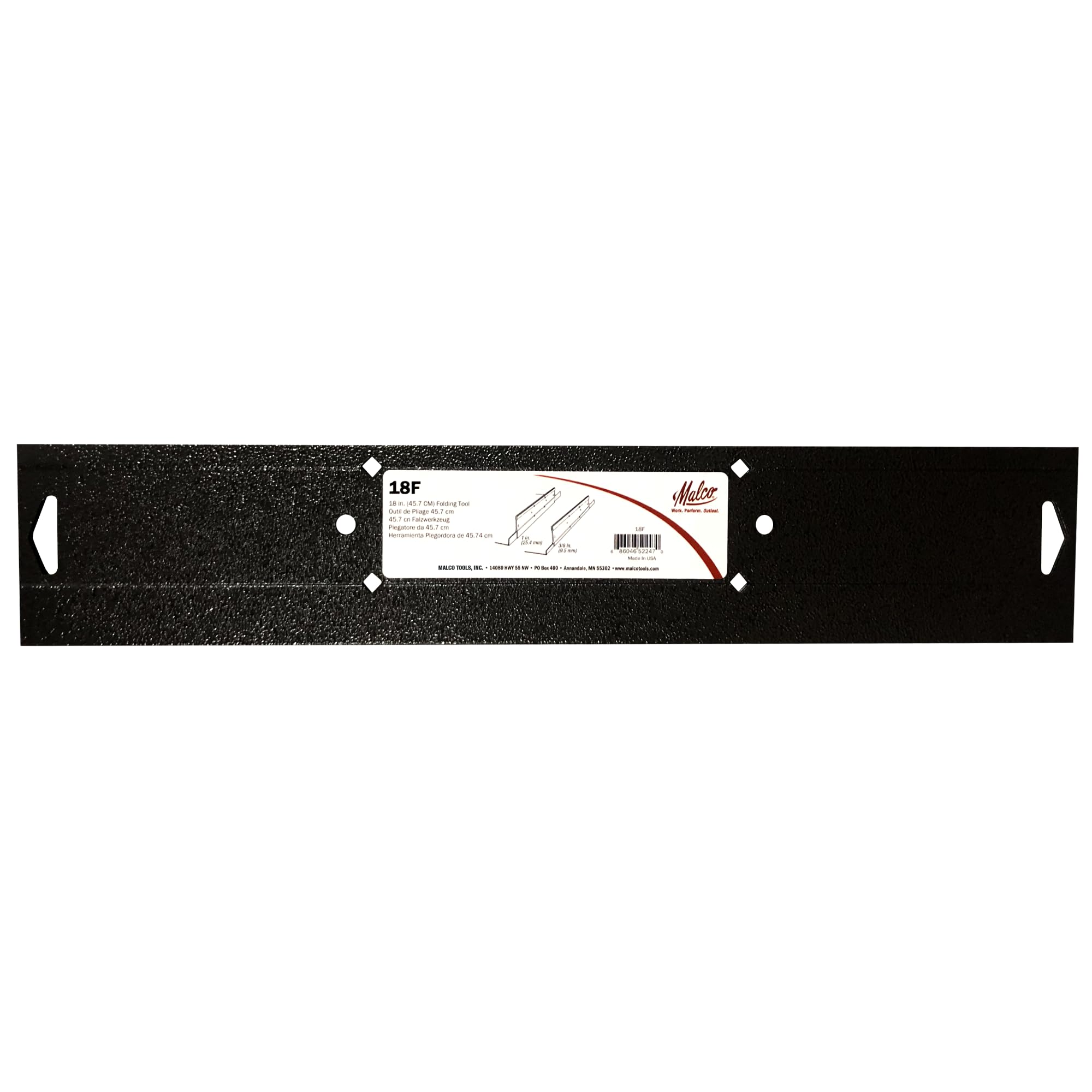
A sturdy, US-made folding tool that produces clean, repeatable seams for flashing, gutters, and trim work.
Why I picked it: Gives me precise, uniform bends and holds up to rough jobsite use.
Best for: Forming hems, pans, and flashing on metal roofing and trim.
A durable hand tool that pays off through longevity.
Pros
- Sturdy steel construction
- Uniform, precise folds
- Handy sight holes for alignment
- Made in USA
Cons
- Not ideal for very long continuous runs
- Requires physical effort on thicker metal
My take
When I need crisp edges on flashing or trim, this Malco folding tool is the one I reach for. The sight holes make it simple to align folds, and the 18-inch length balances reach with control.
I’ve dropped it, used pliers on it, and it stayed true—no bent lips or soft corners like cheaper alternatives. For short runs, hems, and detailed work it’s fast and predictable.
If you’re forming long, continuous seams you’ll want a brake; for on-roof flashings and small panels this tool saves time and produces professional results.
4. PacTool RS501 Roof Snake Tool – Shingle Pry Bar – Heavy Duty Nail Remover Tool – Roof Shingle Remover + Hillman 42041 Galvanized Roofing Nails, 1-Inch, 100-Pack – Best Pry Tool for Shingles
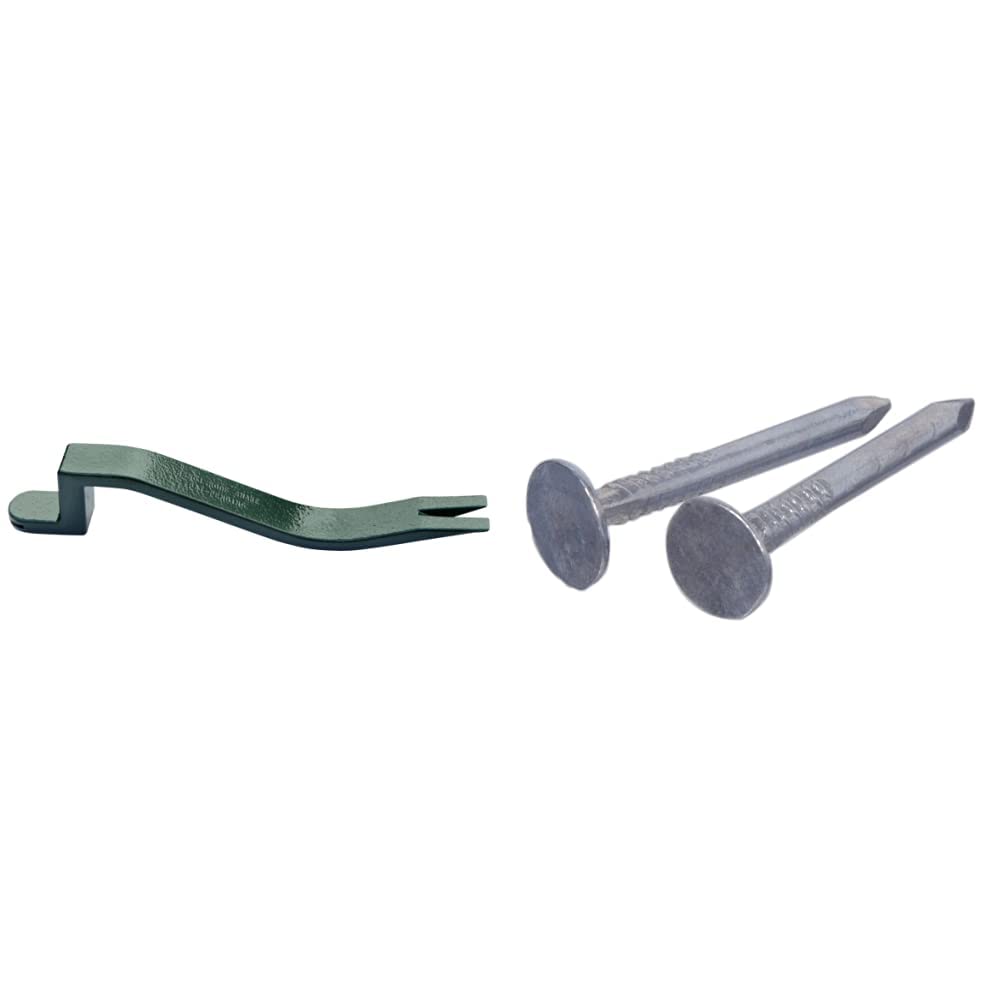
A purpose-built pry bar that slips under shingles, aligns nails with the correct offset, and removes nails cleanly.
Why I picked it: Makes shingle replacement accurate while protecting the course above.
Best for: Removing and replacing 3-tab shingles without damaging surrounding material.
A solid value for both the tool and included galvanized nails.
Pros
- Offsets nails precisely one inch
- Strong forged steel construction
- Removes nails cleanly
- Includes roofing nails
Cons
- Heavier than pocket pry bars
- Could benefit from a longer reach
My take
I used the Roof Snake on a shingle replacement job and the offset nail slot truly prevents damage to the row above. It lets me drive a nail under the overlap and set replacements without prying up adjacent shingles.
The tool’s claw also rolls nails out smoothly; it grips well even without a magnet. It’s compact but gives good leverage. I hammered on the opposite end during installs with no issues.
If you do a lot of shingle replacements this tool saves time and reduces mistakes. The included 1-inch galvanized nails are handy for small patch jobs.
5. Loctite PL Roof Flashing Polyurethane Sealant, Black, 10 Ounce – Best Flexible Sealant

A professional-grade polyurethane sealant that stays flexible, resists UV, and seals gaps and flashing with long-term durability.
Why I picked it: Holds up to movement and harsh weather where permanent flexibility matters.
Best for: Sealing chimneys, flashing, and expansion joints that need durable, paintable seals.
A professional product—worth choosing when longevity matters over short-term savings.
Pros
- Remains flexible under movement
- UV and ozone resistant
- Bonds to many surfaces
- Paintable for a finished look
Cons
- Long cure time (several days)
- Can be stiff to tool
- Opened tubes are hard to save
My take
I’ve relied on this polyurethane sealant to lock down chimney flashings and riser mounts. It adheres well to metal and concrete, and remains flexible through temperature swings.
Application is straightforward, but I plan for cure time—this stuff can take several days to fully set. I lay heavier beads on joints that will see movement and then smooth the bead while it’s still workable.
For permanence I prefer this over cheaper silicone-like products. It’s solvent-based and bonds aggressively, which is exactly what I want for critical flashing details.
6. 10 PCS Oscillating Multi Tool Hook Knife Blade for Carpet Roof Shingles Soft Materials – Best Value Cutting Blades
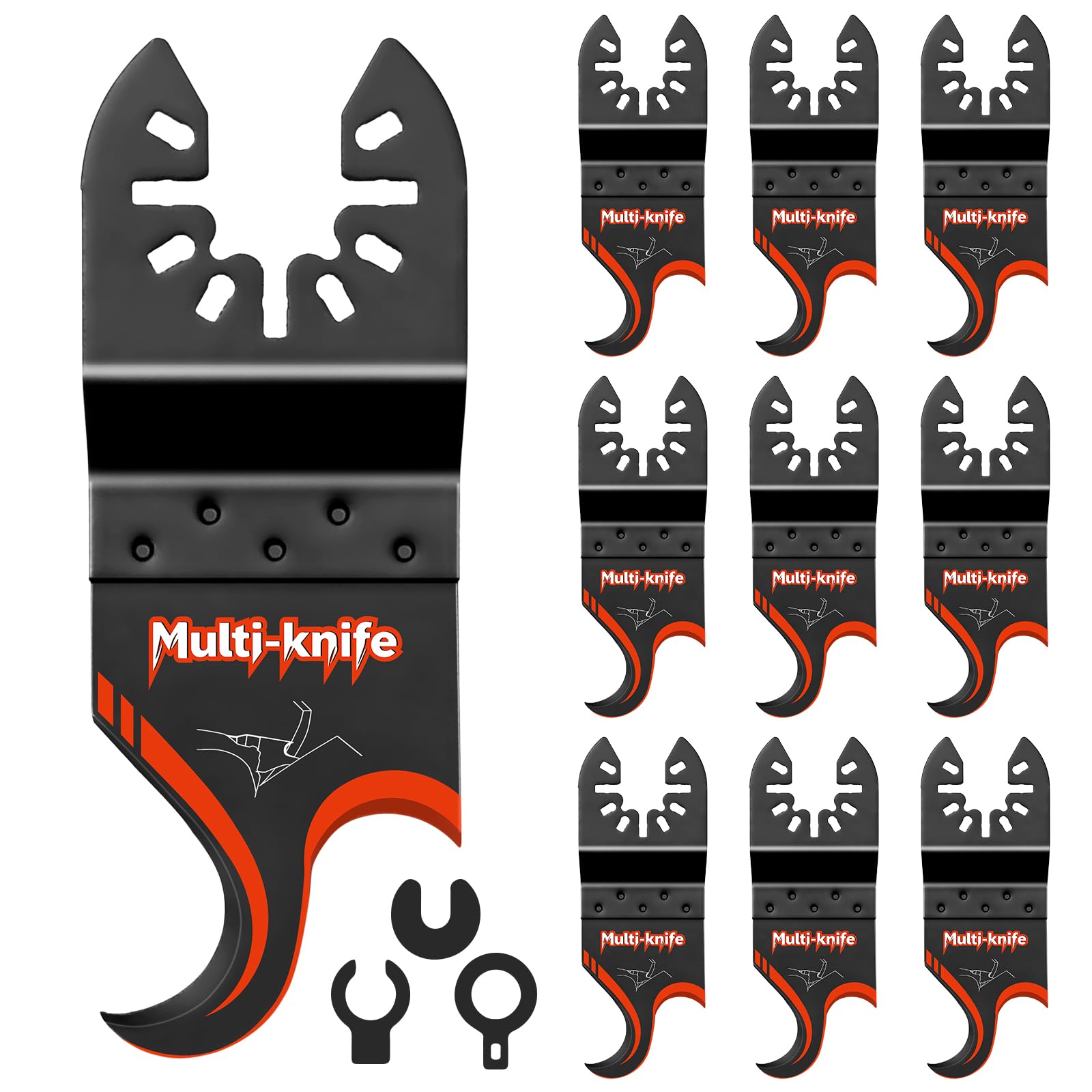
A budget-friendly bulk pack of hooked oscillating blades built for fast pull-or-push cuts in soft roofing materials.
Why I picked it: I keep a pack on the truck for underlayment, shingles, and cutting soft materials quickly.
Best for: Cutting shingles, roofing underlayment, carpet, and soft materials with an oscillating tool.
A value pack that keeps replacement costs low for occasional and professional use.
Pros
- Twin-hook design for push or pull cuts
- Universal fit with many tools
- Large quantity in one pack
- Cuts soft roofing materials cleanly
Cons
- Not compatible with Starlock systems
- Less durable than premium blades
My take
I use these hooked blades for trimming shingles and cutting felt underlayment. The twin-hook design makes both pull-through and push cuts easy, which speeds detail cuts around vents and valleys.
They fit my standard quick-release oscillating tools and provided consistent cuts. For heavy metal or hard timber I’ll switch to premium blades, but for soft roofing materials this pack is excellent value.
If you need Starlock compatibility or depend on metal cutting, order higher-end blades. For routine shingle trimming these deliver predictable performance at a low per-blade cost.
How I Choose Roofing Tools and Sealants
Match the product to the task
I pick tape-based sealants when I need a fast, watertight seam with immediate adhesion. For joints and flashing that see movement, I reach for a polyurethane sealant that stays flexible.
Power tools like coil nailers speed installation. If I’m doing a full roof or high-volume work, a professional coil nailer is worth the investment. For small repairs, hand tools and an oscillating tool can be enough.
- Use tape for long seams and quick repairs.
- Use polyurethane sealant for flashing and movement joints.
- Choose a coil nailer for large installs; hand tools for patches.
Prep and application tips I use
Surface prep makes or breaks adhesion. I clean metal and rubber with a solvent like acetone before applying tape or sealant.
When applying tape, I work with a partner for wide runs and roll the tape firmly to expel air and ensure full contact.
- Always clean and dry surfaces before sealing.
- Plan placement; tapes are rarely repositionable.
- Tool seals and caulk while material is still tacky.
Essential tools I keep on hand
I always carry a pry tool designed for shingles, a good folding/hemming tool for flashing, an oscillating saw with spare blades, and a reliable coil nailer if I expect to set many nails.
Durability and ergonomics matter: choose tools that resist abrasion and feel comfortable for extended use.
- Shingle pry tool for clean nail removal.
- Sheet metal folder for flashing and trim.
- Oscillating tool with hooked blades for cuts.
- Coil roofing nailer for high-volume nailing.
Frequently Asked Questions
Can I use EternaBond tape on metal and rubber roofs?
Yes. I’ve used the tape on rubber RV roofs and aluminum trailer skins with strong, long-lasting adhesion after proper cleaning and preparation.
Does the Bostitch nailer need an air compressor?
Yes. The RN46 is a pneumatic coil nailer—expect to use a compressor sized appropriately for roofing work and to keep fittings in good condition.
How long does Loctite PL Roof Flashing take to cure?
In my experience it can take several days to fully cure depending on bead size and weather. I plan jobs around that cure time for best durability.
Are the oscillating blades compatible with all tools?
They work with most universal quick-release oscillating tools, but they are not compatible with Starlock, Starlock Plus, or Starlock Max systems.
Final Take
I rely on a mix of these products when I’m repairing or replacing shingles: tape or polyurethane for watertight seams, a coil nailer for speed, and specialty hand tools for flashing and detail work.
Choose the tape for quick, long-lasting seam repairs; pick the polyurethane for joints that must flex. If you’re doing a full roof, the Bostitch nailer and Roof Snake save time and reduce mistakes.
These are the tools and sealants I keep on my truck because they make roofing work faster, cleaner, and more durable.