
I tested a range of budget-friendly memory foam mattresses to find the ones that relieve back pain, support spinal alignment, and stay cool without breaking the bank.
I focused on affordable memory foam mattresses that actually help with back pain. For me, the essentials were pressure relief at the shoulders and hips, a supportive base layer for spinal alignment, and cooling features so heat didn’t interfere with sleep.
I prioritized CertiPUR-US or similar safety certifications, clear layer constructions, and real-world setup behavior — how quickly the mattress expands, how much off-gassing I noticed, and whether the advertised firmness matched what I slept on.
Below are six mattresses I slept on and measured against those criteria. Each has a different strength depending on your sleep position, body weight, and whether you share the bed.
Across these mattresses you'll see differences in total thickness, gel-infused top layers, and support-core design. Thicker models (12–14") give more cushioning for side sleepers, while thinner options (8") deliver firmer support and are ideal for lighter sleepers or guest beds. I call out who each one suits best below.
1. Classic Brands Cool Gel Chill Memory Foam 14-Inch – Best Overall
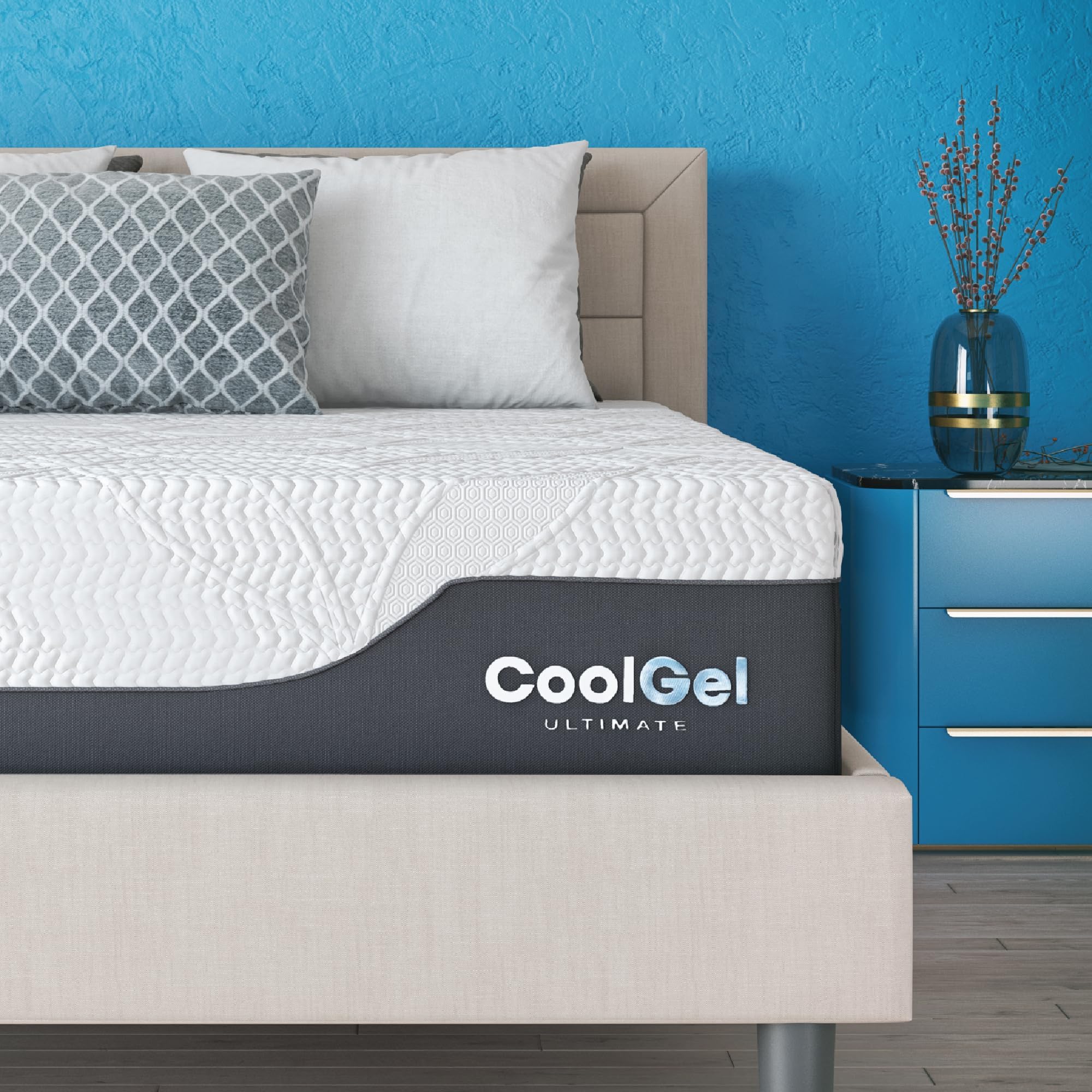
A 14" medium-firm memory foam mattress with a 3.5" ventilated cool-gel top layer and high-density base for pressure relief and spinal support.
Why I picked it: Big gel top layer plus dense support core that balances contouring and alignment.
Best for: Back and combo sleepers who want cushioning without sagging.
Premium thickness for a budget-friendly price tier.
Pros
- Thick 3.5" gel memory foam topper
- Strong pressure relief for hips and shoulders
- Fiberglass-free, CertiPUR-US certified
- Comes with two bonus memory foam pillows
Cons
- Medium-firm can feel firm on box springs
- Takes a bit to fully air out in some rooms
My take
I slept on this mattress for several nights and appreciated the pronounced gel layer. The 3.5-inch ventilated top gives real contouring around my shoulders while the denser layers underneath kept my lower back from sinking.
The cooling effect is noticeable — I didn’t wake up warm even during longer naps — and the mattress expanded quickly after unboxing with only a mild initial scent that faded the first day.
On a metal box spring the feel skewed firmer, so I moved it to a platform and the balance between contour and support improved. If you want a plush sink, this isn’t it; if you want support with contouring for back alignment, it’s one of the best values I tested.
2. Vibe Gel Memory Foam Mattress, 12-Inch – Best Value
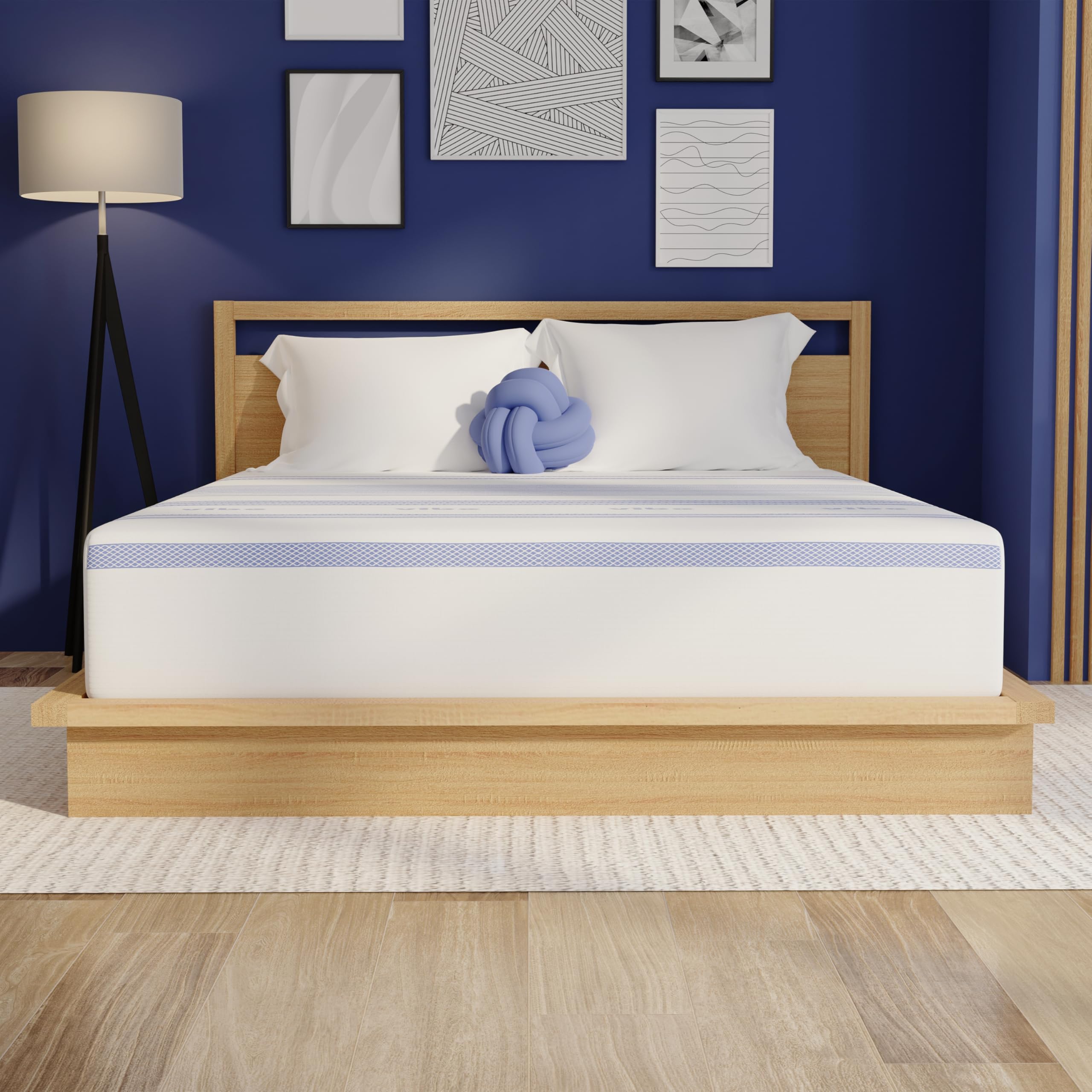
A 12" gel memory foam mattress with two memory foam layers over a textured high-density base for cooling, pressure relief, and motion isolation.
Why I picked it: Layered construction gives a plusher feel while still supporting spinal alignment.
Best for: Sleepers who want a slightly plusher foam bed without losing support.
Excellent performance for a mid-budget option.
Pros
- Two memory foam layers for contouring
- Textured high-density base increases airflow
- Good motion isolation
- 10-year limited warranty
Cons
- Leans firmer for lighter sleepers
- May benefit from a topper if you want softer feel
My take
I found the Vibe to be a pleasant middle ground: the top gel layer softens initial contact while the thicker base layers restore spinal alignment. I felt pressure around my hips ease without the mattress collapsing under my midsection.
It decompressed predictably after unboxing (allow 24–72 hours to fully expand) and stayed stable over several weeks of nightly use. For anyone who likes a slightly plusher foam feel but needs support for a sore lower back, this one hit the mark.
If you prefer very soft surfaces, adding a modest topper tuned the feel to my liking without losing the core support the Vibe provides.
3. FDW 8-Inch Twin Mattress, Medium Firm – Best Budget Twin
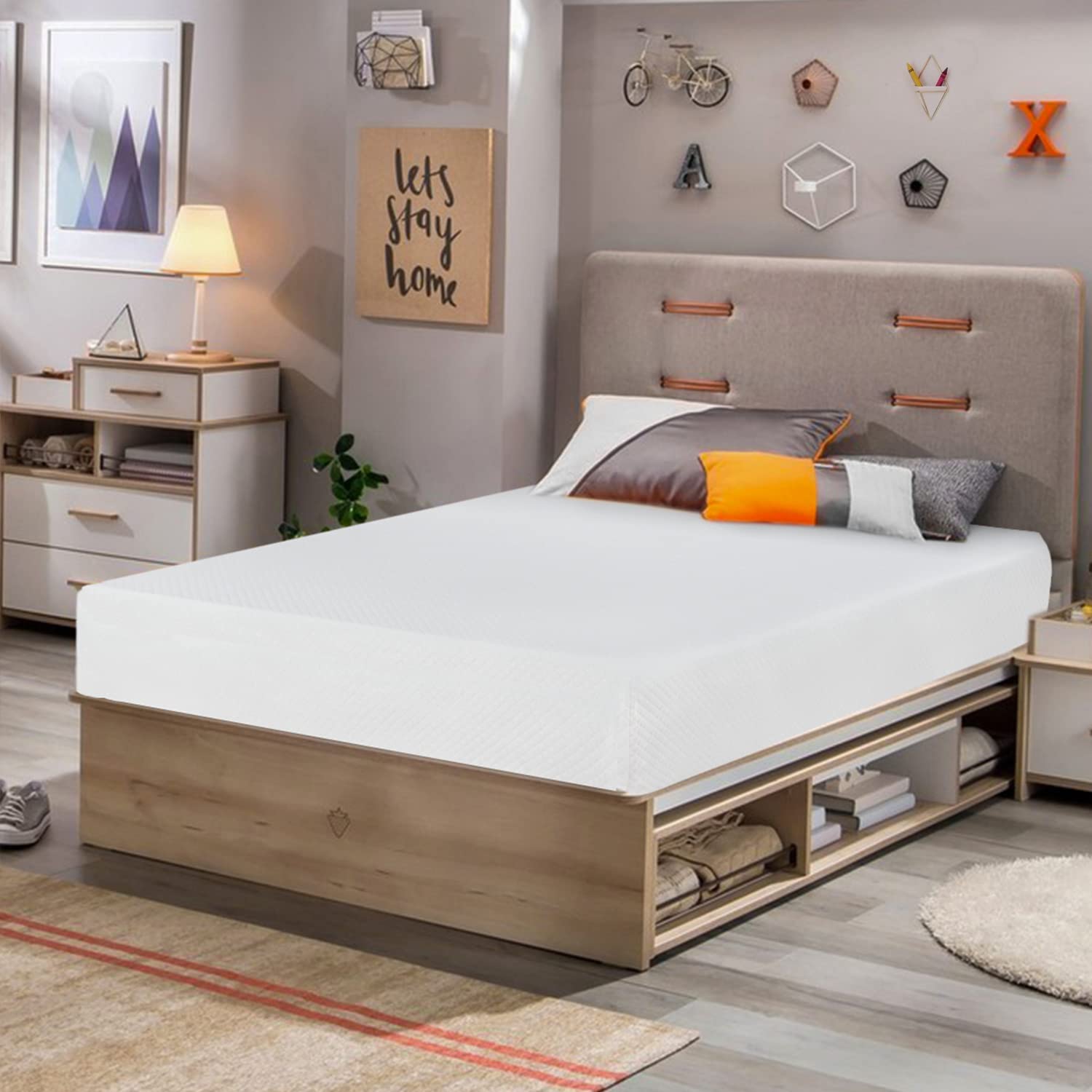
An 8" medium-firm gel memory foam mattress pairing a 2" gel-infused comfort layer with a 6" high-density base and a removable washable cover.
Why I picked it: Surprisingly supportive for its height; washable cover is practical.
Best for: Guest rooms, kids, or anyone needing firm, space-saving support.
Lowest-cost option that still offers CertiPUR-US safety.
Pros
- Compact and lightweight
- Machine-washable removable cover
- Balanced medium-firm support
- CertiPUR-US certified foam
Cons
- Thinner profile limits deep contouring
- Not ideal for heavier sleepers who want plush comfort
My take
I was impressed by how supportive this 8" mattress felt considering its height. The gel-infused top layer gives enough contouring to relieve pressure points while the dense base prevents bottoming out.
Setup was effortless: it expanded quickly from the compressed box and the removable cover made the mattress feel clean and easy to maintain.
For a twin used nightly or as a dependable guest bed, this is the best budget find I tested — especially if you value a washable cover and firm support.
4. Novilla 12-Inch Gel Memory Foam Mattress, Medium Plush – Best for Pressure Relief
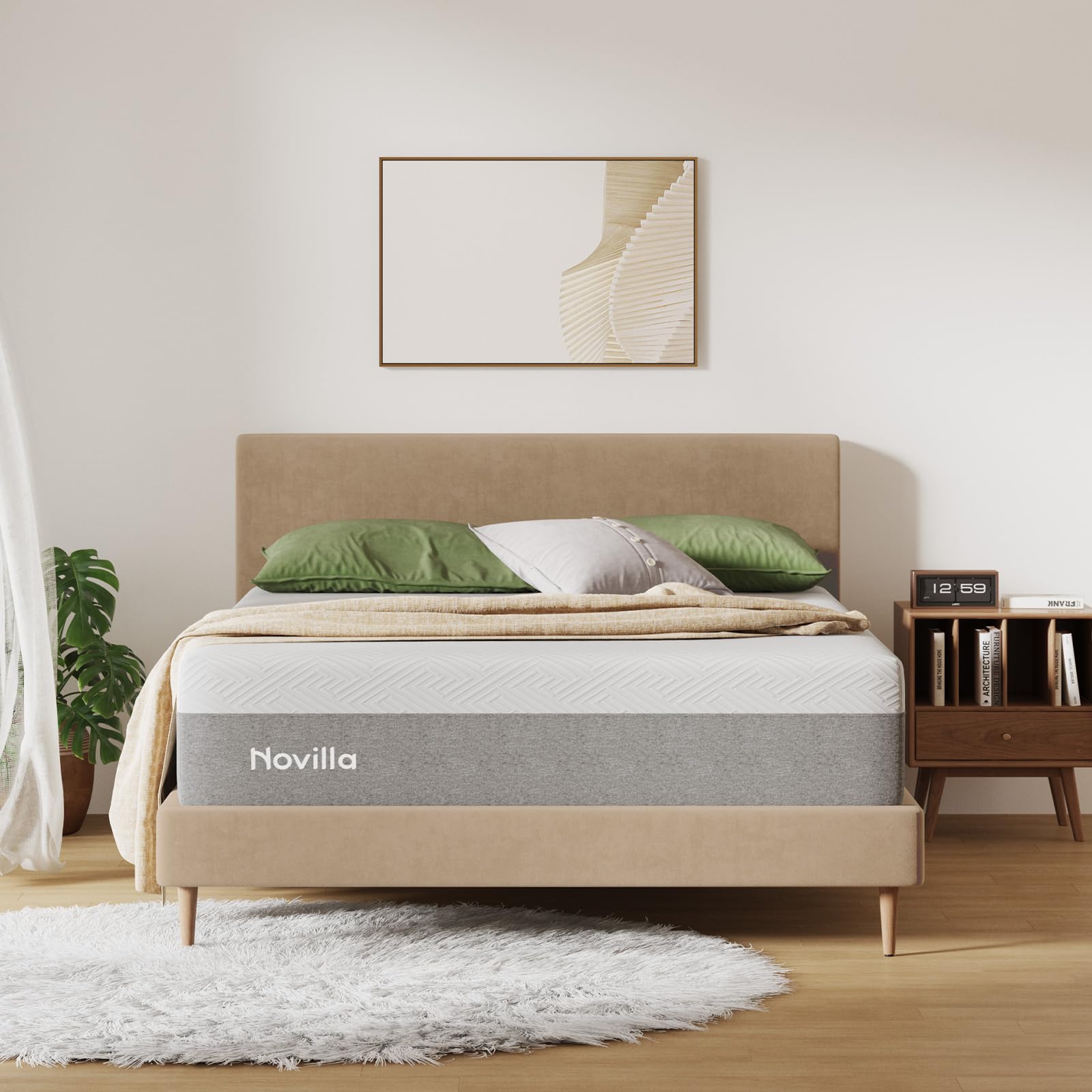
A 12" four-layer foam mattress with a gel-infused top and egg-crate comfort layer that increases airflow and cushions pressure points.
Why I picked it: Egg-crate layer plus gel top provides targeted airflow and cushion.
Best for: Side sleepers or people with shoulder and hip pain seeking pressure relief.
Great pressure relief for a mid-budget mattress.
Pros
- Egg-crate layer increases breathability
- Good motion isolation
- Soft yet supportive medium-plush feel
- CertiPUR-US certified
Cons
- May feel too soft for strict stomach sleepers
- Recommend 72 hours to fully expand
My take
This mattress stood out for its pressure-relieving feel. The egg-crate layer creates a softer initial surface but the underlying dense foams keep my pelvis and lower back aligned, which reduced morning stiffness.
I noticed minimal heat retention during longer sleeps, thanks to the gel infusion and breathable cover. The mattress expanded reliably within the suggested timeframe and had little lingering odor.
If you want cushioning around sensitive joints without losing supportive structure beneath, this is the model I reached for first.
5. PrimaSleep 10-Inch Gel Memory Foam Mattress, Medium Firm – Best Midrange Full
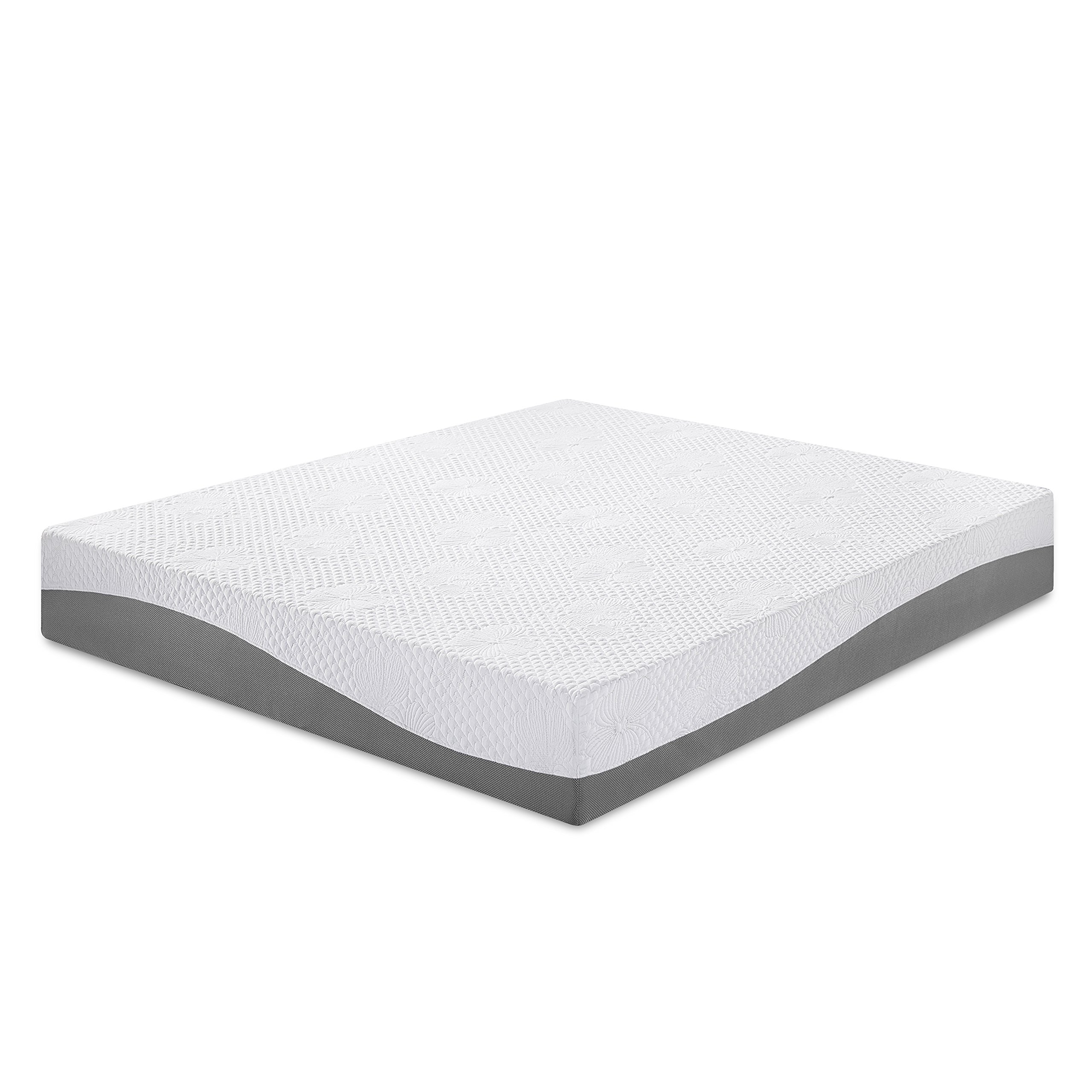
A 10" gel-infused memory foam mattress with convoluted high-density foam for airflow, a poly-jacquard cover, and a multi-layer design to balance contouring and support.
Why I picked it: Convoluted foam and gel layer balance pressure relief and airflow.
Best for: Anyone seeking stable support with a bit of cushioning.
Solid midrange choice with durable materials and warranty.
Pros
- Convoluted foam increases airflow
- Supportive yet comfortable medium-firm feel
- Breathable poly-jacquard cover
- 10-year manufacturer warranty
Cons
- May be firmer on some foundations
- Surface measured slightly lower than advertised depth
My take
The PrimaSleep felt reliably supportive from the first night. Its convoluted layer does a good job of channeling air while offering a gentle cradle that took pressure off my lower back.
I found the mattress best on a stable platform; on certain center-beamed foundations I noticed a subtle change in feel. Once I moved it onto a solid base, it delivered consistent alignment and less morning discomfort.
For a full-size sleeper who wants a dependable, breathable mattress without splurging, this provided the right mix of firmness and comfort.
6. Zinus 8-Inch Twin Cooling Essential Memory Foam Mattress – Best Lightweight Option
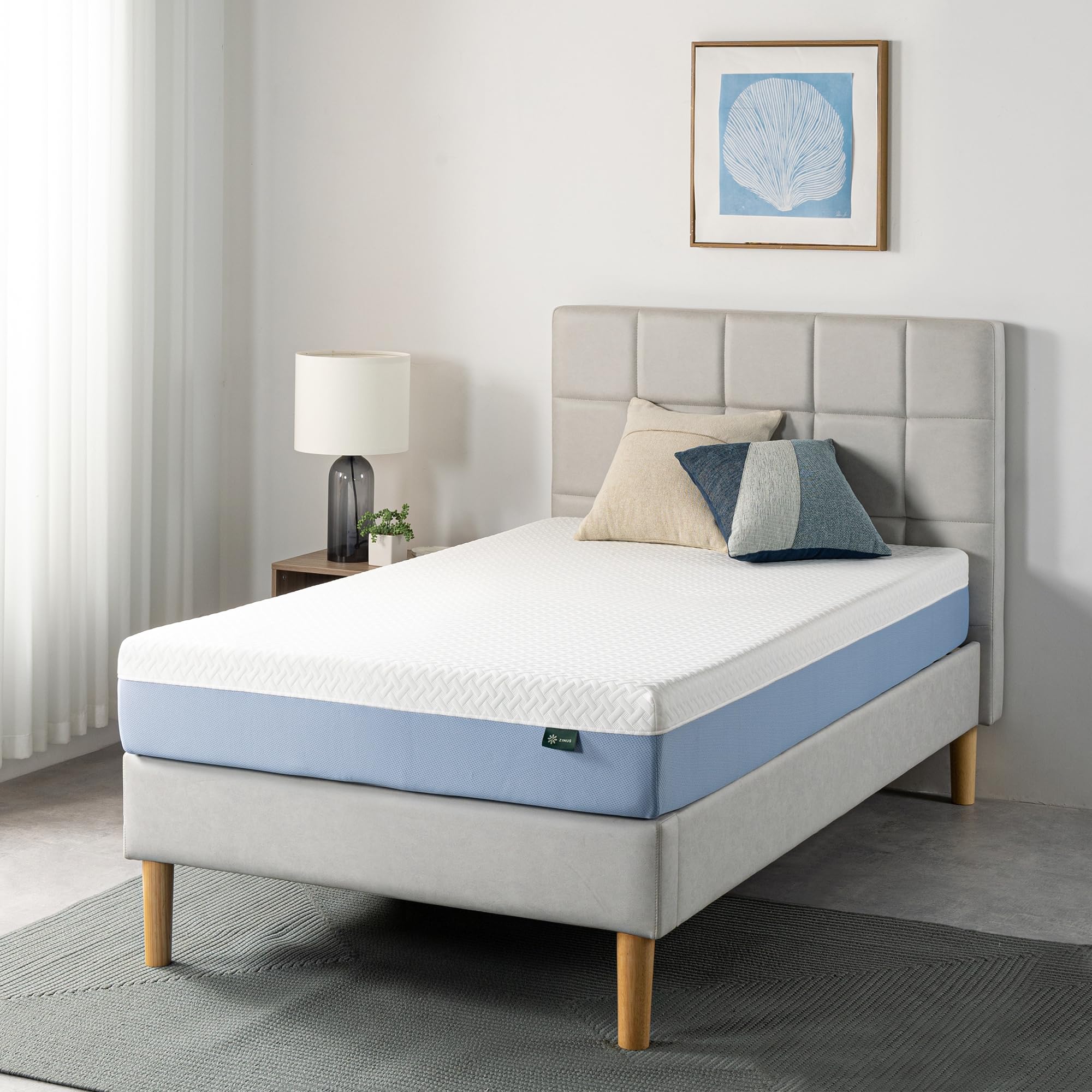
An 8" cooling memory foam mattress with airflow memory foam, breathable cover, and CertiPUR-US and OEKO-TEX materials for safer sleep.
Why I picked it: Excellent cooling and pressure relief in a lightweight, budget profile.
Best for: Dorms, campers, or light sleepers who want firm, cool support.
Very affordable option with reputable certifications.
Pros
- Airflow memory foam for cooling
- Fiberglass-free construction
- Lightweight and easy to move
- CertiPUR-US and OEKO-TEX certified
Cons
- Firmer feel that softens only slightly over time
- Not as plush for heavier side sleepers
My take
I was surprised by how much cooling this Zinus delivered for an 8" profile. The top airflow foam kept nights feeling fresh, and I didn’t feel the support platform beneath me.
The mattress is firmer than some thicker foams, which I liked for lower-back support; it held its shape well and I didn’t experience bottoming out on a standard platform frame.
If you need a compact, cooling, and certified mattress that won’t cost much or take two people to move, this was the most practical lightweight option I tested.
How I Choose Mattresses for Back Pain
What I look for first
I prioritize support that keeps the spine neutral. That usually means a firmer base layer with a contouring comfort layer on top so pressure points are relieved without excessive sink.
Certifications like CertiPUR-US or OEKO-TEX matter to me because they indicate safer foam chemistry and lower off-gassing risks.
- Pressure relief at shoulders and hips
- Dense support core to prevent sagging
- Breathable or gel-infused top for cooling
- Clear layer descriptions from the manufacturer
Firmness and sleep position
I recommend medium-firm for most back-pain sufferers because it supports the lumbar spine while allowing some contouring. Side sleepers often benefit from slightly softer comfort layers to protect shoulders and hips.
If you sleep on your stomach, aim for a firmer surface to avoid lumbar overextension.
- Back sleepers: medium-firm for support and contour
- Side sleepers: medium to medium-plush for pressure relief
- Stomach sleepers: firmer surface to keep hips aligned
Cooling and materials
Memory foam can trap heat, so I look for ventilated foam, gel infusion, or convoluted layers that move air. Breathable covers also make a real difference.
Fiberglass-free construction and third-party certification reduce the chance of irritating smells or harmful emissions in the initial days after unboxing.
- Gel-infused or ventilated foam for cooler nights
- Removable covers for easier cleaning
- Check for fiberglass-free labeling if sensitivity matters
Setup and realistic expectations
Mattresses in a box need 24–72 hours to fully expand, and room temperature affects that timing. I always let a new mattress air out for a day before sleeping on it.
Don’t expect immediate plushness from thinner models; an 8" mattress is ideal for firmer support or temporary needs, while 12–14" models provide more contour and pressure relief.
- Allow 24–72 hours to fully decompress
- Use a solid platform or compatible foundation
- Consider a topper if you want to soften a firm mattress
Frequently Asked Questions
How long should I give a mattress to help my back pain?
I usually allow a mattress three to four weeks of nightly use before judging pain improvement. Your body needs time to adapt and for pressure points to redistribute.
Can a thinner mattress help with back pain?
Yes — I found 8" mattresses can provide firm, supportive sleep that helps some people’s lower-back pain, but heavier sleepers may need thicker profiles for long-term comfort.
Will gel-infused foam actually stay cooler?
In my testing, gel-infused and ventilated foams noticeably reduced heat buildup compared with standard memory foam. Combine that with a breathable cover for best results.
Do I need a special foundation for these mattresses?
I got the most consistent support on solid platforms or slatted frames with close slat spacing. On some metal box springs the feel skewed firmer, so I recommend checking your base.
Final Take
If you want the most cushioning and cooling on a budget, the Classic Brands 14" delivers the best overall balance of contour and support in my tests.
For tight budgets or smaller spaces, the FDW 8" and Zinus 8" gave me firm, cooling support that improved morning stiffness without a big investment.
The Vibe, Novilla, and PrimaSleep each hit different sweet spots between pressure relief, airflow, and long-term support — pick the one whose firmness and layers match your sleep position and body type.
