
I tested six orchid pot options—clear slotted plastics, ceramic planters with saucers, heavy-duty net cups, and multi-size packs—to find pots that improve airflow, drainage, and root health. Here are the ones I keep inmy
Orchids need airflow, drainage, and the right pot geometry more than they need decorative flair. Over the years I've repotted dozens of plants and settled on a handful of pots that consistently give roots better access to air and proper moisture control.
In this roundup I focused on three things: ventilation (side slots or lots of holes), visibility (clear pots so I can see root condition), and durability (pots that survive routine handling). Each pick reflects those priorities, and I detail how I use them in different stages of growth.
I prioritized slotted or holed designs for root aeration, clear pots where I wanted to monitor roots, and sturdier materials for long-term use. If you want style over function, the ceramic options are still included because they pair well as decorative outer pots.
1. rePotme Orchid Pot Growers Assortment (8 Slotted Clear Orchid Pots – 2 Each of 3, 4, 5, 6 Inch) – Best Overall
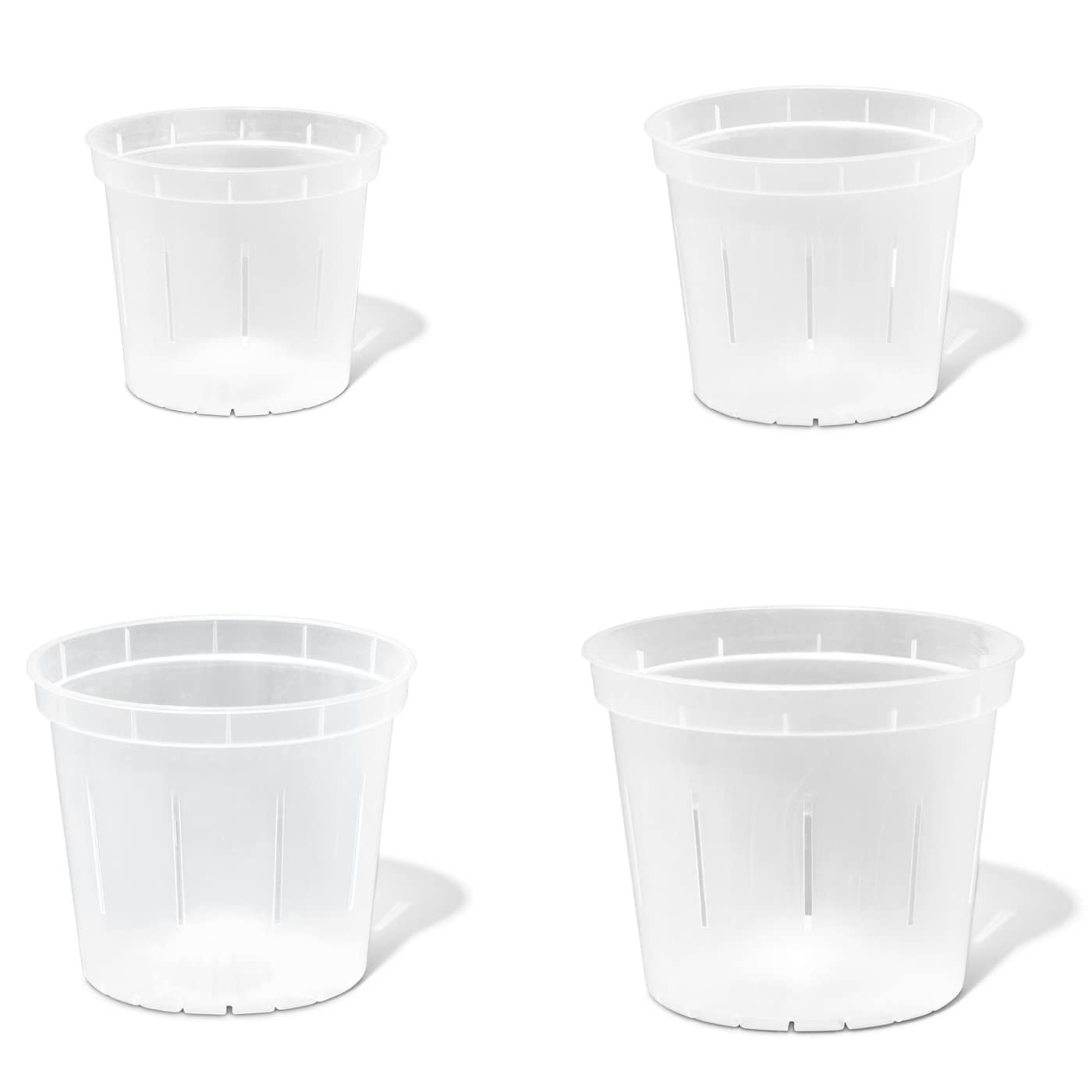
An assortment of slotted clear pots in four sizes with UV protection and sturdy construction—my go-to when I need versatile, breathable planters for orchids at every growth stage.
Why I picked it: Versatile size range plus aggressive side slots for consistent root aeration.
Best for: Orchid growers who want visibility and progressive pot sizing.
Midrange option for growers who value durability and versatility.
Pros
- Comprehensive assortment of sizes
- Excellent side-slot aeration
- UV-protected plastic
- Durable, long-lasting material
Cons
- Must pair with decorative outer pot for display
- Not the most decorative on its own
My take
I keep a set of these on hand because the two-each sizing covers everything from small divisions to actively growing phalaenopsis. The slots are cut to let air circulate around the roots without dumping out my bark mix.
Clear walls make it easy for me to check root color and moisture without disturbing the plant. I also appreciate that the plastic is thicker than bargain clear pots; they survive repeated repottings and outdoor use thanks to the UV protection.
When I repot a newly bought orchid, I use the appropriate size from this assortment and let the roots get light and air. For display I slide the slotted pot into an attractive outer cachepot so function and style both get covered.
2. Gepege 6 Inch Beaded Ceramic Planter Set of 2 with Drainage Hole and Saucer (Smoked Gray) – Best Decorative Ceramic
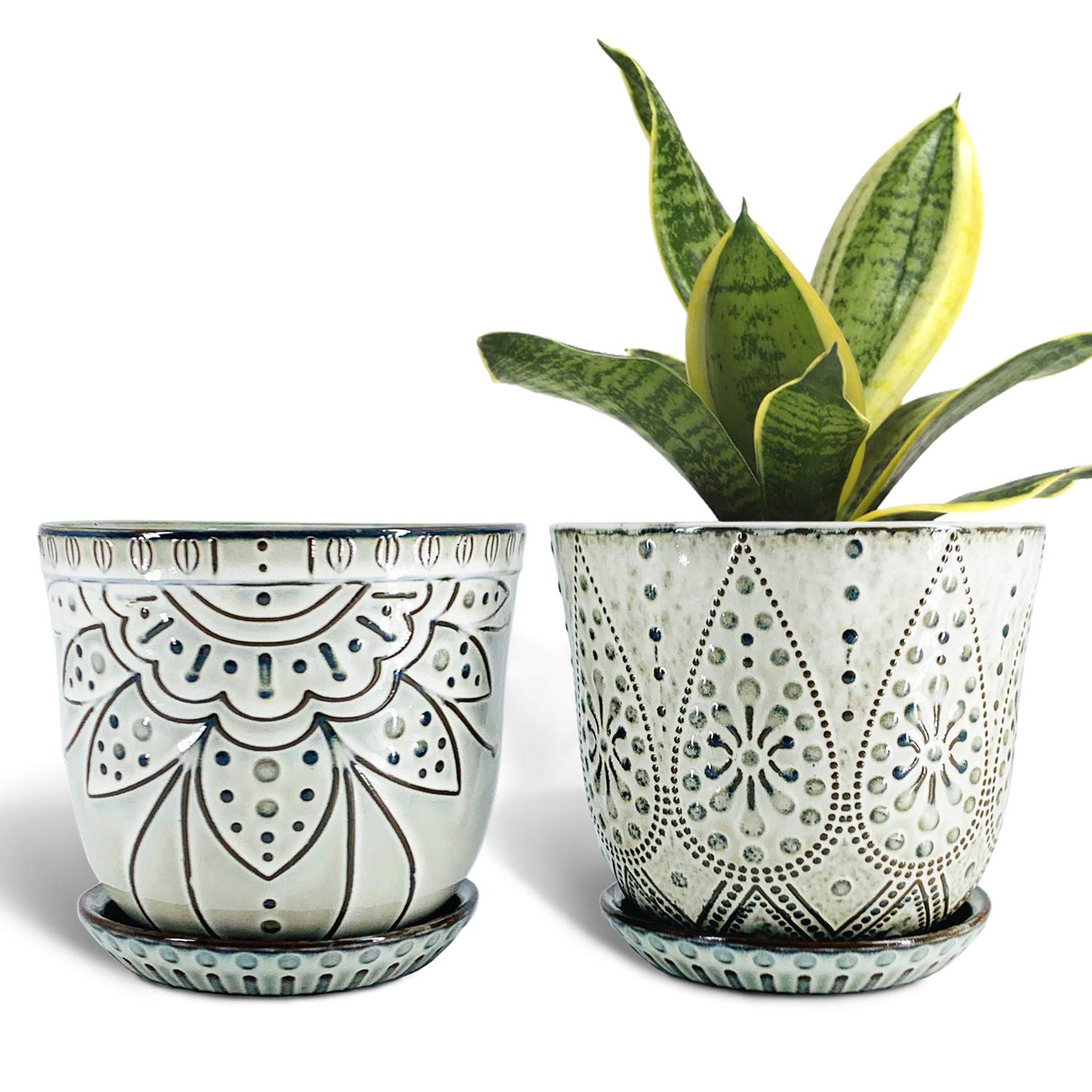
A pair of attractive ceramic planters with drain holes and removable saucers—I use these when I want a polished finish on a windowsill while maintaining proper drainage.
Why I picked it: Combines aesthetic appeal with practical drain holes and saucers.
Best for: Stylish displays where drainage and a tidy saucer matter.
More decorative option that still supports proper drainage.
Pros
- Attractive beaded finish
- Includes saucers
- Large drain holes
- Two pots per set
Cons
- Inner pot sizing limits larger root systems
- Heavier than plastic for hanging
My take
I use these ceramic pots when presentation matters—on a sunny table or as a gift. The removable saucer gives me two setup options: saucer under the pot for catchment or seated saucer for a cleaner look.
Drain holes and mesh pads prevent soil washout while still letting excess water escape. For orchids that already have a healthy root ball, I usually place a slotted inner pot inside the ceramic outer for best airflow and to preserve the ceramics from constant moisture contact.
The finish is more elevated than plain pots, so I reach for this set for living-room displays. They handle regular watering without staining, and the included mesh pads help me avoid messy potting mixes.
3. Orchid Pot, 7 Inch 8 Pack Orchid Pots with Holes and Saucers, Clear Plastic Plant Pot Indoor – Best Large Clear Pots
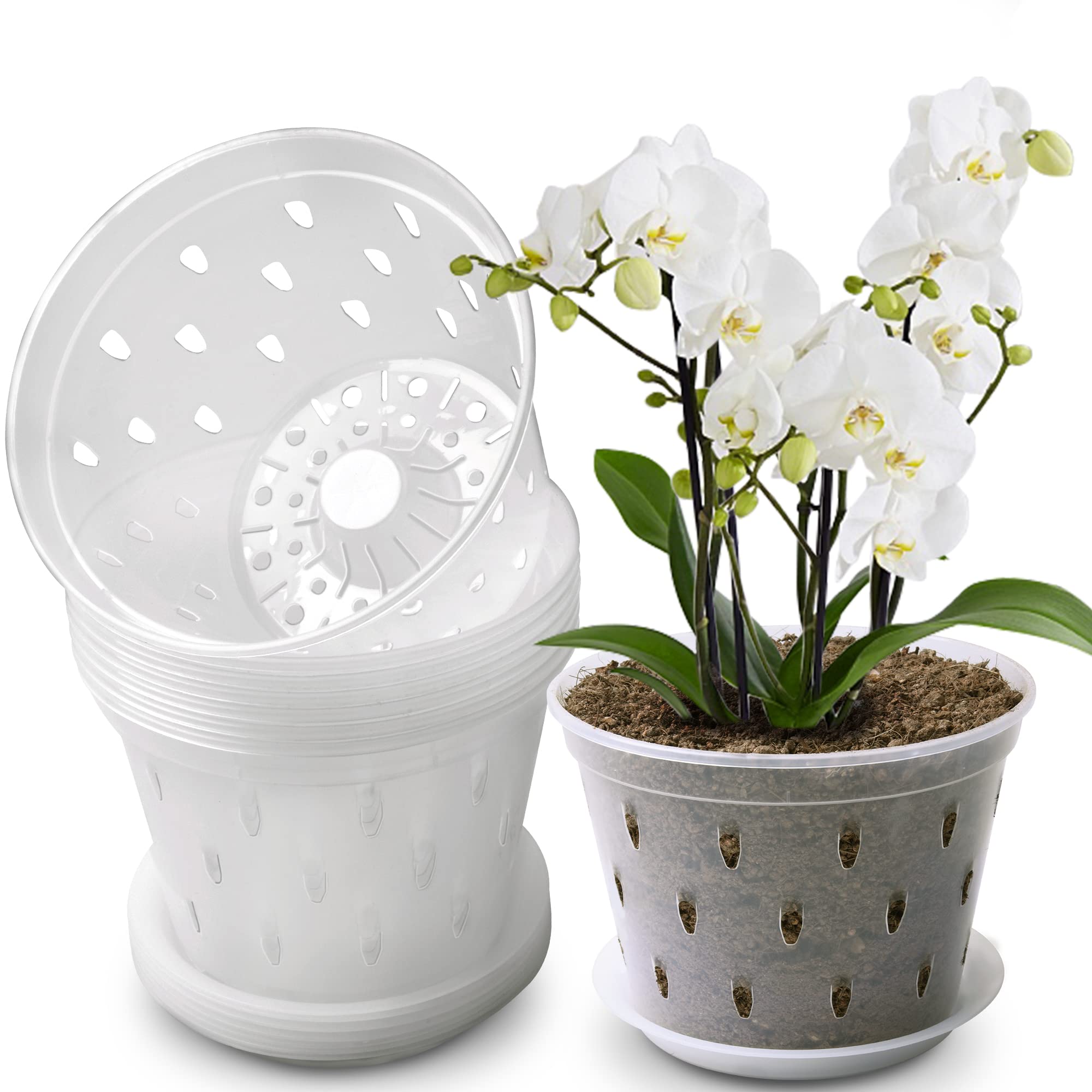
Large clear pots sold in an eight-pack with saucers—my pick when I need roomy containers that make root inspection simple and provide strong drainage.
Why I picked it: Roomy 7-inch size and clear construction for easy root monitoring.
Best for: Larger orchids or plants with extensive root systems.
Good value for larger clear inner pots.
Pros
- Spacious root room
- Clear walls for root checks
- Included saucers protect surfaces
- Sturdy plastic build
Cons
- Can require more frequent watering
- Potting medium can shift when soaked
My take
When my larger phalaenopsis needed more room, I switched to these 7-inch pots and immediately saw roots expand into the extra volume. The transparent sides remove guesswork from watering and allow light to reach roots when I want it.
The drainage pattern is aggressive, which I like for airflow but which means you need to soak thoroughly when watering. I avoid delicate mixes that float; instead I use chunkier bark so the medium stays put while still draining freely.
Each pot comes with a saucer which saves surfaces from drips—handy when I’m repotting on my workbench and moving plants indoors at night.
4. Cz Garden Supply 3 inch Net Cups Heavy Duty Pots Wide Rim Design – Orchids • Aquaponics • Hydroponics – Best for Hydroponics
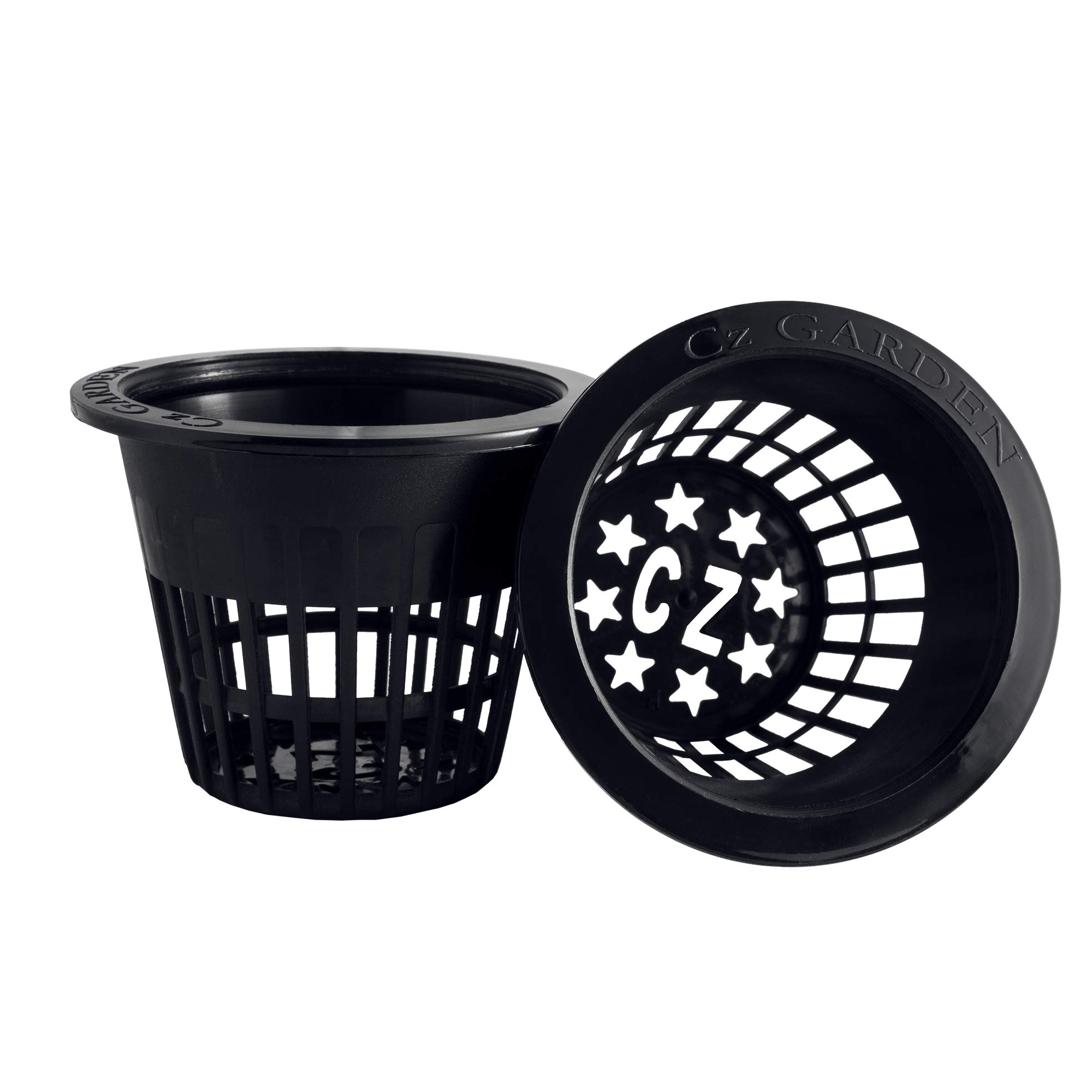
Heavy-duty net cups with a wide rim and lower shield—I use these for hydroponic setups and for plants that benefit from extreme root exposure and drainage.
Why I picked it: Wide rim and lower shield designed for hydroponic systems.
Best for: DWC, Kratky, and other hydroponic orchid setups.
Higher-quality net pots worth the cost for hydroponic use.
Pros
- Very sturdy construction
- Wide rim fits variable holes
- Raised bottom prevents light in reservoirs
- Reusable and UV-resistant
Cons
- Not decorative on its own
- Some users may need to enlarge center hole
My take
For my Kratky and DWC trials these net cups are the reliable choice: the wide rim sits securely in openings and the raised lower shield keeps light out of the reservoir, which I found important to prevent algae and root issues.
The lots of slits encourage roots to grow freely into the nutrient solution. When I want more room I carefully trim the center plug, which the design tolerates without warping.
I also like that they’re heavy-duty enough to reuse season after season—easy to clean and resilient outdoors thanks to the UV-resistant plastic.
5. REMIAWY Orchid Pot, 9 Pack Orchid Pots with Holes (3 Each of 4.8, 5.7 and 6.4 Inch) – Best Value Variety
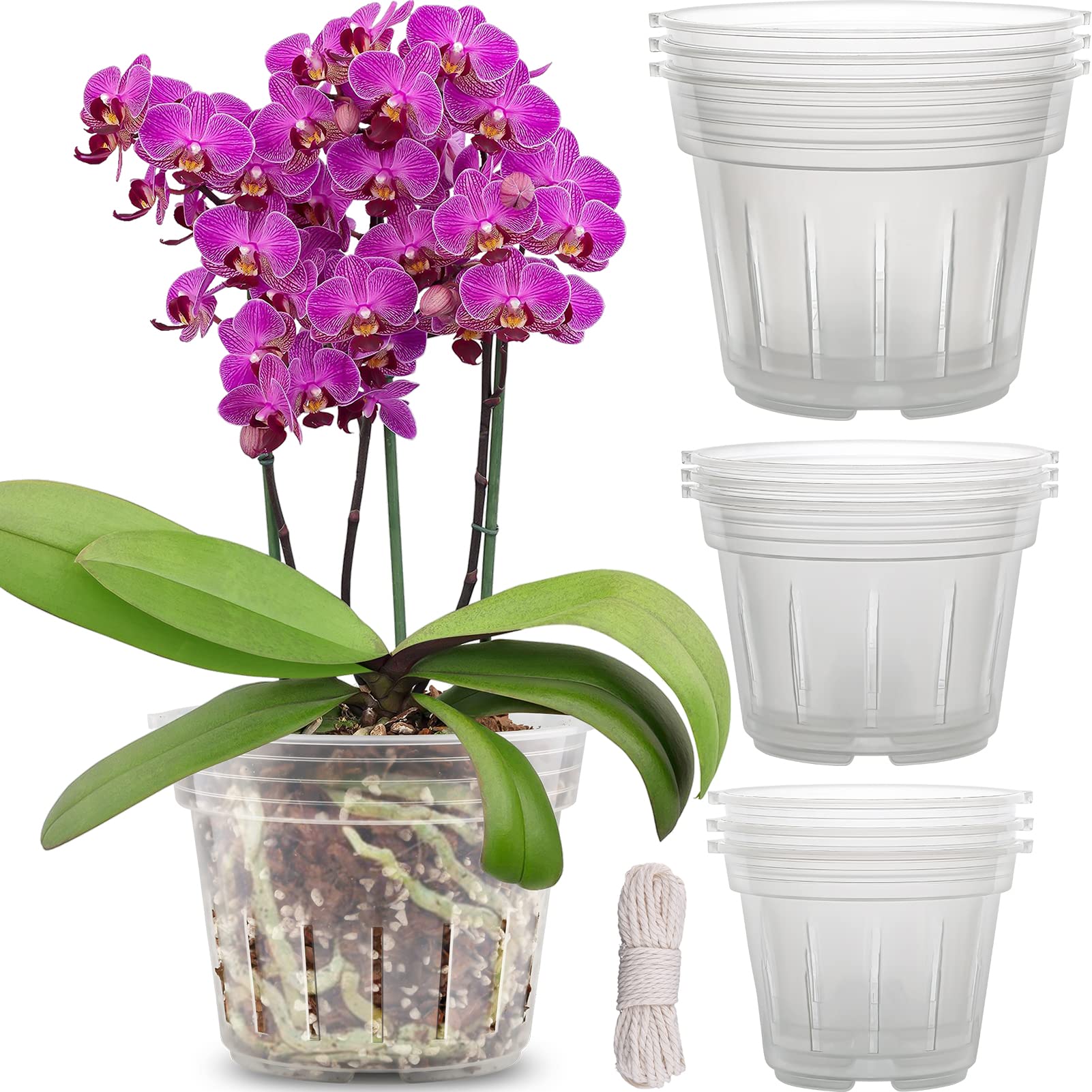
A nine-pack of clear slotted pots in three sizes—I turn to this set when I need multiple pots at once for a collection or when staging repots.
Why I picked it: Three-size set gives flexibility for different growth stages.
Best for: Growers who want multiple size options in one purchase.
Excellent value for a multi-size pack.
Pros
- Three useful size tiers
- Raised bottoms reduce waterlogging
- Clear for easy monitoring
- Sturdy but lightweight
Cons
- Clear plastic is utilitarian
- Some may prefer decorative outers
My take
I like having a range of sizes ready when I bring new plants home; this pack covers small divisions through larger specimens. The holes on the sides and bottom mimic natural epiphytic conditions and help prevent root rot.
The raised center at the bottom is a small but practical feature that keeps the root mass from sitting in standing water. I often use these as liners inside ceramic pots so the orchids get the air they need while I still achieve a finished look.
As a repeat-use solution these felt well made; they’re thicker than thin single-use inner pots and have held up through multiple repottings.
6. YIKUSH Orchid Pots with Holes Clear Orchid Pot Plastic Plant Pot Flower Pots 4.5 Inch 10Pack – Best Budget Pack
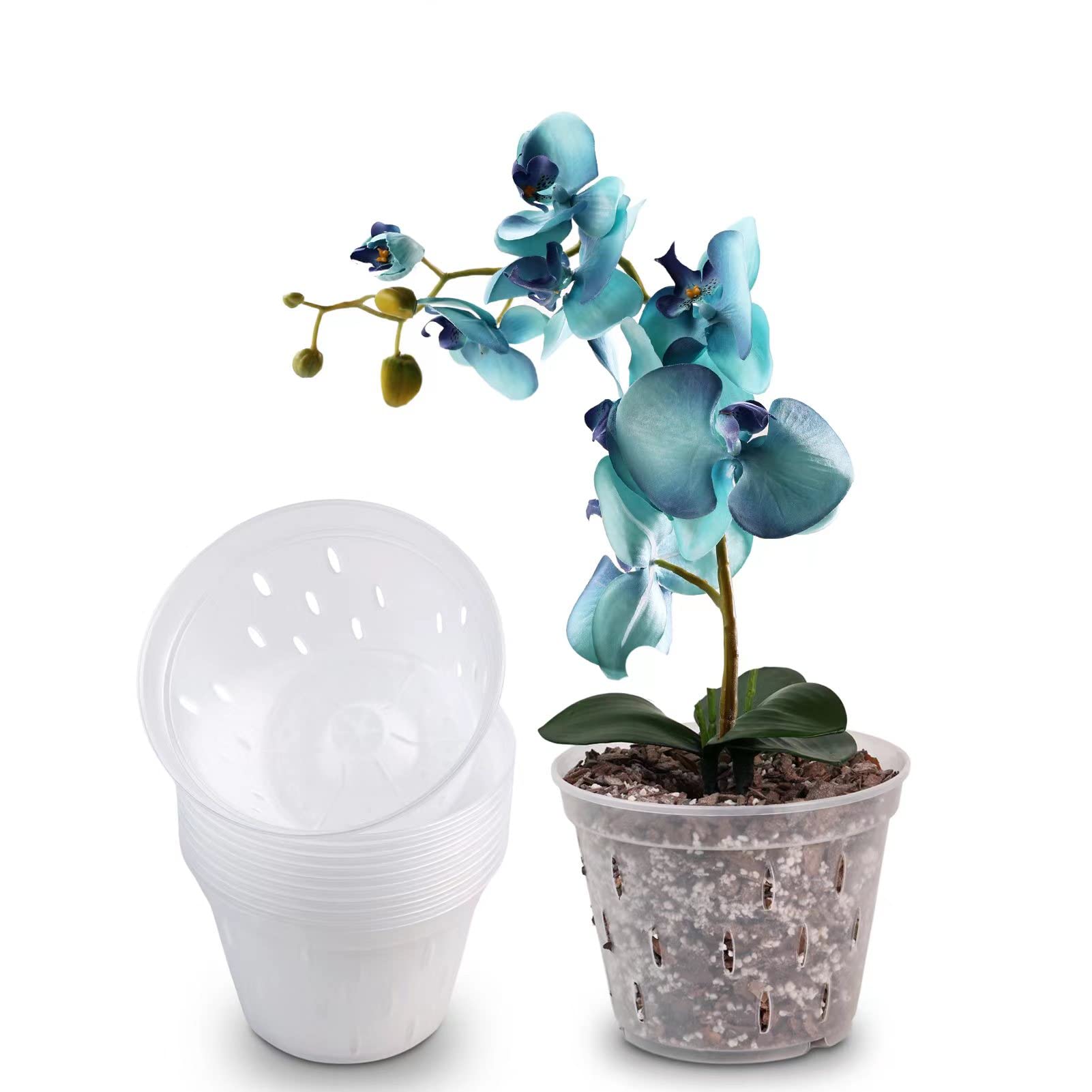
A ten-pack of 4.5-inch clear pots with abundant holes—my choice for bulk repotting and for filling hanging displays where visibility and airflow matter.
Why I picked it: Ten pots in a compact size for bulk repotting or hanging displays.
Best for: Bulk needs and small-to-medium orchid repots.
Budget-friendly bulk pack for multiple plants.
Pros
- Ten pots per pack
- Lots of drainage holes
- Clear for root inspection
- Lightweight and easy to hang
Cons
- Some holes require cleanup
- Smaller size limits large roots
My take
When I repot many plants at once these 4.5-inch pots speed the process—lightweight, clear, and ventilated. They’re perfect for smaller orchids and for creating hanging groupings with cotton or macramé.
A heads-up from my experience: some of the hole cutouts needed a quick poke to free trapped plastic. That’s a minor prep step but worth mentioning if you’re potting several at once.
Overall I value the pack for its quantity and the consistent drainage pattern; for larger specimens I step up to the bigger clear pots, but these are my go-to for smaller plants and propagation.
How I Choose Orchid Pots
Pot material and why it matters
I pick clear plastic for inner pots when I want to watch roots and dial watering precisely. Ceramic and glazed outer pots are for presentation but often need an inner slotted pot for proper aeration.
Net pots are my choice for hydroponic setups because they expose roots to solution and airflow; they’re not intended as decorative display pots.
- Clear plastic: root visibility and lightweight handling
- Ceramic: decorative outer pot—use with a slotted inner pot
- Net cups: best for hydroponics and aggressive root exposure
Size and drainage considerations
I avoid oversized pots; orchids prefer a snug root ball with room to grow rather than an oversized volume that retains moisture.
Drainage and side ventilation are non-negotiable in my setup—slotted sides or many drainage holes help prevent root rot and simulate epiphytic conditions.
- Match pot diameter to root spread
- Prefer raised bottoms to avoid standing water
- Choose saucers if you need surface protection
Practical tips I use
When I display orchids in ceramic pots I keep the plant in a slotted inner pot to preserve airflow and root inspection ability.
For bulk repotting I favor multi-packs so I always have the right size at hand.
- Use mesh pads to prevent soil washout with big drain holes
- Trim fragile inner plugs of net pots for extra root room
- Inspect clear pots regularly for root color and moisture
Frequently Asked Questions
How often should I repot my orchids?
I repot most orchids every 1–2 years, or when the medium breaks down and drainage slows. If roots begin circling or the bark smells stale, it’s time to repot.
Can I use clear pots as my display pot?
I sometimes use clear pots as display pots in modern or minimalist spaces, but I usually tuck them into decorative outer pots for a finished look while keeping visibility for root checks.
Are net pots only for hydroponics?
I primarily use net pots for hydroponics, but they also work for plants in leca or pumice where extreme drainage and root exposure are desired.
How do I clean and reuse plastic orchid pots?
I clean used pots with a quick soak in diluted bleach solution or hydrogen peroxide, rinse thoroughly, then air dry. That routine keeps pathogens at bay between uses.
Final Take
Across my collection, slotted clear pots and well-designed net cups do the heavy lifting for root health and reliable watering. I use ceramics for presentation, paired with slotted inners when function matters most.
If you want a single versatile pick, the rePotme assortment gives size flexibility and strong aeration. For hydroponic setups, go with heavy-duty net cups. For a decorative finish, the ceramic set makes watering tidy while still letting you protect roots with an inner pot.
Whichever direction you choose, prioritize airflow and drainage—those two features have made the biggest difference in my orchids' vigor.
