
I tested a range of steam mops and a demineralized water accessory to find the fastest, most practical ways to get tile spotless without chemicals.
Tile can look great but it shows dirt, grout grime, and pet messes quickly. Over the last several months I put a handful of popular steam mops (and a dedicated demineralized water product) through repeated runs on my tile floors to figure out what actually works.
In this guide I focus on real-world performance: how well each tool scrubs stuck-on spots, how easy it is to maneuver around cabinets and furniture, pad durability, and features that matter for tile—like steam modes, scrubbing action, and whether the machine leaves residue.
I compared each option on cleaning power for tile, pad type and durability, water tank size and refill convenience, maneuverability (weight and swivel), and tile-safe instructions for sanitizing without chemicals.
1. BISSELL Eucalyptus Mint Demineralized Steam Mop Water — 32 oz – Best Add-On
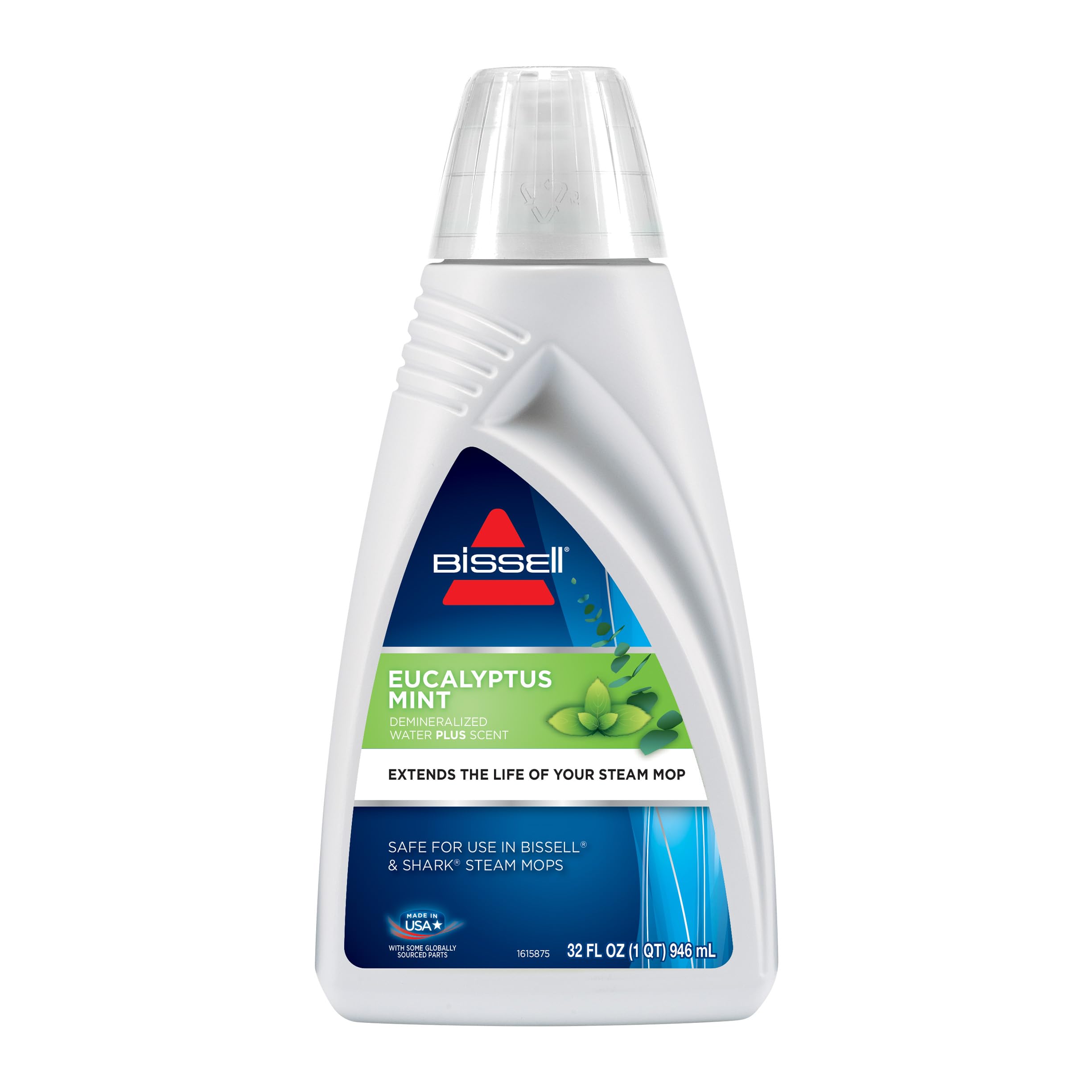
I keep this demineralized, eucalyptus-mint water on hand to protect steam mops from mineral buildup while adding a pleasant, subtle scent during cleaning.
Why I picked it: Protects steam units from scale and leaves a light eucalyptus-mint scent.
Best for: Anyone using a steam mop on tile who wants to extend machine life.
Affordable consumable for maintenance and scent.
Pros
- Deminralized formula protects steam system
- Light eucalyptus-mint scent
- No residue left behind
Cons
- Small bottle needs frequent replacement
- Scent is subtle and short-lived
My take
I started using Bissell’s demineralized water because my steam cleaners showed signs of scale from tap water. The difference is clear: the mop’s steam delivery stayed consistent and I didn’t need to descale as often.
The eucalyptus-mint aroma is noticeable while I mop but fades quickly afterward—pleasant without being overpowering. Importantly, the formula left no tacky residue on my tile.
If you run a dedicated steam cleaner regularly on tile, this product is an easy way to reduce maintenance. The only trade-off is bottle size; I stock extras since one bottle can run out after a couple of full-floor sessions.
2. Shark S1000 Steam Mop (S1000 Steam Starter) – Best Lightweight
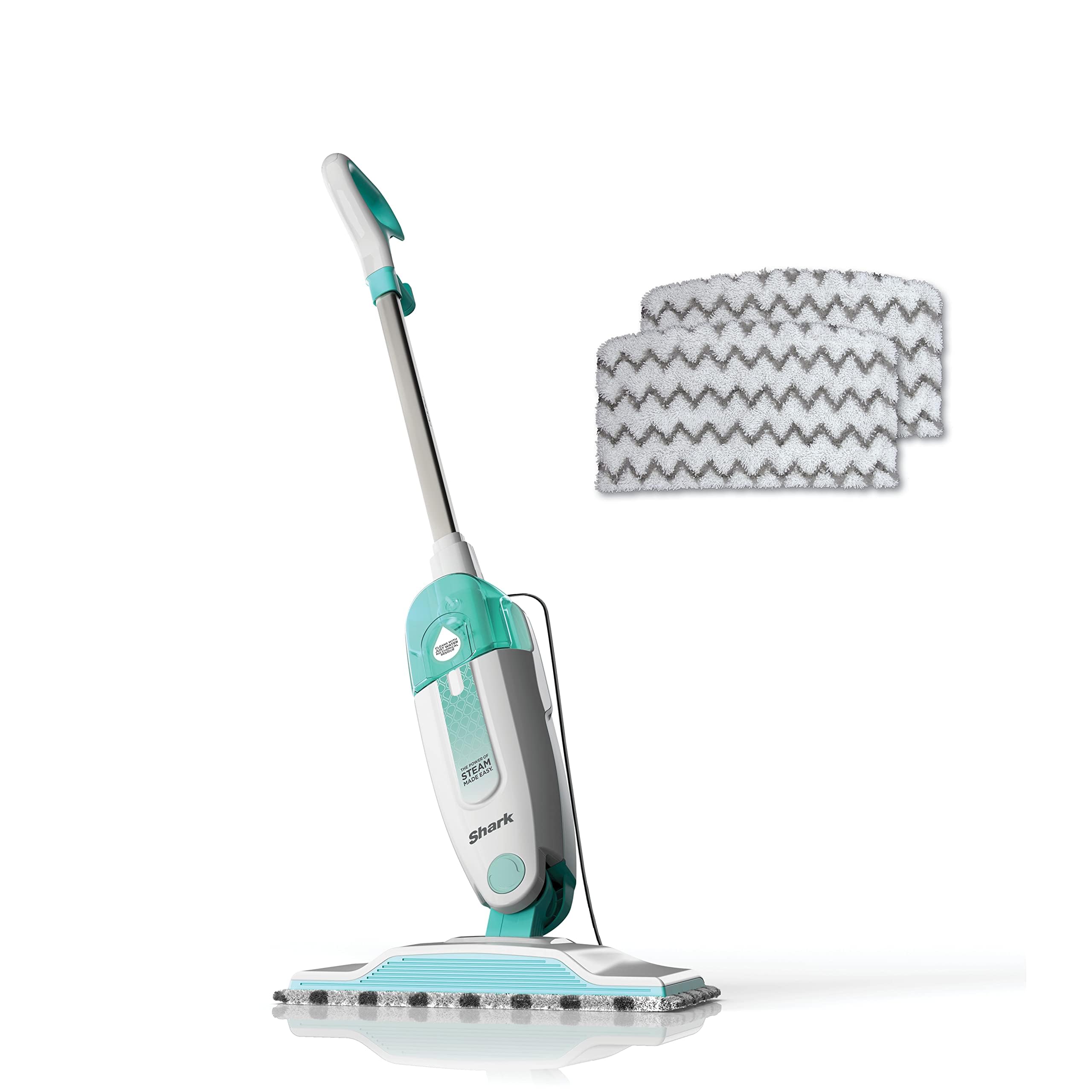
I rely on this compact, under-5-lb steam mop for quick tile touch-ups—fast heat-up, removable tank, and washable pads make it a go-to for light maintenance.
Why I picked it: Lightweight, quick steam start, removable tank for easy refills.
Best for: Quick cleans and smaller tile areas where maneuverability matters.
Great budget-friendly steam mop for maintenance.
Pros
- Heats up very fast
- Removable water tank
- Machine-washable pads
Cons
- Small tank needs more refills
- Short power cord limits reach
My take
This Shark is outstanding for fast jobs: it reaches steaming temperature in about 30 seconds and the removable tank makes refilling less messy than top-fill designs.
I appreciate the dirt-grip microfiber pads—on tile they grab stuck-on crumbs and light grime without leaving streaks. The unit’s lightweight frame and swivel head make it easy to navigate around baseboards and appliances.
Two caveats I learned the hard way: the tank is compact so I refill mid-clean for bigger rooms, and the cord is short enough that I had to plan outlets. Still, for routine tile upkeep this is a very practical, easy-to-store machine.
3. Bissell Spinwave Powered Hardwood Floor Mop and Cleaner (2039A) – Best for Powered Scrubbing
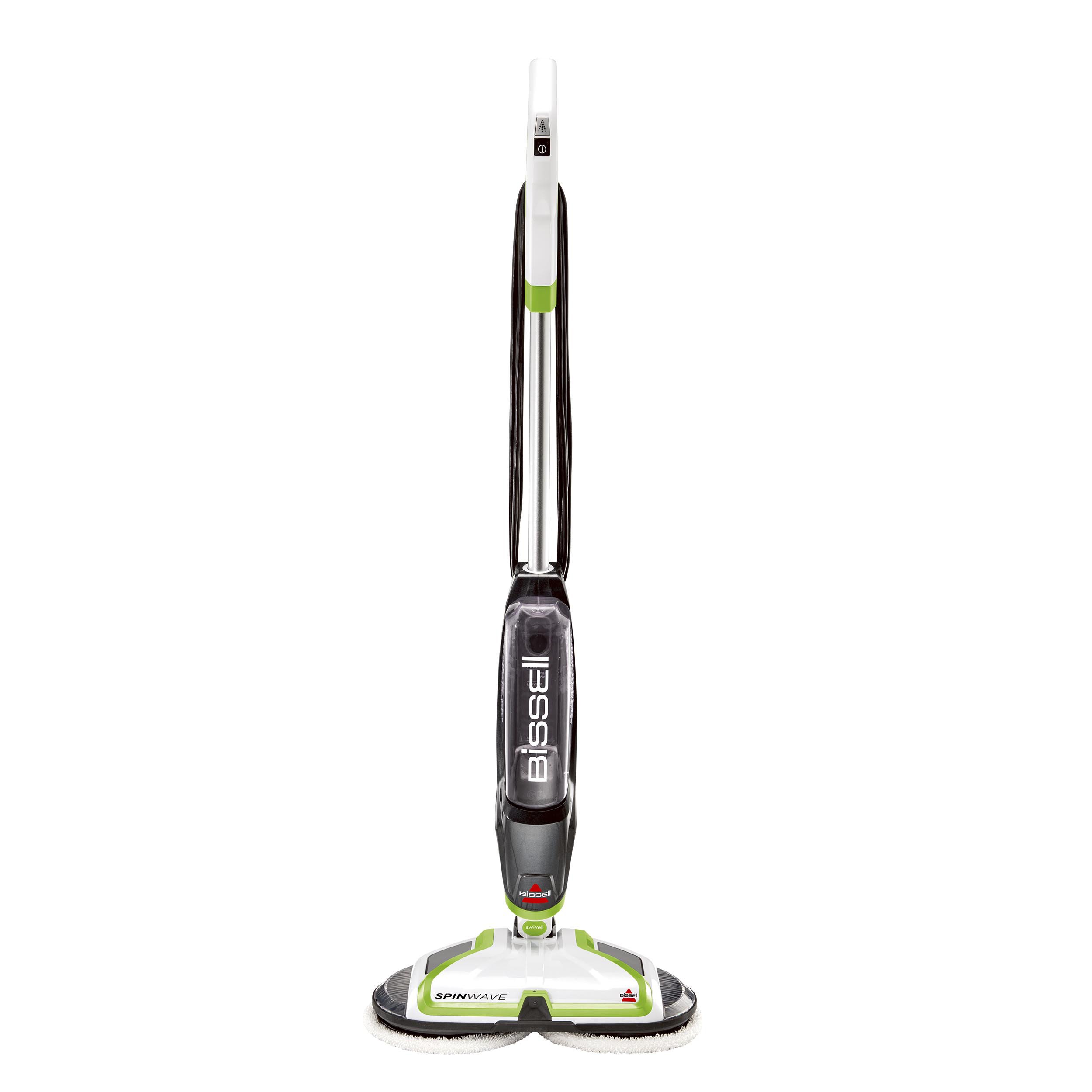
I turn to the Spinwave when tile needs hands-free scrubbing—rotating pads do most of the elbow grease while the on-demand spray lets me control solution use.
Why I picked it: Powered rotating pads that reduce hands-and-knees scrubbing.
Best for: Tile with sticky spots or aged grout that needs a deeper clean.
Midrange electric mop with powered pads.
Pros
- Power spin pads cut scrubbing effort
- On-demand spray for controlled cleaning
- Pads are machine washable
Cons
- Heavier than some stick mops
- Corded design limits cordless convenience
My take
When tile has stubborn spots or greasy build-up, the Spinwave’s spinning pads save me a lot of effort. The pads do the scrubbing while I guide the unit, so I avoid kneeling and scrubbing by hand.
I like that Bissell includes both soft and scrubby pads—soft pads for everyday maintenance and scrubby ones for grout lines or sticky messes. The onboard spray dispenses just enough solution without soaking the floor.
The unit is heavier than a handheld steam mop, but that weight helps keep the pads in contact with tile. If you want powered scrubbing without getting on your hands and knees, this is a reliable choice.
4. Shark S7001 Steam & Scrub (Steam & Scrub, Gold Steam & Scrub) – Best for Deep Scrubbing
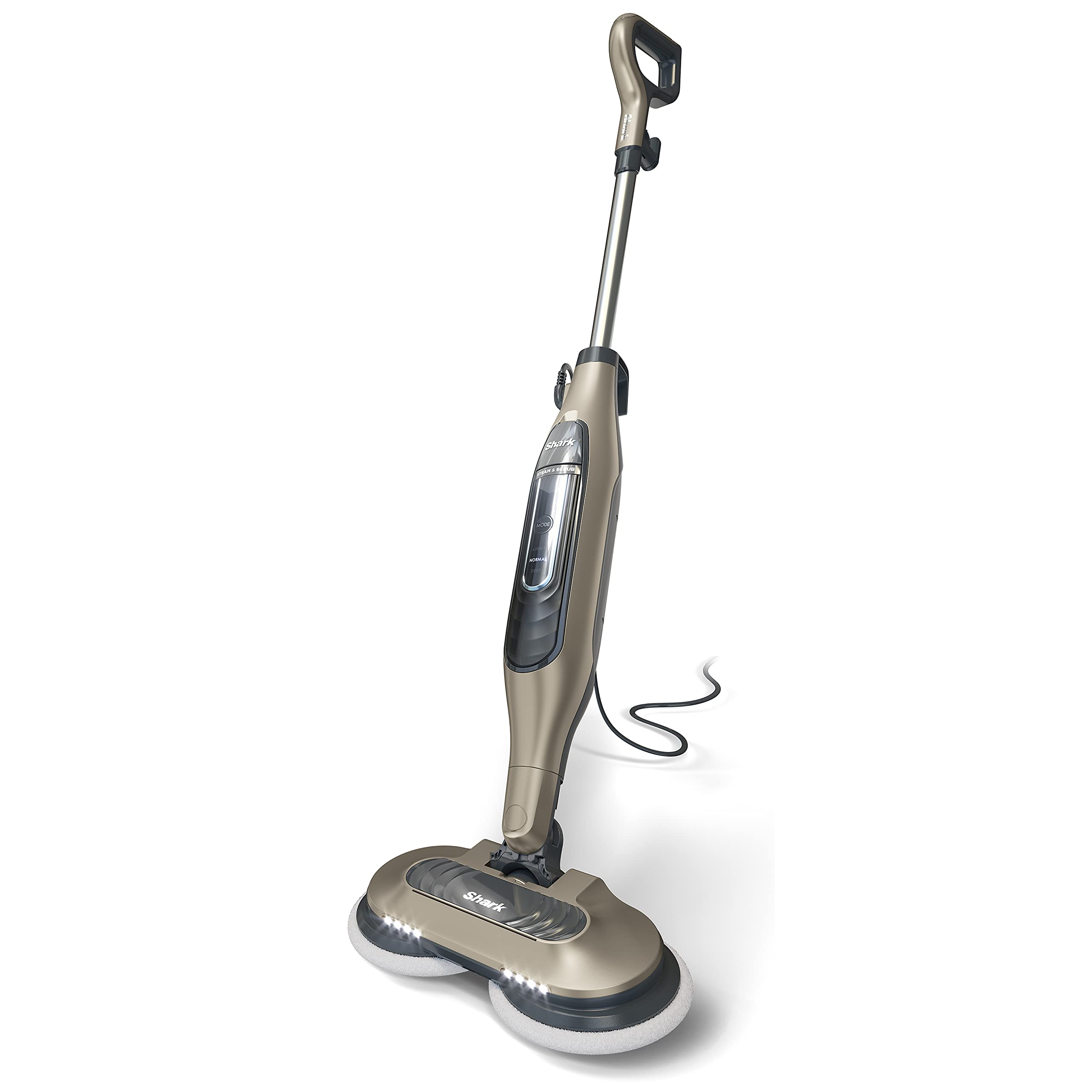
I use this when tile needs a deeper clean: rotating scrub pads, three steam settings, and LED headlights make it excellent for tackling stuck-on grime and revealing hidden debris.
Why I picked it: Rotating pads plus multiple steam modes deliver stronger stuck-on stain removal.
Best for: Deep-cleaning tile and grout or high-traffic kitchen floors.
Higher-end pick for heavy-duty cleaning.
Pros
- Automatic rotating scrub pads
- Three steam modes for versatility
- LED headlights reveal hidden dirt
Cons
- Water reservoir could be larger
- Pads need occasional replacement
My take
The Shark Steam & Scrub is my go-to when normal mopping won’t do. The rotating pads combined with the Deep steam mode are noticeably better at removing stuck-on stains than typical steam mops.
LED lights help me spot grime in corners and under furniture, and the scrub action lets the pads do the work rather than me. On ceramic tile and sealed stone it performed very well without harsh chemicals.
I did top off the tank more than with smaller jobs, so if you have a very large tiled area expect to refill during a session. For thorough, low-effort scrubbing across tile, this is one of the most capable machines I’ve used.
5. Bissell Spinwave Plus Hard Floor Cleaner and Mop (20391) – Best Spin Mop Value
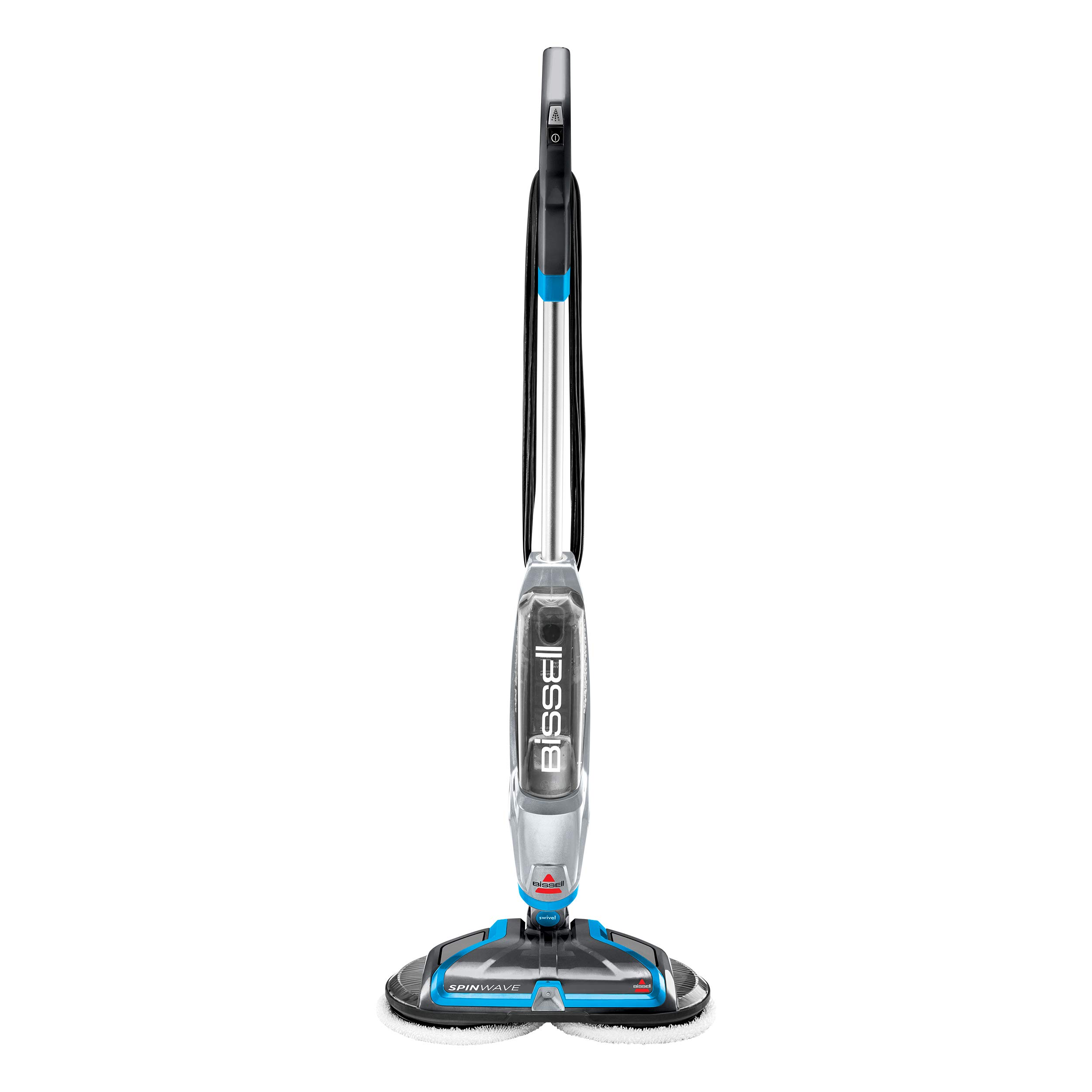
I picked the Spinwave Plus for its extras—extra pads, formula, and a bristle brush—so I can handle both light maintenance and tougher sticky spots on tile without hunting for accessories.
Why I picked it: Includes extra pads, formula, and a brush for sticky messes.
Best for: Homeowners who want a powered spin mop with useful extras.
Good value for extra supplies and accessories.
Pros
- Includes extra pads and cleaner
- Good on both tile and sealed hardwood
- Pads are washable
Cons
- Can wobble if pads misaligned
- May show circular marks with wrong solution
My take
I appreciated the extra set of pads and the bristle brush—those extras meant I could switch pads during a long clean and tackle truly gummy spots without stopping to hunt for parts.
The Spinwave Plus brought tired hardwood and tile back to a brighter look after a few sessions. In my experience it’s best used after a quick vacuum to remove loose debris, then let the spinning pads and solution do the rest.
One tip from my runs: make sure pads are perfectly centered on the disks. Misalignment can cause a wobble that affects the head’s feel. Also, use a recommended solution—some third-party liquids left faint circular marks until I switched to a thinner cleaner.
6. BISSELL PowerFresh Pet Steam Mop (19404) – Best for Pet Owners
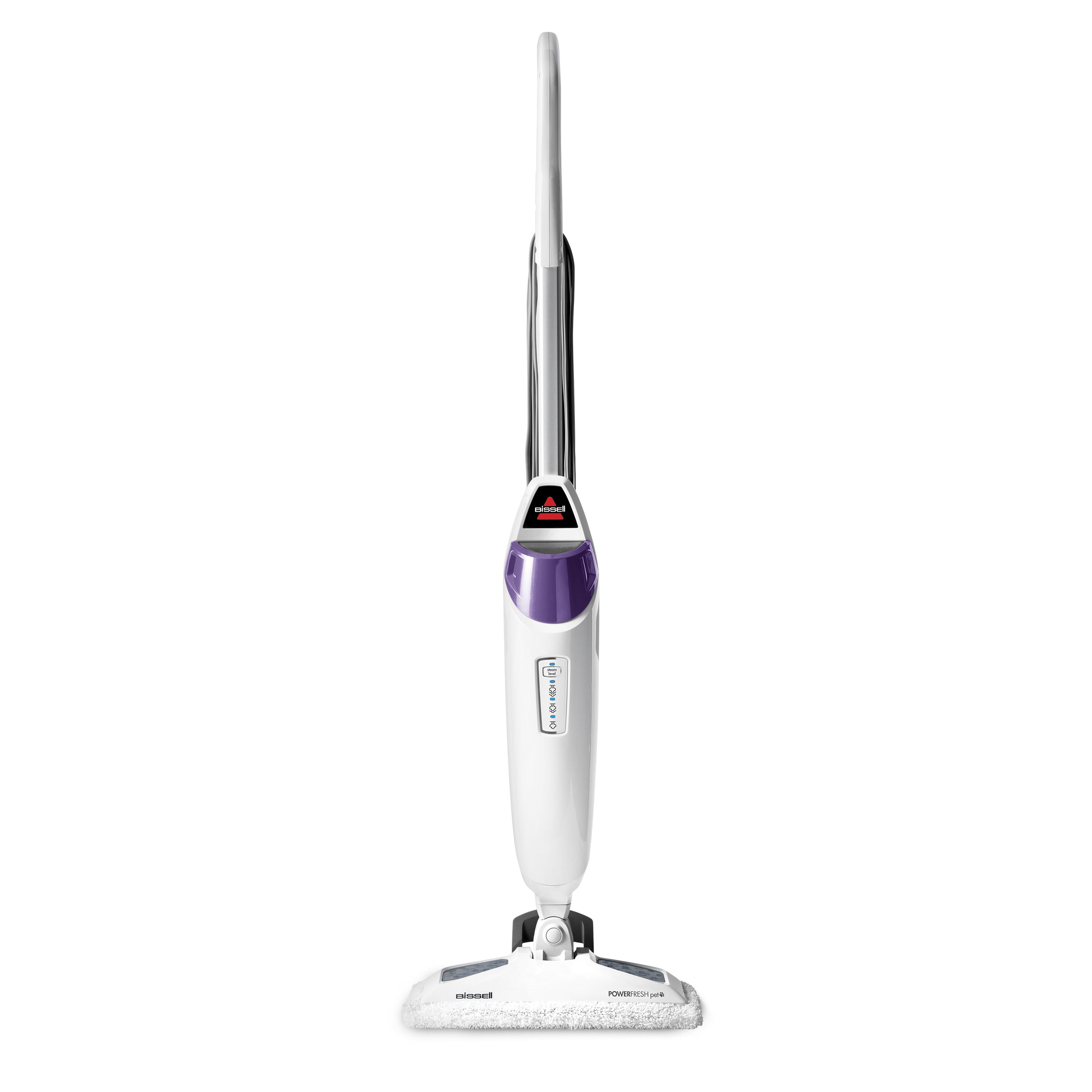
I recommend this model when tile cleaning has to factor in pet odors and frequent messes—the odor-eliminating discs, easy scrubber, and multiple steam levels are tailored for pet households.
Why I picked it: Pet-focused features: odor discs, flip-down scrubber, and adjustable steam.
Best for: Homes with pets and high-traffic tile areas.
Midrange, pet-oriented steam mop.
Pros
- Odor-eliminating scent discs included
- Flip-down scrubber for dried messes
- Three steam levels for control
Cons
- Tank can be tight to remove for some
- Machine can feel heavy to push
My take
For pet households I found the PowerFresh Pet model especially practical. The odor discs helped neutralize lingering smells during the steam cycle, and the flip-down scrubber is great for dried pet messes on tile.
The unit heats in about 30 seconds and the 23-foot cord means fewer outlet-hopping breaks. I used the different steam levels depending on the mess; Light for quick touch-ups and Deep for concentrated grime.
A couple of usability notes: the water tank is secure but can be stiff to remove if you have limited hand strength, and the unit has some weight when pushing for long sessions. Still, for tackling pet-related cleaning on tile this model is one of my top go-tos.
How I Choose a Steam Mop for Tile
Steam power and modes
I always check whether a mop offers multiple steam settings. Light and Normal steam are great for maintenance; Deep or High steam makes a difference on greasy tile or grout.
If you plan to sanitize by steam, follow the manufacturer’s sanitization instructions; higher steam output and correct technique deliver the best results without chemicals.
- Multiple steam modes let you tailor intensity to the mess
- Higher steam is better for stubborn grout stains
Pad type and maintenance
Pads matter more than most people expect. I favor machines with both soft pads for everyday use and scrubby pads for sticky grime.
Machine-washable pads save money and keep performance consistent—replace them when they no longer scrub effectively.
- Soft microfiber for light cleaning
- Scrubby or bristle pads for grout and sticky spots
- Keep spare pads so you can swap during long cleans
Tank size, refill ease, and consumables
A removable tank makes refills less awkward; larger tanks reduce interruptions on big tiled areas.
If your home has hard water, I use demineralized or distilled water to protect the unit and maintain steam output.
- Removable tanks are faster to refill
- Use demineralized water to prevent scale
- Consider supply extras (pads, discs) for heavy use
Maneuverability and weight
Lightweight, swivel-head mops are my choice for everyday tile cleaning because they get under furniture and around legs easily.
If you want deeper scrubbing without kneeling, powered spin or rotating-pad mops are worth the extra weight.
- Swivel head for around furniture
- Heavier units often provide more cleaning pressure
Pet-specific features
For pet owners I prioritize odor-control, a reliable scrubber for dried mess, and washable pads that resist staining.
A longer cord or larger tank is also helpful when cleaning multi-room tiled areas with pets.
- Odor discs or scent options for fresh results
- Flip-down scrubbers tackle dried pet messes
- Machine-washable pads save time
Frequently Asked Questions
Can I safely use these steam mops on tile?
Yes — in my experience sealed tile and grout respond very well to steam when you follow the manufacturer's directions. Avoid using steam on unsealed stone or tile that specifically warns against high heat or moisture.
Do I need distilled or demineralized water?
I recommend demineralized or distilled water for steam mops. It reduces scale inside the unit, keeps steam flow consistent, and can extend the machine's life—plus it prevents mineral residue on tile.
How often should I replace mop pads?
I replace pads when they no longer clean effectively or begin to fray. For heavy weekly use I keep at least two spare sets so I can rotate and wash pads between sessions.
Final Take
There’s no single perfect steam mop for every tile situation, but choosing based on how I clean—quick touch-ups, deep grout work, or pet-heavy messes—makes the decision straightforward.
For quick maintenance I lean on the Shark S1000; for powered scrubbing the Bissell Spinwave models and the Shark Steam & Scrub are my go-tos. And I always keep demineralized water handy to protect my machines and leave a clean, fresh scent.
Whichever unit you pick, match the steam intensity and pad type to your tile’s needs and you'll see far better, chemical-free results.
