
I tested portable grills, griddles, and a range of fire starters so you can pick the kit that actually works on a trip.
I care about gear that performs when conditions aren’t perfect. For this roundup I spent time cooking on portable gas grills and flat-top griddles, and I field-tested several styles of fire starter for wet and dry conditions.
My goal was simple: identify options that heat quickly, are easy to use at the campsite, and reduce the fuss when starting a fire or feeding a group.
Below I explain which grilling and fire-starting solutions I relied on and why each one earned a spot in my pack or truck.
I contrasted compact single-burner grills for travel with larger tabletop griddles and paired them with differing fire starters so you can match capacity and weather resistance to your trips.
1. Weber Q1200 Liquid Propane Portable Gas Grill, Titanium – Best Overall Portable Grill
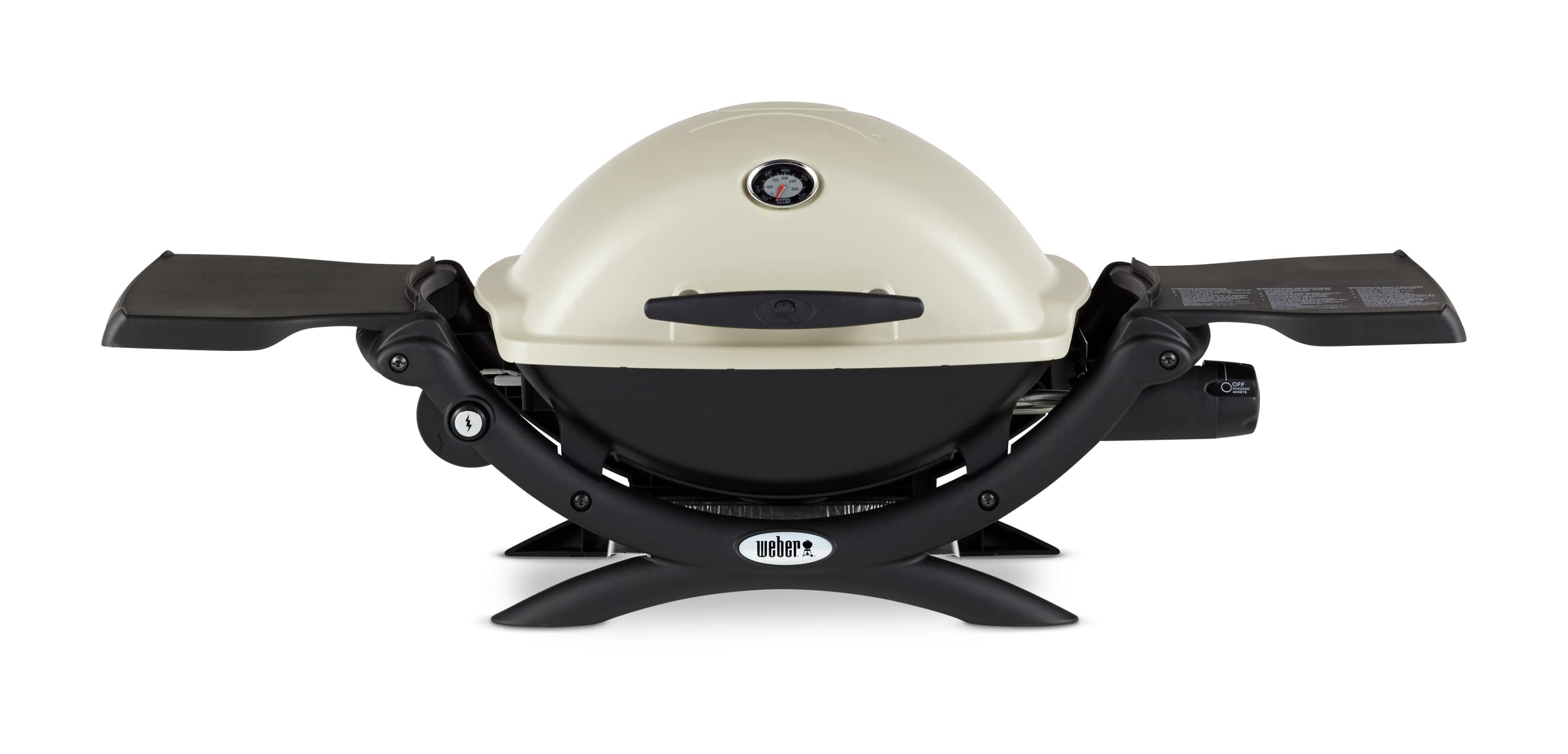
I found the Weber Q1200 to be the most reliable portable gas grill for trips where I want consistent searing and easy temperature control.
Why I picked it: Porcelain-enameled cast-iron grates, strong 8,500 BTU output, and electronic ignition made it my go-to portable grill.
Best for: Car camping, tailgating, backyard grilling when I want serious grill performance in a compact package.
A mid-to-premium portable grill; worth the investment for dependable cooking.
Pros
- Porcelain‑enameled cast‑iron grates
- Electronic push‑button ignition
- Precise infinite burner control
- Durable cast‑aluminum body
- Folding side tables for prep
Cons
- Larger than ultralight backpack grills
- Uses disposable LP cylinders by default
My take
On multiple trips I appreciated how quickly the Q1200 comes up to cooking temperature—about ten minutes to reach well over 400°F with the lid closed. That speed matters when you're hungry after a long day on the trail.
The cast‑iron grates hold heat and give a real sear on steaks and burgers, and the integrated thermometer helps me maintain steady temps for thicker cuts.
I like the electronic ignition and infinite control valve because they make dialing in low-and-slow settings as straightforward as a hot sear. Cleanup is easy too thanks to the pull-out grease pan.
It’s not ultralight, so I don’t take it on backpacking trips, but for car camping, tailgates, or a small RV it hits the sweet spot between portability and true grill performance.
2. Flamers 24 pcs Fire Starter – Natural Fire Starters – Best Budget Firestarter Tabs
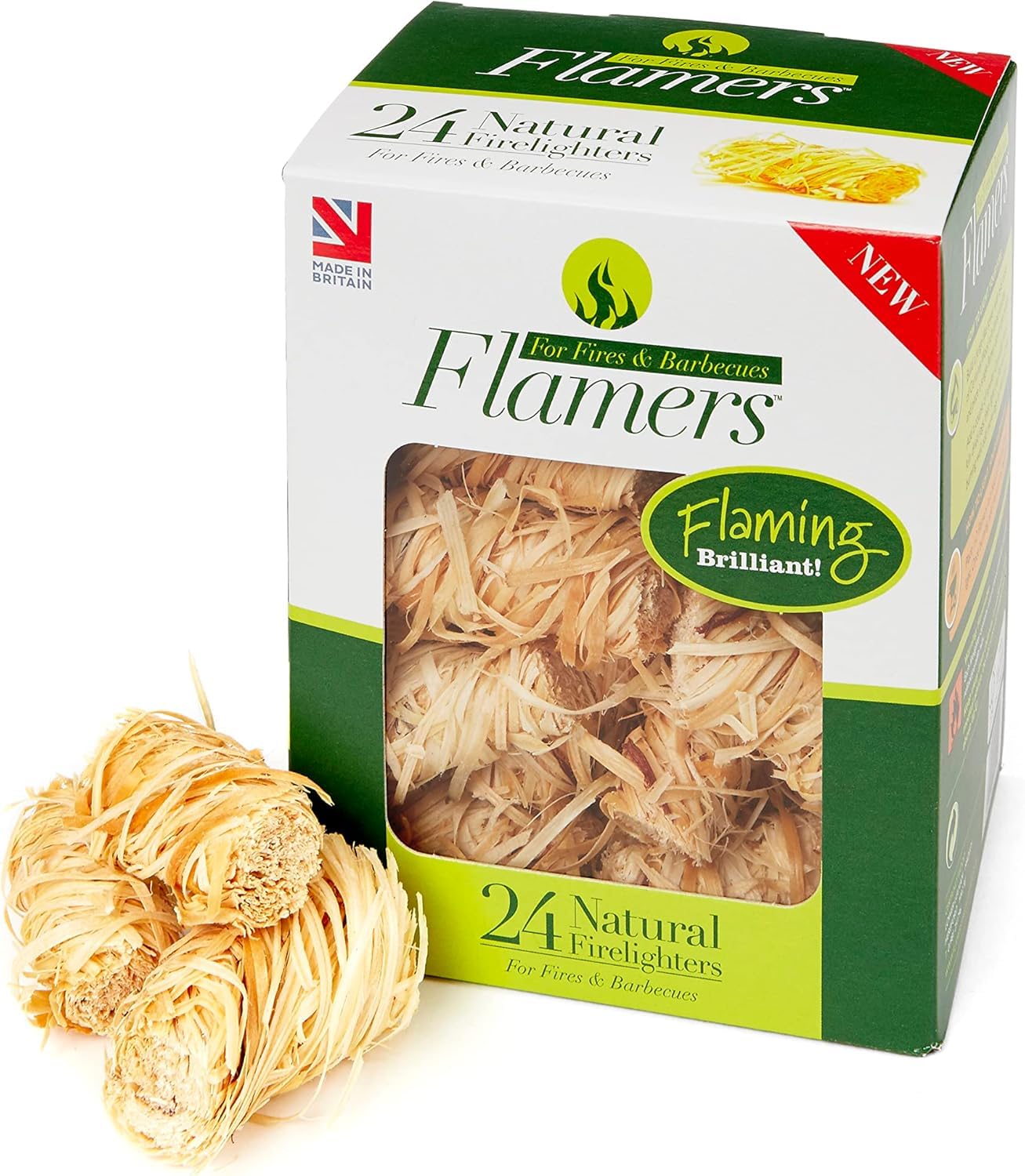
I keep a pack of these wood‑wool firestarter tabs in my lighter kit for quick, no-fuss ignition of charcoal or briquettes.
Why I picked it: They light instantly, burn clean, and are compact enough to stash in a backpack or grill kit.
Best for: Chimney starters, charcoal grills, and a light, packable option for weekend trips.
An affordable pick that performs well for short, reliable ignition tasks.
Pros
- Ignites instantly
- Works even when damp
- Odorless and non‑toxic
- Compact and lightweight
- Eco‑friendly packaging
Cons
- Shorter burn duration
- May struggle with unseasoned wood
My take
When I need to light briquettes or get a chimney starter going, a single Flamers tab consistently delivers a fast flame and steady ignition.
They’re pleasantly odorless and leave no greasy residue on my hands, so I use them inside a charcoal chimney as well as at the campsite.
Because they’re small and light I carry several in a zip bag; they save time and avoid messing with newspaper or lighter fluid.
3. Blackstone 22" Tabletop Grill without Hood – Propane Fuelled – Best for Cooking for Groups
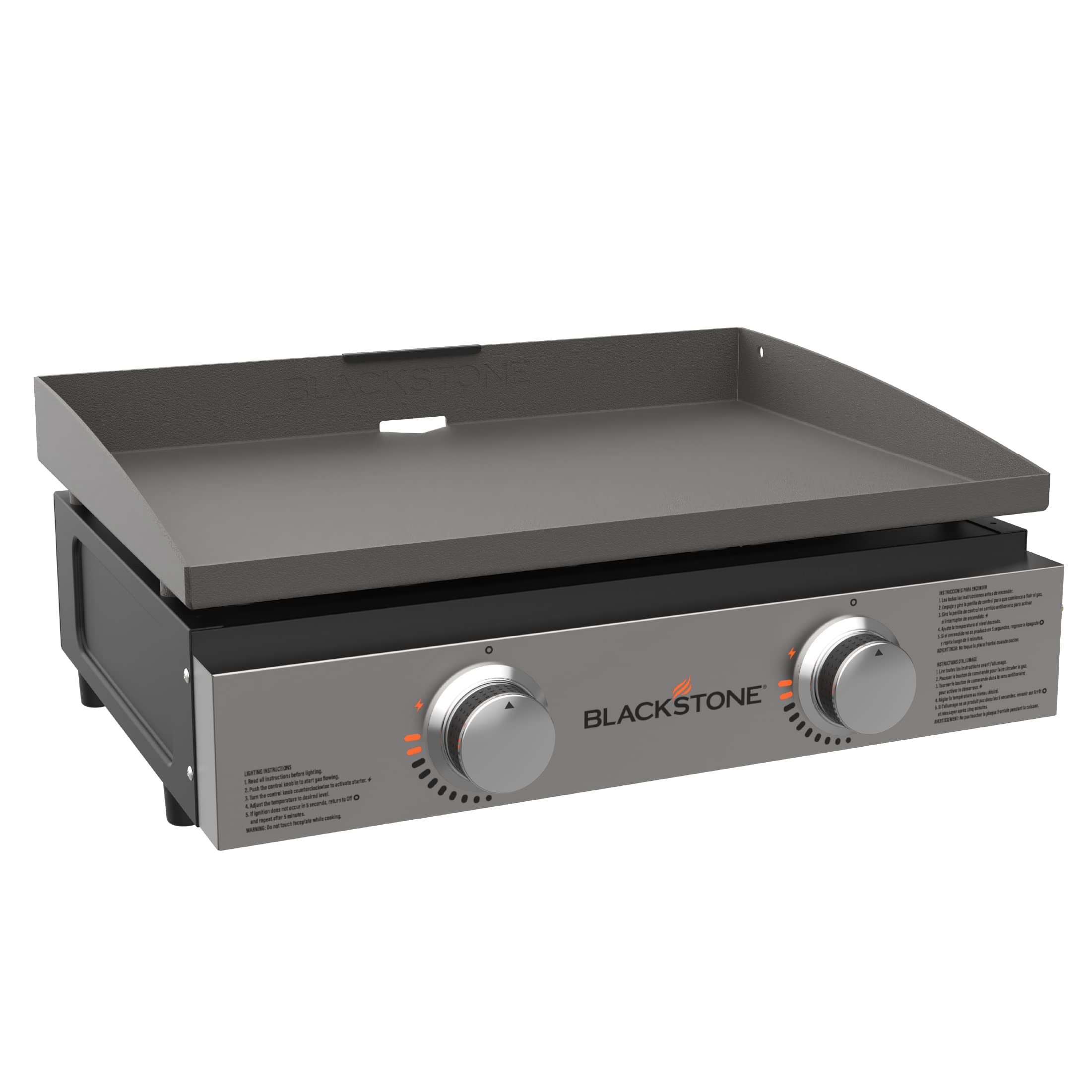
When I’m feeding a group at camp or tailgating, the Blackstone 22" tabletop griddle delivers fast, even cooking across a huge surface.
Why I picked it: A 361 sq. inch griddle with two heat zones and 24,000 BTU output gives me the capacity and control I need for breakfasts and big meals.
Best for: Family camping, tailgates, and anyone who wants griddle-style cooking on the road.
A higher-capacity option that pays off if you cook for several people.
Pros
- Huge 361 sq. inch cooking surface
- Two independently controlled burners
- 24,000 BTU heat output
- Durable rolled carbon steel top
Cons
- Requires seasoning and maintenance
- Bulkier than small portable grills
My take
This griddle cooks everything from pancakes and eggs to shrimp fried rice; I prepare entire camp breakfasts without juggling pans.
The two H-style burners let me run a high sear zone and a low warming zone at the same time, which speeds service when feeding a group.
Seasoning the steel top takes effort the first time but pays dividends—after that cleanup is a quick scrape and wipe with oil.
It’s not a minimalist piece of kit, but for car campers and tailgaters who want to cook big, this is one of the most versatile options I’ve used.
4. Fatwood Fire Starter Sticks 10lb Box – Pure Garden – Best Bulk Natural Kindling
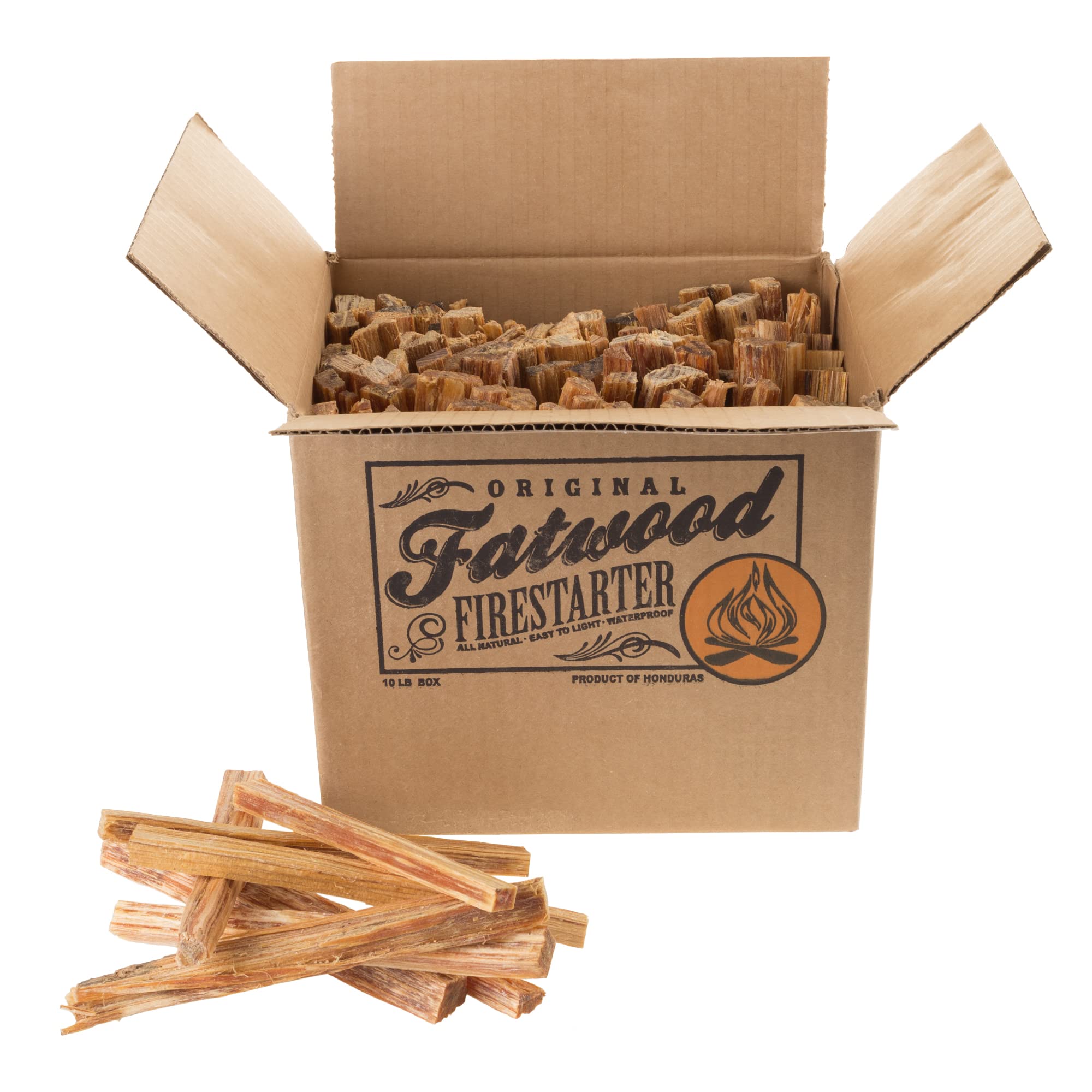
I rely on fatwood sticks when I want a chemical-free, dependable way to get a fire going, especially for campfires and wood stoves.
Why I picked it: Resin-rich pine sticks ignite quickly, burn hot, and last in storage—perfect when I need natural kindling in bulk.
Best for: Bonfires, fireplaces, wood stoves, and anyone who wants plenty of natural kindling on hand.
Bulk-packed for long-term use; good value if you light fires often.
Pros
- 100% natural pine
- Ignites even when damp
- Long shelf life
- Generous 10lb box
Cons
- Too bulky for ultralight hikes
- Stick sizes vary
My take
I pack a few fatwood sticks into my fire lay and they create a strong initial flame that quickly brings larger logs to combustion.
Because they’re resin-rich they light with just a match and are especially useful when tinder is damp or sparse.
The 10lb box is great for season-long campfire duty, but it’s bulky—so I keep it by the truck rather than in a hiking pack.
5. Non-Toxic Waterproof Fire Starters with 5+ Minute Burn – 50 Pack – Best Waterproof Firestarters
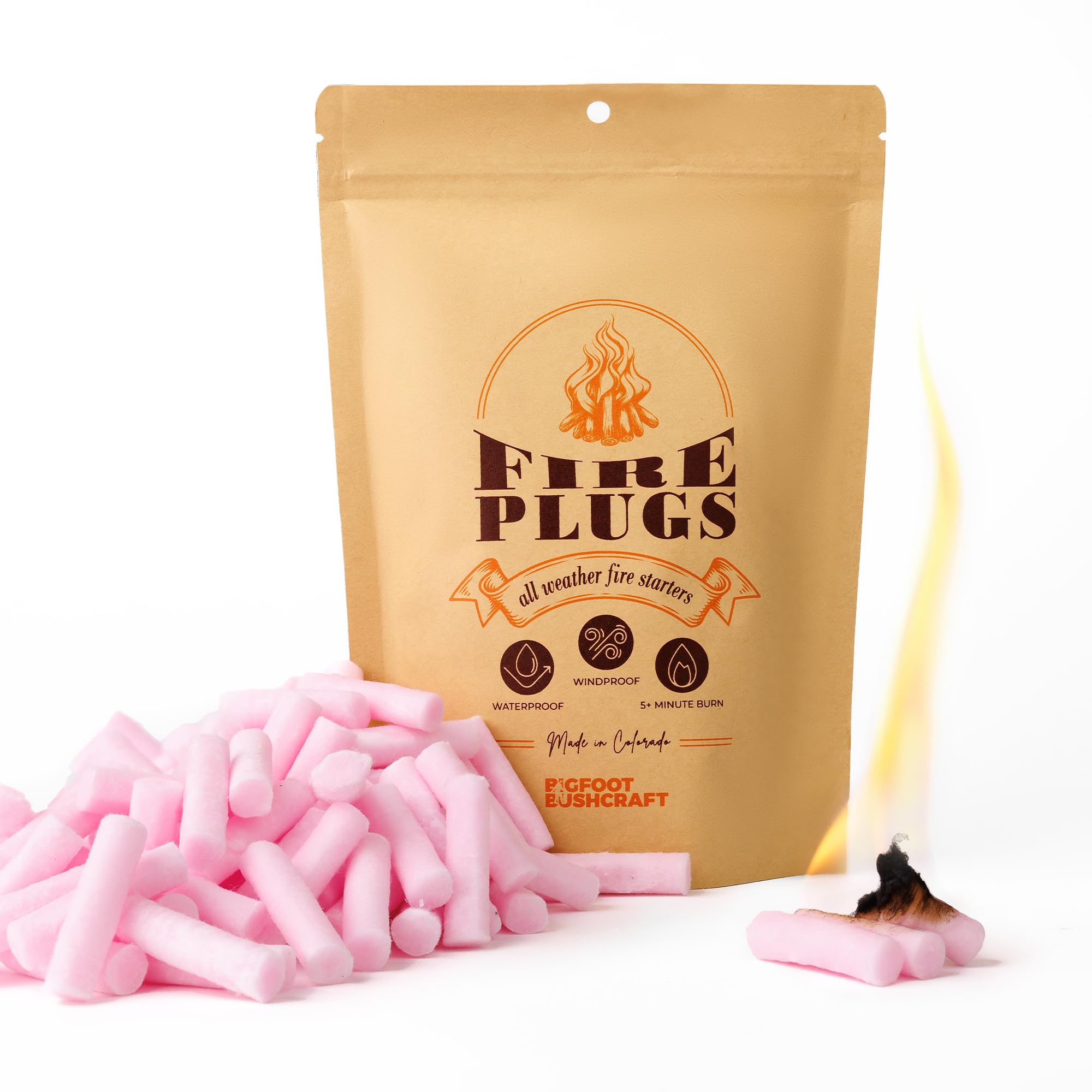
When I expect wet conditions, these Waterproof Fire Plugs are my first choice because they start with a single spark and burn long enough to catch larger kindling.
Why I picked it: Waterproof, windproof, and a sustained 5+ minute burn make them reliable in poor weather.
Best for: Wet-weather camping, emergency kits, and prepping quick fires under adverse conditions.
Compact and dependable; a good midrange option for weatherproof ignition.
Pros
- Waterproof and windproof
- 5+ minute sustained burn
- Non‑toxic and food safe
- 10+ year shelf life
Cons
- Heavier than tinder tabs
- Not ideal for ultralight treks
My take
I’ve lit these from a damp pile of kindling and they still produced a tall, lasting flame that allowed the larger wood to catch.
Their waxy coating keeps them protected in a wet pack, so I stash several in my emergency kit every season.
They’re denser and heavier than tiny cotton tabs, so I balance pack weight against reliability depending on how far I’m hiking.
6. Fatwood Fire Starter Sticks 10lb Box – Pure Garden (Alternate) – Best for Fireplace and Stove Use
I keep a second 10lb box like this around for winter fireplace use; it’s the same reliable, resin-rich pine that lights fast and smells like pine sap.
Why I picked it: Consistent ignition, useful sizes for fireplace and stove starts, and long storage life make it a staple in my kit.
Best for: Home fireplaces, wood stoves, and campsite fires where I want a natural ignition source.
Another bulk option—handy to keep one at home and one at the truck.
Pros
- Great ignition for fireplaces
- Long burning resin content
- No chemical additives
- Consistent performance
Cons
- Some pieces sticky with resin residue
- Needs storage space
My take
I use these sticks for morning fires in the wood stove and for quick campfire starts; two sticks are often enough to get well-seasoned logs burning.
One note from experience: if you burn them overnight in a woodstove, I’ve seen some resin residue build up on flues—good chimney maintenance solves that.
Overall they’re a low-fuss, effective natural option that I trust whether I’m at home or on a trip.
How I Choose Camping Grills and Fire Starters
Picking the right grill for your trip
I match grill size and fuel setup to the type of trip I’m doing. For car camping and tailgates I prefer larger griddles or the Q1200-level portable grills. For backpacking I choose ultralight options or rely on a compact stove.
Think about what you cook: if I want steaks and searing I pick a grill with good heat retention and cast‑iron grates; if I plan to feed a group I look for a griddle with wide surface area.
- Check BTU output and heat distribution for searing ability.
- Look for durable cooking surfaces (cast iron or carbon steel).
- Consider fuel type: disposable LP for portability or bulk tank with adapter for longer stays.
Choosing fire starters
I keep multiple types of starters: lightweight tabs for quick chimney or charcoal starts, fatwood or natural sticks for campfires, and waterproof plugs for wet conditions.
Match burn time to task: short tabs are fine for briquettes, while 5+ minute plugs or fatwood work better when lighting large logs.
- Use waterproof starters for rainy trips and emergencies.
- Carry natural fatwood for chemical-free campfires and pleasant pine scent.
- Pack compact tabs for grill chimneys and quick ignition.
Maintenance and safety
I season griddles before first use and keep a light oil layer after cleaning to protect the surface. For grills, I empty grease pans regularly to avoid flare-ups.
Always follow local fire regulations and practice safe fire building—clear the area, keep water or an extinguisher nearby, and fully extinguish fires before leaving.
- Season steel griddles for a nonstick surface.
- Store fatwood and starters dry and away from extreme heat.
- Keep a small fire kit with matches, lighters, and a few reliable starters.
Frequently Asked Questions
Which fire starter should I carry for rainy camping?
I bring waterproof plugs or waxed starters when rain is likely. Their protective coating keeps them reliable even after getting wet.
Can the Weber Q1200 use a full-size propane tank?
Yes—I use an adapter hose when I want longer run time from a bulk 20-lb tank instead of disposable cylinders.
Do Blackstone griddles require special care?
They do need a proper initial seasoning and routine oiling after cooking; I treat the top like a cast-iron pan for best results.
How many fatwood sticks will I need to start a fire?
In my experience, one to three sticks are enough to ignite properly seasoned logs; I use two for damp conditions.
Final Take
I pick gear that reduces hassle at camp: a reliable portable grill, a larger griddle when I cook for others, and a mix of fire starters to cover weather and fuel types.
Use the options above to match capacity and conditions to your trips, and you’ll spend less time fighting fire and more time eating.
