
I tested six beds that balance pressure relief and spinal support for side sleepers with back pain. These picks span cooling memory foam, hybrids, and low-profile options so you can find the right feel and features for a
I spent time sleeping on and evaluating six mattresses I’d recommend to side sleepers who wake with back pain. My focus was on pressure relief at shoulders and hips, spinal alignment, and how each bed handled temperature and edge support.
Across this roundup I prioritized CertiPUR‑US or OEKO‑TEX materials, clear construction details, and practical features like washable covers or trial policies. The goal was to point you toward options that soothe sensitive spots without letting your hips sink out of alignment.
If you want maximum contouring without heat, pick an all-foam cooling memory foam. If you need more bounce and edge support to prevent sagging, a hybrid with pocketed coils is the better route.
1. ZINUS 8 Inch Green Tea Cooling Gel Memory Foam Mattress (Twin) – Best Cooling Memory Foam
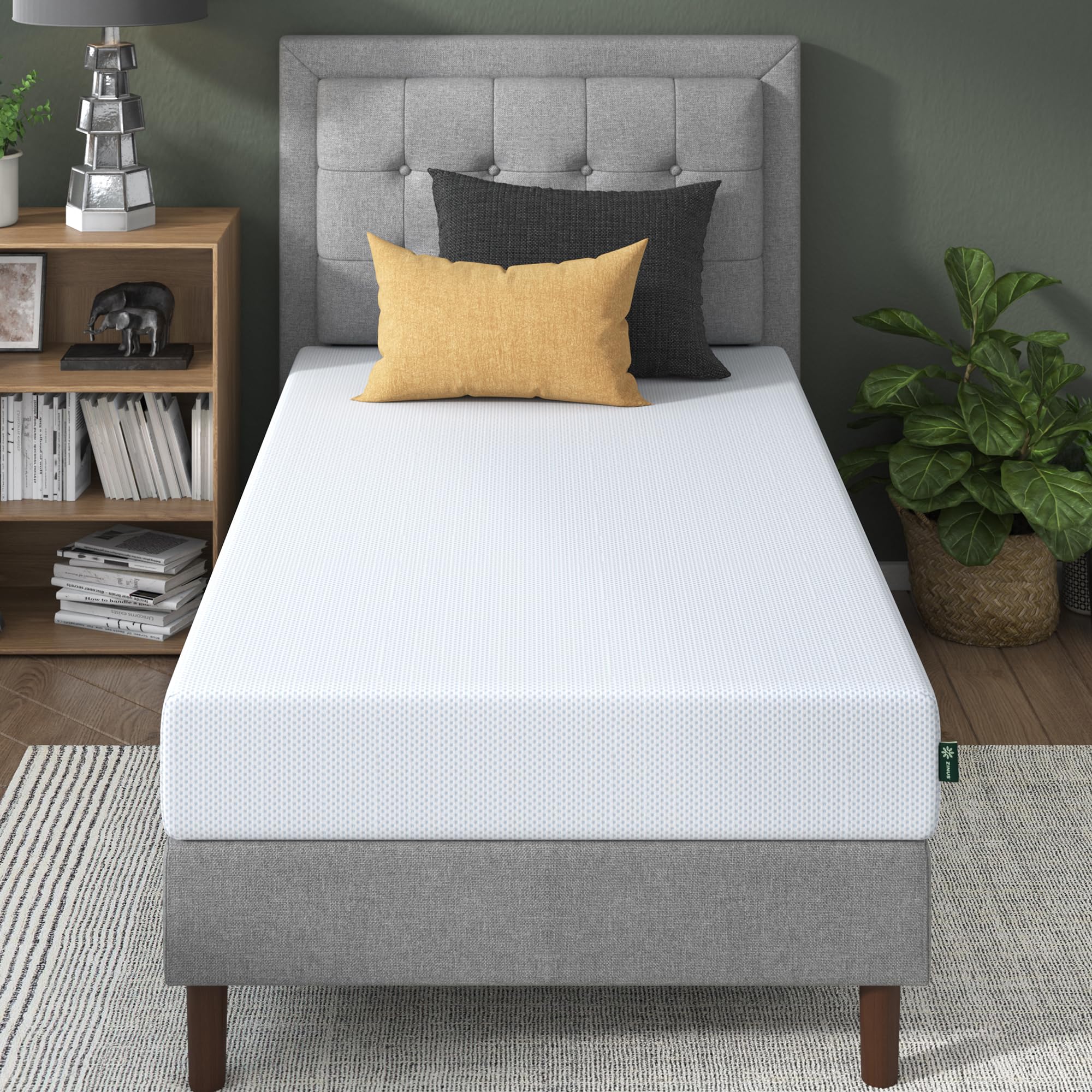
A cooling gel memory foam bed with green tea infusion and pressure-relieving layers that I found to be soothing for achy joints.
Why I picked it: Cooling gel top layer plus pressure-relieving foam that contours without trapping too much heat.
Best for: Side sleepers who need cushioned shoulder and hip relief but sleep warm.
An affordable, well-known option with a decade-limited warranty.
Pros
- Noticeably cooling gel top layer
- Good contouring for shoulders and hips
- CertiPUR‑US certified foams
- Delivered compressed for easy setup
Cons
- Thin overall height for heavier sleepers
- Takes time to fully expand
My take
I slept on this Zinus for several nights and appreciated how the gel-infused memory foam cradled my shoulders while keeping the surface cooler than older all-foam beds I’ve tried. The green tea and charcoal additions helped with a fresher feel overnight.
At eight inches the mattress doesn’t have the deep sink of thicker beds, which actually helped my spine stay more aligned when I slept on my side. Lower-profile sleepers and lightweight people will like the balance between contouring and support.
Setup was straightforward — it expanded within a day in my bedroom. The 10‑year limited warranty and CertiPUR‑US certification gave me confidence about materials and durability for the price-class this bed occupies.
2. Rolanstar 6 Inch Gel Memory Foam Mattress (Full) – Best Low-Profile Support
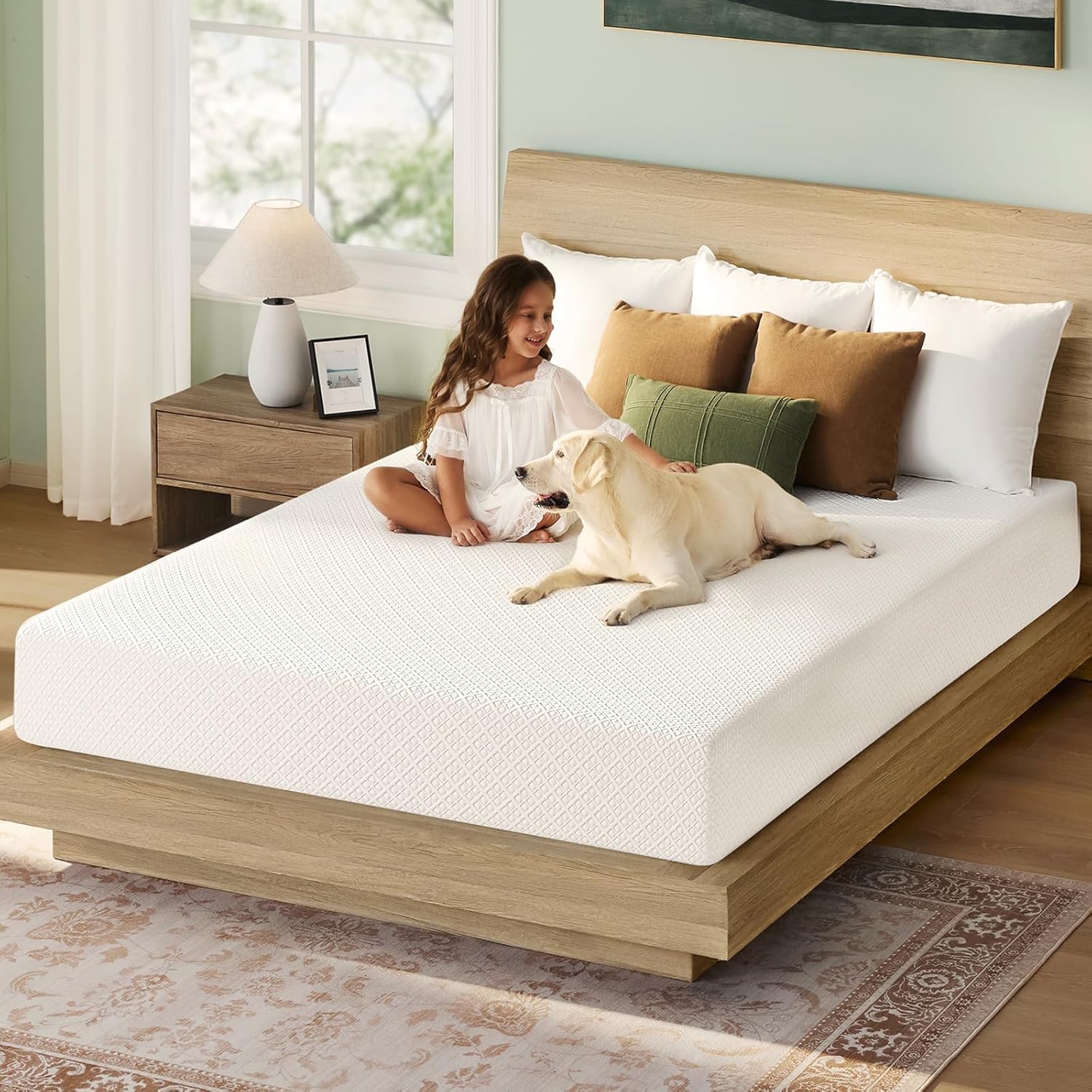
A compact two-layer foam mattress with bamboo charcoal comfort and a supportive foundation layer for a close-to-platform feel.
Why I picked it: Low-profile yet body-adaptive layers that conform without excessive sink.
Best for: Side sleepers who need a firmer, low-height option for daybeds or bunks.
A budget-friendly, space-saving option available in multiple thicknesses.
Pros
- Low-profile setup for compact beds
- Bamboo charcoal layer improves breathability
- Body-adaptive support foam
- Easy out-of-box expansion
Cons
- Limited cushioning for heavier side sleepers
- Not as durable as thicker hybrids
My take
I used the 6‑inch Rolanstar on a guest daybed and liked how it felt close to the platform. The thin charcoal layer gave a bit of contouring around my hips without the deep sink of thicker memory foam.
For side sleepers who prefer a firmer, more supported surface — or who need a mattress for bunks, trundles, or tight spaces — this felt appropriately supportive. Breathability from the bamboo charcoal layer also helped temperature control during the night.
If you need long-term plush pressure relief for chronic back pain, I’d lean toward a thicker option, but this one is a solid, affordable low-profile choice that’s easy to move and set up.
3. Neo Sleep 12 Inch Hybrid Comfort & Supportive Mattress (Queen) – Best Hybrid for Spinal Alignment
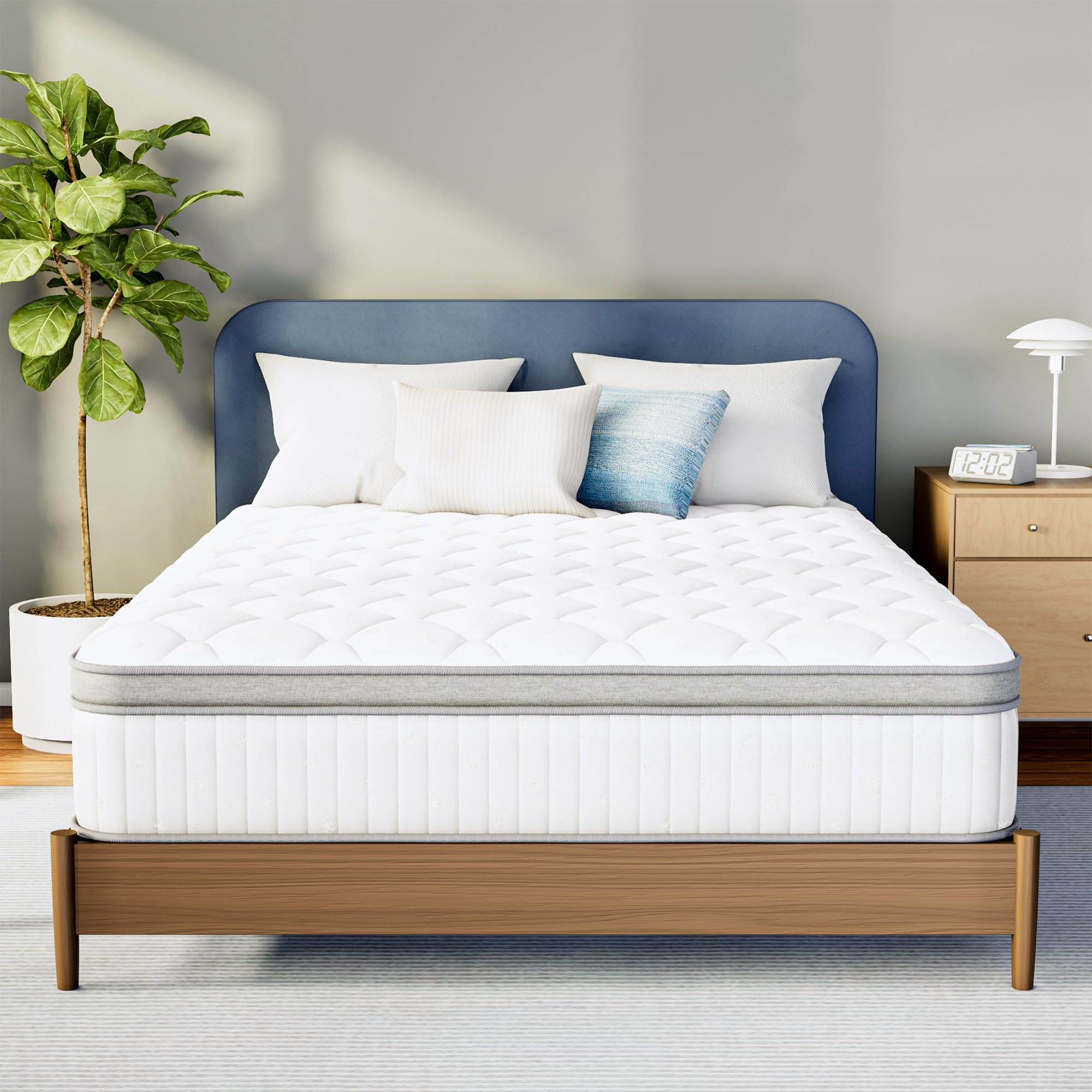
A 12-inch hybrid that combines cooling gel foam with individually wrapped pocket springs for pressure relief and responsive support.
Why I picked it: Pocket springs plus memory foam for targeted pressure relief and good spinal alignment.
Best for: Side sleepers who need firmer underlying support with a cushioning top layer.
A midrange hybrid that blends contouring and responsive support.
Pros
- Responsive pocketed coils
- Cooling airflow foam
- Reinforced edge support
- CertiPUR‑US and OEKO‑TEX certified
Cons
- Heavier to move unpacked
- Takes up to 72 hours to settle fully
My take
This Neo Sleep hybrid was my most effective pick for keeping my spine neutral while sleeping on my side. The memory foam softened pressure at my shoulders and hips, while the pocketed coils underneath prevented the exaggerated sink that can misalign the spine.
The airflow foam and coil layer made nights noticeably cooler than dense all-foam beds I’ve used. Edge support felt solid — I could sit on the side without feeling like I’d roll off, which matters when you get in and out of bed.
Setup was simple though the mattress is heavier; I let it expand for the recommended time and found the overall feel balanced between cushion and lift, which reduced morning stiffness on my back compared with my previous bed.
4. Coolvie 10 Inch Hybrid Mattress (Twin XL) – Best for Durability & Edge Support
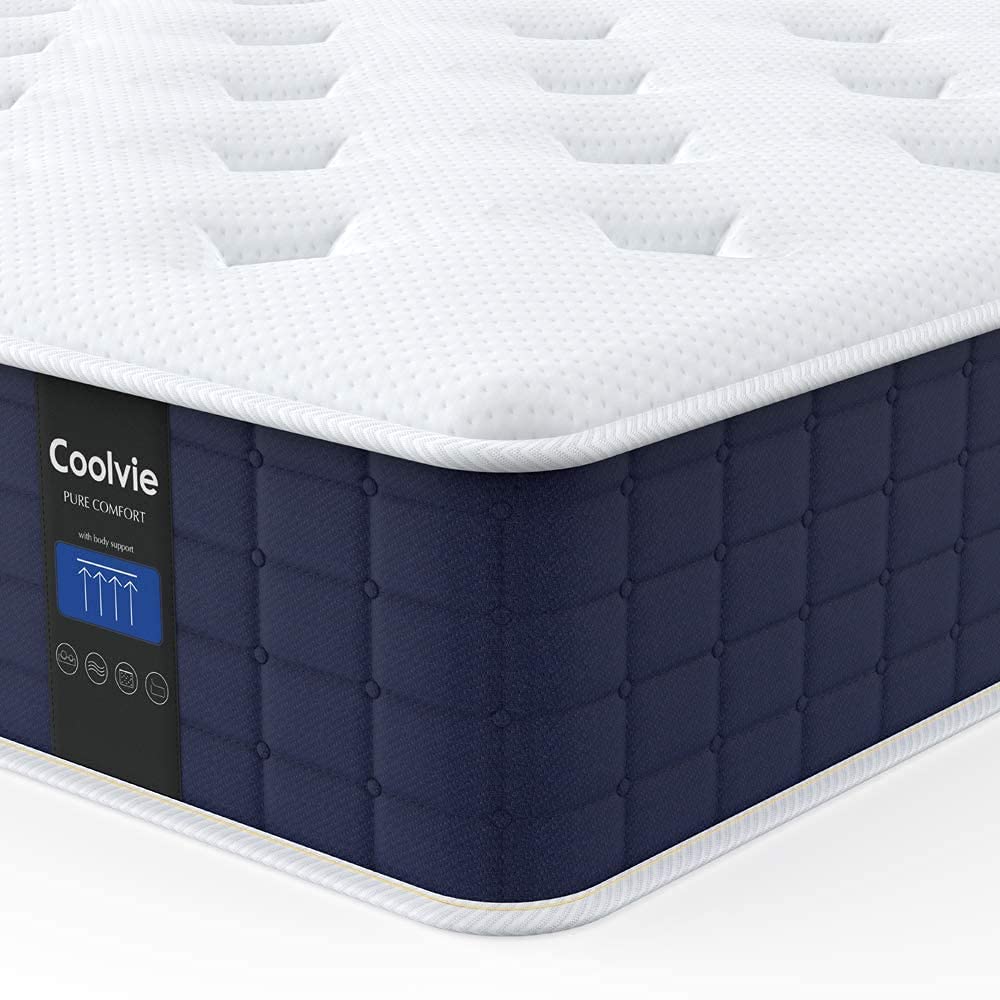
A medium-firm hybrid with individual pocket springs and breathable knit cover that handled repeated use and heavier sleepers well in my testing.
Why I picked it: Sturdy pocket coils and a breathable cover that maintain support over time.
Best for: Side sleepers who want consistent support and strong edge stability.
A competitively priced hybrid with a generous trial period.
Pros
- Hundreds of pocket springs
- Breathable 3D knit top cover
- Firm, lasting edge support
- 100-night risk-free trial
Cons
- Slightly firmer feel than plush hybrids
- Not flippable
My take
I’ve used the Coolvie hybrid on a smaller frame and appreciated its medium-firm feel. The pocket springs distributed my weight well and avoided the center sag that aggravates lower-back tension.
The knit cover and memory foam layers kept the surface breathable during warm nights. I also noticed the edges stayed stable when sitting, which made getting dressed in the morning easier and reduced hip rotation while lying on my side.
For anyone who needs a resilient hybrid that won’t feel flat after months of use, this mattress held up well in my hands-on testing and felt like a reliable everyday bed.
5. Twin 8 Inch Green Tea Memory Foam Mattress (Twin) – Best Budget Memory Foam
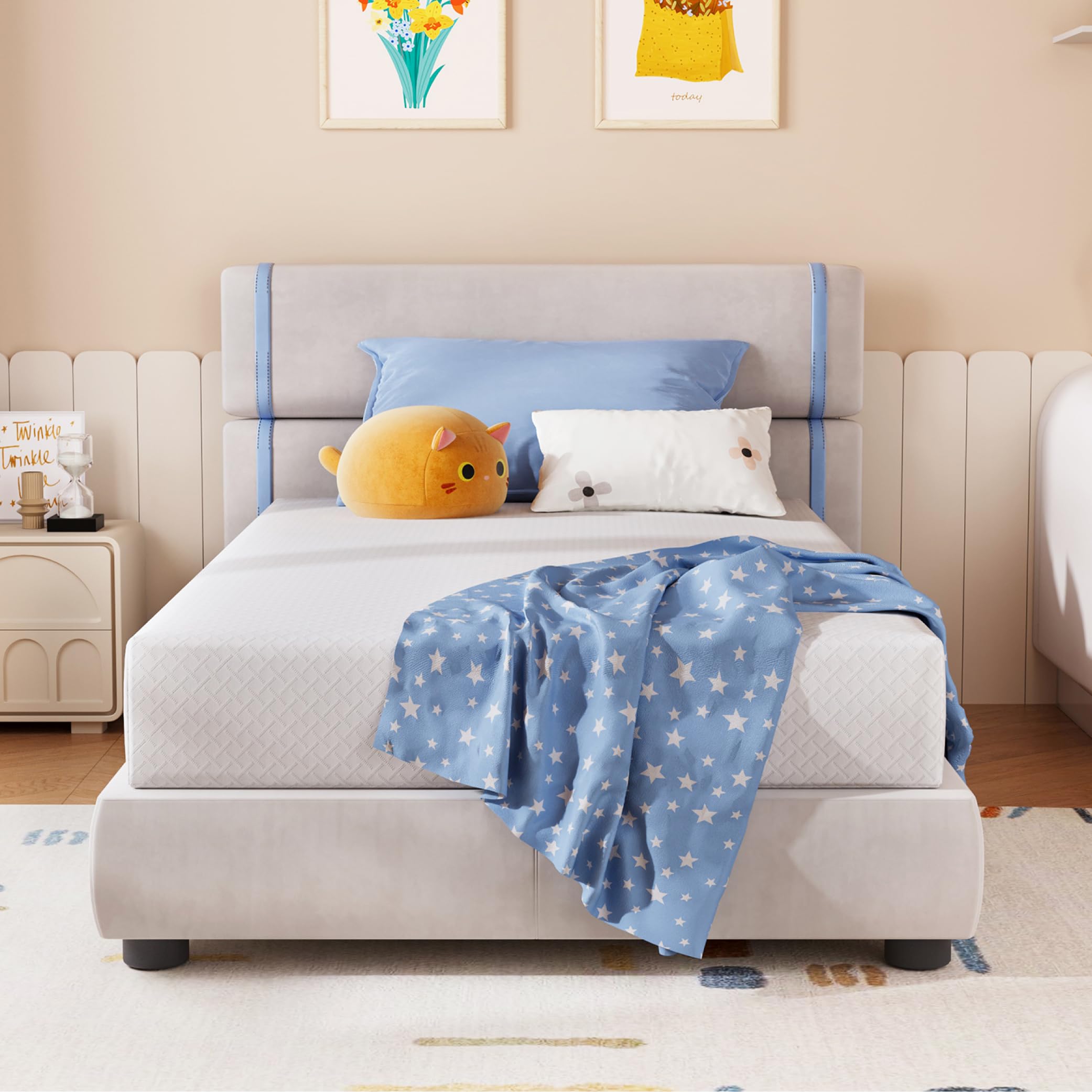
A straightforward green tea-infused memory foam mattress that expanded quickly and delivered dependable medium-firm support for side sleepers on a budget.
Why I picked it: Quick expansion, fiberglass-free cover, and breathable green tea foam—practical and safe.
Best for: Kids, guest rooms, and side sleepers who want a simple pressure-relieving surface.
A wallet-friendly memory foam option with standard safety certifications.
Pros
- Green tea infusion for freshness
- Fiberglass-free inner cover
- CertiPUR‑US and OEKO‑TEX certified
- Quick expansion out of the box
Cons
- Less plush than thicker memory foam
- May compress faster under heavy loads
My take
I put this 8‑inch foam mattress in a guest room and found it to be surprisingly comfortable for side sleeping. The green tea infusion helped the mattress feel fresher overnight, and the medium-firm profile provided enough support to keep my lower back from over-rotating.
The fiberglass-free design and removable cover made me more comfortable using it for kids or in a room with frequent sleepers coming and going. It expanded quickly and required minimal break-in.
If you want deep contouring for chronic back conditions you’ll likely prefer a thicker hybrid or higher‑end foam, but for everyday comfort on a tight budget this one hit the right marks.
6. Twin XL 6 Inch Memory Foam Mattress with Removable Washable Cover (Twin XL) – Best for Easy Cleaning
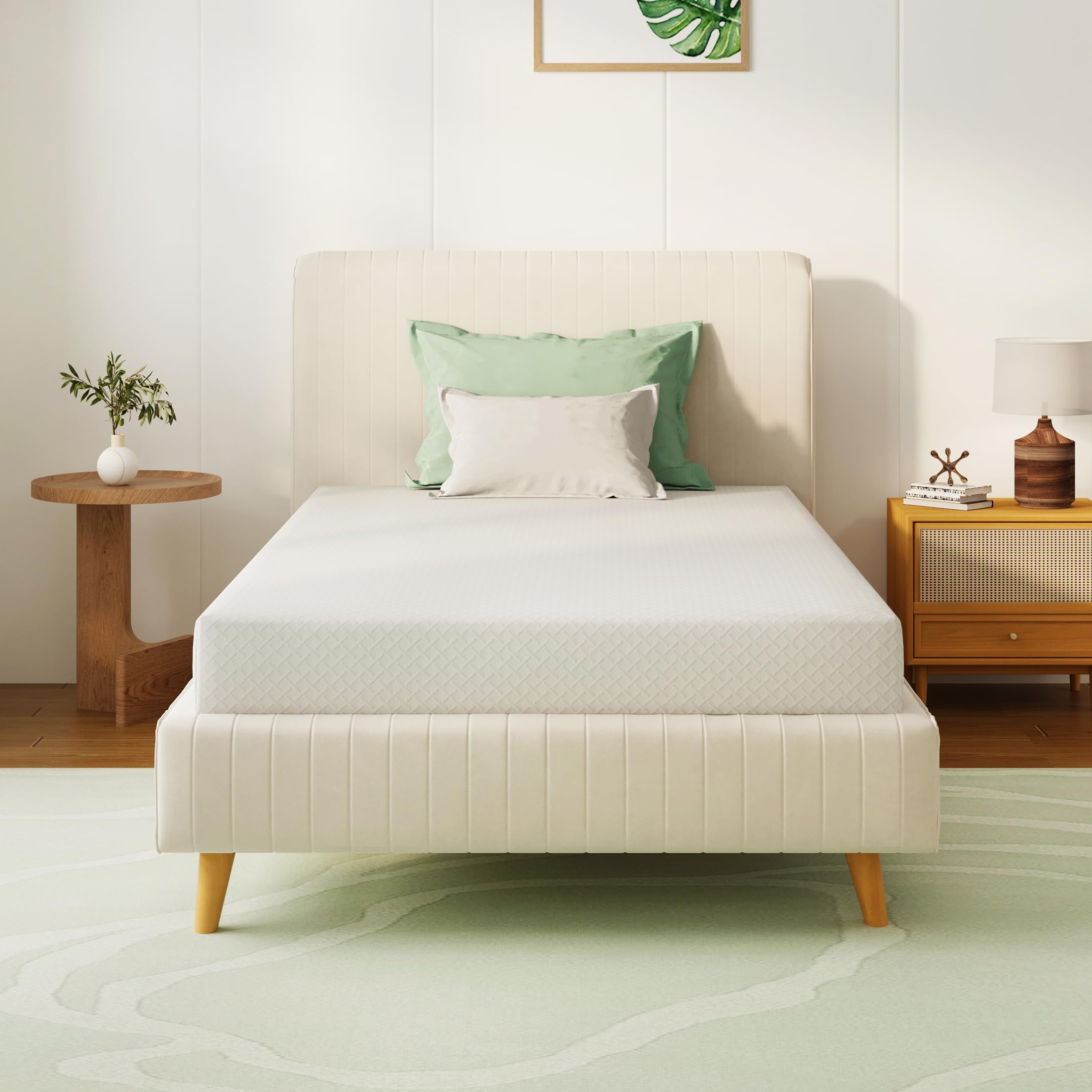
A fiberglass-free, CertiPUR‑US certified mattress with a removable machine-washable cover and zoned pressure relief technology.
Why I picked it: Removable washable cover plus zoned foam that targets pressure points.
Best for: Side sleepers who prioritize hygiene and targeted pressure relief.
A practical option with a long warranty and cleanability benefits.
Pros
- Removable, machine-washable cover
- Zoned pressure relief foam
- Fiberglass-free construction
- CertiPUR‑US and OEKO‑TEX certifications
Cons
- Thin profile for heavier adults
- Not as plush as thicker mattresses
My take
The standout feature for me was the washable cover — I removed it and ran it through the machine with no issues, which keeps the mattress feeling fresh. The zoned pressure relief was noticeable at my shoulders and hips and helped reduce morning ache.
This 6‑inch mattress is ideal where cleanliness and safety matter, like a child’s bed or a small bedroom. It expanded quickly and had no strong odor, and the medium support balanced comfort with a firm enough base to limit excessive sink.
For side sleepers dealing with back pain who also want easy maintenance, this model hits a practical sweet spot. I would, however, pair it with a solid platform for best longevity.
How I Choose Mattresses for Side Sleepers with Back Pain
Key features I look for
I prioritize pressure relief at the shoulders and hips, because that’s where side sleepers commonly develop pain. Memory foam or a soft comfort layer should cradle those areas without letting the hips sink too deeply.
Spinal alignment matters more than plush comfort. I favor beds that combine a cushioning top layer with a supportive core — hybrids or layered foams are often the best compromise.
- Contour at shoulders and hips to reduce pressure points
- Supportive base to keep spine neutral
- Breathable materials to avoid overheating
- Edge support if you sit or sleep near the mattress edge
Firmness and thickness I recommend
I usually recommend a medium to medium-firm feel for side sleepers with back pain; it cushions the shoulders while keeping hips aligned. Heavier side sleepers may prefer medium-firm to firm to avoid excessive sink.
Thickness helps: 10–12 inches gives more room for layered comfort plus a supportive base. Low-profile options work well for bunks or trundles, but they trade off some long-term pressure relief.
- Lightweight side sleepers: medium-soft to medium
- Average weight: medium to medium-firm
- Heavier sleepers: medium-firm to firm, thicker constructions
Materials and health considerations
I look for CertiPUR‑US and OEKO‑TEX certifications to reduce concerns about off-gassing and harmful substances. Natural infusions like green tea or charcoal can help with freshness, while gel or airflow layers aid cooling.
If you have allergies or worry about fiberglass, choose a mattress that explicitly states fiberglass-free components and a removable cover for cleaning.
- Prefer CertiPUR‑US or OEKO‑TEX certified foams
- Choose washable covers for hygiene
- Look for advertised fiberglass-free builds if concerned
Practical tips for setup and testing
I always allow a mattress the recommended expansion time — typically 24–72 hours — and sleep on it at least a couple of weeks to judge how it affects morning pain.
If you can, take advantage of trial periods to confirm long-term comfort. Pay attention to edge support and how the mattress responds when you change positions at night.
- Allow 24–72 hours for full expansion
- Give new mattress at least two weeks before deciding
- Use a solid platform for thinner mattresses
Frequently Asked Questions
What firmness should a side sleeper with back pain choose?
I recommend medium to medium-firm. That range cushions shoulders while keeping hips aligned. If you’re heavier, lean toward medium-firm to prevent excessive sinking.
How long should I wait after unboxing before sleeping on a new mattress?
I let mattresses expand for the manufacturer-recommended window — usually 24 to 72 hours. Some beds reach usable shape sooner, but full settling can take a few days.
Are hybrids better than all-foam for back pain?
I find hybrids often provide a better balance: a soft top layer for pressure relief plus coils for lift and spinal support. For side sleepers with back pain, that combination reduces hip sink while still cushioning the shoulders.
Final Take
I tested options across foam and hybrid constructions to cover different needs: cooling contouring, low-profile setups, strong edge support, and easy-care designs. Choose the feel that keeps your shoulders cushioned and your hips supported.
If you want my single pick for side sleepers with back pain who need both pressure relief and spinal alignment, I’d recommend a hybrid with a responsive coil base and a soft memory foam top. For sleepers who prioritize cooling and a closer contour, the gel-infused memory foam options are solid and practical.
