
I installed and lived with a range of in‑ceiling and in‑wall speakers. This roundup highlights the models I kept using — what sounds great, what’s easy to fit, and which ones I’d pick for whole‑house audio, damp areas, a
I’ve installed in‑ceiling speakers in multiple houses and theater rooms, and I’ve learned which designs actually deliver clean, room‑filling sound and which tradeoffs matter most during installation.
This guide focuses on practical experience: how each speaker sounds in real rooms, how straightforward the mounting is, and where each model makes the most sense in a system.
If you want unobtrusive, room‑filling sound, prioritize driver size and tweeter aimability; if you need moisture resistance, look for the RC80i/MC60. I call out best uses so you can match a model to your space.
1. Micca M‑8C 2‑Way In‑Ceiling 8" Woofer (Single) – Best Budget Whole‑House
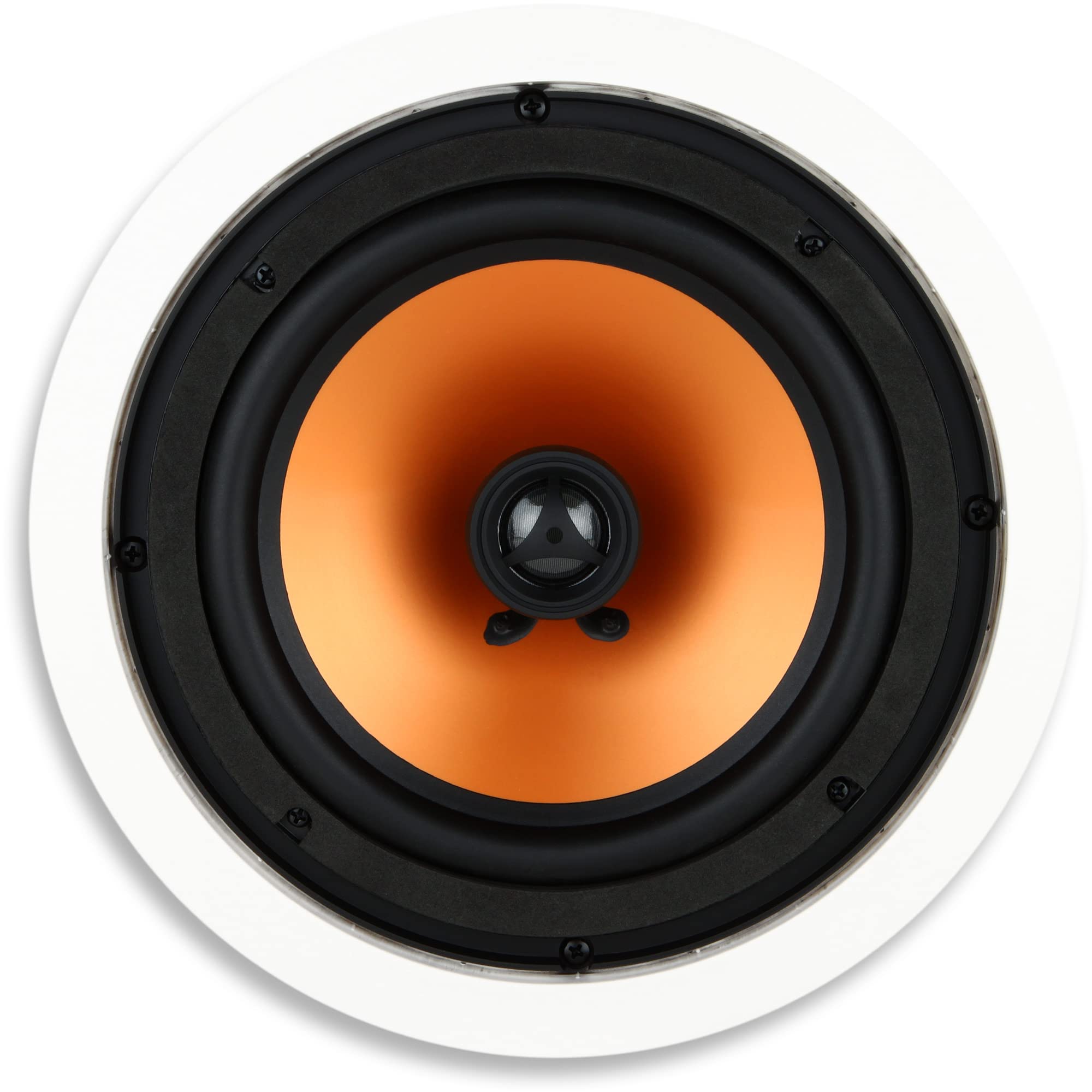
I used the Micca M‑8C when I needed affordable, surprisingly full in‑ceiling sound for multiple rooms. It delivers robust bass for an open‑back ceiling speaker and a pivoting silk dome tweeter for useful aiming.
Why I picked it: Great bass and clarity for the price, easy installation.
Best for: Whole‑house background music and affordable theater upgrades.
An economical option that stretches your budget without sounding cheap.
Pros
- Big 8" woofer for strong low end
- Aiming tweeter improves imaging
- Low‑profile grille blends into ceilings
- Simple clamp‑style mounting
Cons
- Open‑back design limits deep bass
- Not moisture‑rated for exposed outdoor use
My take
I installed the Micca M‑8C in several rooms to provide whole‑house audio and was impressed by how full the midrange and bass felt coming from an in‑ceiling, open‑back speaker. The 8" mica‑poly cone moves a lot of air, so vocals and most music styles feel natural without needing a subwoofer in tighter rooms.
The pivoting 1" silk dome tweeter allowed me to steer highs toward the listening area, which mattered in rooms where the speakers weren’t centered over seating. Sensitivity and power handling are reasonable for normal listening; I never pushed them into fatigue during day‑to‑day use.
Installation was straightforward: the built‑in mounting tabs clamped solidly to drywall and the low‑profile grille painted over nicely to disappear into the ceiling. For the money, this is one of the best practical compromises between performance and cost.
2. Polk Audio RC80i 8" In‑Ceiling Pair – Best for Damp Areas
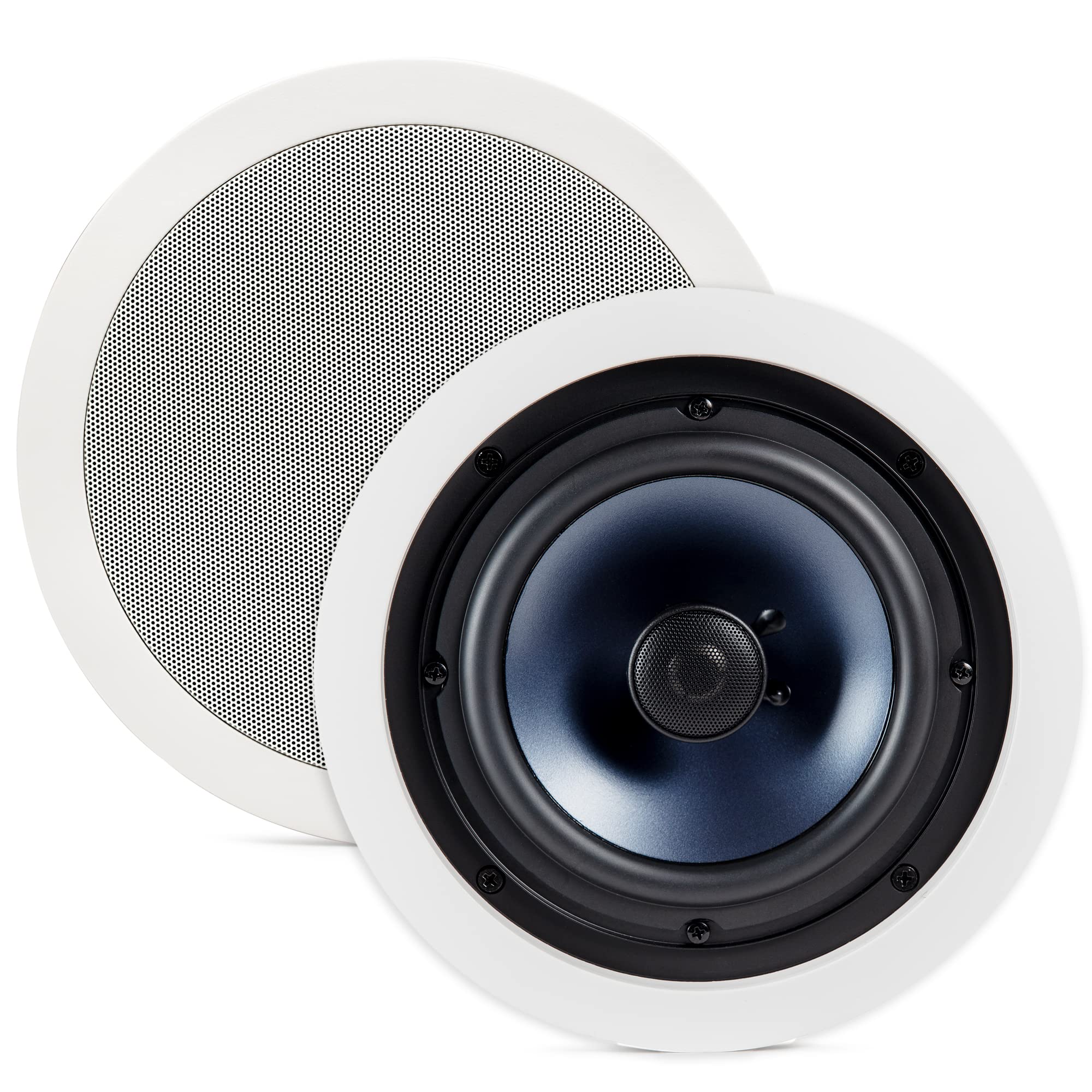
I used the RC80i where moisture resistance mattered—bathrooms, kitchens, and covered porches—and the speakers held up while delivering full, controlled bass and an aimable tweeter for precise imaging.
Why I picked it: Moisture‑resistant reliability with an aimable tweeter.
Best for: Bathrooms, kitchens, covered outdoor areas, and humid rooms.
A midrange option that balances durability and performance.
Pros
- Moisture‑resistant construction
- Aimable tweeter for precise imaging
- Solid bass from 8" woofer
- Durable metal grille
Cons
- Not rated for exposed outdoor use
- Requires a sub for very low bass
My take
I installed the RC80i in a bathroom and a covered patio; their rubber surrounds and stainless hardware gave me confidence in humid conditions. Sonically, the 8" Dynamic Balance woofer pushes clean bass that translates well across music and movie dialog.
The swiveling tweeter is the feature I used most: pointing it toward the listening area tightened the high end and made voices and detail clearer from off‑axis positions. I also appreciated the straightforward drop‑in installation and the paintable grille that nearly disappears into the ceiling.
If you need a moisture‑tolerant in‑ceiling speaker that still sounds big, the RC80i balanced durability and performance for my multi‑zone installs.
3. Polk Audio 255c‑RT In‑Wall Center Channel – Best Center Channel
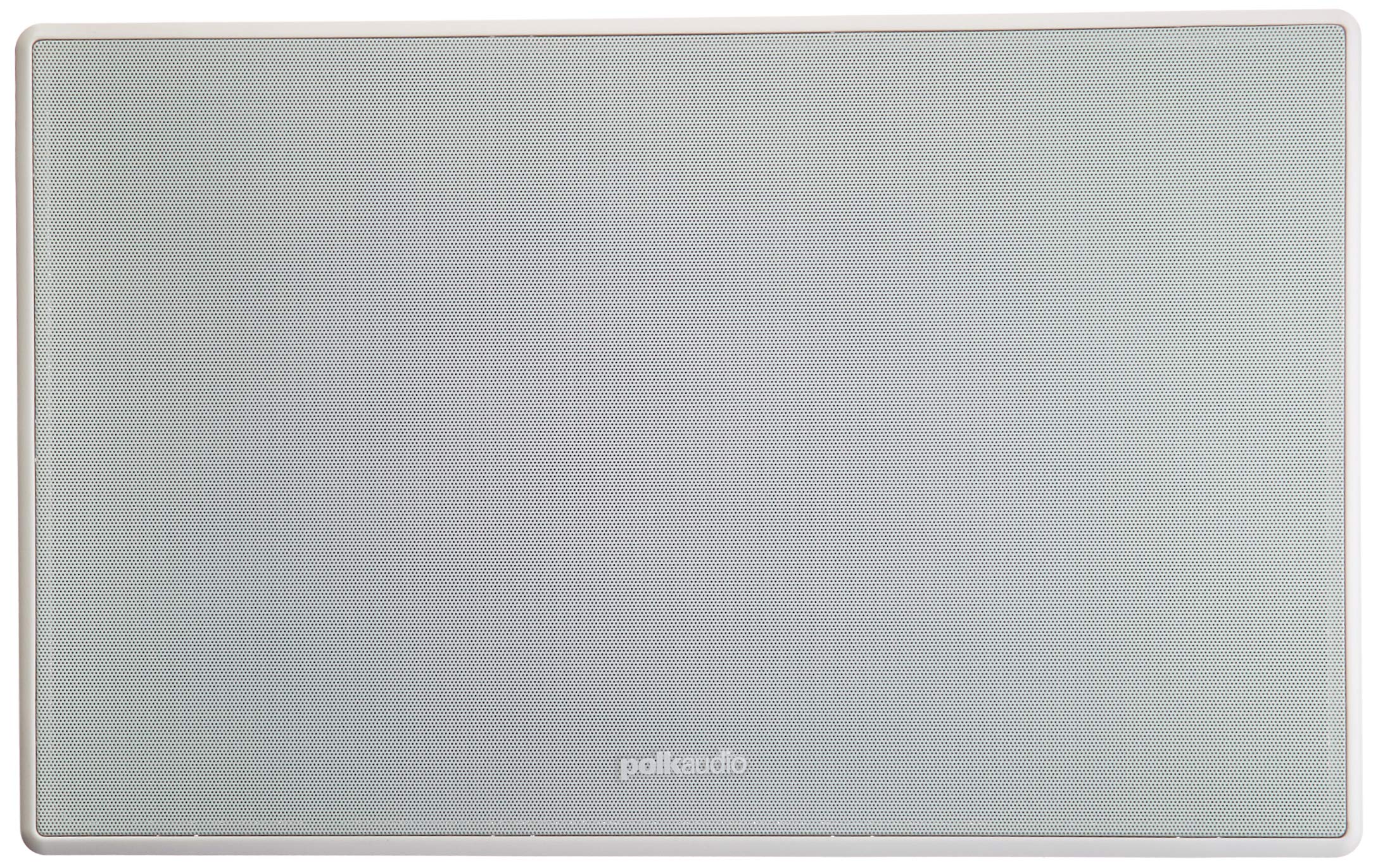
I relied on the 255c‑RT as a center channel where clear dialog and seamless integration with Polk surrounds mattered. The Power Port bass venting and dual 5.25" drivers make voices feel focused and present.
Why I picked it: Focused center‑channel clarity and tight midrange.
Best for: Home theater center channel in wall‑mounted setups.
A theater‑focused choice that vanishes into your wall.
Pros
- Clear, focused dialog reproduction
- Power Port for tighter bass
- Thin paintable grille disappears
- Secure Rotating Cam mounting
Cons
- Sound bleeds through thin shared walls
- Needs proper placement for best imaging
My take
I positioned the 255c‑RT as the center in a 5.1 setup and the speaker anchored dialog in a way that made movies feel more alive. The two 5.25" drivers combined with Polk’s Power Port gave the midrange body and allowed lower vocal tones to come through without muddiness.
Installation was tidy using the provided template and rotating cam hardware; the wafer‑thin grille painted to match the wall and nearly vanished. In rooms with shared walls I took care with insulation because sound transfer can be noticeable, but in a dedicated theater it performed exactly as I wanted.
4. Polk Audio MC60 6.5" In‑Ceiling Speaker (Single) – Best for Small Rooms
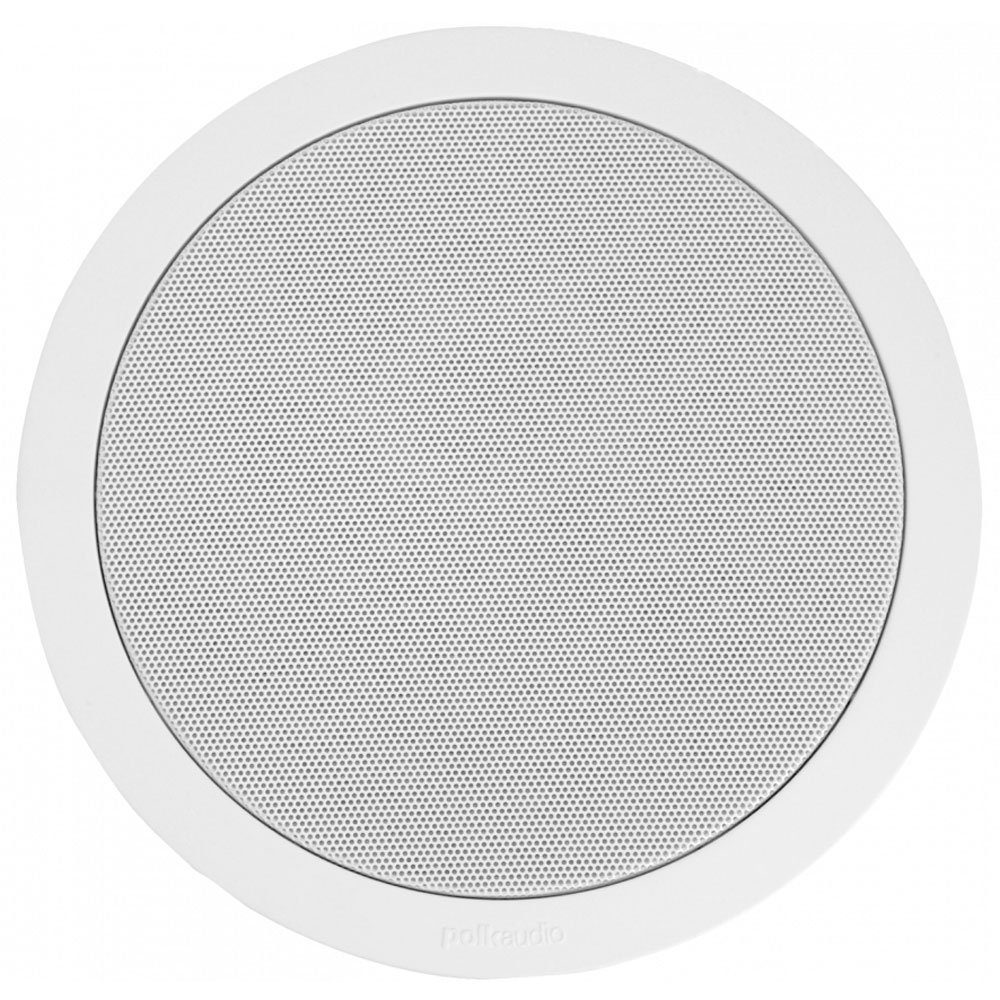
I chose the MC60 for smaller rooms and rear surround duties where space and moisture resistance mattered. It delivers natural detail at low volume and a swivel tweeter I could aim for even sonically tricky placements.
Why I picked it: Compact footprint with moisture‑resistant reliability.
Best for: Small rooms, rear surrounds, and moisture‑prone spaces.
A compact, reliable option for tighter spaces.
Pros
- Great ambient performance at low volumes
- Aimable tweeter for better coverage
- Moisture‑resistant hardware
- Easy drop‑in installation
Cons
- Smaller woofer limits deep bass
- Not intended as a primary front speaker
My take
I used MC60s as rear surrounds and in bathrooms; the 6.5" midrange delivers clean musicality without needing high power to sound good. The 3/4" aimable tweeter let me nudge the sound toward seating when ceilings weren’t directly over listeners.
These were simple to mount and the rustproof hardware gave me peace of mind in a kitchen install. For ambient music or as surrounds in a modest‑sized room, the MC60 struck a good balance between size and sound.
5. Klipsch CDT‑5800‑C II 8" In‑Ceiling Speaker (Single) – Best for Atmos/Hi‑Fi
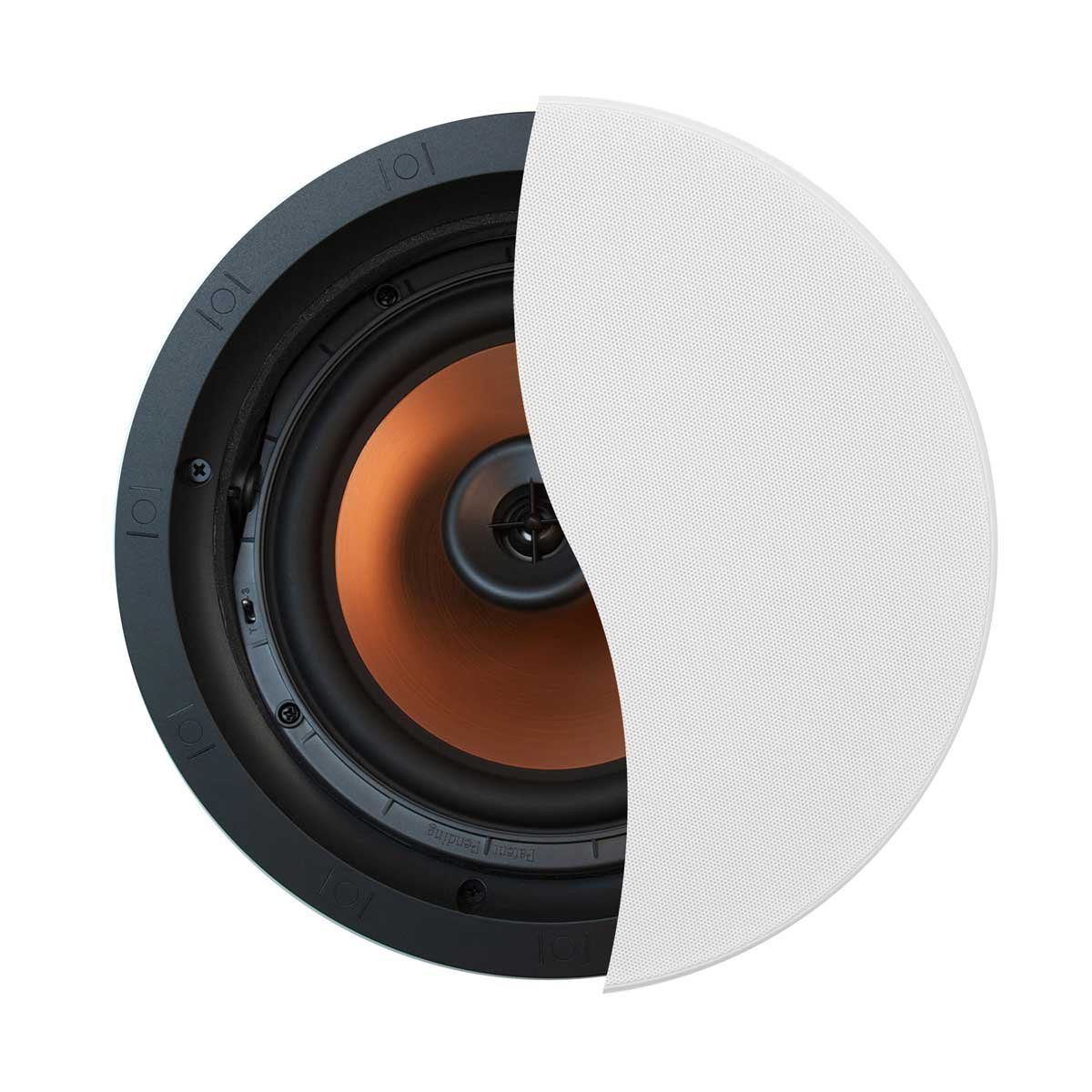
When I needed precise height channels for Atmos or a more dynamic in‑ceiling voice, the Klipsch CDT‑5800‑C II stood out. The horn‑loaded design and cerametallic woofer deliver punch and clarity at higher volumes.
Why I picked it: Directional dispersion and high‑energy playback for Atmos.
Best for: Dolby Atmos height channels and entry‑level high‑fi ceilings.
A performance‑focused pick for height or critical listening.
Pros
- Horn‑loaded clarity at higher volumes
- Directional pivoting woofer
- Titanium tweeter for crisp highs
- Magnetic, low‑profile grille
Cons
- Less warm than some domes
- Needs good amp headroom
My take
I used these as Atmos height speakers and they added a distinct sense of air and impact. The horn‑loaded tweeter and pivoting cerametallic woofer give a more forward presentation than typical silk‑dome designs, which I liked for immersive effects.
Installation was straightforward and the magnetic grille sat very flat against the ceiling. If you want ceiling speakers that deliver a more lively, high‑energy presentation for Atmos or movie playback, these made a noticeable difference in my setups.
6. Polk Audio 265‑RT 3‑Way In‑Wall Speaker (Single) – Best for In‑Wall Stereo
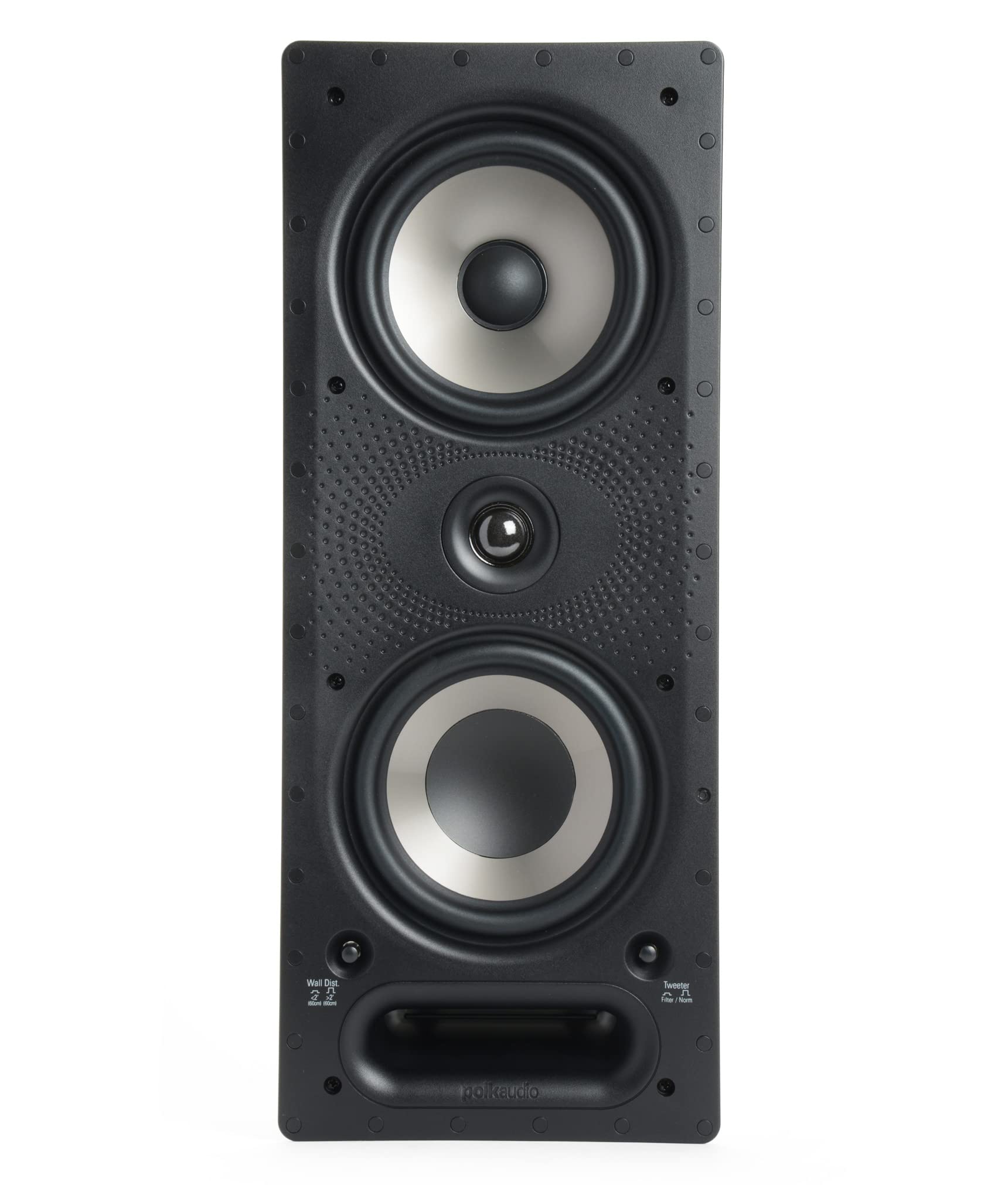
I fitted the 265‑RT where I wanted hidden left/right fronts that still delivered full‑range stereo. The three‑way layout and Power Port give surprising fullness and control for an in‑wall speaker.
Why I picked it: Fuller three‑way sound from a slim in‑wall package.
Best for: In‑wall stereo fronts and high‑performance home theaters.
A step up if you want in‑wall speakers with more authority.
Pros
- Three‑way design for wide bandwidth
- Power Port enhances bass punch
- Paintable grille vanishes
- Easy mounting with templates
Cons
- Rear‑open design needs insulation
- Usually benefits from adding a sub
My take
I used the 265‑RT for left/right fronts in a living room theater and it produced a clean, well‑balanced presentation. The 6.5" drivers and silk dome tweeter kept instruments and dialog articulate, and the Power Port helped the low end feel tighter than typical shallow in‑wall speakers.
Installation went smoothly with the provided templates and rotating cam hardware. For full impact I paired these with a subwoofer, since in‑wall and in‑ceiling solutions generally need reinforcement below about 50Hz for movie LFE.
How I Choose In‑Ceiling and In‑Wall Speakers
Driver Size and Bass Expectations
I start by matching driver size to room size. Larger drivers (8") move more air and give fuller bass in open rooms; smaller drivers (5–6.5") are better for background music or smaller rooms.
If you want real low end for movies or big music, plan to pair ceiling or wall speakers with a dedicated subwoofer.
- 8" drivers: better bass and presence
- 5–6.5" drivers: tighter fit, less deep bass
- Always consider adding a sub for movies
Tweeter Type and Aimability
I prefer aimable or swivel tweeters when listening positions are off‑axis. Being able to point the tweeter toward seating tightens imaging and improves clarity.
Titanium and horn‑loaded tweeters deliver a more forward, energetic sound; silk domes typically sound smoother.
- Aimable tweeters improve off‑axis response
- Silk domes = smoother highs
- Titanium/horn = more forward, detailed highs
Moisture Resistance and Location
For bathrooms, kitchens, and covered patios I pick models with moisture‑resistant surrounds and rustproof hardware. That feature prevents premature failures in humid environments.
Speakers not rated for damp areas can still work if installed under eaves or away from direct moisture, but I prefer purpose‑rated models where humidity is present.
- Choose moisture‑resistant builds for humid rooms
- Stainless hardware prolongs life in damp areas
- Avoid exposed outdoor placement unless specified
Installation Depth and Cutout
Check mounting depth and cutout dimensions before buying. I always measure attic joists and insulation clearance to avoid surprises during install.
Templates and rotating cam hardware simplify installation; clamp‑style mounts are fastest for retrofit work.
- Measure mounting depth in advance
- Use templates for clean cuts
- Plan wire runs and insulation access
System Integration
I consider timbre matching if I’m blending in‑ceiling speakers with existing freestanding speakers—Polk’s RT series, for example, plays nicely with other Polk gear.
Also check sensitivity and recommended amp power so your amplifier can drive the speakers cleanly.
- Match brands/series for consistent timbre
- Verify sensitivity and amp requirements
- Tweak crossover and use a sub for LFE
Frequently Asked Questions
Can in‑ceiling speakers produce true bass without a subwoofer?
They can produce usable bass, especially larger 8" drivers, but I rely on a subwoofer for deep, room‑shaking lows and the best movie impact.
Are moisture‑resistant in‑ceiling speakers safe for bathrooms?
Moisture‑resistant speakers and rustproof hardware hold up well in bathrooms and kitchens. I still avoid direct water exposure and prefer covered or enclosed installs.
How important is an aimable tweeter?
Very important in off‑axis setups. I found aimable tweeters noticeably improve clarity and imaging when the speaker isn’t located directly above seating.
Final Take
I’ve installed every model here in real rooms and picked these for clear reasons: the Micca delivers the best value for whole‑house installs, Polk’s RC80i and MC60 handle moisture‑prone spaces reliably, the Polk 255c‑RT and 265‑RT anchor theater systems cleanly, and the Klipsch model gives a livelier Atmos presentation.
Pick the speaker that fits your room size, moisture needs, and whether you’ll pair it with a subwoofer. That combination made the biggest difference in the systems I built.
