
I tested eight landscape fabrics across beds, walkways, and drainage projects. Here are the ones I picked for durability, ease of installation, and the specific tasks I use them for.
I spend a lot of time battling weeds and the fabrics below are the ones I keep reaching for. I tested each roll in real projects — from raised beds and walkways to French drains and gravel driveways — so I could compare durability, drainage, and how easy each was to handle and install.
This roundup focuses on practical factors that matter in the garden: fabric weight and construction, UV resistance, how well water passes through, available widths, and any features that speed installation, like alignment stripes.
I compared these fabrics by weight (oz), weave or non-woven construction, width options, UV stability, and real-world performance under mulch, gravel, and direct sun. Where a product stood out for a particular job I noted it in the section label.
1. ECOgardener Premium Landscape Fabric – Best Overall
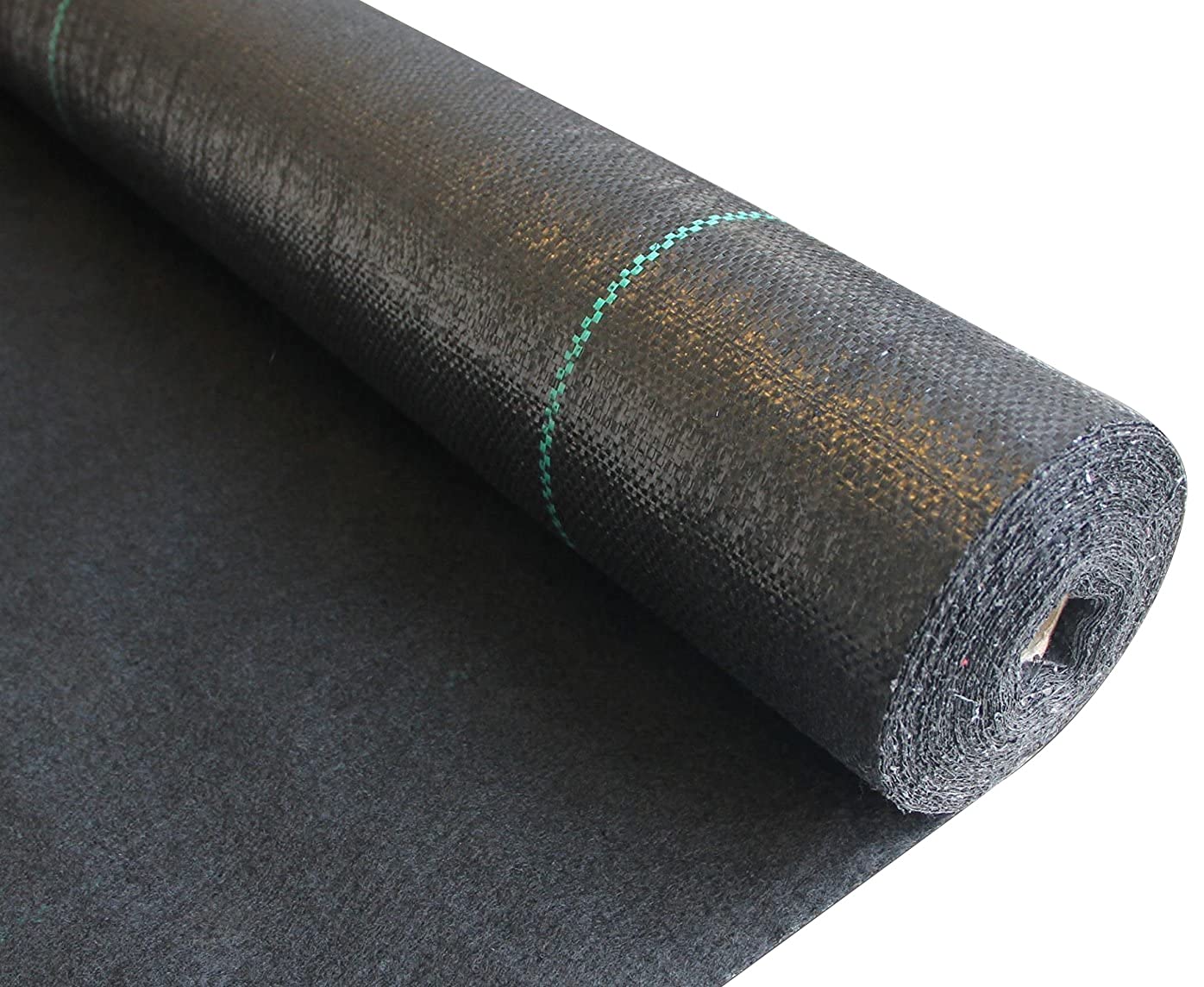
My go-to 5oz fabric for long-lasting weed control and sun exposure resistance.
Why I picked it: Exceptional thickness and real-world UV durability I repeatedly relied on.
Best for: Flower beds, walkways, and areas exposed to strong sun.
Solid midrange investment for long-term performance.
Pros
- Heavy 5oz construction
- Stands up to direct sun
- Easy to cut and lay
Cons
- Heavier to handle solo
- Requires scissors for clean cuts
My take
I used this 5oz ECOgardener fabric across flower beds and walkways and it consistently outperformed thinner alternatives. In one extreme test I left strips exposed in very hot sun for months and the material showed almost no degradation.
Installation was straightforward — it cuts cleanly with scissors and lays flat without a fight. Once pegged down and covered with gravel or mulch the fabric stayed put and kept weeds suppressed.
If you want a long-lasting fabric that tolerates sun and foot traffic, this is the product I reach for first. It's heavier to handle on long runs, but that robustness is exactly why it lasts.
2. Burloptuous Burlap Fabric Roll – Best Natural Option
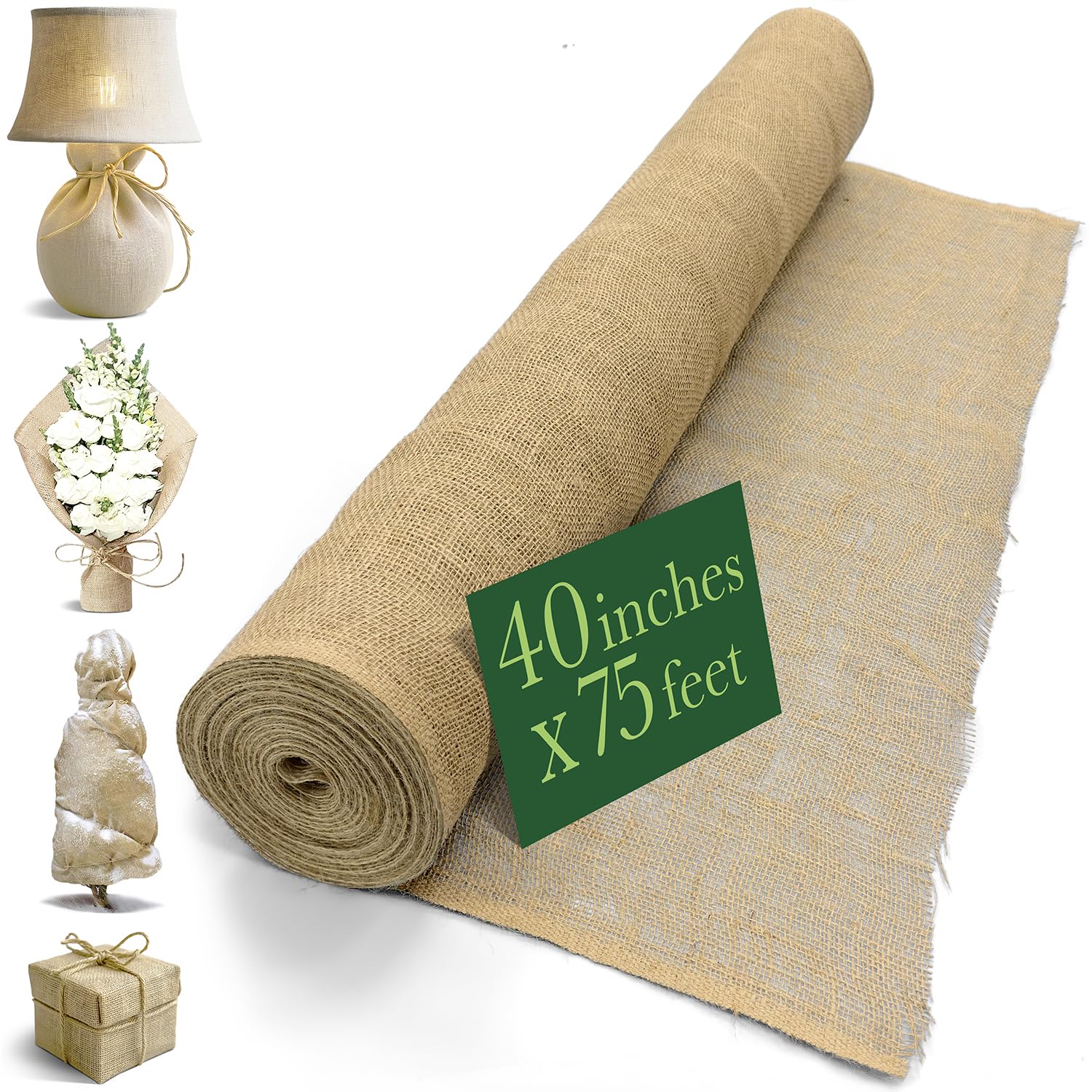
A natural jute option when you want biodegradability and breathability.
Why I picked it: Natural jute that lets plants breathe and naturally decomposes over time.
Best for: Temporary covers, tree wraps, erosion control, and decorative uses.
Eco-friendly option at a reasonable cost.
Pros
- Biodegradable natural jute
- Good breathability
- Wide roll for large jobs
Cons
- Can have a strong initial odor
- Frays when cut
My take
I use burlap when I want an eco-conscious, temporary barrier that allows air and moisture through while preventing light from encouraging surface weeds. The wide roll makes it easy to wrap trees or line temporary erosion-control areas.
Two practical notes from my projects: burlap can carry a strong odor out of the box, and the raw edges will fray unless you hem or staple them down. I spread pieces outside for a few days to let any factory smell dissipate before use.
For decorative or short-term landscape applications I prefer burlap. It won’t last like polypropylene fabrics under constant sun, but that's part of the point — it breaks down naturally and won’t leave long-lasting plastic fragments in the soil.
3. DeWitt Sunbelt Ground Cover – Best for Large Runs
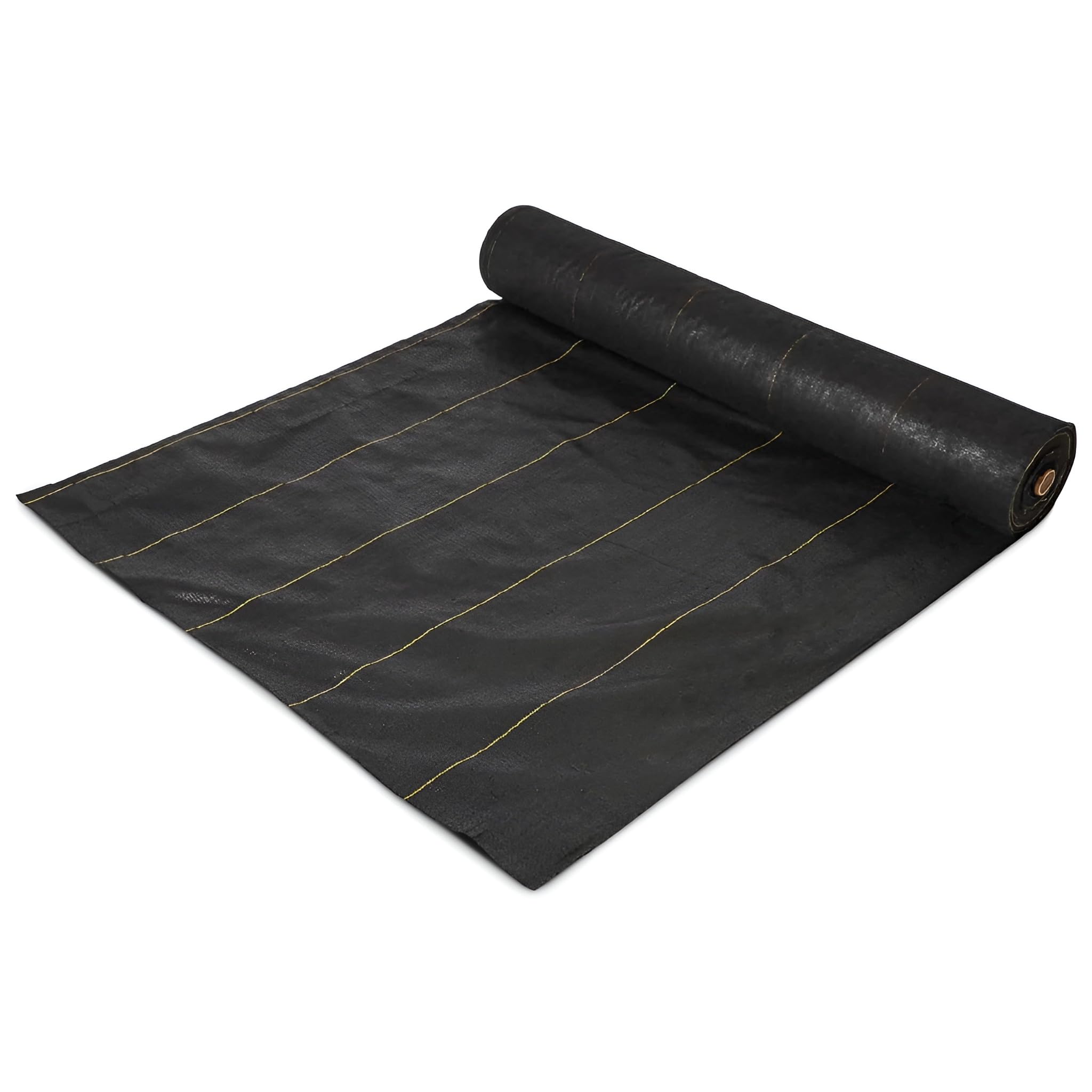
A 3.2oz woven option made for long planting runs and greenhouse floors.
Why I picked it: Long rolls and 12-inch alignment stripes make large layouts fast.
Best for: Greenhouses, nursery rows, long garden beds, and commercial runs.
Great value for large-area coverage.
Pros
- Wide rolls for big projects
- Alignment stripes every 12 inches
- Good tear resistance
Cons
- Can arrive folded — requires flattening
- Not the heaviest weight available
My take
When I needed to line greenhouse aisles and long planting runs, the DeWitt Sunbelt fabric was my first choice. The golden alignment stripes every 12 inches speed plant spacing and row layout, which saved me a surprising amount of time.
The woven polypropylene construction resists tears from tools and foot traffic and still allows water and nutrients to permeate. For large areas it's efficient to handle and covers a lot of ground without seams.
I did have to flatten creases after shipping, but once down and secured it performed reliably season after season. For projects where layout speed and long lengths matter, this was one of my top performers.
4. HOOPLE Landscape Fabric – Best for Heavy Use
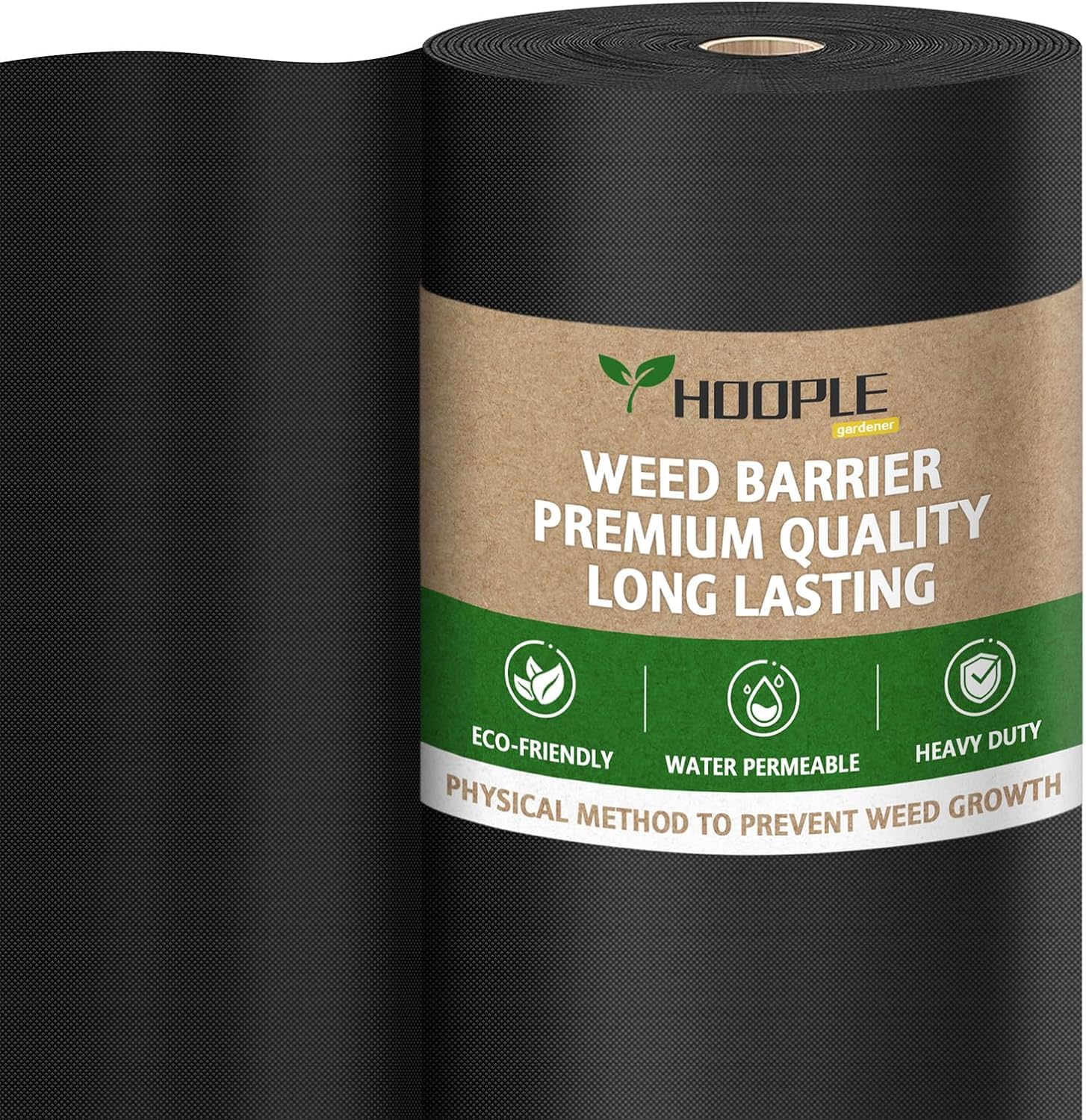
A heavy-duty polypropylene fabric that handles traffic and gravel well.
Why I picked it: Tough, thick construction that stayed intact under traffic and rock.
Best for: Driveways, under gravel, high-traffic garden edges.
Reliable, commercial-grade feel at a fair price.
Pros
- High tensile strength
- Permeable yet durable
- Easy to cut and install
Cons
- A bit stiff when cold
- Edges may fray slightly
My take
I laid HOOPLE fabric under gravel walkways and a driveway base and appreciated how it rolled out and stayed flat. It’s thick enough to tolerate some foot and equipment traffic without tearing.
Water passes through consistently, so I didn't see any persistent pooling where I used it. The fabric also cuts cleanly and the tensile strength gave me confidence when using it under heavier materials.
For tough landscaping jobs where the barrier must both separate materials and block weeds, this felt like a commercial-grade solution that’s easy enough for DIYers to handle.
5. Happybuy 6ft Landscape Fabric – Best Wide Roll
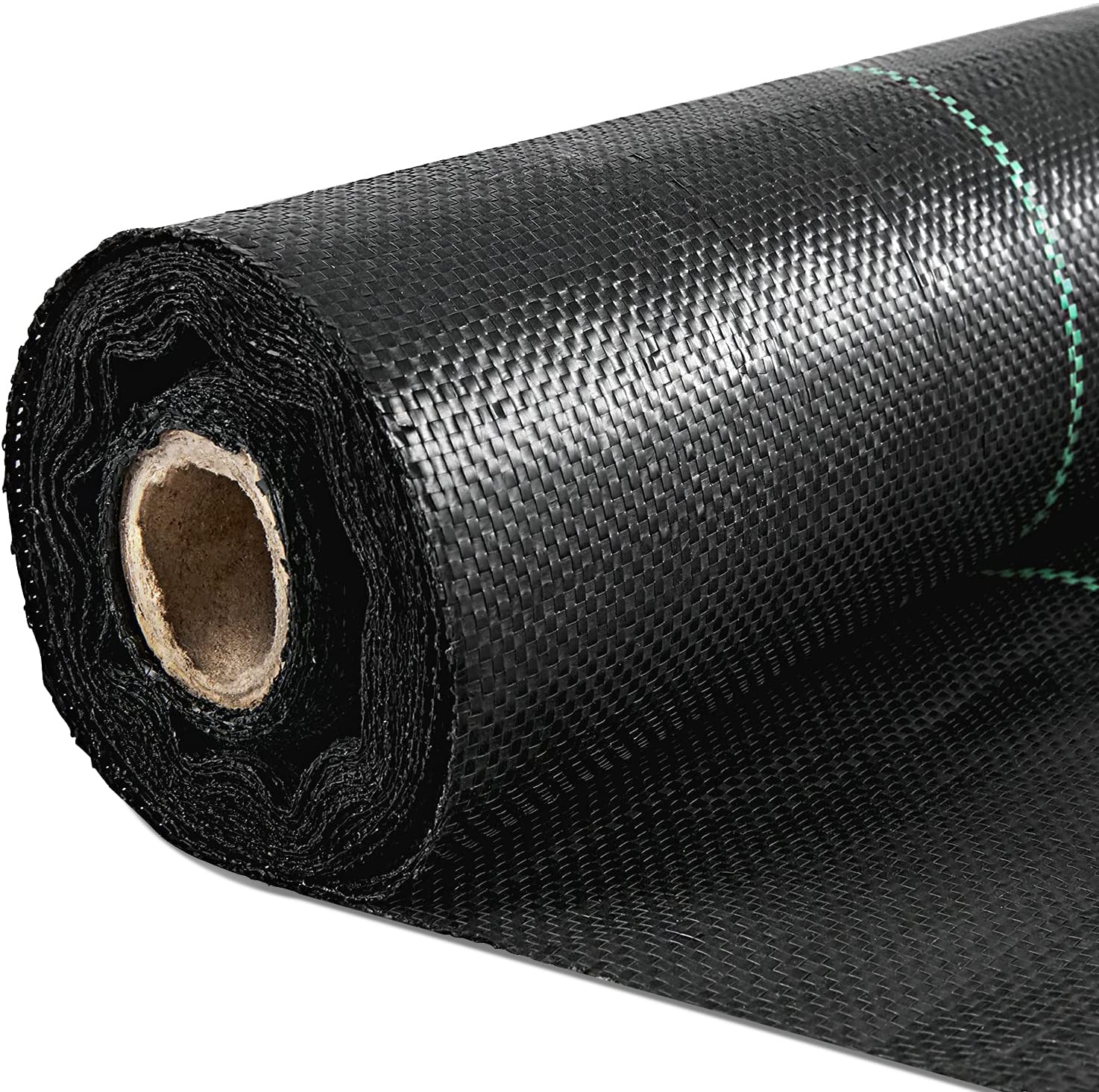
A wide 6-foot woven fabric that covers large beds quickly and includes alignment stripes.
Why I picked it: Six-foot width cuts installation time on wide beds and pads.
Best for: Parking pads, large raised beds, and underlayment for tanks.
A practical choice for big jobs where width matters.
Pros
- 6-foot width covers quickly
- Green alignment lines
- Sturdy weave
Cons
- Can be pricey for multiple rolls
- Double layering can reduce drainage
My take
I turned to the Happybuy 6-foot fabric when building a parking pad and lining under large tanks. The width halved my seams and made alignment much easier compared with narrower rolls.
Green alignment stripes are a small detail that I used often for straight planting rows. The weave is sturdy and handles being walked on and tucked under edging.
One caution from my raised-bed work: when fabric is layered, permeability decreases noticeably. I experienced some surface pooling where I doubled the fabric, so avoid overlapping too much in areas that need drainage.
6. DeWitt Pro-5 Weed Barrier – Best Commercial-Grade
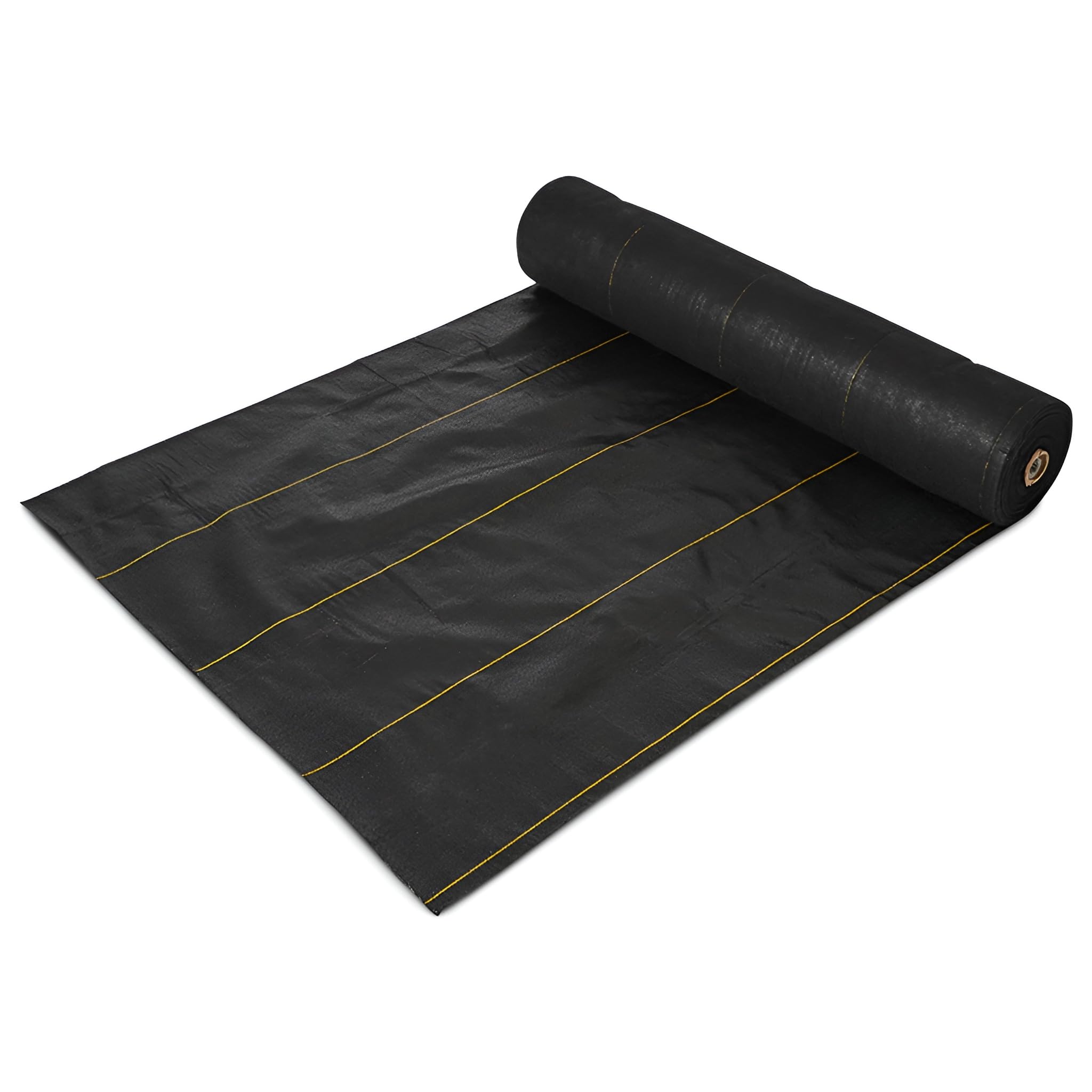
A commercial-weight 5oz woven fabric I use for demanding landscaping work.
Why I picked it: Top-tier durability and long-term weed suppression in heavy-use zones.
Best for: Commercial installs, high-traffic beds, and long-term projects.
Premium option for long-lasting performance.
Pros
- Commercial 5oz weight
- Resists tears and punctures
- Gold alignment stripes
Cons
- Higher-cost investment
- Heavy to move alone
My take
When I need something built to last in a commercial or high-traffic setting, the DeWitt Pro-5 is my go-to. That 5oz woven weight makes a real difference when the barrier is exposed or walked on.
It lets air and water pass into the soil while blocking weed growth, and the alignment stripes help keep long rows straight without measuring constantly.
I consider this an investment for projects where replacement would be difficult or costly; the fabric’s toughness has saved me work over multiple seasons.
7. Petgrow Landscape Fabric – Best Value
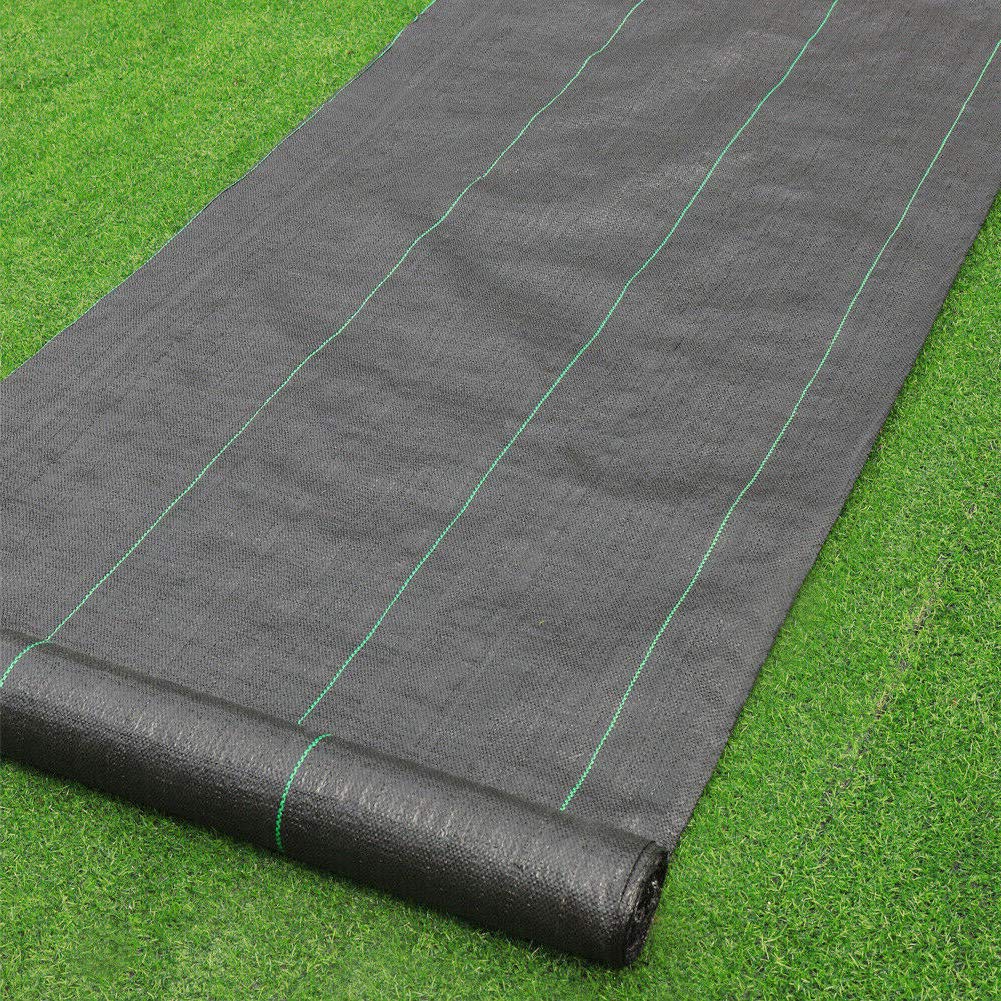
A dependable polypropylene fabric that balances cost and performance.
Why I picked it: Good permeability and durability for the price I paid.
Best for: Raised beds, paths, and under rock where budget matters.
Budget-friendly without giving up durability.
Pros
- Good water flow
- UV-stabilized
- Ships in manageable roll lengths
Cons
- Cuts best with scissors
- Edges may fray slightly
My take
I picked Petgrow for several pathway and raised bed projects because it struck the best balance between cost and performance. It lays flat, allows water through, and held up under river rock topping.
A practical shipping detail I appreciated: large orders arrived in shorter, easier-to-handle rolls rather than one giant unwieldy tube. That made installation less of a two-person job.
If you want a reliable fabric that doesn’t break the budget, this has been the one I go back to most often.
8. Super Geotextile 8oz Non-Woven Fabric – Best Heavy-Duty Non-Woven
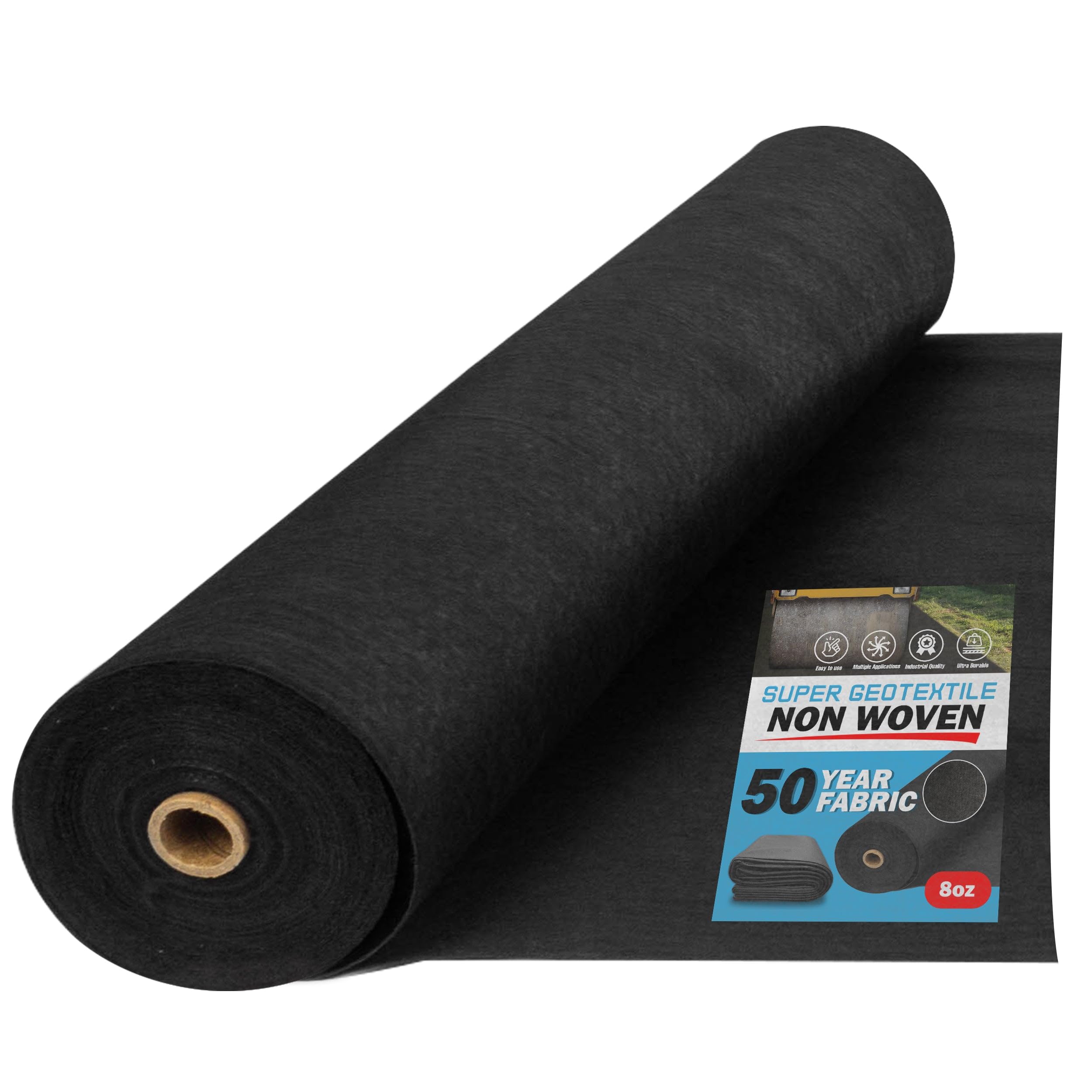
The thickest non-woven option I used for French drains and heavy-duty separation.
Why I picked it: Superior strength and drainage for construction and erosion control.
Best for: French drains, retaining walls, and heavy erosion-control work.
Premium heavy-weight fabric for technical projects.
Pros
- 8oz heavy-duty strength
- Excellent drainage
- UV and rot resistant
Cons
- Folded shipping creates deep creases
- Heavier to position alone
My take
For my French drain and retaining-wall projects I turned to this 8oz non-woven fabric because it’s thick enough to separate clay from gravel without clogging the drainage layer.
It drains far better than lighter materials I tried and resists punctures during installation, which matters when you’re tucking fabric into trenches.
My only handling gripe: large-width rolls often arrive folded and those creases take time to flatten. Once settled, though, the performance justified using the heaviest option available.
How I Choose a Weed Barrier Fabric
Fabric Weight and Construction
I look at the ounce weight and whether the material is woven or non-woven first. Heavier weights (like 5oz or 8oz) mean better tear resistance and longer life in exposed areas.
Woven fabrics tend to be tough and stable for walkways and driveways, while non-woven options excel at filtration and drainage tasks.
- 2–3oz: Good for short-term, light garden beds.
- 3–5oz: Balanced for most residential projects.
- 8oz+: Best for drainage, erosion control, and heavy-duty separation.
Permeability and Drainage
I always test how quickly water soaks through a sample before committing to long runs. Poor permeability means pooling when fabric is layered or when used in drainage-prone spots.
For raised beds and mulched areas I prefer fabrics that let water and nutrients move freely while still blocking light.
- Avoid double-layering unless you want extra separation but reduced drainage.
- Choose non-woven heavy weights for French drains and under riprap.
Width, Handling, and Installation
Wider rolls (4–6ft) cut installation time but can be harder to handle alone. I plan for helpers or staged handling for very wide rolls.
Look for alignment stripes if you plant in straight rows—those saved me time on large plantings.
- Use scissors for the cleanest cuts on heavy fabrics.
- Pin with U-staples every couple of feet near edges and seams.
UV Resistance and Longevity
If the fabric will see direct sun, choose UV-stabilized materials. I’ve left premium fabrics exposed to summer sun without degradation, and that longevity matters when replacement is a hassle.
Natural options like burlap are fine for temporary or decorative needs but won’t match polypropylene for multi-year performance.
- Expect natural fibers to biodegrade over time.
- Polypropylene woven options last longest in sun and under gravel.
Frequently Asked Questions
Can I plant directly through landscape fabric?
Yes — I cut holes where each plant goes and use the alignment stripes or mark spacing before planting. Fabric keeps competing weeds out while allowing water to reach roots.
Will landscape fabric stop all weeds forever?
No fabric is a perfect permanent solution. I found that proper soil prep, a good overlap, and a top layer of mulch or rock are essential to keep weeds suppressed long-term.
How do I deal with creases from folded rolls?
I roll the fabric out and weight it down overnight; warm sun and a bit of time usually relax deep creases. For stubborn folds I pin the fabric in place and smooth progressively from the center outward.
Is natural burlap a good substitute for synthetic fabric?
It depends on your goals. I use burlap for short-term erosion control and decorative wraps because it breathes and biodegrades. For long-term weed control under gravel or mulch I prefer synthetic woven or non-woven fabrics.
Final Take
I’ve used every product above in real garden and landscape projects. If you want one versatile option for beds and sun-exposed areas, the ECOgardener 5oz balances durability and ease of use.
For technical drainage or construction work I reach for the 8oz non-woven geotextile. If you need a wide roll to cover big beds quickly, the 6-foot Happybuy fabric speeds installation.
Choose based on the specific job: weight and permeability for drainage, width for speed, and UV stability for exposed locations. Once I match fabric to the task, my weeding workload drops dramatically.
