
I tested a range of wine openers—from classic waiter's keys to an electric set—and kept the ones that actually made uncorking fast, clean, and repeatable. Here are my picks for everyday use, gift ideas, and countertop go
I keep a small arsenal of openers in my kitchen because different bottles and situations call for different tools. Over dozens of bottles I looked for tools that made uncorking predictable, avoided cork crumbs, and fit how I host.
In this roundup I stayed practical: compact waiter's keys for travel and service, a heavy-duty winged opener for home convenience, a playful novelty piece for parties, and a cordless opener for hands-free ease. I explain when each makes sense so you can match the tool to the job.
I focused on feel, leverage, and consistency. If you want speed with minimal effort get the electric set; if you want control and pocketability choose a waiter's key; if you entertain a lot, a wing corkscrew is a straightforward, comfortable option.
1. HiCoup Waiter's Corkscrew (Pakka Wood) – Best Overall
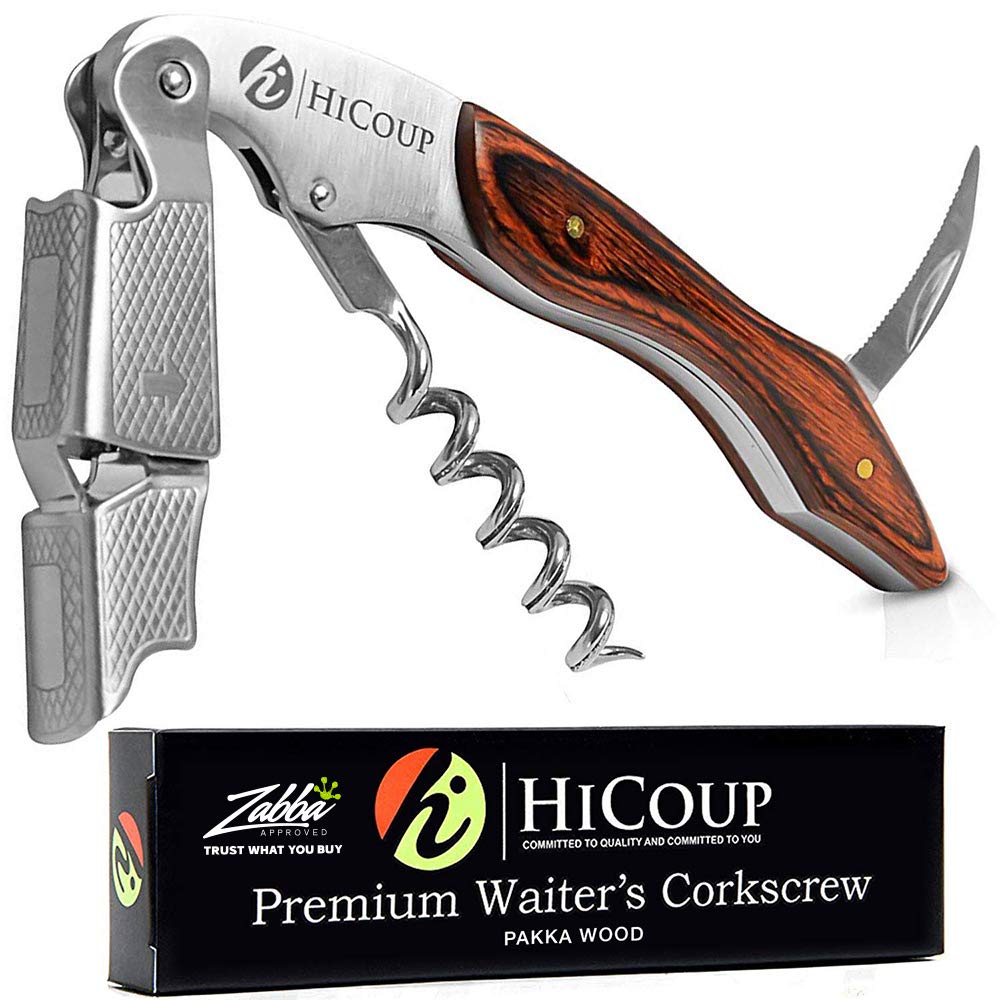
A classic double-hinged waiter’s key with a wooden handle that balances comfort and leverage for consistent, low-effort uncorking.
Why I picked it: Sturdy wooden handle and double-hinged fulcrum deliver reliable leverage and good hand feel.
Best for: Everyday uncorking and servers who need a compact, professional tool.
Affordable, good value for a long-lasting waiter’s key.
Pros
- Comfortable Pakka wood handle
- Double-hinged lever for smooth extraction
- Built-in serrated foil cutter
- Durable stainless steel construction
Cons
- Can feel stiff out of the box
- Not as flashy as premium models
My take
I reach for this HiCoup key when I want the classic waiter's workflow: the wood handle sits well in my palm, and the double hinge gives me two clean stages of leverage so I rarely wrestle with a stubborn cork.
The stainless steel worm cuts in straight and the serrated foil cutter removes capsules without tearing. It was a bit stiff the first few times I used it, but it loosened and now opens every bottle I’ve put to it without crumbling the cork.
For the money it feels like a step up from the freebie keys I used to keep in a drawer—more heft, no sharp rough edges, and reliable mechanics that make uncorking predictable.
2. Beneno Zinc-Alloy Wing Corkscrew – Best Wing Corkscrew
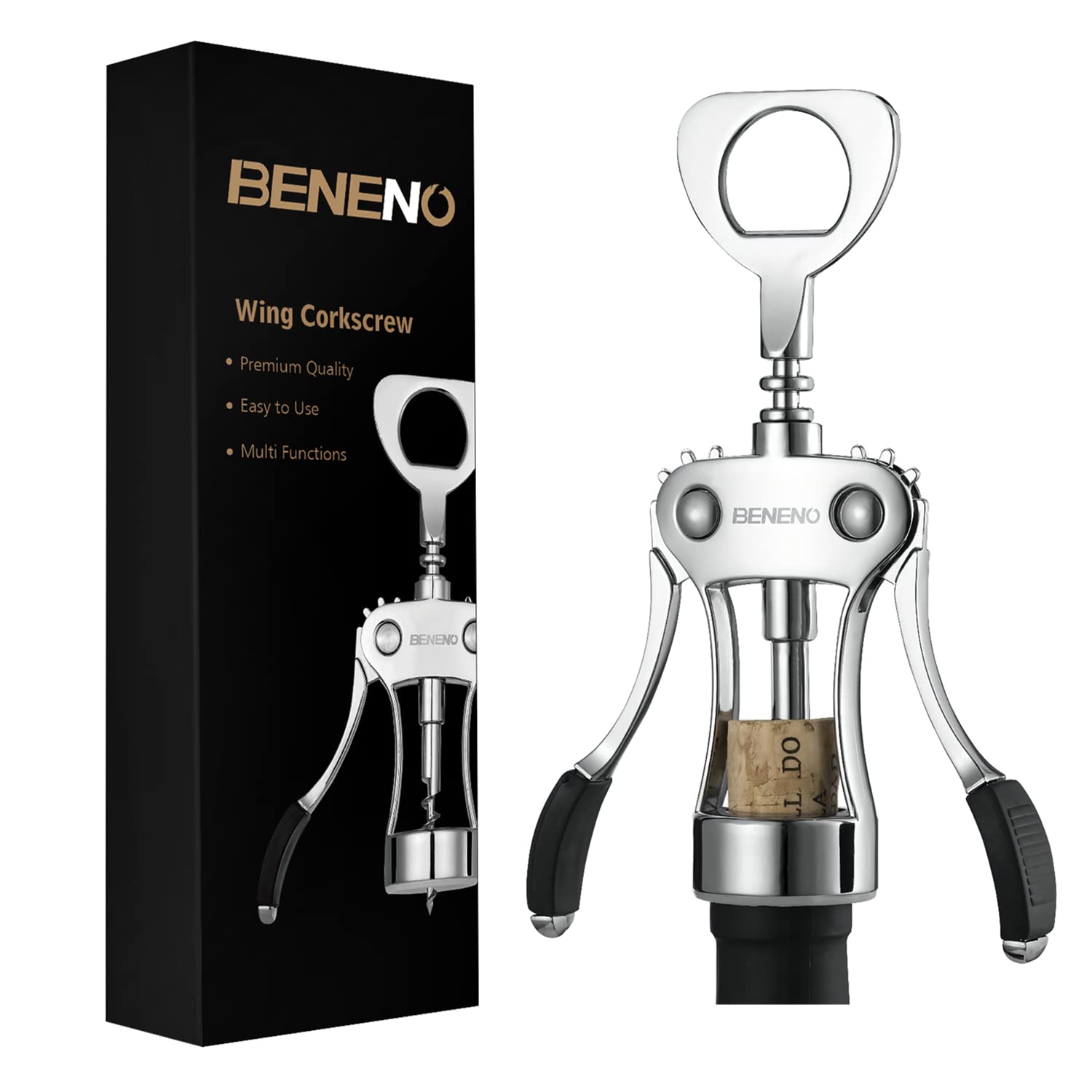
A heavy-duty wing-style opener built from zinc alloy with mechanical gearing that keeps the screw centered and reduces cork breakage.
Why I picked it: Solid zinc-alloy build and centered screw action for smooth, hands-on leverage.
Best for: Home hosts who want a simple, dependable wing opener.
A midrange option with a premium feel.
Pros
- Robust zinc alloy construction
- Centered screw prevents slippage
- Built-in bottle opener
- Sharp screw reduces cork crumbling
Cons
- Bulkier than a waiter's key
- Requires two-handed operation
My take
I used the Beneno wing corkscrew for several bottles and appreciated how solid it feels in the hand. The zinc-alloy body resists corrosion and the wings give a reassuring mechanical advantage—no awkward twisting to finish the pull.
The screw stays centered while I drive it in, which is exactly what I want when I'm opening older or fragile corks. The built-in bottle opener is handy for beer or capped bottles when I'm multitasking at a party.
If you prefer a one-motion, comfortable pull without learning hinge technique, this is the kind of tool I keep on the home bar.
3. Chef Craft Waiter's Corkscrew (5-inch) – Best Budget
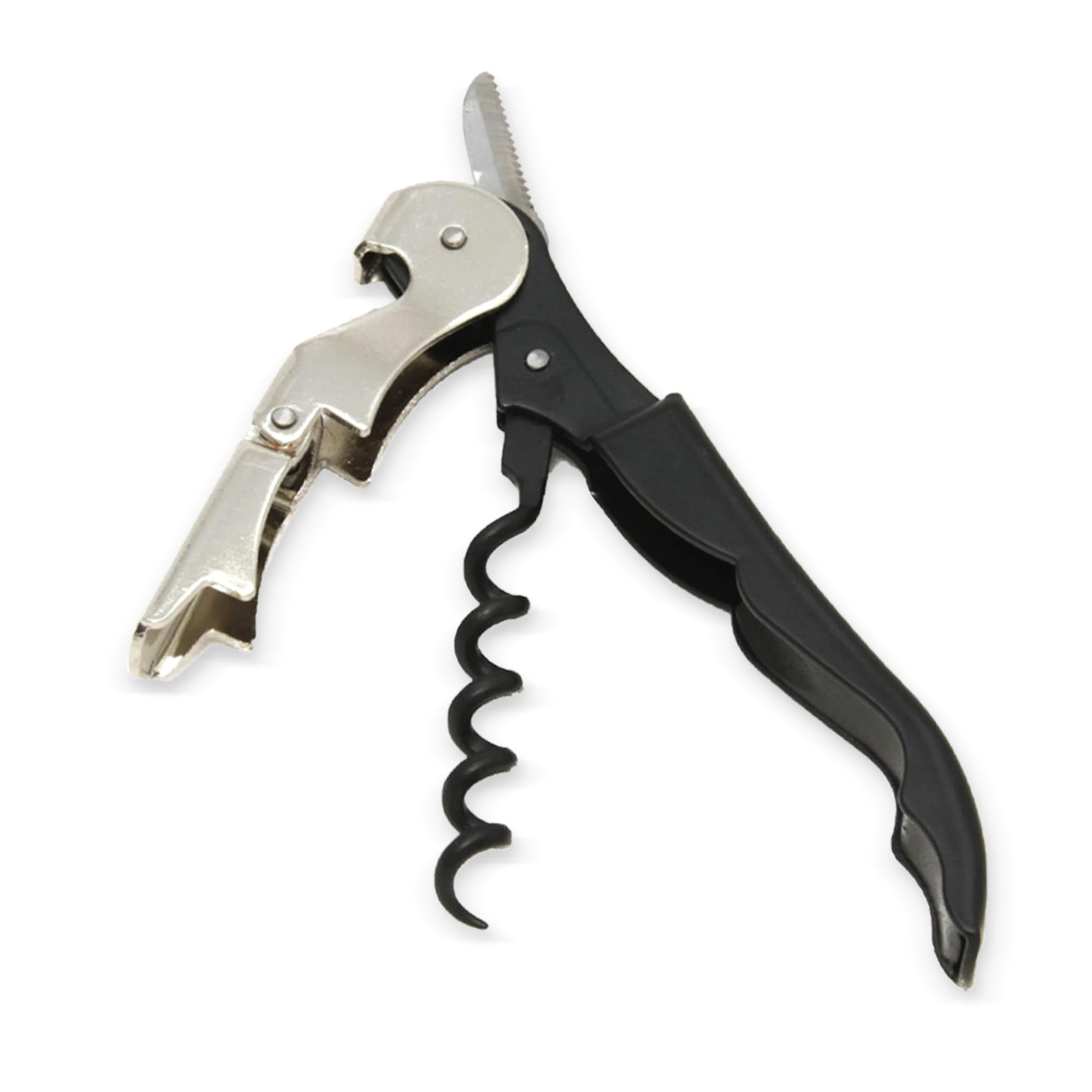
A compact, no-frills waiter's corkscrew with a two-step lifter and foil cutter—small enough for a pocket or apron.
Why I picked it: Lightweight, compact, and does the essentials very well for minimal cost.
Best for: Casual wine drinkers and travel kits where pocketability matters.
Extremely budget-friendly and practical.
Pros
- Compact 5-inch size
- Two-stage cork lifter
- Built-in foil cutter
- Dishwasher-safe top rack
Cons
- Smaller handle for big hands
- Less substantial feel than metal keys
My take
I keep this Chef Craft key in my picnic bag because it disappears in a pocket yet still gives me the two-step leverage I need to avoid cork breakage.
The screw is sharp and the serrated foil cutter is genuinely useful for clean capsule removal. For quick outings or travel this is my go-to backup when I don’t want to carry a bulkier waiter’s key.
It won’t replace a premium server’s tool, but it performs every basic task with very little fuss and a minimal footprint.
4. OTOTO Vino Bat Corkscrew & Bottle Opener – Best Novelty
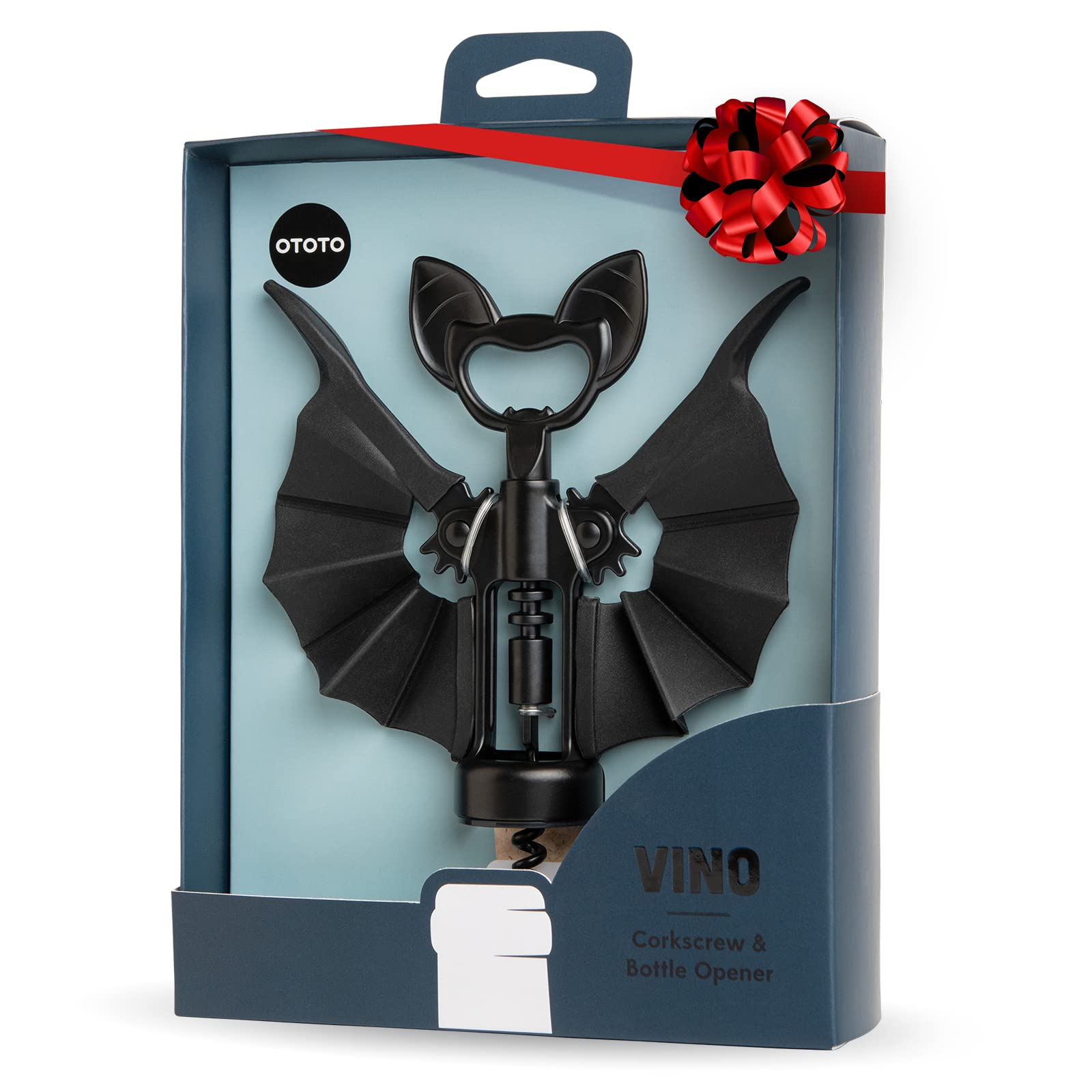
A playful bat-shaped corkscrew that actually works—silicone wings and metal parts combine novelty with function.
Why I picked it: Fun design that doubles as a functional corkscrew and bottle opener.
Best for: Seasonal parties, gift shelves, and conversation-starting barware.
A bit more for style and novelty than a plain key.
Pros
- Distinctive, playful design
- Wings act as lever for cork removal
- BPA-free silicone and metal
- Dishwasher-safe parts
Cons
- Can be finicky with very tight corks
- Rubbery wings may feel different
My take
I bought the Vino Bat because I wanted something with personality on the bar cart. It does what it promises: the wings lift as you twist and the bat head doubles as a bottle opener for caps.
On most bottles it popped corks cleanly and drew a few smiles from guests. Full disclosure—on a couple of stubborn bottles it felt harder to work than a traditional key, so I keep a standard opener nearby for those tougher caps.
If you want a functional novelty that earns its place, this is the piece I recommend. It’s more about charm than professional speed, but it holds up if you treat it as a fun, usable gadget.
5. True Truetap Double-Hinged Waiter's Corkscrew (Matte Black) – Best for Hosts
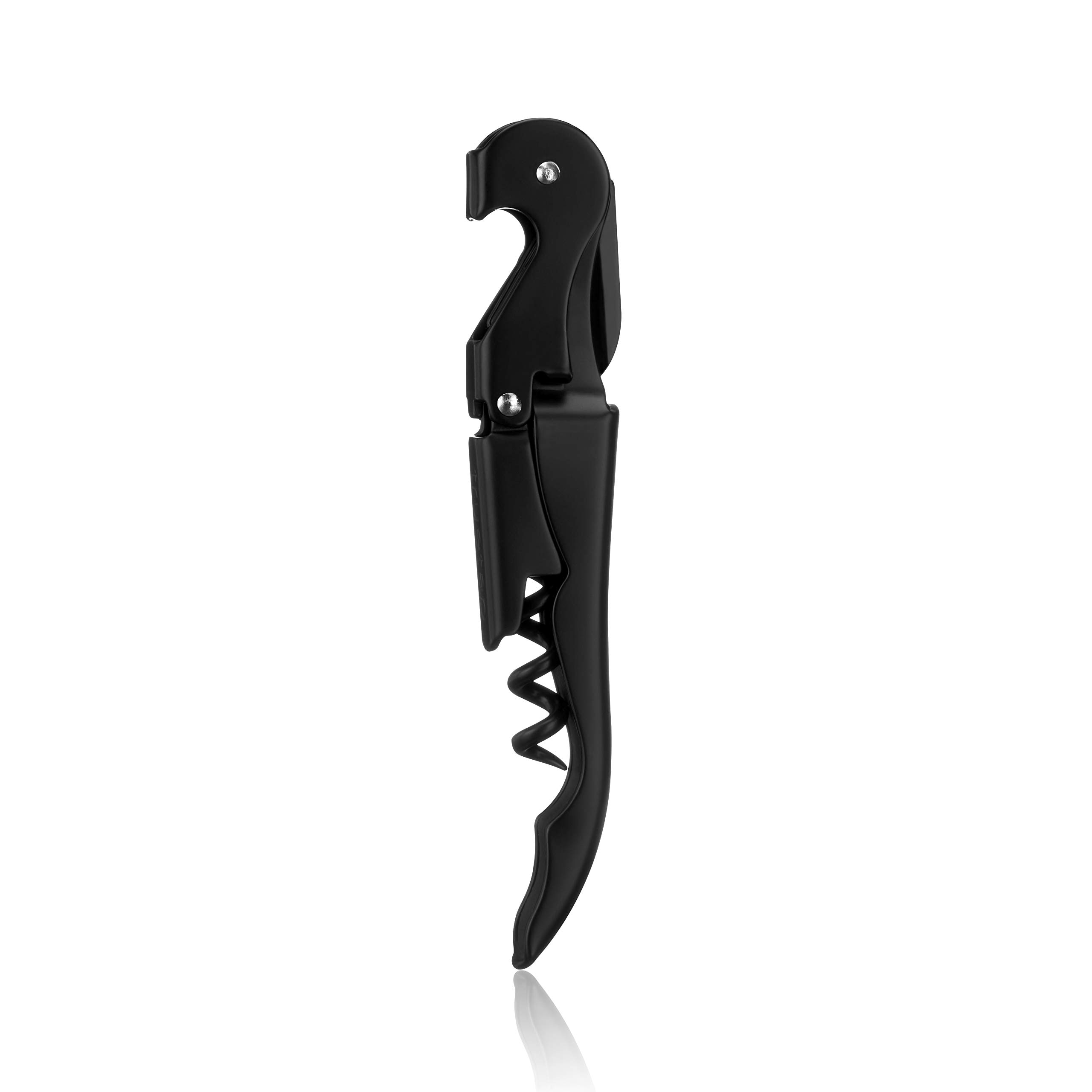
A hospitality-style double-hinged waiter’s key with a flat blade foil cutter, compact profile, and a refined matte finish.
Why I picked it: Professional double hinge action plus a compact, stylish package for frequent hosting.
Best for: People who open many bottles and value speed and compactness.
Well-priced for a durable, service-grade corkscrew.
Pros
- Reliable double-hinged leverage
- Flat blade foil cutter
- Compact, service-ready design
- Good heft and durability
Cons
- Matte finish can scratch
- Plastic/metal mix less premium-feeling
My take
This True Truetap key is the tool I pull out for dinner parties and quick cellar tastings. The double hinge makes removing even firm corks feel straightforward and fast.
I appreciated the weight and how the worm glides through corks. The matte black finish looks great on the bar cart, though I did notice surface scratches over time—functionally it stayed solid, but the finish shows wear.
If you’ve got a sequence of bottles to open, this tool saves time while staying pocketable when service calls for it.
6. Cordless Electric Wine Opener with Charging Base – Best Electric
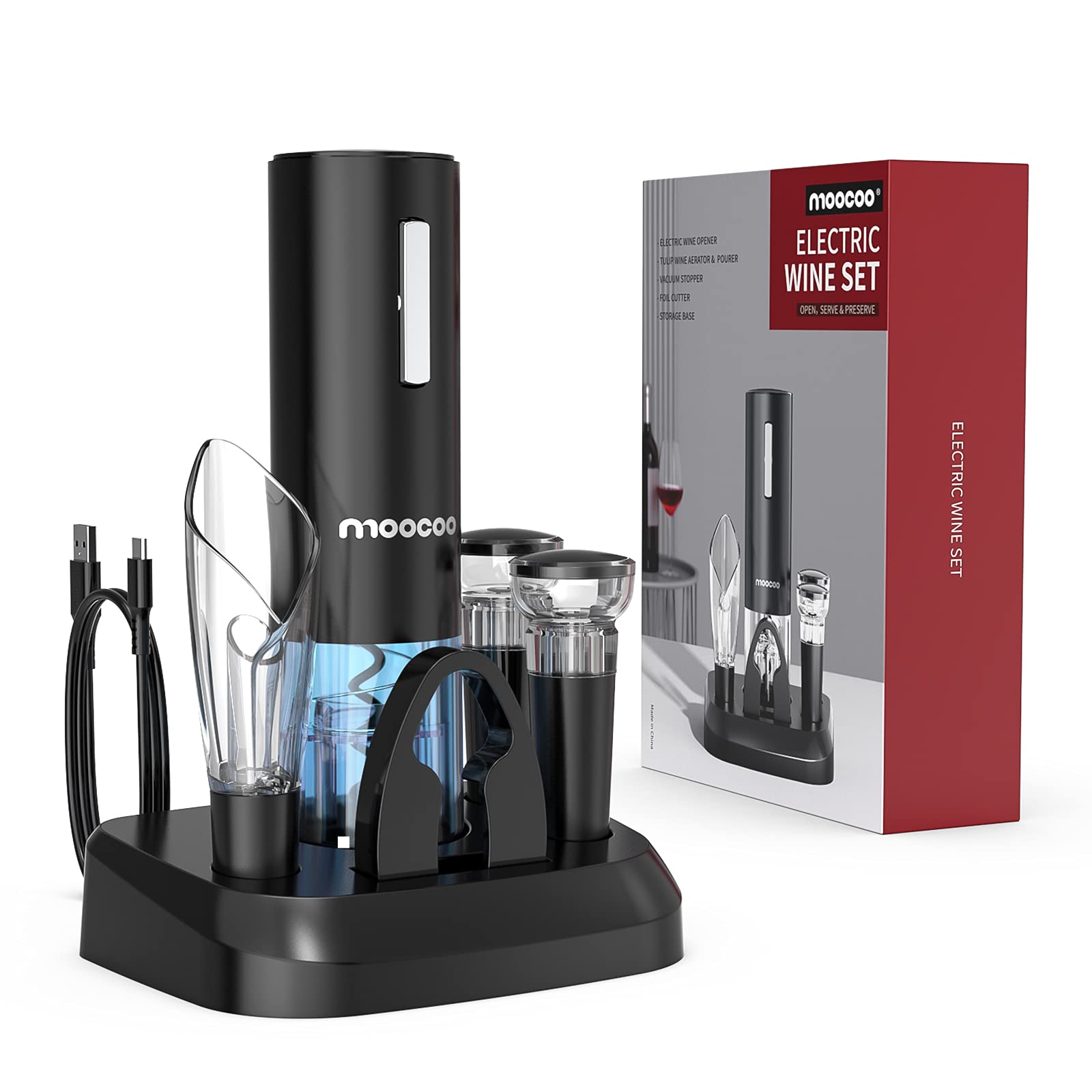
A rechargeable, countertop-ready electric opener with an LED charging base, aerator/pourer, foil cutter, and vacuum stoppers.
Why I picked it: Fast, hands-off uncorking and a compact charging display that stays ready on the counter.
Best for: Anyone who wants effortless uncorking and extra pour/preserve accessories.
A higher-cost option that bundles convenience and extras.
Pros
- Opens corks in about six seconds
- Rechargeable with LED charging base
- Includes aerator, foil cutter, stoppers
- Can open many bottles per charge
Cons
- Takes counter space
- Adds complexity compared to manual keys
My take
I keep the electric opener on my counter for nights when I want instant service. It docks on a small LED base, comes charged, and pulls most corks quickly and quietly—often in about six seconds.
The included aerator/pourer and vacuum stoppers make it a multifunctional set: I opened bottles, aerated a few glasses directly with the spout, and sealed leftover wine without hunting for extra tools.
If you open several bottles in succession or have mobility issues, this cordless model removes the physical work. It’s the tool I reach for when convenience and presentation matter.
How I Choose a Wine Bottle Opener
Manual vs Electric
I weigh frequency and context. Manual waiter's keys and wing corkscrews are compact, reliable, and low-maintenance. An electric opener earns its place on my counter when I open many bottles or want a hands-off option.
If I’m traveling or serving at a table, I prefer a slim waiter's key. For relaxed home entertaining I often use a wing corkscrew or the electric unit for speed.
- Manual keys: lightweight, pocketable, precise control.
- Wing corkscrews: comfortable two-handed leverage for casual use.
- Electric openers: speed and easy operation, plus extras like aerators.
Materials and Mechanics I Look For
I favor stainless steel worms and solid hinges because they resist bending and crumbling corks. A double-hinged fulcrum is my preferred manual leverage system for predictable, staged pulls.
Handle comfort matters: wood or textured grips reduce hand fatigue during repeated openings.
- Double-hinged levers for control on manual keys.
- Sharp, centered screw to avoid cork slippage.
- Durable metals (stainless or zinc alloy) for longevity.
Features That Add Value
Foil cutters, built-in bottle openers, and included accessories (aerator, stoppers) are small conveniences I use almost every time I open a bottle. They save digging through drawers mid-service.
For electric openers I check charge capacity and how many bottles I can open per charge—those numbers matter if I’m hosting a party.
- Foil cutter: quick, clean capsule removal.
- Bottle opener: useful for mixed-drink hosting.
- Electric extras: aerator and stoppers extend utility.
Care and Longevity
I avoid dishwashing complicated openers; most are fine to hand-wipe, and small parts and finishes last longer with light care. Matte finishes look good but can show wear, so I factor that into my expectations.
If a tool feels stiff new, I keep using it: hinges often loosen and settle with regular use.
- Wipe down metal parts after use.
- Store electric openers on their charging base to stay ready.
- Expect some break-in on new mechanical openers.
Frequently Asked Questions
Which opener do I pick for travel?
I take a compact waiter's corkscrew—the 5-inch Chef Craft fits a pocket and gives two-stage leverage without taking much space.
Will a wing corkscrew damage old corks?
I find a centered, sharp screw like the Beneno’s reduces crumbling. For very fragile corks I prefer a slow, careful pull with a double-hinged key.
Is the electric opener worth it for occasional use?
If I open bottles infrequently but want hands-off convenience, I still enjoy the electric for parties and the included aerator and stoppers—otherwise a manual key suffices.
Final Take
I keep at least two openers on hand: a waiter's key for control and a wing or electric option for convenience depending on the occasion.
Pick the opener that matches how you host: portability and precision, simple home comfort, or countertop convenience. The tools above have earned regular use in my kitchen and bar cart because they make opening wine less work and more reliable.
