
I tested a range of brushes and lambskin applicators so you can pick the right tool for applying polyurethane, stains, varnish, and sealers — from trim work to full floor jobs.
I’ve finished cabinets, refinished floors, and sealed decks using a mix of synthetic brushes, block brushes, and lambskin applicators. In this roundup I share which tools I reached for and why, so you can avoid common finish problems like brush marks, shedding, and poor coverage.
My picks cover precision cutting-in, wide coverage, deck work with extension poles, and the soft, even layer you want for floors and varnish. I focused on tools that hold finish well, clean up without falling apart, and produce a consistent film for polyurethane and other finishes.
If I need speed and coverage I choose a wide block or chip brush; for floors or a glassy finish I prefer lambskin applicators. For trim and cabinets I reach for a synthetic sash or angled brush to cut in crisply without shedding.
1. Pro Grade 5-Piece Paint Brush Set – Best Overall
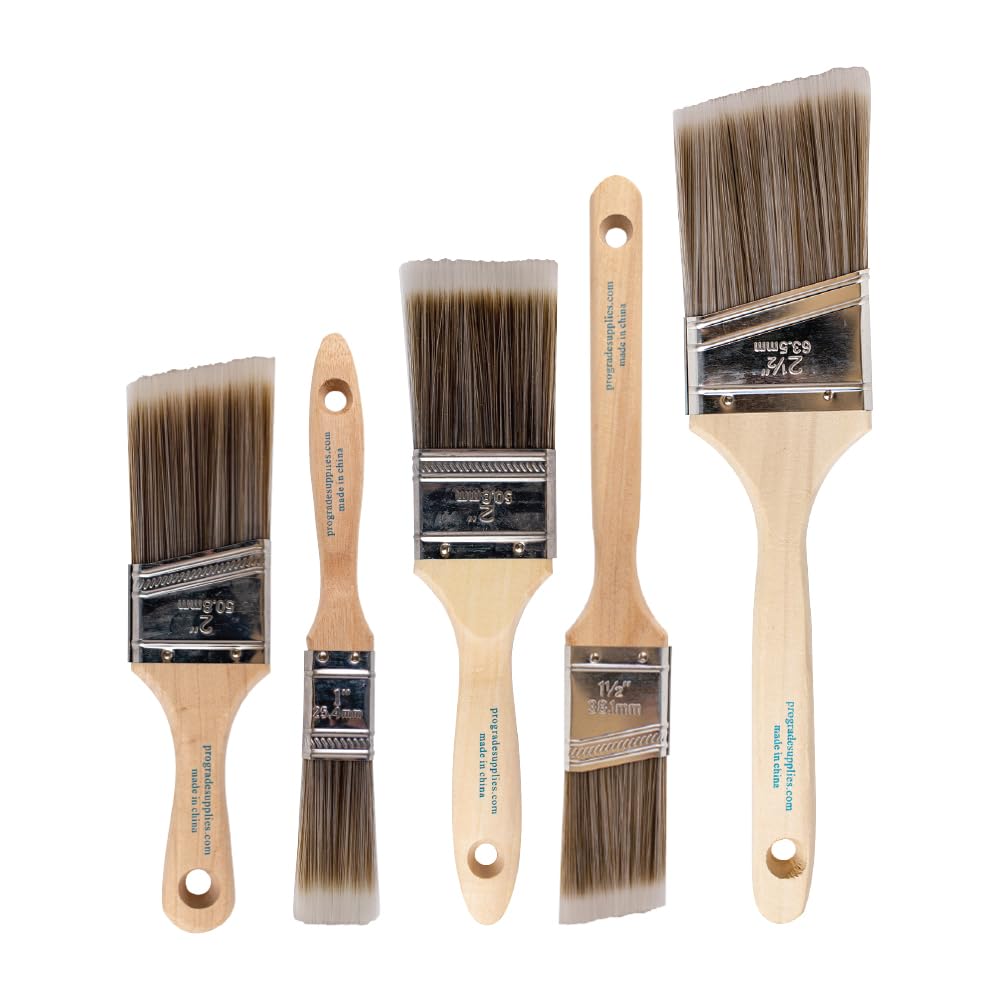
A versatile 5-piece set that handled latex, oil, stains, and even polyurethane without shedding.
Why I picked it: Reliable all-around set that cleaned up easily and held up to multiple polyurethane coats.
Best for: Cabinets, trim, furniture, and smaller polyurethane projects.
Affordable set that punches above its price for frequent DIY finishing.
Pros
- No noticeable shedding
- Good paint hold and release
- Includes useful angled sizes
- Sturdy wood handles
Cons
- Not as stiff as some pro brushes
- Less premium feel on long runs
My take
I keep this Pro Grade five-piece set in my kit because the synthetic SRT filaments hold plenty of finish but don’t leave hairs in the film. I used these brushes to recoat Minwax polyurethane on 19 cabinet doors and they handled the job smoothly with no bristle loss.
The mix of flat and angled shapes makes cutting in and brushing broader cabinet faces effortless. Cleanup with soap and water was straightforward and the brushes maintained shape after multiple washes.
They’re not the stiffest brushes I own, so when I want really firm control I’ll reach for something stiffer — but for most interior or exterior polyurethane and staining work these give professional-looking results for an affordable cost.
2. Wooster Shortcut 2-Inch Angle Sash Brush – Best for Trim
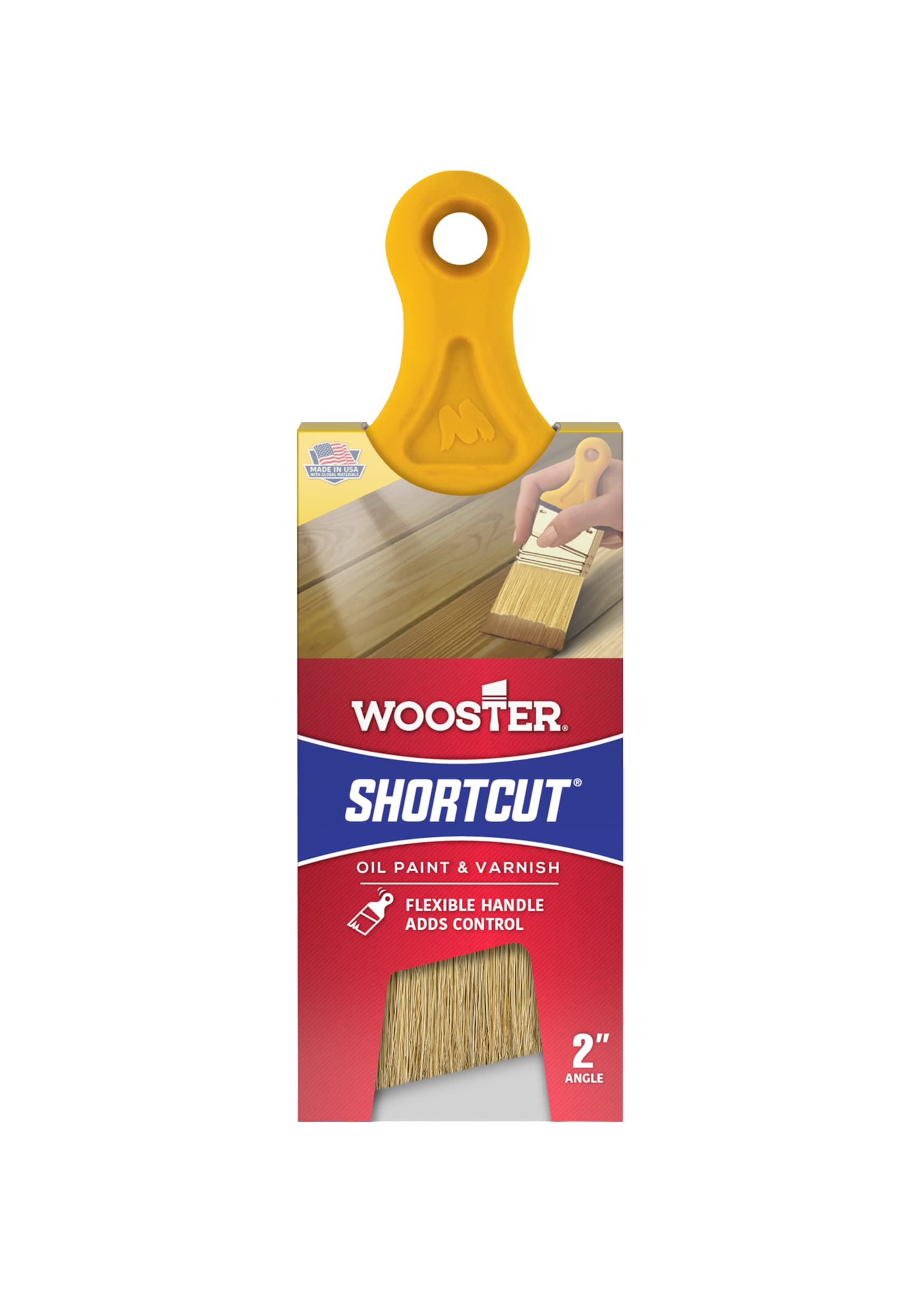
A short-handle angled sash brush designed for precise cutting-in with oil-based finishes and polyurethanes.
Why I picked it: Compact handle and white China bristle make tight, straight edges easy to paint.
Best for: Cutting in trim, corners, cabinetry edges, and varnish touch-ups.
A compact, mid-priced specialist for precision work.
Pros
- Excellent control in tight spaces
- White China bristle suits oil finishes
- Comfortable rubberized grip
Cons
- Small handle may fatigue large hands
- Not intended for large surface coverage
My take
Whenever I need razor-sharp lines on trim or doors I reach for the Wooster Shortcut. The short Shergrip handle fits my palm and stops the brush from overreaching on narrow cuts.
The white China bristle is designed specifically for oil-based varnishes and polyurethanes, and I found it delivers a near no-brush-mark finish when I varnished a small door and cabinetry edges.
It cleans up easily while the finish is wet, and because the handle is so compact I can work close to the surface without bumping surrounding areas — ideal for detailed polyurethane work.
3. Magimate 3-Inch Double Thick Chip Brush – Best Multipack
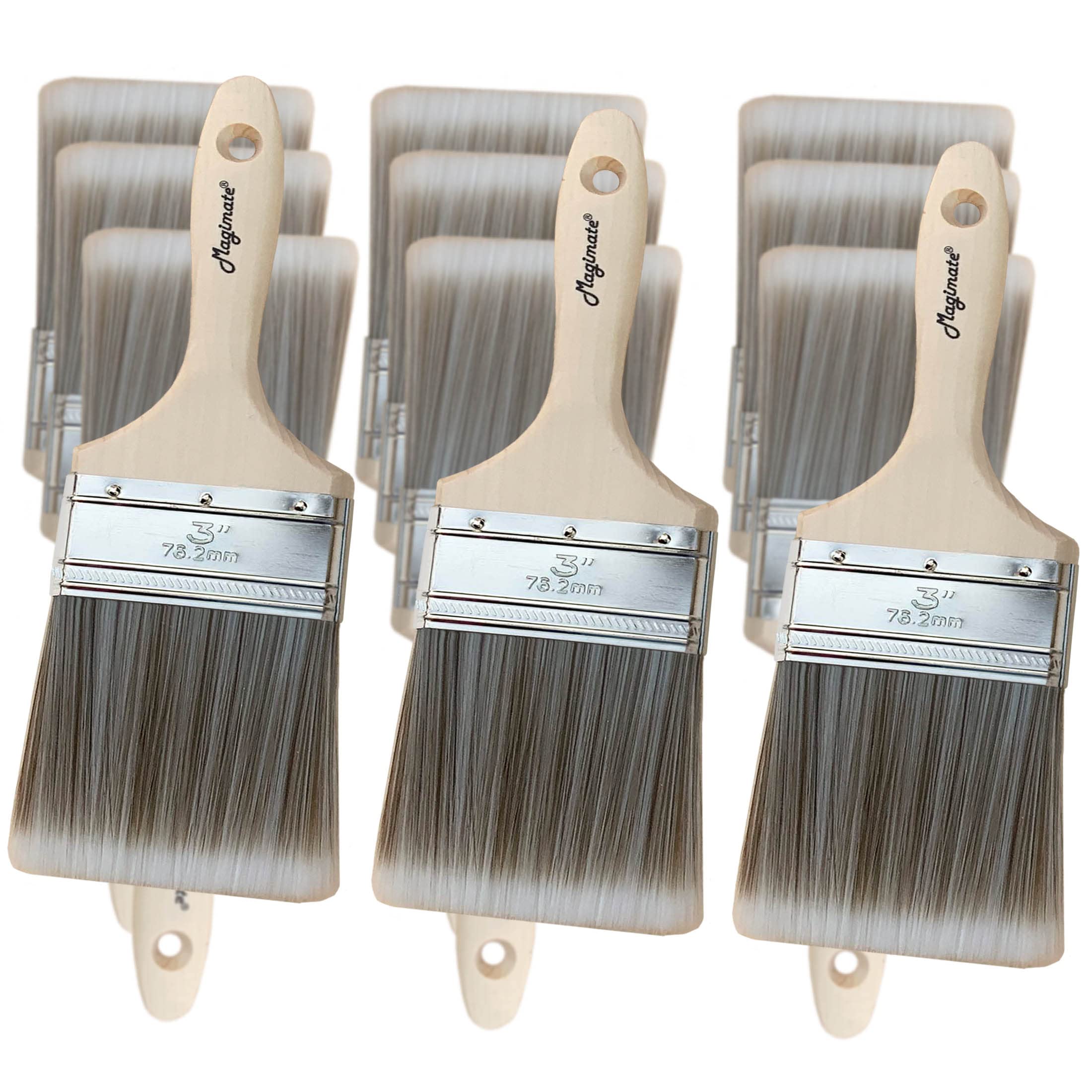
A robust 3-inch double-thick chip brush sold in a multi-pack for repeated staining and sealing jobs.
Why I picked it: Thick synthetic filaments pick up and release finish consistently and resist solvent damage.
Best for: Furniture, fences, priming, and jobs where you want multiple fresh brushes.
Economical multi-pack for multi-room or multi-coat projects.
Pros
- Generous paint pickup
- Epoxy-secured bristles
- Good for solvents
- Comfortable wood handle
Cons
- Too wide for tight trim
- Can feel bulky for detailed work
My take
I used the Magimate 3-inch chip brushes on a dresser and several fence boards; the double-thick synthetic filaments loaded a lot of varnish and released it evenly, so I covered surfaces quickly without leaving patchy spots.
The bristles are epoxy-secured, so I didn’t lose hairs even after cleaning with solvent, and the wooden handles are comfortable for longer sessions.
Because these come in a pack, I like keeping a fresh brush ready for each coat rather than scrubbing one brush repeatedly — it speeds the workflow and keeps finish consistency across coats.
4. Genixart 5-Inch Deck Stain & Sealer Brush – Best for Decks (5-inch)
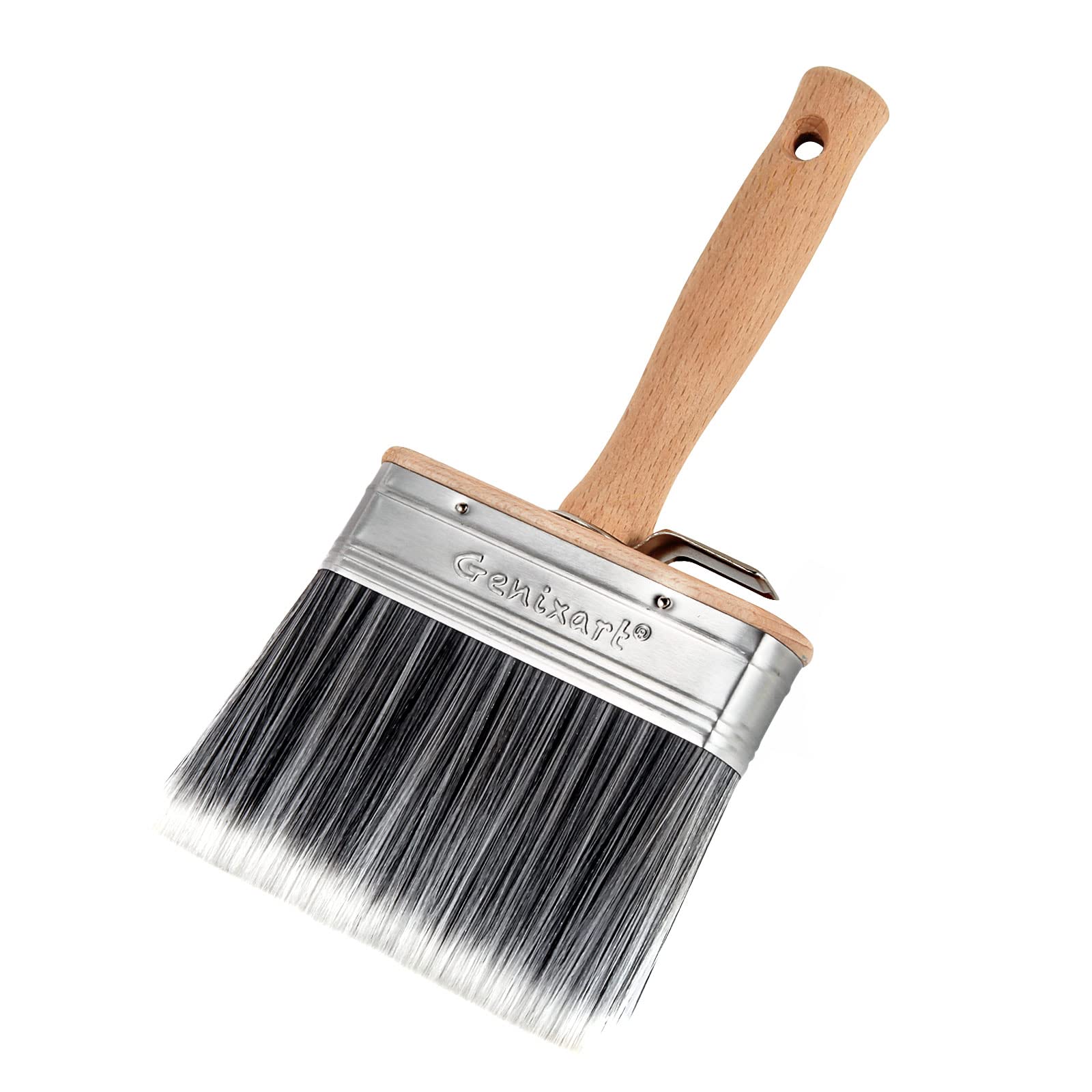
A 5-inch block brush built to hold a lot of stain and reach into plank cracks on rough surfaces.
Why I picked it: Large capacity and a threaded handle option make it great for deck and fence staining.
Best for: Decks, fences, masonry, and rough exterior surfaces.
A mid-range option built for fast coverage on rough materials.
Pros
- Excellent coverage on rough boards
- Threaded handle for extension
- Soft nylon bristles, no hair loss
Cons
- Large size can be heavy when saturated
- Not ideal for fine finishwork
My take
When I needed to seal a shed and several fence panels, the 5-inch Genixart block brush saved time. Its wavy nylon filaments hold lots of stain and get into plank grooves where rollers miss.
I swapped the handle for a threaded pole to reach high sections and the brush stayed secure; the wooden block is comfortable to grip during long stretches.
Cleanup was straightforward and the bristles held shape after solvent rinse. For exterior polyurethane sealers and deck stains this brush is a go-to when I need both capacity and reach.
5. Genixart 7-Inch Deck Stain Brush – Best for Big Decks
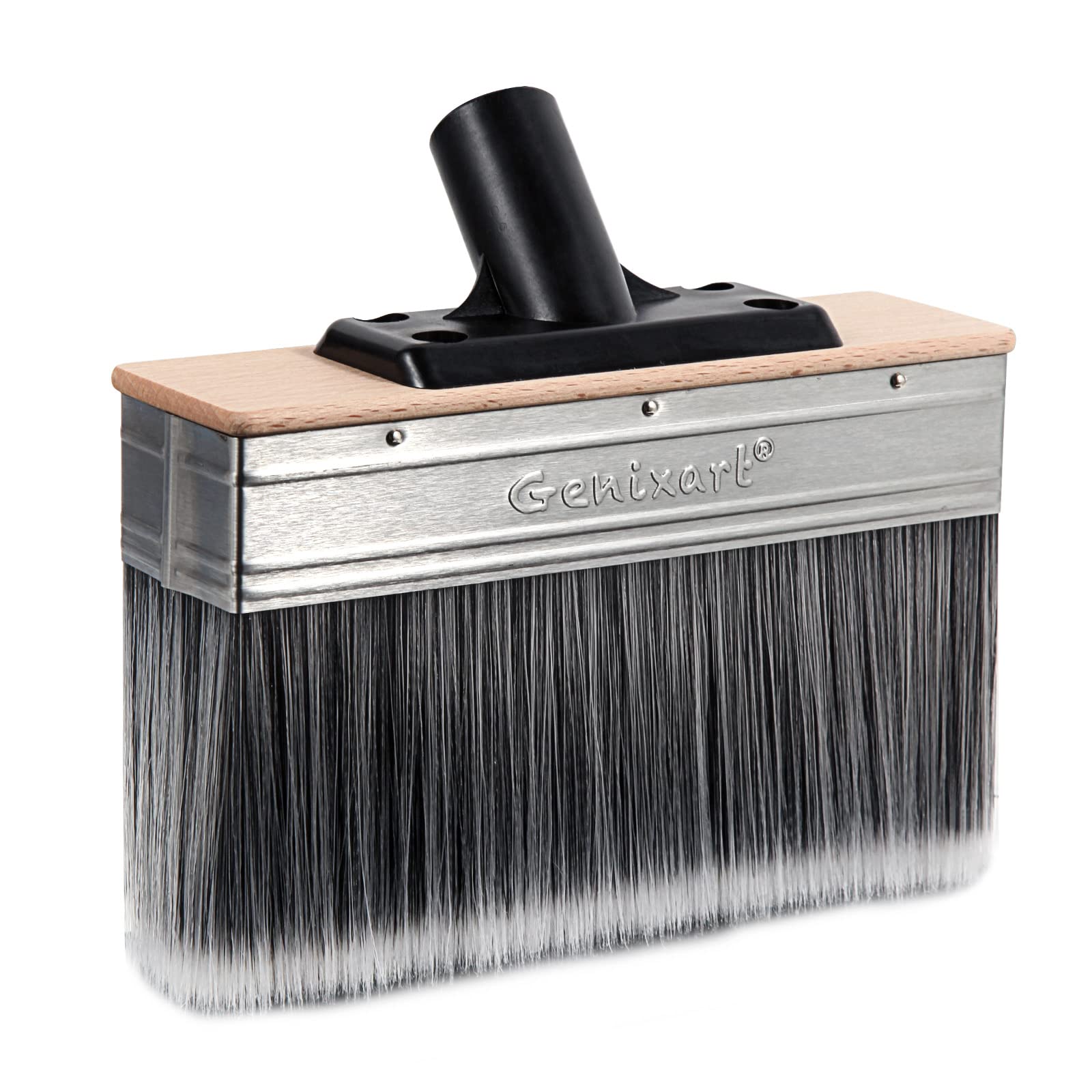
A 7-inch heavy-duty block brush designed to cover broad areas quickly and work with extension poles.
Why I picked it: Maximum coverage per pass with universal threaded design for pole work.
Best for: Large decks, patios, and heavy exterior staining projects.
Heavier-duty option suited to larger outdoor jobs.
Pros
- Huge coverage per stroke
- Universal thread for poles
- Holds a lot of stain
Cons
- Awkward for tight spots
- Heavier when saturated
My take
For a two-car garage deck and a long fence run I used the 7-inch Genixart brush with an extension pole and finished much faster than with a roller. The bristles load well and push finish into cracks and seams.
The universal threaded handle made attaching a pole painless, and the brush cleaned up with mineral spirits after oil-based staining without losing bristle integrity.
If you’re covering a lot of surface area and want to avoid constant refilling, this 7-inch brush is built for that kind of workload.
6. Lambskin Stain & Paint Brush (2-Inch) – Best Natural Fiber
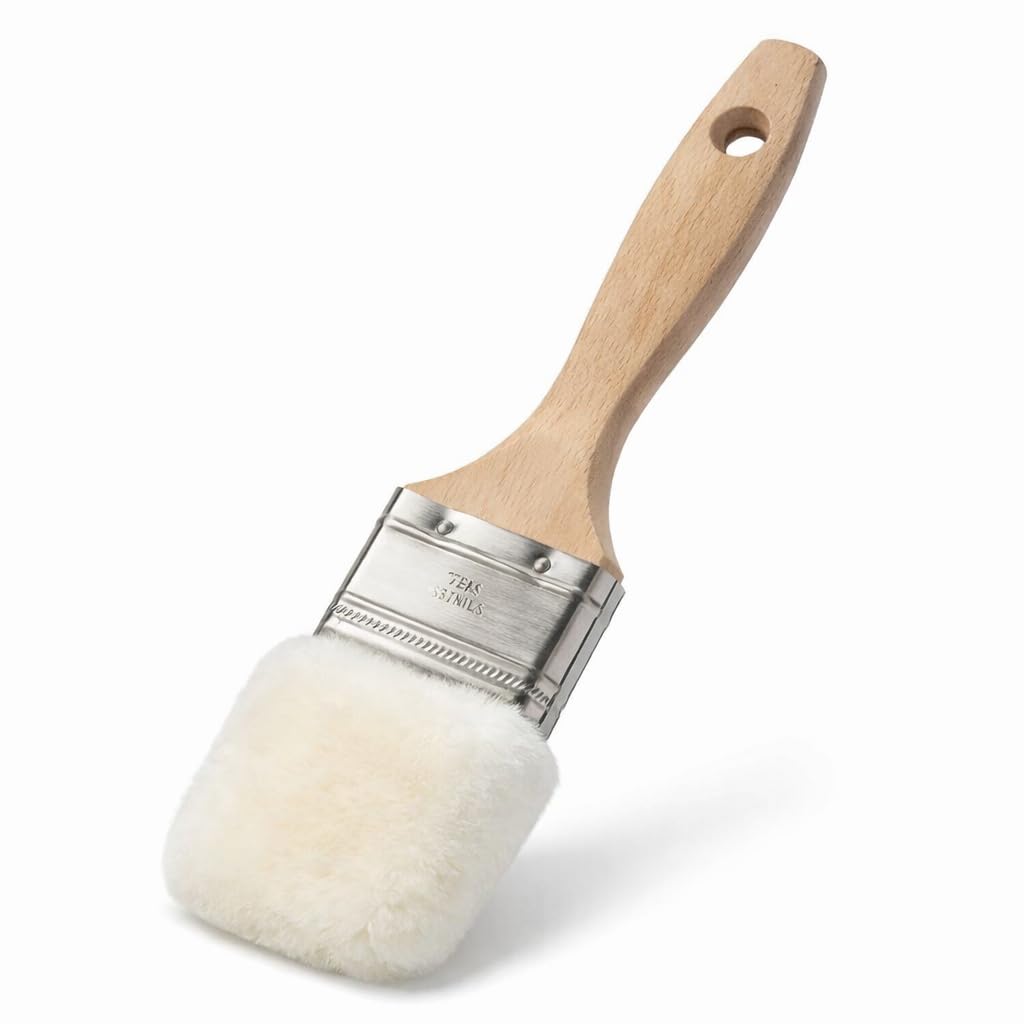
A dense lambskin brush that soaks and releases stain and polyurethane smoothly for streak-free results.
Why I picked it: Natural lambskin loads more finish and lays it down with fewer lap marks.
Best for: Fine furniture, floors, and anywhere I want an extra-smooth polyurethane finish.
A specialty natural-fiber tool for smoother results than many synthetics.
Pros
- Exceptional finish smoothing
- High pick-up and release
- Durable when cleaned properly
Cons
- Requires careful cleaning
- Can be ruined if finish dries on fibers
My take
I use lambskin brushes when I want a very even, glassy coat — they absorb finish generously and feather it out in a way synthetics often cannot.
On a small table I applied multiple coats of polyurethane with this lambskin brush and achieved very few lap marks. The key is keeping the wool moist; if I let polyurethane dry on the fibers it ruins the tool.
This is a professional-style option: with routine rinsing and storage I got repeatable results, but the care requirements are higher than with synthetic bristles.
7. Tru-Lamb 10-Inch Lambskin Applicators (3-Pack) – Best for Floors
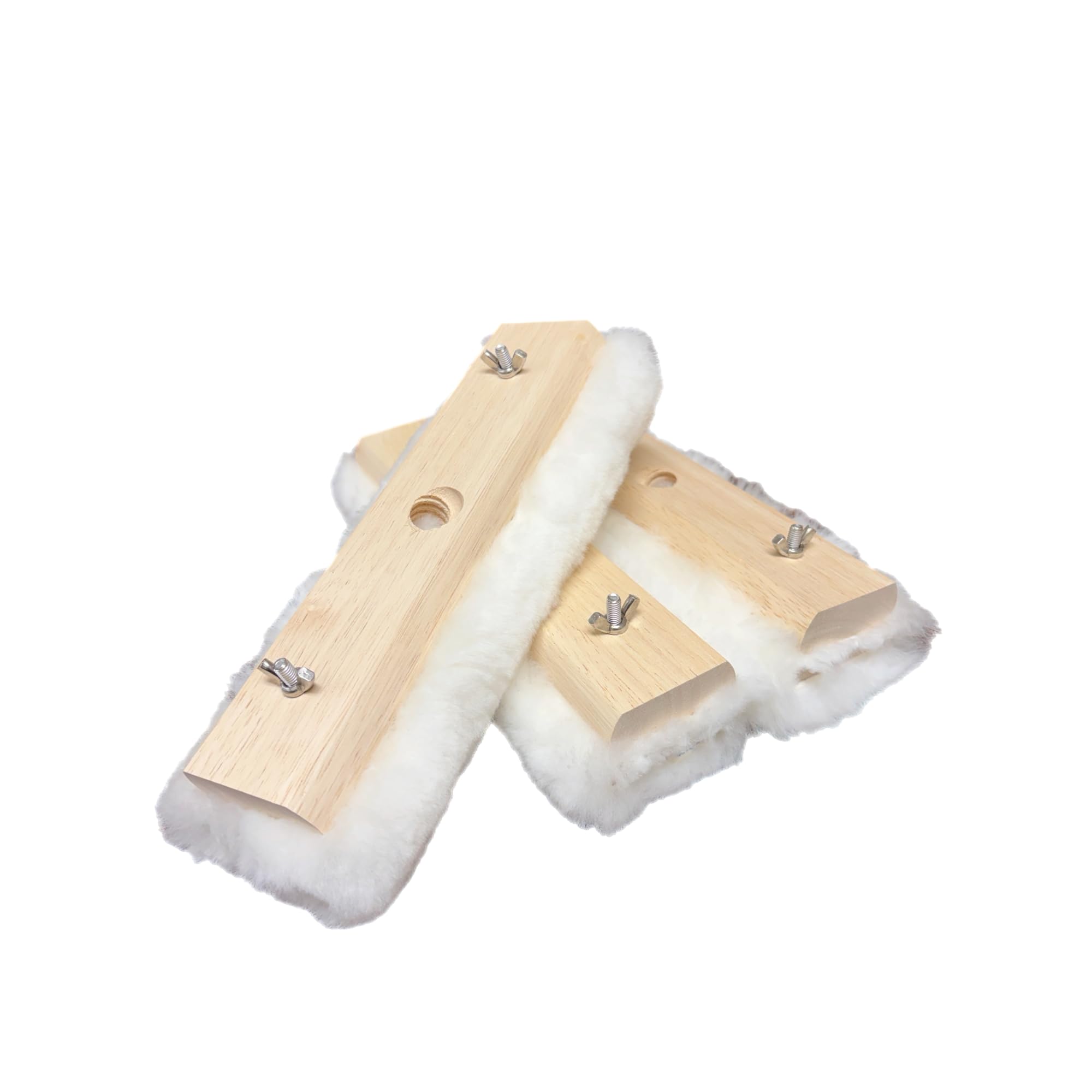
Three 10-inch lambskin pads that lay down polyurethane and floor finishes smoothly and quickly.
Why I picked it: Dense lambswool loads more finish so I make fewer tray trips on hardwood floors.
Best for: Hardwood floor finishing and multi-coat floor jobs.
Practical multi-pack for multi-coat or multi-room floor refinishing.
Pros
- Holds a lot of finish
- Smooth, lint-free application
- Reusable across coats
Cons
- Needs careful washing
- Bulkier storage than a brush
My take
When I refinished floors I preferred the Tru-Lamb pads for their ability to hold a large volume of polyurethane and spread it evenly; one applicator will often cover a whole room before I need to reload.
Their dense wool reduces lap marks compared with some foam pads and speeds up the work because I visit the tray less often.
I kept one fresh applicator per coat to avoid dragging remainders, and after cleaning they held up for subsequent coats. For serious floor finishing I reach for lambskin pads every time.
8. Gamblin Gamvar 50mm Varnish Brush – Best Varnish Brush
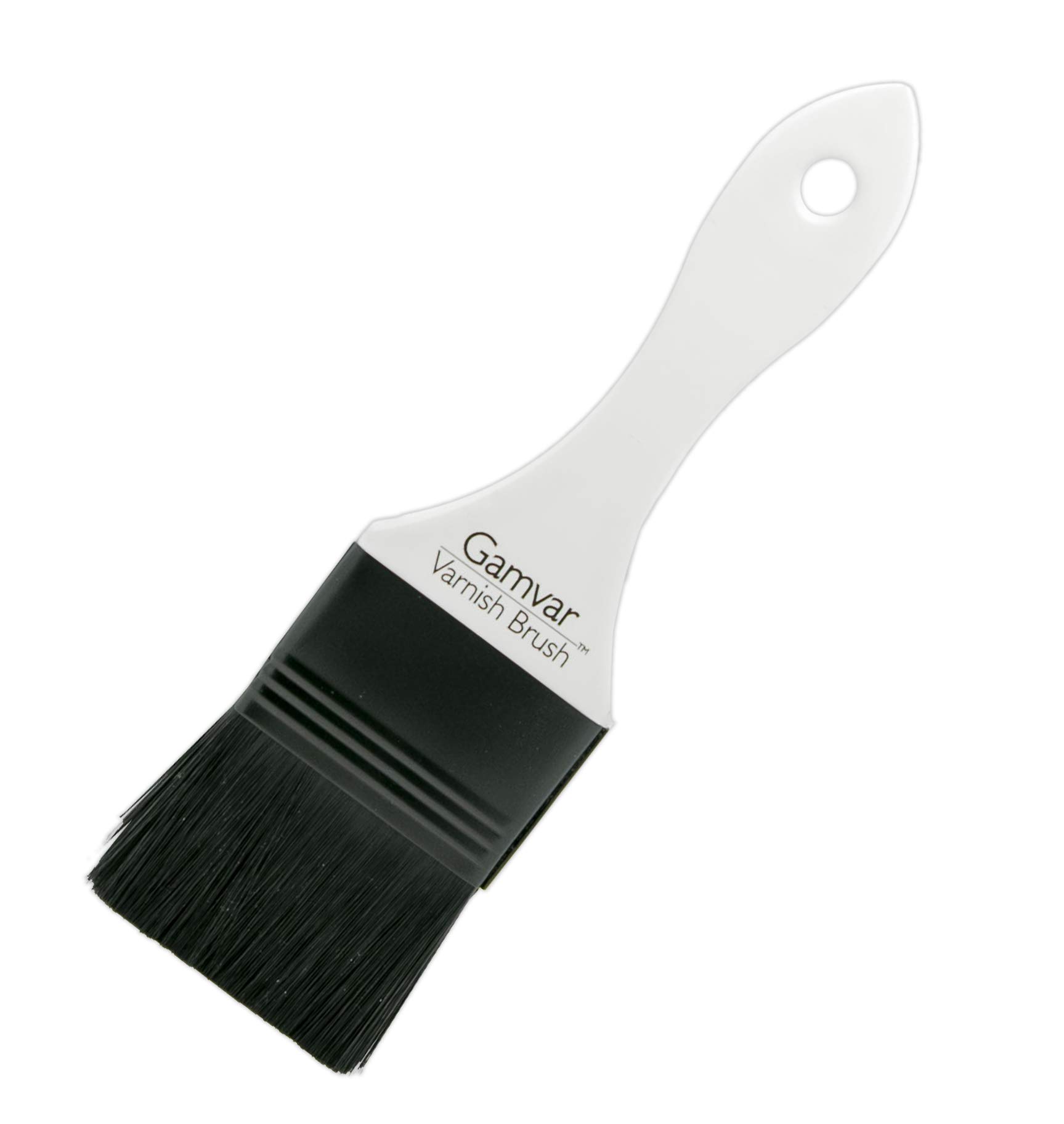
A dedicated varnish brush with vegan synthetic bristles designed to give thin, even coats for varnish and polyurethane.
Why I picked it: Engineered to work with varnish and thin finishes to avoid streaks and minimize waste.
Best for: Varnishing canvases, furniture, and finishing tasks requiring a dedicated varnish brush.
Specialist tool well suited to varnish and dedicated finishing use.
Pros
- Thin, even varnish laydown
- Durable synthetic fibers
- Vegan-friendly bristles
Cons
- Best kept dedicated to varnish
- Smaller size for large jobs
My take
I bought the Gamblin Gamvar varnish brush specifically to handle varnishes and thin finishes, and it performs exactly as intended — the thin synthetic fibers load just the right amount and spread varnish without the mop marks I’ve seen from other brushes.
For small furniture panels and artwork varnishing I appreciated having a brush I could dedicate to that purpose; it cleaned easily with Gamsol and returned to a ready state without losing shape.
If I’m applying polyurethane for protective finish on art or small pieces, this brush gives the control and evenness I want without overloading the surface.
How I Choose Brushes and Applicators for Polyurethane
Brush type and surface
I match the tool to the surface: sash and angled brushes for trim and cabinets, chip or block brushes for fences and decking, and lambskin pads or lambskin brushes for floors and varnish.
Synthetic filaments handle solvents and water-based finishes well and are low-maintenance, while natural lambskin excels at laying down thin, glassy coats.
- Trim & cabinets: 1–2 inch angled sash brushes for control
- Large boards & decks: 5–7 inch block brushes or chip brushes
- Floors & varnish: lambskin pads or lambskin brushes for minimal lap marks
Bristle construction and finish type
I look at bristle material before anything else. White China bristle and natural lambskin suit oil-based finishes and polyurethanes, whereas modern nylon/polyester blends are versatile for both water- and oil-based products.
Epoxy-secured bristles or welded ferrules matter to me because they prevent bristle loss when I’m using solvents or aggressive cleaning.
- Natural bristles: best for oil-based varnishes and polyurethanes
- Synthetic filaments: better for water-based polyurethanes and easy cleanup
- Epoxy or secure ferrules reduce shedding
Care and maintenance I follow
I never let polyurethane dry on a brush or applicator. For oil-based finishes I clean with mineral spirits or the manufacturer-recommended solvent; for water-based finishes I rinse thoroughly with soap and water.
I hang brushes to dry and store lambskin pads loosely so the wool keeps its loft. Proper storage extends tool life and preserves finish quality.
- Rinse while finish is wet; don’t let it harden on fibers
- Use the right solvent: mineral spirits for oil-based, soap/water for water-based
- Store brushes hanging or flat to keep ferrule integrity
Practical tips from my projects
I keep multiple brushes on hand: a fresh applicator for each coat speeds finishing and avoids contamination between coats.
For large exterior jobs, I use block brushes with threaded handles and an extension pole to save my back and keep a consistent application.
- Rotate applicators between coats for consistent film
- Use extension poles with threaded brushes for high or large areas
- Test a small hidden area first to confirm laydown and sheen
Frequently Asked Questions
Can I use a synthetic brush with polyurethane?
Yes — I use high-quality synthetic (nylon/polyester) brushes for both water- and oil-based polyurethanes. Synthetics are low-maintenance and resist solvent damage, though for the smoothest, glassy finish I sometimes prefer lambskin.
How do I avoid lap marks when applying polyurethane?
I avoid lap marks by working in consistent, overlapping passes, keeping a wet edge, and using applicators that release finish evenly. For floors and varnish I often use lambskin pads because they distribute finish with fewer visible overlaps.
What’s the best brush for getting into plank cracks on a deck?
I reach for a 5- or 7-inch block brush with wavy nylon filaments; those bristles hold a lot of stain and are flexible enough to push finish into grooves while covering wide boards quickly.
How should I clean brushes used with oil-based polyurethane?
I use mineral spirits or the finish manufacturer’s recommended solvent to flush oil-based polyurethane out of the bristles, then wash with mild soap and water and hang to dry. Never let the finish dry on the brush.
Final Take
I’ve found there’s no single perfect tool for every polyurethane job — the right brush depends on surface, finish type, and desired finish quality.
For general tasks I keep a reliable synthetic sash set and a couple of chip brushes; for floors and high-finish work I bring lambskin applicators. Use the guidance above and pick tools that match the scale and finish you want, and you’ll save time while getting a cleaner, more professional result.
