
I tested several silicone caulks and a finishing tool to find the fastest, most durable, and easiest-to-apply options for shower and bathroom work.
I spend a lot of time resealing tubs, showers, and wet-room joints, so I look for silicone caulk that cures waterproof, stays flexible, and resists mold. For this roundup I tested squeeze tubes and cartridges on real bathroom surfaces and used a finishing kit to compare application and cleanup.
My priorities were: true waterproof performance, mold resistance, how quickly the bead becomes water-ready, ease of tooling, and whether the product left a clean, unobtrusive finish in white or clear.
If you need a caulk that gets wet fast, choose a 30‑minute water‑ready silicone. For visible seams pick clear or bright white; for large jobs get a cartridge. I also recommend a simple finishing tool to get professional edges every time.
1. Gorilla Waterproof Caulk & Seal (Clear) – Best for Quick Water Exposure
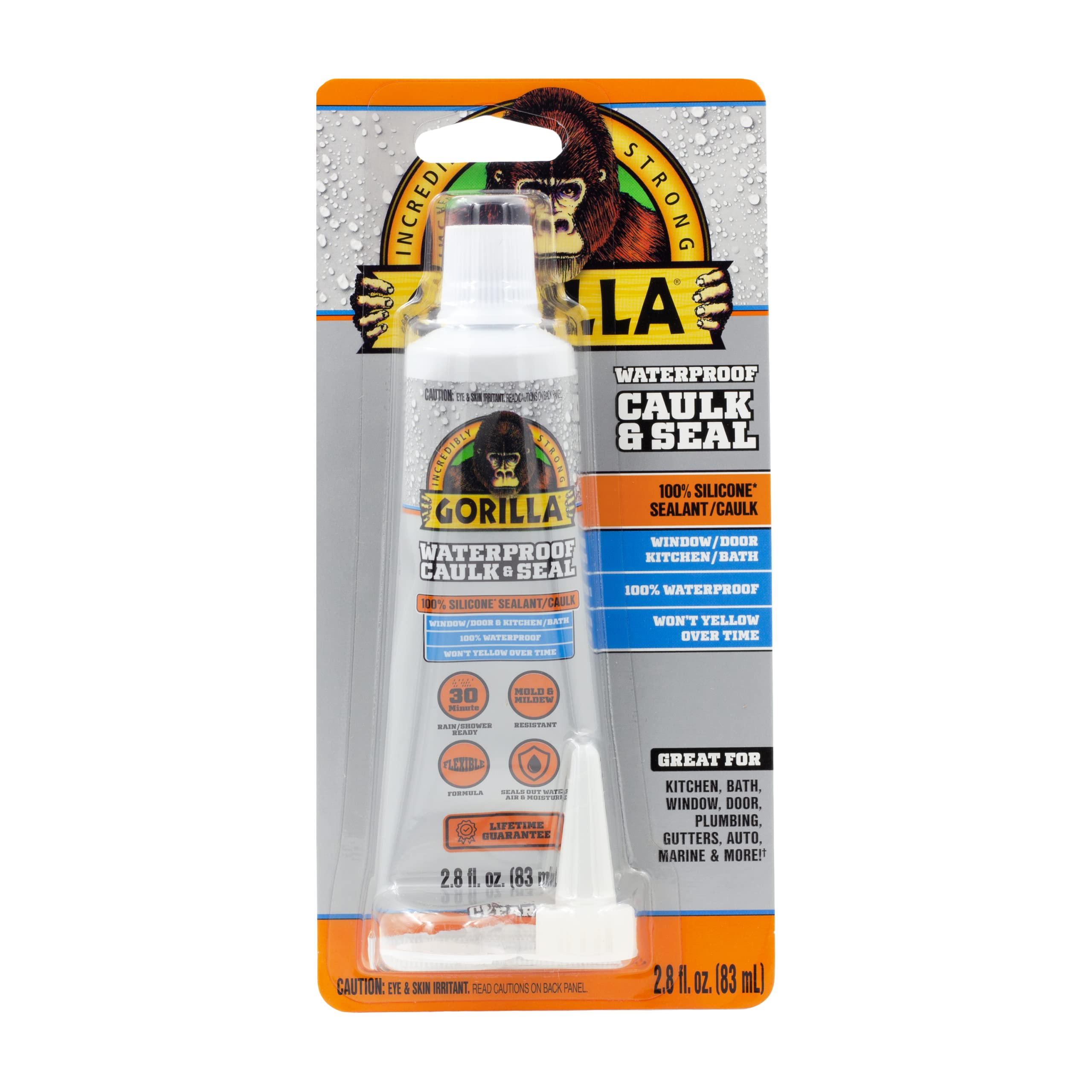
I relied on this clear Gorilla tube when I needed a fast, watertight seal that dries to a clean finish and resists mold.
Why I picked it: Gets water-ready quickly and stays flexible without yellowing.
Best for: Small shower seams, tub edges, and quick repairs.
Good value for small jobs and emergency fixes.
Pros
- Water-ready fast (short cure window)
- Stays flexible over time
- Clear, unobtrusive finish
- Wide surface compatibility
Cons
- Not paintable
- Cap not ideal for long storage
My take
I used the Gorilla Waterproof Caulk & Seal around my tub and a few small shower joints. The squeeze tube made one-handed applications quick, and I appreciated that the bead didn’t sag while I smoothed it. The product becomes water-ready much faster than many silicones I’ve used, so I could shower the following day without worry on most beads.
What I like most is the finish: it dries clear and resists yellowing, so seams stay discreet. The formula is forgiving during tooling and fills small gaps without running. I did take care to clean surfaces well first, and after a few months there’s been no sign of shrinking or cracking.
A couple of practical notes: the tube isn’t intended for massive jobs, and the cap could be more secure for long-term storage, so I store unused tubes upright in a cool spot to preserve them.
2. GE Advanced Silicone 2 (White, 2.8oz) – Best Low‑Odor Indoor Sealant
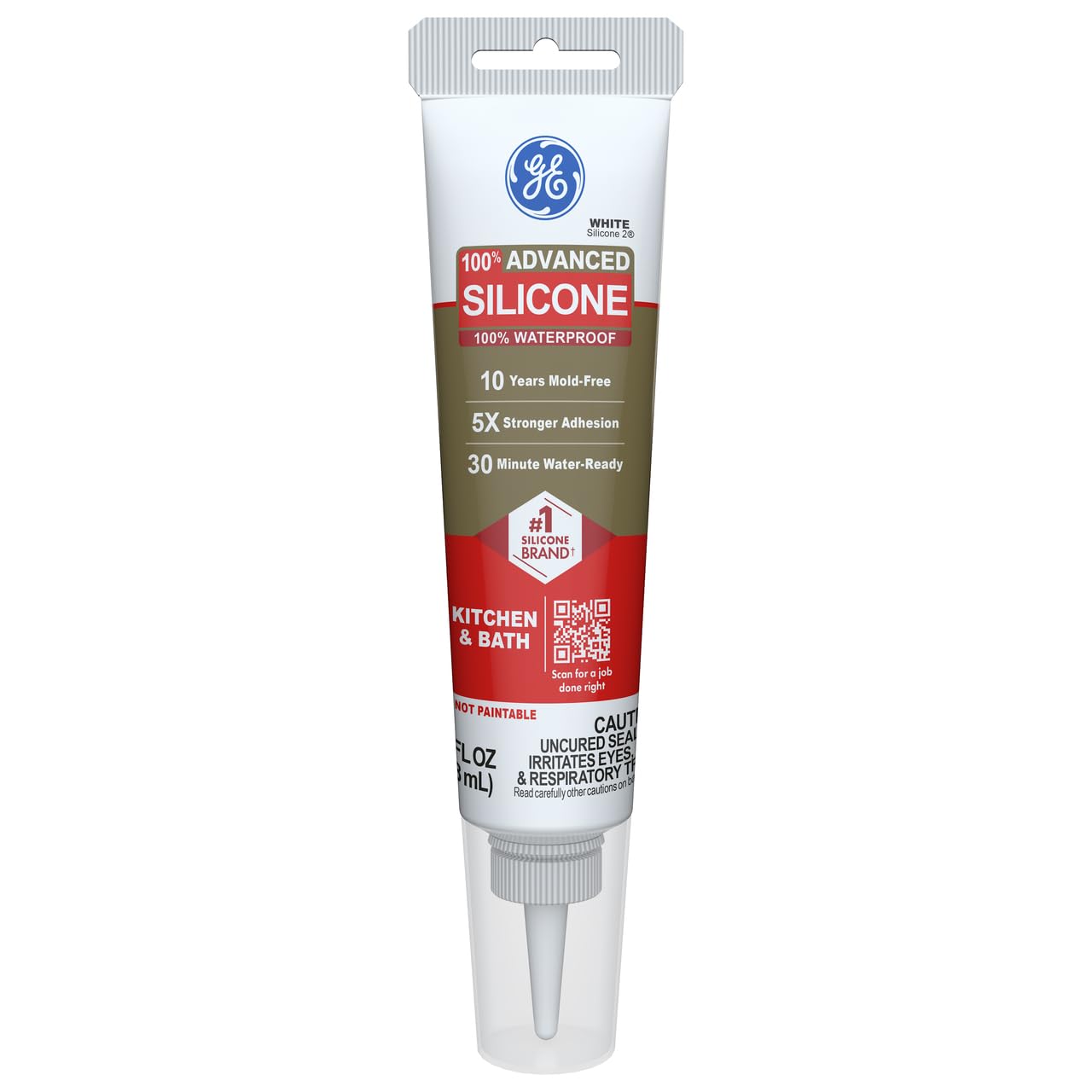
I turn to this white GE Advanced Silicone when I want a bright, durable bead indoors with low curing odor.
Why I picked it: Low odor, strong adhesion, and quick water readiness for indoor use.
Best for: Bathroom sinks, tub surrounds, and backsplash joints.
Affordable option for routine indoor sealing tasks.
Pros
- Low-odor neutral cure
- Fast water-ready time
- Permanently flexible
- Bright white finish
Cons
- Can peel if surface not fully dry
- Small tube for larger jobs
My take
I used this GE Advanced Silicone around sink and tub perimeters where ventilation was limited. The neutral-cure formula kept fumes minimal while I worked, which made it easy to finish a bathroom patch without clearing the room.
Application was smooth and controllable — the bead flowed predictably and smoothed out cleanly when I pulled the tape away. After curing it stayed flexible and has resisted cracking in areas that experience thermal movement.
The one thing I watch for is surface dryness: I had a small peel where I applied over a nearly damp seam, so I now wait longer or use a heat gun to ensure a dry substrate before caulking.
3. GE Advanced Silicone 2 (Clear) – Best Long‑term Mold Protection
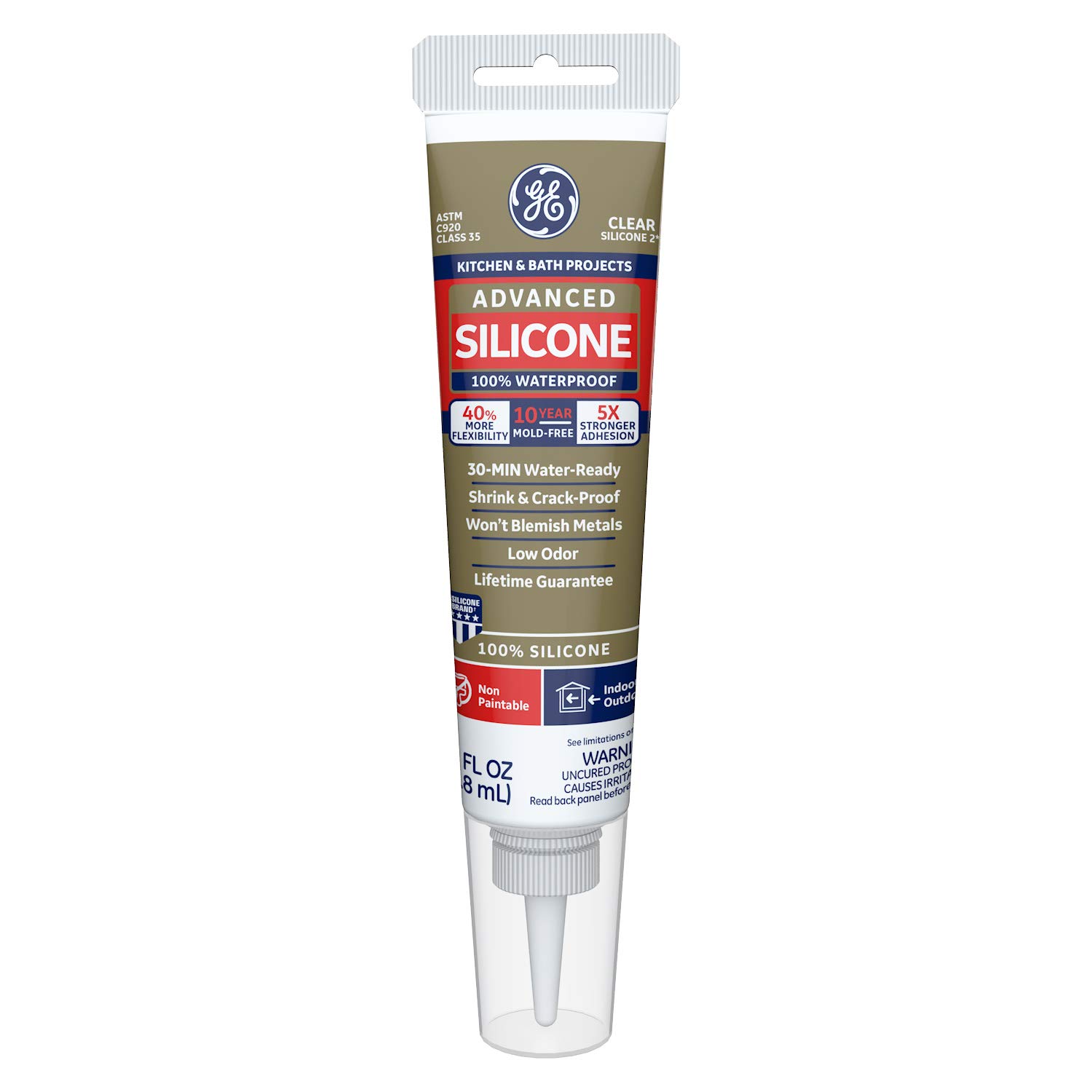
When I want a clear seal with extended mold protection and a lifetime-backed formula, this clear GE Advanced Silicone delivers.
Why I picked it: Clear finish plus advertised long-term mold protection and strong adhesion.
Best for: Visible clear seams in showers and tubs where mold resistance matters.
A dependable clear option for showers and wet areas.
Pros
- Clear, discreet finish
- Long mold-free protection
- High flexibility and adhesion
Cons
- Tube size limits scope
- Strong smell until cured
My take
I applied this clear GE Advanced Silicone on a tiled shower niche and along the tub flange. It flowed nicely and, once cured, looked virtually invisible against the grout. I tested it in a high‑humidity shower and appreciated the product’s mold-resistant properties over time.
The formula is forgiving during tooling and maintains flexibility through temperature swings and normal bathroom movement. I did notice a noticeable odor while wet, so I ventilate the room well during application, but the smell faded within a day.
Overall, this is my go-to when I need a long-lasting, clear bead that won’t attract mildew and will remain flexible for years.
4. GE All Purpose Silicone I (Clear, Cartridge) – Best for Window & Door Cartridges
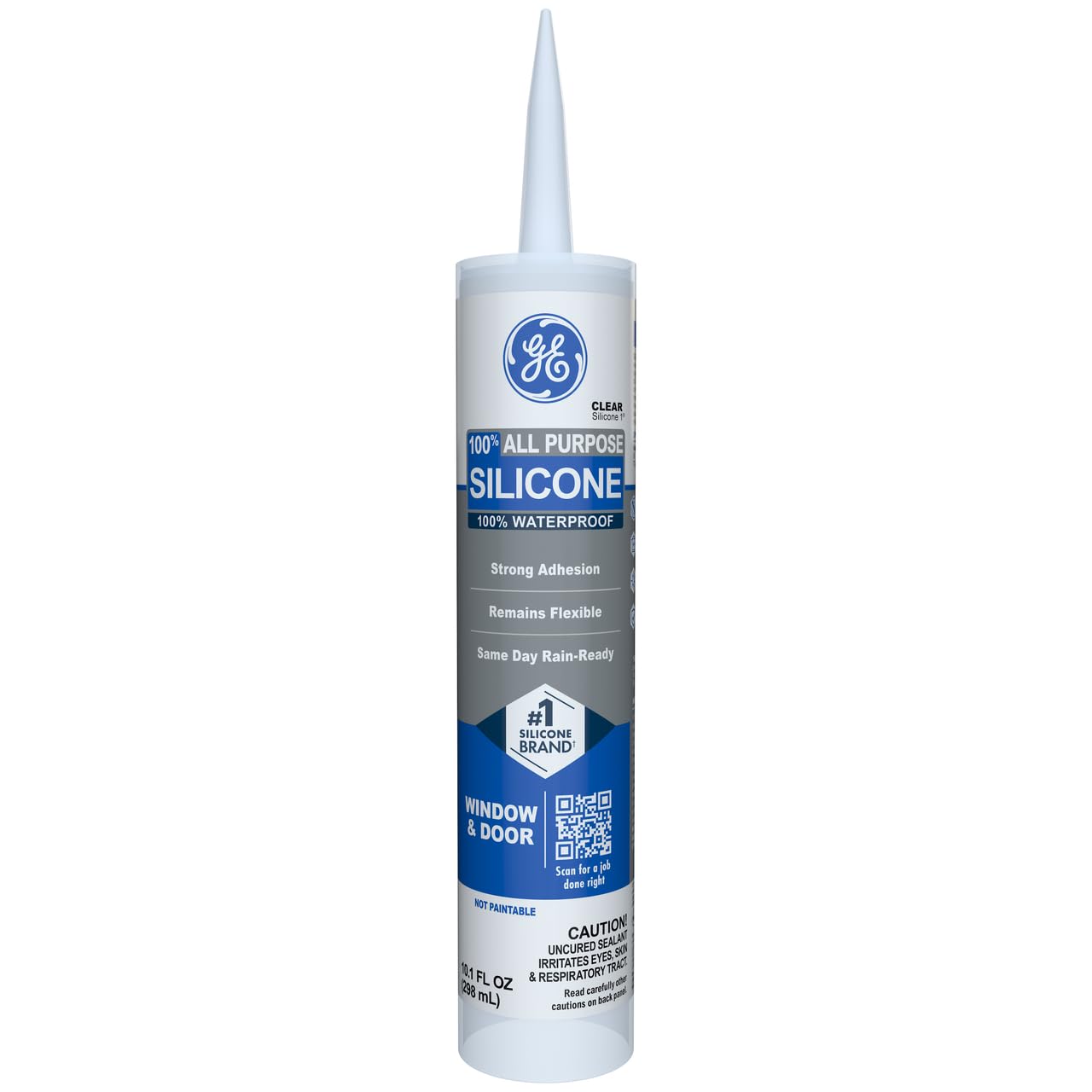
For larger runs around windows, doors, and baseboard gaps I relied on this USA-made cartridge to deliver consistent, weatherproof beads.
Why I picked it: Cartridge format for bigger jobs and reliable weatherproofing.
Best for: Long seams, exterior, and multi-room sealing projects.
Cost-effective choice for bigger DIY and repair jobs.
Pros
- Made in USA
- 100% waterproof and weatherproof
- Good for large runs
Cons
- Strong smell during application
- Requires a caulk gun
My take
When I had a handful of window and door seams to reseal, the 10.1 oz cartridge made the job far more efficient than multiple squeeze tubes. The bead was consistent from start to finish and adhered well to wood, vinyl, and glass.
I noticed a strong solvent-like smell while tooling, so I always open windows and work with a fan. Once cured it stayed flexible and handled seasonal expansion without cracking.
For anyone doing more than a couple of joints, the cartridge format is the practical choice — I finished faster and needed fewer refills.
5. Gorilla 100% Silicone Caulk (Clear) – Best for Heavy‑Duty Seal
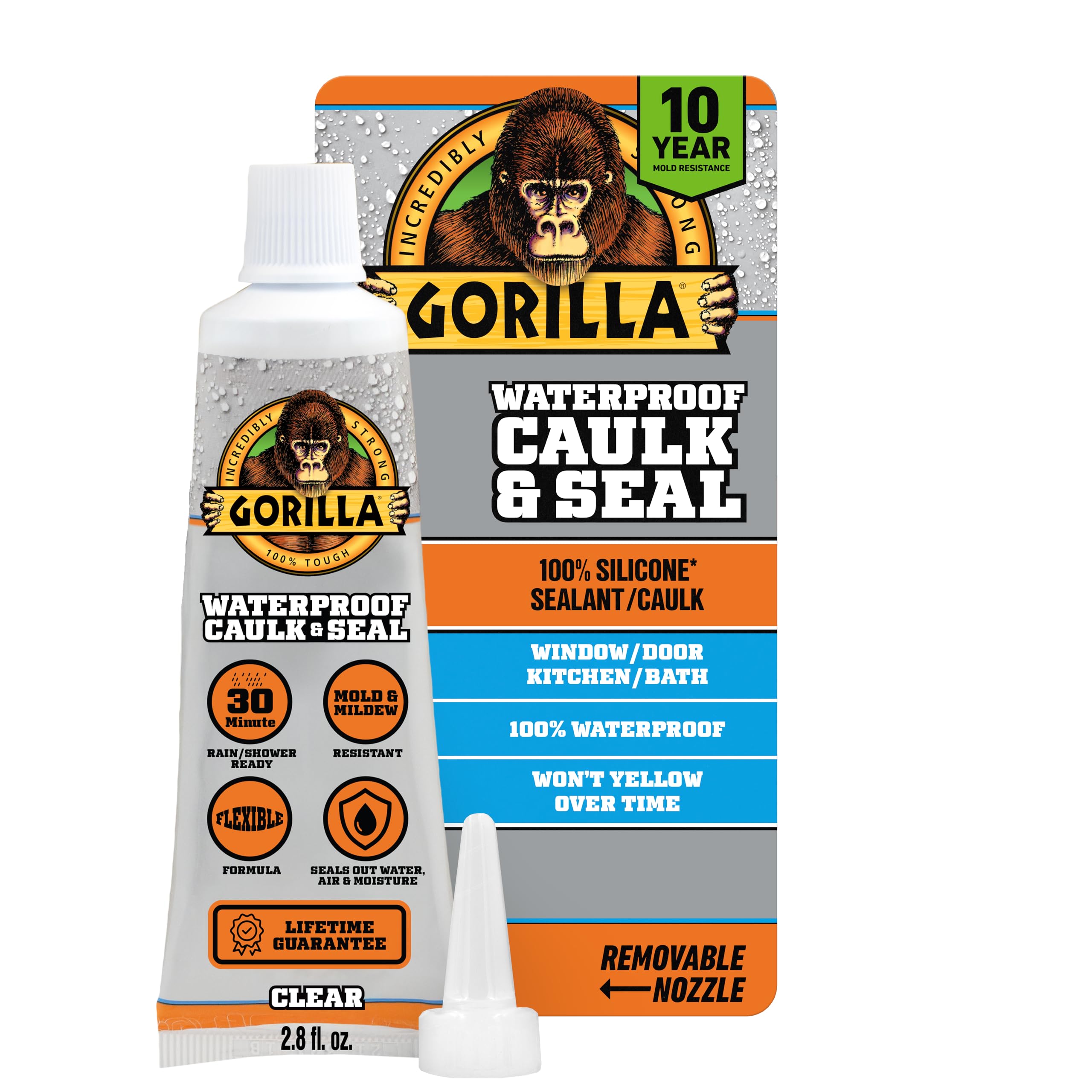
I use this Gorilla 100% Silicone when I need a tough, mold‑resistant clear seal that stands up to moisture and temperature changes.
Why I picked it: Durable, mold-resistant formula that won’t yellow or crack.
Best for: Showers, tubs, and marine or outdoor wet applications.
Solid mid-range pick for demanding wet-area work.
Pros
- 10-year mold resistance
- Doesn't yellow over time
- Good temperature tolerance
Cons
- Noticeable odor when wet
- Tube cap could be sturdier
My take
I used the Gorilla 100% Silicone on a shower repair and for a camper window seal. The bead cured to a clear finish that remained flexible and didn’t show shrinkage after several months of use.
The product handled temperature swings and resisted mildew on areas I clean regularly. It’s robust enough for outdoor trim and marine tasks in my experience.
The wet product does carry an odor that lingers longer than neutral-cure silicones, so I plan projects to allow ventilation during cure.
6. GE Advanced Silicone 2 (White, 10oz Cartridge) – Best for Remodel & Large Jobs
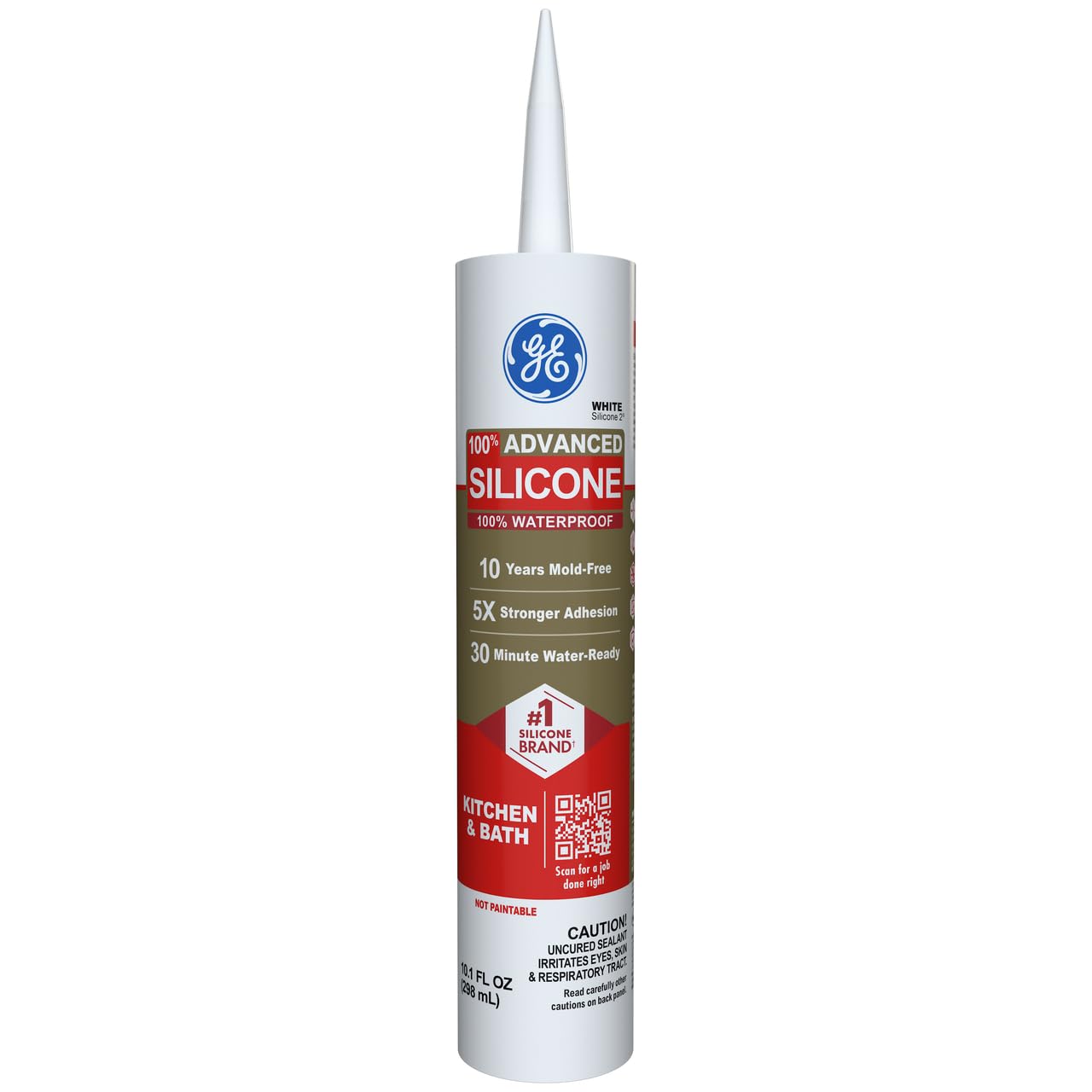
For a remodeling job where I needed bright white coverage and lots of bead, the 10 oz GE Advanced cartridge gave me strong adhesion and low odor.
Why I picked it: Bigger cartridge, low odor, and strong, flexible seal for big bathroom jobs.
Best for: Full tub surrounds, shower remodels, and long perimeter runs.
A practical cartridge for larger bathroom projects.
Pros
- Low curing odor
- Permanently flexible
- Good for long runs
Cons
- Tackiness if overworked
- Needs caulk gun for use
My take
I tackled a full tub surround replacement with this GE Advanced 10 oz cartridge. The consistency was easy to control with my caulk gun and the white dried bright and even.
It cured with the flexibility I expect from a quality silicone and didn’t shrink out of joints. Because it’s a cartridge, I finished long seams without stopping to swap tubes, which saved setup time.
If you tool too long over the bead it can get tacky, so I smooth and pull tape promptly for the cleanest edge.
7. 5‑in‑1 Caulking Tool Kit – Best Caulking Tool Kit
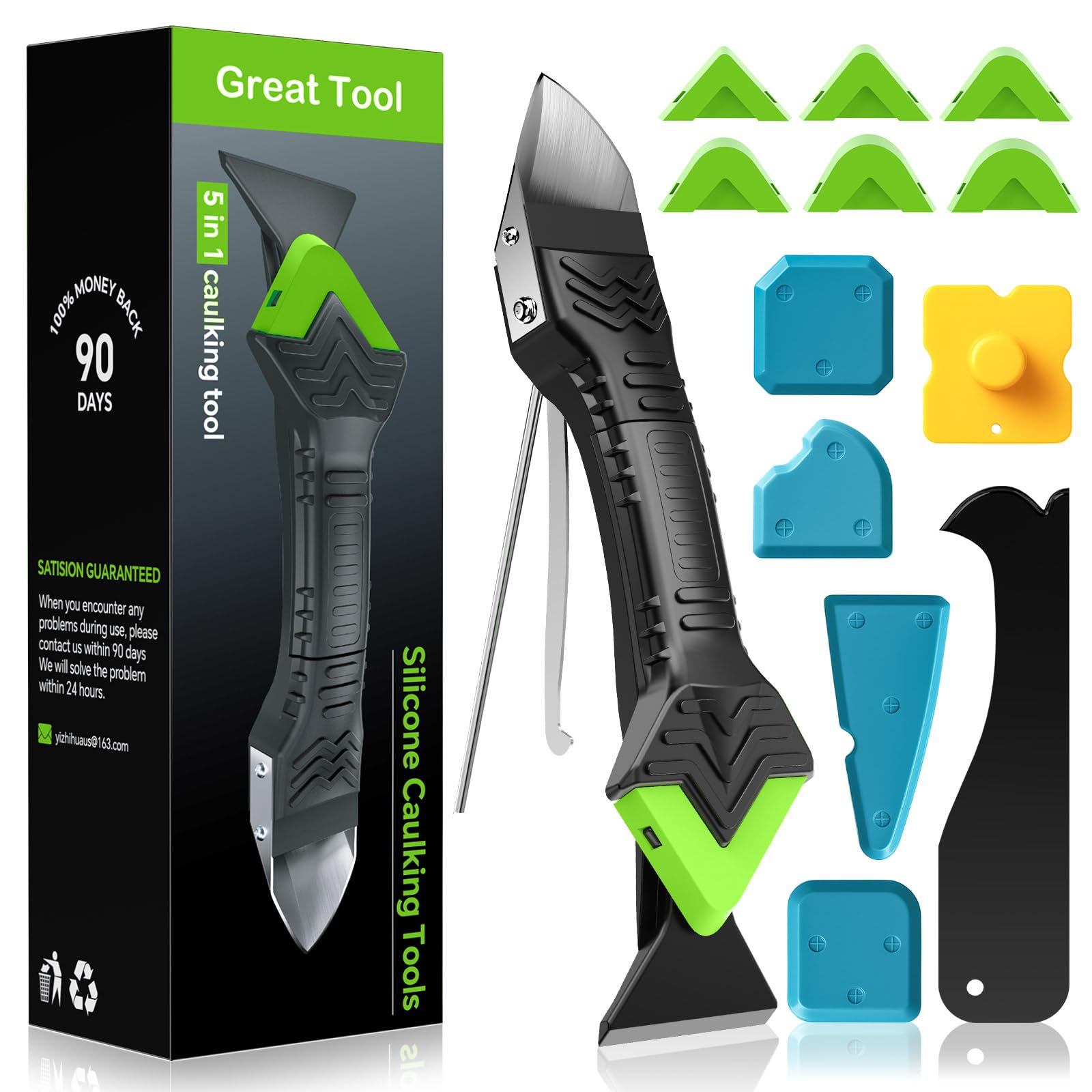
I always keep this 5‑in‑1 finishing and removal kit in my toolbox — it speeds old‑caulk removal and gives neat finished seams.
Why I picked it: Versatile finishing options and reusable silicone pads for tidy joints.
Best for: Smoothing beads, removing old caulk, and finishing corners.
Affordable kit that dramatically improves finished results.
Pros
- Multiple finishing radii
- Reusable silicone pads
- Includes metal scraper
Cons
- Plastic handle can feel light
- One attachment may wear faster
My take
This caulking tool kit is what lifted my DIY seams from amateur to neat. The interchangeable silicone pads give predictable radii so I could match bead size to the gap and pull crisp edges every time.
The stainless scraper is stiff enough to remove old, stubborn caulk without gouging tile when I work carefully. I appreciated that the pads are replaceable — after heavy use I swapped one out and kept going.
If you do shower work frequently, this tool alone will save cleanup time and make caulking look professional.
How I Choose Caulk for Showers
Key features to prioritize
I always check for 100% silicone, waterproof claims, mold resistance, and how soon the bead is water-ready; these matter most in a shower.
Adhesion and permanent flexibility keep seals intact through temperature changes and normal movement.
- Water-ready time: faster means less downtime for showers.
- Mold resistance: look for advertised mildew protection.
- Flexibility: prevents cracking when materials expand or contract.
- Color: pick clear for invisible seams, white for a bright finish.
- Format: squeeze tubes for spot repairs, cartridges for larger runs.
Application tips I use
I always remove old caulk completely, clean the joint, and ensure the surface is dry before applying new silicone.
For the cleanest line I apply painter’s tape, run the bead, then smooth and remove tape before the skin forms.
- Use a caulk gun for cartridges to maintain steady pressure.
- Tool the bead within minutes; wait longer and tackiness increases.
- Ventilate neutral cure products less aggressively than acetic (strong vinegar smell) silicones.
When to use a finishing tool
I always reach for a finishing tool when I want consistent radius and professional-looking joints.
The right scraper makes removing old sealant much faster and reduces the risk of surface damage.
- Choose a kit with multiple pads to match bead sizes.
- Keep spare pads if you do frequent projects.
Frequently Asked Questions
How long before I can use the shower after caulking?
I look for products that say they’re water-ready in about 30 minutes; that means light exposure is usually OK that day, but I wait a full 24 hours for a complete cure on most beads for maximum durability.
Can I paint over silicone caulk?
I don’t paint over standard 100% silicone because most aren’t paintable. For painted seams I choose a paintable acrylic or a specialized product designed for painting.
What’s the best way to remove old caulk?
I use a metal scraper to break the bead, then peel residual silicone out with a stiff plastic tool and finish with solvent or rubbing alcohol to remove residue before re-caulking.
Is silicone safe for aquariums?
I avoid using construction silicones in aquariums unless the manufacturer explicitly states aquarium-safe. Several silicones here specifically advise against aquarium use.
Final Take
After hands-on testing, I’m confident recommending a quick water-ready 100% silicone for shower work — it minimizes downtime and stays flexible long term. For tight visible seams I prefer clear formulas; for a bright look choose a true white variant.
If you’re tackling a small repair, grab a squeeze tube and a finishing tool. For remodels or long perimeter runs, choose a cartridge-sized silicone and a good caulk gun. Those small choices make the difference between a temporary patch and a job that lasts.
