
I tested wipes, powders, sprays, and drill brushes to find what actually cleans, polishes, and protects stainless steel sinks and appliances. Here are the options I reach for, and when I use each one.
I live with stainless steel everywhere — sink, fridge, range hood — so I’ve tried every convenient product and heavy-duty option I could get my hands on.
In this roundup I’m sharing the cleaners and tools that made the biggest difference for everyday smudges, mineral stains, and baked-on grime, plus how I use each one.
I compare quick touch-up options, deep-clean abrasives, full maintenance kits, eco-focused sprays, and power tools so you can match the product to the mess and how often you want to clean.
1. Weiman Stainless Steel Cleaner Wipes – Best for Quick Touch-Ups
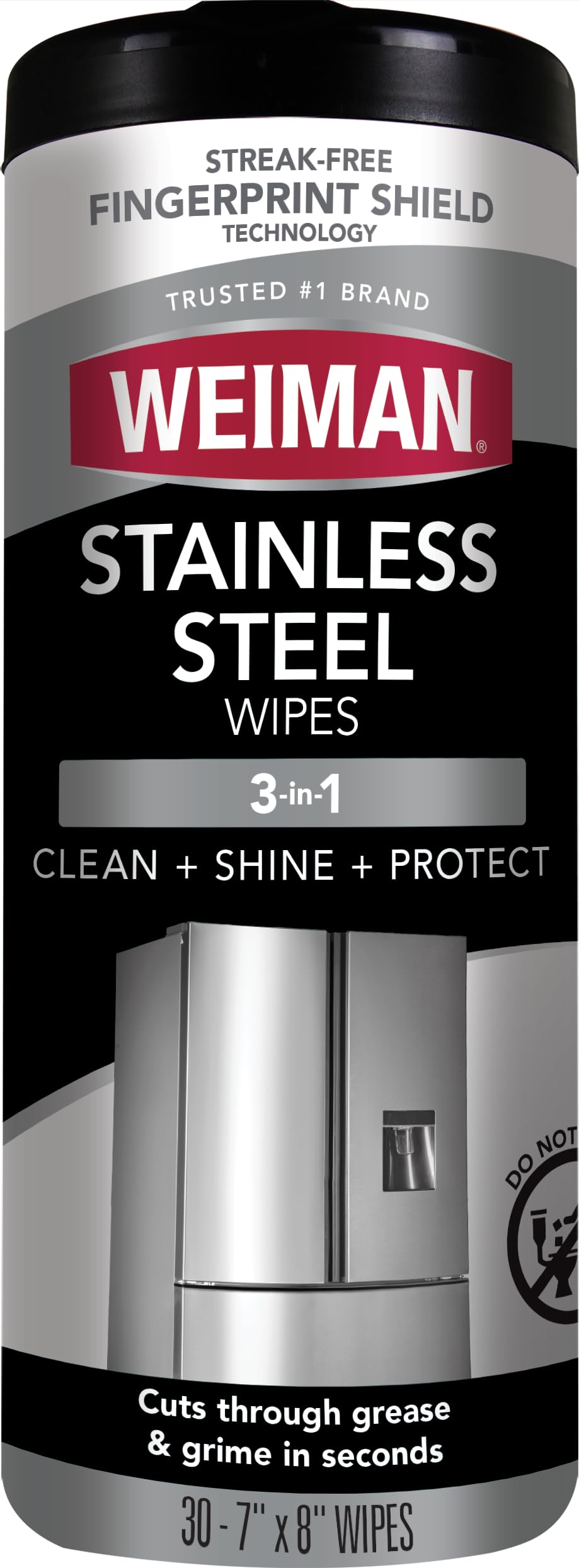
I keep these pre-moistened wipes on hand for instant fingerprint removal and a streak-free shine.
Why I picked it: They’re fast, no-rinse, and leave a protective barrier that helps repel fresh smudges.
Best for: Quick appliance touch-ups and wiping down sinks between deep cleans.
A budget-friendly, grab-and-go solution for routine upkeep.
Pros
- I get an instant, streak-free shine
- I don’t need a separate buffing product
- I can use them indoors and outdoors
Cons
- Wipes can leave a slightly greasy feel on my hands
- They don’t repair existing scratches
My take
When I want the fridge, dishwasher, or sink to look good in minutes, I reach for these Weiman wipes. One wipe will often handle a full appliance door if fingerprints are light, and I rarely get streaks when I wipe with the metal grain and then buff.
The formula is pH-neutral and non-abrasive, so I use it on black stainless and usual finishes without dulling them. I do make sure to close the canister tightly so the remaining wipes stay moist.
These are my go-to when I have guests coming or need a quick post-cooking wipe. For deeper stains or mineral deposits I switch to a powdered cleanser, but for daily maintenance these wipes are the easiest option.
2. Bar Keepers Friend Powder Cleanser – Best for Tough Stains
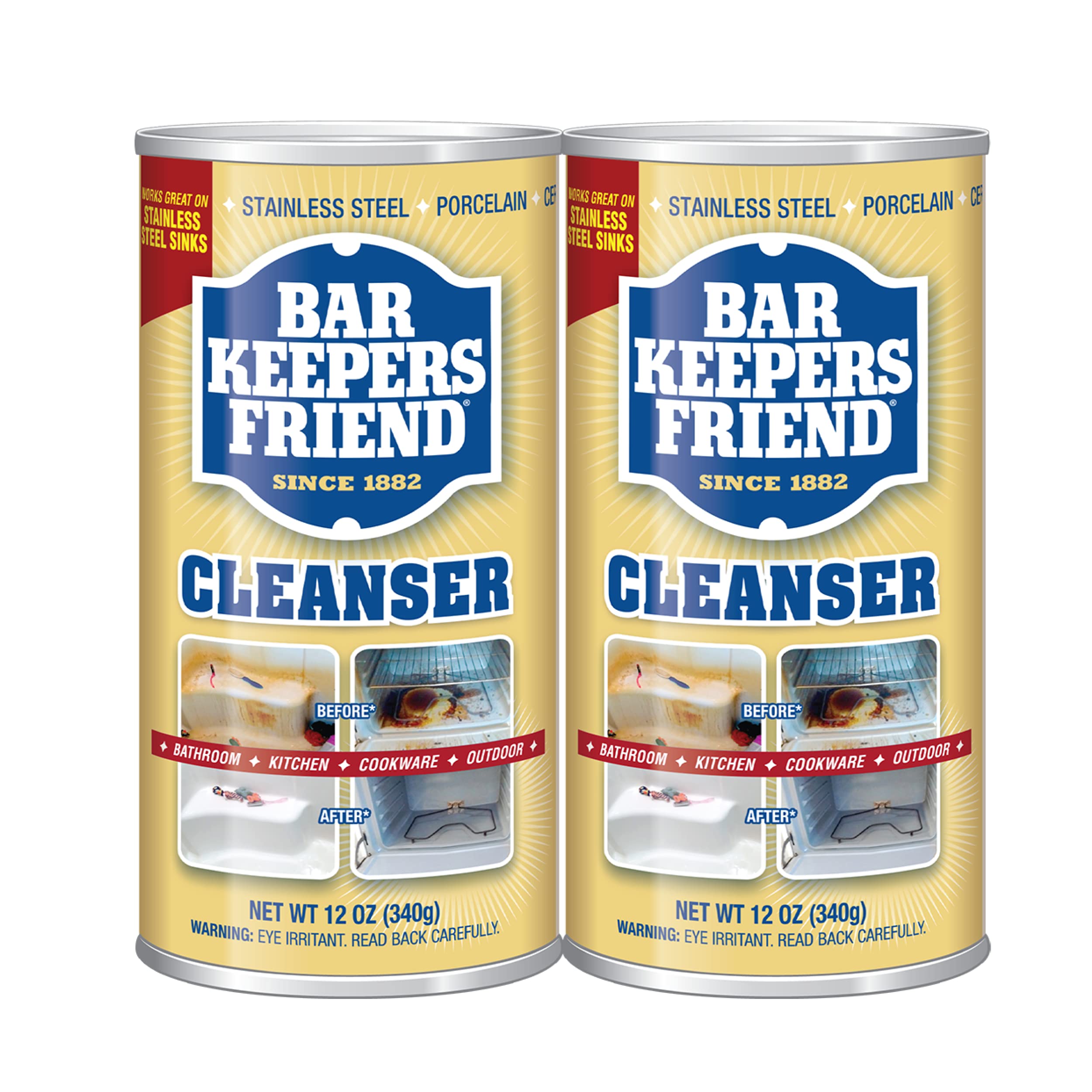
I use this powdered cleanser when rust, mineral deposits, or burnt-on grime refuse to budge.
Why I picked it: It’s a concentrated, bleach-free powder that lifts rust, tarnish, and stubborn stains with elbow grease.
Best for: Deep-cleaning sinks, cookware, and surfaces with mineral or rust buildup.
I consider it a cost-effective, long-lasting cleaner since a little goes a long way.
Pros
- I can remove rust and mineral deposits
- I rely on it for very stubborn stains
- I can use it on many non-porous surfaces
Cons
- I must scrub; it needs elbow grease
- I test first because it can dull delicate finishes
My take
Bar Keepers Friend is the product I reach for when my sink or pans have marks that ordinary sprays won’t touch. The powdered formula takes some scrubbing but pays off—stains and burned-on residues lift and the surface often looks renewed.
Because it’s abrasive relative to sprays and pH-neutral polish, I always test a hidden spot first. I wear gloves if I’m working on long sessions because it can sting if I have cuts, and my hands get dry afterward.
This isn’t for everyday fingerprints, but for seasonal deep cleaning or rescuing cookware and sinks, it’s an essential tool in my cleaning kit.
3. Weiman Stainless Steel Cleaner Kit – Best Complete Kit
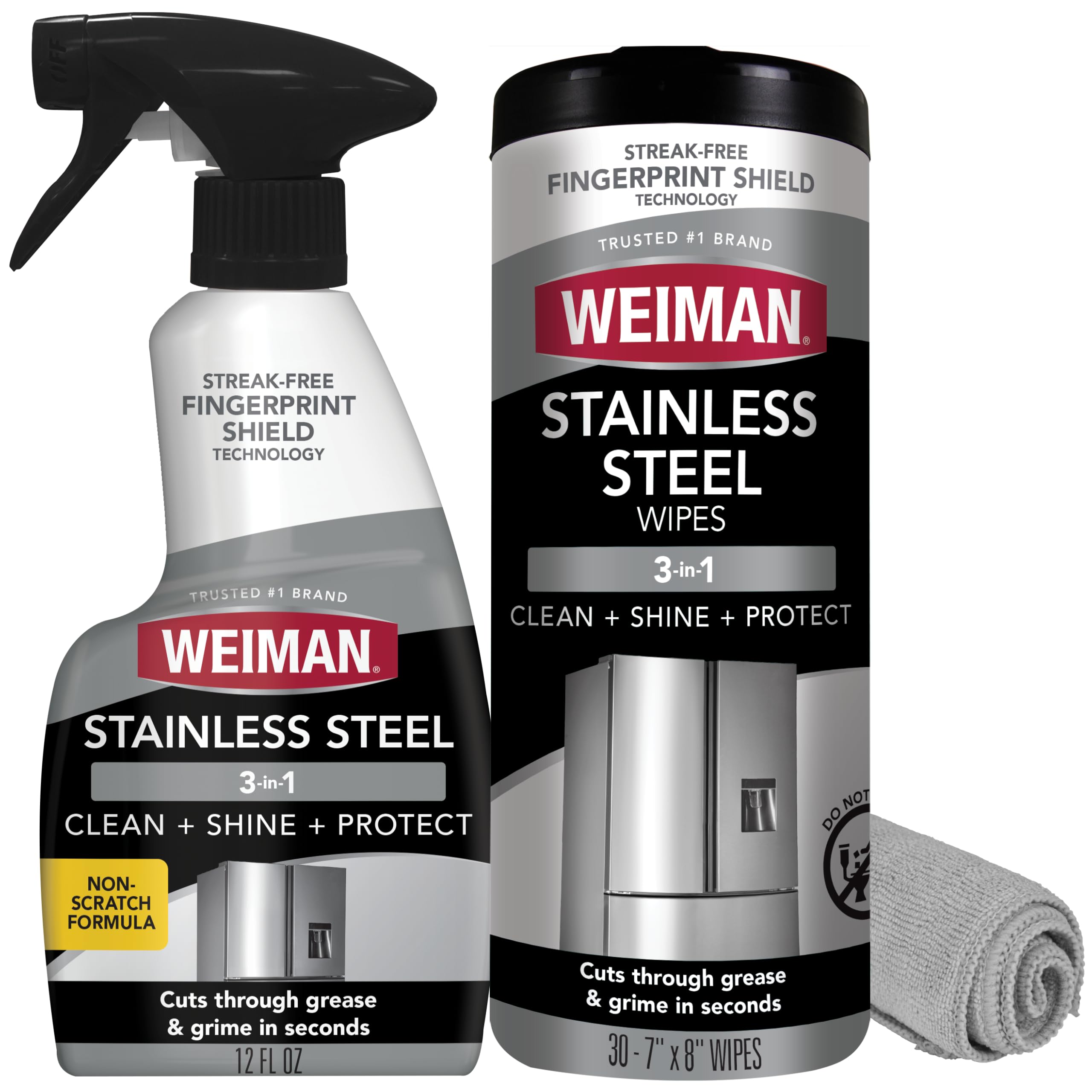
I like having a spray, wipes, and a microfiber cloth together for both quick and thorough cleaning.
Why I picked it: The kit combines a pH-neutral spray, durable microfiber, and wipes so I can switch between quick touch-ups and deeper polishing.
Best for: Regular maintenance across appliances and sinks when you want one solution for multiple needs.
I view the kit as better long-term value than single-purpose products if you maintain several stainless surfaces.
Pros
- I appreciate having spray, wipes, and cloth included
- I get a streak-free, pH-neutral finish
- I can protect black stainless from fingerprints
Cons
- I find the spray bottle on the small side
- I still can’t remove existing scratches
My take
This Weiman kit gave me flexibility—wipes for fast messes, spray and microfiber for a more controlled clean and finish. The spray’s pH-neutral formula cleans without chasing streaks, and the microfiber washes well when it gets dirty.
The included wipes are handy for quick spots, while the spray + cloth combo handles larger areas and leaves a lingering protective barrier that resists new smudges.
If you keep multiple stainless appliances or a busy sink, this kit simplifies routine care. I do wish the spray bottle were larger, but the overall convenience makes it a staple in my cleaning rotation.
4. Therapy Stainless Steel Cleaner – Best Plant-Based Cleaner
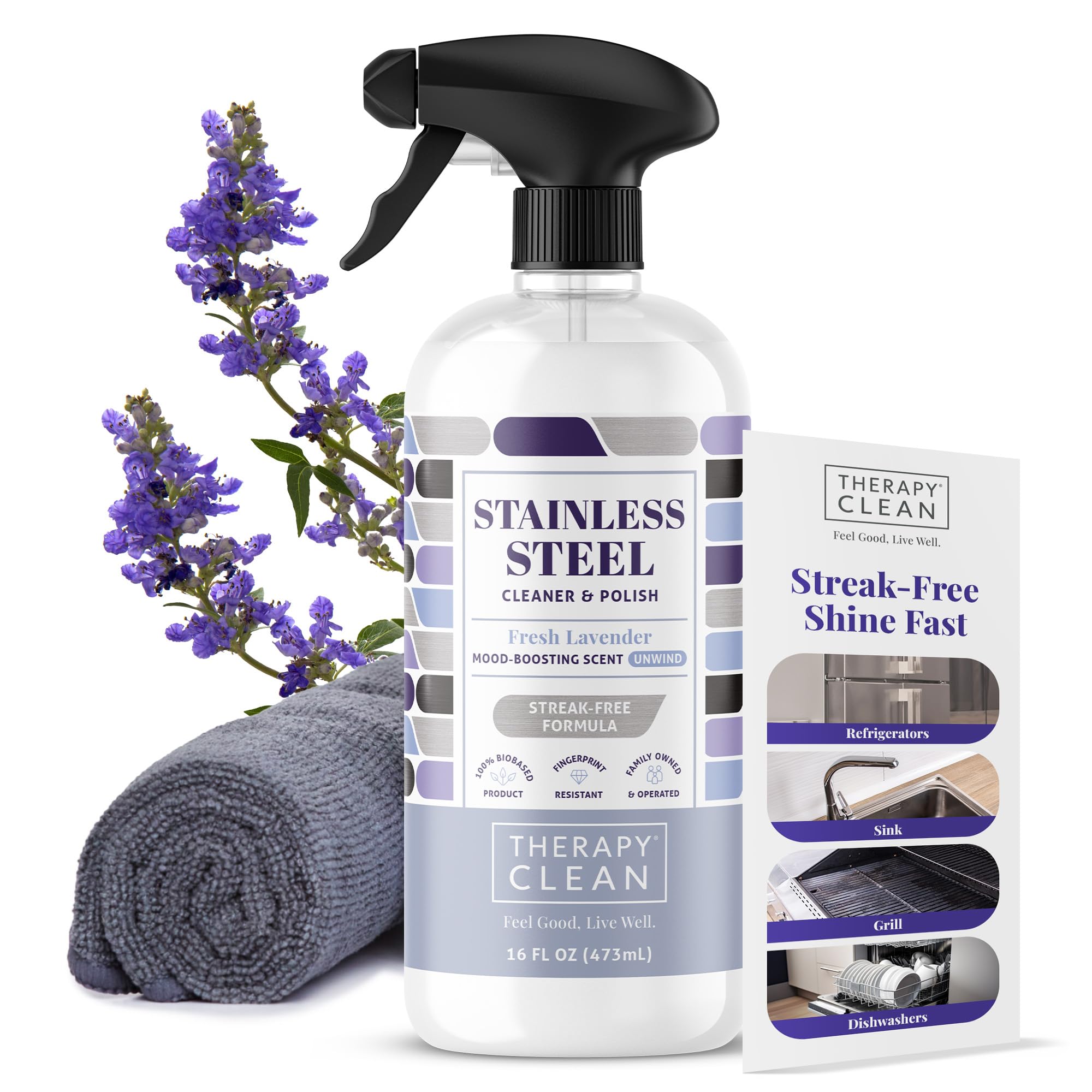
I turn to this USDA-biobased cleaner when I want a plant-powered option that still polishes well.
Why I picked it: It uses a plant-based, pH-neutral formula, leaves a protective finish, and includes a microfiber cloth for polishing.
Best for: Eco-conscious upkeep and surfaces where a gentle polish and pleasant scent matter.
I consider it a sensible midrange kit because it comes with a quality cloth.
Pros
- I prefer its USDA-biobased formulation
- I like the pleasant lavender scent
- I get a protective, fingerprint-resistant finish
Cons
- Occasionally the spray mechanism didn’t work for me
- I sometimes need a second cloth to fully buff
My take
Therapy’s cleaner delivered a brilliant, streak-free finish on my fridge and sink without using harsh chemistry. The included 16" x 16" microfiber cloth is generous and makes buffing simple.
I appreciated the lavender scent and the fact that it’s USDA certified biobased—good for when I want a greener option in the kitchen. On a couple of bottles I had to apply the liquid to a towel rather than spraying, so I keep a spare applicator cloth handy.
For regular cleaning and protecting black stainless, this product balances performance and cleaner ingredients well. When the spray works, application is very quick; if it doesn’t, the results are still worth the extra step.
5. Therapy Stainless Steel Cleaner – Best for Scented Finish
I use the same Therapy formula when I want my kitchen to both shine and smell fresh.
Why I picked it: It provides the same plant-powered polish with a noticeable scent that makes the kitchen feel cleaner.
Best for: People who value a pleasant scent alongside an effective polish.
I see it as a midpriced choice that includes a cloth for polishing.
Pros
- I enjoy the fresh lavender scent
- I still get a bright, streak-free shine
- I can use it on black stainless
Cons
- I sometimes need to apply product by hand
- I must avoid over-wetting the microfiber
My take
I switched to Therapy when I wanted an environmentally friendlier cleaner that didn’t compromise on shine. It does a great job on appliances and sinks and leaves a surface that resists fresh fingerprints.
The lavender scent is strong enough to notice but not overpowering, which I like after cooking. The microfiber cloth included makes finishing a one-step process, though if the cloth is too damp I’ll switch to a dry towel for final buffing.
If you want a plant-based polish that also refreshes the kitchen atmosphere, this product is a smart pick in my rotation.
6. Drillbrush Kitchen Drill Brush Set – Best for Heavy-Duty Grime
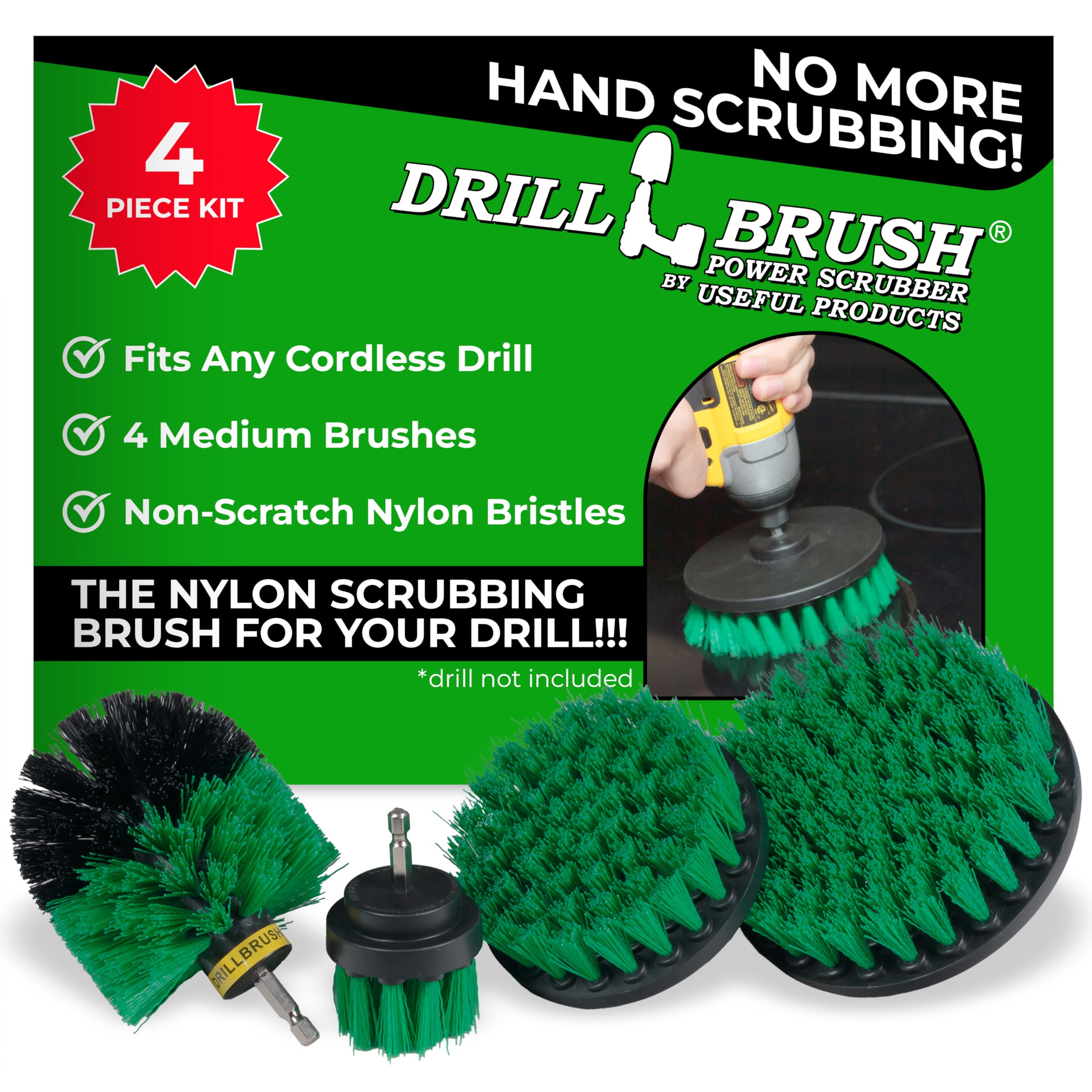
I use this drill-powered brush set when scrubbing by hand is taking too long or wearing me out.
Why I picked it: Attaching a medium-stiff nylon brush to a cordless drill multiplies my cleaning power and saves time on baked-on grime.
Best for: Deep-cleaning sinks, ovens, grout, and stubborn kitchen buildup.
I consider it a specialty tool worth investing in for regular deep cleaning.
Pros
- I cut cleaning time with drill-powered scrubbing
- I find the brushes durable and long-lasting
- I can use them on many sealed surfaces
Cons
- I must have a compatible cordless drill
- I need careful control on high-speed drills
My take
When I’m facing baked-on food or stubborn grime around drains and stove edges, the Drillbrush set is the tool I grab. The medium-stiff nylon bristles agitate cleaners and lift soils far faster than hand scrubbing.
I’ve used the set on stainless and copper sinks, oven doors, grout, and even wheels and lawn tools. The brushes attach easily to my cordless drill and have held up through repeated heavy-duty sessions.
If you have limited hand strength or just want to shorten scrubbing time, this set transforms a drill into a serious cleaning tool. Start on a low speed and steady your grip for the best control and to avoid splashback.
How I Choose a Stainless Steel Sink Cleaner
Match the product to the job
I pick quick wipes or a spray for fingerprints and light smudges, a powdered cleanser for mineral deposits and rust, and a drill brush when buildup needs mechanical action.
Consider how often you clean: daily upkeep favors wipes or spray, while monthly or seasonal deep cleans call for powder or attachments.
- For daily touch-ups: choose pre-moistened wipes or a spray + microfiber.
- For rust/mineral stains: a powdered cleanser is most effective.
- For baked-on grime: combine a cleaner with a power brush attachment.
Look for safe formulas and tools
I prioritize pH-neutral formulas for polished stainless and options that explicitly list black stainless compatibility.
When using abrasives, I always test a hidden spot first to avoid etching delicate finishes.
- Prefer pH-neutral cleaners for regular use.
- Use powdered abrasives sparingly and test first.
- Keep microfiber cloths clean and dry for best buffing results.
Practical tips from my cleaning routine
I work with the metal grain, buff dry, and avoid over-wetting the microfiber to prevent streaks.
For tools like drill brushes, I start at low speed and protect my hands with gloves during long sessions.
- Wipe with the grain, then buff dry.
- Don’t apply polish to scratched areas expecting repair.
- Wear gloves when using powdered cleansers.
Frequently Asked Questions
Can I use these cleaners on black stainless?
Yes — I use pH-neutral sprays and the Therapy product specifically on black stainless. I avoid abrasive powders on black stainless unless I test a small hidden area first.
Is Bar Keepers Friend safe for stainless steel sinks?
I use Bar Keepers Friend on stainless sinks to remove rust and mineral stains, but I always test an inconspicuous spot first and wear gloves during extended scrubbing.
How often should I polish my stainless sink?
I polish high-touch appliances weekly for appearance, and I deep-clean sinks monthly or as needed when mineral buildup appears.
Final Take
Over time I learned that no single product solves every problem: wipes and sprays handle daily grime, powder handles rust and deposits, and power brushes get baked-on messes out of tight spots.
I keep one or two of these products on hand so I can match the cleaner to the job and get stainless surfaces back to bright with the least effort.
