
I tested a range of concrete sealers and waterproof coatings to find the best options for driveways, pavers, crack repair, and foundation work. Here are the products I reached for depending on the job.
I spent time using a variety of concrete sealers and rubber coatings across driveways, pavers, a pool patio, and a couple of backyard water features so I could recommend products for different jobs and budgets.
I focused on how they applied, how they changed the look of concrete, how they held up to water and traffic, and what prep or additional materials each product needs for a durable result.
Below are the products I used, why I picked them, who each is best for, and the practical notes I learned from hands-on use.
If you want color enhancement and vehicle traffic durability, solvent-based acrylic sealers like the Armor AR350 are my first choice; for waterproof membranes and active leak repair, I prefer rubberized coatings like Liquid Rubber. For small cracks and detail work, caulk-style fillers such as the DAP tube are quickest and most economical.
1. Flex Seal Liquid — Clear – Best for Water Features
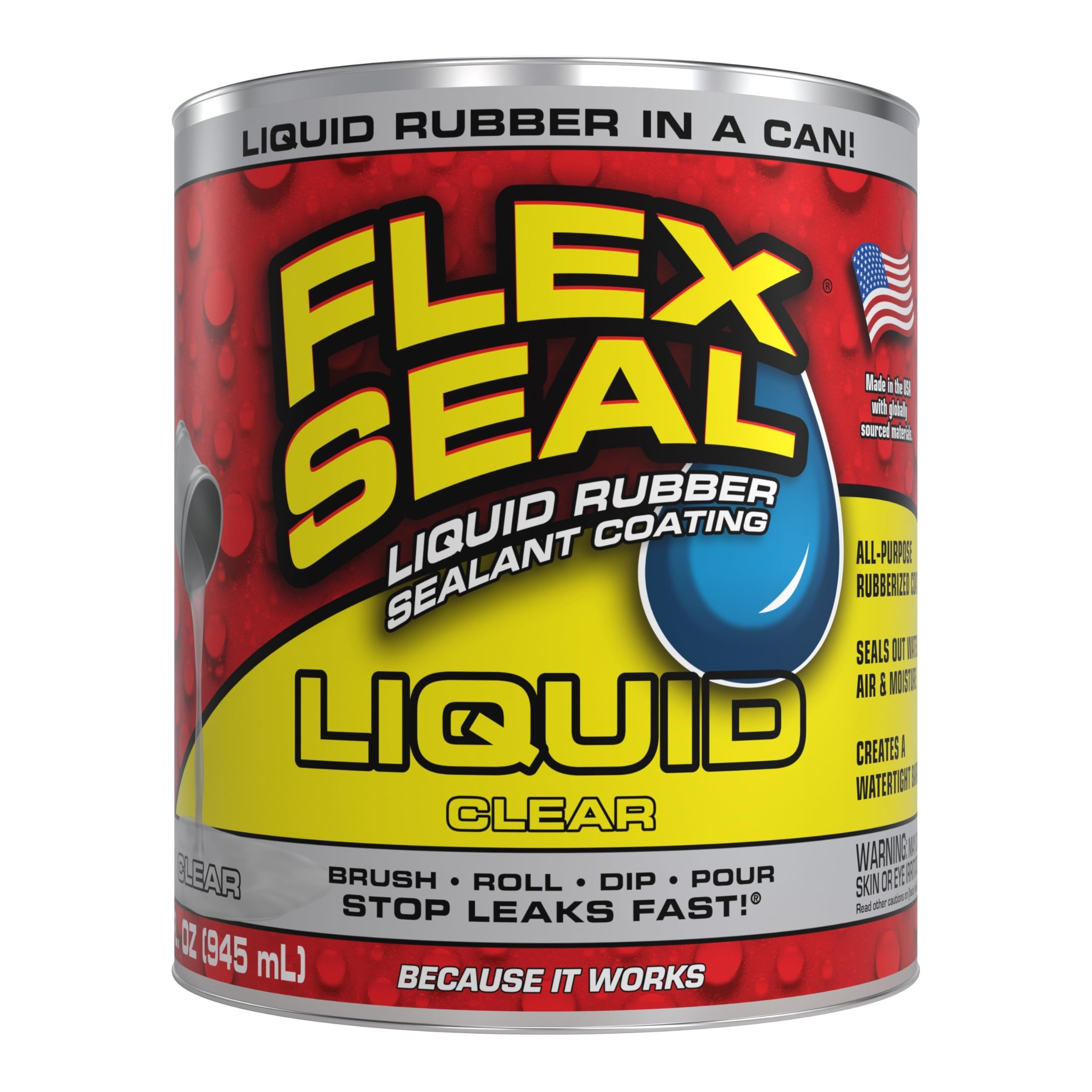
A brush- or roll-on liquid rubber I used to waterproof a garden waterfall and patch a deck leak. It goes on thick, self-levels a bit, and cures to a flexible, watertight layer.
Why I picked it: I picked this for small waterproofing jobs where I needed a flexible, clear rubber coating that I could brush on precisely.
Best for: Sealing small water features, basins, leaks, and spot repairs where flexibility matters.
Affordable and easy to buy in small sizes for spot jobs.
Pros
- Brushable liquid rubber
- Clear finish blends discreetly
- Flexible and water-tight
- UV resistant
Cons
- Strong fumes during application
- Can be thick and hard to clean from tools
My take
I used the clear Flex Seal Liquid to seal a garden waterfall liner and to stop a deck leak above an interior room. It brushes on like a very thick paint, lays flat when warm, and cured to a rubbery membrane that stopped seepage.
Application is simple with a 2-inch brush; the product self-levels a bit in warm weather but will be tackier and harder to spread in cool conditions. I found one coat was enough for my shallow basin after careful prep and drying.
Be prepared for strong fumes and plan for good ventilation. Clean-up of brushes is difficult once it sets, so I used disposable brushes and applied carefully to avoid waste.
2. Liquid Rubber Foundation Sealant – Best for Foundation Repair
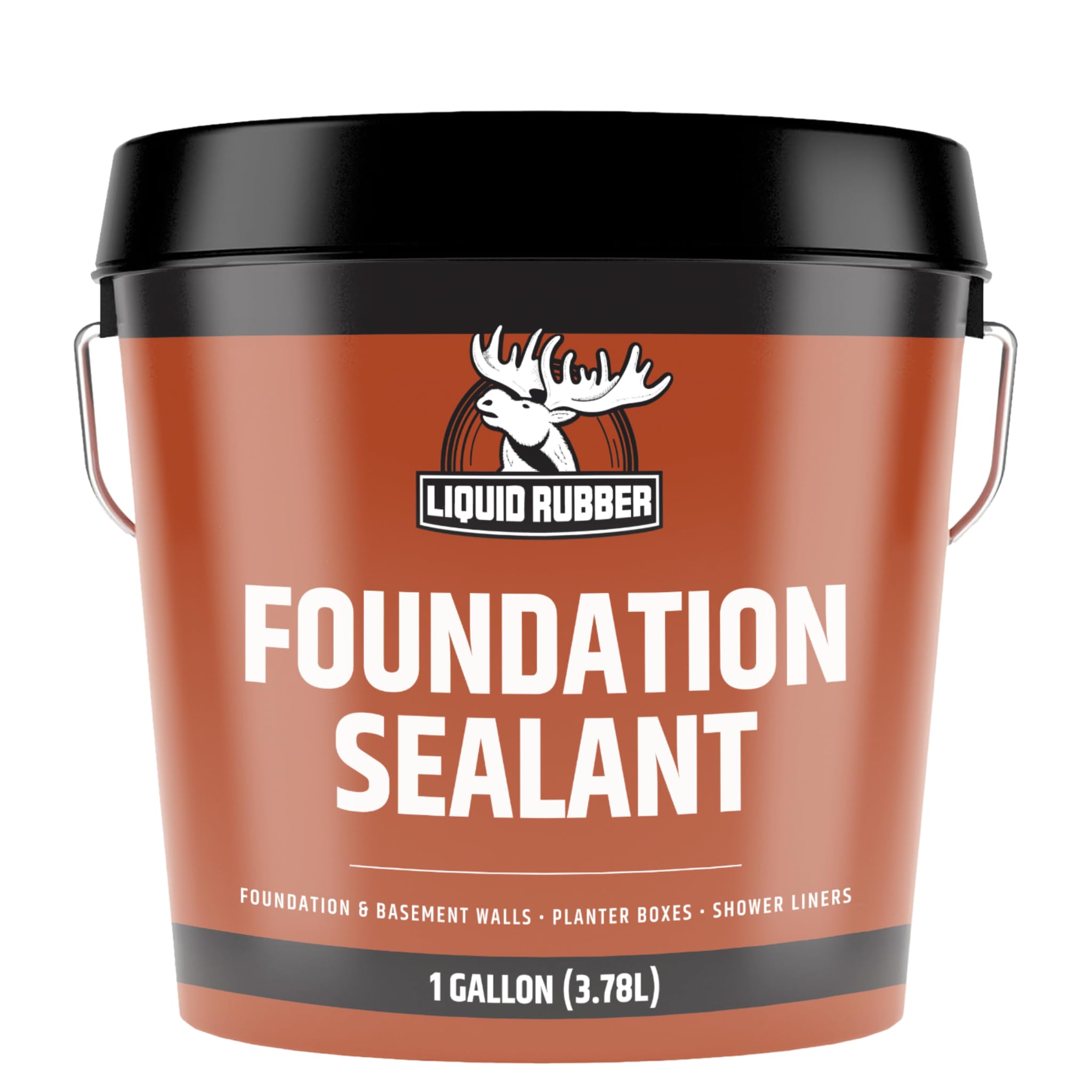
A professional-grade rubber membrane I applied to a dug-out foundation wall. It creates a thick, flexible, waterproof coating designed for active leaks and long-term protection.
Why I picked it: I chose this when I needed a permanent waterproof membrane and flexibility to bridge movement-prone joints.
Best for: Basement walls, foundations, planters, and places that need a high-elasticity waterproof membrane.
Higher-cost, professional-grade option for structural waterproofing and large areas.
Pros
- Very high elongation (flexible)
- Water-based, zero VOC formula
- Great adhesion to concrete
- Designed for active leaks
Cons
- Feels tacky on walking surfaces
- Requires multiple coats for exterior work
My take
I used Liquid Rubber on an excavated foundation wall where I had patched cracks and wanted a reliable waterproof membrane. It goes on like thick paint and cures into a rubbery, waterproof coat that handled the irregular wall surface well.
Coverage varies by substrate—interior basement work requires fewer coats than exposed exterior concrete. For joints and transitions I combined the liquid with geo-textile reinforcement to bridge gaps and improve longevity.
Because it can remain tacky on horizontal walking surfaces, I avoided it on driveways or patios where foot or vehicle traffic is expected without a finishing topcoat.
3. Flex Seal Liquid — Clear (16 oz) – Best for Touch-Ups
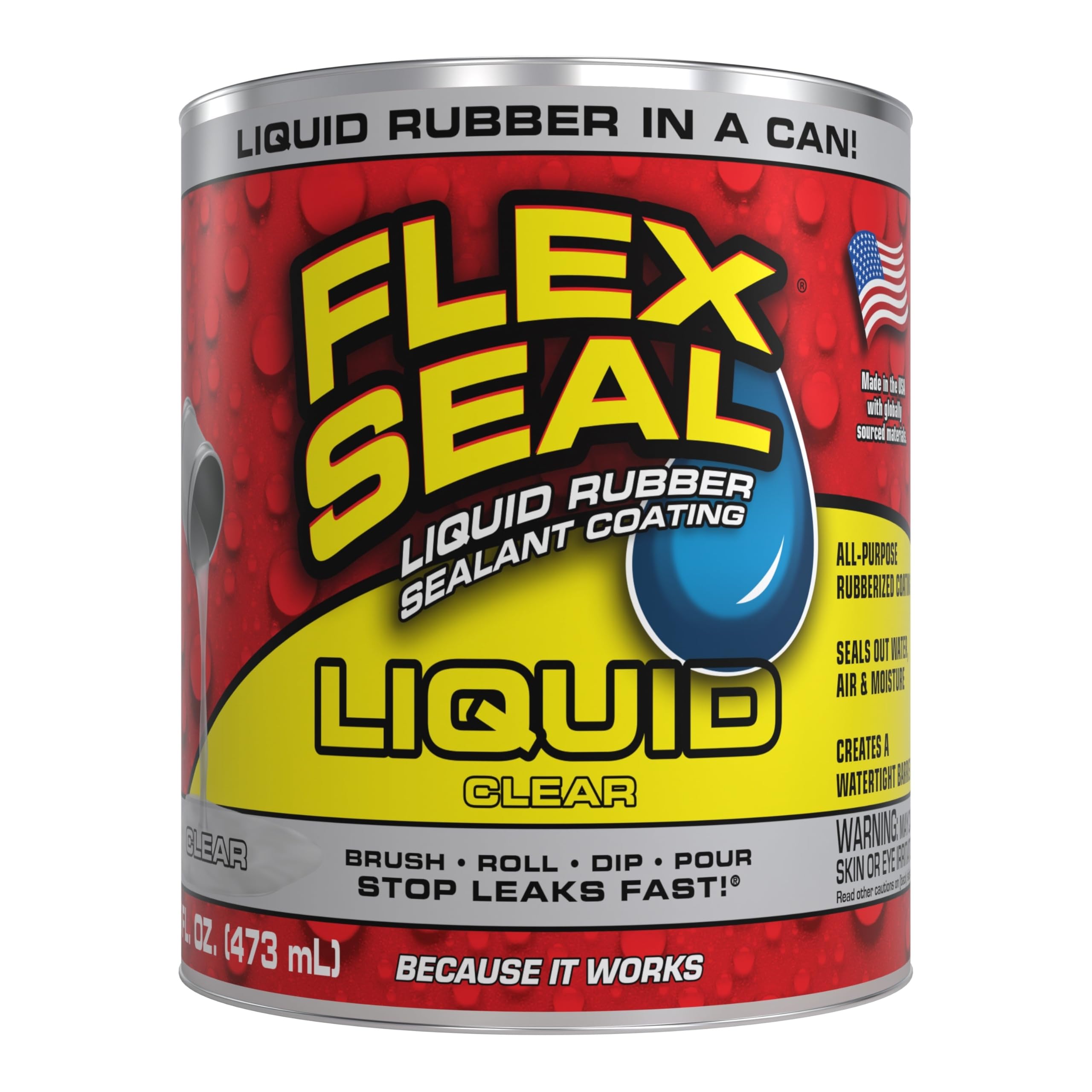
A smaller can of the same brush-on liquid rubber I used for patching small patio areas, porch corners, and hairline cracks where clear coverage was desired.
Why I picked it: I kept this on hand for quick patio and porch touch-ups where a small amount of waterproofing or crack coverage was needed.
Best for: Small patio repairs, screened porch leaks, and spot-sealing hairline cracks.
Economical for small repairs and occasional use.
Pros
- Handy small-can size
- Clear finish for discreet repairs
- Easy brush application
- Flexible when cured
Cons
- Brush can stiffen quickly
- Limited coverage per can
My take
The 16-ounce flex seal worked perfectly on a patio with hairline cracks and a screened porch corner that was letting water in. It applied smoothly and blended because it’s clear.
I used inexpensive disposable brushes; the product stiffens quickly on the brush so have a spare. Clean-up is tough, so I avoid cleaning brushes for reuse.
For bigger surfaces you’ll want a larger container, but the 16-ounce size is ideal for spot work and small projects.
4. Armor AR350 Low Gloss Concrete Sealer – Best for Driveways & Pavers
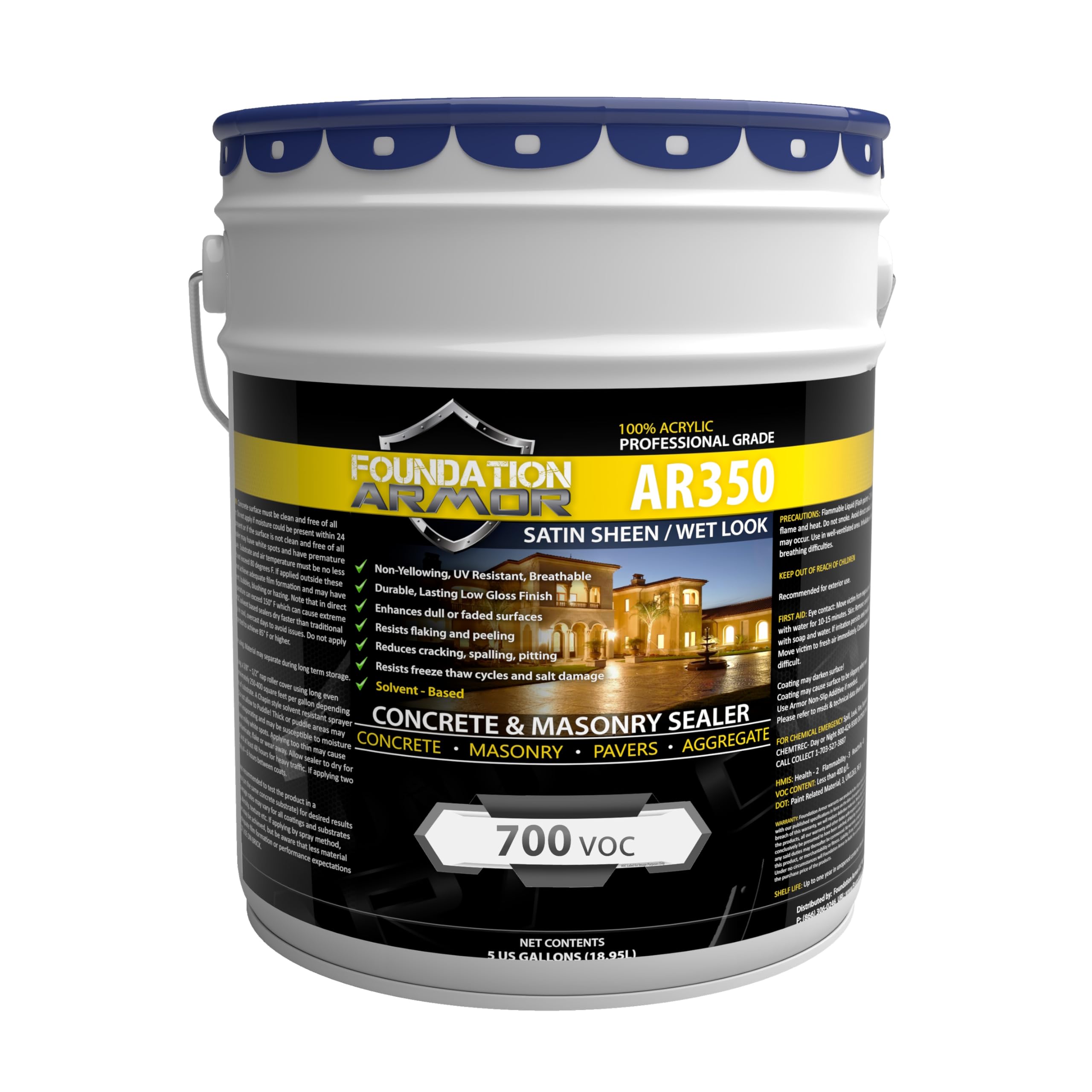
A solvent-based, color-enhancing sealer I used across stamped concrete, pavers, and an exposed aggregate patio to bring back the wet look while offering long-term protection against UV, abrasion, and salt.
Why I picked it: I picked this when I needed a durable, low-gloss finish that enhances color and stands up to vehicle and foot traffic.
Best for: Driveways, pavers, stamped concrete, and pool patios where appearance and durability matter.
Premium, pro-grade sealer — better upfront cost for longer-lasting results.
Pros
- Dramatic color enhancement
- Professional-grade durability
- Easy to roll or spray
- Good coverage per gallon
Cons
- Solvent odor during application
- Requires surface prep for best coverage
My take
I applied AR350 over stamped concrete and pavers and the results were instantly noticeable — color came alive without a glossy, wet-paint look. Texture and sand detail were preserved while the surface gained a richer tone.
Application was straightforward with a roller and a long handle; for tight joints I switched to a sprayer on the second coat to get consistent coverage between pavers. I also added a fine non-slip additive around the pool to keep the surface safe when wet.
Preparation matters: a pressure wash and removing efflorescence improved coverage and reduced product soak-in on older, dried-out surfaces.
5. DAP Concrete & Mortar Filler – Best for Filling Cracks
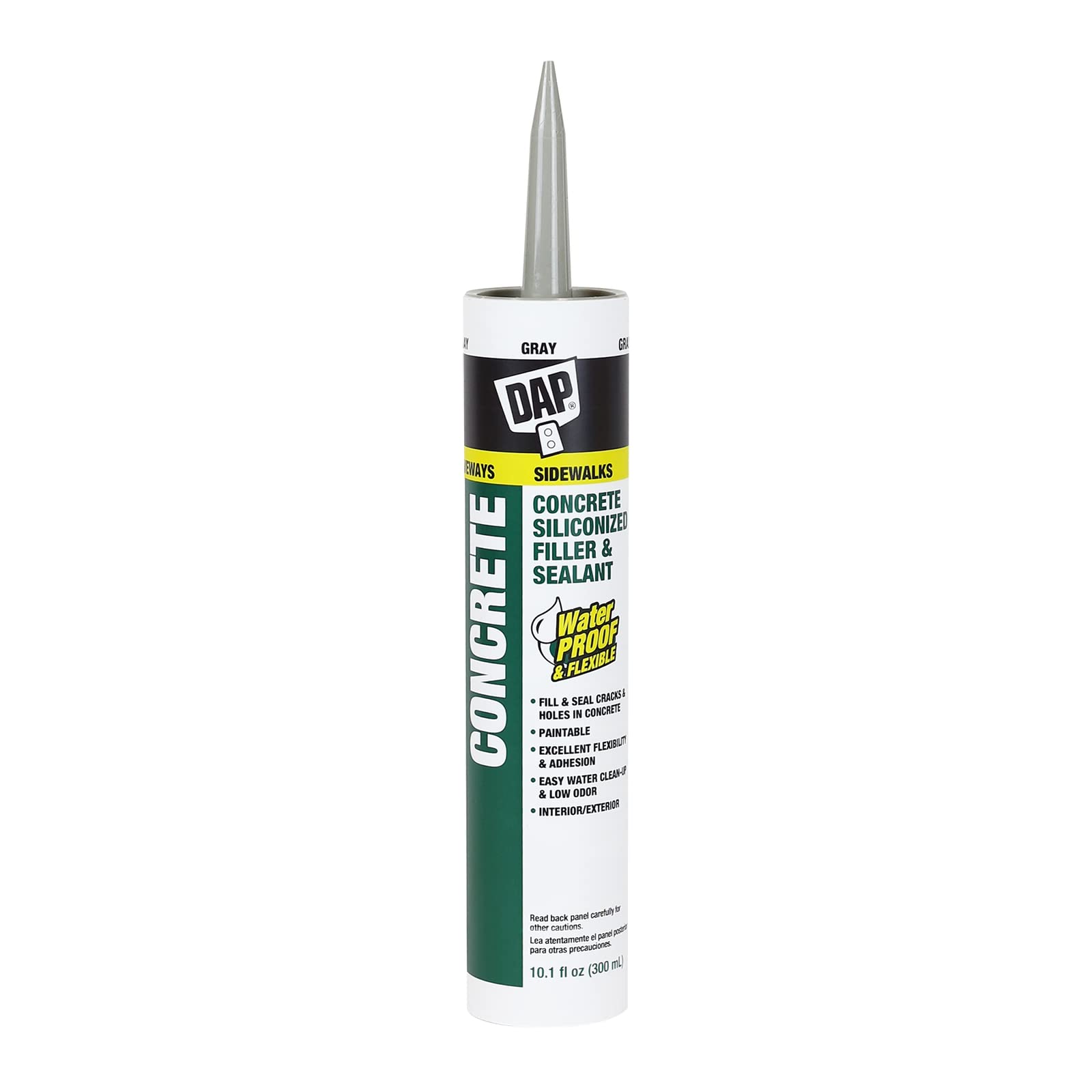
A ready-to-use latex-based patch and sealant I used for filling cracks and holes in driveways and steps. It adheres well, cures flexible, and is paintable.
Why I picked it: I chose this when I needed a simple, hand-applied solution for cracks and seams before sealing a driveway.
Best for: Filling individual cracks and joints prior to sealing or painting.
Budget-friendly and convenient in a caulk tube.
Pros
- Easy squeeze-and-apply
- Paintable when cured
- Resists gasoline and oil
- Low odor, water cleanup
Cons
- Limited bead length per tube
- Color may show when wet
My take
I used the DAP tube to fill several cracks in a driveway and in a basement foundation seam. It went on easily with a standard caulk gun and smoothed out with a gloved finger for a clean finish.
It cured to a flexible, waterproof seal and accepted paint well where I needed a blended look. For long, deep cracks I left room to top with a patch compound, but for most seams this filler provided a durable, weatherproof bead.
Keep in mind coverage—deep or long cracks will need multiple tubes, so plan accordingly.
6. Flex Seal Liquid — Black (16 oz) – Best for Auto & Dark Surfaces
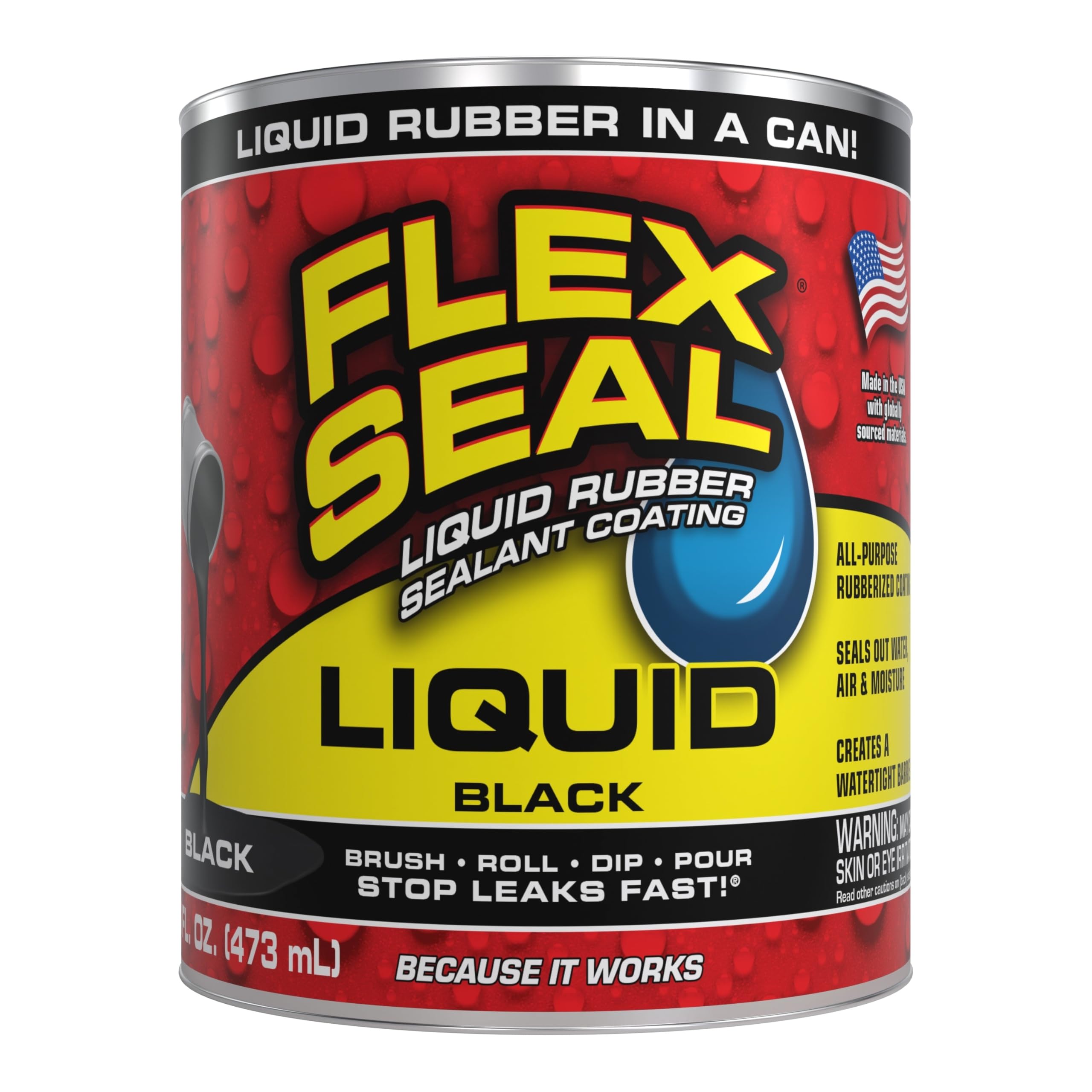
The black Flex Seal Liquid I used on automotive running boards and under-fender areas to restore and protect surfaces with a durable, rubbery coating.
Why I picked it: I reached for the black formula when I wanted a durable, protective, dark finish on metal or asphalt edges where color matters.
Best for: Automotive trim, dark concrete accents, and areas where a black, protective coat is desired.
Affordable for DIY automotive and small exterior projects.
Pros
- Durable black rubber coating
- Protects against elements
- Good adhesion to metal and concrete
- Sound dampening properties
Cons
- Can be labor-intensive for large areas
- Expensive if used in large quantities
My take
I used the black Flex Seal on running boards and under fender wells of restoration vehicles and on cracked asphalt edges. It covered chips and dried to a tough, rubbery finish that resists cracking.
It also worked as a sound-dampening layer when applied in multiple coats. The gloss on black looks good on trim and blends well with dark surfaces.
Because it’s a brush-on coating that builds thickness quickly, I reserved the 16-ounce cans for targeted repairs rather than broad driveway resurfacing.
How I Choose a Driveway Sealer
Types of Sealers and When I Use Them
Solvent-based acrylic sealers (like Armor AR350) are my go-to when I want color enhancement and surface durability for driveways and pavers.
Rubberized liquid membranes (like Liquid Rubber and Flex Seal) are best for active leaks, waterproofing basins, foundations, and areas that move or flex.
Caulk-style fillers (like the DAP tube) are ideal for filling individual cracks and seams before applying a broader sealer.
- Acrylic/sealants — use for appearance and traffic resistance.
- Rubber membranes — use for waterproofing and movement-prone repairs.
- Fillers and patch compounds — use for hairline cracks and holes.
Prep, Application, and Safety Tips I Follow
Surface prep is the most important step: clean with a pressure washer, remove efflorescence, and let concrete fully dry before sealing.
Temperature matters—apply most products within the manufacturer’s recommended range; rubber coatings self-level best in warm weather.
Ventilation and PPE are essential: many solvent-based and rubber coatings produce fumes during application and cure.
- Remove loose material and repair deep damage before sealing.
- Use a roller for even coverage on large areas and a sprayer for tight joints.
- Consider a non-slip additive for pool decks and wet areas.
Coverage and Reapplication I Expect
Coverage varies by product and porosity. New, dense concrete will get better spread rates than old, dry pavers that soak up sealer.
Acrylic sealers typically need reapplication every few years depending on wear; heavy-traffic driveways will need to be watched more closely.
Rubber membranes often require multiple coats for exterior use; follow the recommended coats for your project and inspect periodically.
- Do a small test area to estimate real-world coverage.
- Plan to recoat or topcoat rubber membranes on wear surfaces.
- Keep spare product for spot maintenance between full reseals.
Frequently Asked Questions
Which sealer should I use on a driveway?
For most driveways I prefer a solvent-based acrylic sealer like Armor AR350 because it enhances color and stands up to vehicle traffic. For areas with active water infiltration or foundation leaks, I use rubberized membrane products instead of acrylics.
Can I use Flex Seal on a concrete driveway?
You can use Flex Seal for spot repairs and waterproof patches, but I don’t recommend it as the primary finish on a high-traffic driveway. It’s best for basins, water features, and localized repairs where flexibility and waterproofing are needed.
Do I need to fill cracks before sealing my driveway?
Yes. I always fill cracks with a tube filler or a patch compound before sealing—this prevents water from getting under the sealer and prolongs the life of the finish.
How often should I reseal a driveway?
I typically reseal a driveway every 2–4 years depending on traffic, weather exposure, and the sealer type. Inspect annually and touch up high-wear areas as needed.
Final Take
I matched each sealer to a specific job: pro-grade acrylics for driveways and pavers, rubber membranes for waterproofing and active leaks, and caulk-style fillers for cracks and seams.
If you’re unsure, do a small test patch first and follow manufacturers’ prep and application guidelines—proper prep is what makes any sealer last.
With the right product for the job and careful application, you can protect and refresh concrete surfaces without costly repairs.
