
I tested a range of floor and bathroom cleaners plus the grout brush I reach for most. These picks cover gentle maintenance, foamers that cling to grout, bleach power for mold, and machine-safe formulas.
I spend a lot of time deep-cleaning tile floors and grout in bathrooms, kitchens, and high-traffic areas, so I looked for products that actually move stubborn grime without wrecking my finishes. In this roundup I chose cleaners that work for routine maintenance, heavy-duty stain removal, machine cleaning, and targeted grout scrubbing.
You’ll find options that are gentle on sealed floors, foaming sprays that cling to grout lines, bleach-based solutions for mold and mildew, and a manual grout brush that makes the whole job manageable. I explain where each product excels and where I reach for alternatives.
I compared products based on how well they clean grout lines, compatibility with sealed floors, whether they cling or penetrate stains, safety for finishes, and ease of use with tools or machines.
1. Bona Multi-Surface Floor Cleaner Refill – Best Overall for Gentle Floors
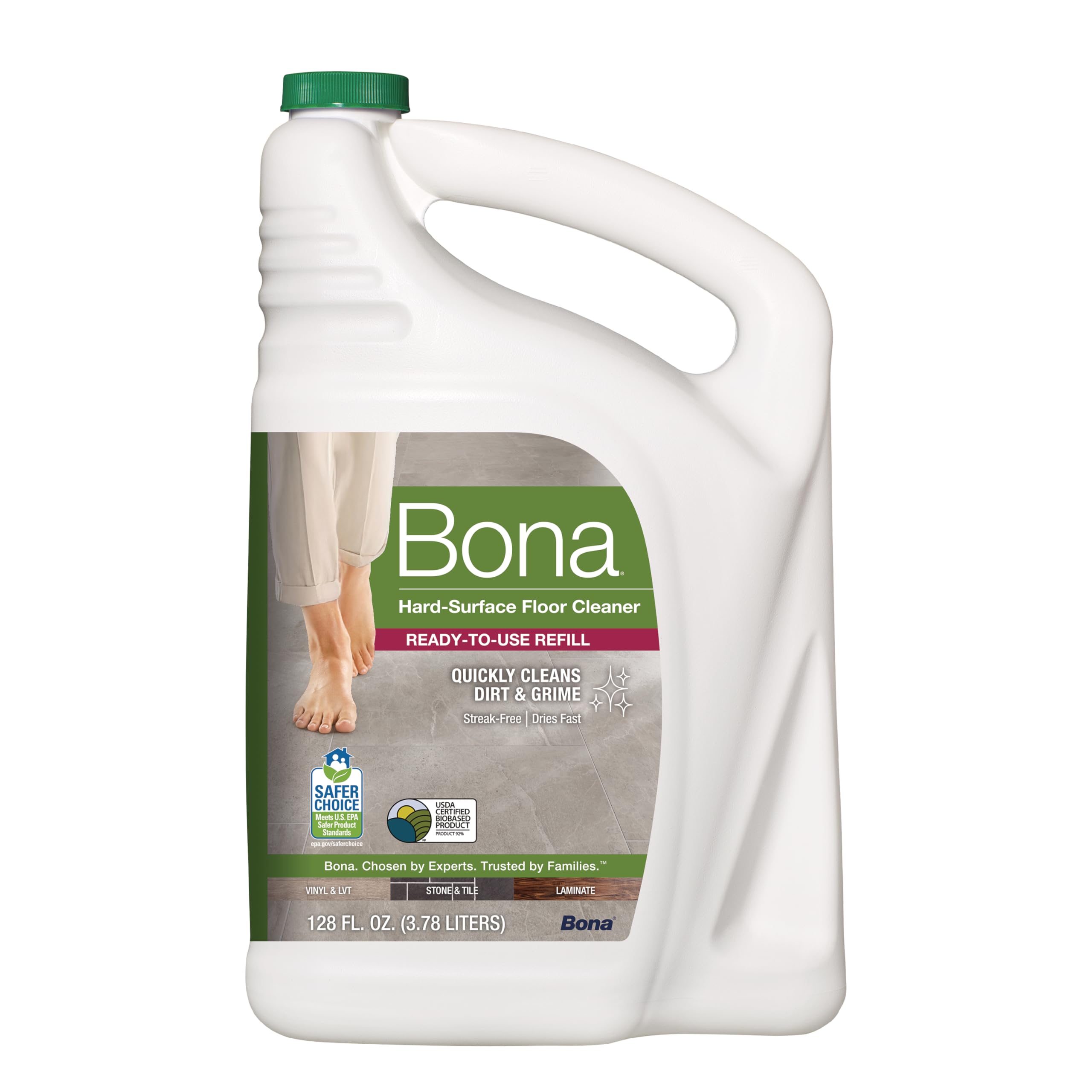
A large, pH-neutral refill I use for routine cleaning of sealed tile, stone, laminate, and vinyl.
Why I picked it: Residue-free, pH-neutral formula that’s safe for most sealed floors and spray mops.
Best for: Weekly maintenance on sealed floors and light grout cleaning.
Value-sized refill that's economical for regular use.
Pros
- pH-neutral and residue-free
- Safe on stone, tile, laminate, vinyl
- Fast-drying, no rinsing required
- Made with plant-derived ingredients
Cons
- Not meant for deep grout stains
- Unscented—no masking fragrance
My take
I keep a jug of this refill on hand for my weekly floor cleanings because it leaves no sticky film that traps dirt in grout lines. I pour it into my Bona spray mop and the solution lifts surface grime without dulling sealed tile or vinyl.
For everyday soil and maintenance of grout edges, it’s perfect: it rinses and dries quickly so I can finish rooms fast. When grout needs heavy stain removal I switch to a foaming or bleach product, but for ongoing care this is my go-to.
I also appreciate the eco credentials—92% biobased content and Safer Choice certification—which matter in a household with pets.
2. Lysol Power Foaming Bathroom Cleaner – Best for Soap Scum and Limescale
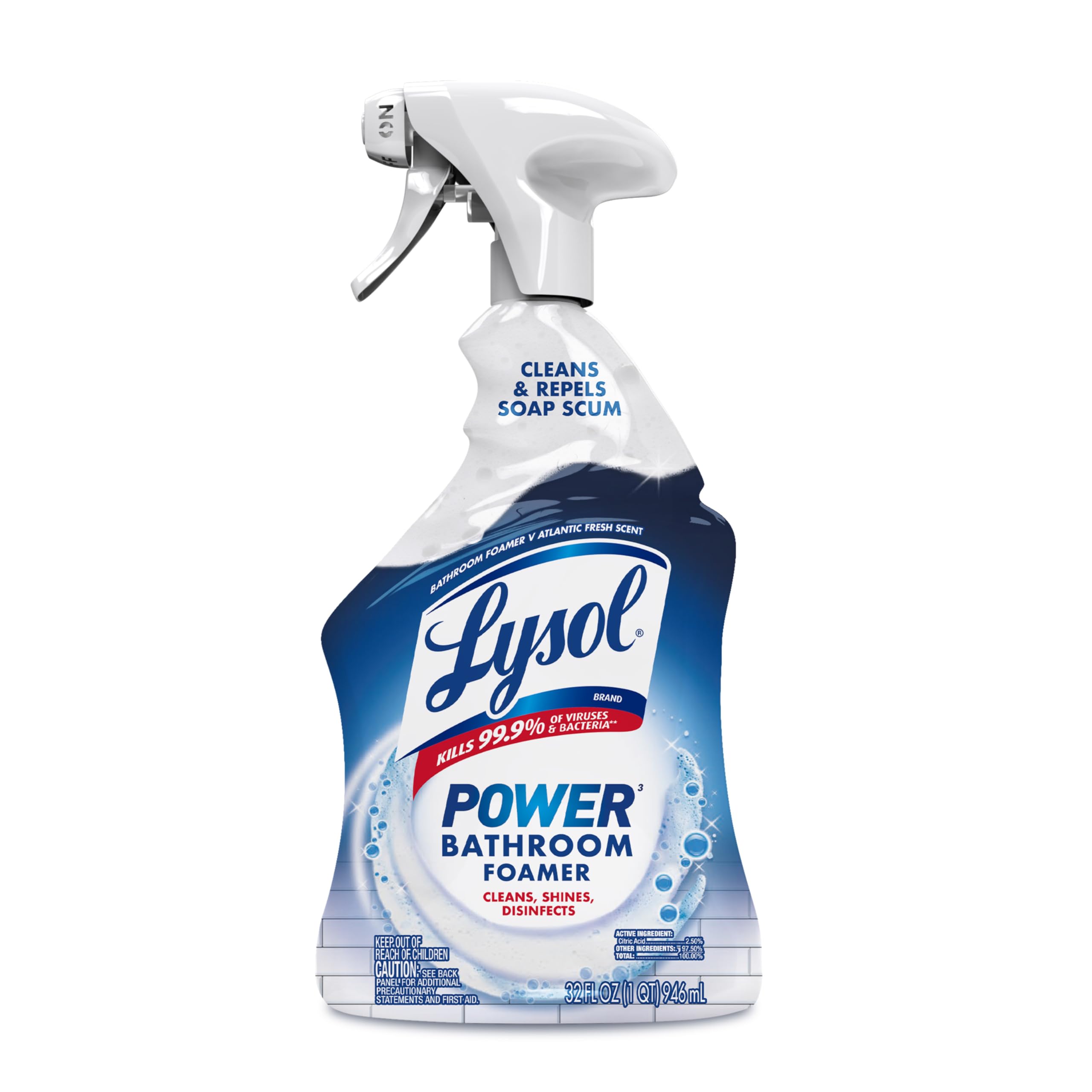
A clinging foamer that tackles soap scum, limescale, and surface grime on tiled floors and grout.
Why I picked it: Foam clings to grout and breaks down scum, and it sanitizes quickly.
Best for: Removing soap scum and limescale from bathroom floor grout and shower tile.
Budget-friendly foaming spray for targeted cleaning.
Pros
- Thick foam clings to grout
- Sanitizes fast when used as directed
- Zero bleach formula
- Covers vertical and horizontal surfaces
Cons
- Scent can be noticeable
- May need follow-up scrubbing on heavy stains
My take
I rely on this foamer whenever grout around the shower or tub looks dull from soap scum. The foam clings to vertical grout and gives me time to walk away and let it work, which reduces elbow grease.
In my tests it loosened limescale and soap film quickly; after a short dwell time a wipe or light scrub finishes the job. Because it’s bleach-free I feel comfortable using it around metal fixtures and sealed tile.
If grout is deeply stained I combine the foamer with a targeted brush, but for regular maintenance this product cuts the time I spend on grout by a noticeable margin.
3. Clorox Clean-Up Multi-Surface Cleaner with Bleach – Best for Disinfection and Tough Stains
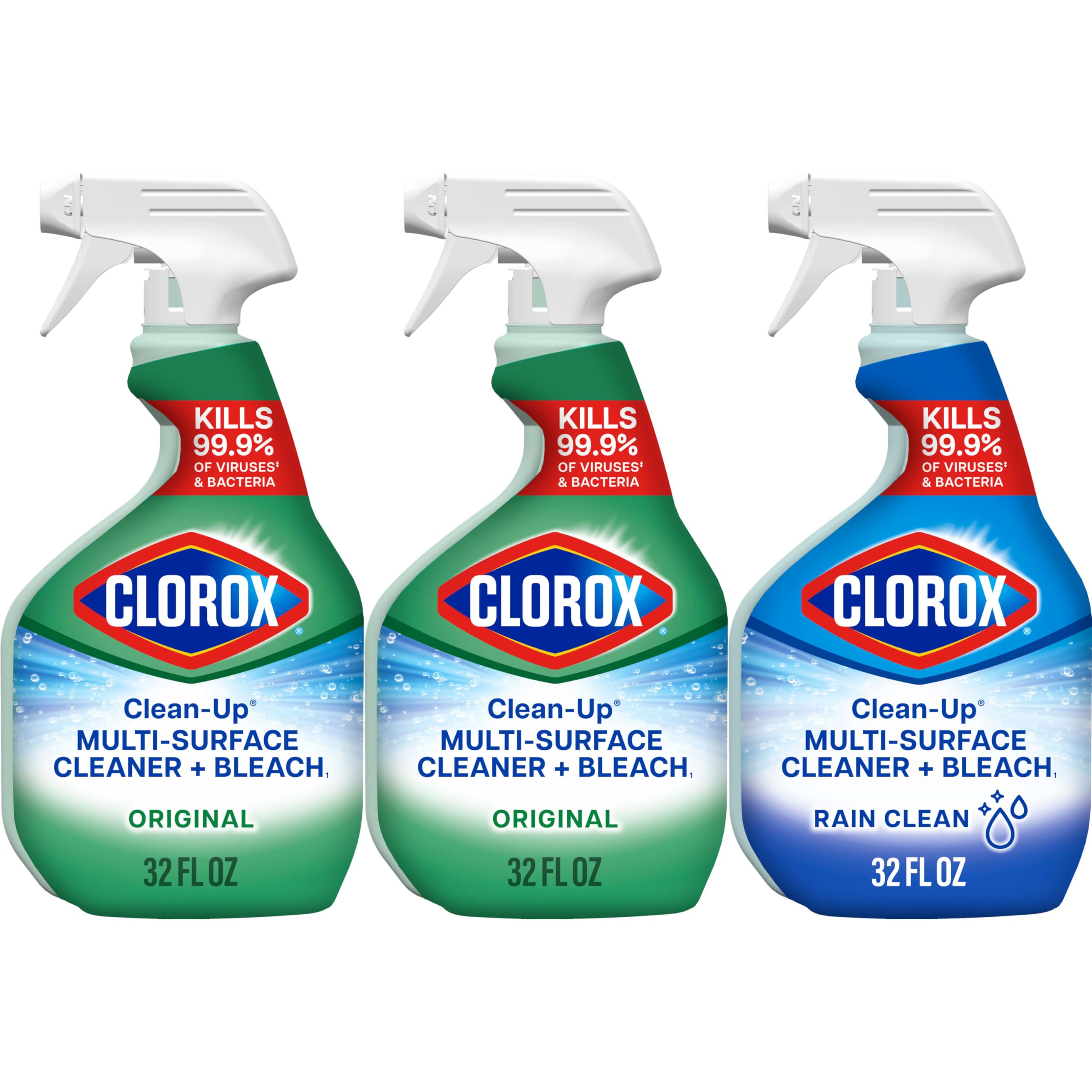
A bleach-based spray I use for stubborn grout stains, mold, and disinfecting high-traffic floors.
Why I picked it: Powerful bleach action that removes stains and disinfects multiple hard surfaces.
Best for: Heavy-duty grout stain removal and sanitizing in bathrooms and kitchens.
Strong disinfectant—use sparingly and only where appropriate.
Pros
- Bleach removes tough stains
- Disinfects and removes allergens
- Works on many hard surfaces
Cons
- Harsh chemical smell during use
- Can bleach fabrics and some finishes
My take
When grout has set-in mildew or deep discoloration, this is the product I reach for. The bleach cuts through organic staining and visibly lightens grout after a short dwell time.
I always ventilate and protect nearby fabrics because it will bleach clothing and can affect some porous surfaces. For outdoor pavers and sealed bathroom tile it’s very effective—sometimes I follow with a brush for stubborn residues.
Because it disinfects as it cleans, I use it for periodic heavy-duty cleaning rather than weekly maintenance.
4. Scrubbing Bubbles Mega Bathroom Foamer – Best Clinging Foam
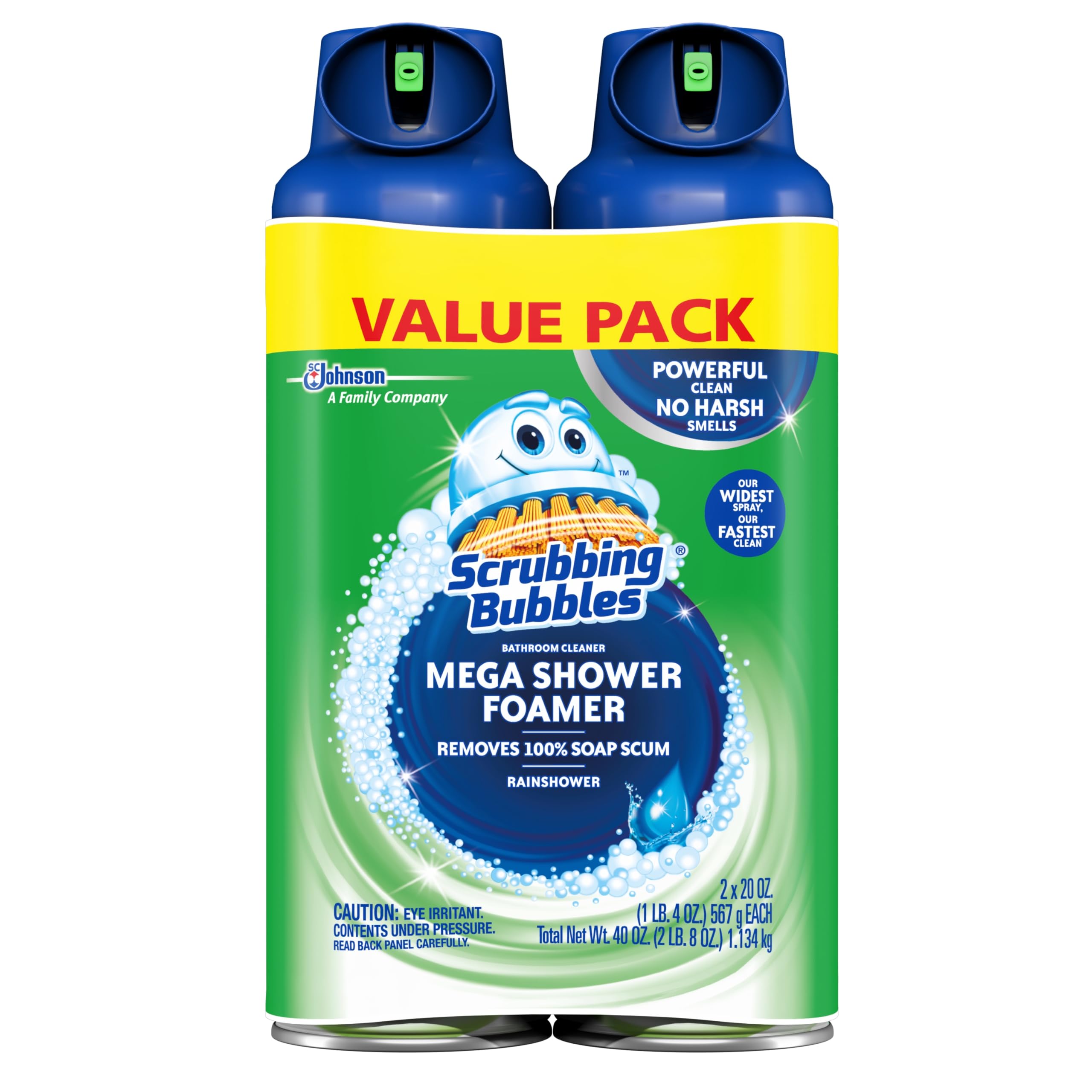
A thick aerosol foam that clings to grout and vertical tile, cutting soap scum and limescale with minimal scrubbing.
Why I picked it: Very sticky foam that reduces scrubbing on grout and shower tile.
Best for: Showers, tub surrounds, and vertical grout where foam adhesion matters.
Convenient aerosol that covers large areas quickly.
Pros
- Foam clings to vertical surfaces
- Removes soap scum and limescale
- Leaves a fresh scent
Cons
- Strong scent while using
- Aerosol packaging can be wasteful
My take
I like this foamer for shower walls and grout because the spray spreads thickly and stays put instead of running away. That clinging action means the cleaner gets time to dissolve soap scum and mineral deposits.
After a few minutes of dwell time most of the grime wipes away with a microfiber or light scrubbing. The scent is pleasant afterward, though the chemical aroma is noticeable during application, so I run the fan.
For tile floors I use less product and more targeted scrubbing, but for vertical grout this foam is one of my fastest solutions.
5. Bissell Multi-Surface Cleaning Formula – Best for Machine Cleaning
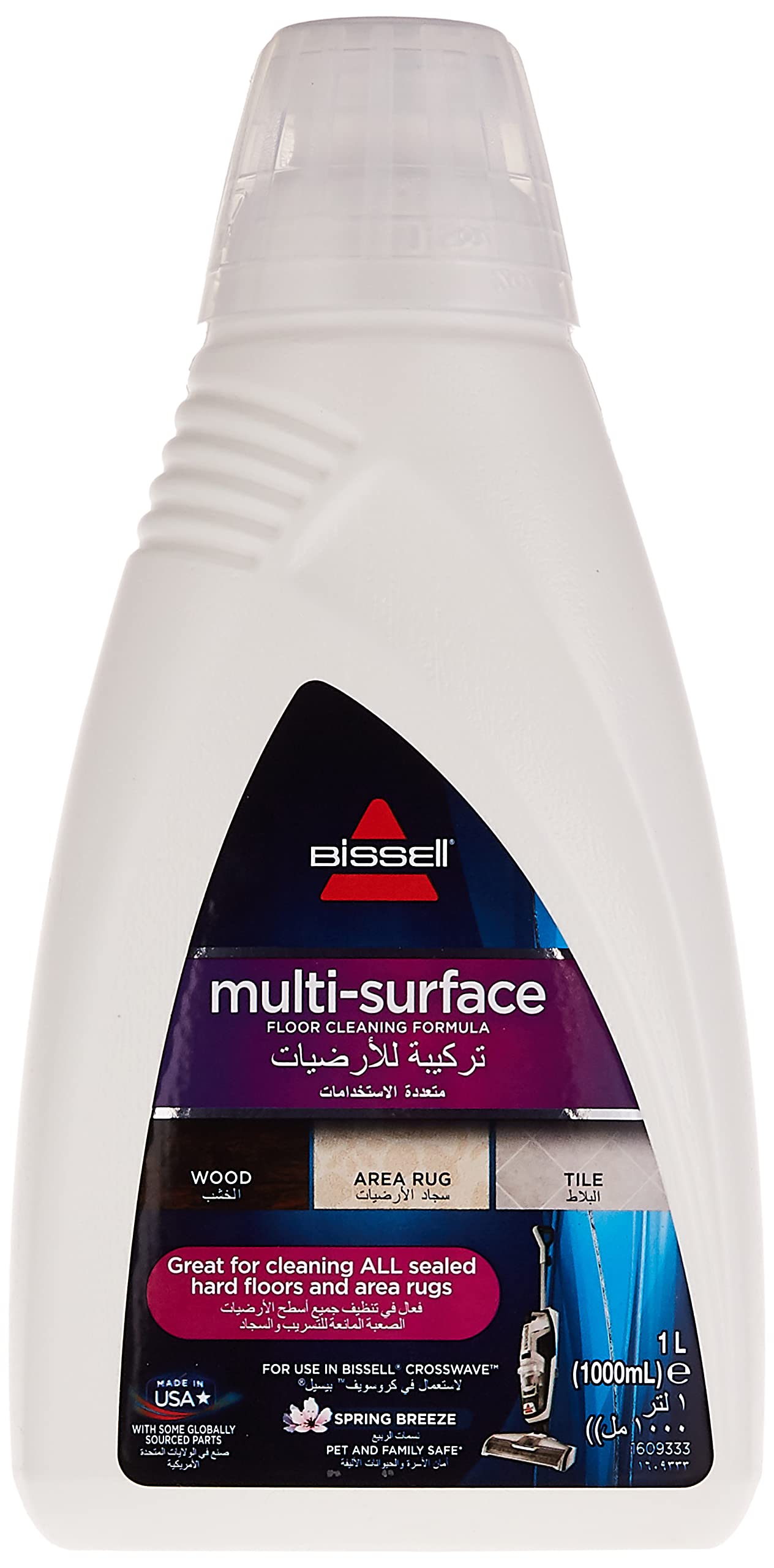
A machine-formulated cleaner I use in my CrossWave for sealed hard floors and low-pile area rugs.
Why I picked it: Specifically formulated for CrossWave/SpinWave machines; dissolves grime with minimal residue.
Best for: Power-scrubbing sealed floors with a multi-surface machine.
Made for proprietary machines—priced accordingly but effective.
Pros
- Optimized for CrossWave machines
- Dissolves dirt and sticky messes
- Leaves virtually streak-free floors
Cons
- Not a disinfectant
- Meant only for sealed floors
My take
When I run my CrossWave across tile or sealed vinyl, this formula lifts tracked-in grime without leaving a sticky film in grout lines. The machine’s agitation plus the cleaner’s chemistry makes short work of surface soil.
I dial the solution concentration down slightly to avoid any residue on grout and to keep floors from feeling tacky. It’s not my choice for mold or deep-set grout stains, but for large areas where I want fast, machine-assisted cleaning, it’s ideal.
I also like the fresh scent it leaves behind—subtle and not overpowering after the floor dries.
6. Tilex Mold & Mildew Remover – Best for Mold & Mildew
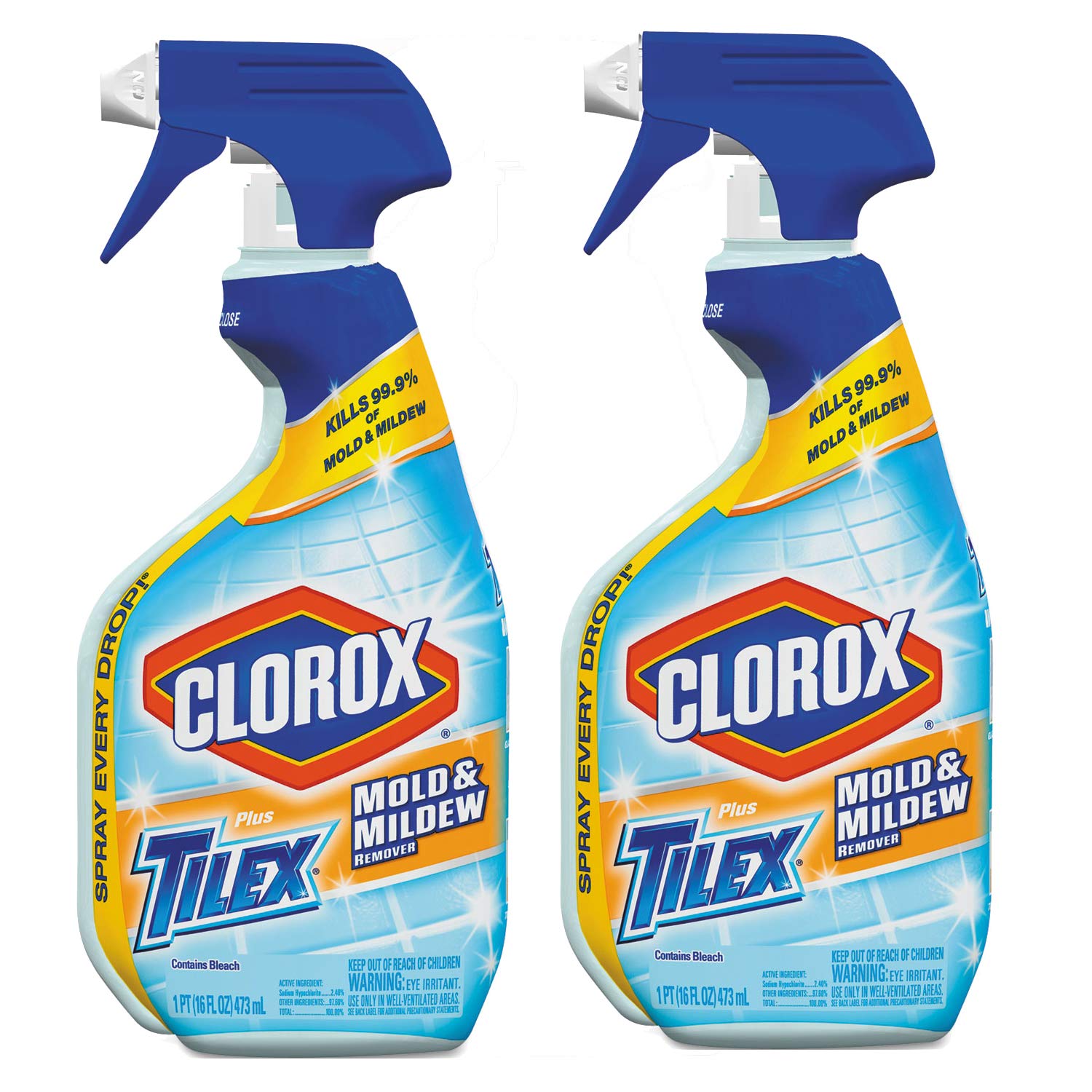
A bleach-based mildew remover that quickly lifts mold stains from grout without heavy scrubbing.
Why I picked it: Rapid stain removal on moldy grout with no-scrub results in many cases.
Best for: Severe mildew and mold in grout lines and shower corners.
Specialty mildew treatment—expect to ventilate while using.
Pros
- Kills mold and mildew quickly
- No-scrub stain removal
- Smart tube sprays every drop
Cons
- Strong bleach fumes
- Can irritate eyes and skin
My take
Tilex is my weapon of choice for mildew that’s actually staining grout. I spray, wait five to ten minutes depending on severity, and much of the discoloration fades away without aggressive scrubbing.
I always wear gloves and run ventilation because the bleach smell is strong and the formula can irritate. It works best on glazed tile and sealed grout—on sensitive or colored grout I test an inconspicuous spot first.
For routine cleaning I prefer gentler options, but for mildew this product delivers fast, obvious results.
7. SPARTA Flo-Pac Nylon Grout Brush – Best Tool for Deep Grout Scrubbing
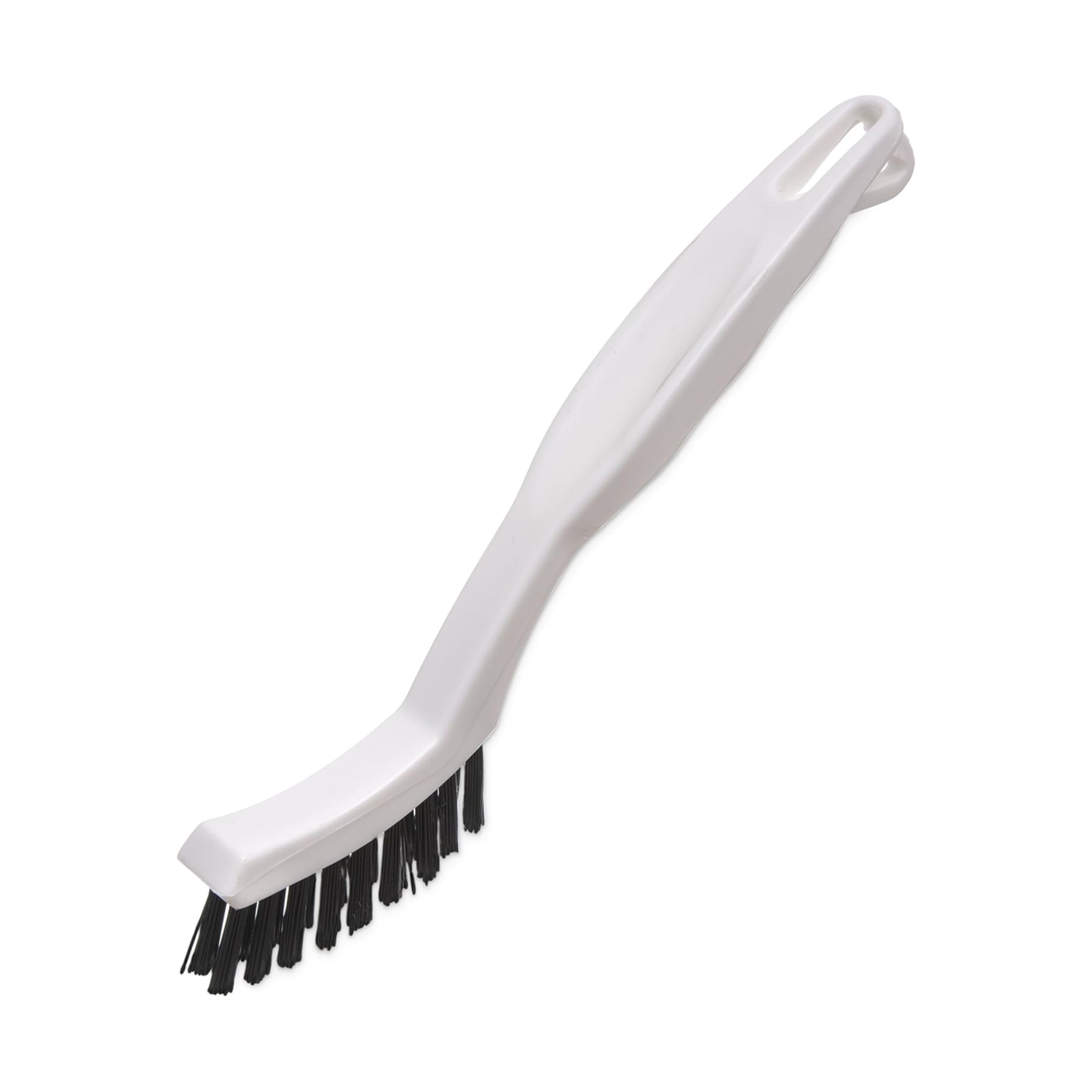
A small, stiff nylon brush I use to agitate cleaners and get deep into grout lines.
Why I picked it: Firm nylon bristles and compact size reach grout without damaging tile.
Best for: Manual scrubbing of grout lines after applying a cleaning solution.
Very affordable and long-lasting for frequent use.
Pros
- Stiff bristles dig into grout
- Comfortable grip and compact head
- Durable construction
Cons
- Short handle for back strain
- Bristles wear with heavy use
My take
This little grout brush is a staple in my cleaning kit. The bristles are stiff enough to break up gunk in grout lines but gentle enough not to scratch glazed tile.
I combine it with a foamer or bleach spot treatment and work one small section at a time. The 2.75-inch head fits between tiles and the ergonomic grip makes repeated passes less tiring.
If I’m cleaning large areas I wish the handle were a couple inches longer, but for precision grout work it’s hard to beat the value.
How I Choose Grout Cleaners
Key factors I consider
I pick cleaners based on the grout problem I’m facing: routine maintenance, soap scum and limescale, mildew and mold, or deeply set stains. The same product won’t be best for every job.
Compatibility with your floor finish is crucial. I never use a bleach-based product on natural stone or unsealed grout because it can damage surfaces.
- Surface type: Use pH-neutral cleaners on sealed stone, vinyl, and laminate.
- Stain type: Choose foaming cleaners for soap scum, bleach products for organic mildew.
- Application: Aerosols and foamers cling to vertical grout; liquids work well with machines.
- Safety: Ventilate and protect skin/fabrics when using bleach or strong chemistries.
Bleach vs. Non-bleach: when I use each
I reach for bleach products when grout has visible mold or stubborn organic stains that other cleaners won’t budge. Bleach is fast but requires caution—ventilation, gloves, and fabric protection.
For weekly upkeep and colored grout I prefer non-bleach options—foaming cleaners and pH-neutral formulas that clean without altering grout color.
- Bleach: Best for mildew, mold, and whitening grout.
- Non-bleach: Best for routine cleaning and color-safe maintenance.
- Always test a small hidden area if you’re unsure.
Tools and techniques I use
I never rely on a cleaner alone for deep grout work. Agitation from a nylon grout brush or a machine with a scrub head accelerates results.
Dwell time matters: I let foamers or bleach sit for the recommended time before scrubbing or rinsing so the chemistry can do the work.
- Foam + brush: Great for soap scum on vertical grout.
- Bleach spray + brief dwell: Effective for mildew removal.
- Machine + machine-formula: Fast coverage on sealed floors.
Frequently Asked Questions
Can I use bleach cleaners on colored grout?
I avoid bleach on colored grout because it can lighten the color. If I must use bleach, I test a tiny, hidden area first and protect adjacent fabrics and finishes.
Will machine cleaners clean grout as well as hand-scrubbing?
Machines with the right solution speed up surface cleaning and remove topsoil, but I still use a grout brush or spot treatment for deep, set-in stains.
How often should I deep-clean grout?
My routine is weekly surface cleaning and a deeper grout-focused session every few months or as needed depending on traffic, moisture, and visible staining.
Final Take
For everyday maintenance on sealed floors I use the Bona refill in my spray mop—gentle, residue-free, and economical. For bathroom grout with soap scum I reach for a foaming product that clings and cuts limescale.
When mildew or deep stains show up, bleach-based cleaners like Clorox Clean-Up or Tilex deliver the fastest results—used with proper ventilation and care. And no matter which chemistry I choose, a stiff nylon grout brush completes the job.
Pick the product that matches the job: gentle formulas for routine cleaning, foamers for scum, bleach for mildew, and a brush for the grout lines themselves.
