
I tested several Miracle-Gro potting mixes to find the best soil for container vegetables, seedlings, succulents, and everyday indoor repots. Here are the mixes I recommend, when to use each, and how I get the most outof
I spent time potting, repotting, and growing plants in containers to see which Miracle-Gro mixes actually make vegetables, herbs, and other container plants thrive. My focus was on mixes that work well in pots: fast-draining soils for succulents, nutrient-rich mixes for outdoor vegetable containers, and light indoor blends for seedlings and small pots.
In this roundup I explain how each mix handled moisture, feeding, and root development, and I give practical tips for using them in small beds, balcony boxes, and indoor starter pots.
If you want a dedicated vegetable mix for outdoor containers, choose the 1 cu ft Miracle-Gro Potting Mix for larger planters and sustained feeding. For seed starting and small indoor pots, the indoor coir-based mixes are lighter and re-wet more easily. Use the cactus mix only when you need fast drainage for succulents, palms, or citrus.
1. Miracle-Gro Indoor Potting Mix – Best for Seedlings & Indoor Pots
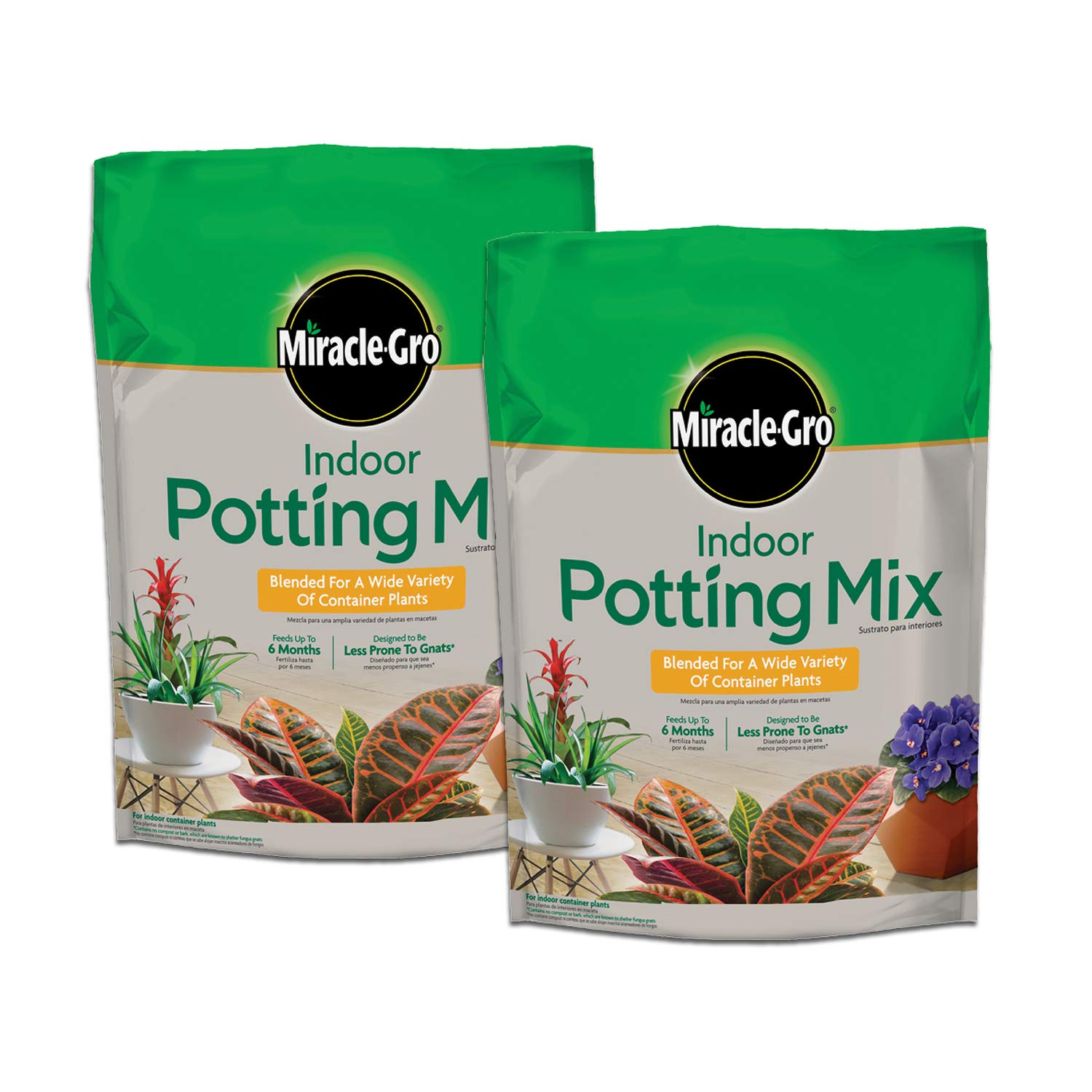
A light, coir-based indoor mix that feeds up to six months and is formulated to be less prone to gnats.
Why I picked it: I chose it for its coconut coir re-wetting ability and indoor-focused formula.
Best for: Seedlings, small indoor pots, and houseplants that need an easy-to-water mix.
Good value as a multi-pack for frequent repotting or many small pots.
Pros
- Coir helps soil re-wet
- Feeds up to six months
- Light texture and easy to work with
- Formulated to be less prone to gnats
Cons
- Not designed for heavy outdoor vegetable beds
- May compress slightly as it dries
My take
I used this indoor mix for repotting herbs and seedlings and appreciated how light and easy it was to work with. The coconut coir makes the soil re-wet cleanly after drying, so I didn’t fight dry clumps when watering.
The formulation includes a feed that lasts up to six months, which meant I could get plants established before I added more fertilizer. One bag filled several six-inch pots quickly, so this is handy when I’m doing multiple small repots.
I found it noticeably less prone to the kinds of gnats I’ve encountered with mixes that include compost or bark. The bag opens with a pleasant, earthy smell and minimal dust, which made indoor potting less messy.
For best results I follow the manufacturer’s potting steps: choose a pot with drainage, fill a third, place the root ball, and top off. I also re-pot annually or when root-bound to refresh the medium.
2. Miracle-Gro Potting Mix (Outdoor) – Best for Outdoor Vegetables & Large Containers
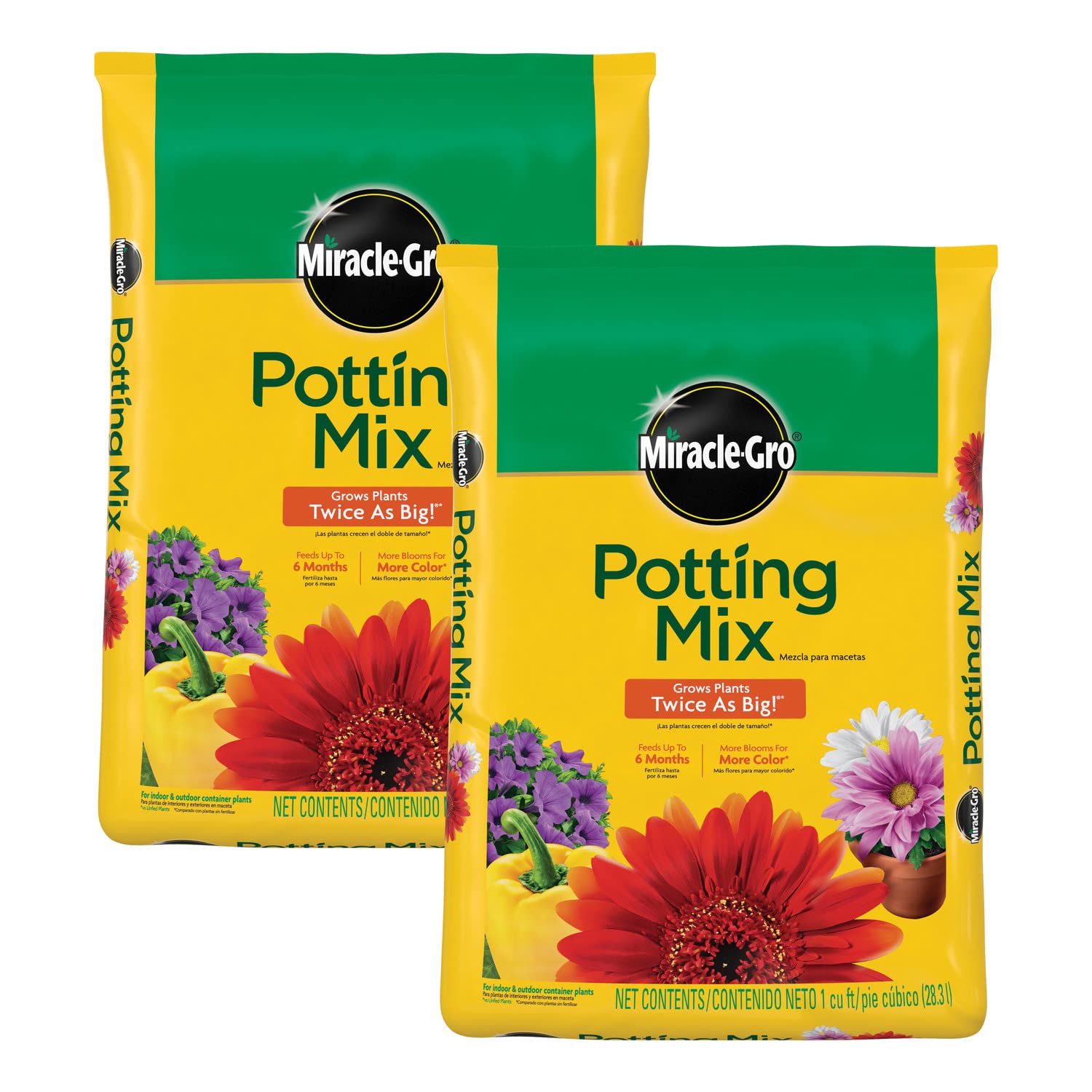
A nutrient-rich, larger-bag mix designed to feed container plants for up to six months and support robust growth in big pots.
Why I picked it: I picked this for outdoor containers because it’s formulated to boost blooms and fruiting in veggies and flowers.
Best for: Large planters, 12-inch containers, outdoor vegetables, annuals, and perennials.
Larger-volume bags stretch farther—good choice when you need more soil for big containers.
Pros
- Feeds container plants up to six months
- Formulation promotes bigger plants
- Light, workable texture for large pots
Cons
- Higher upfront bag volume than small mixes
- Not fast-draining like specialty cactus blends
My take
For my outdoor vegetable containers I reached for this 1 cu ft mix because it’s formulated to feed up to six months and encourage bigger growth than unfed plants. In practice, tomatoes and bush peppers I potted in this mix produced noticeably fuller foliage and more blooms than the unfed controls I kept.
Each bag is generous and described to fill two 12-inch containers, which made it easy to plan how much soil I’d need for a grouping of planters. The texture is light and fluffy, so it settled around root balls without compacting.
I followed the recommended potting method—use a pot with drain hole, fill a third, seat the plant and top off—and then let the mix dry to the touch between waterings. That routine kept my containers from staying waterlogged.
This is my go-to when I need volume and a ready-to-use, fertilized mix for outdoor vegetable projects. If you want faster drainage for succulents, use a different specialist mix.
3. Miracle-Gro Cactus, Palm & Citrus Mix – Best for Succulents & Citrus
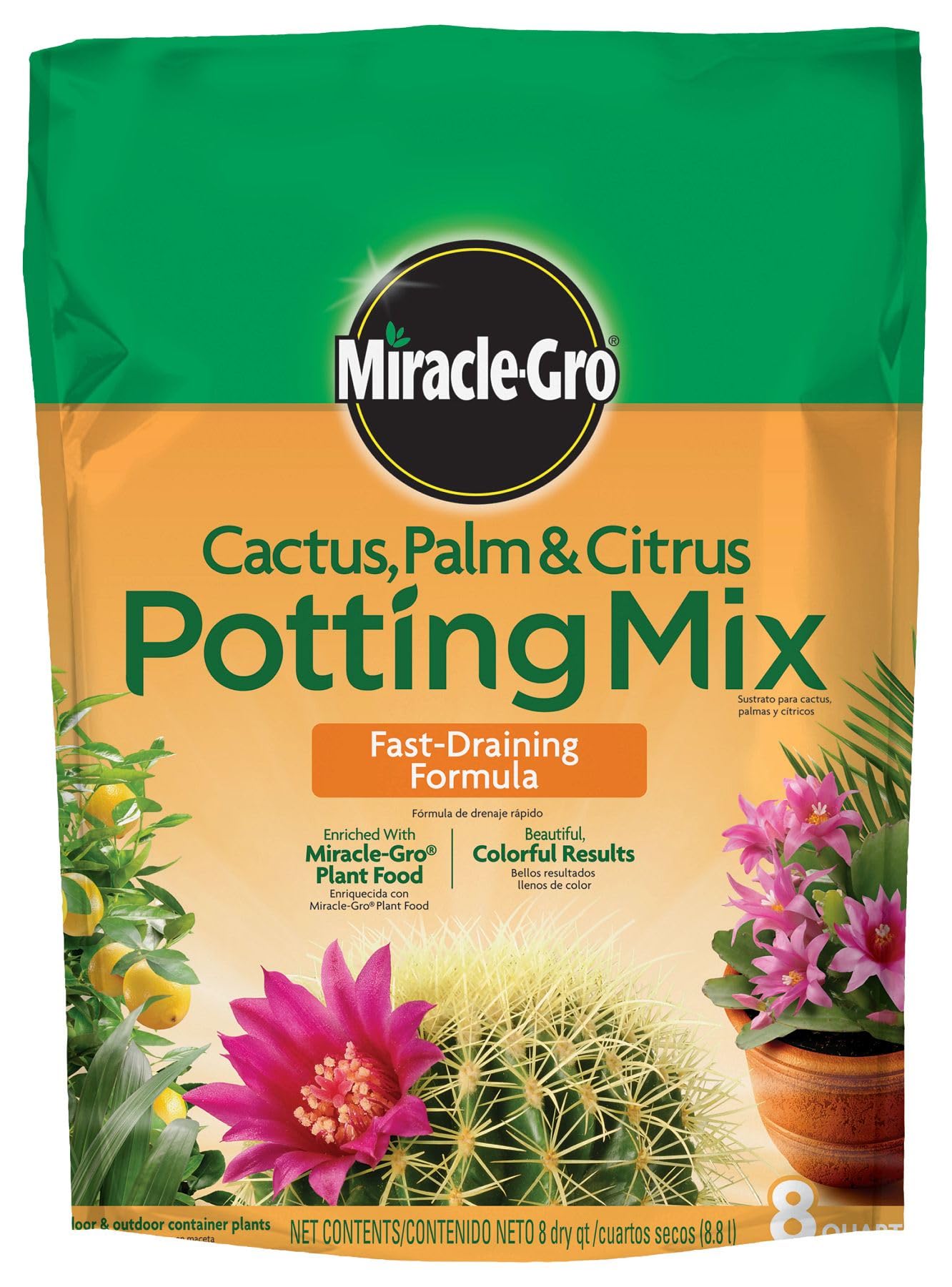
A fast-draining mix with perlite, sand, and peat to suit cacti, succulents, palms, and citrus in containers.
Why I picked it: I reached for it when fast drainage and lower water retention were essential.
Best for: Succulents, cacti, potted palms, and citrus that need quick drainage.
Single-bag specialty mix that’s economical for small batches.
Pros
- Fast-draining formula
- Includes perlite and sand
- Enriched with plant food
Cons
- Not suited for moisture-loving vegetable seedlings
- Can arrive more broken up after shipping
My take
I use this mix any time I pot succulents, palms, or citrus because it drains quickly and doesn’t cling to roots. The blend of peat moss, sand, and perlite creates the gritty texture those plants prefer.
The bagged mix includes Miracle-Gro plant food for immediate feeding, and one 8 qt. bag usually fills a couple of eight-inch pots—handy for small succulent collections.
On a couple of orders the soil arrived more broken up than I expected, likely from shipping; that didn’t change performance, but it’s worth knowing if you like big chunks in your mix.
When I want to adapt this mix for other houseplants I’ll blend it 50/50 with an indoor potting mix to add drainage while keeping some water retention.
4. Miracle-Gro Indoor Potting Mix (Single Bag) – Best Single-Bag Indoor Option
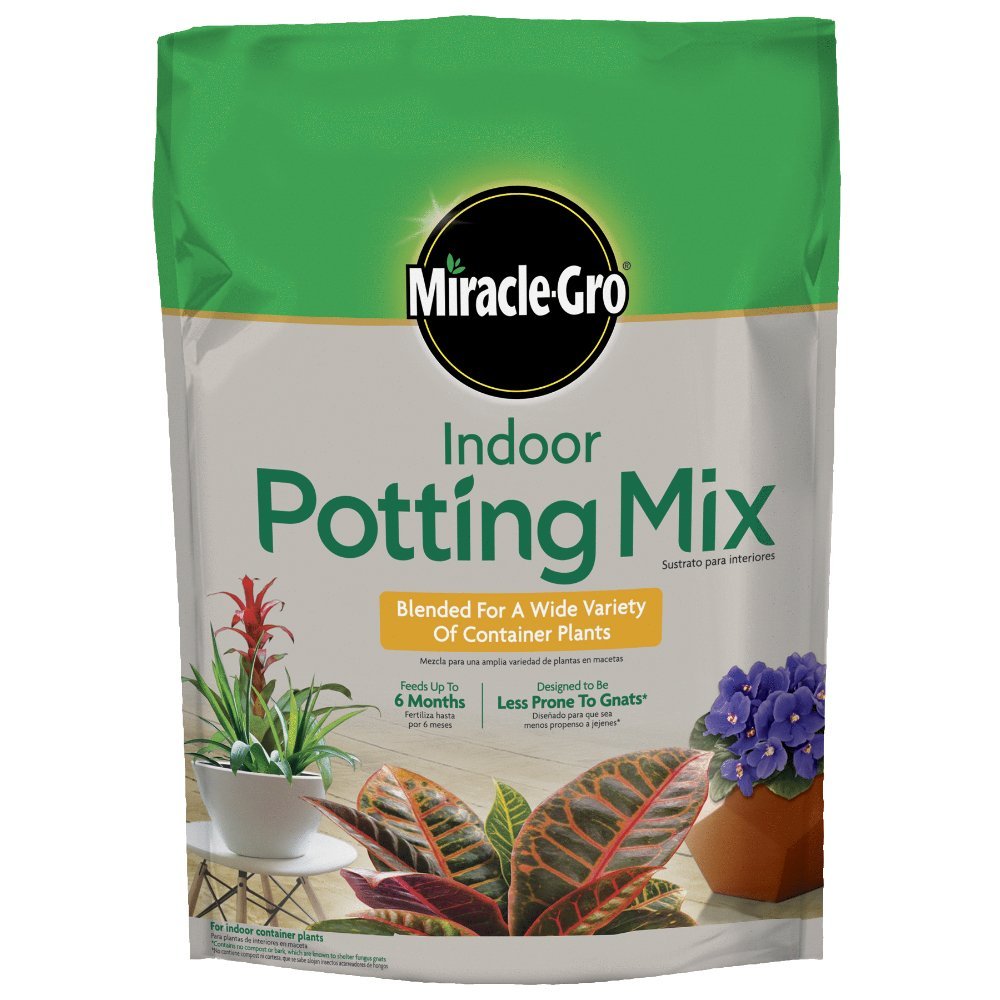
The single-bag version of Miracle-Gro’s indoor formula: light, coir-based, and feeding for months.
Why I picked it: I keep a single bag on hand for occasional repots and quick indoor projects.
Best for: Occasional repotting, small collections, and as a base to amend for drainage.
Single-bag option that’s convenient when you don’t need a multi-pack.
Pros
- Easy-to-work-with texture
- Coir helps with re-wetting
- Feeds plants for months
Cons
- A bit denser than cactus mixes
- Some gardeners report surface issues in very humid setups
My take
I keep the single 6 qt. bag for when a plant needs a one-off repot. It’s the same indoor formula with coconut coir that helps the soil re-wet cleanly after drying.
The mix is fragrant and tidy to work with indoors; plants settle into it without the shock I sometimes see with heavier garden soil. It fills four six-inch pots per bag, which is plenty for occasional projects.
In humid setups I’ve seen surface mold or fungus develop on occasion, so I let the mix dry between waterings and sometimes blend in extra perlite or orchid bark to improve airflow. When used as part of a custom blend the indoor mix is an excellent base.
How I Choose Potting Soil for Container Vegetables
Key features I look for
When I buy potting soil for vegetables I prioritize drainage, nutrient longevity, and bag volume so I can match the mix to the container size and plant type.
Different vegetables and container sizes need different things: shallow pots and succulents require fast-draining media, while heavy-feeding vegetables benefit from a fertilized, moisture-retentive mix.
- Drainage: Choose mixes with perlite, sand, or grit for quick drainage.
- Feeding duration: Prefertilized mixes that feed for up to six months save time.
- Texture: Lightweight, fluffy mixes reduce compaction in pots.
- Bag size: Pick larger bags for multiple big planters; single bags for occasional repots.
- Ingredients: Coir re-wets more reliably than dry peat in many containers.
How I prepare and amend soil
I rarely use any potting mix straight from the bag without thinking about my plant’s needs. I’ll amend a pre-fertilized potting mix with perlite or orchid bark for better drainage if I’m planting tomatoes in a container with limited depth.
For seedlings I use the lighter indoor mixes, and then transplant into a more nutrient-rich mix once true leaves appear.
- Seedlings: Use a light indoor mix and transplant when roots fill the starter pot.
- Vegetables: Add compost or slow-release fertilizer if you plan long-season crops.
- Succulents: Use a cactus mix or blend regular mix 50/50 with perlite.
- Repot timing: Repot annually or when plants become root-bound to refresh nutrients.
Frequently Asked Questions
Can I use an indoor potting mix for container vegetables?
Yes for small herbs and seedlings. I use indoor mixes for seedlings and small herb pots because they’re light and re-wet easily. For larger, long-season vegetable containers I prefer a fertilized outdoor potting mix that supplies nutrients over months.
How often do I need to fertilize when using these mixes?
The Miracle-Gro mixes I used include feed that lasts up to six months, so I wait until that period ends to add fertilizer. For heavy-feeding vegetables I start a light fertilizer program after the initial feed tapers off.
Do any of these mixes help prevent fungus gnats?
The indoor mixes are formulated without compost or bark to be less prone to gnats, and I’ve had fewer issues with them compared with mixes that contain those materials. Still, keeping the surface dry between waterings is my best defense.
Which mix should I choose for succulents?
I choose the Cactus, Palm & Citrus Mix because it’s fast-draining with sand and perlite. If I need to pot other houseplants, I’ll blend a bit of the cactus mix into a standard indoor mix for extra drainage.
Final Take
If I’m planting vegetables in larger outdoor containers, the 1 cu ft Miracle-Gro Potting Mix is my first choice for volume and sustained feeding. For seedlings and small indoor pots I prefer the coir-based indoor mixes for their light texture and easy re-wetting. When fast drainage is essential—succulents, cacti, palms, or citrus—I use the cactus formula.
Pick the mix that matches your container size and plant needs, amend as necessary, and follow a consistent watering and repotting schedule. Those steps have made the biggest difference in my container veggie garden.
