
I tested boots, casual work shoes, and heavyweight socks on real concrete—long shifts, wet patches, and all—to find options that protect, cushion, and grip when it matters most.
I spend a lot of time testing footwear on concrete: job sites, warehouses, and daily urban shifts. Concrete beats up feet in predictable ways—impact fatigue, slick spots, and abrasive wear—so I focused my tests on traction, underfoot cushioning, durability, and fit.
Across the selection below I walked, stood, and worked in each pair for multiple shifts, paid special attention to soles on wet and oily concrete, and evaluated how each option held up to abrasion and long days on my feet.
I compared these products side‑by‑side on the same concrete surfaces, checking slip resistance on dry and damp floors, cushioning under 8–12 hour shifts, and overall durability; the Timberland PRO stood out as the most complete work boot package, while the socks were essential to reducing hot spots and blisters during long stints on hard floors.
1. Reebok Court Advance Sneakers – Best Lightweight Option
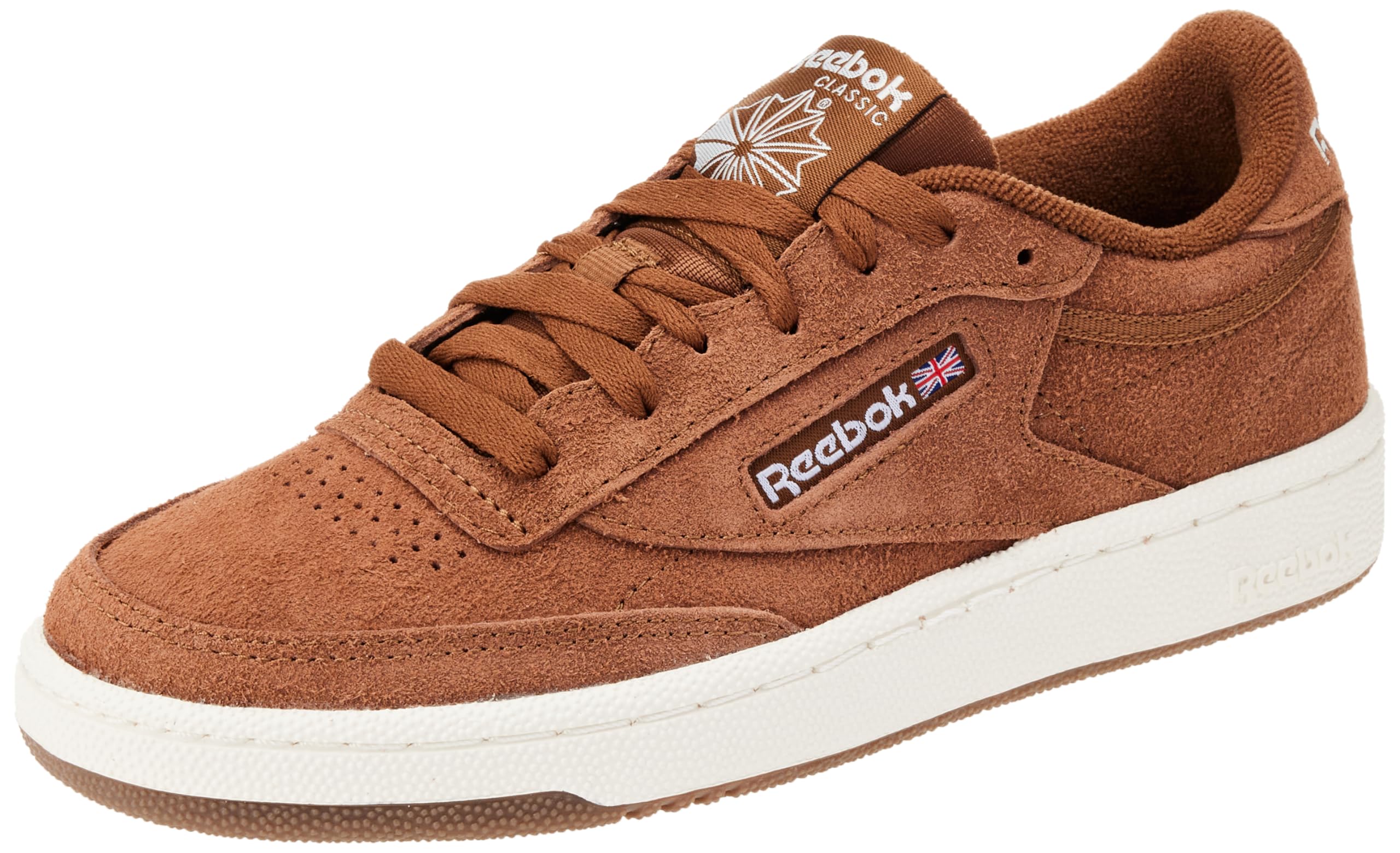
A light, low‑profile sneaker with a rubber wraparound sole that works for light-duty shifts and quick trips on concrete.
Why I picked it: I picked these for lightweight comfort and a gum rubber outsole that resists scuffs on hard floors.
Best for: Short shifts or jobs where you’re on concrete but don’t need a safety toe.
A budget-friendly casual option compared with dedicated work boots.
Pros
- Lightweight and breathable
- Gum rubber outsole resists scuffing
- Comfortable leather upper
Cons
- Not waterproof
- Not rated for toe protection
- Limited insulation for cold environments
My take
These Reebok Court Advances are the lightest pair I tested. The hairy suede/leather upper and padded collar made them comfortable straight away, and the 360-degree rubber wraparound sole stood up well to abrasive concrete in everyday use.
I used them for shorter on‑concrete tasks where I needed mobility more than protection. They’re great for warehouse pick‑and‑pack runs or quick site visits, but I wouldn’t rely on them for heavy‑duty work that requires a steel toe or waterproofing.
If your day is mostly walking and light standing, I found the cushioning and breathability held up. For longer, full‑shift standing on concrete, I’d pair them with the cushioned over‑the‑calf socks below to reduce fatigue.
2. Timberland PRO 6" Steel Toe Boot – Best Overall Work Boot
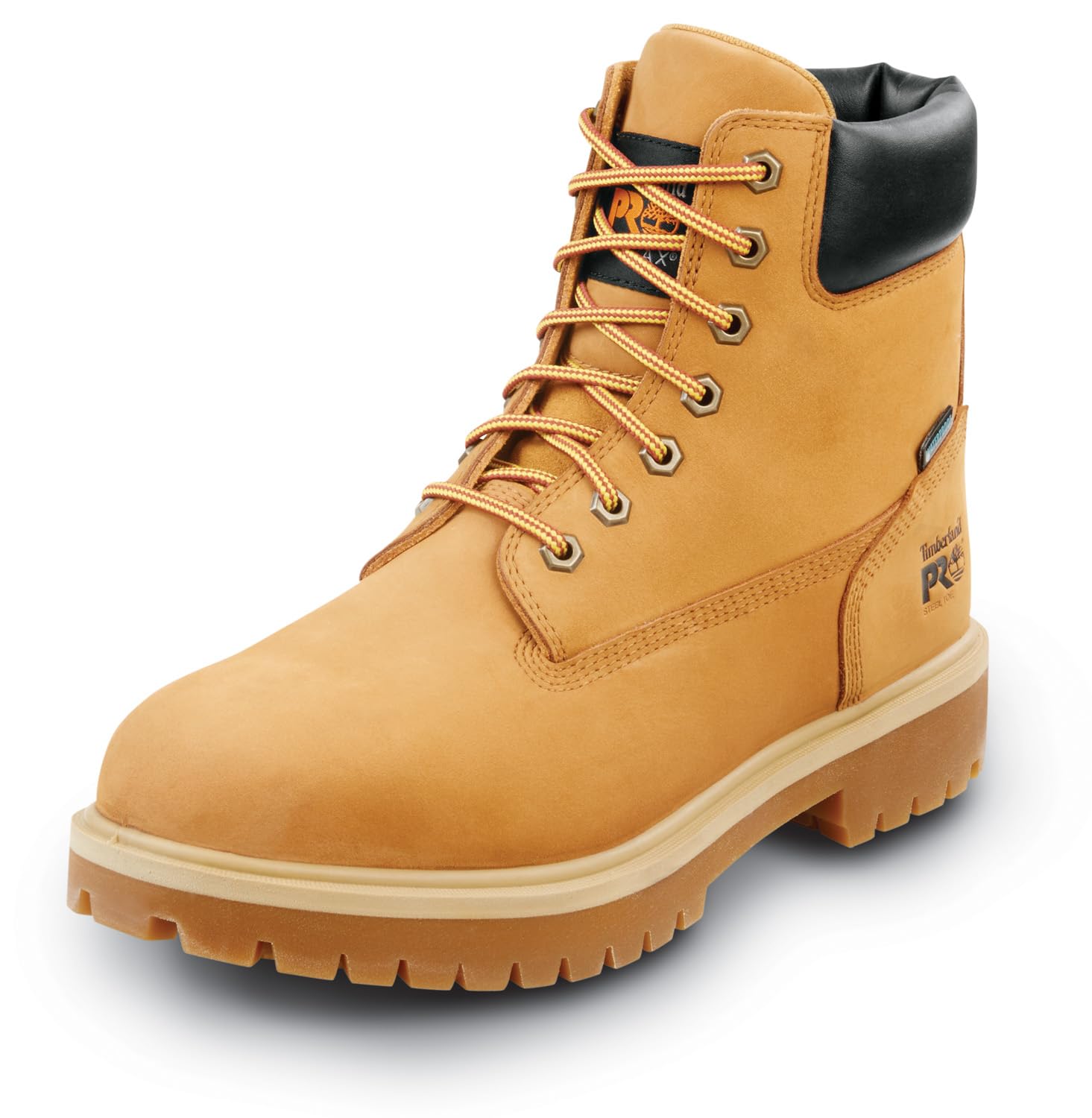
A solid, all‑around work boot built for long shifts on concrete with waterproofing, insulation, and aggressive slip‑resistant tread.
Why I picked it: I chose this as my go‑to for concrete because it combines a steel toe, MaxTRAX slip pattern, and comfort system for long hours on hard floors.
Best for: Full shifts on concrete where protection, traction, and weather resistance matter.
A midrange work boot that balances protective features with long‑term value.
Pros
- Steel toe protection
- Seam‑sealed waterproofing
- Excellent slip resistance
Cons
- Heavier than casual shoes
- Insulation may be warm for some climates
- Takes time to fully break in
My take
This Timberland PRO is the most complete boot I tested for concrete work. The steel toe gives me confidence when moving materials, and the MaxTRAX TPU outsole gripped wet and oily concrete far better than the casual shoes I compared it to.
On long shifts the PRO 24/7 comfort system and PU midsole reduced the foot fatigue I usually get from hard floors. I also appreciated the seam‑sealed waterproof leather and 200 grams of Thermolite when I had to work in cold, damp conditions.
The direct‑attach construction and solid tread mean these have durability written into them; I wore them for weeks of heavy use and the fit stayed stable rather than stretching out. If you need a single, dependable boot for concrete work, this is the one I reach for first.
3. Dr. Martens Jadon Platform Boot – Best for Grip & Durability
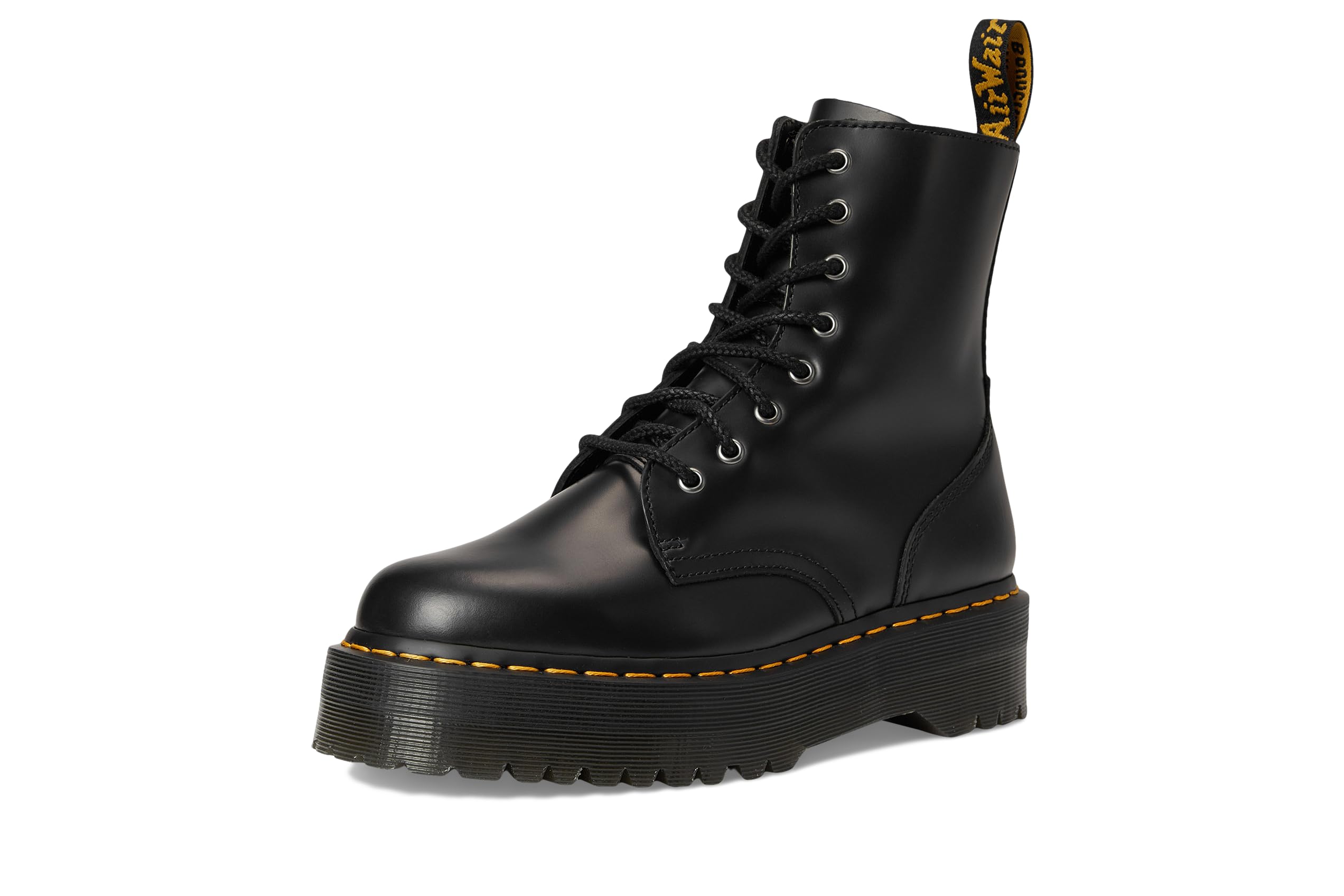
A heavy‑duty leather boot with Goodyear‑welt construction and AirWair soles that offer strong abrasion and slip resistance on concrete.
Why I picked it: I picked these for their rugged construction and oil‑resistant AirWair soles that hold up to abrasive surfaces.
Best for: People who want durable traction and long‑lasting leather on abrasive concrete.
A premium, long‑lasting option worth the investment if you value durability and style.
Pros
- Goodyear welt durability
- Oil and slip resistant soles
- Long‑lasting leather upper
Cons
- Stiff at first—needs break‑in
- Platform adds weight
- Not insulated or waterproof
My take
The Dr. Martens Jadon felt noticeably tougher than the casual sneakers. The heat‑sealed Goodyear welt and air‑cushioned rubber outsole resisted abrasion from concrete and gave me reliable grip in greasy spots.
Expect a break‑in period: the leather is rigid initially, and I needed several wear sessions to soften them up. Once broken in, they formed to my feet and provided an impressively secure platform for standing and walking on abrasive floors.
These are not a waterproof work boot and they’re heavier than typical safety boots, but if your priority is durable leather and slip‑resistant traction with a distinctive look, they performed very well on concrete in my tests.
4. Clarks Shacre Boot – Best for Comfort on the Move
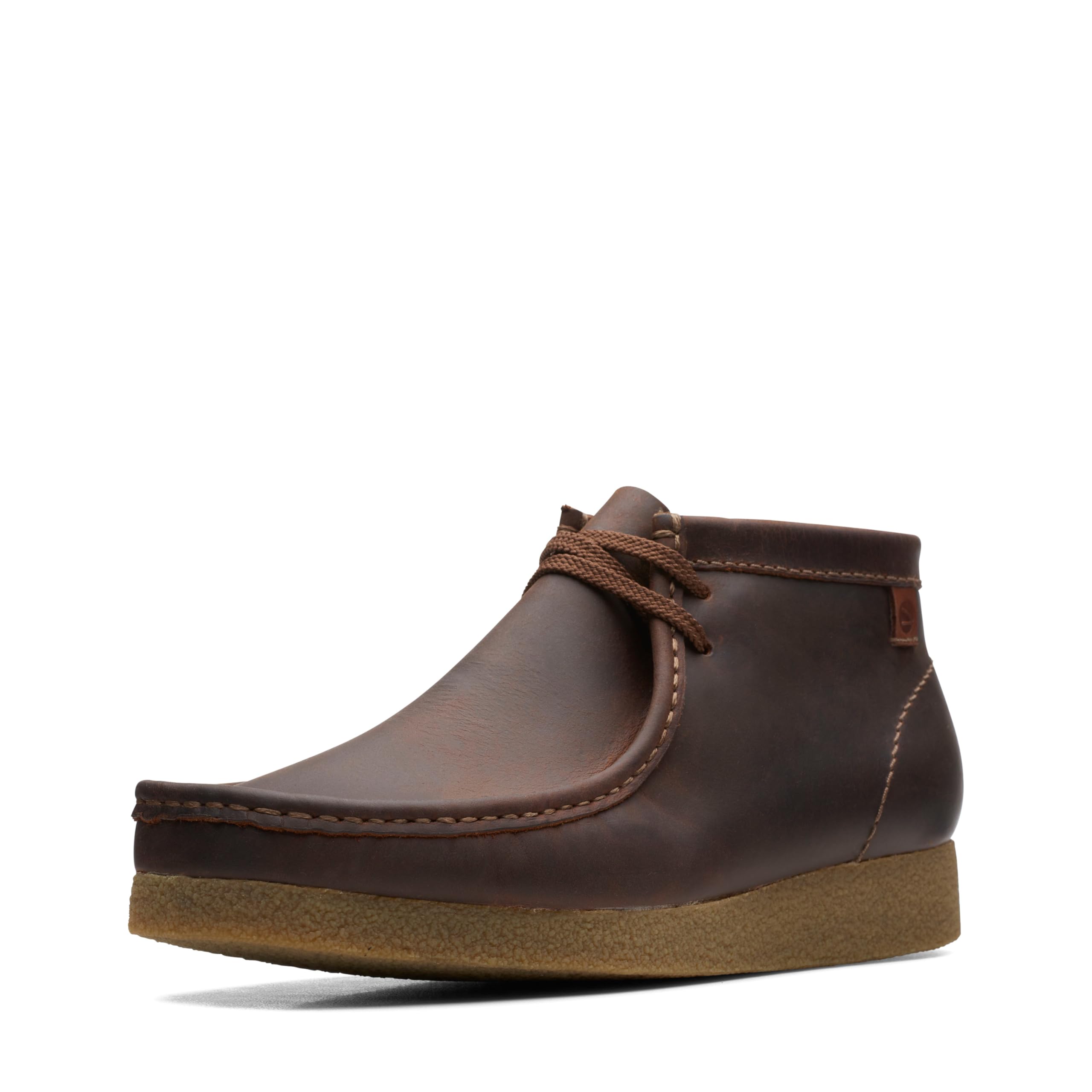
A casual wedge boot with Extreme Comfort heel cushioning that’s surprisingly easy on concrete when you’re on your feet but not doing heavy‑duty tasks.
Why I picked it: I picked this because the Wallabee‑inspired shape and crepe‑textured wedge provided cushioning for lots of walking on hard floors.
Best for: Business‑casual jobs or light site work where comfort and a neat appearance matter.
A more affordable comfort‑focused boot compared with heavy work boots.
Pros
- Immediate comfort out of the box
- Cushioned heel for impact absorption
- Versatile, office‑friendly look
Cons
- Not designed for heavy‑duty protection
- Crepe wedge can pick up abrasion
- Not waterproof
My take
Clarks reworked the Wallabee into a shoe that’s actually pleasant on concrete all day. The Extreme Comfort heel cushioning noticeably softens heel strike during long walks and my feet felt less fatigued after multiple shifts compared with basic sneakers.
These aren’t a replacement for a steel‑toe work boot, but for roles that demand a tidy look and a lot of walking or standing on hard floors, they’re one of the most comfortable, immediately wearable pairs I tried.
Fit can vary for people with high arches or wider feet; I liked that the wider options gave me room without slippage at the heel. For wet or muddy concrete, I’d pick a boot with waterproofing instead.
5. TCK Over‑the‑Calf Work Socks – Best Socks for Concrete
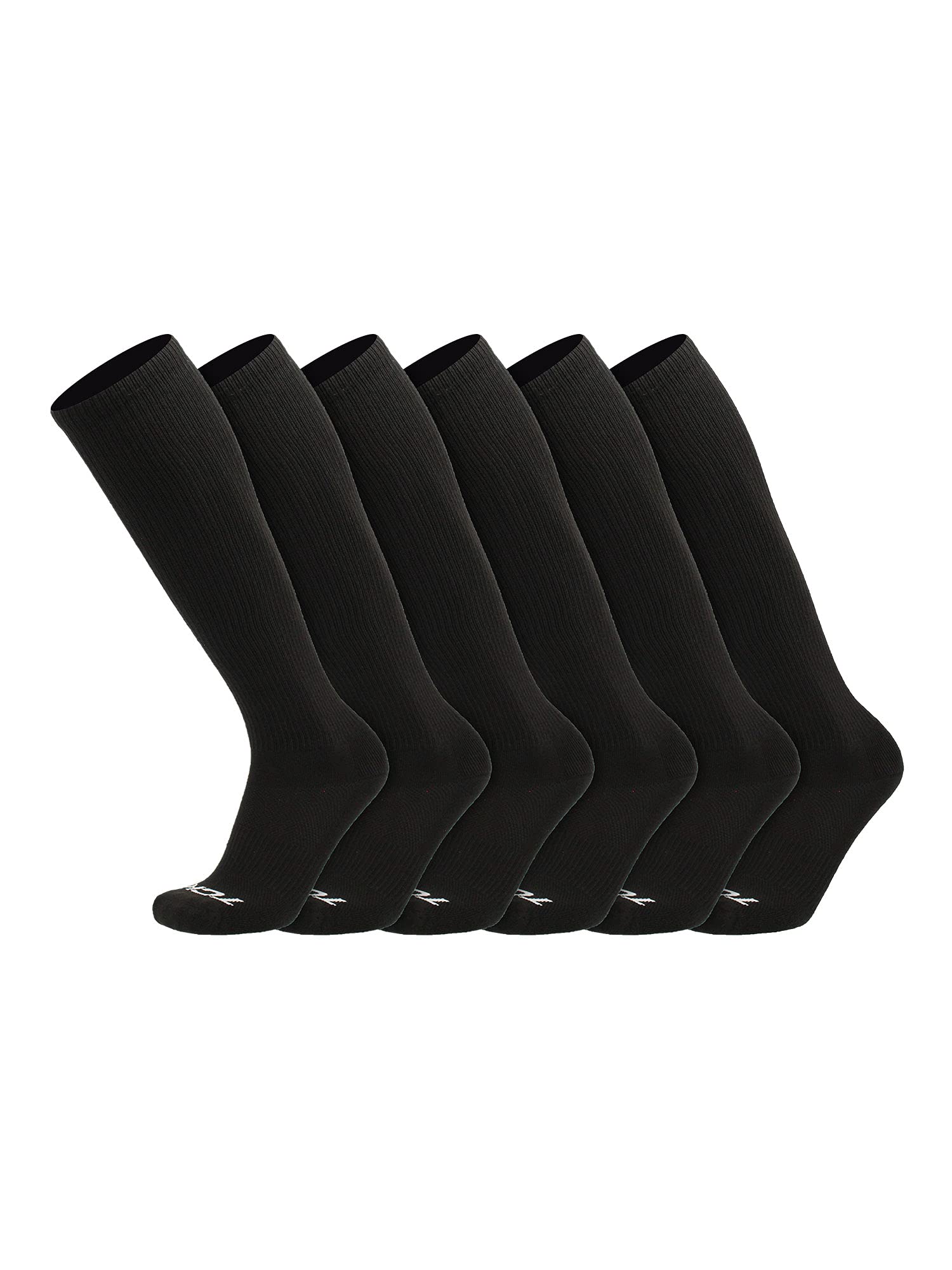
A cushioned, moisture‑wicking over‑the‑calf sock that reduces hotspots and stays put during long shifts on concrete.
Why I picked it: I picked these because proper sock cushioning and stay‑put fit made the biggest comfort difference on concrete.
Best for: Anyone standing or walking long hours on concrete who needs cushioning and moisture control.
A very affordable way to upgrade comfort without changing boots.
Pros
- Cushioned footbed for impact absorption
- Mesh ventilation wicks sweat
- Arch band prevents slippage
Cons
- Tube can feel long for some users
- Synthetic blend may run warm
- May require specific size for best fit
My take
These over‑the‑calf socks were the single biggest comfort upgrade I used with the footwear above. The targeted cushioning under my heel and forefoot reduced the sharp aches that popped up after long standing stints on concrete.
The stay‑put arch band and reinforced heel kept them from bunching or sliding down inside different boot types. I tested large and x‑large sizes and found them especially helpful for taller users who need coverage just below the knee.
Breathable mesh panels helped manage sweat on warmer days, though the polyester blend is warmer than pure cotton. Overall, they’re an inexpensive, effective way to cut down on foot fatigue and hot spots during concrete work.
How I Choose Footwear for Concrete Work
Key features I focus on
When I evaluate footwear for concrete, I concentrate on four things: cushioning, slip resistance, protection, and fit. Each of those has a tangible impact on how my feet feel at the end of a shift.
I also pair boots with proper socks because the right sock can change how a boot feels on concrete more than a different insole often will.
- Cushioning: look for PU midsoles, padded heels, or built‑in comfort systems to reduce impact on hard floors.
- Slip resistance: TPU or oil‑resistant rubber outsoles with aggressive tread patterns perform best on wet or oily concrete.
- Protection: choose steel toe or composite toe if you handle heavy objects; electrical hazard (EH) ratings are important for certain job sites.
- Waterproofing & insulation: seam‑sealed waterproof leather and Thermolite insulation are helpful in cold, wet environments.
- Fit & break‑in: a snug heel and light toe room minimize fatigue; expect leather work boots to soften after a break‑in period.
Sizing and pairing
I always try boots on with the socks I plan to wear to get an accurate fit. That prevents surprises once I’m standing on concrete for hours.
If you need maximum cushioning, consider adding a support insole, but only after confirming the boot has the internal volume to accept it without crowding your toes.
- Try boots later in the day when your feet are slightly swollen for a more realistic fit.
- Wear your work socks during fitting and walk on a hard surface to test heel lockdown and arch support.
- If you’re split between sizes, size up for heavy socks or insoles; size down for slimmer dressier boots.
Frequently Asked Questions
Do I need a steel toe for standing on concrete?
I only recommend a steel or composite toe if your job exposes you to impact or dropping hazards. For pure standing comfort on concrete, prioritize cushioning and slip resistance; if you need both protection and comfort, choose a work boot that combines a protective toe with a comfort midsole like the Timberland PRO.
How much cushioning do I need for long shifts on concrete?
From my experience, look for boots with dedicated midsole foam or comfort systems and pair them with cushioned socks. That combination cuts down on impact fatigue far more than uppers or aesthetics do.
Can casual boots like Dr. Martens or Clarks work on concrete?
Yes — I found that ruggedly constructed casual boots with oil‑resistant soles and good heel cushioning can perform well for many concrete environments. Just be realistic about protection: if you face falling objects or heavy machinery, choose a purpose‑built work boot instead.
Final Take
For full shifts on concrete where protection, traction, and durability matter, I rely on the Timberland PRO as my top pick. It balances a protective steel toe, waterproofing, and a slip‑resistant outsole in a package that holds up over time.
If my work is lighter or I need more mobility, I reach for the Reebok Court Advances or the Clarks Shacre for comfort on the move. For long‑term durability and slip resistance with a different aesthetic, the Dr. Martens are my choice.
No matter which boot I wear, I always pair it with a cushioned, stay‑put over‑the‑calf sock—the socks in this roundup made the biggest day‑to‑day difference in foot comfort on concrete.
