
I tested a range of hand and small electric sewing machines — from toy battery models to heavy-duty cobbler stitchers — so you can pick the right tool for mending, crafting, or teaching.
I walked through a broad cross-section of hand sewing machines so you don’t have to — toy machines for kids, compact domestic electrics, and heavy manual cobbler stitchers for leatherwork.
Across these picks I focused on build quality, how much setup and tuning each unit needed, how they handle thick materials, and how easy they are to use day-to-day.
If you want a safe starter for an eight-year-old, a portable classroom machine, or a cheap-but-capable cobbler machine you can tune and mount, I cover those options below with practical pros and cons from my hands-on time.
I compared these machines by use case: safety and simplicity for kids, portability and reliable stitch quality for home sewing, and raw stitch power and serviceability for cobbler machines. My recommendations reflect how much fiddling each unit required versus how well it performed once set up.
1. Theo Klein Children's Sewing Machine – Best for Kids
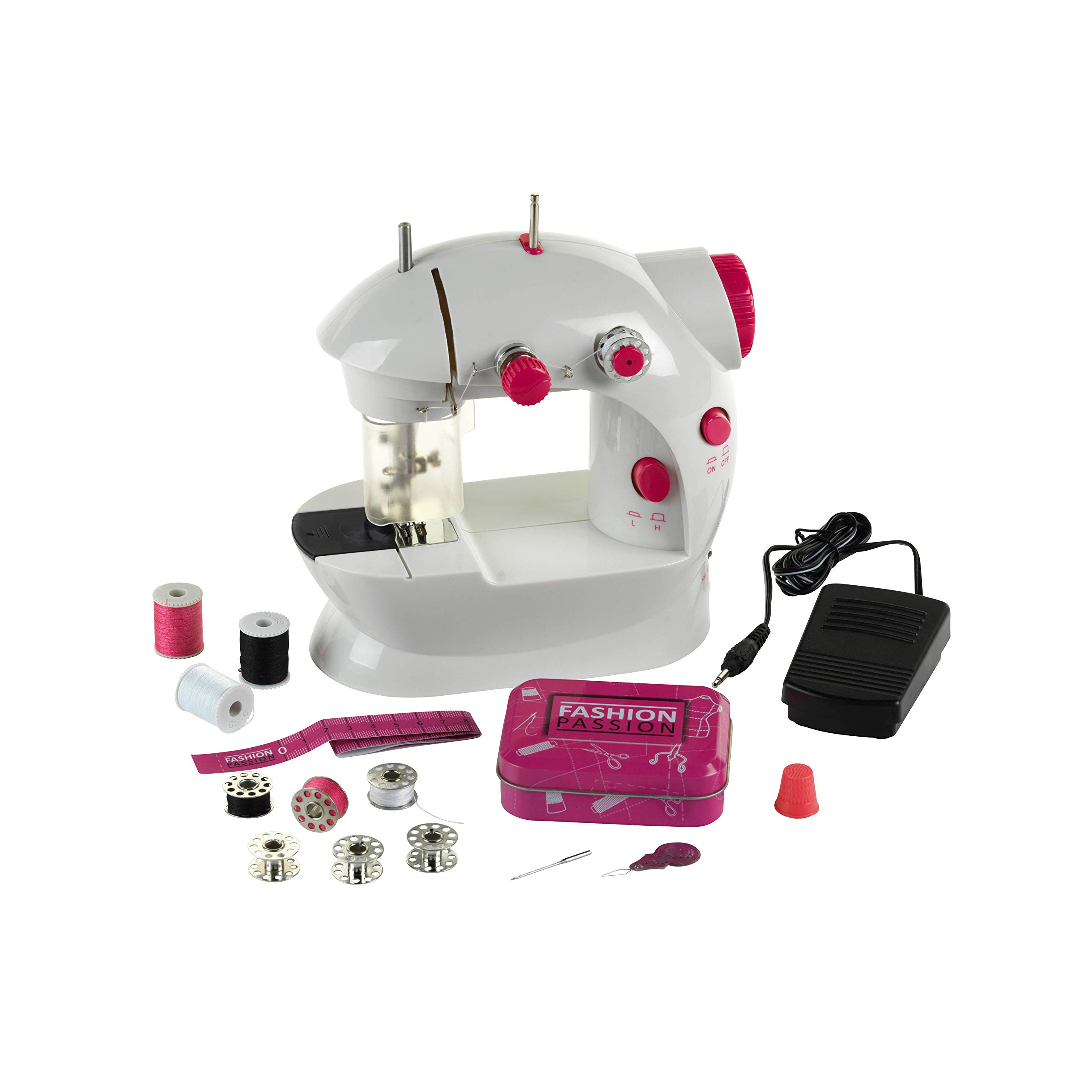
A battery-powered toy machine with a transparent needle guard, two speeds, foot pedal or hand-wheel operation, and a helpful accessory kit aimed at beginners aged eight and up.
Why I picked it: I wanted the safest, most approachable machine for a child learning basic sewing and creativity.
Best for: Young beginners who need a safe, portable way to learn threading and basic stitches.
Toy-level price — an affordable starter for a child.
Pros
- Transparent safety guard
- Battery or hand-wheel operation
- Two speed settings
- Includes basic accessories
Cons
- Toy-grade durability
- Threading can be fiddly
- Instructions may be limited
My take
Out of the box this is a very approachable machine for an eight-year-old — the clear guard around the needle immediately reduces finger-proximity anxiety and the controls are simple enough for a kid to understand.
I liked the dual operation: batteries and a foot pedal for hands-free sewing, or the hand wheel when portability matters. The two speed settings give a forgiving slow option for learners.
The accessory kit (thimble, tape measure, spare needle, threading aid) makes it a complete starter set, and batteries made it easy to move from room to room or take on trips.
Expect toy-grade materials. My unit required patience for threading and occasional rethreading; it’s not built for heavy repairs or thick fabrics. The instruction sheet wasn’t detailed, so plan to coach a new sewer through setup the first time.
2. Janome JN508DX Electric Sewing Machine – Best Simple Electric
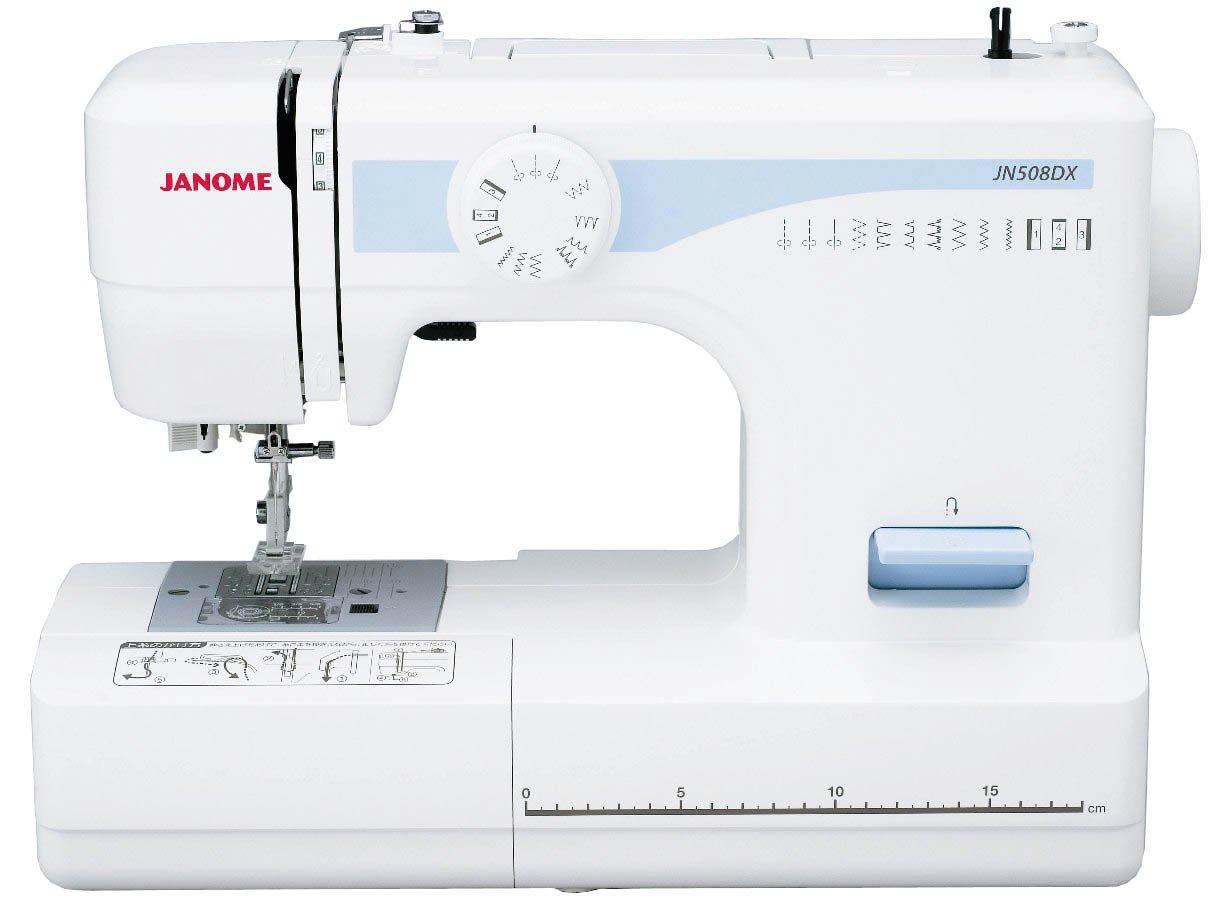
A straightforward electric machine with a foot controller, solid straight stitching, and the essentials a home sewer needs for hems and basic projects.
Why I picked it: I wanted a no-frills electric that makes quick work of hems and repairs while freeing both hands with a foot controller.
Best for: People who need a reliable machine for hemming, mending, and straightforward garment work.
A mid-range domestic option with basic but dependable features.
Pros
- Easy-to-use controls
- Good stitch quality
- Foot controller frees both hands
- Simple to maintain
Cons
- A bit heavy to carry
- Slightly louder than modern quiet models
My take
I used this machine for hems, skirt alterations, and straight-line sewing, and it handled those tasks smoothly. The stitch quality impressed me for such a simple unit.
Operation is intuitive — the foot controller makes two-handed work effortless, and the machine’s essential functions are all present without an overload of options.
It isn’t the lightest machine I’ve carried to class, and it makes more noise than the quietest modern models, but it’s a dependable tool when you want straightforward performance without a steep learning curve.
3. YUEWO Leather Hand Cobbler Sewing Machine – Best for Leather DIY
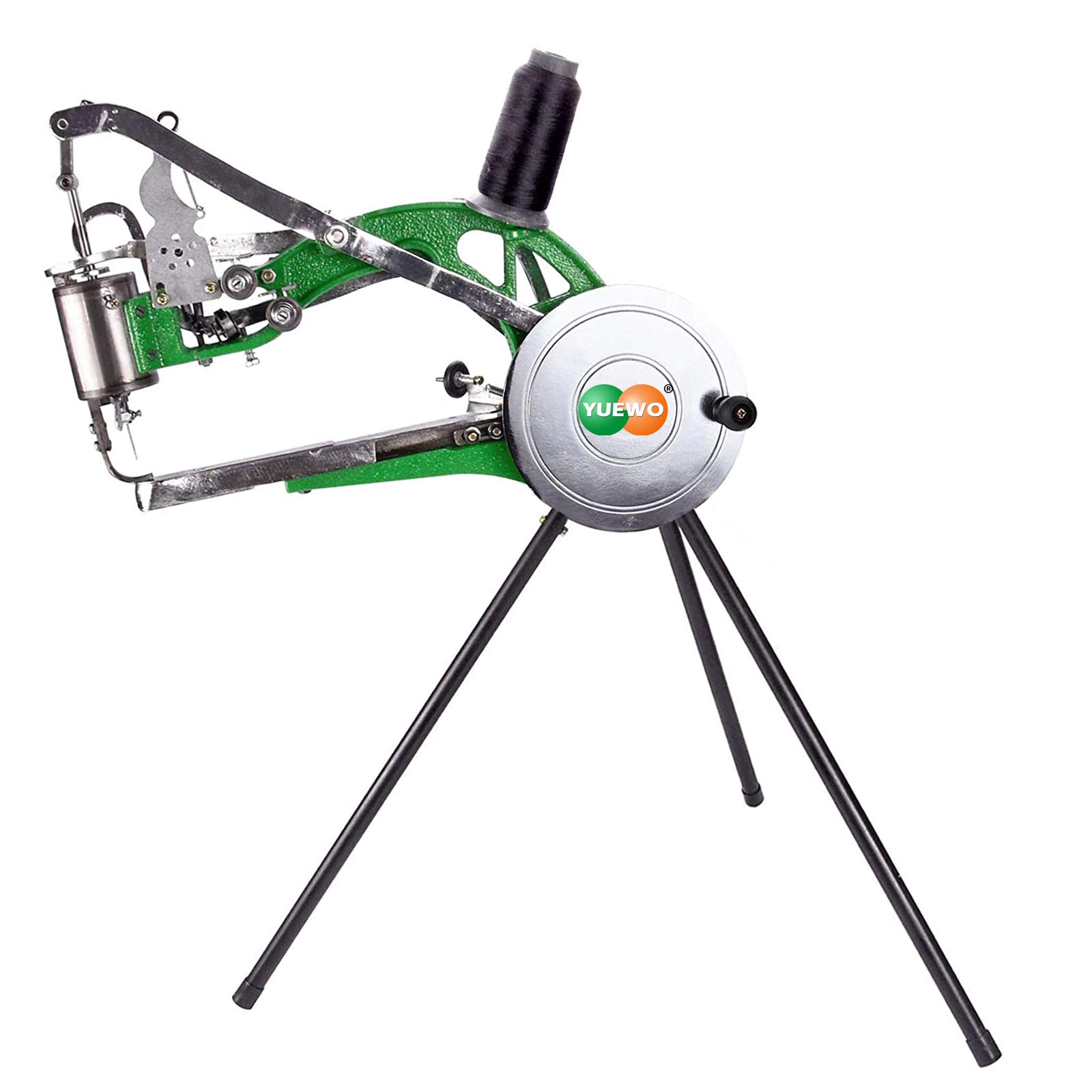
A cast-iron manual cobbler machine built to tackle leather, shoes, and thick materials — robust when adjusted correctly, though it often needs cleaning and minor tuning out of the box.
Why I picked it: I chose this as my go-to when I needed a compact machine that can penetrate leather and heavy fabrics without electricity.
Best for: DIY leather repair, shoe mending, and projects where a heavy-duty, compact stitcher is required.
A budget-friendly heavy-duty option if you’re comfortable tuning and maintaining it.
Pros
- Handles leather and thick materials
- Sturdy cast-iron frame
- Compact footprint
Cons
- Fit-and-finish varies
- Often requires initial tuning
My take
This machine impressed once I invested time in setup. It arrived with protective oil and a sample stitch already in place, and after a careful wipe-down, threading, and timing check it stitched leather and heavy synthetics reliably.
The metal finish and tolerances aren’t showroom-perfect; I filed a couple of rough edges and polished contact points. After that effort it ran smoothly and confidently through thicker layers.
Expect to tinker: instructions are sparse, and occasional parts (springs, timing) may need attention. For me the value is in the raw capability — it’s a machine that rewards a hands-on approach.
4. Manual Leather Shoe Repair Sewing Machine – Best Budget Cobbler
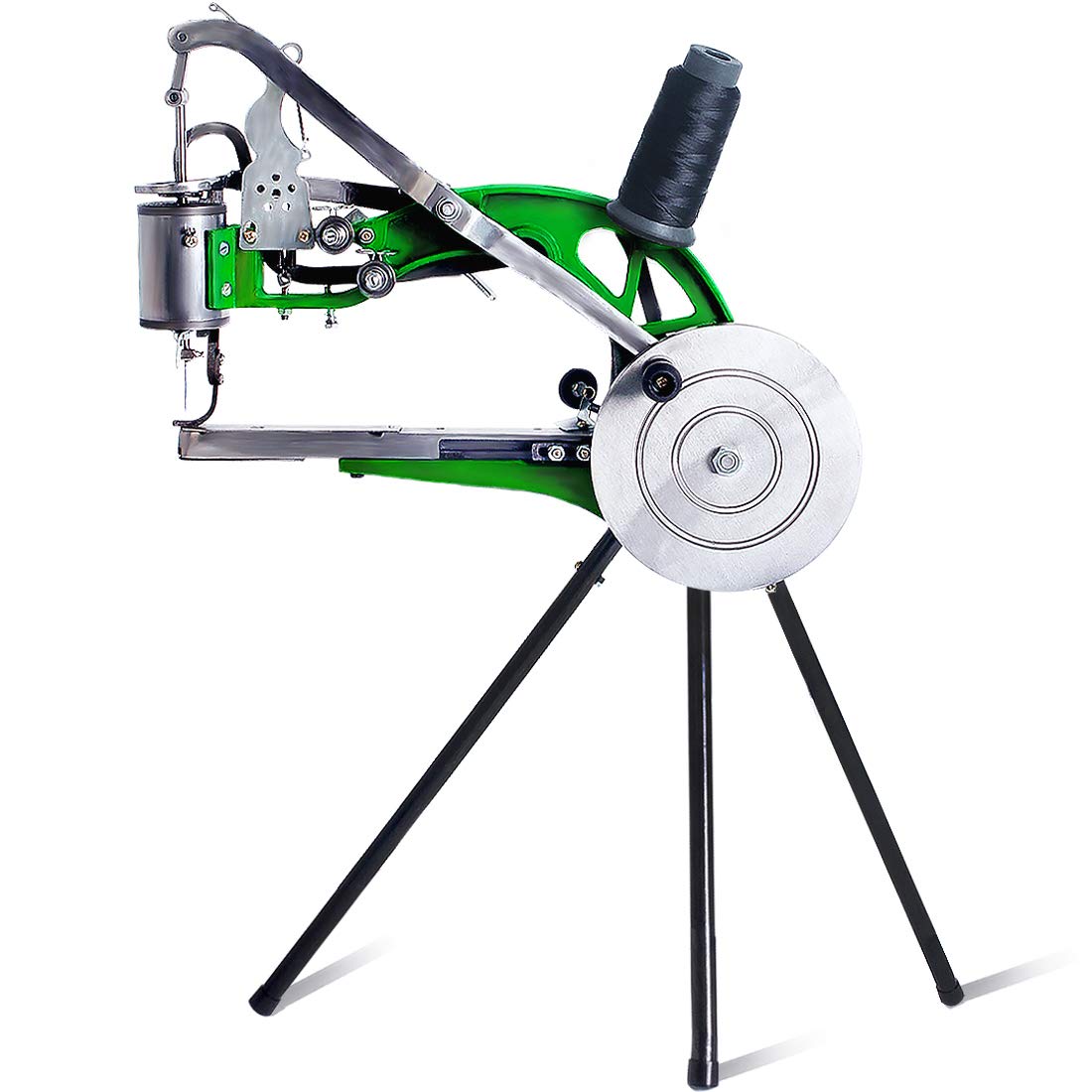
A simple shoe-repair stitcher that accepts nylon or cotton line, offers adjustable stitch width up to ~6mm, and will sew in any direction once correctly assembled and mounted.
Why I picked it: I wanted an inexpensive cobbler-style machine that could reach tight spots on shoes and bags and be adapted to a custom stand.
Best for: People who need a cheap entry point into shoe and leather repairs and don’t mind building or improving the stand.
A lower-cost route into cobbler tools — great value for tinkerers.
Pros
- Adjustable needle width
- Sews in any direction
- Works with nylon and cotton thread
Cons
- Stock stand is flimsy
- Needs deburring and polishing
My take
I found this machine capable of sewing foam, leather, and thick fabrics once I set it up on a solid mount. The factory stand is lightweight, so I built a wooden tabletop base to stabilize it — that transformed the performance.
Assembly is straightforward but not polished; parts often arrive oily and need cleaning, and some edges benefit from light sanding. Once you invest that prep time it becomes a dependable little stitcher.
If you want something perfect out of the box this isn’t it. If you enjoy tuning and improving a tool, it’s a surprisingly capable machine for the price.
5. Janome Jem Gold 660 – Best Portable Domestic
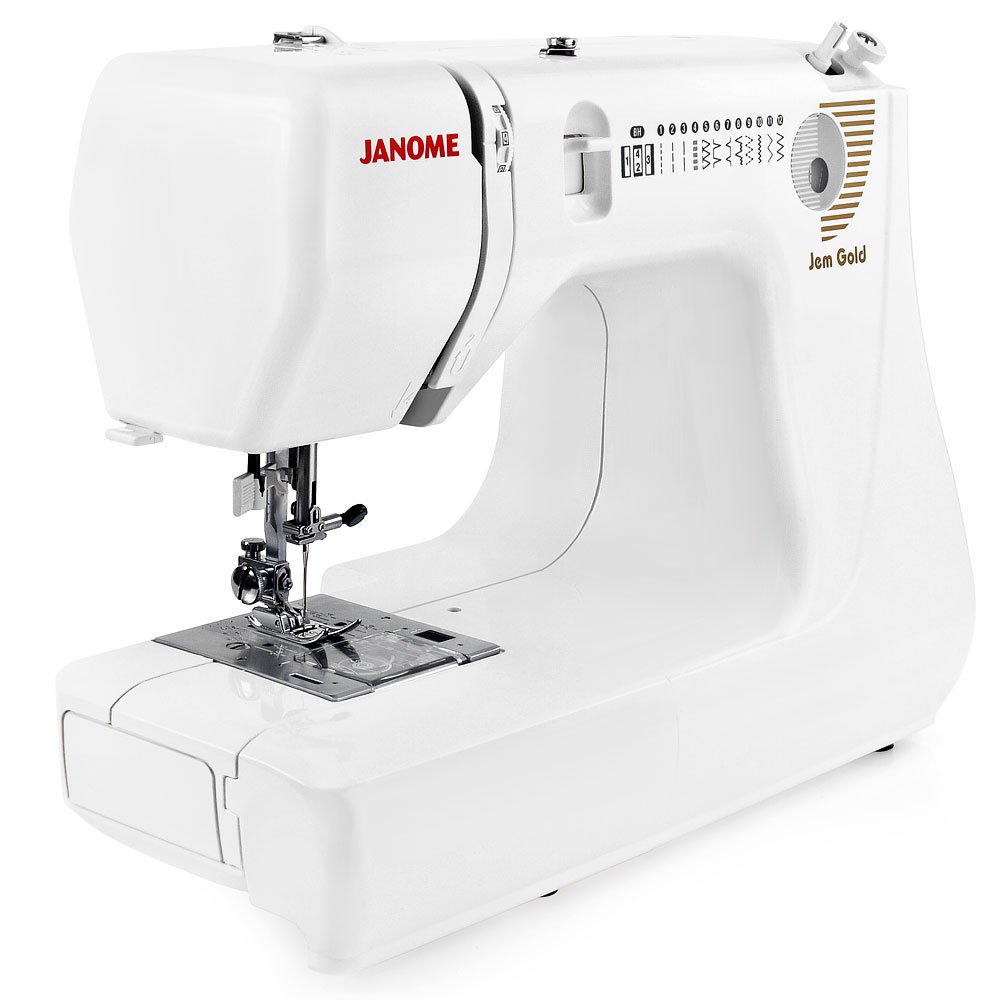
A compact, lightweight domestic machine with 8 stitches, built-in needle threader, snap-on presser feet, and a top-loading rotary hook bobbin — great for classes and small-spaces sewing.
Why I picked it: I wanted a portable, reliable machine I could take to classes and hand off to beginners with confidence.
Best for: Hobbyists, students, and anyone who needs a portable, no-nonsense sewing machine.
A reliable, slightly higher-tier basic machine — good long-term value.
Pros
- Compact and portable
- Built-in needle threader
- Top-loading rotary hook
- Snap-on presser feet
Cons
- Limited stitch length choices
- Not feature-rich for advanced sewing
My take
I use this Janome as a classroom and travel machine. It’s light enough to carry and solid enough to teach on; students pick it up quickly thanks to the straightforward controls and built-in needle threader.
The drop-in bobbin and clear cover make thread monitoring simple, and the 8 stitch options cover basic garment, craft, and quilting needs. Don’t expect the depth of a high-end computerized machine — it’s designed to be a compact workhorse.
Mine worked well out of the box with minimal setup. If you want more stitch length variety or advanced features, look elsewhere, but for portability and dependability it’s one I reach for often.
6. 10-Bearing Cobbler Machine – Best Upgraded Cobbler
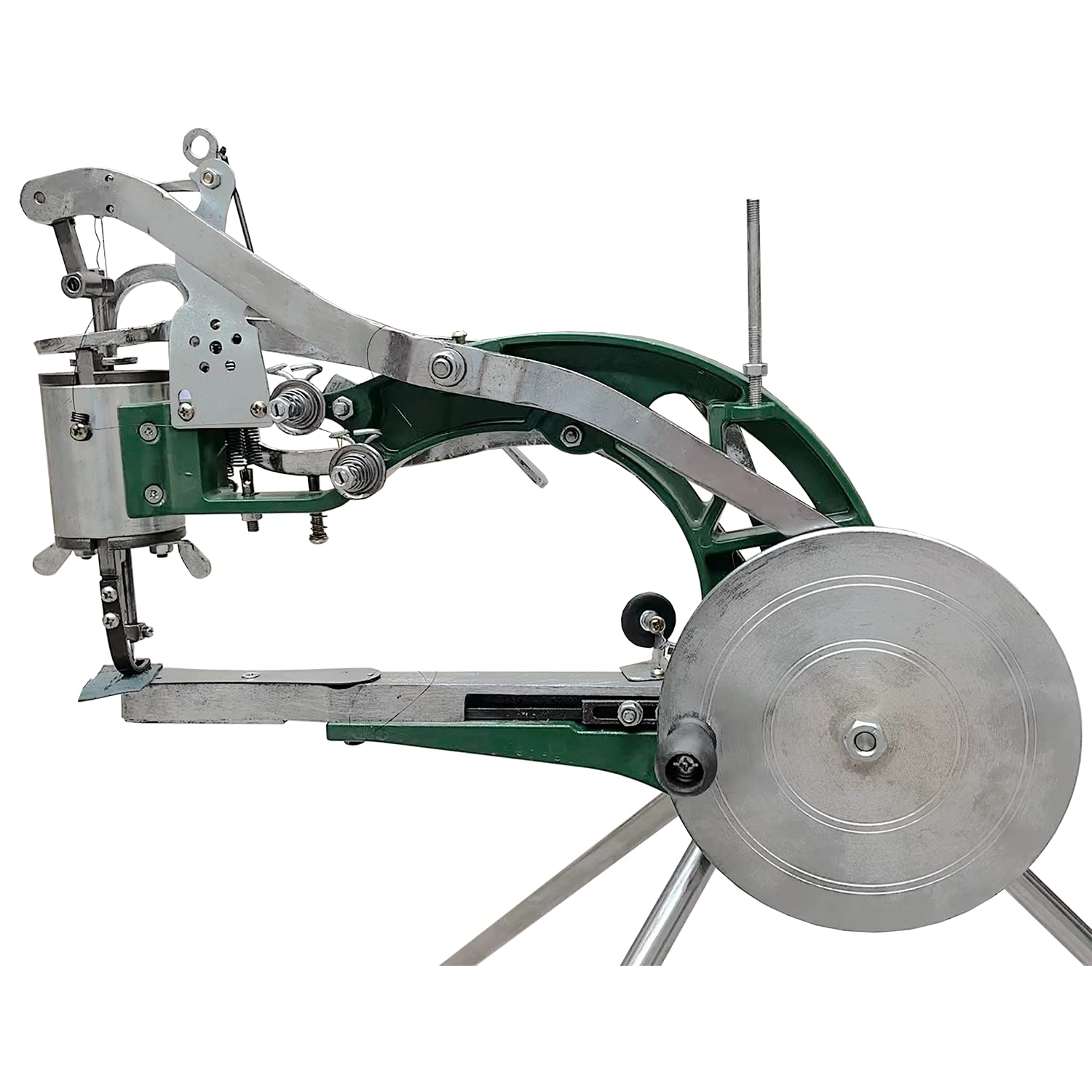
An upgraded cobbler machine with additional bearings for smoother action, a strengthened frame, and a focus on longevity — still a unit that benefits from some owner adjustment.
Why I picked it: I chose this when I needed a tougher hand stitcher with smoother motion for longer sessions.
Best for: Frequent leatherwork and heavier-duty stitching where reduced friction and sturdiness matter.
A robust mid-priced option for serious hobbyists and small shops.
Pros
- More bearings for smoother action
- Sturdy cast-metal build
- Tested on leather before shipping
Cons
- Requires initial cleaning
- Timing may need adjustment
My take
This machine’s extra bearings do make a noticeable difference in how smoothly it runs once the timing and thread paths are correct. I cleaned off shipping oil, checked clearances, and lubricated the moving parts before my first real project.
Expect some setup: cast parts can be rough and the machine often needs small alignment tweaks. After that prep it stitched consistently through leather and thick canvas.
If you want a rugged manual stitcher and don’t mind doing a little mechanical work up front, this model is worth the effort.
7. Hand Cobbler Shoe Repair Machine – Best for Tinkerers
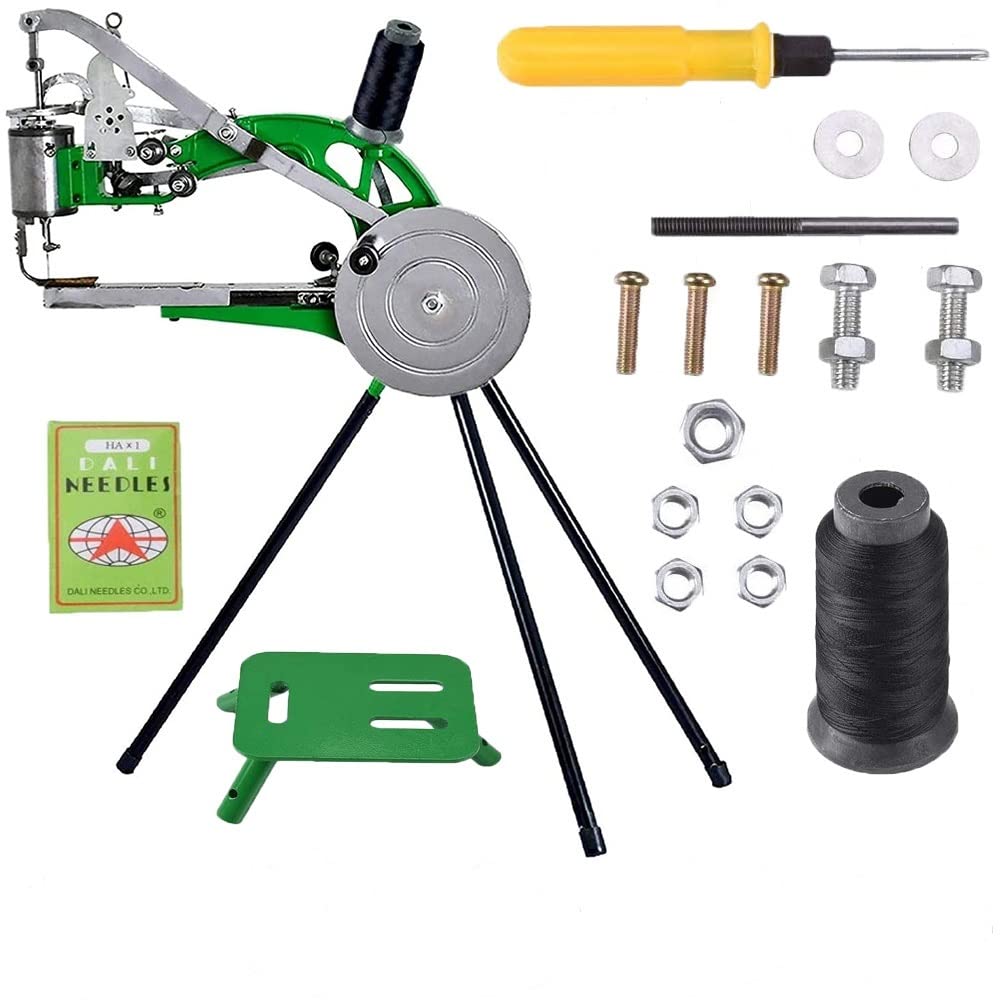
A cast-iron cobbler stitcher that’s powerful for heavy materials, works with cotton or nylon thread, and rewards owners who will refine and stabilize the mounting setup.
Why I picked it: I picked this because it’s a heavy, adaptable machine that I could mount, motorize, or modify for specific tasks.
Best for: Tinkerers who want a base machine for thick-leather repairs and custom modifications.
A practical price for a machine that’s built to be adapted by its owner.
Pros
- Works with nylon and cotton thread
- Cast-iron durability
- Good for heavy materials
Cons
- Shaky stock stand
- May shred thread until tuned
My take
This is a tinker-friendly machine in the best sense — it arrives as a capable core unit but benefits hugely from a stable mount and a bit of cleanup. I built a stout base and that eliminated wobble and instability.
Thread paths and contact points sometimes need polishing; I removed burrs and optimized thread tension to stop shredding. Once set, it handled thick leather and layered materials without complaint.
If you want a machine that’s ready for the workshop and open to modification, this is a model that grows with your skills.
8. Sewing Basics by Sandra Bardwell – Best Reference
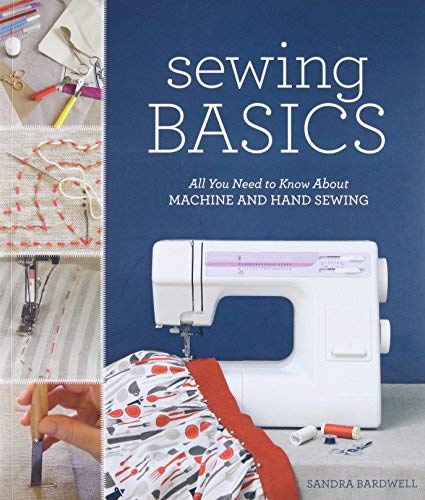
A photographic, practical reference that walks through machine and hand sewing fundamentals — useful both for beginners and as a lasting reference on technique.
Why I picked it: I kept this book beside my machine because it explains core techniques and provides clear photos I return to often.
Best for: Beginners learning foundational techniques and hobbyists who want a solid workshop reference.
Good value for a detailed, photo-rich sewing reference.
Pros
- Clear step-by-step photos
- Covers hand and machine basics
- Good long-term reference
Cons
- Some sections assume basic knowledge
- Text-heavy in places
My take
This book has been the single most useful printed guide I keep near my machine. The photography and step breakdowns make tasks like setting up a bobbin, sewing buttonholes, and working with patterns much easier to visualize.
Beginners will find it especially useful, and I still flip to its pattern and alteration sections when I need a quick refresher on hemming or installing fastenings.
How I Choose a Hand Sewing Machine
Match the machine to the job
I always start by deciding what I need to sew. For dolls, lightweight fabric, and teaching kids, a toy or compact domestic machine is perfect. For shoes, thick leather, or heavy canvas I pick a cobbler-style hand machine.
If you plan to sew leather, prioritize a cast-metal frame and a machine designed to accept thicker bonded nylon or cotton thread.
- Kids and beginners: battery/portable toy machines with safety guards.
- Home sewing and classes: compact electrics with basic stitch selection.
- Leather and shoes: cobbler/hand stitchers with sturdy mounts and large needles.
Expectation vs. out-of-the-box reality
I routinely wipe shipping oil off cobbler machines, check timing, and gently deburr contact points before first use. That extra prep makes a huge difference.
Domestic electrics and portable Janome-style machines tend to work well out of the box, while many manual cobbler units require tuning and a solid stand.
- Wipe away protective oil and lubricate moving parts.
- Check bobbin timing before attempting heavy stitching.
- Be prepared to build or buy a sturdier stand for cobbler machines.
Needles, thread, and accessories
I match needle size and type to the material: standard machine needles for domestic work, and specialized cobbler needles plus bonded nylon thread for leather.
Extra bobbins, spare needles, and a good set of drivers/wrenches make maintenance painless.
- Use bonded nylon for heavy leather seams.
- Keep spare needles sized for the job.
- Buy replacement bobbins and a small tool kit.
Safety and teaching kids
When I teach children I choose machines with a physical safety guard and low-speed settings. Close supervision and a clear threading demonstration are essentials.
Toy machines are great for confidence-building, but I don’t use them for structural repairs or production sewing.
- Choose a clear guard and low-speed control for kids.
- Demonstrate threading and basic stitches before independent use.
- Keep sharp tools and spare needles out of reach.
Frequently Asked Questions
Can a hand cobbler machine sew leather and thick materials?
Yes — in my experience cobbler machines are designed for thick leather and layered materials, but they usually need cleaning, proper needles, and tension/timing adjustments to run well.
Do these machines work right out of the box?
Domestic machines like the Janome often work with minimal setup; most manual cobbler machines arrive with protective oil and sometimes rough edges, so I clean, lubricate, and tune them before regular use.
Which machine should I choose for teaching a child to sew?
I recommend a child-focused toy machine with a transparent needle guard and low-speed settings. It teaches threading and basic stitches while keeping safety front and center.
Final Take
I found each of these machines useful for distinct needs: toy machines for safe learning, compact electrics for dependable home sewing, and cobbler stitchers for heavy-duty leatherwork once tuned.
If you’re new to hand cobblers, plan on a bit of setup time. If you want instant out-of-box convenience, stick with a compact domestic machine.
My picks cover that range so you can choose the balance of convenience, power, and tinkering you’re comfortable with.
