
I tested four popular matcha powders and latte mixes to find options that make dependable, tasty lattes at home—covering quick premixed blends, versatile culinary powders, bulk tins, and ceremonial-grade jars.
I make matcha lattes at home several times a week, so I look for powders that balance flavor, ease of use, and value. For this roundup I focused on how each product performs when whisked into hot water, blended with milk, or added to recipes.
My testing prioritized three things: taste and color, how well the powder dissolves or blends, and whether the packaging keeps the matcha fresh. I included both pre-sweetened latte mixes and pure matcha powders so you can pick based on how hands-on you like to be.
I compared powders by grade (ceremonial vs culinary), color vibrancy, aroma, how forgiving they are in lattes, packaging, and overall value. For convenience I tested premixed latte powder for speed; for flavor I focused on unsweetened, single-ingredient matcha when prepared traditionally.
1. Jade Leaf Culinary Organic Matcha – Best Overall
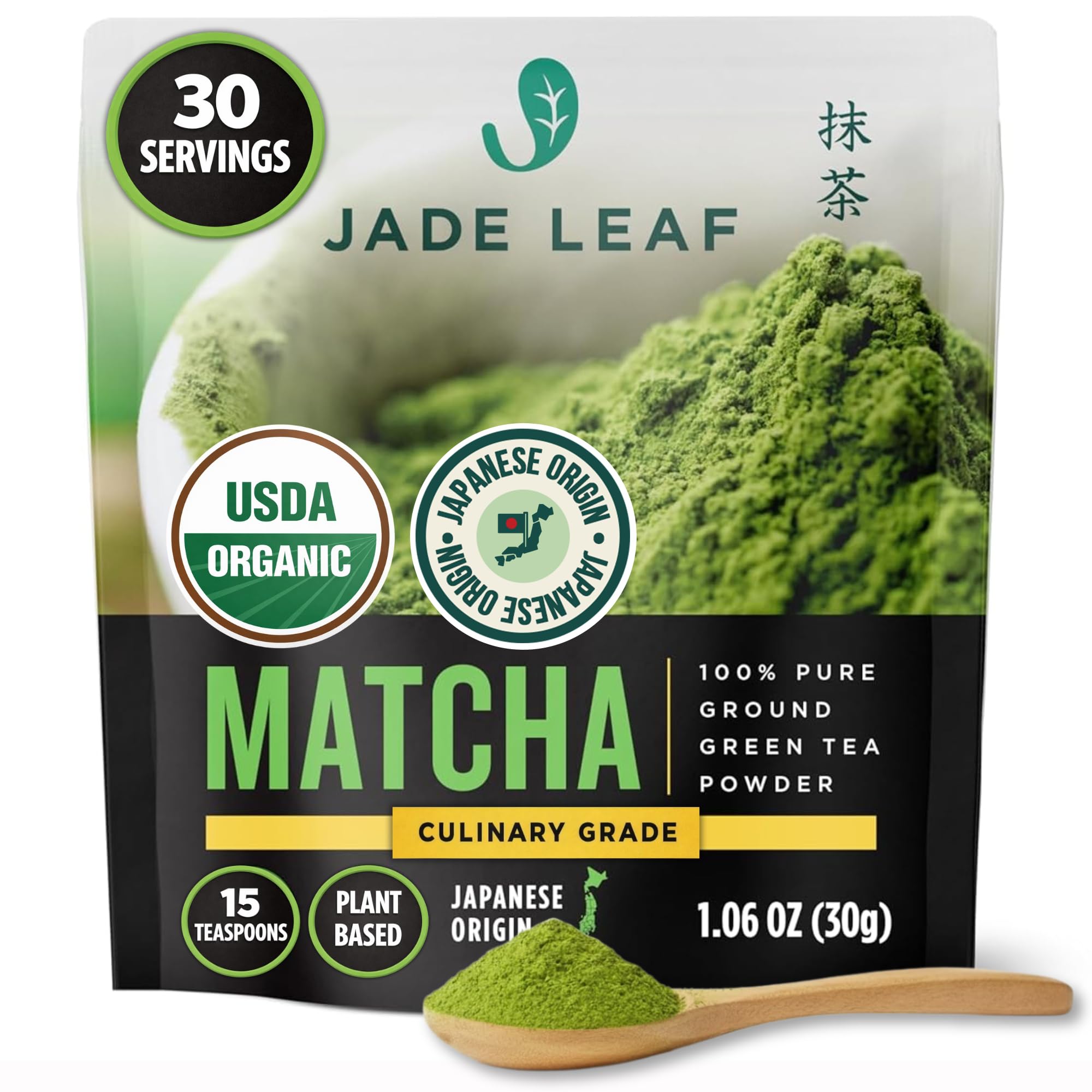
A versatile organic culinary matcha that performs reliably for lattes, baking, and smoothies.
Why I picked it: I chose it for everyday use—versatile, organic, and easy to work with.
Best for: Baking, everyday lattes, and smoothies.
Good starter size for trying matcha without committing to a large tin.
Pros
- USDA organic and shade-grown
- Versatile for drinks and baking
- Smooth, velvety powder texture
- Pleasant earthy, nutty umami notes
Cons
- Smaller pouch size
- Can be slightly bitter alone
- Not as vibrant as ceremonial matcha
My take
This culinary Jade Leaf powder is the one I reach for when I want flexibility. It blends smoothly into both hot and iced lattes and integrates nicely into batters and smoothies without adding grit.
Flavor-wise I get an earthy base with sweet, nutty, umami notes — it’s forgiving when I add milk and a touch of sweetener. If I drink it straight with only water it can show a touch of bitterness, so I usually make a matcha shot first and then add milk.
Packaging is a resealable bag; it’s fine for short-term use but I wish it came in a tin. Overall it’s the dependable culinary pick I use when I want matcha that works across recipes.
2. Jade Leaf Matcha Latte Mix – Best Latte Mix
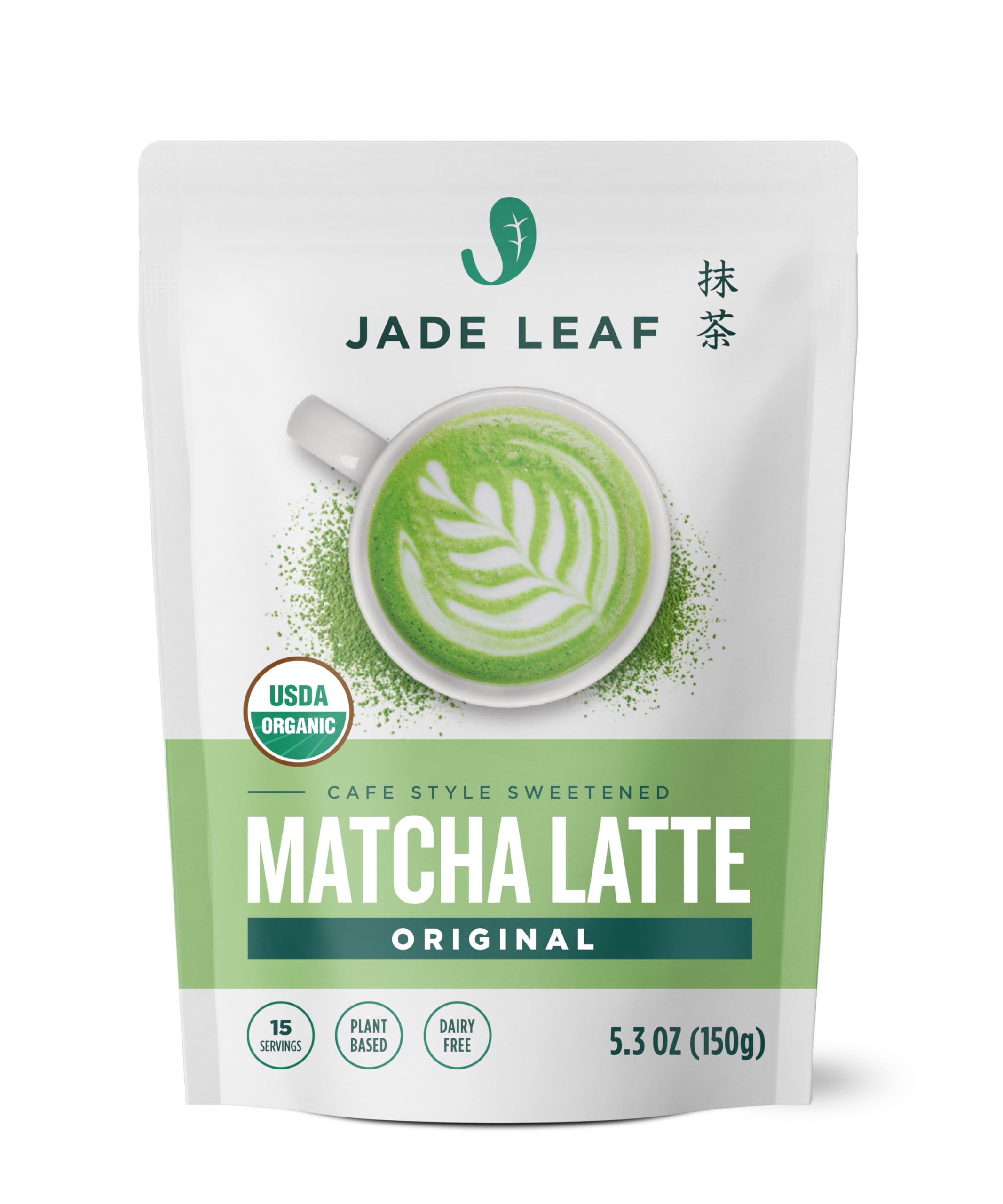
A pre-sweetened, barista-style mix that makes café-style lattes quickly and consistently.
Why I picked it: I picked it when I wanted an instant, café-style latte without measuring sugar.
Best for: Quick hot or iced matcha lattes and beginners practicing technique.
Convenient pre-sweetened option that saves time in the morning.
Pros
- Ready-to-mix for fast lattes
- Balanced sweetness straight from the scoop
- Dissolves easily with a whisk or frother
- USDA organic ingredients
Cons
- Pre-sweetened—less control over sugar
- Not vibrant green like ceremonial matcha
- Won't produce microfoam
My take
When I want a quick matcha latte with minimal fuss, this latte mix is my go-to. Two teaspoons into warm water, then milk and a quick froth gives a smooth, lightly sweet drink in under a minute.
The sweetness is calibrated so I rarely add more sugar, which is handy on busy mornings. It also mixes well cold for iced lattes, though it won’t create the bright color or vegetal punch of unsweetened ceremonial matcha.
For practice and convenience this blend is forgiving—great if you want café vibes at home without juggling separate ingredients.
3. Matcha DNA Organic Matcha Tin – Best Value
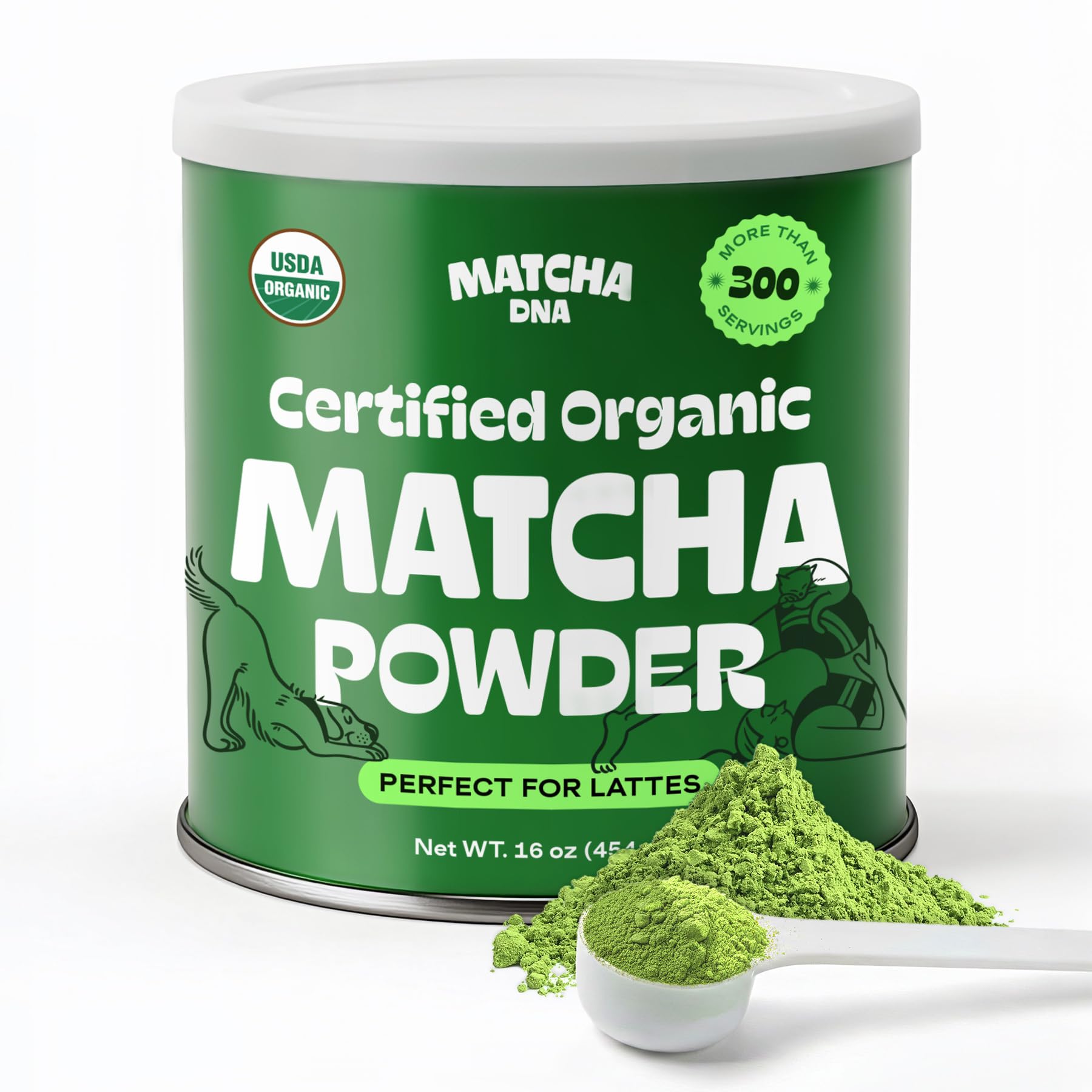
A one-pound tin that delivers a lot of usable matcha for everyday drinking and baking at a very economical scale.
Why I picked it: I grabbed the tin when I needed bulk matcha that still reads as organic and usable for daily lattes.
Best for: Bulk buyers and regular matcha drinkers who want the best cost per ounce.
Large tin gives excellent value for frequent matcha use.
Pros
- Generous one-pound supply
- USDA certified organic
- Tight metal can preserves freshness
- Great cost per serving
Cons
- Duller green than premium ceremonial powders
- Aroma and vibrancy are more muted
- Less pronounced umami complexity
My take
If I’m stocking my kitchen for daily lattes, this is the can I buy. The metal tin seals tightly and the quantity lasts a long time, so I can make matcha every day without worrying about running out.
Expect a more muted green and a softer aroma compared with high-end ceremonial powders. It still makes a pleasant latte and works extremely well in smoothies and baking where color and top-tier aroma matter less.
In short, I trust this tin for everyday use when I want organic matcha in bulk without paying for the brightest ceremonial grade.
4. PureChimp Ceremonial Matcha – Best Ceremonial
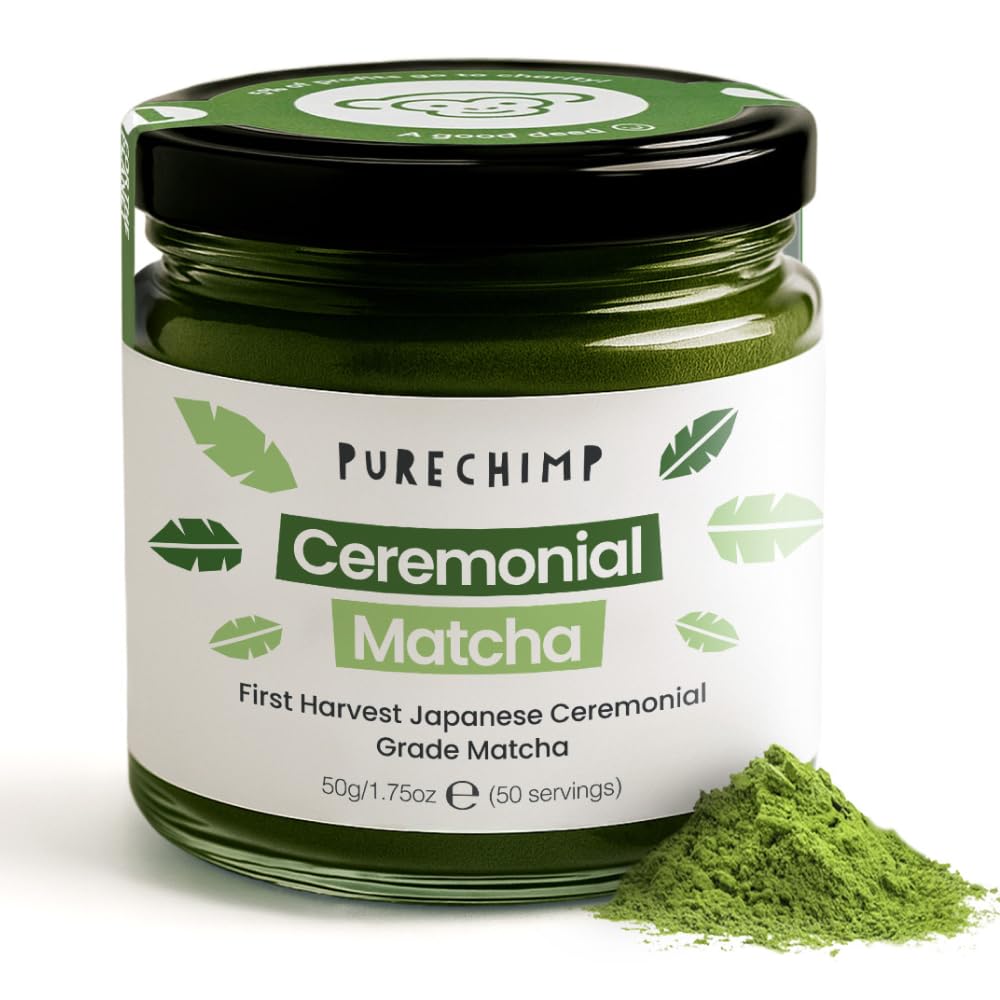
A ceremonial-style matcha with clean flavor and a vibrant profile, suited to traditional bowls and elevated lattes.
Why I picked it: I reached for this when I wanted a cleaner, less bitter ceremonial cup and a smoother latte.
Best for: Traditional whisked tea, refined lattes, and anyone who prioritizes flavor.
A step up for cleaner flavor and ceremonial preparation.
Pros
- Bright, vibrant green color
- Clean, low-bitterness flavor
- Packaged in a recyclable glass jar
- Smooth texture for whisking
Cons
- Smaller jar than bulk tins
- Some batches taste lighter than top-tier ceremonial
- Better suited to drinking than heavy baking
My take
When I want a proper ceremonial experience or a latte that tastes refined with little added sweetener, this PureChimp matcha is the one I reach for. It whisked into a silky usucha and produced a smooth latte with pleasant vegetal notes and minimal bitterness.
The glass jar feels premium and I appreciate the recyclable packaging. Compared to large culinary tins, this matcha reads as cleaner and brighter, though it can be a touch milder than the very highest-grade ceremonial powders I've tried.
Overall it’s the ceremonial choice I use when I want a more authentic tea experience or a latte that showcases matcha’s delicate flavors.
How I Choose Matcha for Lattes
Matcha grades and color
I separate powders into ceremonial and culinary grades. Ceremonial matcha is brighter, more delicate, and I prefer it for whisked tea or simple lattes with minimal sweetener. Culinary matcha is heartier and better for baking and flavored drinks.
- Brighter, vivid green usually indicates younger shade-grown leaves.
- Darker or duller green often signals a blend or lower harvest grade.
- For lattes, both grades work; choose ceremonial for tea-forward drinks and culinary for milk-forward or baking uses.
Sweetened mixes vs pure matcha
I use pre-sweetened latte mixes when I want speed and consistency. Pure matcha gives me control over sweetness and lets the vegetal notes shine.
- Pre-sweetened mixes: fast, consistent, good for beginners.
- Unsweetened matcha: best for adjusting sugar and experiencing pure flavor.
- If you like iced lattes, premixed powders dissolve more predictably cold.
Making a cafe-quality latte at home
My reliable method: make a concentrated matcha shot by whisking a small scoop with a little hot water until smooth, then add steamed or frothed milk. For iced lattes, whisk cold with a handheld frother or blender to remove clumps.
- Use a matcha whisk or small frother for the best texture.
- Start with half a teaspoon of powder and adjust to taste.
- If using a pre-sweetened mix, reduce added syrup or sugar.
Storage and freshness
I keep matcha in a cool, dark place and transfer pouches into airtight tins when possible. Oxygen and light dull color and aroma, so a tight seal matters for long-term freshness.
- Use resealable tins or glass jars for longer freshness.
- Consume starter-size pouches quicker—they’re convenient but may not store as long once opened.
- Avoid storing matcha above the stove or in sunlight.
Frequently Asked Questions
Can I use culinary matcha for lattes?
Yes. I often use culinary matcha in lattes because it holds up well to milk and flavorings; choose ceremonial only if you want a more delicate, tea-forward cup.
How do I avoid clumps in iced matcha lattes?
I whisk a paste with a little water first, then add milk and ice, or I use a handheld frother or blender which quickly disperses clumps for a smooth iced drink.
How much caffeine is in a typical scoop of matcha?
In my experience a small serving of matcha has noticeably less caffeine than a full cup of coffee; it delivers a steadier, jitter-free lift because of L-theanine.
Final Take
If you want a quick, café-style drink, the pre-sweetened latte mix is the most convenient. For everyday use and baking, the culinary powders offer the best balance of versatility and value. When I want the cleanest tea experience, I reach for a ceremonial-grade jar.
Whichever powder you choose, focus on how you plan to use it—straight whisked tea, milk-forward lattes, or baking—and store it tightly sealed to get the best flavor over time.
