
I tested popular anti-colic bottles so you don't have to. Here are the six bottles I kept coming back to for reducing gas, easing breast-to-bottle transition, and simplifying cleaning.
I spent weeks testing bottles designed to cut down on colic and gas, focusing on how they felt to my baby, how much air they kept out, and how easy they were to clean and use day to day.
In this roundup I compare wide, soft silicone options that mimic the breast, vented systems that preserve milk and reduce burping, and simple three-piece designs that save time on wash day.
My goal was practical: fewer gas episodes, smoother feedings, and less time wrestling with bottle parts. The six picks below reflect bottles that delivered on those priorities in real feeds.
If you want the closest feel to breastfeeding I recommend silicone, but if reducing swallowed air is your top priority, choose a vented system. I include both types so you can match the bottle to your baby's latch and your cleaning preferences.
1. Comotomo Baby Bottle – Best for Breastlike Feel
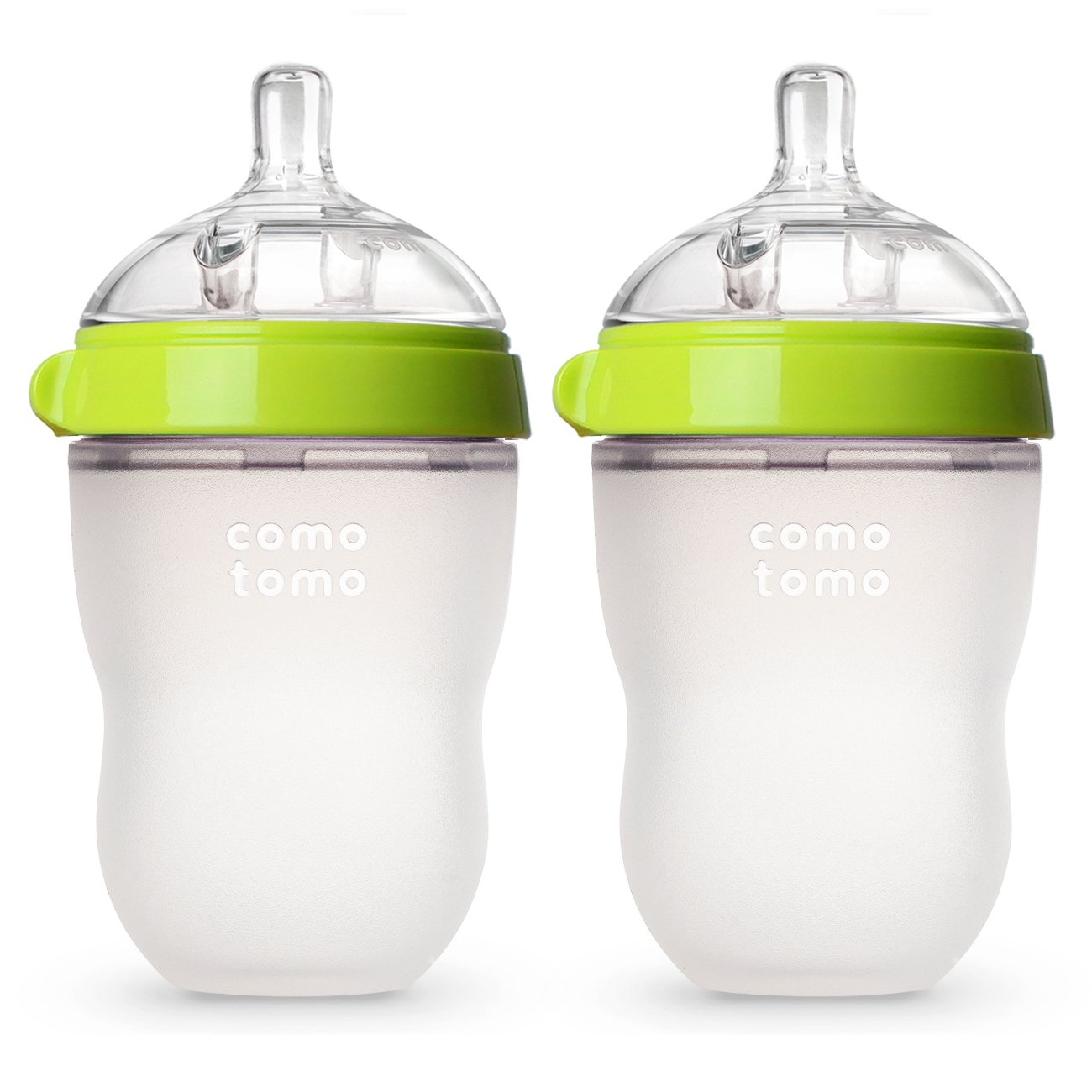
Soft, squeezable silicone bottle with wide breast-like nipple and built-in vents to limit gas.
Why I picked it: I picked it for the skin-like silicone, easy wide-neck cleaning, and effective anti-colic vents.
Best for: Breastfed babies transitioning to a bottle and parents wanting a natural-feel silicone option.
Moderately priced double pack with good everyday value.
Pros
- Very soft, skin-like silicone
- Wide neck that's simple to clean
- Built-in vents reduce air intake
- Easy for baby to grasp
Cons
- Silicone can feel heavy when full
- Flow rate can seem fast for newborns
My take
I reached for the Comotomo when I wanted a bottle that truly felt like skin. The nipple texture and wide mound made latching straightforward for my breastfed baby and cut down on the fuss every time we switched to a bottle.
Cleaning was a genuine time-saver. The wide neck and seamless silicone design mean I don't have to disassemble dozens of tiny parts, and the double pack kept us supplied between washes.
Their smart venting did help reduce gassiness for us, though I noticed the flow can run a touch faster than other newborn slow-flow nipples—so I used it more as my baby got a little older and stronger at sucking.
2. Dr. Brown's Options+ Narrow Bottle – Best for Preserving Milk & Nutrients
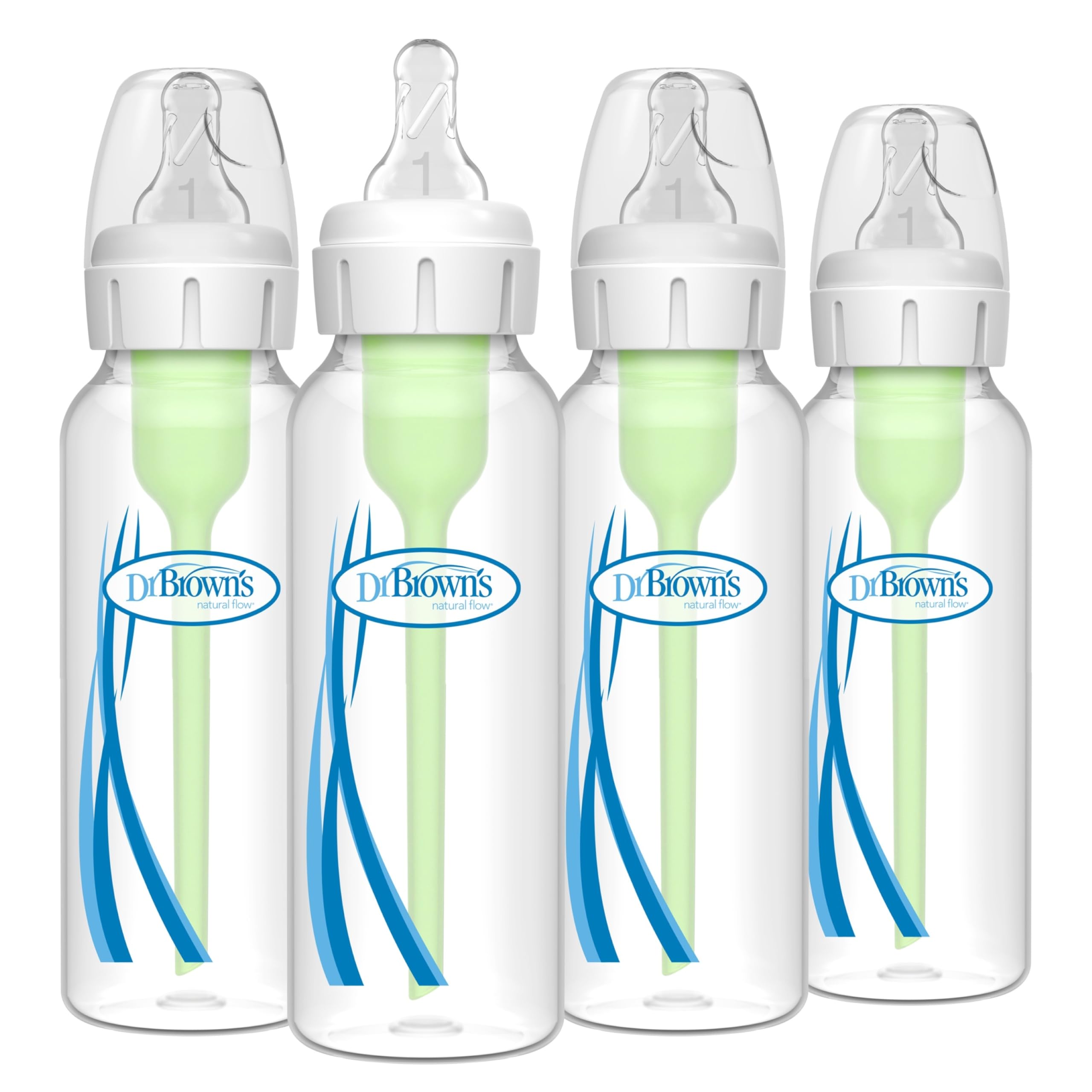
Vented bottle with internal system that minimizes air, preserves milk, and provides consistent flow.
Why I picked it: I chose it for the internal vent that really cuts trapped air and keeps milk moving steadily.
Best for: Parents who prioritize minimizing gas and preserving expressed breast milk nutrients.
A practical option that balances features and affordability.
Pros
- Internal venting reduces swallowed air
- Consistent, vacuum-free flow
- Narrow shape fits small hands
- Can remove vent as baby grows
Cons
- More parts to clean
- Can leak if vent not centered
My take
I relied on Dr. Brown's Options+ when gas and spit-up were major concerns. The internal vent system made a clear difference in how much burping and fussing followed feeds.
Feedings stayed smooth because the nipple provides a steady flow close to breastfeeding rhythm. I appreciated that the vent can be removed later so the bottle continues to work as my baby progressed.
The trade-off is cleaning: the vent system adds parts and demands careful assembly. When I took the extra minute to center the vent, leakage wasn’t a problem, but hurried reassembly sometimes led to spills.
3. Dr. Brown's Original Newborn Set – Best Newborn Gift Set
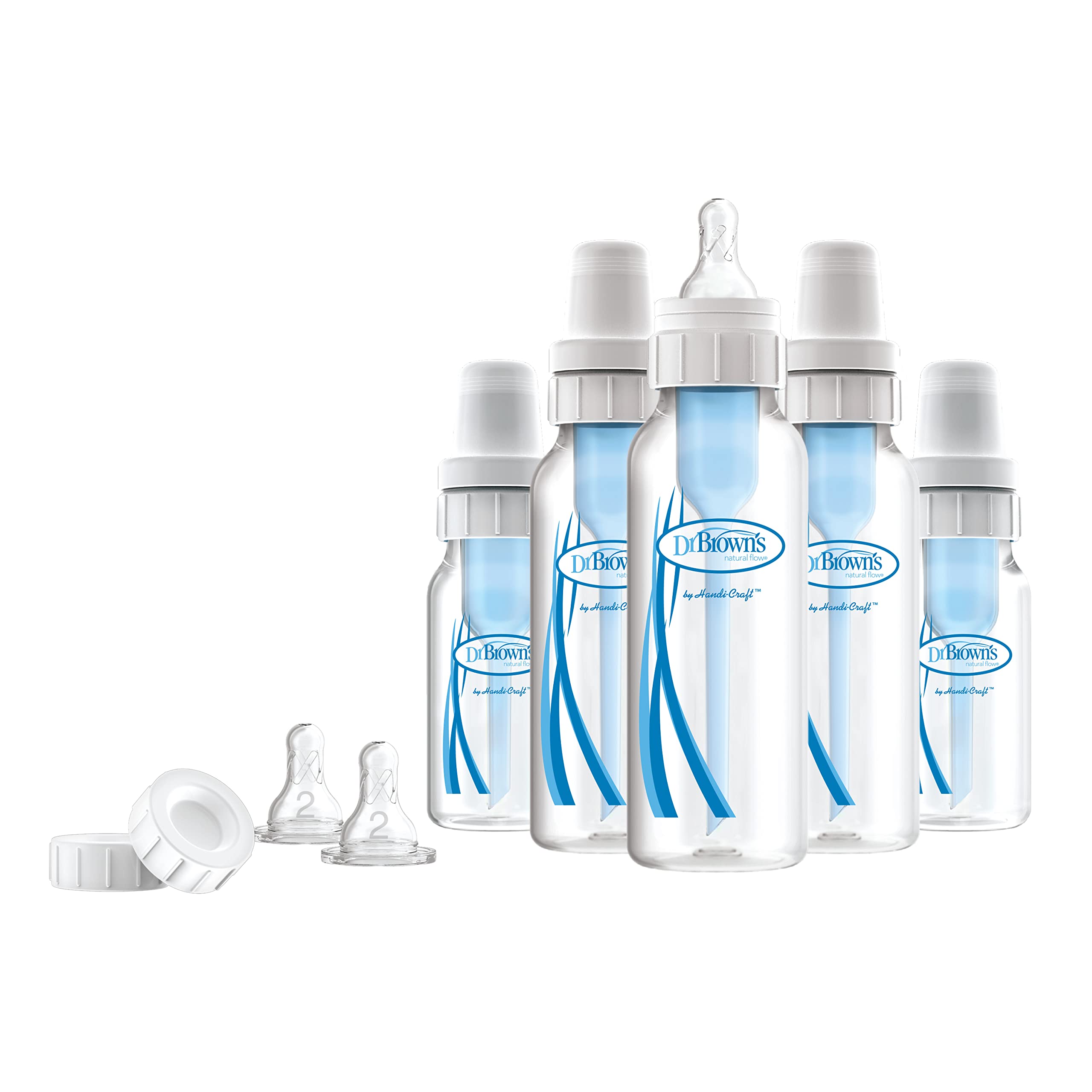
A full newborn kit with original internal vent system, multiple slow-flow nipples, and durable bottles.
Why I picked it: I picked the set for its comprehensive nipple options and proven venting across early feeding stages.
Best for: New parents who want a complete starter collection that targets colic and reflux.
Premium bundle that covers newborn to slightly older infants.
Pros
- Clinically proven vent system
- Includes several slow-flow nipples
- Durable, long-lasting bottles
- Designed to support breastfeeding
Cons
- Lots of parts per bottle
- Requires careful assembly to avoid leaks
My take
This newborn set became my go-to when I wanted an out-of-the-box solution for colic and reflux. The internal venting felt like a reliable way to limit swallowed air and reduce spit-up.
I liked having multiple slow-flow nipples in the kit—switching nipple sizes without buying extra parts made finding the right pace easier.
Durability was another plus; these bottles stood up to lots of daily use. The downside is the assembly: each bottle has several components, which increases cleaning time and the chance of misalignment if I'm in a hurry.
4. Tommee Tippee Natural Start Bottle – Best for Quick Sterilizing
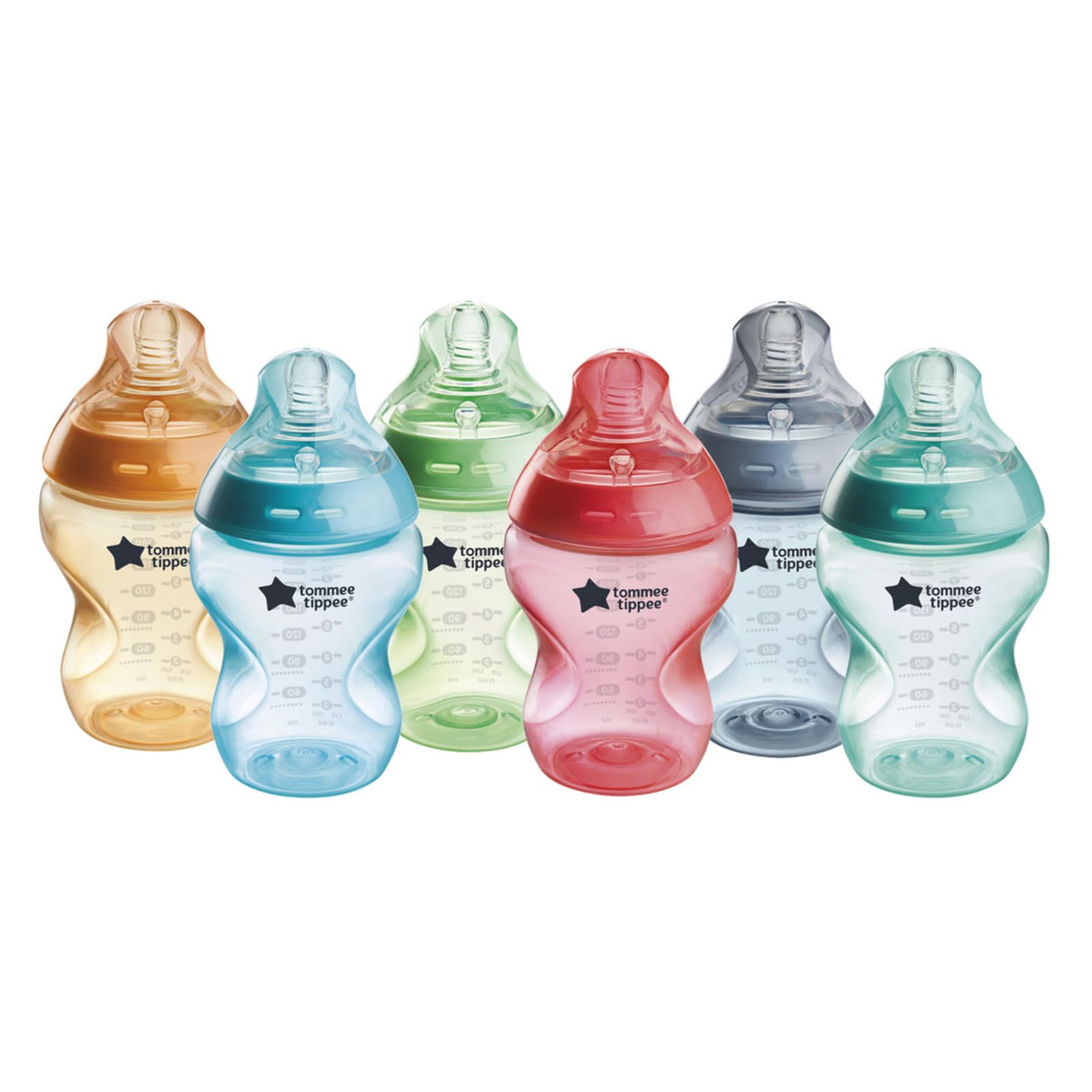
Soft silicone nipple that mimics the breast, anti-colic valve, and microwave self-sterilizing convenience.
Why I picked it: I picked it for the breast-like nipple and the fast microwave sterilize feature that saved me time.
Best for: Busy households that need quick sterilizing and an easy-to-hold, breastlike nipple.
Good value for a family-friendly multi-pack.
Pros
- Very breast-like nipple action
- Self-sterilizes in minutes
- 100% leakproof when assembled
- Simple design for easy cleaning
Cons
- Some flows felt fast for tiny newborns
- Occasional nipple leaks reported
My take
Tommee Tippee stood out for how quickly I could sanitize a bottle between feeds—three minutes in the microwave was a real time saver on busy days.
My baby took to the flexible silicone nipple with almost no fuss, which made switching between breast and bottle far less stressful.
I did notice that on a couple of occasions the flow felt faster than expected for the smallest feedings, and I kept a spare slow-flow nipple nearby. Overall, the leakproof caps and simple assembly made this one of the easiest bottles to live with.
5. Philips Avent Natural Response Bottle – Best for Controlled Flow
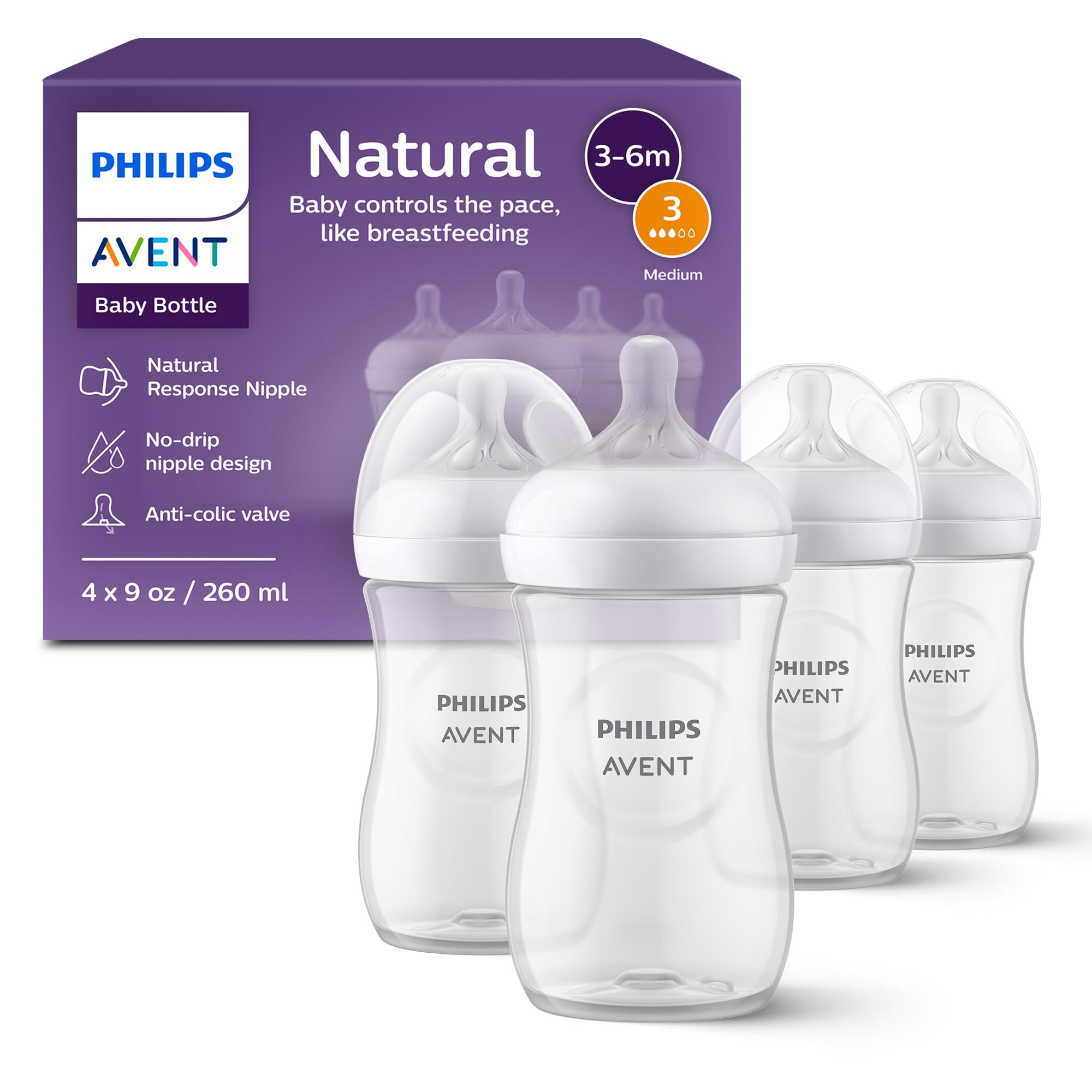
Natural Response nipple that releases milk only when baby actively drinks, paired with an integrated anti-colic valve.
Why I picked it: I picked it for the Natural Response nipple that lets baby control flow and avoids milk dribble.
Best for: Babies who need paced feeding to prevent choking, dribbling, or overfeeding.
A higher-end choice for parents focused on precise flow control.
Pros
- Baby-controlled Natural Response nipple
- No-drip design when baby pauses
- Anti-colic valve built into nipple
- Solid, ergonomic bottle shape
Cons
- May take tries to get milk flowing
- Medium flow may be fast for some newborns
My take
The Natural Response nipple changed how feeds felt in my house—milk only moved when my baby actively sucked, which reduced choking and unexpected spills during pauses.
Combining that paced control with an anti-colic valve helped reduce air intake and post-feed discomfort for us.
It took a couple of tries to get the milk flowing initially, which is normal for this design, but once set up, the system gave me confidence that feeds were safer and more natural-feeling.
6. Lansinoh NaturalWave Bottle – Best for Simple Cleaning
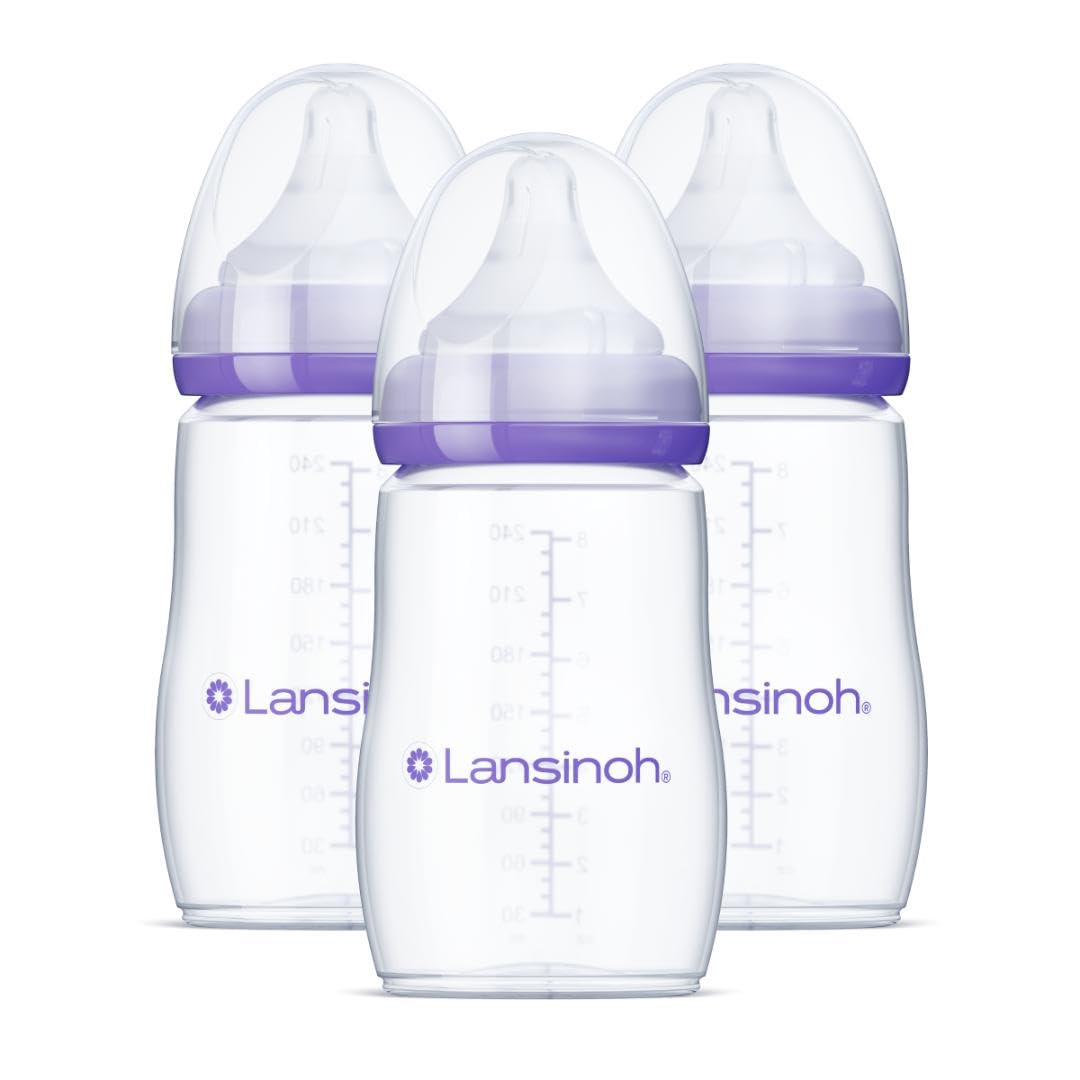
Three-piece, easy-clean bottle with NaturalWave nipple that supports baby-led feeding and reduces air intake.
Why I picked it: I picked it for the minimal parts, soft NaturalWave nipple, and clinically proven anti-colic ventilation.
Best for: Parents who want a simple, fast-to-clean bottle that breastfed babies accept easily.
Budget-friendly and practical three-pack option.
Pros
- Only three core parts per bottle
- Soft, flexible NaturalWave nipple
- Clinically proven to reduce colic
- Dishwasher-safe and freezer-safe
Cons
- Plastic construction versus silicone
- Some babies prefer different nipple shapes
My take
For days when I needed a no-fuss bottle, Lansinoh was the go-to. The three-piece design meant cleaning and assembly were both fast and reliable.
My breastfed baby accepted the NaturalWave nipple with almost no hesitation. The flexible tip matched sucking patterns and seemed to reduce hiccups and gas compared with standard bottles I'd tried earlier.
The clinical backing on the anti-colic ventilation gave me confidence, and the bottles held up well through frequent washes and sterilizing cycles.
How I Choose Bottles for Colic and Gas
Key features I evaluate
I focus on three things: how the nipple mimics the breast, how the bottle vents air, and how easy the whole system is to clean.
A bottle can have a great vent system but still be impractical if it adds too many tiny parts to assemble between feeds.
- Nipple feel: soft, wide nipples aid breast-to-bottle transition.
- Vent system: internal vents or nipple-integrated valves reduce swallowed air.
- Flow rates: start with slow-flow for newborns and move up as feeding speeds increase.
- Cleaning: fewer parts = less time and fewer assembly errors.
- Materials: silicone feels most like skin; BPA-free plastic is lighter and more affordable.
Matching bottle type to your baby
If your baby is breastfed and struggles to accept bottles, I usually start with a soft silicone, wide-mouthed option.
If your baby has persistent gas or reflux, a vented system that minimizes air intake is where I begin.
- Breastfed babies: choose breast-like silicone nipples.
- Colic/gas issues: choose bottles with proven venting systems.
- Caregivers/daycare: pick simple designs that are easy for others to assemble correctly.
Practical tips from real feeds
Always test flow on a small amount of milk before a full feed to avoid overwhelming a tiny newborn.
Label bottles for daycare and keep a spare nipple size handy so transitions are smoother when flow needs to change.
- Warm a test drop to check flow and temperature.
- Practice assembly a few times so you avoid leaks under pressure.
- Rotate bottles so you always have a clean one ready.
Frequently Asked Questions
Can these bottles prevent colic entirely?
No bottle is a guaranteed cure, but in my experience vented systems and breastlike nipples commonly reduce swallowed air and related fussiness.
How do I choose the right nipple flow?
Start with a slow flow for newborns and move up when feeds shorten or baby seems to work harder; I switch flow size when feeds become noticeably faster.
Which bottles are easiest for daycare to handle?
I hand daycare simple three-piece bottles or ones with fewer vents—Lansinoh and Tommee Tippee were the easiest for other caregivers to assemble without mistakes.
Final Take
I narrowed my picks to six bottles that solved the most common feeding headaches: gas, latch issues, and cleanup time.
If you want the most natural nipple feel, reach for silicone options like Comotomo or Tommee Tippee. If limiting swallowed air is your priority, Dr. Brown's or Philips Avent will be my first choices.
Whichever bottle you choose, practice assembly and flow testing before a full feed—those small steps made the biggest difference in my own feeding routine.
