
I tested six cleaners and mold treatments to find the best options for dealing with mold on wood — from quick stain removers to heavy-duty killers that I used in attics and basements.
I spent time trying products across different wood scenarios: sealed hardwood floors, painted trim, outdoor deck furniture, and even an attic with visible mold on framing. Wood presents two very different problems — surface stains on finished wood and active mold growth in structural or raw wood — and I picked products that handled those distinct jobs.
In this roundup I explain which products I reached for depending on the wood type, how aggressive the mold problem was, and what follow-up I recommend to prevent recurrence.
I compared products based on the type of wood surface they’re suited for (sealed versus raw), how quickly they remove stains, whether they kill mold or just lift stains, and how user-friendly and safe they felt during normal use.
1. OdoBan Disinfectant Concentrate – Best Value Concentrate
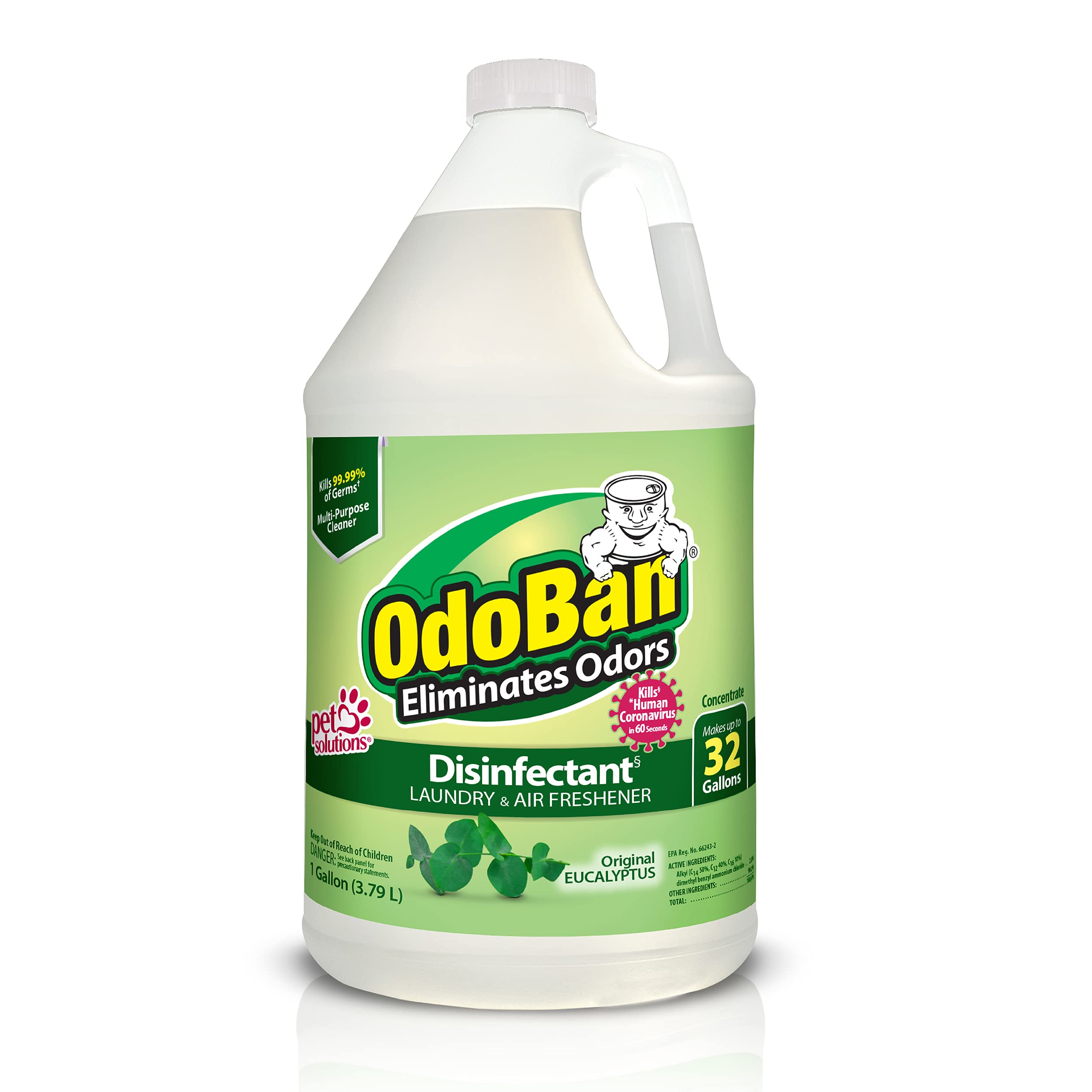
A versatile concentrate I keep on hand for cleaning and disinfecting sealed surfaces and refreshing musty spaces.
Why I picked it: Concentrated, multi-surface formula that stretches a long way and neutralizes musty odors.
Best for: Sealed wood floors, finished trim, and general deodorizing of damp basements.
Long-lasting concentrate offers strong value compared with ready-to-use sprays.
Pros
- Concentrated—makes many gallons of cleaner
- Neutralizes odors at the source
- Works on many sealed surfaces
- Pleasant eucalyptus scent
Cons
- Not formulated for raw structural wood
- Must dilute correctly for best results
My take
I relied on OdoBan when I wanted a single product to disinfect, deodorize, and refill bottles for regular cleaning. The concentrate stretched far in my housecleaning routine and left a light eucalyptus scent rather than a chemical sting.
On sealed wood surfaces and finished trim it cleaned well and helped remove the musty smell in a damp basement where I’d been storing nothing but mechanicals. I treated the area, wiped down the sealed wood, and ran a dehumidifier — the smell improved noticeably.
This isn’t a heavy-duty mold biocide for raw framing, but as a maintenance step after I kill mold with a stronger product or on finished wood where you don’t want harsh bleach, OdoBan is a practical, cost-effective option.
2. CleanSmart Daily Surface Spray – Best Gentle Disinfectant
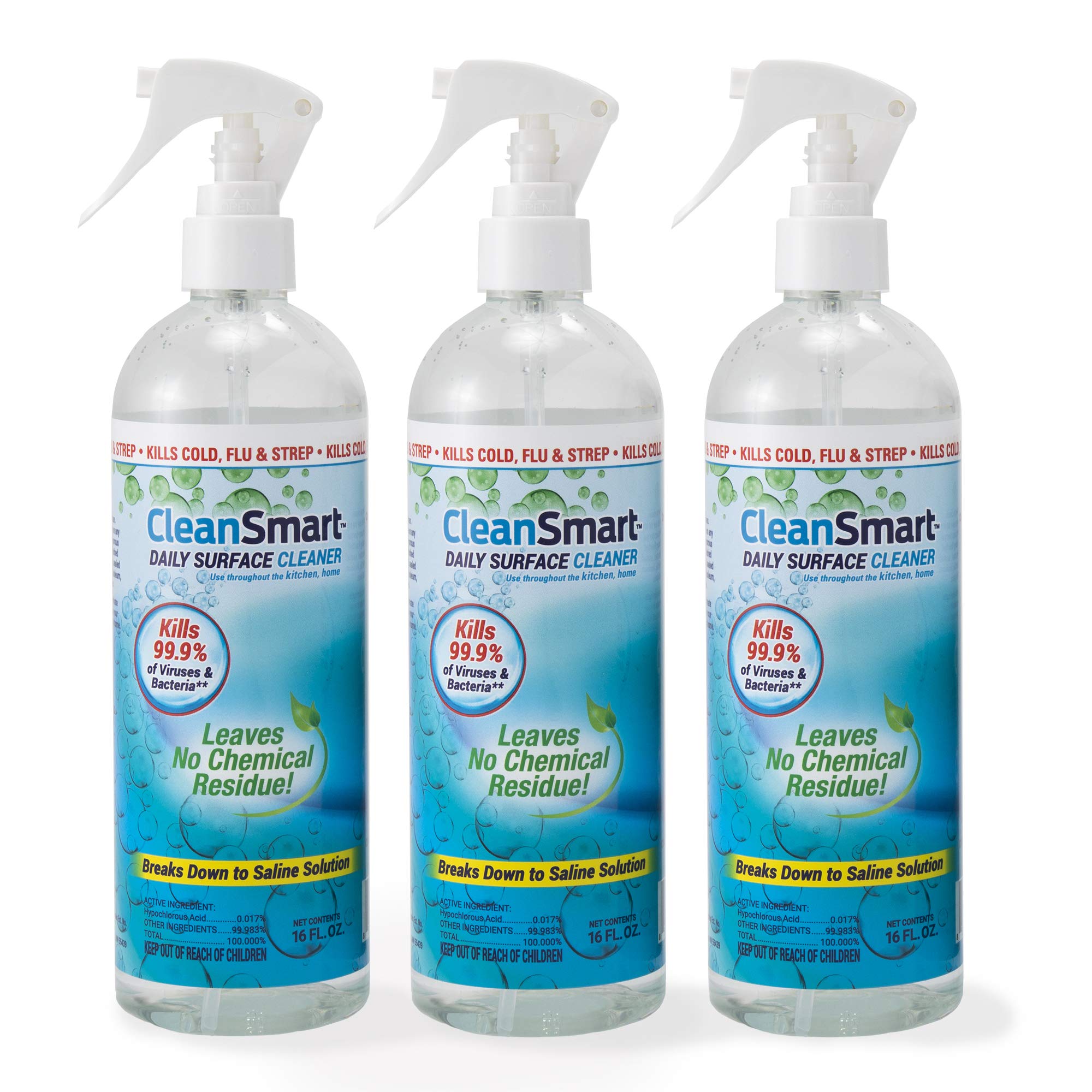
A gentle hypochlorous spray I used around food prep and on baby items; safe-feeling and effective for everyday disinfecting.
Why I picked it: Hypochlorous formula that disinfects without harsh fumes or residue and is safe around food contact areas.
Best for: Sealed countertops, painted wood trim, highchairs, and quick spot treatment on finished wood.
More of a daily-use disinfectant than a heavy-duty mold killer.
Pros
- No harsh fumes
- Safe around food and kids
- Breaks down to harmless saline
- Easy, no-rinse use
Cons
- Not intended for heavy structural mold
- Effectiveness depends on keeping surface wet
My take
I kept CleanSmart in regular rotation where I needed a disinfectant that didn’t smell chemical-heavy — the bottle sprays well and the product dries without residue. I felt comfortable using it on finished wood trim and on surfaces near food and baby items.
The hypochlorous chemistry gives me confidence for everyday germ control and occasional small mold touch-ups on sealed surfaces, but when I faced embedded mold or attic framing I reached for a stronger, purpose-built mold killer.
For families who want something safe to use frequently around children and pets, this felt like the best gentle option I tested.
3. Star Brite Mildew Stain Remover – Best for Outdoor & Upholstery Stains
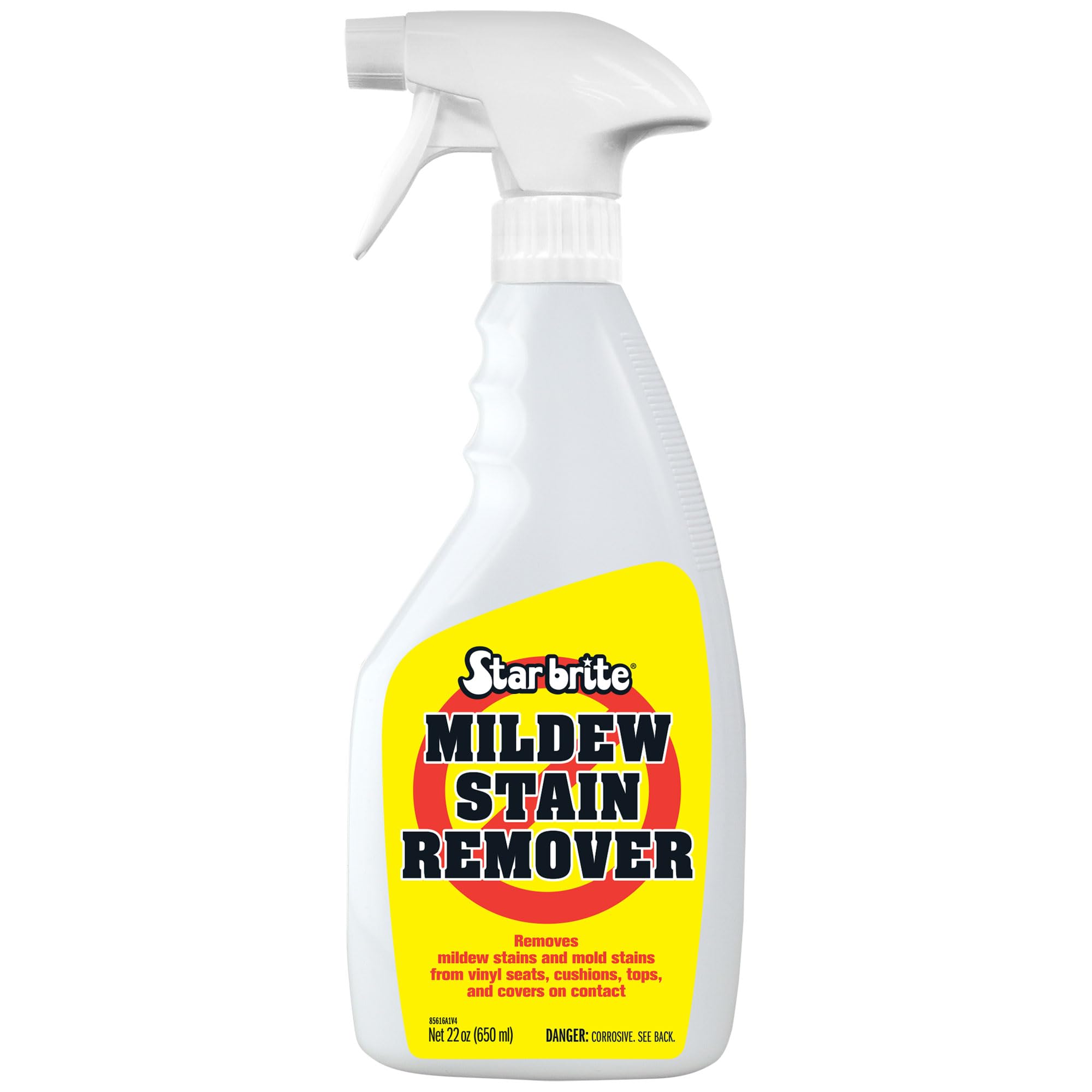
A buffered-bleach cleaner that removed stubborn mildew stains on outdoor wood, vinyl, and canvas without damaging threads.
Why I picked it: Very fast stain removal on outdoor materials and finished wood surfaces where mildew staining is the main issue.
Best for: Deck furniture, painted or finished outdoor wood, vinyl cushions, and boat seats.
A focused stain remover—pair with a mold killer for long-term control.
Pros
- Works on contact for many stains
- Stronger than plain bleach-water
- Safe for outdoor upholstery stitching
- Good for marine and patio gear
Cons
- Not recommended for indoor fabrics
- Needs rinsing after use
My take
When mildew left unsightly black streaks on my outdoor wood furniture and canvas covers, Star Brite was the product I turned to first. The buffered-bleach formula lifted stains fast and, importantly for my cushions, didn’t eat stitching or threads when used as directed.
I treated a few stubborn spots and watched them fade within seconds to minutes; tougher stains needed a second pass and light scrubbing. After rinsing, the surfaces looked refreshed without the dingy residue I’d seen before.
This is a stain-focused tool, so after I removed stains I followed up with a mold-killing product in persistent problem areas to reduce the chance of recurrence.
4. RMR DIY Mold Remover Bundle – Best for Heavy Mold
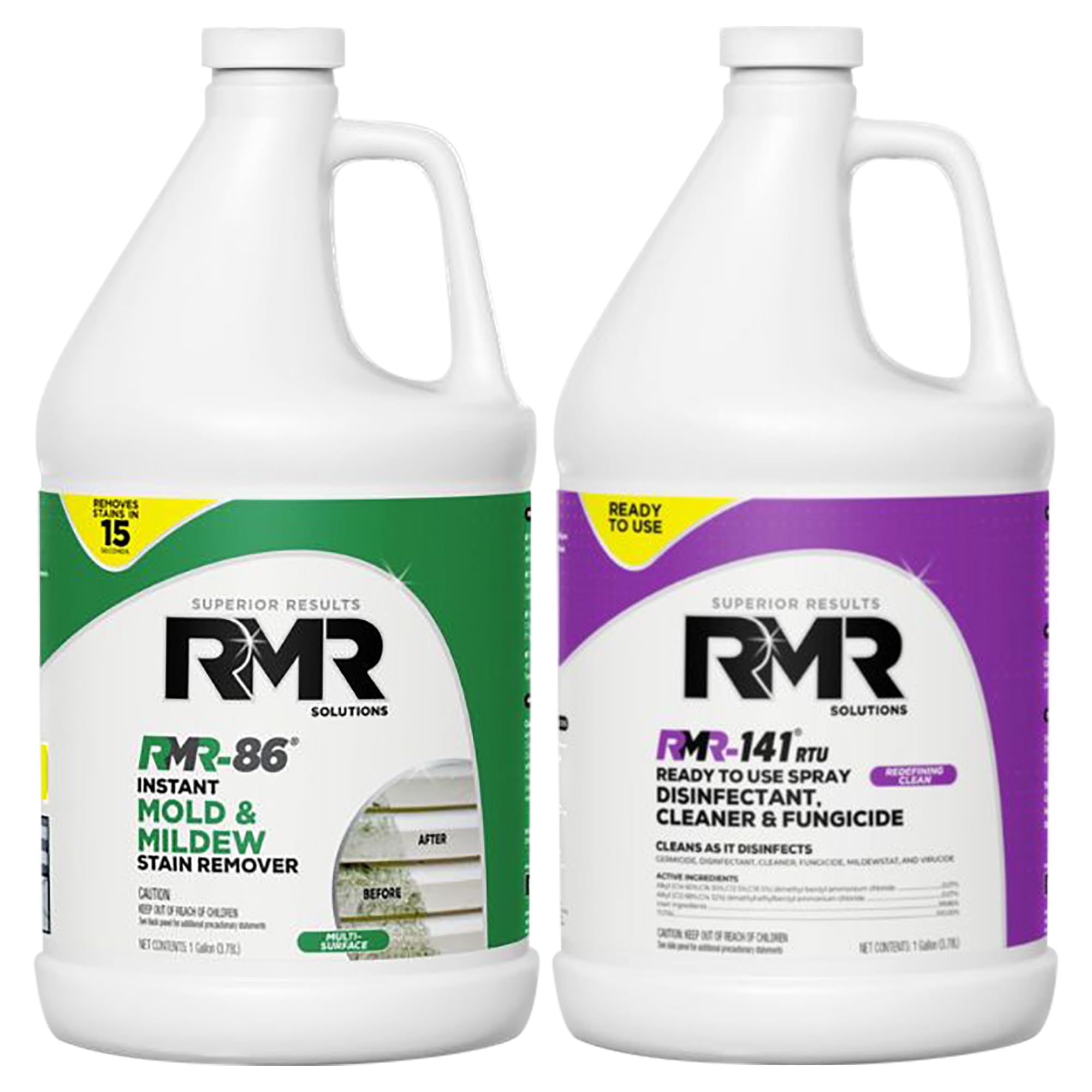
A heavy-duty combo I used for visible mold on attic wood and bathroom grout — strong, fast-acting, and formulated to inhibit regrowth.
Why I picked it: Designed to remove deep stains and kill mold with minimal scrubbing; effective on structural and problem areas.
Best for: Attic framing, basement joists, shower surrounds, and places with active mold growth.
Premium power for serious mold problems and larger treatment jobs.
Pros
- Fast-acting on persistent mold
- No-scrub applications for many stains
- Formulated to inhibit regrowth
- Includes both killer and stain remover
Cons
- Strong odor—ventilate well
- May need repeat applications on heavy infestations
My take
I brought RMR into play when an attic inspection showed visible mold on framing and when a bathroom tile grout resisted milder cleaners. The RMR-141 formula knocked down mold quickly and helped reduce the odor after application.
In an attic scenario I suited up and ventilated the space; the product handled wood surfaces I treated and gave me confidence that I was addressing the organism, not just the stain. For some stubborn spots I applied multiple times and followed manufacturer contact-time guidance.
Because the line pairs a stain remover with a mold killer, I found it useful to remove visible discoloration and then treat the area to inhibit regrowth. This is the go-to when wood is structurally involved or staining is widespread.
5. Microban 24 Hour Disinfectant – Best for Long-Lasting Protection
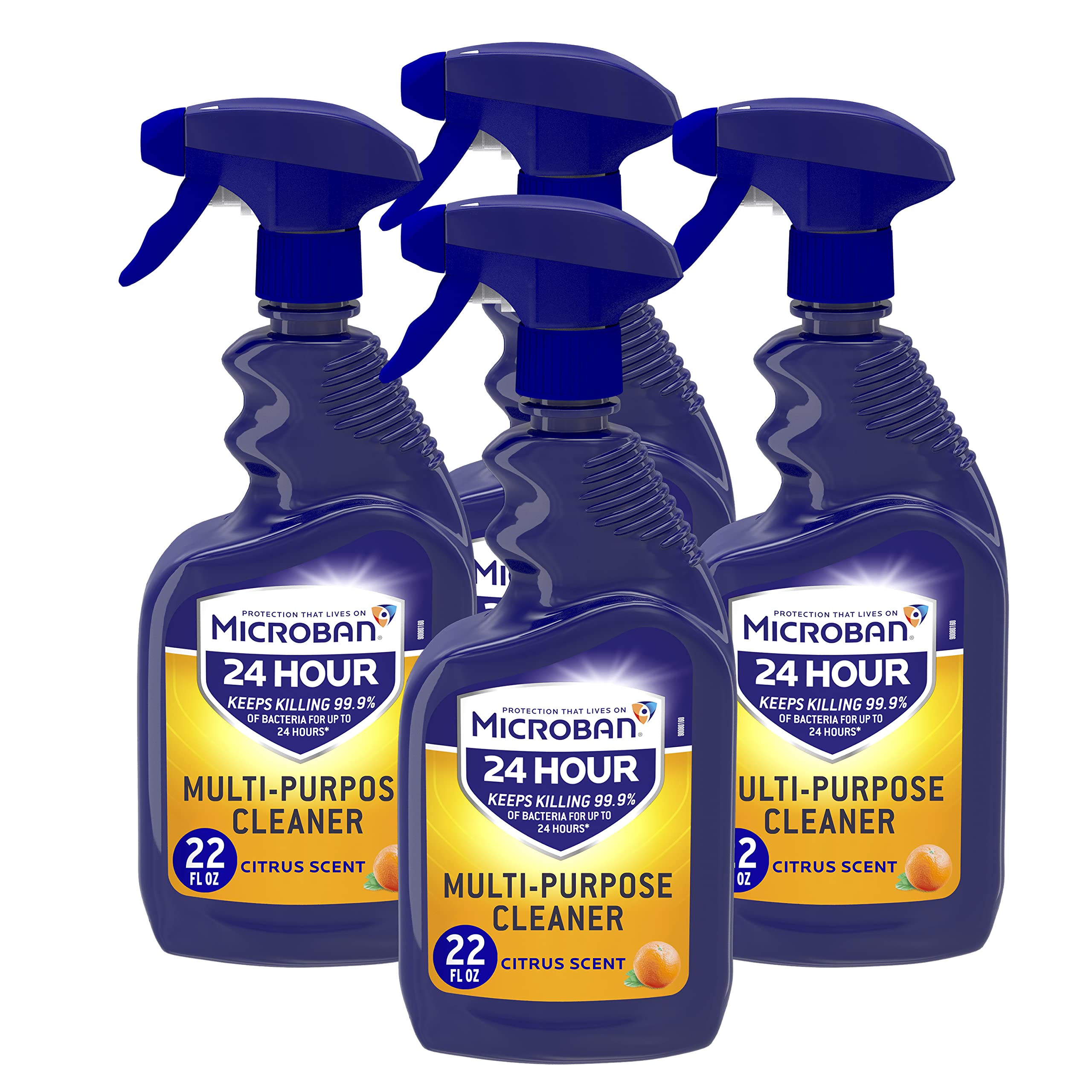
A disinfectant I relied on when I wanted continued antibacterial activity on high-touch sealed surfaces for up to 24 hours.
Why I picked it: Provides multi-hour protection on touched surfaces, useful for preventing surface recontamination on sealed wood.
Best for: Sealed cabinets, painted wood doors, and high-touch wooden surfaces where ongoing protection matters.
Higher-end option for longer-lasting surface protection.
Pros
- Provides residual protection up to 24 hours
- Pleasant citrus scent
- Multi-purpose for many non-porous surfaces
- Penetrates soap scum and grease
Cons
- Designed for non-porous surfaces
- Not a substitute for aggressive mold remediation
My take
I used Microban on sealed countertops and cabinet faces where I wanted a disinfectant that continued to work between cleanings. The citrus scent is pleasant and it left surfaces feeling fresh without sticky residue.
For finished wood that sees a lot of contact—door handles, railings, cabinets—Microban’s residual protection was helpful. I wouldn’t rely on it alone for active mold infestations, but it’s a smart choice for ongoing prevention on sealed surfaces.
6. Caldrea Tangelo Palm Frond Cleaner – Best Scented Safe Cleaner
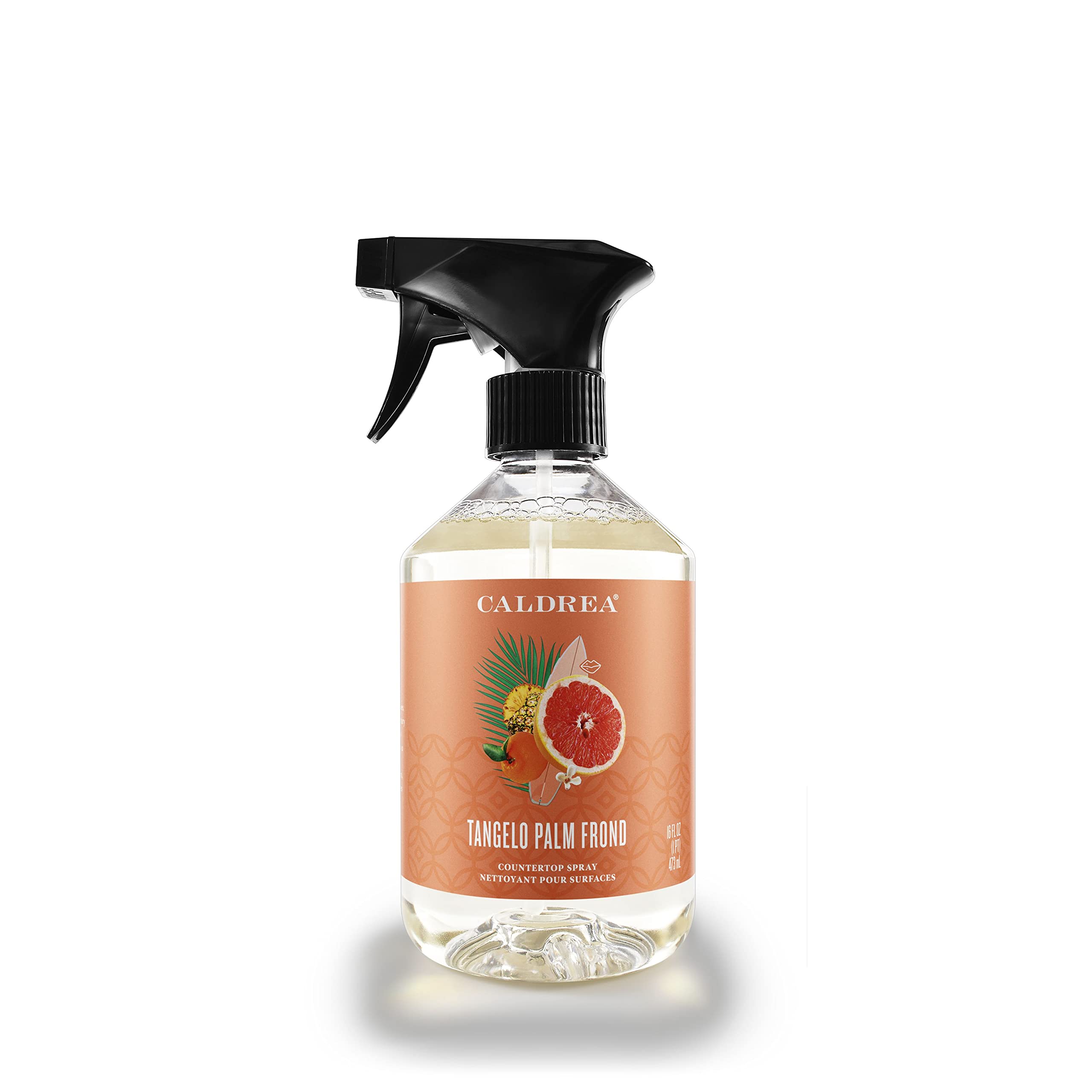
A high-end, plant-based cleaner I used where scent and safe cleaning on sealed wood mattered most.
Why I picked it: Excellent scent profile and safe-for-sealed-wood cleaning that freshens while cleaning.
Best for: Sealed hardwood floors, wood furniture, and areas where scent and gentle cleaning matter.
A premium scented cleaner worth it for finished surfaces and regular use.
Pros
- Beautiful, lingering scent
- Safe on sealed wood and stone
- Plant-based odor-removal ingredients
- Cleans without streaking
Cons
- Pricier than basic cleaners
- Not formulated as a heavy mold killer
My take
I reach for Caldrea when I want a finishing touch after treating a mold issue: it cleans sealed wood well, leaves a pleasant tangelo scent, and doesn’t strip finishes. For everyday upkeep on hardwood floors and woodwork it felt luxurious and effective.
Because it’s plant-based and safe on sealed wood, I used it for light mildew touch-ups on finished trim, but I didn’t expect it to replace a true mold biocide when I was dealing with active growth in attics or under siding.
How I Choose a Mold Product for Wood
Match the product to the wood type
I always separate finished, sealed wood from raw or structural wood. Finished wood (floors, cabinets, painted trim) tolerates gentler sprays and concentrated cleaners; raw framing or wet attic wood requires stronger mold killers formulated to penetrate and inhibit regrowth.
- Sealed wood: safe to use OdoBan, CleanSmart, Microban, or Caldrea.
- Outdoor or fabric-covered wood: use a buffered bleach stain remover like Star Brite for stains, then treat for mold if needed.
- Structural or heavily infested wood: choose a heavy-duty mold killer such as the RMR bundle and follow safety protocols.
Know what you’re treating: stain vs active growth
Some products remove surface stains (Star Brite) but don’t necessarily kill the organism long-term. Others are designed to kill mold and inhibit regrowth (RMR, certain disinfectants). I treated stains first with a stain remover and then applied a biocide when the goal was lasting remediation.
- Stain removal cleans appearance quickly.
- Killing the organism reduces regrowth and odors.
- For persistent problems, use both steps in sequence.
Safety and ventilation
I always ventilate well and wear gloves and eye protection when using stronger mold products. Even products labeled safe can produce odors or irritants when used in confined spaces.
- Open windows and use fans for ventilation.
- Use a respirator if treating attics or heavy infestations.
- Follow label instructions for contact time and rinsing.
Follow-up and prevention
Killing mold is only part of the job. I address moisture sources—fix leaks, improve ventilation, and use dehumidifiers—so treatments last. For finished wood I use gentle cleaners afterward to keep surfaces fresh without stripping protective finishes.
- Fix the moisture problem first if possible.
- Use a maintenance disinfectant or protective product to reduce recurrence.
- Inspect treated areas periodically for signs of return.
Frequently Asked Questions
Can I use these products on raw attic framing?
I used RMR for attic framing because it’s formulated for heavier mold problems; for any raw wood I ventilated the space, used protective gear, and followed label directions carefully. Products like OdoBan and Caldrea are better reserved for sealed or finished wood.
Will a stain remover get rid of the mold organism?
In my experience, stain removers like Star Brite remove visible discoloration quickly but don’t guarantee long-term kill. I remove stains first and then apply a mold-killing product to address the organism and reduce regrowth.
Which option is safest around kids and pets?
I found CleanSmart (hypochlorous) to be the gentlest for frequent use around food, kids, and pets because it leaves no harsh residue and breaks down to a saline solution. Still, I avoid allowing pets and children in treated areas until surfaces fully dry.
How do I decide between a concentrate and a ready-to-use spray?
I pick a concentrate like OdoBan when I want value and the ability to refill bottles for regular cleaning. For spot treatments or quick disinfecting I prefer ready-to-use sprays like CleanSmart or Microban for convenience.
Final Take
If I’m dealing with finished or sealed wood and want regular upkeep, I use a gentle disinfectant or a scented cleaner for daily care and odor control. For outdoor furniture and stains I reach for a buffered-bleach stain remover, and for active mold on structural wood I rely on the RMR bundle and proper safety measures.
Addressing moisture and following up with the right maintenance product is how I keep mold from coming back. Pick the product that matches the surface and severity of the problem, and protect yourself while you work.
