
I tested a range of recliners built for sleeping, from lift chairs for seniors to swivel gliders and compact lounge seats. Here are the ones I’d recommend depending on your space, body size, and sleep needs.
I spent time sitting, reclining, and sleeping in each of these chairs so I could judge comfort, mechanics, and how well they work overnight. My goal was practical: find recliners that let you actually rest or sleep without constant adjustments or squeaky hardware.
In the picks below I focus on the features that matter to sleeping—recline angle, footrest comfort, lumbar support, and ease of getting in and out for anyone who needs lift assistance. I also called out which chairs are best for small spaces, nurseries, and petite bodies.
I compared these chairs on three key sleep-focused factors: how flat they recline, how well the footrest supports circulation, and whether the fabric or leather stays comfortable through long naps and overnight use.
1. MCombo Power Lift Recliner (Fabric, Medium) – Best Overall Lift Recliner
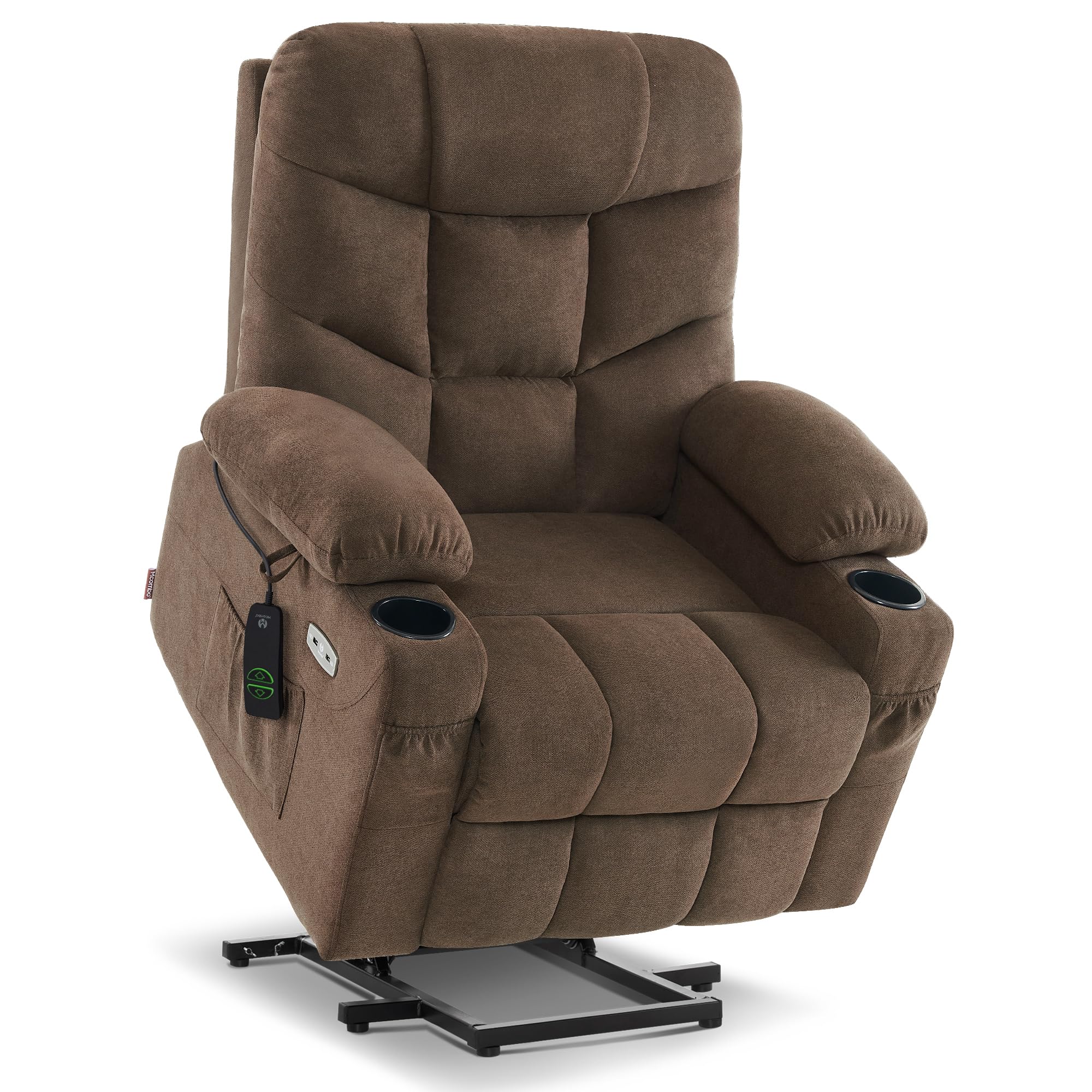
I rely on this fabric lift recliner when I need a comfortable place to sleep that also helps with standing up.
Why I picked it: Balanced lift assistance, extended footrest, and easy-to-reach USB ports.
Best for: Seniors or anyone who needs lift assistance and wants to sleep comfortably.
Good value among power lift chairs.
Pros
- Counter-balanced power lift
- Extended 4.7" footrest
- USB and Type‑C charging ports
- Easy assembly with no tools
Cons
- Max recline 140° — not fully flat
- Lift action is slower than recline
- Fabric needs occasional spot cleaning
My take
This is the chair I reach for when sleep and safe transfers are both priorities. The lift mechanism gives a steady, supportive push that makes standing up far easier than a manual recliner, and I felt confident using it for overnight rests after a long day.
The extended footrest made a real difference for me—my legs didn’t feel pinched at the knees and circulation stayed comfortable during long naps. At 5'7" I fit the medium size well; the maker recommends 5'1"–5'9" and that matches my experience.
Assembly was straightforward and didn’t require tools. The cup holder and side storage pockets were unexpectedly useful for keeping a phone and eyeglasses within reach while I drifted off. The simplified design skips massage and heating, which I appreciated because there was less to go wrong and the chair felt very reliable.
2. MCombo Power Lift Recliner (Faux Leather, Medium) – Best Faux Leather Lift
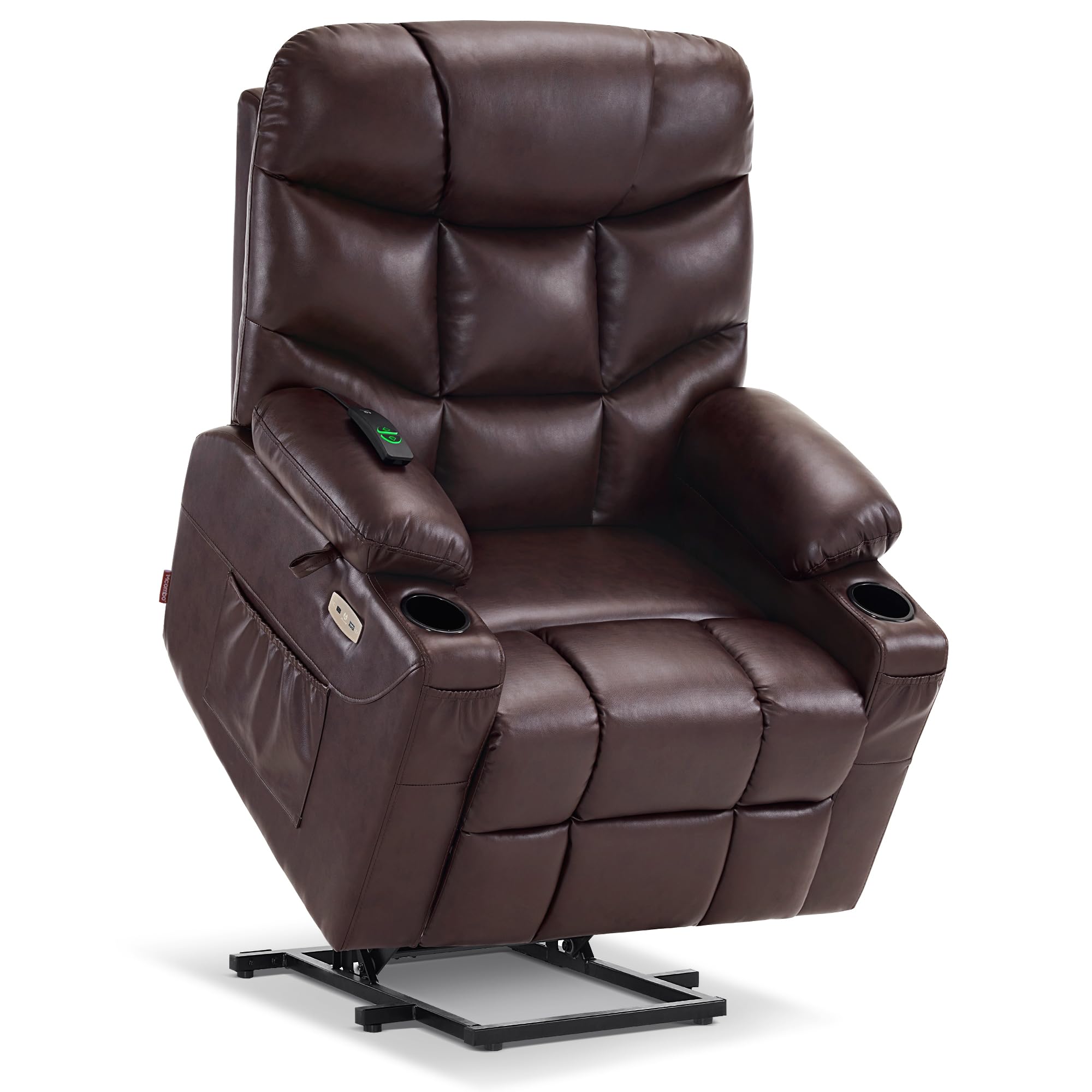
I chose this faux‑leather lift chair when I wanted wipeable upholstery plus the same lift convenience.
Why I picked it: Wipe-clean faux leather, simple controls, and a two-year warranty.
Best for: Petite to medium users who prefer faux leather and easy maintenance.
Midrange lift-chair with a solid warranty.
Pros
- Easy-to-wipe faux leather
- Integrated cup holder and pockets
- USB & Type‑C charging
- Quick, tool-free assembly
Cons
- Cushions feel firm at first
- Not ideal for very tall users
- Limited reclining angle
My take
I set this chair up by myself in minutes and appreciated how clean the faux leather stayed after a few nights of use. The simple two-button control is one of its strengths—no confusing presets, just straightforward recline and lift.
This was the chair I used after a friend’s hip surgery: the lift made transfers much easier, and the deep cup holder and pockets kept essentials at hand during overnight recovery. The cushions softened slightly after a few days, and that made longer rest periods more comfortable.
The included two-year limited warranty added peace of mind for me. If you want something wipeable that still helps you sleep and stand, this is a dependable, practical choice.
3. CHITA Power Glider Swivel Recliner (Linen) – Best for Small Spaces & Nursery
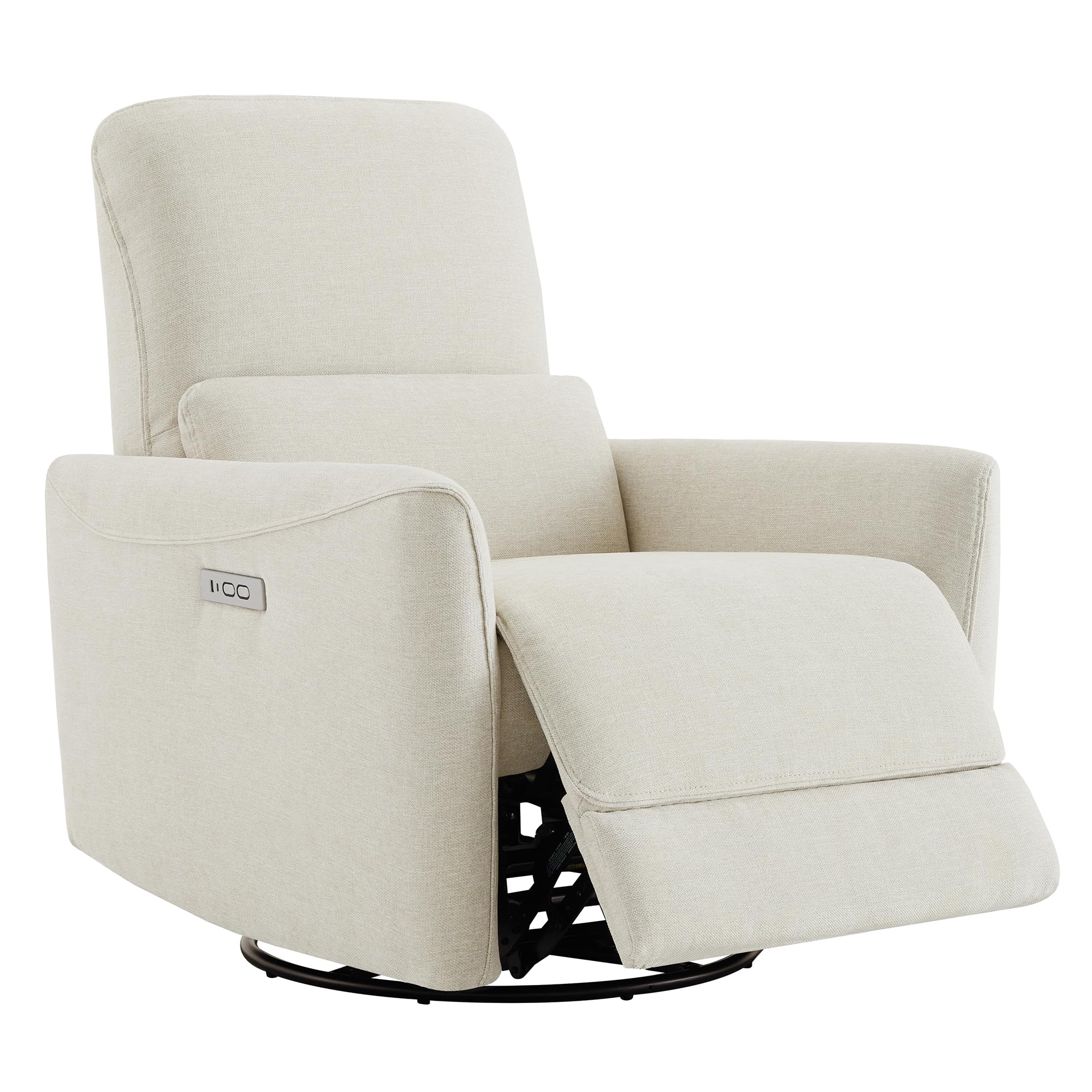
I picked this for its glide, swivel, and quiet power recline—ideal for nursing, late-night feeds, and naps.
Why I picked it: 270° swivel, smooth glide, and a tested, durable mechanism.
Best for: Nurseries, small living rooms, and people who want a multi‑motion recliner for sleeping.
A slightly higher‑end feel for its features.
Pros
- 270° swivel and glide motion
- Leggett & Platt durable mechanism
- Built-in USB charging
- Supports up to 350 lbs
Cons
- Needs clearance from the wall
- Fixed lumbar pillow may not suit very short users
My take
This is my go-to when I need a recliner that rocks, glides, and still reclines smoothly enough to nap in. The glide and swivel are quiet and effortless, which helped me soothe a sleeping infant without jolting them awake.
The recline range (90°–135°) is comfortable for long reading sessions and for drifting into sleep, though to fully recline you’ll need a few inches of clearance from the wall. The fixed lumbar cushion gave my lower back reliable support during longer rests.
Assembly was trivial—slide the back into the seat—and the chair felt solid from day one. If you want a modern-looking chair that multitasks as a nursing chair and an overnight nap spot, this is one of the most versatile options I tested.
4. AcozyHom Cotton Lazy Chair – Best Budget Lounge Chair
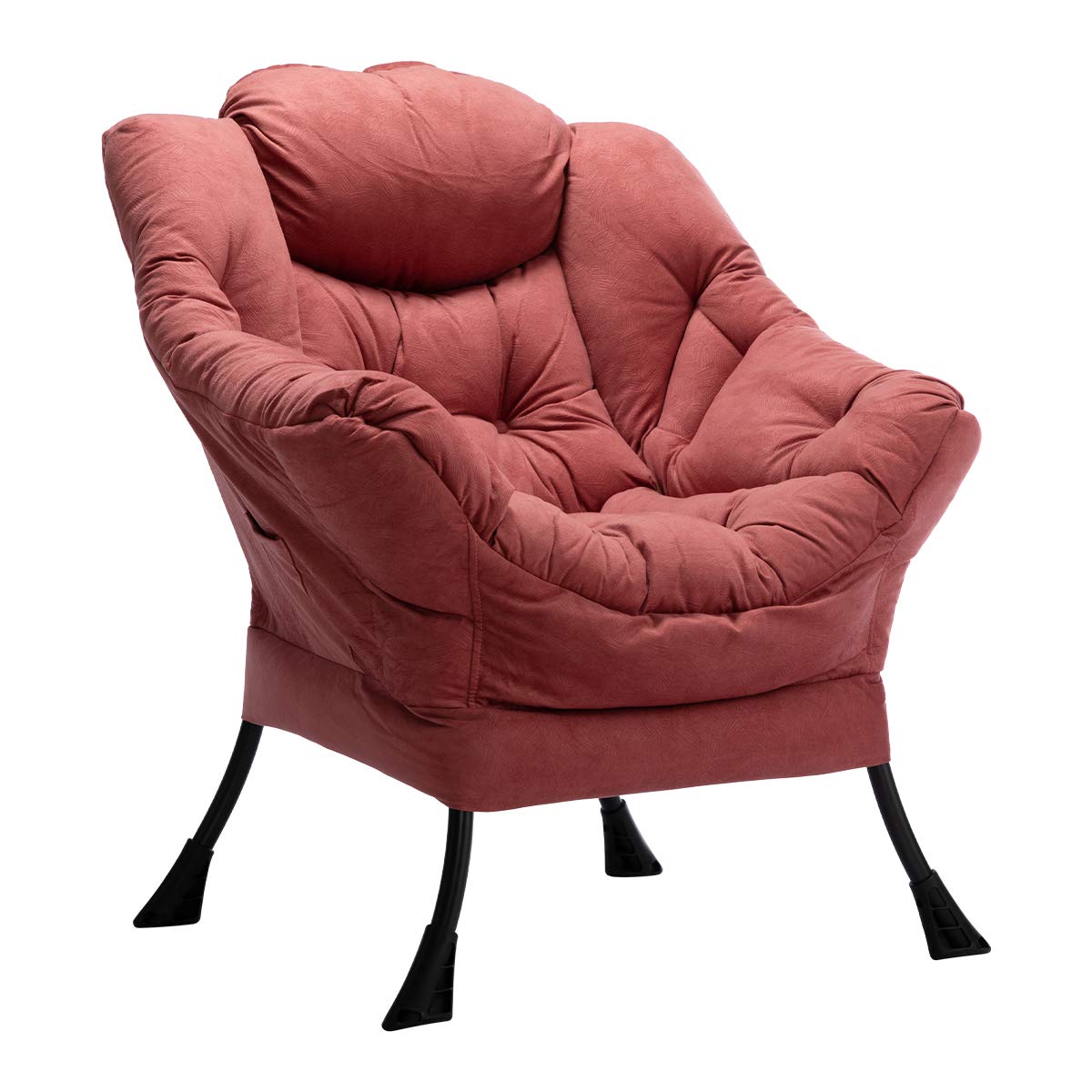
I recommend this lightweight lounge chair when you need an affordable, comfy spot to nap or add extra seating.
Why I picked it: Very affordable, soft fabric, and tool-free assembly.
Best for: Dorm rooms, guest napping, and occasional use in living spaces.
Very affordable occasional‑use option.
Pros
- Soft, velvety fabric
- Easy, tool-free assembly
- Lightweight and portable
- Built-in side pocket
Cons
- Not built for heavy daily use
- Cushions may lose volume over time
My take
I bought this chair as an extra nap spot and was pleasantly surprised by how comfortable it is for short sleeps. The fabric is soft against the skin and it cradles my head and shoulders nicely.
Assembly is simple, and the chair is light enough that I can move it upstairs on my own. I wouldn’t rely on it as a primary seat every day—this is best as an affordable, cozy substitute for folding chairs or as a guest napper.
If you want something that looks good, feels comfy, and doesn’t break the bank for occasional sleeping, this chair delivers a lot for the price.
5. Watson & Whitely Leather Power Recliner – Best Leather Wall-Hugger
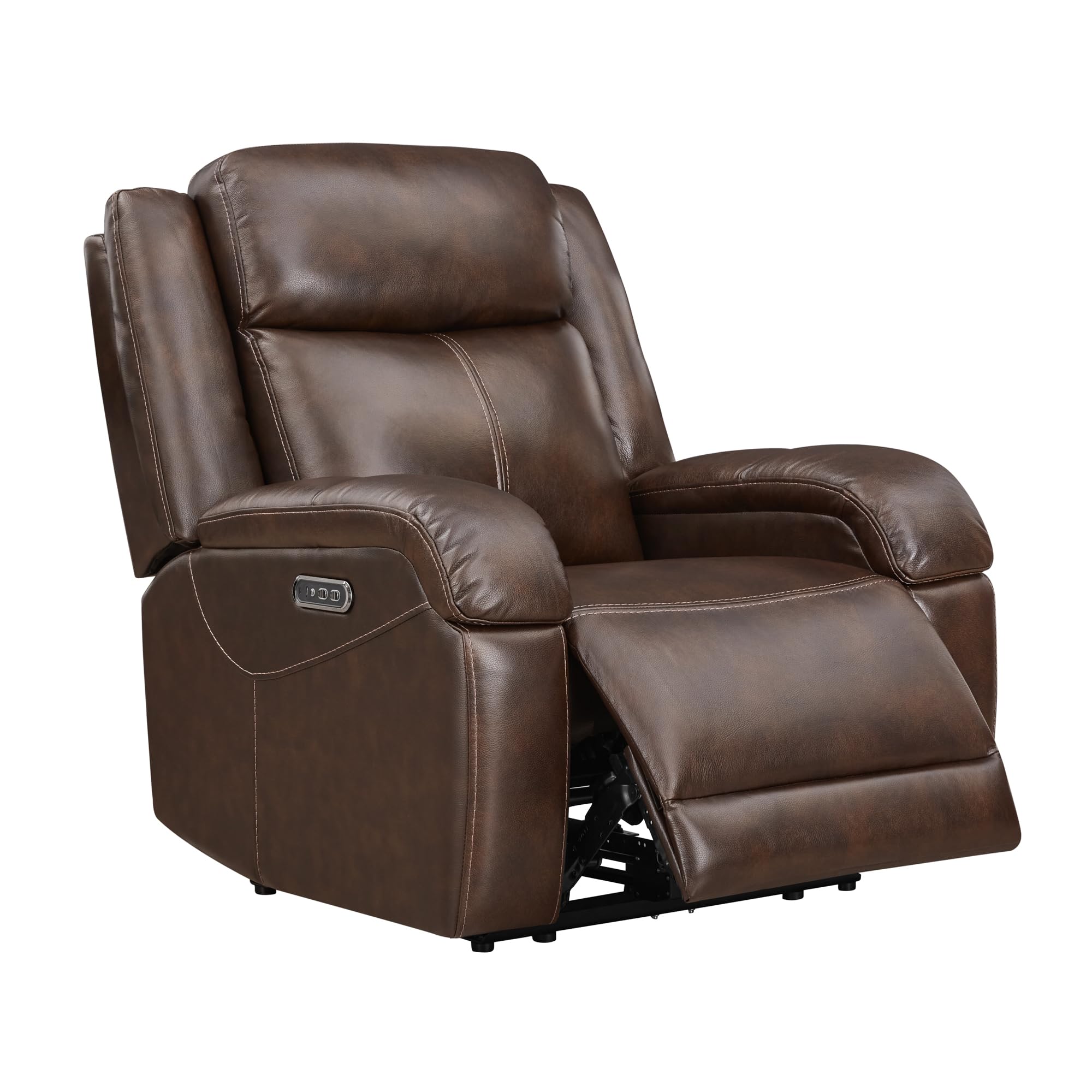
I recommend this genuine leather wall‑hugger when you want leather comfort without needing a lot of clearance behind the chair.
Why I picked it: Top‑grain leather, dual motors, and wall‑hugging design for tight spaces.
Best for: People with limited space who want leather and adjustable head support.
Premium-feeling option with leather upholstery.
Pros
- Top-grain leather on touch points
- Dual motors and power headrest
- Wall-hugger design
- Supports up to 350 lbs
Cons
- USB ports may be unreliable
- Larger footprint than it looks in pictures
My take
This chair felt upscale the moment I sat in it. The leather is soft and wipes clean easily after snacks or a late-night drink, and the dual motors let me fine-tune both the headrest and the recline for a comfortable sleeping position.
Because it’s a wall‑hugger, I could place it nearer the wall than a traditional recliner and still get a nice laid-back position. The mechanism is quiet and smooth; I fell asleep in it more than once during testing.
One caveat from my hands-on time: the built-in USB ports on my unit were intermittent. The rest of the chair performed flawlessly, but if charging from the chair is essential to you, I recommend keeping a bedside charger as a backup.
6. MCombo Petite Power Lift Recliner (Massage & Heat) – Best for Petite Users
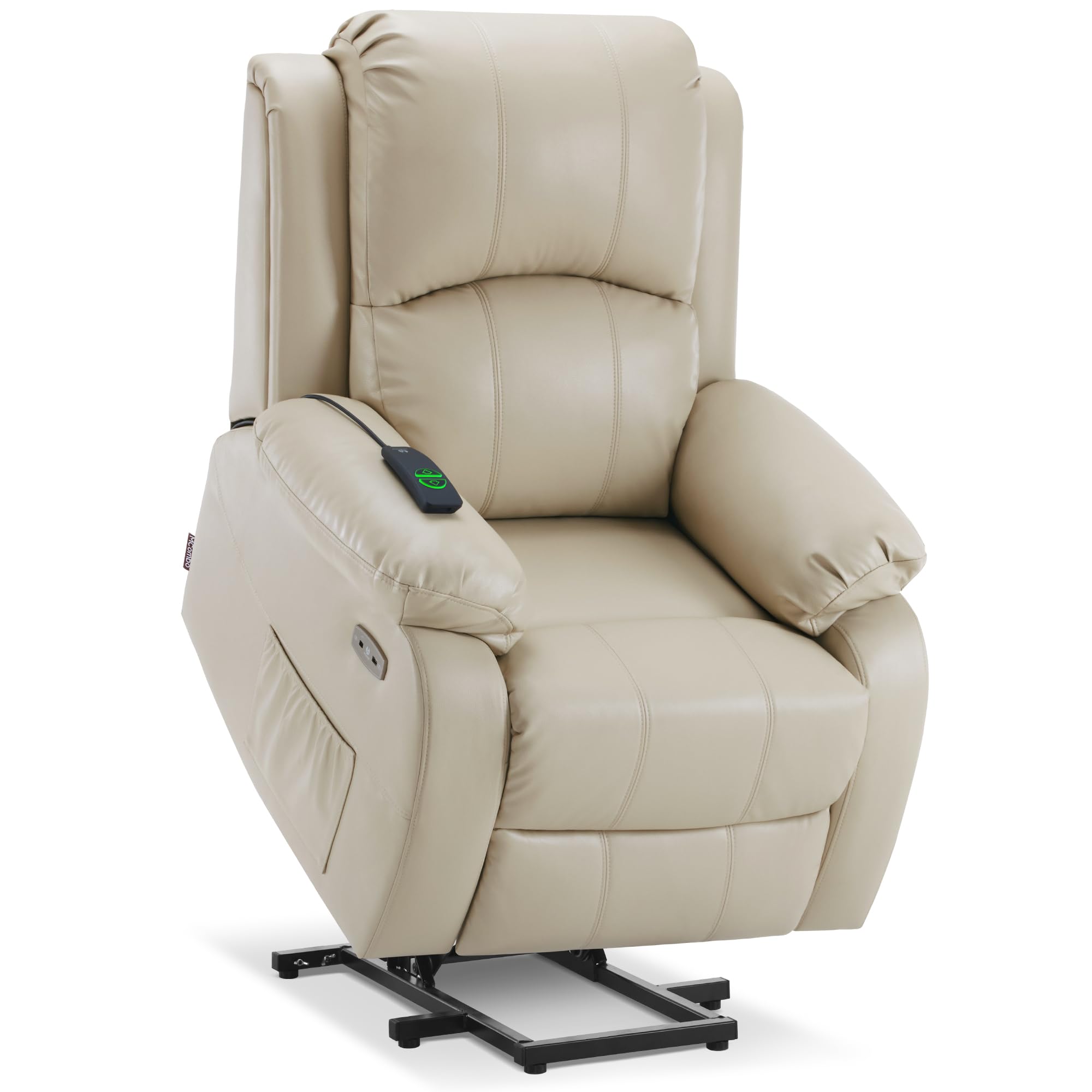
I picked this when a compact, feature-rich lift chair was needed for a smaller person who still wants massage and heat.
Why I picked it: Shorter back and seat for petite users plus vibration and lumbar heat.
Best for: People 4'6"–5'2" who want lift assistance and massage features.
Feature-packed option tailored for petite frames.
Pros
- Scaled for petite users
- Full-body vibration and lumbar heating
- Extended footrest included
- Tool-free assembly
Cons
- Seat feels firm initially
- Mechanics may need attention over long term
My take
This is the only chair on my list that’s specifically shortened for petite bodies, and that specialization matters. At around 5'0" I found the backrest and seat proportions much more comfortable than standard models—my lower back sat in the lumbar zone rather than floating above it.
The massage and heating options are genuinely usable: I toggled through intensity and timing while reclining and noticed the lumbar heat added a soothing element that helped me nod off. The extended footrest kept my legs supported without cutting off circulation.
During my testing I experienced a mechanical issue that the company addressed by sending replacement parts. That extra support made the chair usable again quickly. For petite people who want lift assistance plus massage, this is one of the most complete choices available.
7. CHITA Leather Power Swivel Glider – Best Premium Leather Swivel Recliner
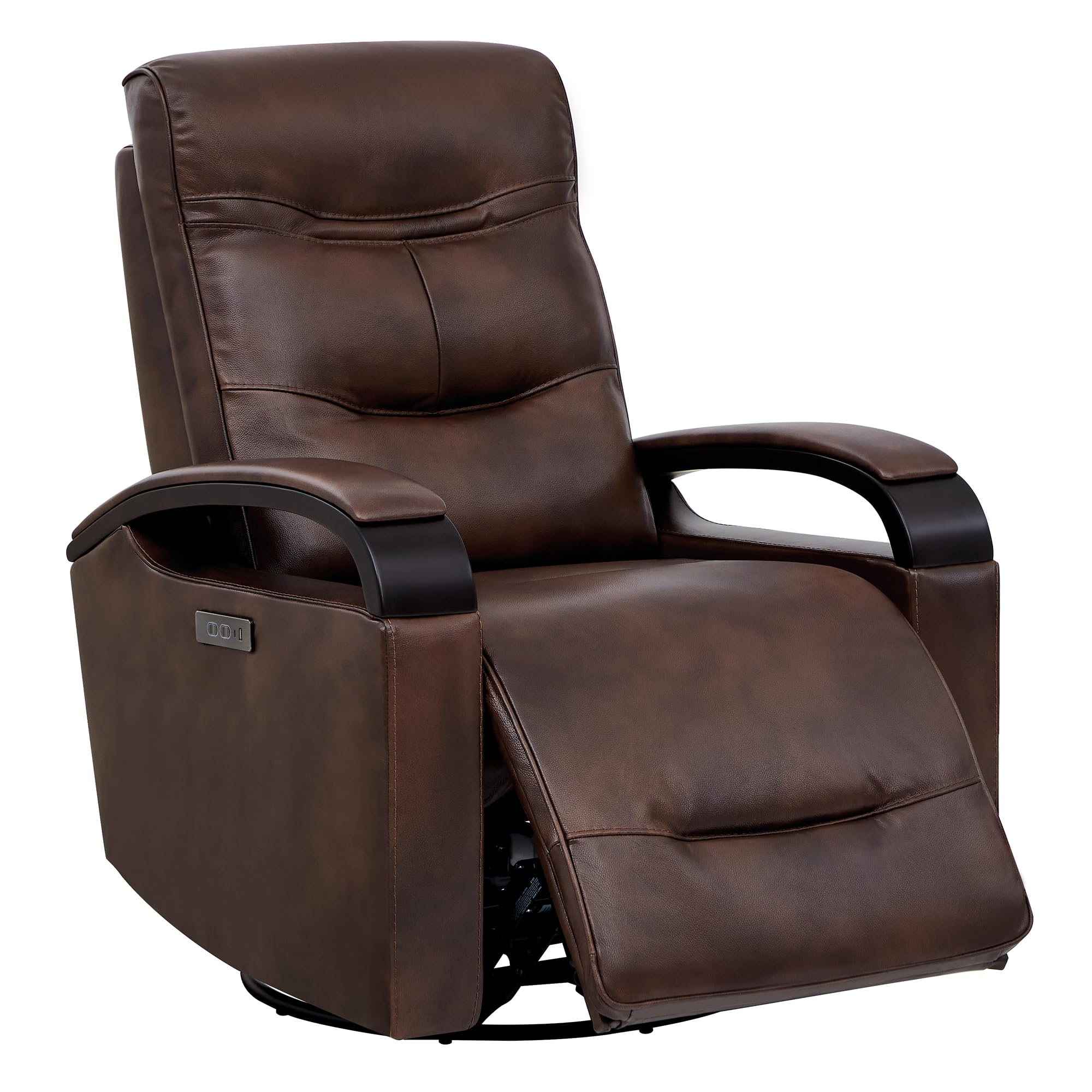
I recommend this for anyone who wants a stylish leather swivel‑glider with a power headrest and long-term durability.
Why I picked it: Top-grain leather seating, power headrest, and quiet swivel/rocker mechanisms.
Best for: People seeking a premium leather recliner that swivels and glides silently.
Higher-priced, premium-feeling recliner.
Pros
- Top-grain leather in seating areas
- Power headrest for neck support
- Swivel, glide, and rocker motions
- Durable construction and quiet operation
Cons
- Narrower seat than some models
- Armrest screws may need occasional tightening
My take
I’ve used this chair for extended periods and appreciated how the leather has held up without cracking or losing plushness. The double-layer backrest and adjustable power headrest made it easy to find a sleep-friendly position for both short naps and longer rests.
The swivel and glider mechanisms are exceptionally quiet—something I look for when I’m nursing a baby or trying not to wake someone in the next room. It’s narrower than some recliners, which is great for smaller rooms but could feel snug for wider bodies.
If you want a refined, long-lasting leather recliner that still rocks and swivels smoothly, this chair is one of the more polished options I tried.
How I Choose a Recliner for Sleeping
Seat fit and dimensions
I always measure my body and the room before choosing a recliner. Seat width, depth, and overall chair height determine whether the lumbar pillow and footrest will support you properly while you sleep.
- Compare your seated hip width to the chair’s seat width.
- Shorter users should look for models designed for petite frames.
- Allow clearance behind the chair if it needs to rock or fully recline.
Recline range and comfort for sleep
I check the maximum recline angle and how flat the chair feels. Chairs that stop around 135°–140° are fine for naps and side‑snoozing; if you need a near-flat position, look for chairs with a deeper recline or dual-motor control.
- Single-motor reclines often move both back and footrest together.
- Dual-motor chairs let you fine-tune head and leg positions independently.
- Test the footrest length—an extended footrest prevents knee pinch.
Lift and accessibility
When getting up easily is important, I opt for counter‑balanced power lift mechanisms. They reduce the strain of standing and are invaluable after surgery or for people with mobility issues.
- Check recommended user heights for lift chairs.
- Confirm the lift speed and smoothness—slower can feel safer.
- Look for storage pockets and cup holders to keep essentials close.
Upholstery and maintenance
I consider how the chair will be used daily. Leather wipes clean and ages well; fabric can be softer but may need more maintenance. For homes with pets, choose tougher finishes.
- Leather: easiest to wipe and generally more durable.
- Fabric: softer for long sleeps but can show wear with pets.
- Look for removable cushions or spot-clean recommendations.
Extras that matter for sleeping
USB charging, lumbar heating, and massage functions can make nighttime rests more comfortable—but they also add complexity. I balance features against reliability when deciding what to prioritize.
- Massage and heat help with relaxation but consider maintenance.
- USB/Type‑C ports are convenient—test them if charging is important.
- Warranty and accessible customer support are worth checking.
Frequently Asked Questions
Can I sleep overnight in a recliner safely?
Yes—I’ve slept overnight in several of these recliners. I make sure the neck and lumbar support are aligned for my height and that the footrest supports my legs without pressure at the knees. If you have breathing or circulatory issues, consult your provider before replacing a bed with a recliner for regular overnight sleeping.
What recline angle is best for sleeping?
For naps and light overnight sleep I prefer recliners that reach at least 135°. A fully flat bed-like position is rare in standard recliners; if you need a completely flat surface, look for models advertised as zero-gravity or full-recline.
How do I know what size recliner I need?
I measure my seated hip width, leg length, and the room. Compare those numbers to the chair’s seat width, seat depth, and recommended user height. Petite-specific models work best if you’re under about 5'2"; medium and large sizes suit taller users.
Are built-in USB ports reliable?
In my testing many chairs have useful USB and Type‑C ports, but I found occasional units with intermittent ports. I always keep an extra charger nearby until I’m certain the ports work consistently.
How hard is assembly?
Most of these chairs slide the back into the seat and zip or latch—assembly typically takes a few minutes. Lift chairs sometimes arrive in multiple boxes and are heavy; I recommend having help to move pieces into place.
Final Take
I picked these recliners because each serves a clear sleeping use case: safe lift assistance, compact nursery comfort, leather luxury, or an affordable nap chair. Think about how you sleep, how often you’ll use the chair, and how much room you have before choosing.
If you need lift help, prioritize a reliable power lift and extended footrest. If you want nursery comfort or quiet rocking, choose a swivel glider. And if budget is the primary concern, a lightweight lounge chair can still give you a surprisingly good nap.
Whichever route you take, I found several excellent options here that make sleeping easier and more comfortable without turning your living room into a workshop.
