
I tested a range of shower cleaners for hard water scale, soap scum, and mildew—from foaming disinfectants to pumice sticks. Here are the products that actually made my shower surfaces sparkle without unnecessary elbow-g
Hard water turns my shower into a mineral battlefield: limescale on glass, soap scum on tile, and streaks on fixtures. I spent time using every product below on real-world problems—vertical shower doors, grout lines, fiberglass pans, and toilet bowls—so I could recommend what actually removes hard water deposits and which products I reach for for maintenance versus deep cleaning.
Across these picks you'll see foaming sprays that cling to vertical surfaces, heavy-duty degreasers for the worst buildup, gentle hydrogen-peroxide options for regular use, and pumice for the rings and scale that cleaners can't budge. I explain when to use each so you get a practical routine that keeps hard water from winning.
If I need a single spray to tackle soap scum and disinfect at once, I go with a foamer. For long-neglected scale or grease I pull out the heavy-duty degreaser or a pumice stick. For daily upkeep, a no-rinse botanical spray saves a lot of deep-clean sessions.
1. Lysol Power Foaming Bathroom Cleaner – Best Overall
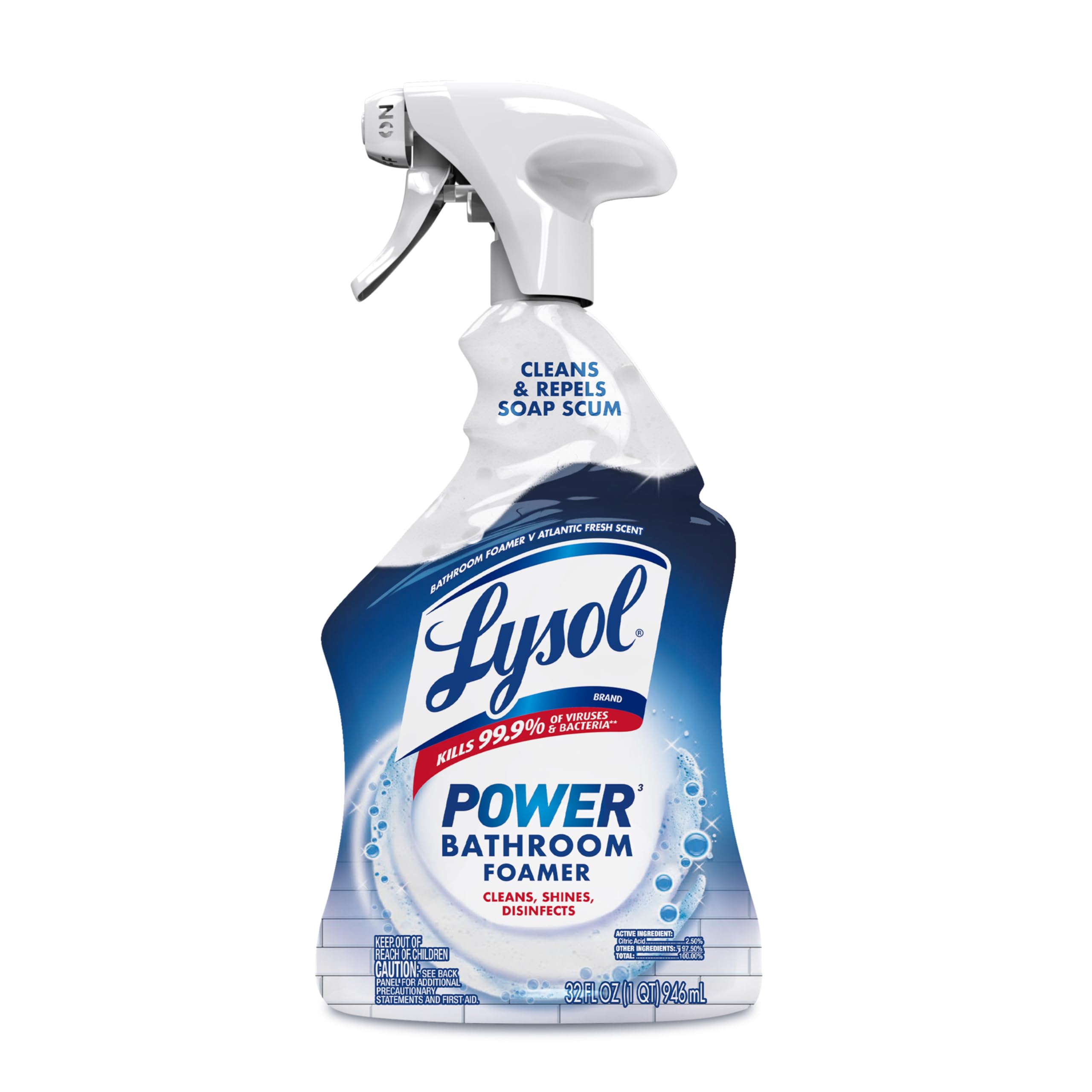
A foaming, bleach-free bathroom spray that fights soap scum, limescale and sanitizes fast.
Why I picked it: Powerful foam that clings, lifts mineral deposits, and sanitizes quickly.
Best for: Tackling soap scum and light-to-moderate hard water buildup on multiple surfaces.
Affordable, widely available.
Pros
- Clinging foam for vertical surfaces
- Bleach-free citric acid formula
- Sanitizes quickly
Cons
- Scent may be noticeable
- Not a magic fix for heavy scale
My take
This is the spray I grab first when I want a fast, visible result. The foam clings to shower glass and tile so I can let it sit instead of scrubbing immediately, and I regularly see soap scum and light limescale soften after a short dwell time.
It also sanitizes quickly—when I follow the label it acts fast on bathroom bacteria and viruses—so I use it in the sink and tub as well. The Atlantic Fresh scent is clean but present, so I open a window during long cleaning sessions.
For stubborn scale I still finish with a scrub, but for day-to-day and weekly touch-ups this foamer cuts cleaning time and keeps surfaces looking brighter.
2. Mr. Clean Clean Freak Mist – Best Multi-Surface Mist
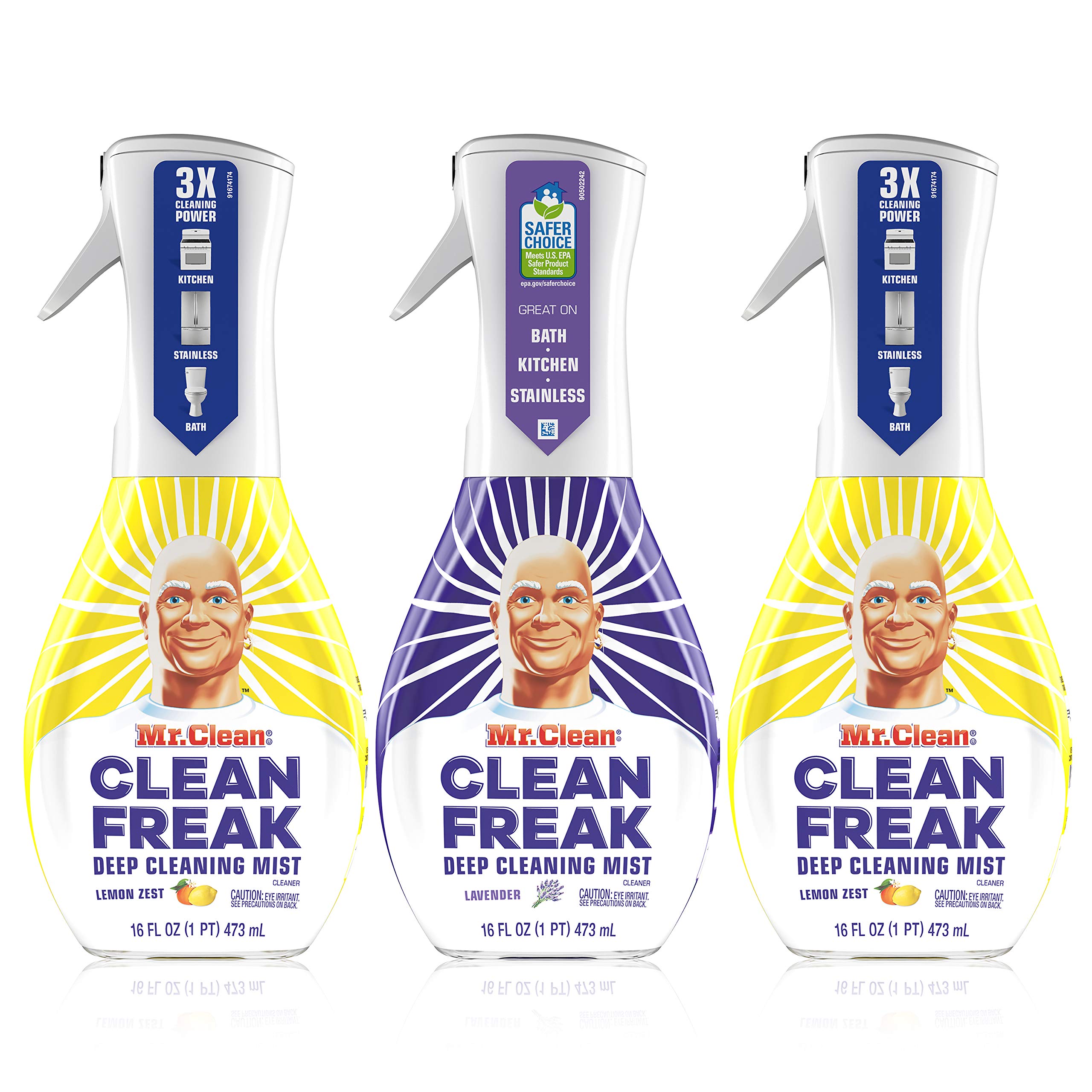
A pump mist that sprays from any angle with a reusable nozzle—good for quick degreasing and multi-surface cleaning.
Why I picked it: Versatile mist that reaches angles and resists aerosol waste.
Best for: Quick wipe-downs on appliances, fixtures, and bathroom surfaces.
Good value in multi-packs.
Pros
- Sprays from any angle
- Reusable power nozzle
- Pleasant scents available
Cons
- Not as strong on heavy scale
- Scent varies by version
My take
I keep one of these in every cleaning caddy because the nozzle makes it easy to spray under rims and across textured grout. The formula activates on contact and cuts grime without an aerosol propellant, which I appreciate for indoor use.
It isn’t my first choice for thick mineral crust—those spots usually need a foamer or a pumice stick—but for regular wipe-downs, stainless fixtures, and quick cleanups it reduces effort and waste. The reusable nozzle is a practical touch when I buy refills.
3. Spray Nine Heavy Duty Cleaner & Disinfectant – Best Heavy-Duty Cleaner
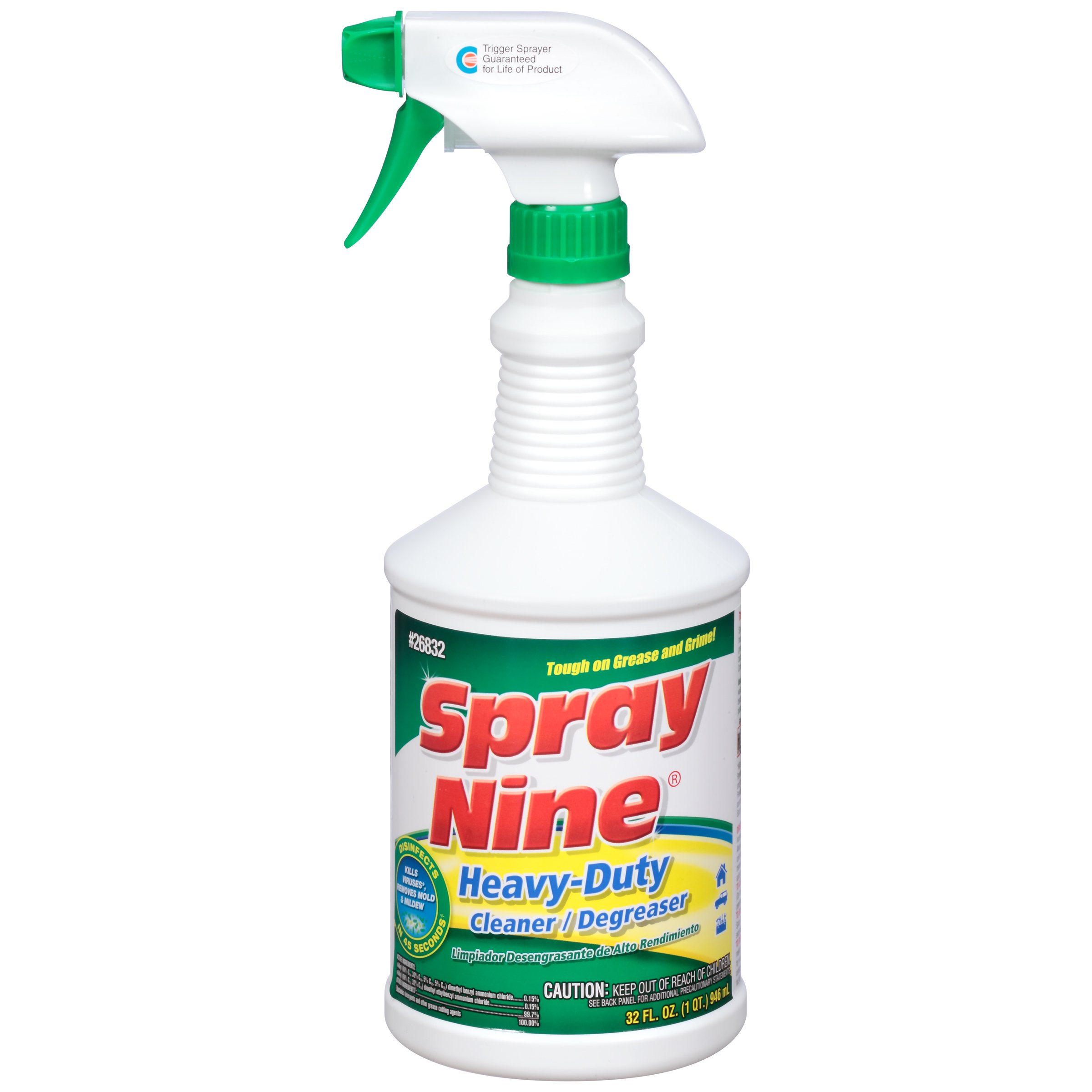
A professional-strength cleaner that degreases, disinfects, and controls mold and mildew fast.
Why I picked it: Industrial-strength formula that attacks grease, old stains, and tough mineral buildup.
Best for: Deep cleaning heavily neglected showers, grills, engines, and garage tools.
A stronger, more industrial option.
Pros
- Triple-action cleaner, degreaser, disinfectant
- Very fast contact times
- Great for grease and old stains
Cons
- Harsh chemical profile
- Requires ventilation and caution
My take
When I encounter years of buildup—greasy film on metal or thick mineral and grime on tile—this is the product I reach for. It cleans aggressively, disinfects rapidly, and lifted residues that milder cleaners left behind.
Because it’s a professional-strength formula I use it selectively and with a mask and good ventilation. It’s overkill for everyday maintenance but indispensable for restoring badly neglected surfaces or stripping away old stain layers before touch-up.
4. Soft Scrub Oxi Cleanser – Best for Stains
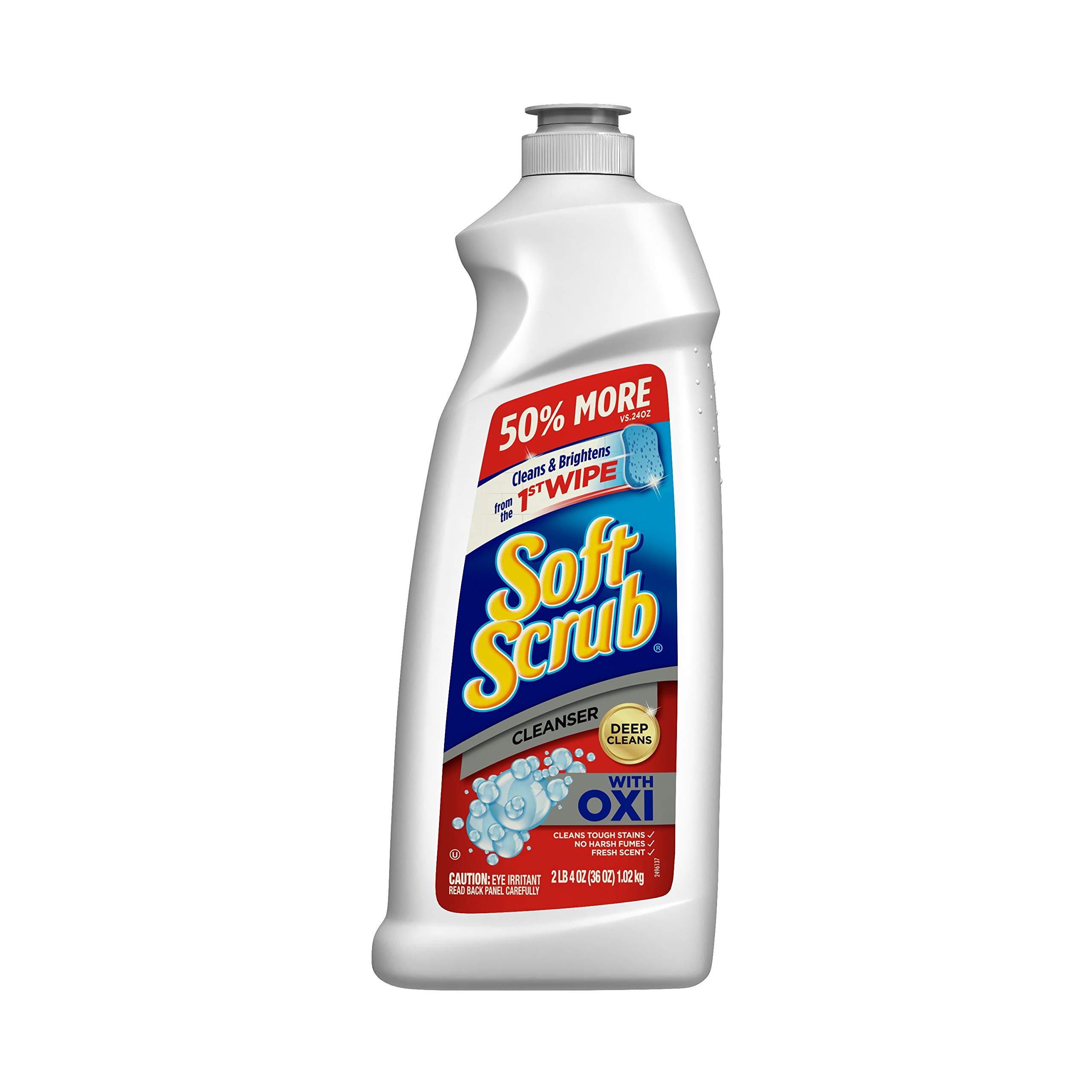
A squeeze cleanser with Oxi scrubbers that penetrates stains and polishes surfaces.
Why I picked it: Works well on embedded stains and leaves a shiny finish without bleach.
Best for: Targeted scrubbing of tubs, sinks, stovetops, and stained grout.
Cost-effective for heavy-use households.
Pros
- Penetrates and lifts stains
- Leaves surfaces shiny
- No bleach odor
Cons
- Requires rinsing
- Not spray-on convenience
My take
I use Soft Scrub when I want a controlled, abrasive-free scrub: squeeze it onto stains, wait a minute, then rinse. It attacked tea and soap stains on my sink and tub with minimal elbow grease and left a polished look.
This isn’t a spray-on daily product—it’s better for spot work and heavier stain jobs—but it’s reliable when a quick foam won’t cut through the grime. I always rinse thoroughly after use.
5. Scrubbing Bubbles Mega Bathroom Foamer – Best Foamer for Soap Scum
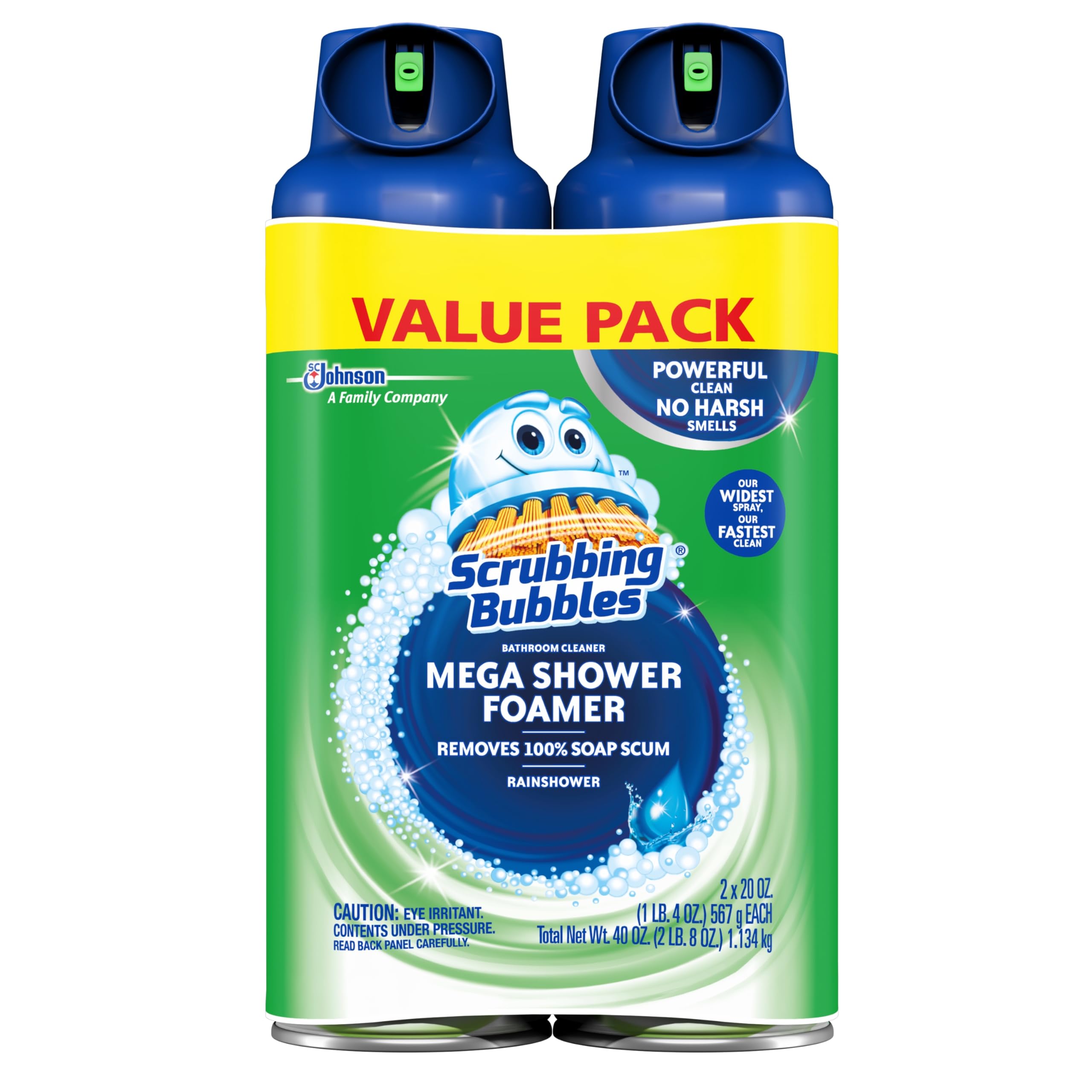
A thick aerosol foamer that clings to surfaces, breaks down soap scum, and leaves a fresh scent.
Why I picked it: Very clingy foam that reduces scrubbing on vertical grout and glass.
Best for: Cutting through soap scum on shower walls and glass doors.
Mid-range, double-pack convenience.
Pros
- Thick foam clings well
- Cuts soap scum effectively
- Fresh scent after cleaning
Cons
- Aerosol smell during use
- Can be strong for small bathrooms
My take
This foamer shines on vertical surfaces where liquids usually run off—foam stays put and does the work while I prep other tasks. On tiled shower walls and glass doors I noticed less scrubbing required after a short dwell time.
The Rainshower scent is pleasant once the room airs out, but I avoid using it in very small, poorly ventilated bathrooms. For removing soap scum quickly on multiple surfaces this is one of my go-tos.
6. PUMIE Scouring Stick (Pumice) – Best for Hard Water Rings
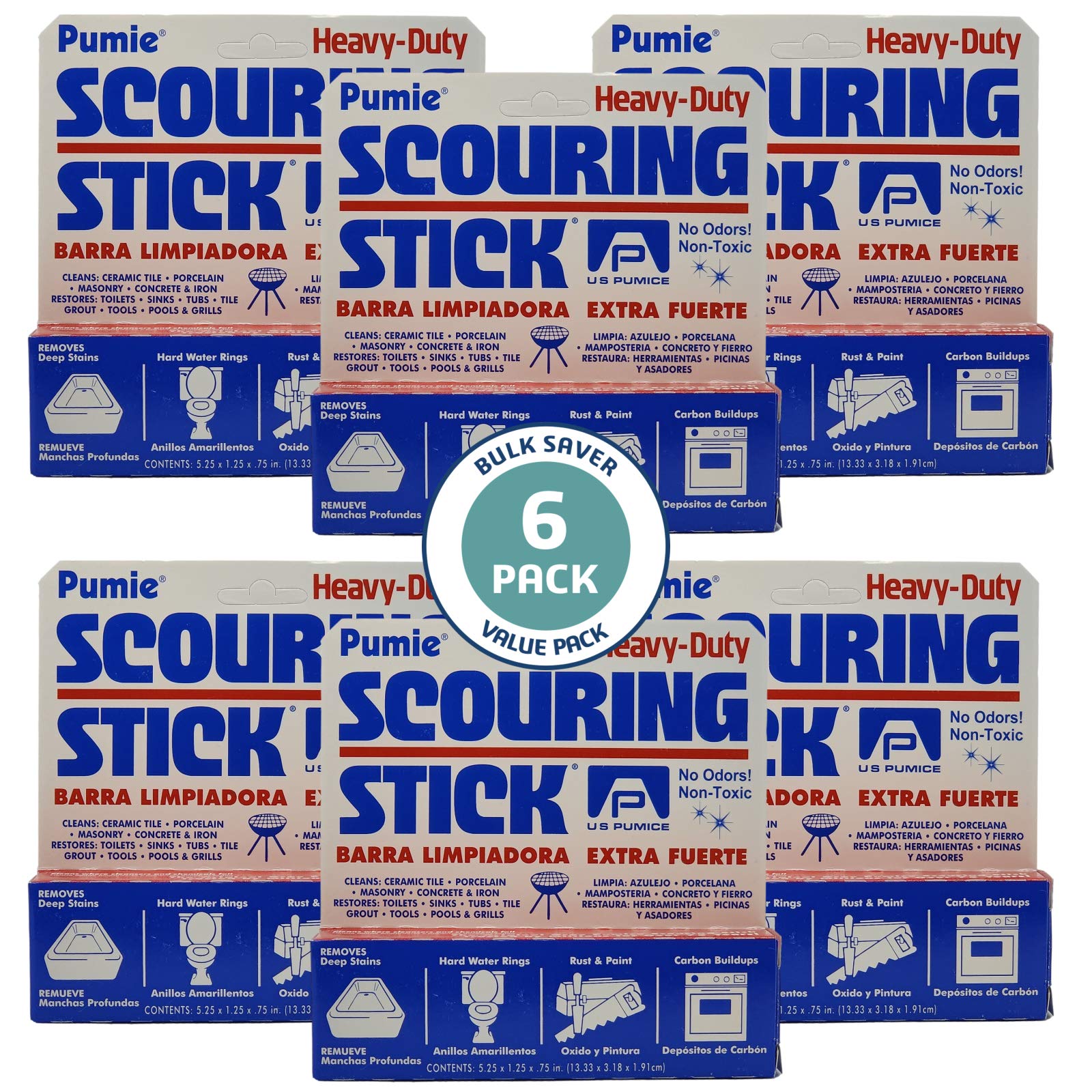
A pumice scouring stick designed to remove hard water rings, rust, and scale without scratching when used correctly.
Why I picked it: Solves mineral rings and scale that liquid cleaners can't remove.
Best for: Toilet rings, tub scale, oven glass, and stubborn mineral deposits.
High-value multi-pack for recurring tough spots.
Pros
- Removes rings and scale effectively
- Gentle on porcelain when wet
- Long-lasting on tough jobs
Cons
- Can be tiring on large areas
- Must keep surface and stone wet
My take
When chemical cleaners failed to budge a hard-water ring in my toilet, the pumice stick did the job without damaging the porcelain—when I kept both the stone and surface wet and used light pressure. It’s remarkably effective on spots and under-rim deposits.
I don’t use it across large expanses; it’s best for targeted work. Proper technique matters: wet the stick, work gently, and rinse often to avoid abrasion. For restorations this is one of the few tools that consistently finishes the job.
7. Method Daily Shower Cleaner Refill – Best for Daily Maintenance
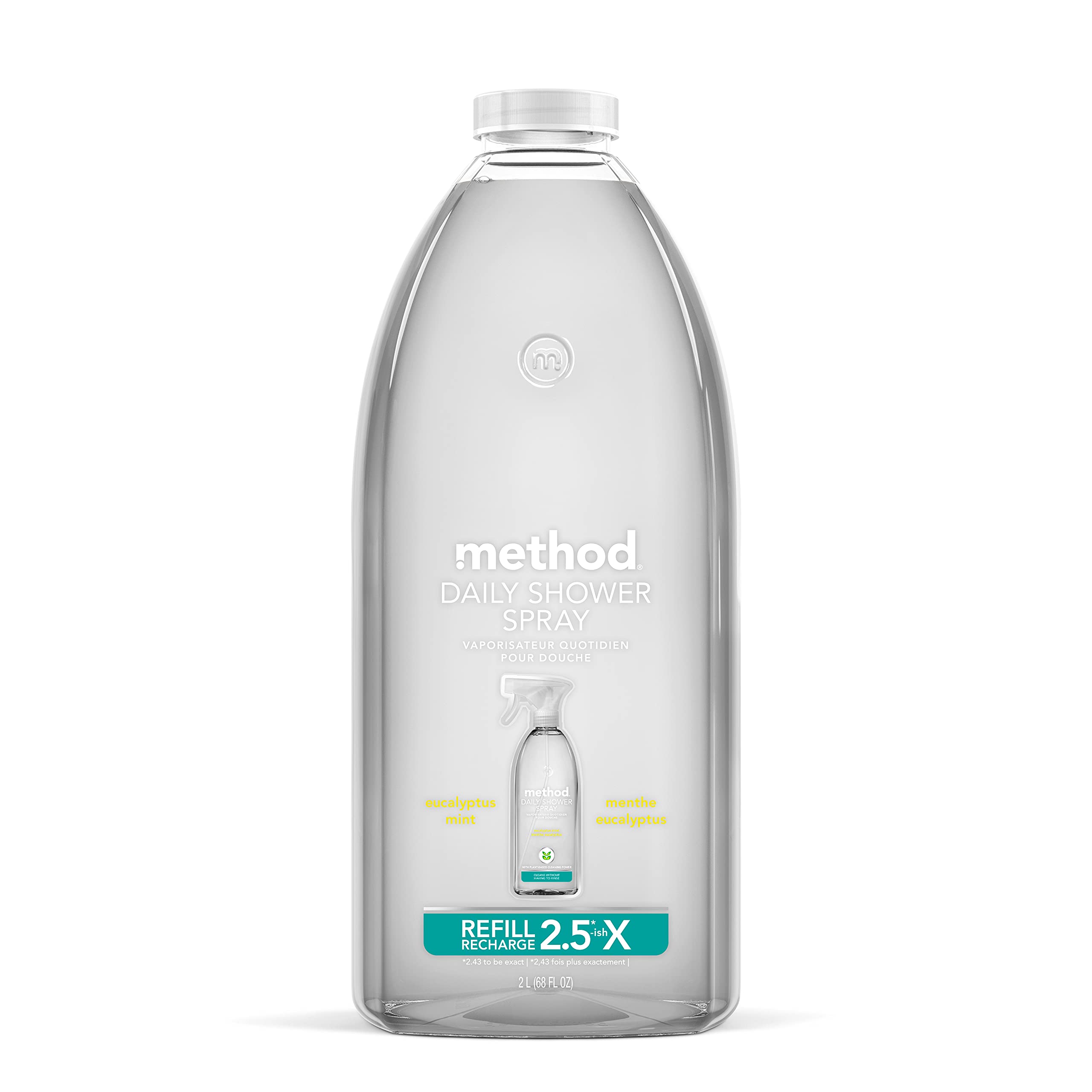
A plant-based, no-rinse daily spray that dissolves soap scum and prevents buildup between deep cleans.
Why I picked it: Low-effort upkeep that keeps hard water films from forming.
Best for: Post-shower maintenance to prevent soap scum and clouding.
Economical refill for frequent use.
Pros
- Plant-based formula
- No rinsing required
- Keeps surfaces shiny daily
Cons
- Not for heavy scale
- Requires consistent use
My take
This is the daily habit that made the biggest long-term difference for me. I spray after every shower and rarely see foggy plastic or recurring soap scum on the glass. It’s designed to prevent buildup rather than remove heavy deposits, and it does that job well.
Because it’s a refill, I can keep a spray bottle topped up and avoid single-use plastic waste. If I let maintenance slide for weeks, I still need a foamer or pumice for the worst areas—but for steady prevention this saves time and hard work.
8. Lysol Power & Free Hydrogen Peroxide Cleaner – Best Bleach Alternative
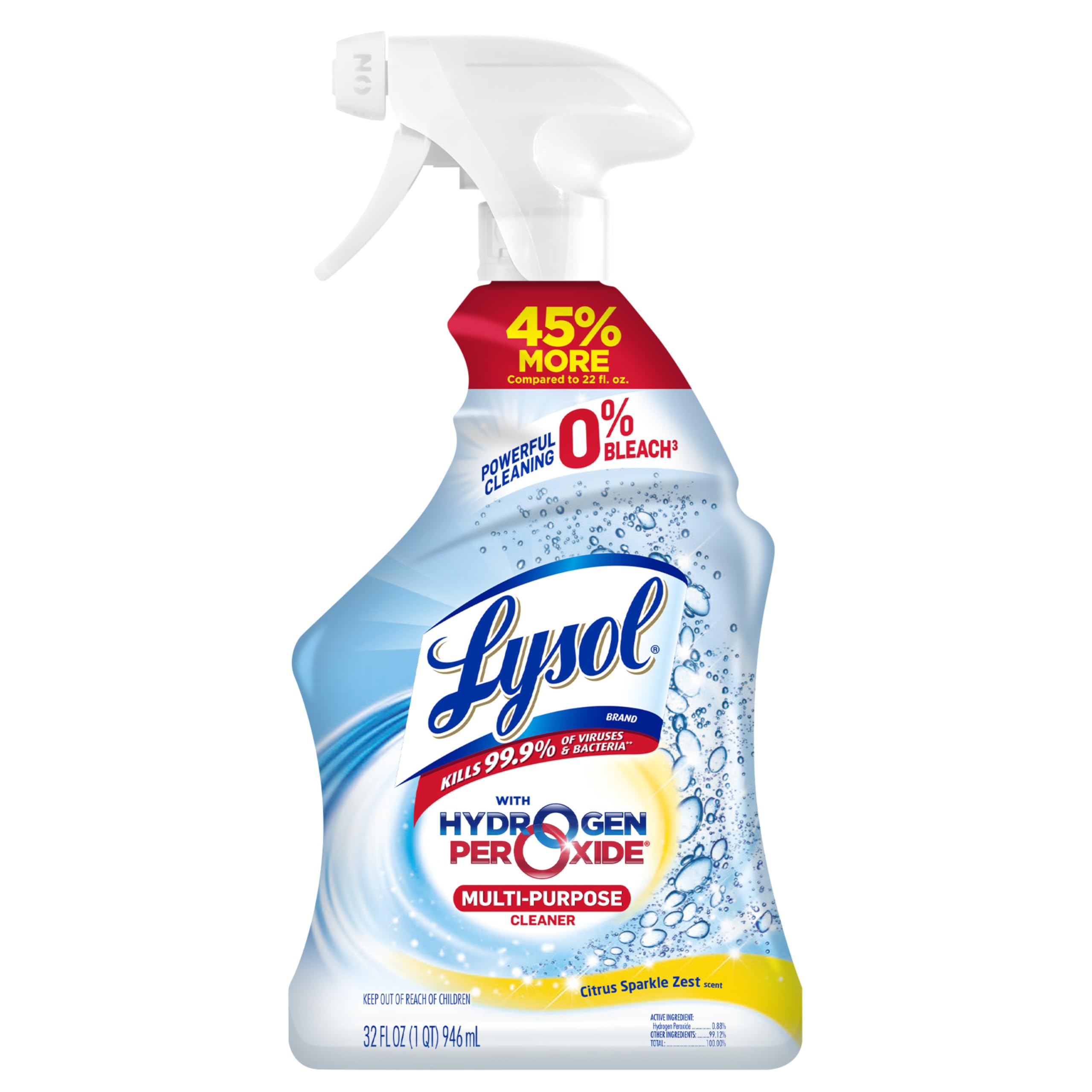
A hydrogen-peroxide-based multi-purpose cleaner that uses microbubbles to dissolve stains without chlorine bleach.
Why I picked it: Effective stain penetration with a gentler, bleach-free chemistry.
Best for: Kitchens and bathrooms where I want disinfecting power without bleach.
Budget-friendly alternative to harsher cleaners.
Pros
- No chlorine bleach residue
- Good on many surfaces
- Fresh citrus scent
Cons
- May need extra elbow grease on thick scale
- Stronger odor for some users
My take
I reach for this when I want disinfecting power without bleach. The hydrogen peroxide formula lifts stains and leaves less chemical residue, which I prefer around fixtures and grout. It’s versatile across counters, tubs, and appliances.
It isn’t a heavy-duty stripper for ancient mineral crust, but for regular cleaning cycles and mixed-use rooms it balances performance and gentler chemistry. I always ventilate while using it, and it performs well as a multi-purpose option.
How I choose shower cleaners for hard water
Key features I check
When I'm evaluating a cleaner for hard water I focus on dwell time, foam cling, and the active cleaning chemistry. A product that stays put on vertical tile or glass has a big advantage because it dissolves mineral deposits without constant scrubbing.
I also consider surface compatibility—porcelain, fiberglass, and natural stone have different tolerances—so I pick products that explicitly list the surfaces I plan to treat.
- Foam that clings to vertical surfaces reduces scrubbing
- Hydrogen peroxide or citric-acid cleaners avoid chlorine bleach residue
- Degreasers and industrial cleaners are for heavy, neglected buildup only
- Pumice/pumice sticks remove rings and scale mechanicaly—use wet and gentle
Daily maintenance vs deep cleaning
I separate my routine into short daily maintenance and periodic deep cleans. A no-rinse daily spray prevents soap scum from bonding to surfaces, which means I need heavy cleaning far less often.
For deep cleaning I choose a foamer or heavy-duty degreaser first, then follow with targeted abrasives (like Soft Scrub or pumice) for stubborn spots.
- Daily spray after showers prevents mineral and soap buildup
- Foamer + dwell time for regular deep cleans
- Use pumice or abrasive cleansers only on appropriate surfaces
Safety and compatibility I follow
I always check product directions and test in an inconspicuous spot when switching cleaners. Strong cleaners need ventilation, gloves, and sometimes a mask. Acidic or abrasive products can damage natural stone or stripped finishes, so I avoid them there.
When using pumice, I keep the surface and stone wet and use light pressure to prevent scratching.
- Test on a hidden area first
- Ventilate and wear gloves for strong formulas
- Avoid acidic/abrasive cleaners on natural stone
- Keep pumice damp and use light pressure
Frequently Asked Questions
Which cleaner removes hard water rings best?
For mineral rings I turn to a pumice scouring stick. When used wet and gently it removes ringed deposits that sprays can’t shift.
Can I use these cleaners on glass shower doors?
Yes—foaming cleaners and hydrogen-peroxide sprays work well on glass. I prefer clingy foam for vertical glass because it dissolves spots without running off.
How often should I do a deep clean versus daily maintenance?
I use a daily no-rinse spray after most showers and schedule a deeper foaming or heavy-duty clean every few weeks, depending on water hardness and visible buildup.
Final Take
Hard water doesn’t have to mean endless scrubbing. I use a combination approach: a daily no-rinse spray to stop deposits from forming, a clingy foamer for my weekly deep-clean tasks, a heavy-duty degreaser for neglected jobs, and a pumice stick for the rings that won’t budge.
Try the routine that matches your water and surface types—once I dialed mine in, cleaning time dropped and my shower surfaces stayed brighter longer.
