
I tested a range of threads—cotton, polyester, denim weight, and bulk basics—to find the ones that ran smoothly in machines, produced clean stitches, and matched the projects I sew most often.
I spend a lot of time at the machine and I’ve learned that the right thread makes the difference between a finished piece I’m proud of and a day spent rethreading and fixing skipped stitches.
In this roundup I focused on fiber, thread weight, spool size, lint production, and how each thread behaved on common home machines. These picks cover quilting, denim, everyday repairs, and economical bulk use.
I compared threads by fiber (cotton vs polyester), weight (50wt, 12wt, all-purpose), spool size, lint behavior, tensile strength, and how well the color and thickness matched typical projects like quilts, jeans, and clothing repairs.
1. Aurifil Mako 50wt Cotton Thread (Dove) – Best Overall
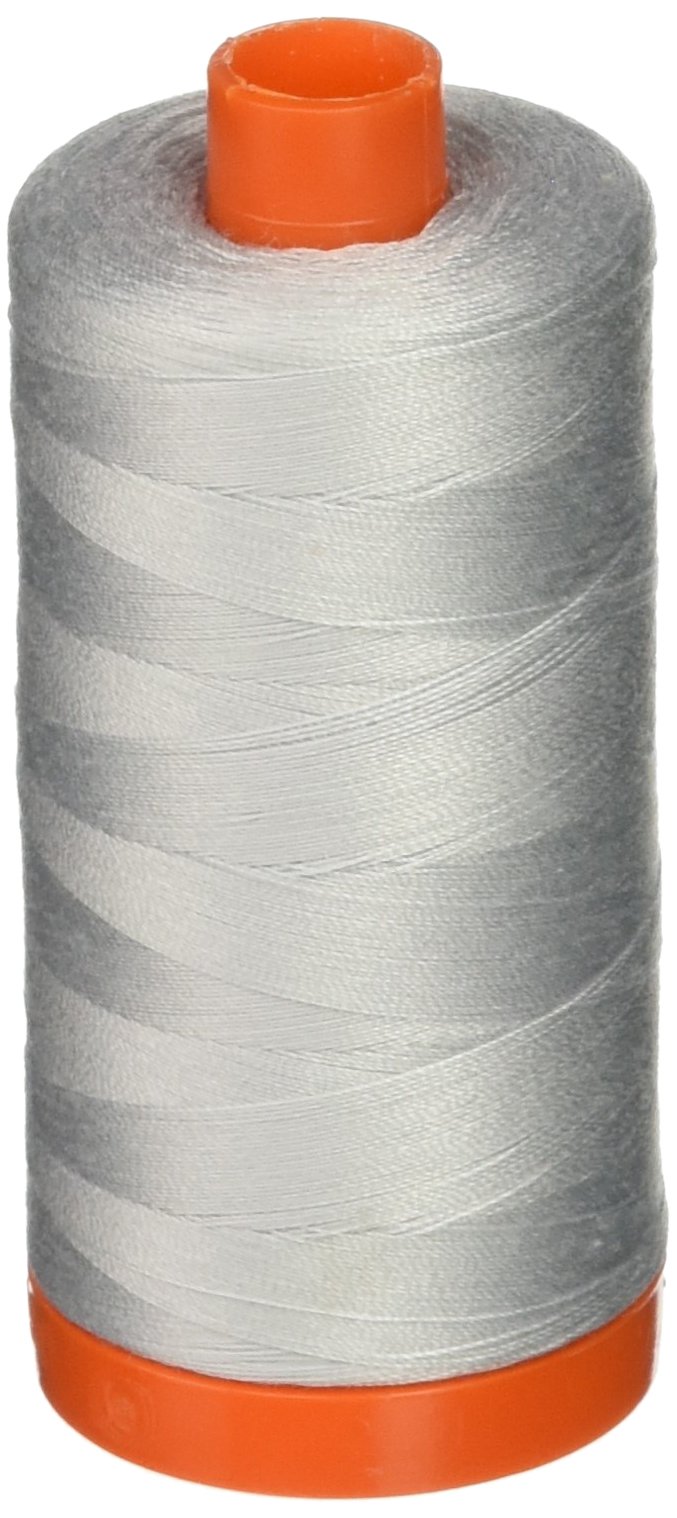
A smooth, long-staple Egyptian cotton thread on a large Italian-made spool that I use for quilting and machine work.
Why I picked it: Consistent, low-lint performance and a large spool that lasts through big quilting sessions.
Best for: Quilting, machine piecing, and machine applique where stitch definition matters.
A more expensive option but I find the quality worth it for quilting.
Pros
- Long-staple mercerized cotton
- Very smooth, low lint
- Large spool for long projects
- Excellent stitch definition
Cons
- Higher cost per spool
- Limited elasticity for knits
My take
I reach for Aurifil when I want flawless stitch lines. The 100% long-staple mercerized Egyptian cotton ran through my machine without fuzzing, and I saw almost no lint buildup after hours of sewing.
The spool size is generous, so I spent less time swapping spools on long quilts. Color matching is reliable — the Dove tone worked as a neutral on a variety of fabrics I tested.
If quilting is your focus, this thread gives crisp stitch definition and consistent tension. It’s a purchase I consider an investment in smoother machine performance and cleaner seams.
2. Gutermann Denim 12wt Thread Pack – Best for Denim
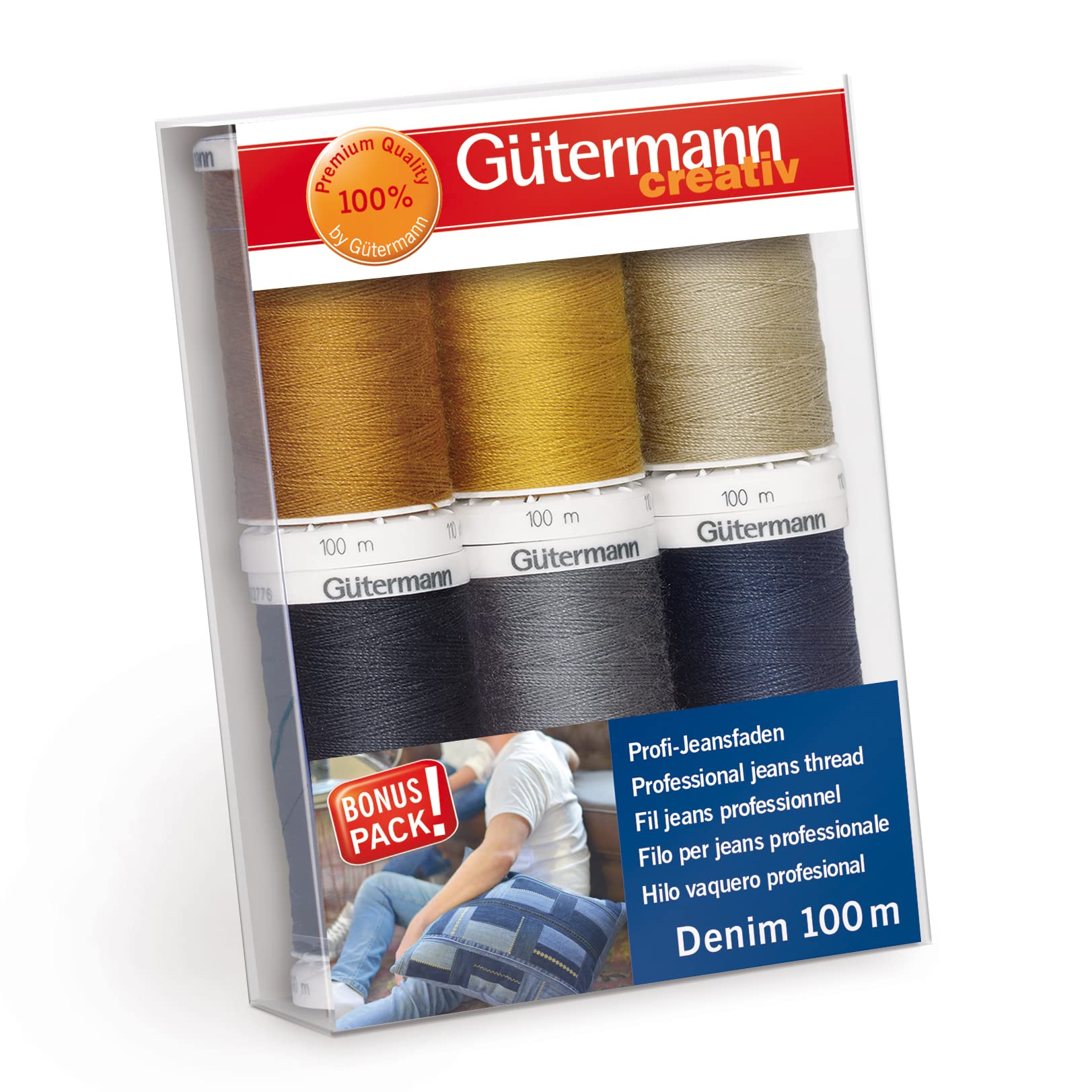
Heavy-weight polyester denim thread sold as a multi-spool pack that I used for jeans hems, bags, and decorative topstitching.
Why I picked it: Robust, heavy 12wt polyester designed to match authentic denim seams and hold up to stress.
Best for: Jeans, heavy-duty seams, and visible decorative stitching on denim accessories.
Mid-range value for a specialized heavy-weight thread pack.
Pros
- Heavy 12wt construction
- Strong polyester fiber
- Good color variety
- Made for denim
Cons
- Thicker thread needs larger needles
- May be overkill for lightweight fabrics
My take
I used this Gutermann denim pack when hemming jeans and making a canvas tote. The 12wt polyester felt noticeably stronger than standard all-purpose thread and produced authentic topstitching that matched factory jeans seams.
Because it’s heavier, I swapped in a topstitching needle and adjusted tension slightly, which solved any skipping issues. The color selection saved me time matching various denim shades during repairs.
For projects that need visible, durable stitching, this thread delivered the rugged look and tensile strength I wanted.
3. Aurifil Mako 50wt Thread 2-Pack (Natural White) – Best Neutral Pair
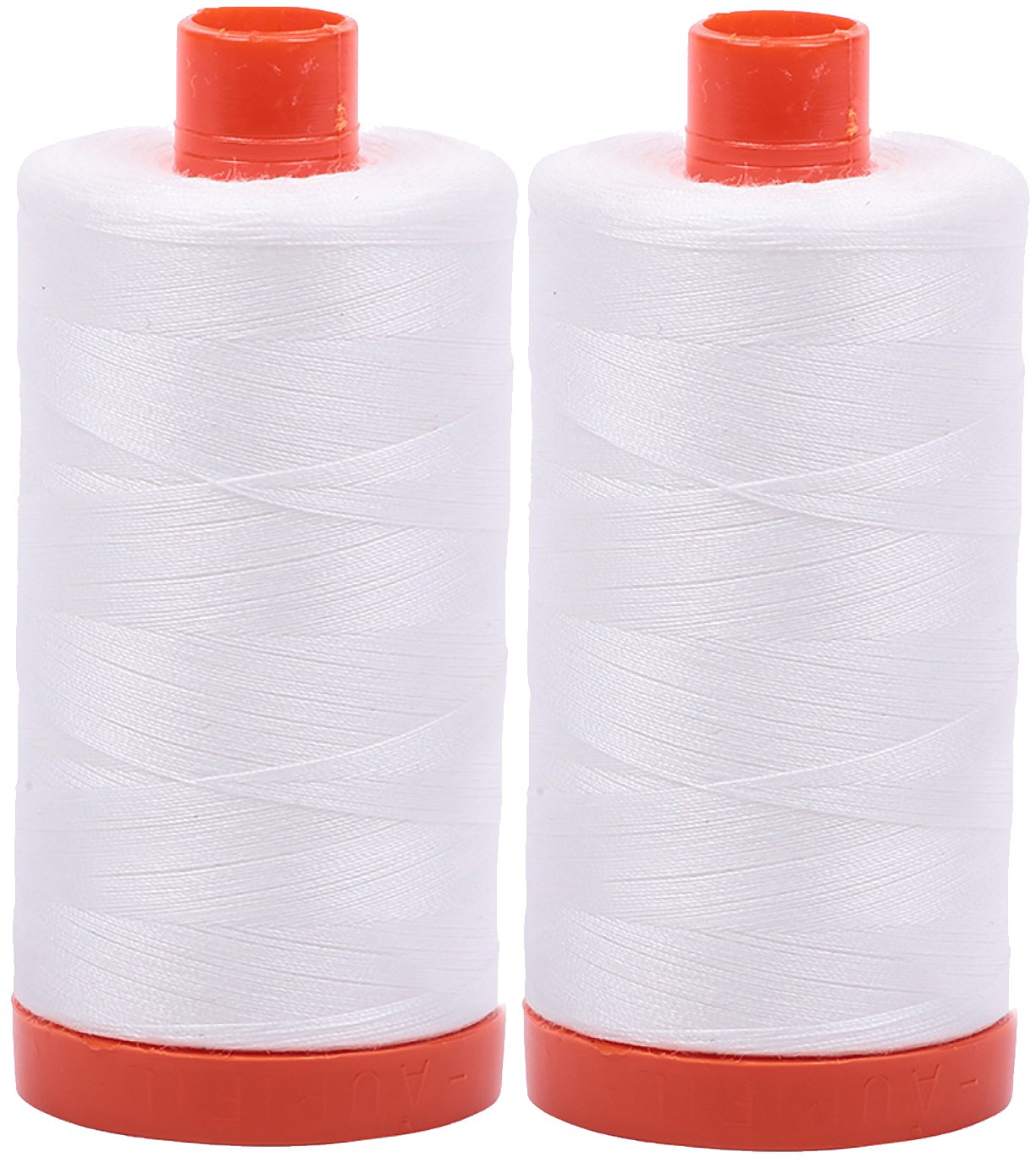
A two-spool pack of Aurifil 50wt in natural white that I keep stocked for piecing, applique, and general quilting work.
Why I picked it: Two large spools of a reliable neutral that I use daily for quilting and general sewing.
Best for: Machine piecing, applique, and as an everyday neutral for multi-project use.
Pricier than economy thread, but I save time and machine maintenance with its low-lint behavior.
Pros
- Soft, smooth cotton
- Low lint after hours of sewing
- Large spools included
Cons
- Costlier than basic threads
- Limited stretch for knit fabrics
My take
I bought the two-pack to make sure I always had a dependable neutral on hand. The cotton feels soft and runs smoothly through both my domestic and long-arm machines.
After extended sewing sessions I noted minimal fluff on the needle and presser foot, which reduced my routine machine cleanings. Stitch consistency and wash durability were both excellent in the sample work I did.
If you want a go-to neutral that behaves like premium thread, this two-pack has earned a permanent spot in my supply drawer.
4. Coats & Clark All-Purpose Thread (White, 2-pack) – Best Everyday White
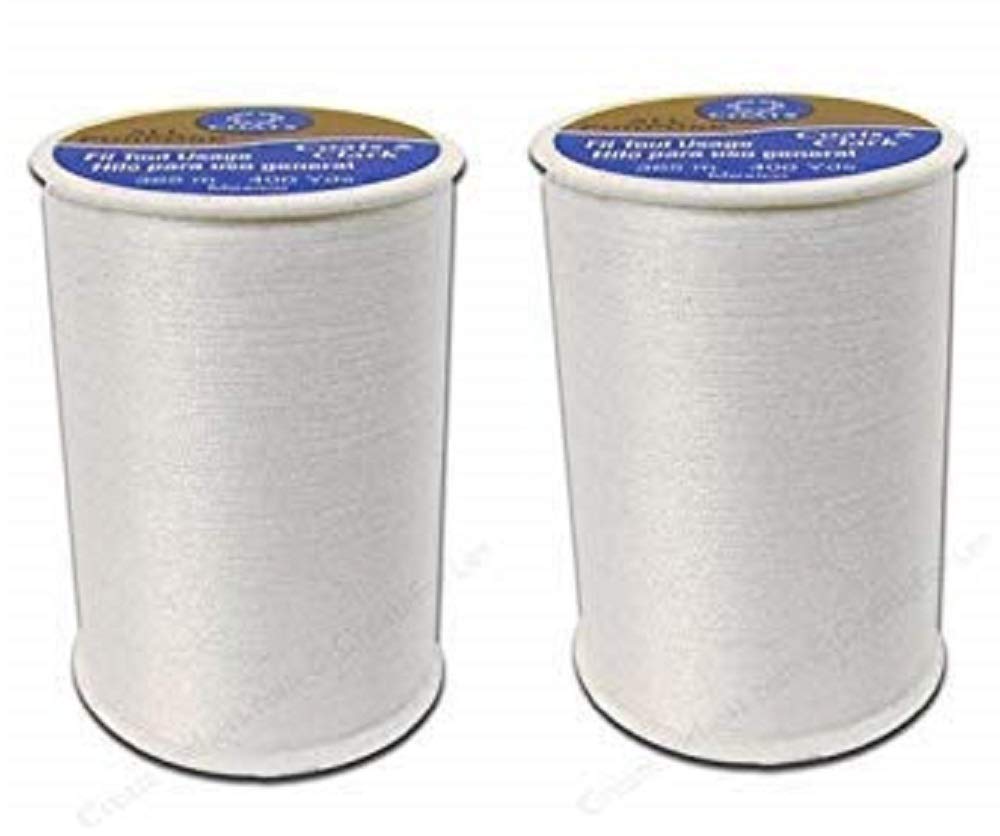
A dependable polyester-covered polyester all-purpose thread I used for household sewing and quick fixes.
Why I picked it: Reliable strength and smooth feed that solved tension issues I’d been chasing with cheaper thread.
Best for: General sewing, mending, and projects that need an economical white thread.
Affordable and practical for everyday use.
Pros
- Polyester core for strength
- Consistent performance
- Good everyday value
Cons
- Less refined than premium cotton
- Color may lean slightly off-white
My take
I keep Coats & Clark on hand for mending and basic sewing. It fed smoothly through my machine and the polyester-covered core gave reliable tensile strength on seams.
When I swapped this in after using some cheaper thread, several tension and skipping problems I’d been troubleshooting vanished. It’s an easy, dependable option for non-specialty work.
For household sewing where cost and reliability matter more than specialty properties, this thread is a practical pick.
5. Coats & Clark Dual Duty All-Purpose Thread (6-pack) – Best Bulk Basics
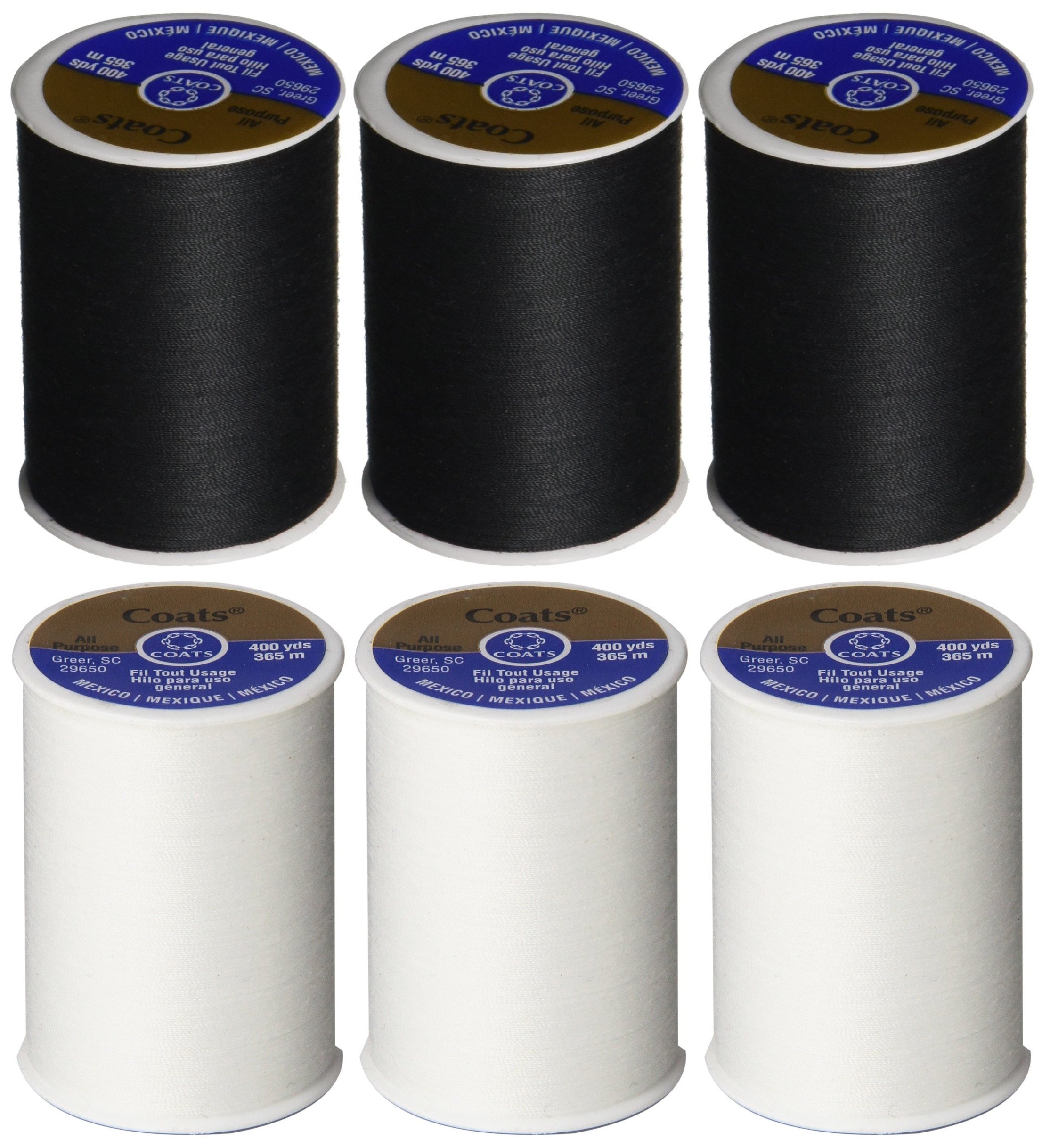
A six-spool bundle of black and white all-purpose polyester thread that I turn to when I need bulk supply for frequent sewing.
Why I picked it: Great economical stash for routine sewing and repair work where quantity matters.
Best for: Worktables, class settings, and busy sewists who go through thread quickly.
Economical bulk option to keep spools on hand.
Pros
- Bulk pack of essentials
- Good strength for repairs
- Convenient for high-volume use
Cons
- Not as smooth as premium thread
- Limited color range in pack
My take
When I have multiple projects or repairs, this six-pack saves me time hunting for spools. The black and white selection covers the majority of quick fixes I encounter.
Thread strength is sound for common tasks like hemming, topstitching lightweight fabrics, and clothing repair. It isn’t as refined as premium cotton, but it’s a reliable workhorse.
If you sew a lot and want to avoid running out mid-project, keeping a pack like this in the cupboard makes sense.
How I Pick Thread for My Machine
Fiber and Project Match
I select thread fiber based on the project: 100% cotton for quilting and cotton-rich fabrics, polyester for everyday garments and high-stress seams, and heavy-weight polyester for denim and canvas.
- Use cotton (50wt) for quilting and applique to get soft, matte stitches.
- Choose polyester for stretch, strength, and wash durability.
- Pick heavy-weight (12wt) thread for decorative topstitching and denim.
Thread Weight and Needle Size
Thread weight affects needle choice and stitch appearance. I match thicker threads with larger needles and adjust machine tension when necessary.
- 50wt is a common machine quilting weight.
- 12wt and topstitching threads need a larger needle and possibly a thicker bobbin thread.
- All-purpose threads work with standard needles for general sewing.
Spool Size, Lint, and Machine Maintenance
I favor larger spools for long projects to minimize spool changes. Low-lint construction reduces cleaning frequency and keeps timing and tension stable.
- Large spools save time on long quilts and garment runs.
- Mercerized long-staple cotton produces less lint than cheaper cottons.
- Polyester typically sheds less lint than low-quality cotton thread.
Color, Cost, and Stocking Up
I keep neutrals and common denim tones in bulk, and buy premium specialty threads for visible quilting or heirloom work. Balancing cost and performance depends on how often I sew and the type of project.
- Stock neutrals and frequently used shades in advance.
- Splurge on premium threads for projects where stitch definition matters.
- Buy small specialty spools for decorative effects rather than everyday use.
Frequently Asked Questions
What thread type do I use for quilting?
I use 50wt long-staple cotton for most quilting because it gives crisp stitch definition and low lint. For visible decorative stitches I’ll test a heavier or specialty thread, but 50wt cotton is my default for piecing and quilting.
Can I use denim thread on a regular home sewing machine?
Yes, but I switch to a topstitch needle and check tension. Heavy 12wt denim thread needs a larger needle and sometimes a slower speed to avoid skipped stitches or thread breakage.
How often should I change thread when sewing long projects?
I change spools when the tension or stitch quality changes, and I prefer larger spools so I don’t interrupt long sessions. I also clean lint from the bobbin area after extended sewing to maintain consistent performance.
Final Take
I chose these threads because they cover the practical needs I face at the machine: premium cotton for quilts, heavy polyester for denim, and economical packs for everyday work.
Keep a premium option on hand for projects where stitch appearance and low lint matter, and a bulk basic for repairs and high-volume sewing so you can stay focused on your work rather than troubleshooting thread issues.
