
I tested six lidded baking dishes across glass and ceramic to find the most useful options for everyday cooking, portioned desserts, deep casseroles, and travel-ready storage.
I cook and bake constantly, so I keep a collection of pans that move straight from oven to table to fridge. In this roundup I focused on lidded baking dishes—those that let me bake, serve, and store without swapping containers.
I evaluated durability, lid fit, thermal performance, handle comfort, and how the dishes behave when going from freezer to oven. Below are the six I reach for most and why each one earns a spot in my kitchen.
I compared tempered and borosilicate glass against ceramic by using each for specific tasks: small portions, deep lasagnas, brownies, and freezer-to-oven cooking. Glass wins for storage and visibility; ceramic wins for heat retention and even browning.
1. Pyrex Basics 2-Quart Glass Baking Dish – Best for Everyday Storage
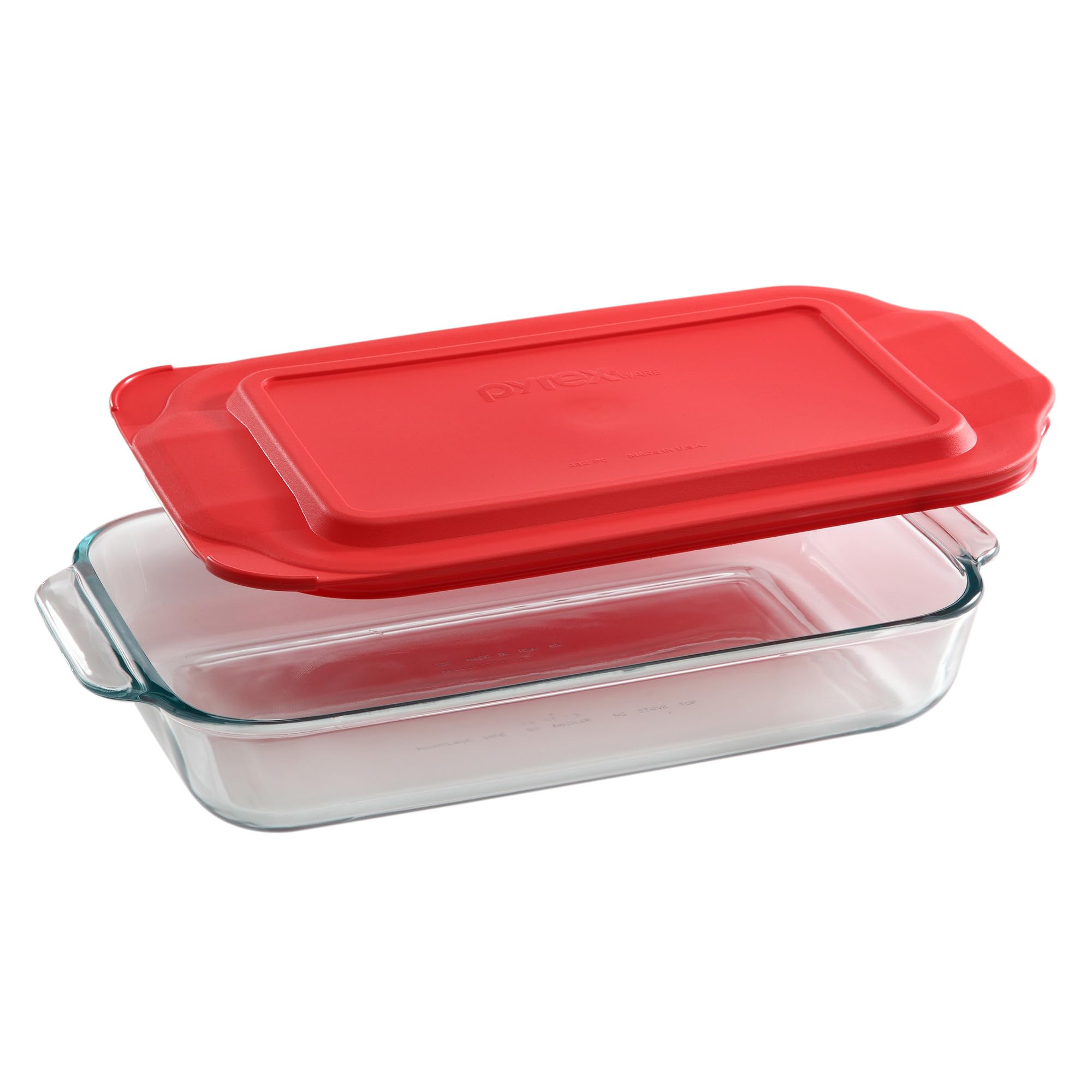
A versatile 2-qt glass baking dish with easy-grab handles and a BPA-free lid that bakes, serves, and stores well.
Why I picked it: Tempered glass, large handles, and a tight-fitting plastic lid make it a go-to for everyday prep and leftovers.
Best for: Small casseroles, reheating portions, meal prep, and transporting dishes to events.
Affordable kitchen staple that I often recommend for everyday use.
Pros
- Tight-fitting BPA-free lid
- Durable tempered glass
- Easy-grab handles
- Dishwasher and freezer safe
- Non-porous resists stains
Cons
- Plastic lid is not oven-safe
- Handles can make stacking awkward
- Not very deep
My take
This 2-quart Pyrex is one I use multiple times a week. The glass feels substantial without being overly heavy, and those molded handles make carrying a hot dish far less nerve-wracking.
I appreciate how well the plastic lid seals—it's not airtight for liquids, but it keeps food fresh in the fridge and snaps on easily when I'm prepping ahead. The glass itself has held up through dishwasher cycles, the microwave, and oven use with no staining or lingering odors.
I've owned similar Pyrex pieces for years and trust their tempered glass for routine baking and storage. My only caveat is the lid: great for storage and reheating in the microwave, but I never put it in a hot oven.
2. Libbey Baker's Cupcake Baking Dish Set (8) – Best for Individual Portions
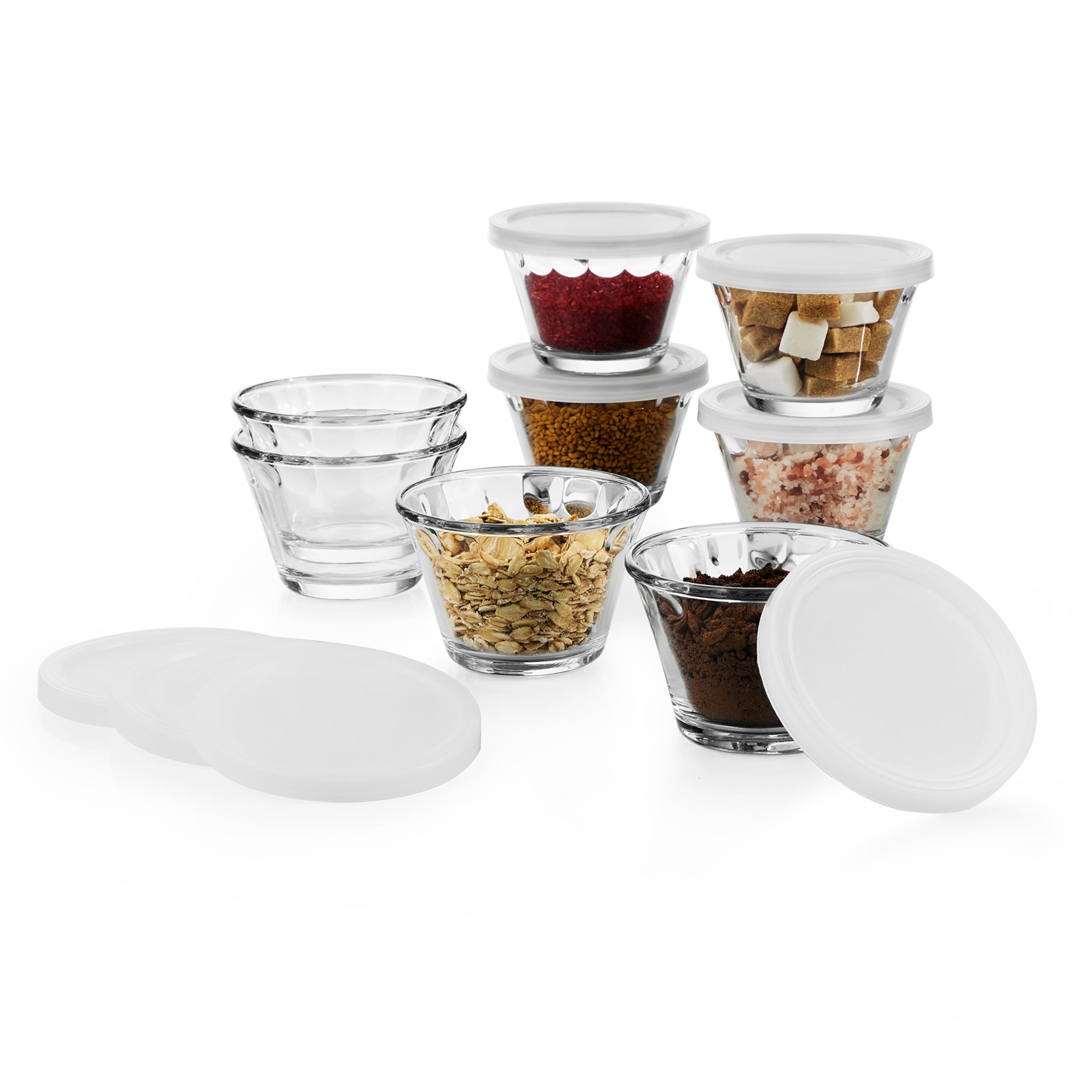
Eight small round glass bowls with fitted lids—perfect for cupcakes, mini pot pies, mise en place, and single-serve prep.
Why I picked it: Half-cup capacity and snug lids give me a reliable set for portioned desserts and prepping ingredients.
Best for: Cupcakes, mini pot pies, freezing pesto batches, and mise en place.
Good value for an 8-piece set that doubles as bakeware and storage.
Pros
- Eight matching bowls with lids
- Elegant tabletop presentation
- Dishwasher safe
- Airtight lids for storage
- Great for freezing small batches
Cons
- Small capacity (about 1/2 cup)
- Plastic lids can wear over time
- Occasional hairline cracks possible
My take
I keep this Libbey set on hand for party desserts and prepping ingredients. Each dish holds just under a half cup, which is perfect for cupcakes, ramekin-style desserts, and portioned freezer items like pesto.
The lids snap on securely and make transporting desserts easy. I once received two bowls with hairline cracks and, in my experience, the brand’s support replaced them promptly—so check new sets before you put them straight into the oven.
These bowls clean up quickly in the dishwasher and look nicer on the table than disposable cups. For anyone who likes to prep small portions or serve individual dishes, this set is genuinely useful.
3. Pyrex Deep 9×13 Glass Baking Dish – Best for Big Casseroles
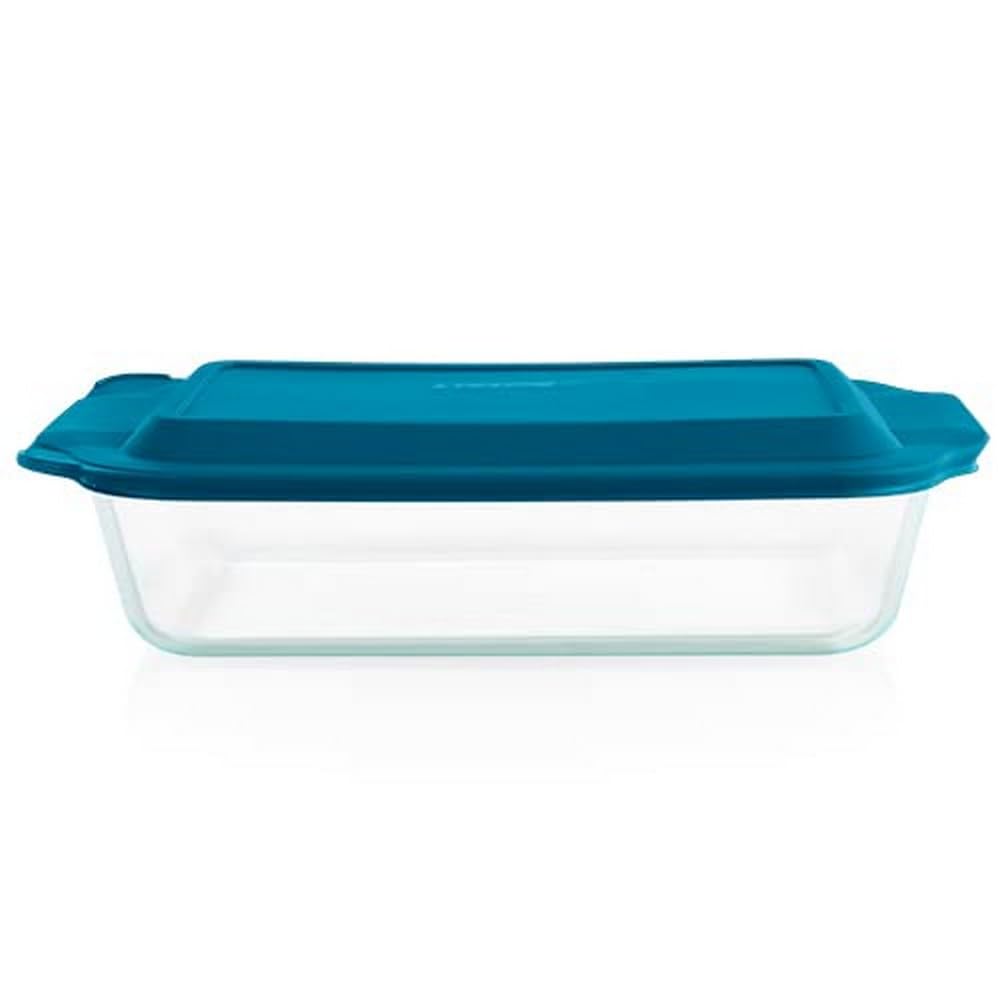
A deeper 9×13 glass dish with a snug lid that holds more filling and reduces spillovers—ideal for big family dishes.
Why I picked it: Extra depth prevents overflow and gives more room for layered casseroles and tall lasagnas.
Best for: Lasagna, deep casseroles, crowd-pleasing roasts, and make-ahead meals.
An affordable upgrade when you need extra capacity.
Pros
- Extra-deep capacity
- Snug BPA-free lid
- Pre-heated oven and freezer safe
- Resists stains and odors
- Great for large families
Cons
- Heavier when full
- Plastic lid not for oven use
- Requires careful handling from freezer
My take
When I need to bake something tall—thick lasagna or a loaded casserole—this deep 9×13 is my first reach. The extra depth eliminates the frustrating spillovers I used to get with standard pans.
Baking is even across the dish, and the lid fits well for storage and transportation. Because of the size and weight when filled, I use oven mitts and two hands to remove it safely.
A practical tip from my testing: if you're baking from frozen, allow the dish to warm slowly with the oven rather than dropping a frozen dish into a fully preheated oven. That helps avoid thermal stress and keeps the glass intact.
4. Anchor Hocking 8-Inch Square Baking Dish – Best for Traditional Brownies
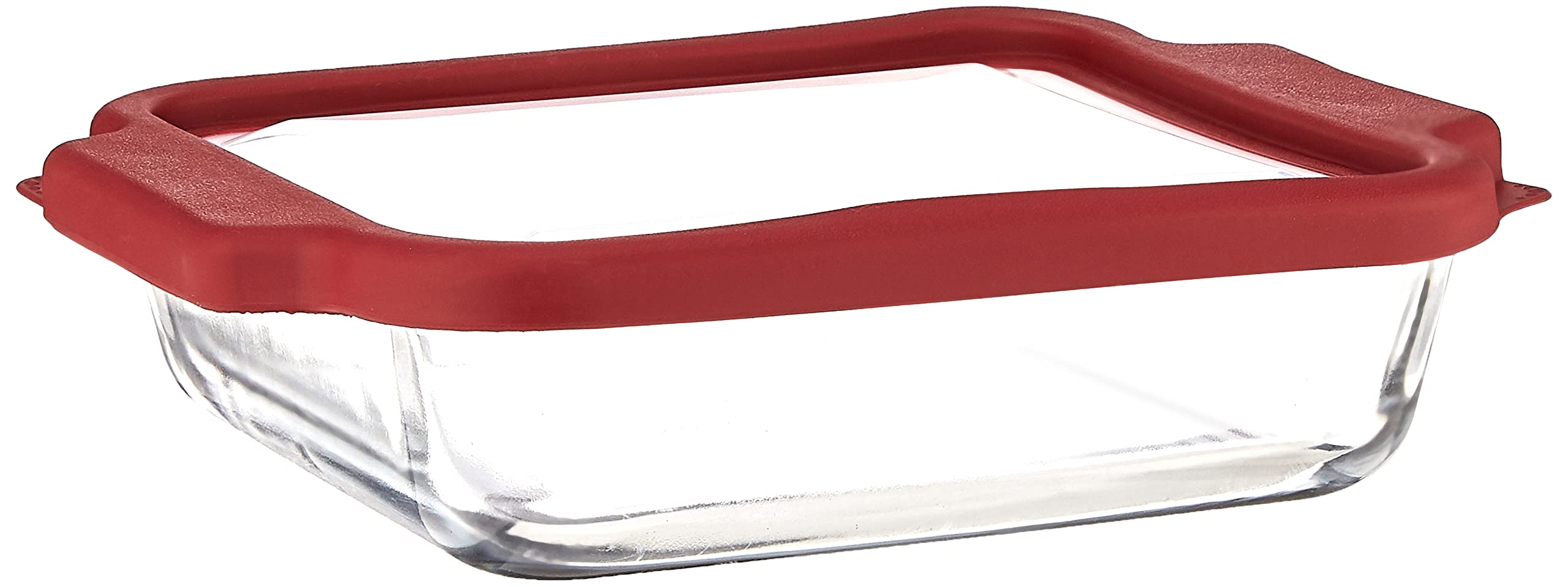
A classic 8-inch square glass cake pan with a TrueFit cherry lid—great for brownies, small casseroles, and gifting.
Why I picked it: Thick, clear glass and a snug TrueFit lid make it ideal for baking and then storing or gifting baked goods.
Best for: Brownies, small family casseroles, and sending dishes to friends.
A classic, reliably made option with American-made glass on many units.
Pros
- Thick, durable glass
- TrueFit lid for transport
- Microwave and freezer safe
- Made in the USA on many units
- Easy to wash
Cons
- Lid fit can vary
- Sensitive to extreme temperature shocks
- Not ideal for very deep bakes
My take
This Anchor Hocking square pan is what I use for brownies and small tray bakes. The glass feels reassuringly thick and the finished products come out with even edges and good browning.
The TrueFit lid is handy for transporting treats and storing leftovers, though I have seen lid fits vary slightly between batches. The dish performs well in the dishwasher and freezer, but I always avoid sudden temperature changes.
A safety note from my experience: avoid pouring boiling water into a room-temperature glass dish. I once saw a heated glass dish fail when exposed to rapid, extreme thermal shock, so I handle heated and cold transfers with care.
5. DOWAN 9×13 Ceramic Casserole Dish – Best for Even Baking
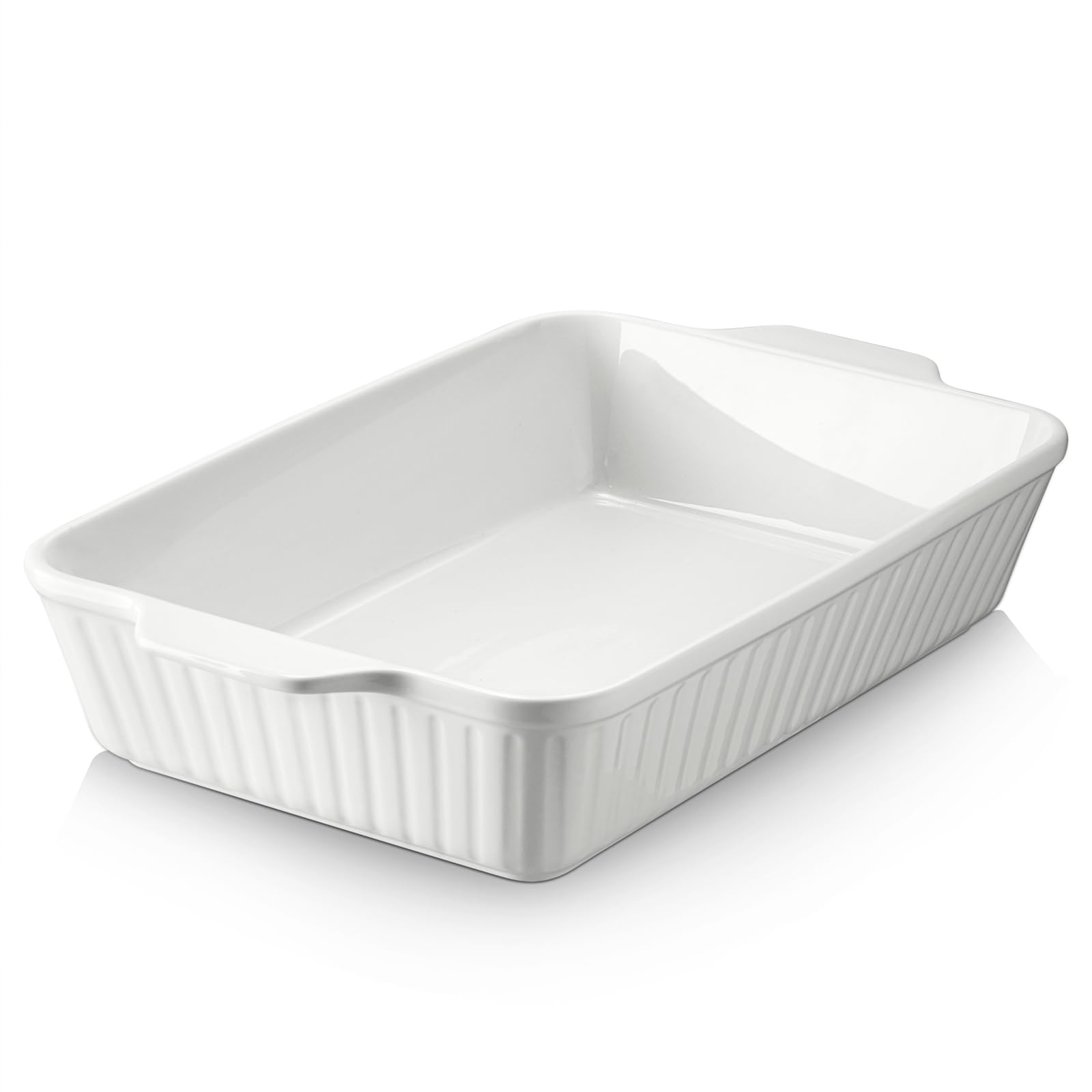
A heavy, lead-free ceramic lasagna pan with handles that bakes evenly and keeps food warm on the table.
Why I picked it: Ceramic’s heat retention and even browning made my brownies and mac-and-cheese bake more consistently.
Best for: Lasagna, mac-and-cheese, braised dishes, and serving straight from oven to table.
A great-value ceramic option that performs like higher-end pieces.
Pros
- Even heat distribution
- Lead-free pro-grade ceramic
- Comfortable double handles
- Attractive, smooth glaze
- Oven-safe to high temps
Cons
- Heavy when full
- Can chip if stacked carelessly
- Takes longer to heat
My take
I switched to this DOWAN ceramic dish when I wanted more even browning, and it delivered. Brownies and casseroles came out with a better crust and consistent heat all the way through.
The dish holds heat exceptionally well, so dishes stay warm on the table longer than with glass. The handles are comfortable and make it easier to carry a full pan.
Because it’s thick and substantial I treat it as a careful-lift piece—use two hands and avoid stacking without protective pads. For baked goods that benefit from slower, even heat, ceramic is my preference.
6. OXO Good Grips 2-Quart Glass Baking Dish – Best for Lids and Measurements
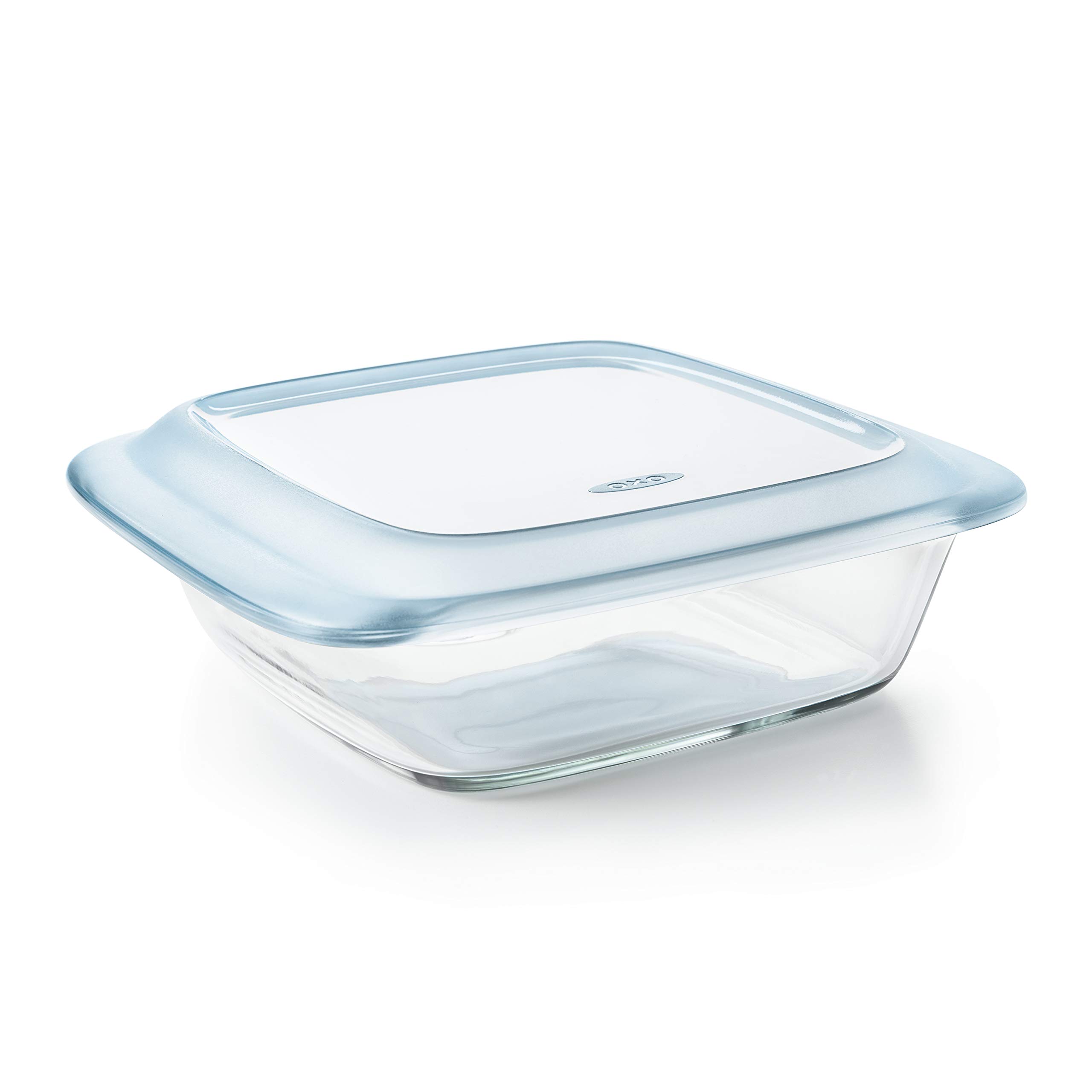
A borosilicate glass 2-qt dish with measurement markings, generous handles, and a snap-on lid that I use for precise recipes and freezer-to-oven convenience.
Why I picked it: Borosilicate construction and clear measurement markings make it easy to bake by volume and move from freezer to oven safely.
Best for: Freezer meals, precise recipes, and general-purpose baking with a reliable lid.
Slightly more specialized; worth it if you want measurement markings and thermal toughness.
Pros
- Borosilicate resists thermal shock
- Clear measurement markings
- Generous, comfortable handles
- Snap-on lid for storage
- Easy to clean
Cons
- Lid is not fully leakproof
- Lid can break if mishandled
- Heavier than thin glass
My take
I reach for the OXO 2-qt when I need accurate portioning—its stamped dimension markings take guesswork out of recipes that specify volume.
The borosilicate glass gives me confidence handling freezer-to-oven transitions; I’ve put chilled pans into a warm oven without issue. The lid snaps on firmly for storage, and I often store leftovers straight in this dish.
My only two gripes are the lid’s fragility and that it’s not leakproof for liquids. Treat the lid gently and avoid sealing soups for transport.
How I Choose a Baking Dish
Material matters
I pick glass when I want storage and visibility; lids make it easy to store leftovers. Glass (tempered or borosilicate) is non-porous and resists stains and odors.
I pick ceramic when I want even heat and better browning. Ceramic holds heat longer, so dishes stay warm on the table.
- Tempered glass: good general-purpose bakeware and storage.
- Borosilicate glass: better resistance to thermal shock for freezer-to-oven use.
- Ceramic: superior heat retention and even baking, but heavier.
Lids and storage
I always check whether the lid is BPA-free and whether it’s meant for oven use. Most plastic lids are for storage only, not for high-heat baking.
A snug-fitting lid turns a baking dish into a multi-use container—perfect for prepping ingredients, transporting food, and freezing portions.
- Plastic lids: great for storage, typically not oven-safe.
- Snap-on lids are convenient; watch for wear or cracks over time.
Size, depth, and handles
Think about what you cook most. An extra-deep 9×13 is a game-changer for lasagna and layered casseroles; a compact 2-qt is ideal for sides and leftovers.
Handles matter for safety—wide, ergonomic handles reduce spills when moving a hot, heavy dish.
- Shallow pans: best for brownies and crisping.
- Deep pans: ideal for layered casseroles and roasts.
- Look for comfortable handles if you often carry full dishes.
Thermal care and safety
I avoid sudden temperature changes. Even oven-safe glass can crack if you pour boiling liquid into a cold dish or move a frozen dish into a blazing hot oven.
If you bake from frozen, I recommend letting the dish warm gradually with the oven when possible.
- Avoid extreme temperature shocks.
- Use oven mitts and two hands for heavy pans.
Frequently Asked Questions
Can I put these dishes straight from the freezer into a hot oven?
It depends on the material. Borosilicate glass is more tolerant of rapid changes, but I still prefer warming the oven with the dish to reduce thermal stress. Tempered glass often tolerates a wide range but can be sensitive to extreme, sudden shifts. Ceramic heats slower—allow it to warm gradually to avoid cracking.
Are the included lids oven-safe?
Most of the lids in these sets are BPA-free plastic designed for storage and microwave reheating, not for use in a hot oven. I never place plastic lids in direct oven heat; I remove them and cover with foil if the recipe requires.
Which material gives the best brownie or casserole finish?
Ceramic tends to produce more even browning and retains heat well, which is great for brownies and mac-and-cheese. Glass is excellent for visibility and storage—use it when you want easy reheating and airtight storage.
Final Take
After using these six dishes in daily cooking, I keep a mix of glass and ceramic in my kitchen: glass for storage and visible reheating, ceramic for even baking and presentation.
Choose based on how you cook most—deep Pyrex for big family casseroles, Libbey for individual servings, DOWAN ceramic for even bakes, and OXO when measurement markings and thermal toughness matter.
Whichever you pick, handle glass carefully around big temperature swings and use lids for the convenience they provide when storing and transporting food.
