
I baked, served, and stored lasagnas in seven popular pans so you can pick the right one for meal prep, entertaining, or everyday dinners.
I spent time using seven widely available lasagna pans so I could compare real-world performance across materials, depths, and features.
In this roundup I tested pans for even baking, how easy they are to serve from, cleanup, and whether they double as storage or attractive table pieces.
If you want a pan that makes multiple dinners at once, an oven-to-table centerpiece, or a no-fuss nonstick option, I’ll walk you through what worked best for my kitchen.
I judged each pan on heat conduction, depth and capacity, ease of serving, cleanup, and practical features like lids or handles. I paid special attention to how each material behaved under real cooking conditions—metal for speed, ceramic for presentation and heat retention, glass for storage, and nonstick for effortless release.
1. Chicago Metallic Lasagna Trio Pan – Best for Making Three Lasagnas
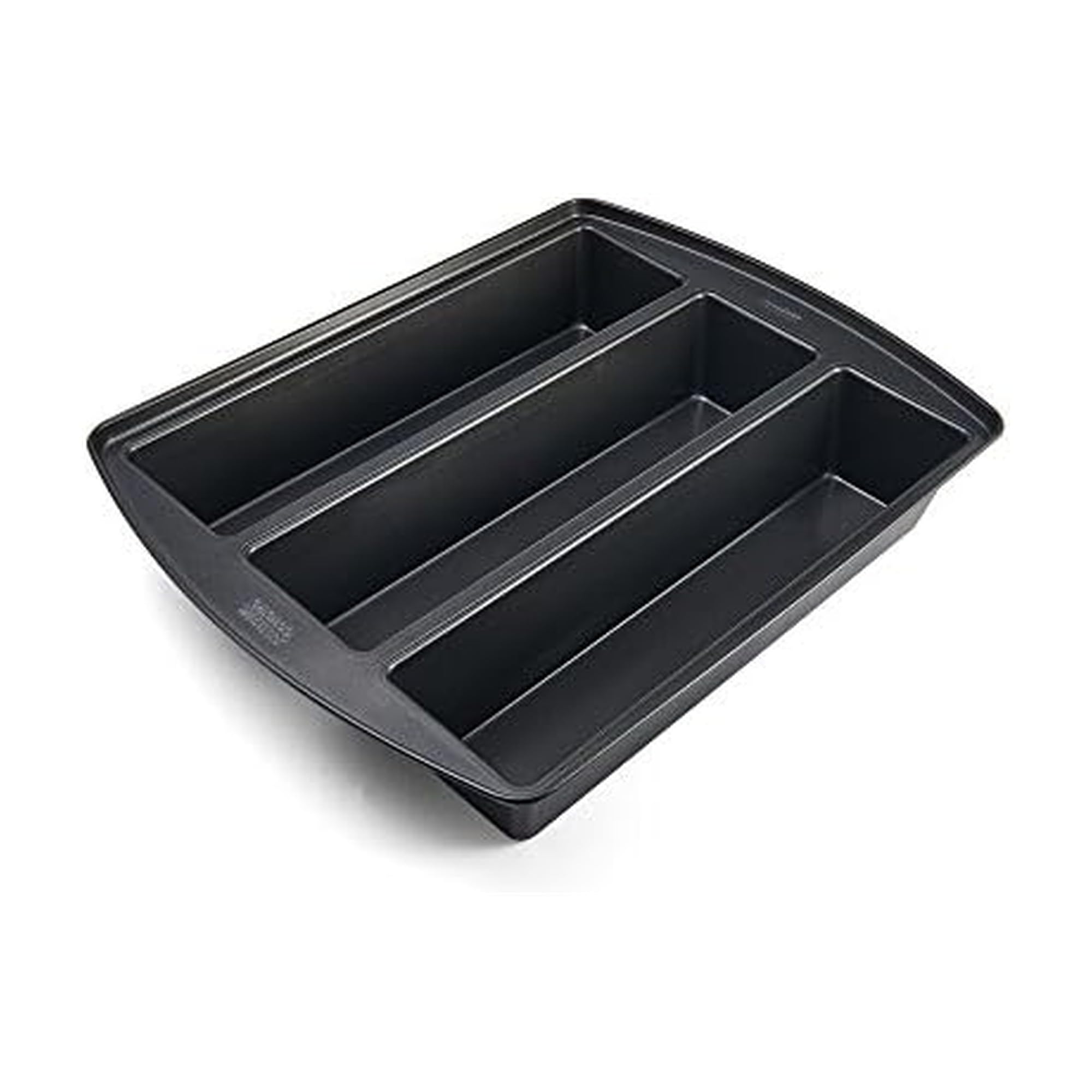
I reached for this when I wanted portioned servings or to bake multiple loaves and casseroles in a single go.
Why I picked it: Unique three-channel design for simultaneous portions and sturdy construction.
Best for: Meal prep, portioned dinners, and baking multiple loaves at once.
A sensible midrange buy for people who want a specialty pan.
Pros
- Three deep channels for neat portions
- Sturdy, heavy-duty feel
- Nonstick coating eases serving
- Even heat conduction to 450°F
Cons
- Very heavy to handle
- Channels may require noodle trimming
- Not ideal for one large lasagna
My take
This pan feels substantial in hand—very heavy and solid—so I treat it like a long-term tool rather than disposable bakeware.
The three channels simplify portioning and make it easy to bake three small loaves or three different lasagnas at once; I used it for loaves and they baked evenly without changing my usual bake time.
Greasing the wells first pays off; the nonstick helps but I still finish pieces with a thin spatula to keep presentation tidy.
Cleanup is straightforward: it's dishwasher-safe, but I preferred gentle hand washing to preserve the coating.
2. DOWAN 9×13 Ceramic Casserole Dish – Best Classic Ceramic
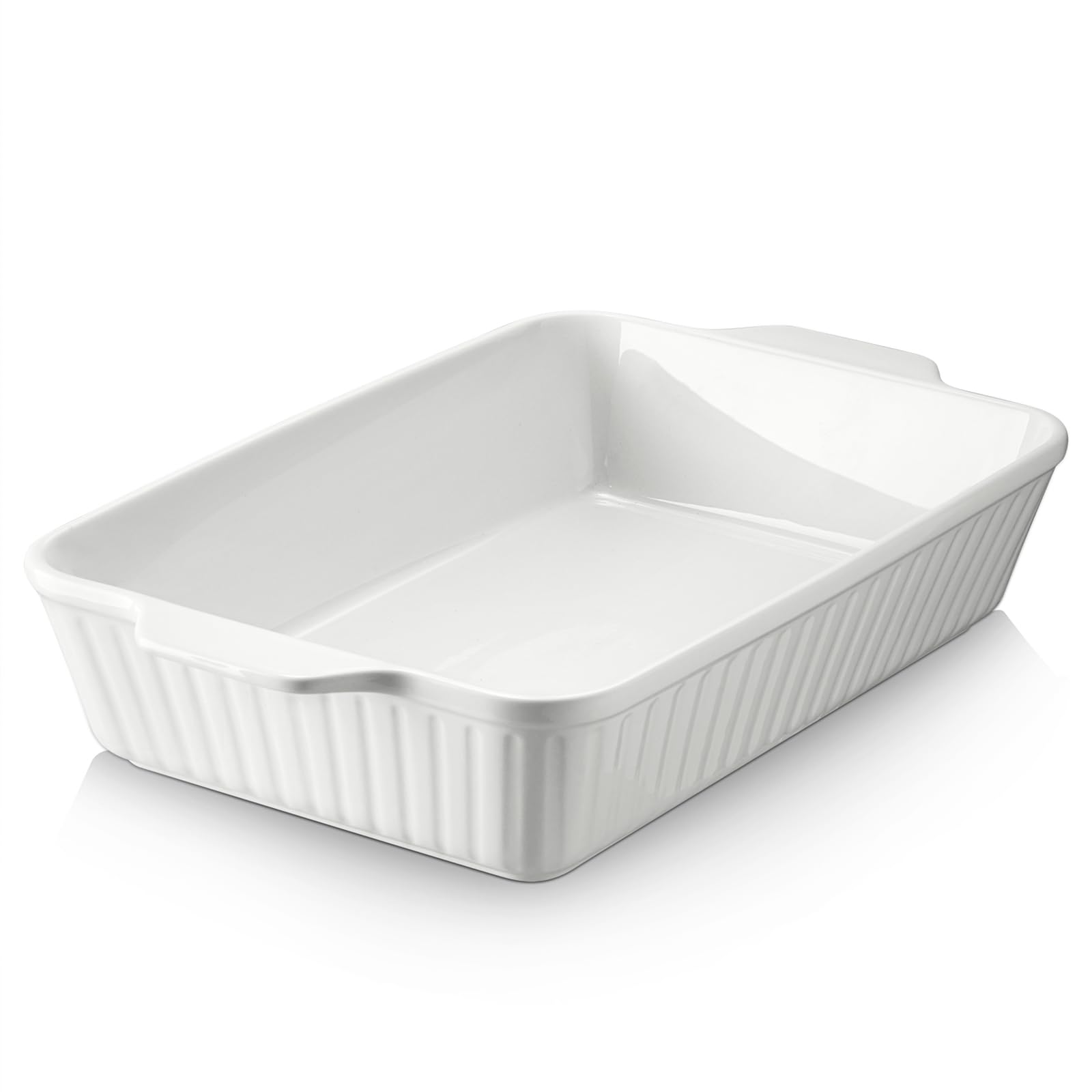
I used this when I wanted an oven-to-table dish that looks good and holds a generous amount.
Why I picked it: Deep capacity, comfortable handles, and a smooth glaze that cleans easily.
Best for: Casseroles, lasagna, and family meals served straight from the oven.
An affordable ceramic choice that performs like pricier stoneware.
Pros
- Deep capacity for multi-layer casseroles
- Double handles for safe carrying
- Oven-safe up to 500°F
- Lead-free, pro-grade ceramic
Cons
- Very heavy when full
- Can chip if dropped
My take
I appreciated the wide handles; lifting this hot, full pan felt secure even with pot holders.
Food baked evenly and the dish kept dishes warm on the table longer than thin metal pans.
It’s hefty—so be mindful when moving it from oven to sink—and I hand washed it most of the time to protect the glaze.
The soft white finish looks great for serving and hides minor stains better than darker glazed ceramics did in my kitchen.
3. Pyrex 9×13 Glass Baking Dish with Lid – Best for Storing Leftovers
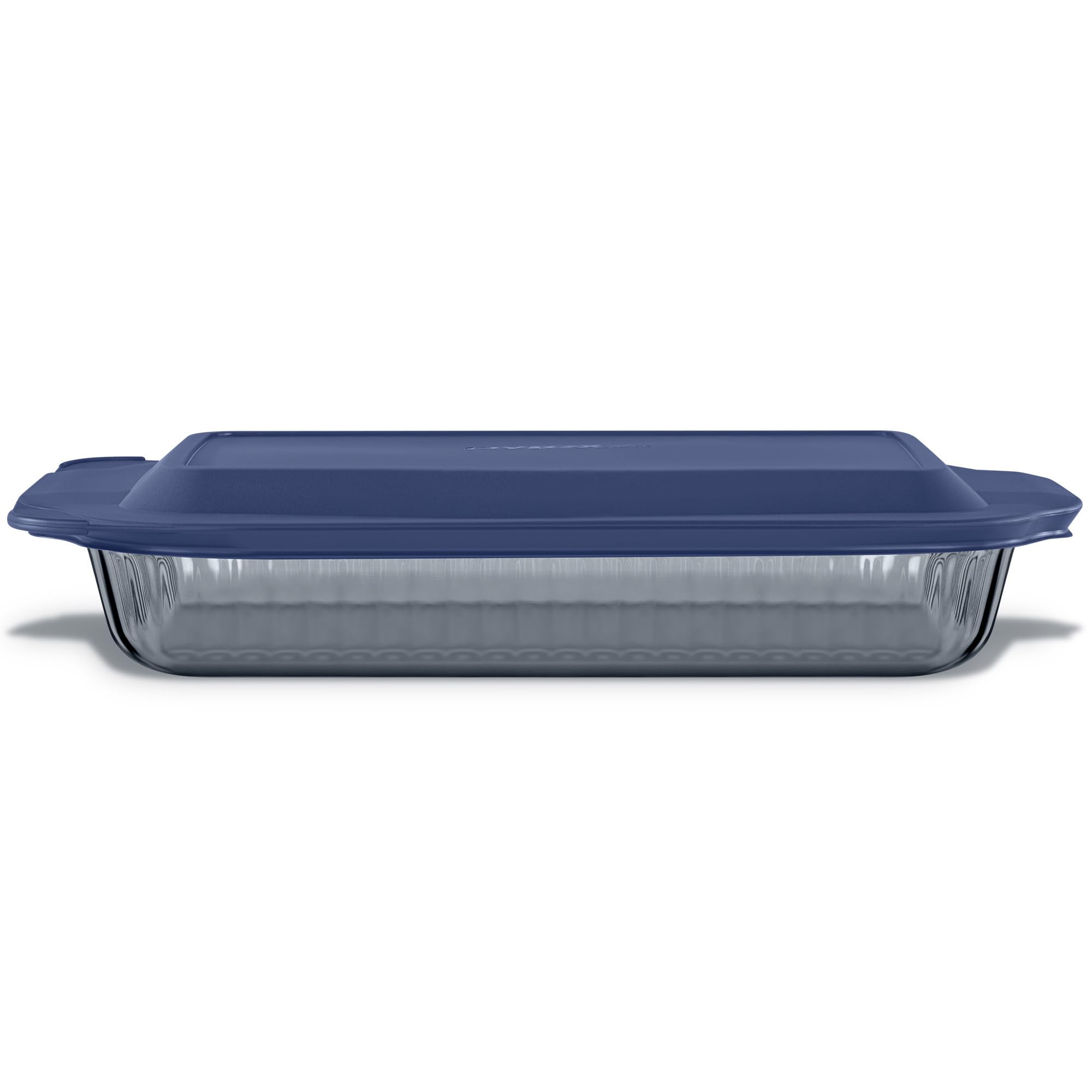
I picked this for recipes where I wanted oven performance plus airtight storage and easy reheating.
Why I picked it: Tempered glass that goes from oven to table with a tight-fitting BPA-free lid.
Best for: Cooking, storing, and reheating leftovers or make-ahead lasagnas.
A practical, budget-friendly option for multifunctional use.
Pros
- Tempered glass for even heating
- Includes tight-fitting BPA-free lid
- Oven-to-freezer-to-microwave convenience
- Non-porous and stain-resistant
Cons
- Shallower than some deep pans
- Plastic lid can be stiff at first
My take
This Pyrex dish is my go-to when I want to bake and store without transferring to another container; the lid seals tightly and makes refrigerating or freezing simple.
The tempered glass handled going into a preheated oven fine and produced even browning, though it is not as deep as metal or some ceramics—better for thinner lasagnas and casseroles.
Cleanup is easy: no lingering odors or stains, and the lid is top-rack dishwasher safe once it loosens up from initial snugness.
4. Rachael Ray 9×12 Ceramic Baker – Best for Serving Style
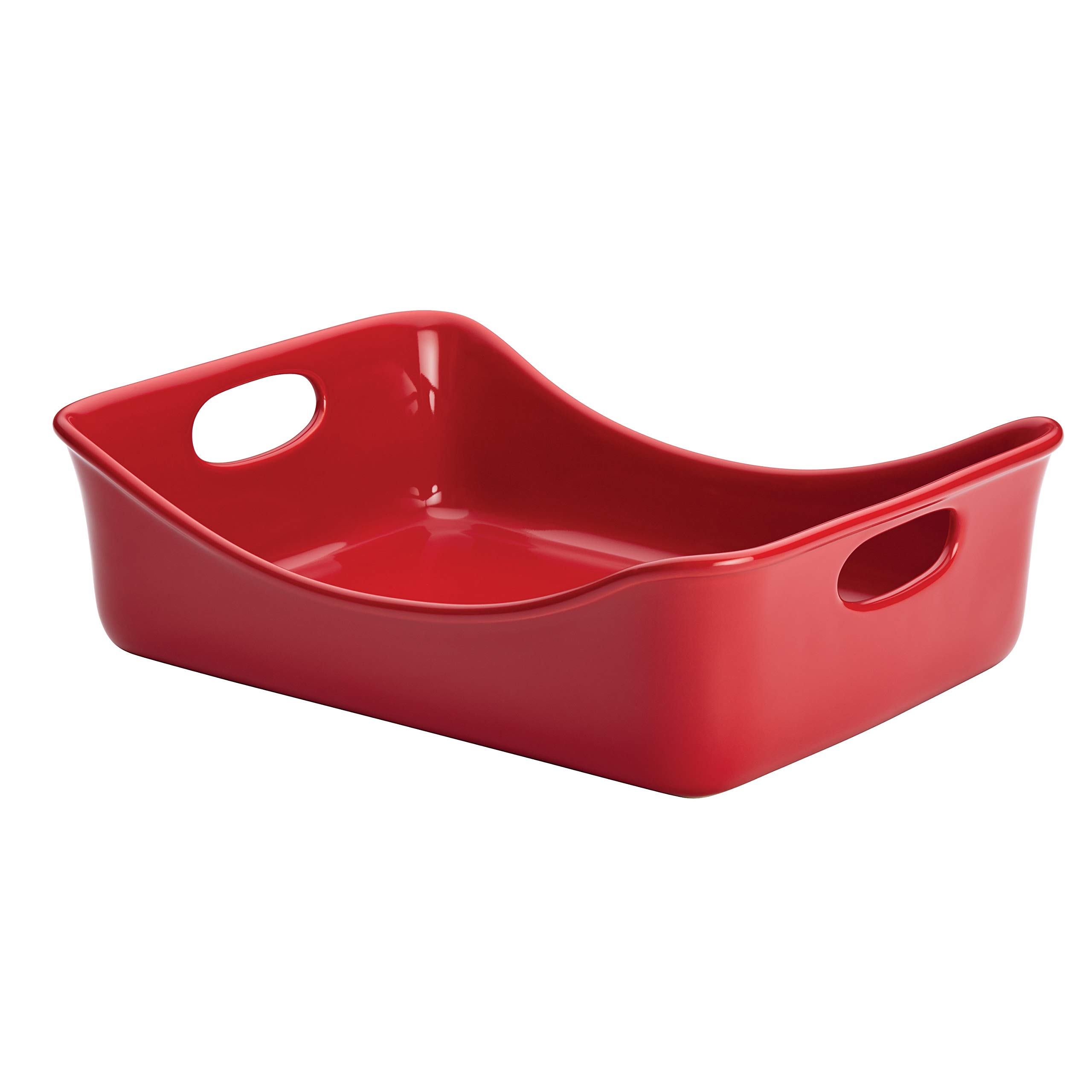
I use this when appearance matters as much as function—bright color and wide handles make it table-ready.
Why I picked it: Eye-catching glaze plus large handles for confident oven-to-table service.
Best for: Entertaining, family dinners, and recipes you plan to serve directly from the dish.
A stylish midrange ceramic that doubles as serveware.
Pros
- Vivid glaze for attractive presentation
- Extra-wide handles for a firm grip
- Glazed interior helps prevent sticking
- Oven-safe to 500°F
Cons
- Thicker, slightly heavy construction
- Ceramic can break if dropped
My take
This Rachael Ray baker looks great on the table; I liked how guests served themselves without needing a transfer plate.
The wide handles give me confidence when lifting a full pan, though I still support the base when crossing the kitchen.
It held heat well and cleaned easily in warm soapy water; I avoided abrupt temperature changes and always let it cool before washing.
5. P&P CHEF Stainless Steel Lasagna Pan – Best Stainless Steel
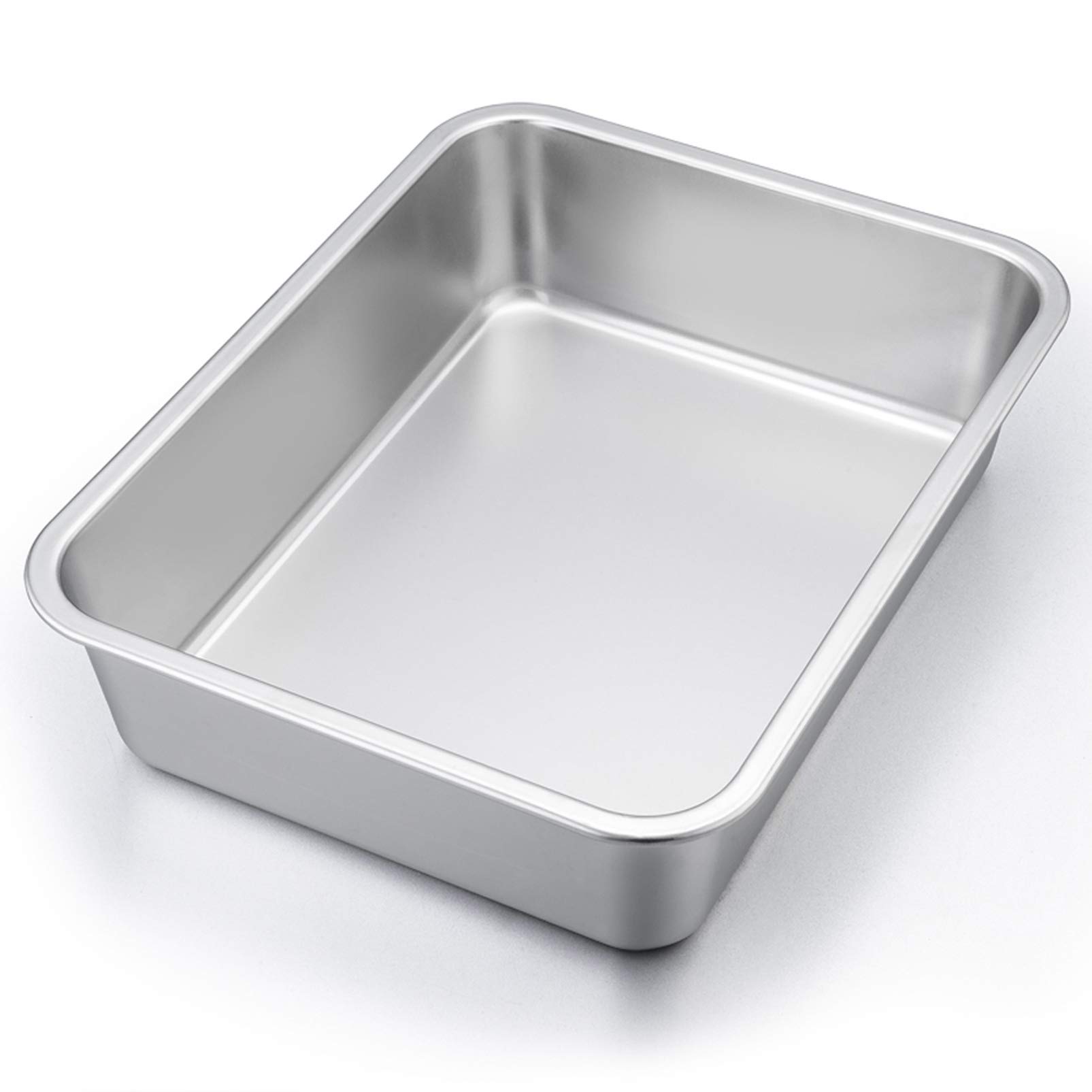
I reach for this when I want an uncoated, tough pan that won’t flake or warp over time.
Why I picked it: 18/0 stainless construction gives long-term durability without nonstick coatings.
Best for: High-heat cooking, roasting, and cooks who prefer uncoated steel.
A durable, value-focused steel option.
Pros
- Uncoated stainless steel—no flaking
- Heavy-duty feel and durability
- Dishwasher-safe construction
- Deep rim for generous portions
Cons
- Not nonstick—needs oil or spray
- Requires a bit more scrubbing
- Can be heavy to lift
My take
This stainless pan is my pick whenever I want something I can abuse a little—no worries about coatings peeling off into food.
Food browns nicely and the weight helped with even cooking in my tests; I often soak briefly in hot soapy water to lift stuck bits.
It’s not nonstick, so I use a light oil spray or butter to prevent sticking; the payoff is a pan that looks and performs like new after careful drying.
6. MALACASA 9×13 Ceramic Casserole Dish – Best Deep Ceramic
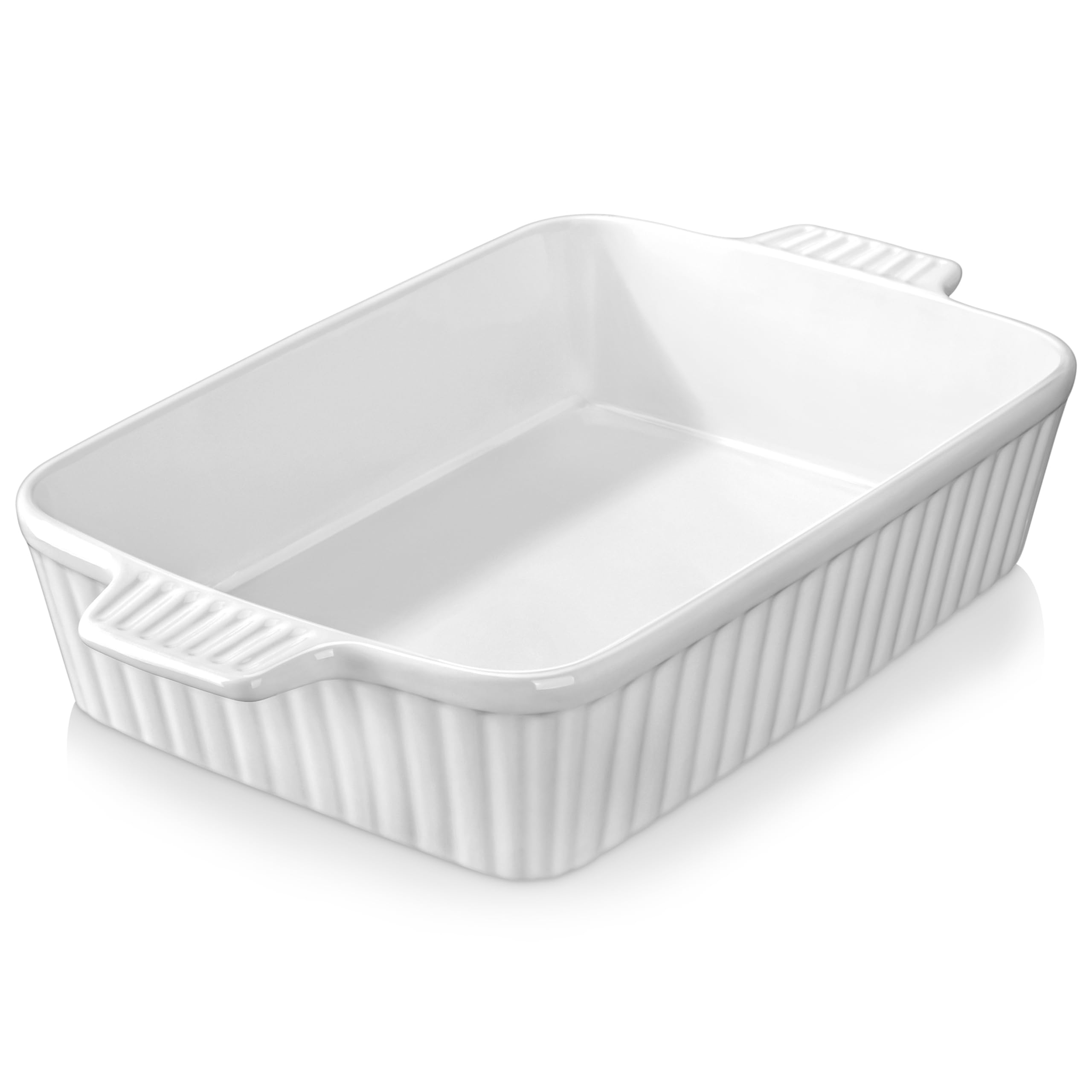
When I need extra depth for tall, multi-layer lasagnas, this pan gave me the room I wanted.
Why I picked it: Straight-sided, deep design that prevents overflow and holds more layers.
Best for: Deep lasagnas, layered casseroles, and dishes prone to bubbling over.
A reliable midpriced ceramic with generous capacity.
Pros
- Deep straight-sided capacity
- Lead- and cadmium-free ceramic
- Good grip handles for safe carrying
- Glazed for easy cleaning
Cons
- Quite heavy when filled
- Not safe for direct stovetop use
My take
This pan saved my oven from spills—the depth kept sauces contained even with extra layers.
I found it heavy but reassuringly solid; two-handed lifts are best when it's hot and full.
The glaze rinsed clean easily and it handled high oven temperatures without issues, though I always let it cool fully before washing.
7. Caraway 9×13 Nonstick Rectangle Pan – Best Premium Nonstick
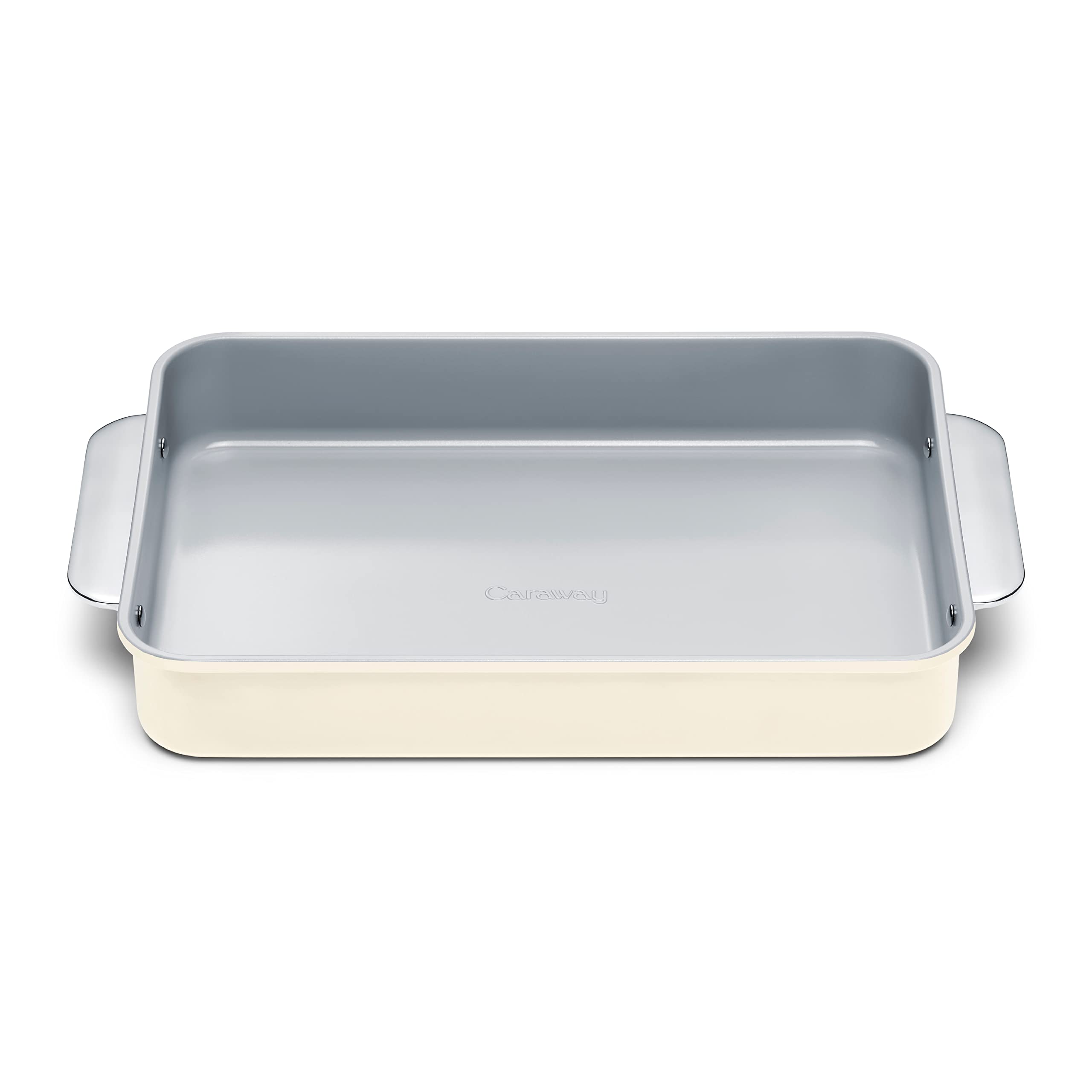
I chose this when I wanted almost-zero prep for sticky recipes and an easy cleanup routine.
Why I picked it: Naturally slick ceramic coating and higher heat tolerance for precise baking.
Best for: Anyone who prioritizes effortless release and quick cleanup.
A premium-priced pan built for performance and convenience.
Pros
- Naturally slick nonstick surface
- Non-toxic, PTFE/PFOA-free coating
- Withstands high oven temperatures
- Lightweight and easy to handle
Cons
- Avoid metal utensils
- Hand wash recommended
- Higher cost than basic pans
My take
Food slides right out of this pan with minimal greasing, and cleanup is far faster than with uncoated steel or heavy ceramic.
I respected the care instructions—no metal utensils and hand washing—and the surface has maintained its slickness across multiple uses.
It’s a splurge compared with plain pans, but for the convenience of near-instant cleanup and flawless release, I considered it worth the investment for busy kitchens.
How I Picked the Best Lasagna Pans
Size & Depth
I prioritize depth when I’m building tall, multi-layer lasagnas; a shallow pan works for thinner casseroles but can overflow.
Measure your oven and any small countertop ovens before buying—some 9x13s are deeper or wider than others, and not all fit in every appliance.
- Deep pans (3" or more) prevent boilovers and allow multiple layers.
- If you want portion control, consider divided pans like the Trio.
Material Matters
I match the material to the job: metal for faster browning, ceramic for presentation and heat retention, glass for storage, and high-quality nonstick for easy release.
Be aware of care differences: stainless tolerates rougher handling, ceramic and glass are heavy and can chip, and nonstick coatings need gentler utensil choices.
- Metal—fast heating and durable, but often needs greasing.
- Ceramic—beautiful for serving and keeps food warm longer.
- Glass—best when you need a lid and storage convenience.
- Nonstick—easiest cleanup, follow care instructions to maintain the surface.
Handles, Lids, and Practical Features
I value wide, comfortable handles when a full pan becomes heavy; they reduce the risk of spills and burns.
A tight-fitting lid changes how I use a pan—if I plan to refrigerate or freeze leftovers in it, a lid is a huge convenience.
- Handles—look for roomy grips that clear pot holders.
- Lids—ideal for storage and transport.
- Dishwasher-safe labeling is helpful, but hand washing often preserves finish longer.
Cleaning and Longevity
I avoid pans with fragile coatings unless I’m prepared to treat them gently. Uncoated stainless or tempered glass tends to stay useful with minimal fuss.
For nonstick pans, I use silicone or wooden tools and hand wash to extend life.
- Soak baked-on food in hot water for easier cleaning.
- Avoid thermal shock with ceramic and glass—let cool before washing.
Frequently Asked Questions
Can I use a glass lasagna pan in a preheated oven?
Yes—I’ve used tempered glass dishes straight into a preheated oven without issues, but I avoid sudden temperature changes and follow the manufacturer’s temperature recommendations.
Which pan gives the best browning?
Metal pans usually brown faster; I reach for stainless or alloy pans when I want crisp edges and deeper color.
Are nonstick pans worth the extra care?
For me, nonstick pans save time and reduce waste from stuck food. I accept the care rules—no metal utensils and hand washing—to keep them performing.
Final Take
I kept coming back to one simple idea: pick the material and features that match how you cook. I use the Trio when I want portioned meals, ceramic when I want an attractive oven-to-table piece, glass when storage matters, and stainless when I need indestructible performance.
If you want a single pan that balances most needs, I recommend choosing based on depth and whether you need a lid or wide handles. I use a mix of these in my kitchen and each one earns its place depending on the recipe.
