
I tested a range of gutter guards—aluminum panels, stainless micro-mesh, painted covers, and lock-in mesh—to find options that actually keep leaves out, survive storms, and are realistic for DIY installs.
I chased down the leaf-guard solutions that actually work without adding contractor-level cost or yearly maintenance. Over several installs and seasons I evaluated build quality, how each system handles heavy rain and debris, installation effort, and long-term durability.
This roundup includes lightweight samples I used to verify fit, contractor-grade stainless micro-mesh I installed across multiple runs, heavy-gauge painted aluminum covers I put on a large ranch home, and lock-in expanded mesh I cut and shaped around tricky trim. I’m sharing what I’d buy again and where each option makes the most sense.
I compared materials (aluminum, stainless micro-mesh, powder-coated steel), ease of DIY installation, drainage performance in heavy rain, and long-term durability. I prioritized systems that tolerated real leaves, roof grit, and wet conditions while remaining maintainable from a ladder.
1. A-M Heavy-Duty Aluminum Gutter Guard (sample) – Best Sample & Heavy-Gauge Option
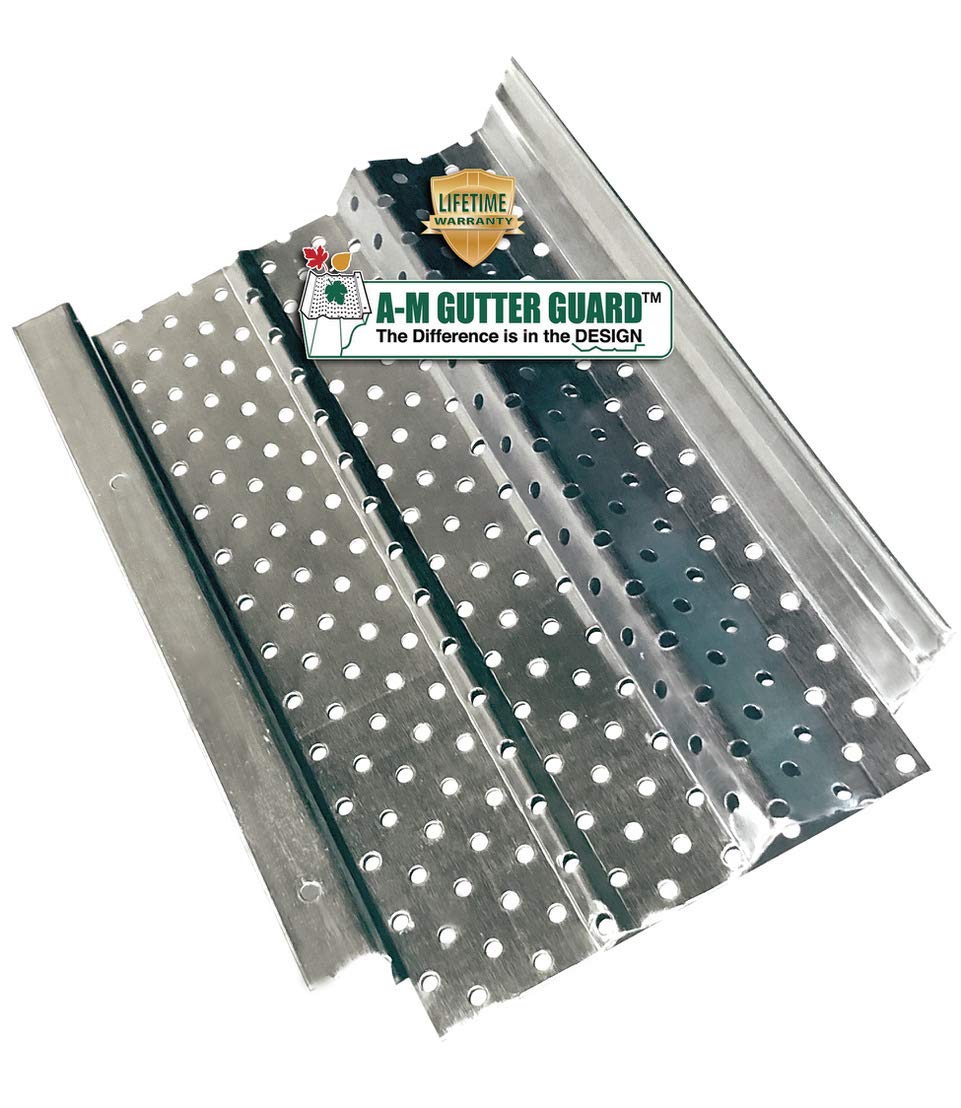
I valued this heavy .018 industrial-gauge aluminum sample for its solid feel, near-invisible look from the ground, and simple tabbed installation for seamless runs.
Why I picked it: Heavy gauge construction, lifetime corrosion warranty, and easy DIY fit for 5" gutters.
Best for: Homeowners testing fit and finish before committing to full runs.
Affordable sample option for testing fit and finish before buying larger quantities.
Pros
- Sturdy industrial .018 gauge aluminum
- Virtually invisible from ground level
- Tabs make seamless joints simple
- Designed for heavy downpours
- Made in the USA
Cons
- Sample pieces are short length
- Requires specific #8 zip screws
- Occasional bent overlap tabs in shipping
My take
I installed the A-M sample pieces across several 5" gutter sections to check fit before ordering more. The aluminum feels weighty and reinforces the gutter lip when seated.
Installation was straightforward: slip the back under the shingles, engage the front lip, and screw through the tabs. I used 1/2" #8 zip screws (not included) and appreciated the pre-formed tabs for clean overlaps.
In heavy storms the perforation pattern handled water flow well; leaves and pine needles stayed mostly out while rainfall went straight through. From the ground the guards are nearly invisible, which mattered for our house’s curb appeal.
If you want to preview material and fit, these short lengths are perfect. Expect to straighten a few bent tabs from shipping on arrival, but otherwise the design and longevity feel like a serious upgrade.
2. Raptor Stainless Steel Micro-Mesh Gutter Guard – Best for Filtration & Heavy Rain
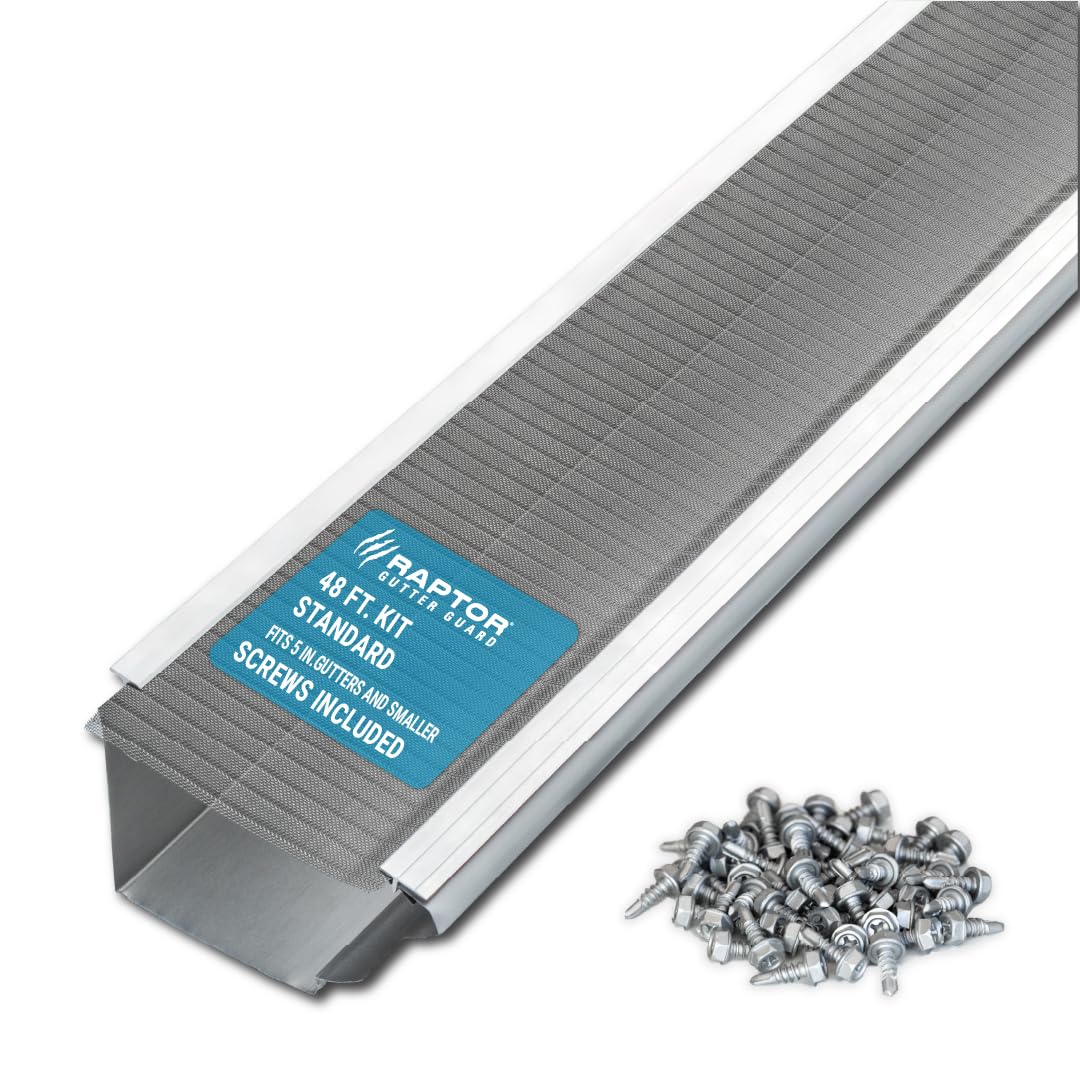
I turned to Raptor when I needed fine filtration and rock-solid durability; the micro-mesh keeps grit and pine needles out while surviving heavy downpours.
Why I picked it: Micro-mesh filtration and V-bend rigidity that stands up to heavy rain.
Best for: Properties with lots of roof grit, pine needles, or heavy rainfall.
A more premium, contractor-grade choice for long-term protection.
Pros
- Stainless micro-mesh filters fine debris
- V-bend adds strength and rigidity
- Includes self-tapping screws
- WUI and NSF compliant
- Handles torrential rain
Cons
- Mesh ends can arrive bent
- Occasional need to add more screws
- Requires careful handling during install
My take
I installed this stainless micro-mesh across a long run and appreciated how the mesh kept even fine roof grit and small needles out of the troughs. Water flow stayed strong during storms.
The V-bend and trough design stiffened long sections so they didn’t sag, and the included screws made the initial install go faster. I did have to straighten a few bent mesh ends after unpacking to get clean overlaps.
It’s a product I’d pick when filtration is the priority—on homes surrounded by tall trees or where I plan to collect cleaner rainwater. Installation takes some patience but the low maintenance payoff has been real for me.
3. FlowGuard Aluminum Gutter Cover – Best for Full-Home Coverage
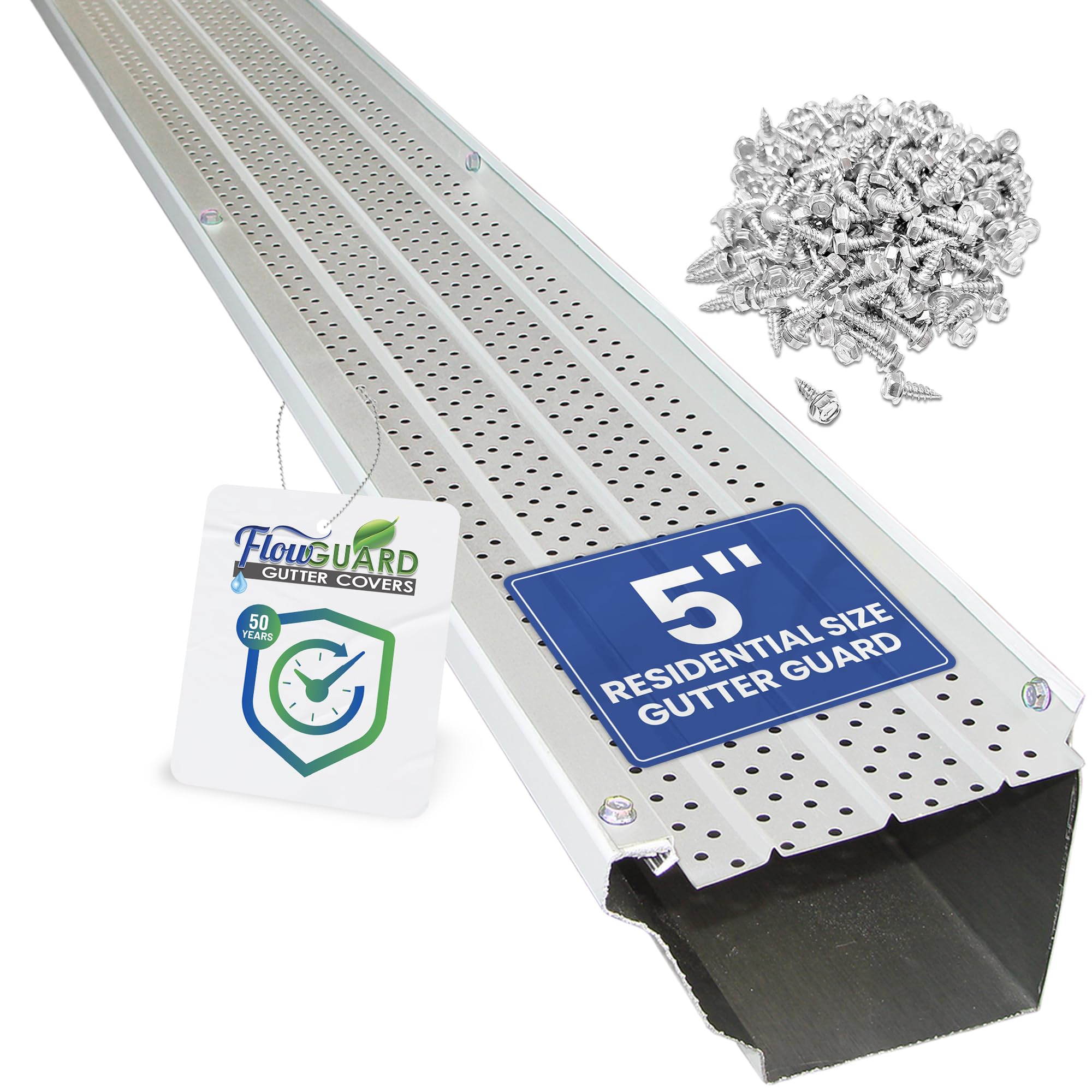
FlowGuard’s heavy .018 painted aluminum and 3-point design gave me confidence across long eaves; it’s flexible to work around corners and I found it especially effective at shedding wet debris.
Why I picked it: Full-length coverage, 3-point design to lift debris, and long warranty for peace of mind.
Best for: Large homes or full-home installs where durability matters.
A mid-to-premium option that replaces contractor quotes affordably when DIYed.
Pros
- Heavy .018 painted aluminum
- 3-point design prevents debris adhesion
- Dual interlocking ends for continuous runs
- Stainless screws included
- Does not void roof warranties
Cons
- Requires cutting and fitting at corners
- Takes time on long runs
- Color matching may vary
My take
I used FlowGuard for a long rear run on a ranch-style home and liked how the dual interlocks created a continuous surface. The panels are stiff yet flexible enough to trim and miter at corners.
The 3-point elevation design lifts wet leaves so they don’t cling to the surface; on multiple rainy days I watched debris wash off or blow away without obstructing flow.
Installation does require patience—measuring, cutting with tin snips, and fastening with the supplied stainless screws—but the result felt like a professional-grade cover at a fraction of contractor cost.
4. Amerimax Lock-In Expanded Mesh Gutter Guard – Best Budget Lock-In Mesh
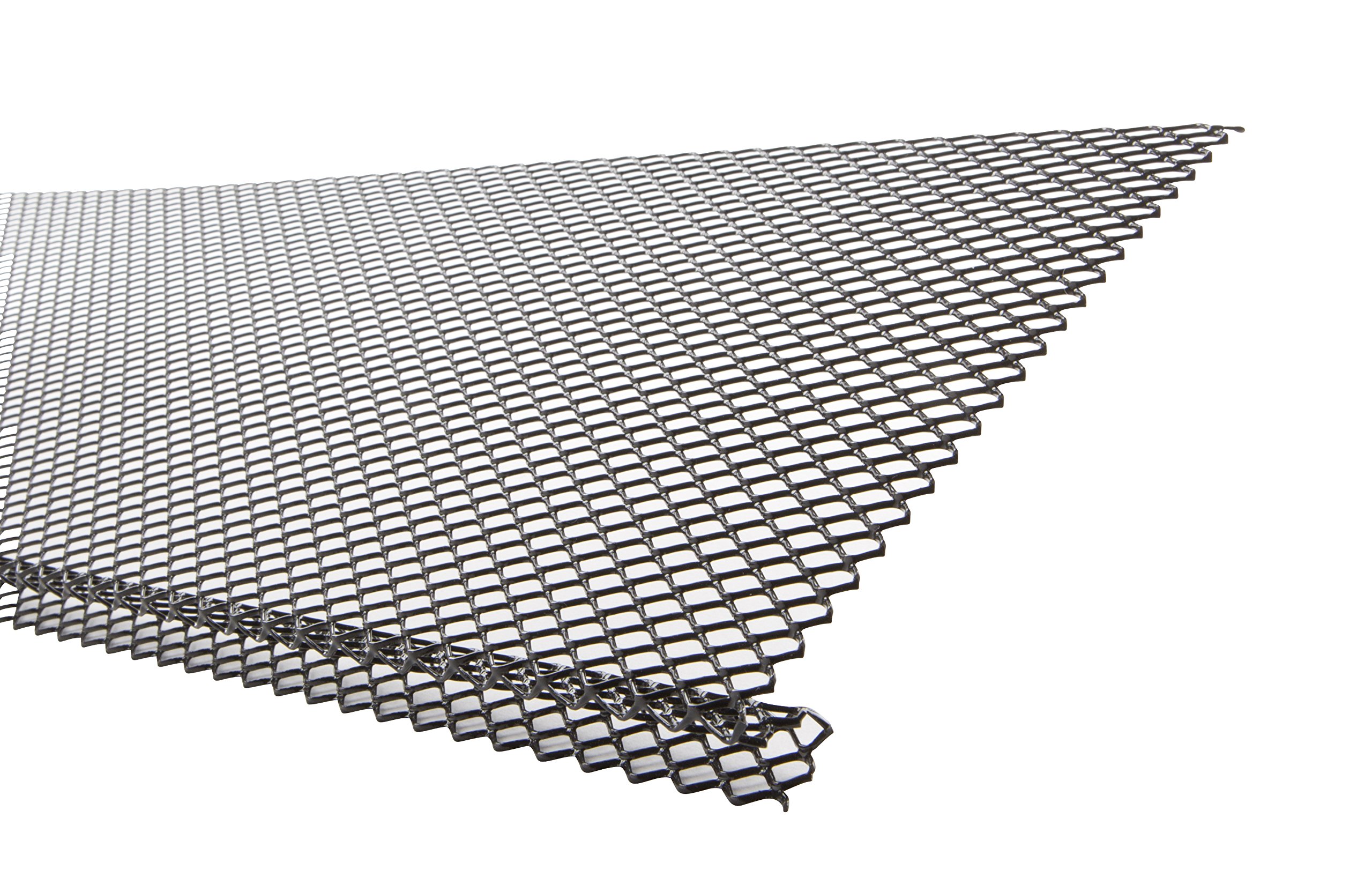
I picked this lock-in expanded mesh for its ease of cutting, compatibility with standard K-style gutters, and straightforward lock-in installation under shingles.
Why I picked it: Simple lock-in design, powder-coated steel, and easy DIY trimming.
Best for: Typical K-style gutters where budget and simple installs matter.
A budget-friendly option that balances performance and simplicity.
Pros
- Easy lock-in installation
- Tight expanded mesh keeps debris out
- Powder-coated steel resists elements
- Cuts cleanly with tin snips
- Compatible with 4–6" K-style gutters
Cons
- Width may be larger than narrow gutters
- May need spare pieces for imperfect gutters
- Not as fine as micro-mesh
My take
I installed this mesh on a single-story house and appreciated how easy it was to cut and tuck under the shingles. The lock-in curve secures to the gutter front for a tidy finish.
The expanded mesh balances rigidity and bendability; I could form it around awkward spots without sacrificing durability. After a season I found leaves stayed out and water flowed freely.
For homeowners looking for a low-cost, effective option that’s quick to install, this felt like the most straightforward choice.
How I Choose Gutter Guards
Material and Durability
I evaluate guards by material first—stainless micro-mesh, heavy aluminum, and powder-coated steel each have trade-offs. Stainless micro-mesh filters the finest grit and resists corrosion best. Heavy aluminum panels offer strength and low visibility. Powder-coated steel is budget-friendly and durable.
- Stainless micro-mesh: best for fine debris and rainwater collection
- Heavy-gauge aluminum: great for strength and aesthetics
- Powder-coated steel: cost-effective, good for most yards
Installation and Fit
I always measure gutter width and check drip-edge conditions before buying. Systems that lock into the front lip or slide under shingles will fit differently depending on your roof’s overhang and gutter profile. Prepare the right screws and basic tin snips or shears.
- Measure gutter width and linear footage before ordering
- Confirm compatibility with K-style or box gutters
- Have drill, tin snips, and the correct self-tapping screws
Performance in Heavy Rain
If you get torrential storms, I favor products with proven water-routing designs—V-bends, troughs, or larger perforation patterns that quickly shed water without allowing overflow.
- Look for V-bend or trough technology for rigidity and flow
- Micro-mesh prevents debris while letting water through
- Panels with strategic holes handle downpours well
Maintenance and Longevity
I consider how often I’ll still need to brush off roof grit, and whether the material will rust or fade. Higher-end stainless and heavy-gauge aluminum require the least ongoing attention.
- Expect occasional brushing of fine grit even with micro-mesh
- Choose corrosion-resistant materials for coastal or humid areas
- Keep a small supply of spare fasteners and overlaps
Frequently Asked Questions
Will gutter guards void my roof warranty?
From my experience and the product details here, FlowGuard explicitly states it does not void roof warranties when installed under shingles. I still recommend checking your roof manufacturer’s terms before installing anything under the shingle line.
Can I install these myself or do I need a pro?
I installed every product in this roundup myself. Most are DIY-friendly if you’re comfortable on a ladder and have basic tools—drill, tin snips, and the correct self-tapping screws. For two-story homes I advise hiring a pro for safety.
Which type is best for heavy rain and fine debris?
I reach for stainless steel micro-mesh when fine grit and heavy rain are concerns. The mesh filters small particles while V-bend designs maintain strength and flow under heavy downpours.
How should I measure and plan for purchase?
I measure total linear feet of gutter, note gutter profile (K-style, box, etc.), and add a small allowance for overlap and mistakes. Ordering a sample or shorter length first helped me verify fit before committing to full runs.
Final Take
After hands-on installs and weather tests, I’d recommend the Raptor stainless micro-mesh when fine filtration and maximum durability matter, and FlowGuard for full-home coverage with a professional feel. The A-M aluminum samples are perfect for checking fit and material, while the Amerimax lock-in mesh is my pick when budget and fast installs are priorities.
Pick the option that matches your gutter profile, rain exposure, and how much DIY time you want to invest—I’ve used all four and know when each one makes the most sense.
