
I tested a range of hood vents — universal stick-on pieces, vehicle-specific trims, and heavy-duty louvers — to find options that improve cooling or give a sharp visual upgrade without a full hood swap.
I spent time fitting and driving with six different hood vents across common cars and Jeeps to see which ones actually deliver on looks, fit, and function.
Some of these are simple stick-on trim pieces that change the visual profile of a hood, while others require cutting and hardware but return genuine airflow gains. I’ll walk you through which I’d choose depending on my goal.
I compared universal stick-on vents, vehicle-specific trim pieces, and drilled-in louvers so you can pick by ease of install, durability, and whether you want real cooling or just a styling upgrade.
1. Universal ABS Hood Air Vents (13 x 7in) – Best Budget Universal
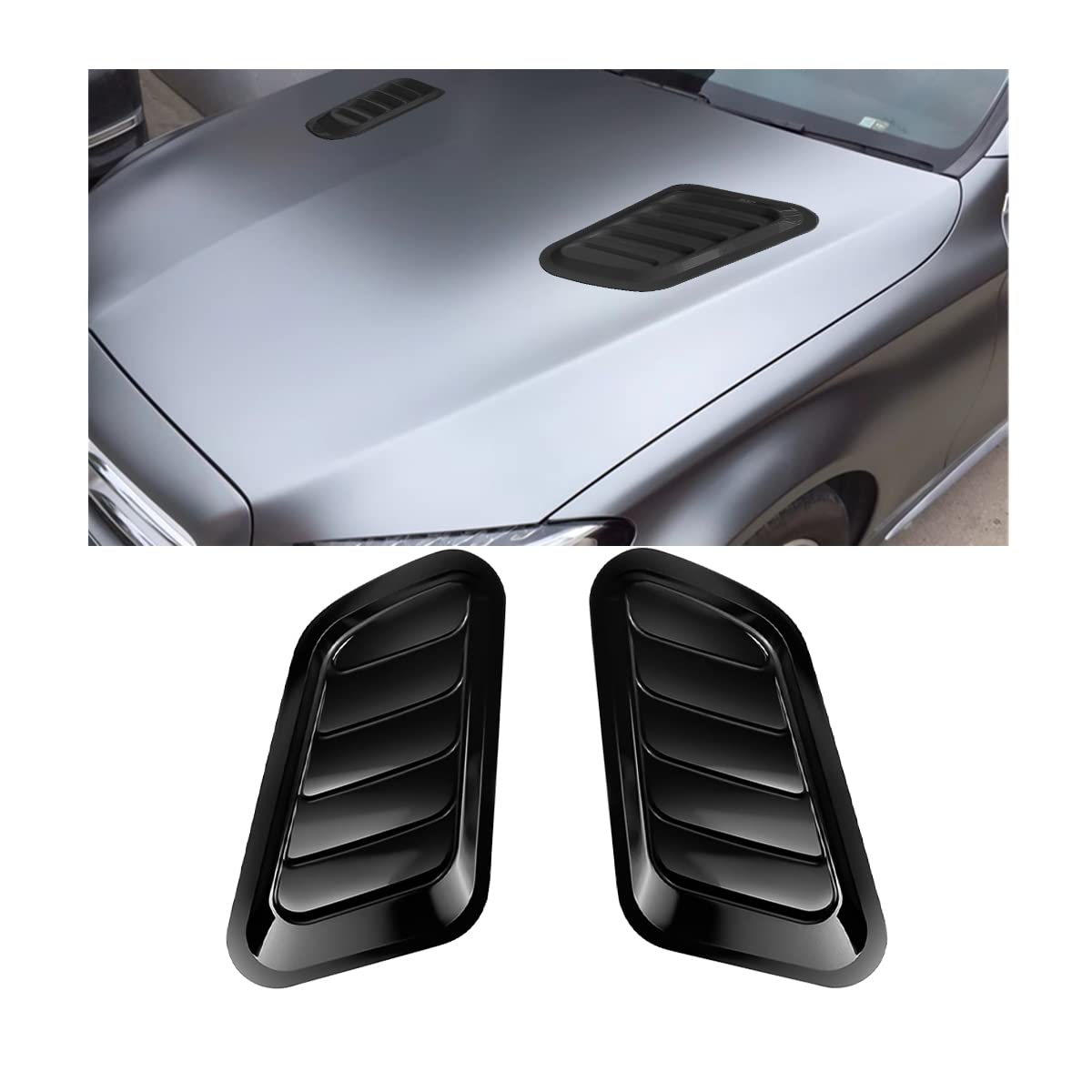
Lightweight ABS stick-on vents that deliver a sporty look and easy installation for most cars.
Why I picked it: I picked these for low cost, simple peel-and-stick installation, and universal sizing.
Best for: Someone who wants an inexpensive styling upgrade without cutting the hood.
Very affordable option for visual enhancement.
Pros
- Simple peel-and-stick installation
- Lightweight, scratch-resistant ABS
- Universal sizing for many hoods
- Withstands a wide temperature range
Cons
- Adhesive can benefit from extra tape
- Not a real airflow duct
- Alignment is critical to avoid paint lift
My take
I used these on two different cars and appreciated how quickly they change a hood’s look. The ABS material feels thicker than the cheapest trims and the pieces are light, so they don’t flap at highway speeds.
Installation really is straightforward — clean, measure carefully, peel the backing and press. I followed the maker’s advice about avoiding water for the first 24 hours and letting the adhesive cure. On one car I added a little extra automotive-grade VHB tape at the edges for peace of mind.
These aren’t vents that feed the engine; they’re cosmetic with some claim of reducing wind impact. If you want real cooling, plan on a drilled louver. If you want a durable, low-effort styling change, these are a good budget pick.
2. Korlot Matte Hood Vent Trim for Dodge Challenger – Best for Challenger Fit
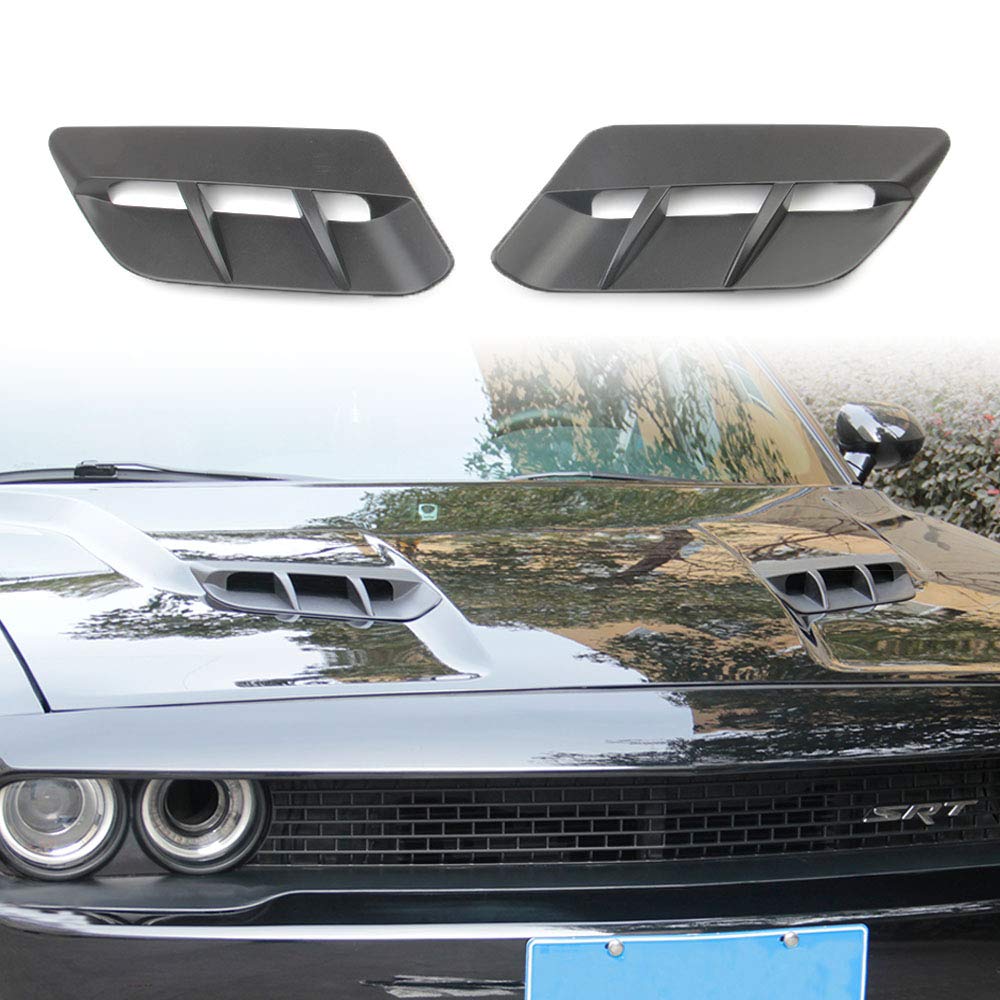
Vehicle-specific matte-black trim designed to fit 2015–2023 Dodge Challenger SXT lines with a seamless look.
Why I picked it: I picked this because it’s tailored for Challengers and gives an OEM-like finish.
Best for: Owners of 2015–2023 Challenger SXT who want a clean, fitted upgrade.
Midrange price for a model-specific trim.
Pros
- Exact fit for Challenger SXT models
- Matte finish blends with textured hoods
- Covers minor hood scratches
- Straightforward peel-and-stick install
Cons
- Adhesive benefits from prep and heat
- May require extra tape for long-term hold
My take
I installed these on a Challenger SXT and liked how they sit flush with the hood lines—when aligned correctly they look factory-installed.
My process was to clean the area with alcohol, heat the tape briefly, and use masking tape guides so both sides lined up perfectly. I also added a small amount of additional automotive-grade VHB tape on the corners for long-term security.
These are cosmetic trim pieces meant to cover scratches and add a sportier face to the hood. If you want to change the airflow path under the hood, you’ll need a functional louver instead, but for styling, these are one of the best-fit options I tried.
3. ECOTRIC Hood Louver for Jeep Wrangler TJ – Best for Cooling Performance
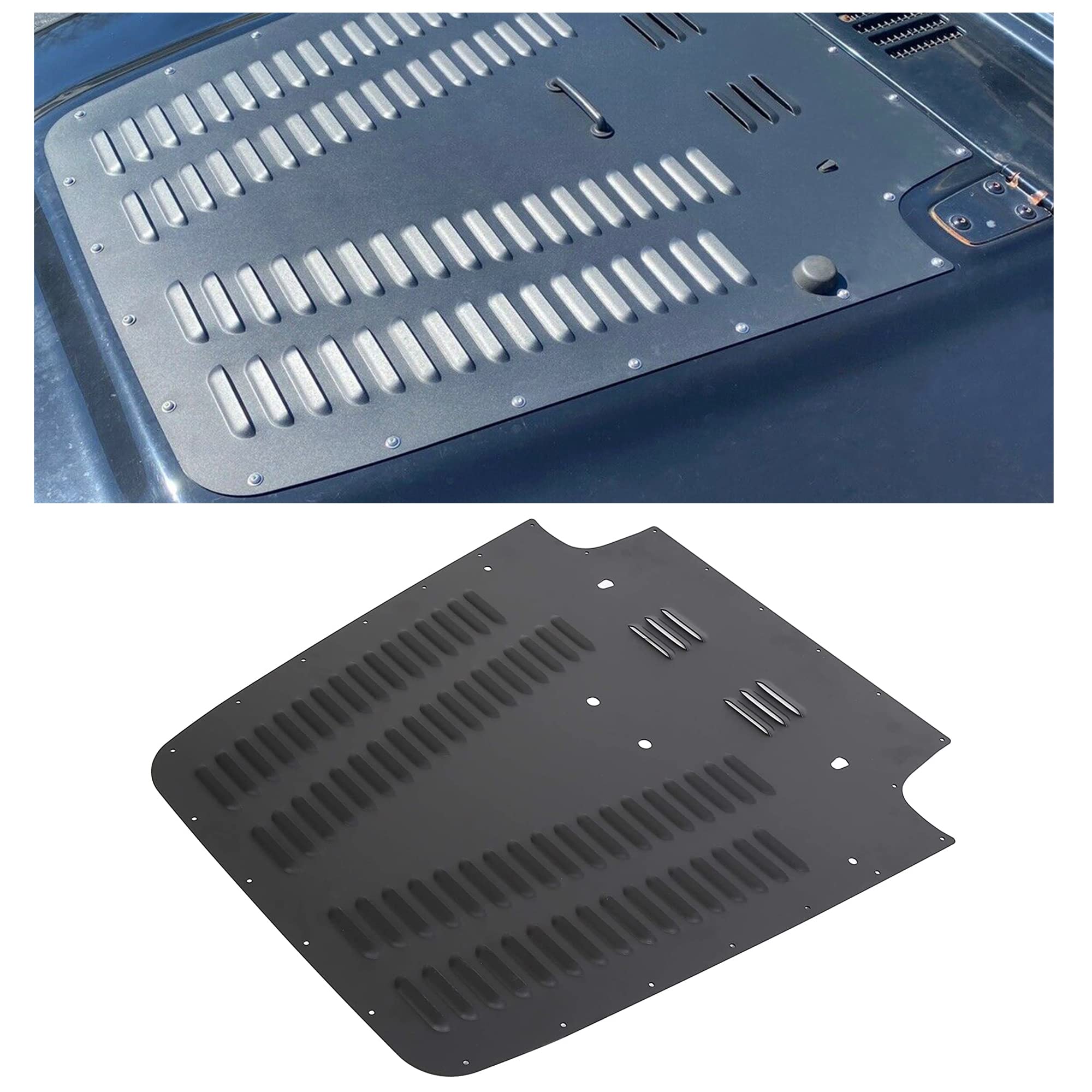
A drilled-in aluminum louver that promotes under-hood airflow and reduces heat buildup for TJ-era Wranglers.
Why I picked it: I picked it for genuine cooling benefit and heavy-gauge aluminum construction.
Best for: Jeep TJ owners who want improved engine-bay ventilation and don’t mind cutting their hood.
Higher-cost option for functional airflow and durability.
Pros
- Thick-gauge aluminum construction
- Designed to vent and reduce engine heat
- Black powder-coat finish looks rugged
- Includes stainless hardware
Cons
- Requires drilling and cutting the hood
- Some finishing cleanup may be needed
My take
This is the one I picked when I needed real airflow — the aluminum louvers actually move hot air out of the engine bay rather than just dressing up the hood.
Installation is hands-on: you’ll need to cut and drill the hood and follow the included template precisely. I used sheet screws to set the layout, finished the cut edges, then fastened with the supplied hardware for a secure fit.
The powder coat is rugged and has held up on my Jeep. A small number of parts required light cleanup before final fit, so expect to do a little bench work during install. If you’re comfortable modifying metal and want performance plus styling, this is the one I recommend.
4. Carbon Fiber Grain Hood Vent for Jeep Wrangler JK – Best for Jeep JK Styling
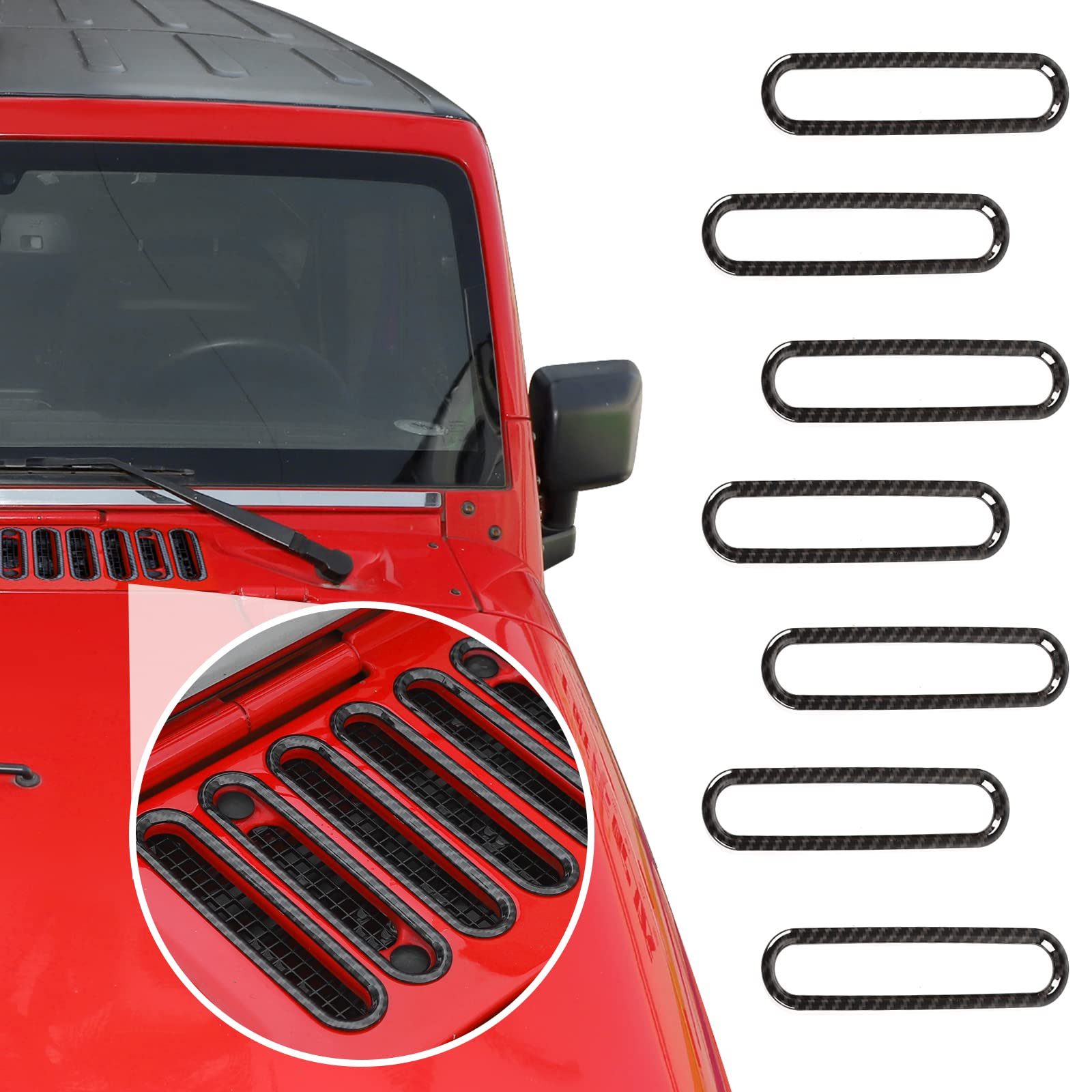
ABS vent cover with carbon-fiber grain finish made to fit 2007–2018 Wrangler JK/JKU hoods.
Why I picked it: I picked it for the carbon-fiber look without the price and for JK-specific fitment.
Best for: Wrangler JK owners wanting a subtle carbon-fiber aesthetic without cutting the hood.
Affordable styling piece with carbon-fiber appearance.
Pros
- Carbon-fiber grain finish
- Made to fit JK/JKU hoods
- Easy adhesive installation
- Lightweight ABS construction
Cons
- Backing tape is small, may need extra tape
- Not a functional vent for airflow
My take
I liked the way the carbon-fiber grain blends with my JK’s finish — it’s a visual upgrade that doesn’t scream aftermarket.
Installation is the usual double-sided 3M method: clean with alcohol, position carefully, and press firmly. I found the included tape pads are functional but somewhat small, so I reinforced the perimeter with additional VHB tape for long-term hold.
This piece is purely cosmetic. If you want genuine under-hood ventilation you’ll need a louver that requires cutting, but for a plug-and-play visual upgrade this is one of the easiest and cleanest options I used.
5. HTRACING Universal Hood Scoop Vent Cover – Best Universal Scoop
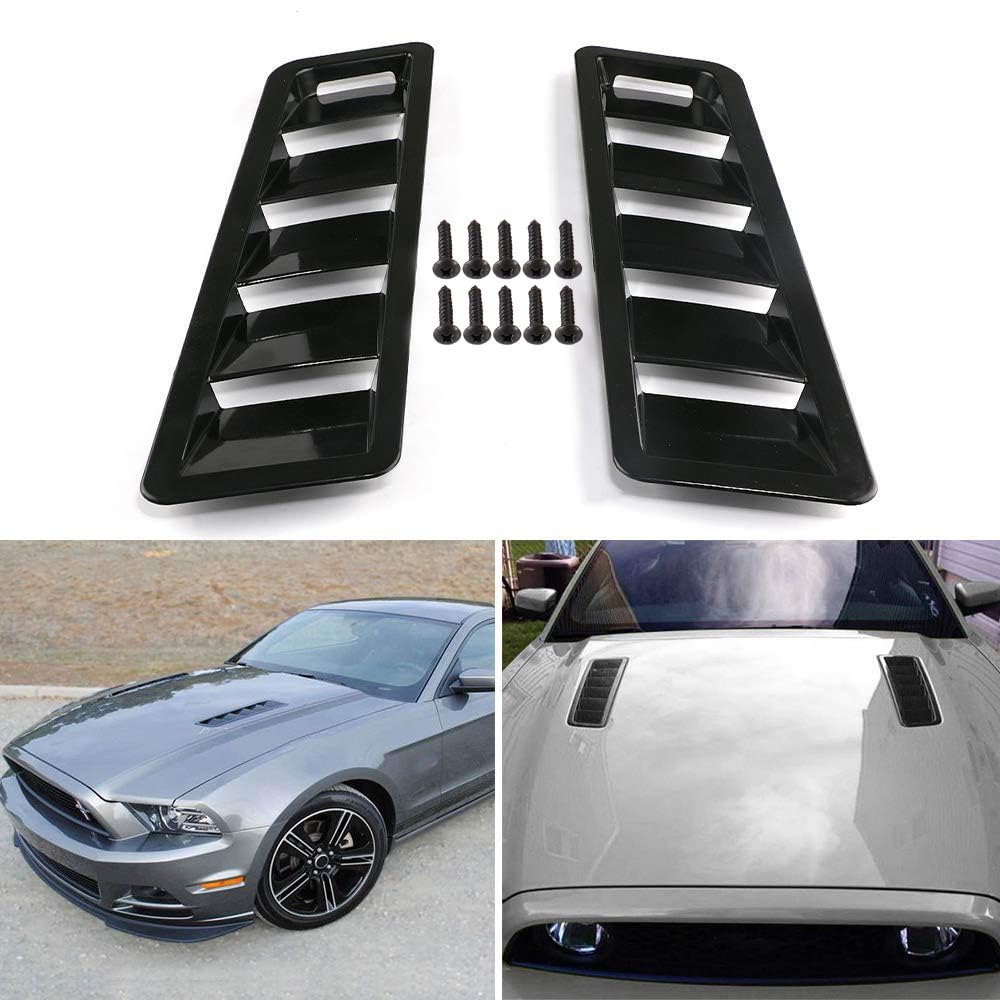
A larger universal scoop with a slatted design that may require cutting for a functional install.
Why I picked it: I picked this for its size and functional-slatted design that can be adapted to many hoods.
Best for: People who want a larger, potentially functional scoop and don’t mind modifying the hood.
Affordable, larger-format universal option.
Pros
- Louvered design for potential airflow
- Comes with tape and screws
- Universal sizing fits many hoods
- Relatively inexpensive
Cons
- Plastic can soften in hot sun
- May require cutting and hardware for fit
My take
I tried this on a few vehicles where I needed a bigger visual scoop. The slatted design lends itself to some heat relief if you cut and seal it properly, but as shipped the ABS is thinner than the drilled-in aluminum louvers.
The package includes adhesive and screws; I used the screws to anchor it after trimming to the hood profile. In very hot climates I noticed the plastic softens faster than heavier materials, so I’d recommend heat-resistant finishing or choosing a metal louver if you regularly park in direct sun.
If you want a big, showy scoop that can be made somewhat functional with cutting and sealing, this is a budget-friendly way to get that look.
6. Voodonala Hood Scoop for Dodge Challenger – Best for Color and Customization
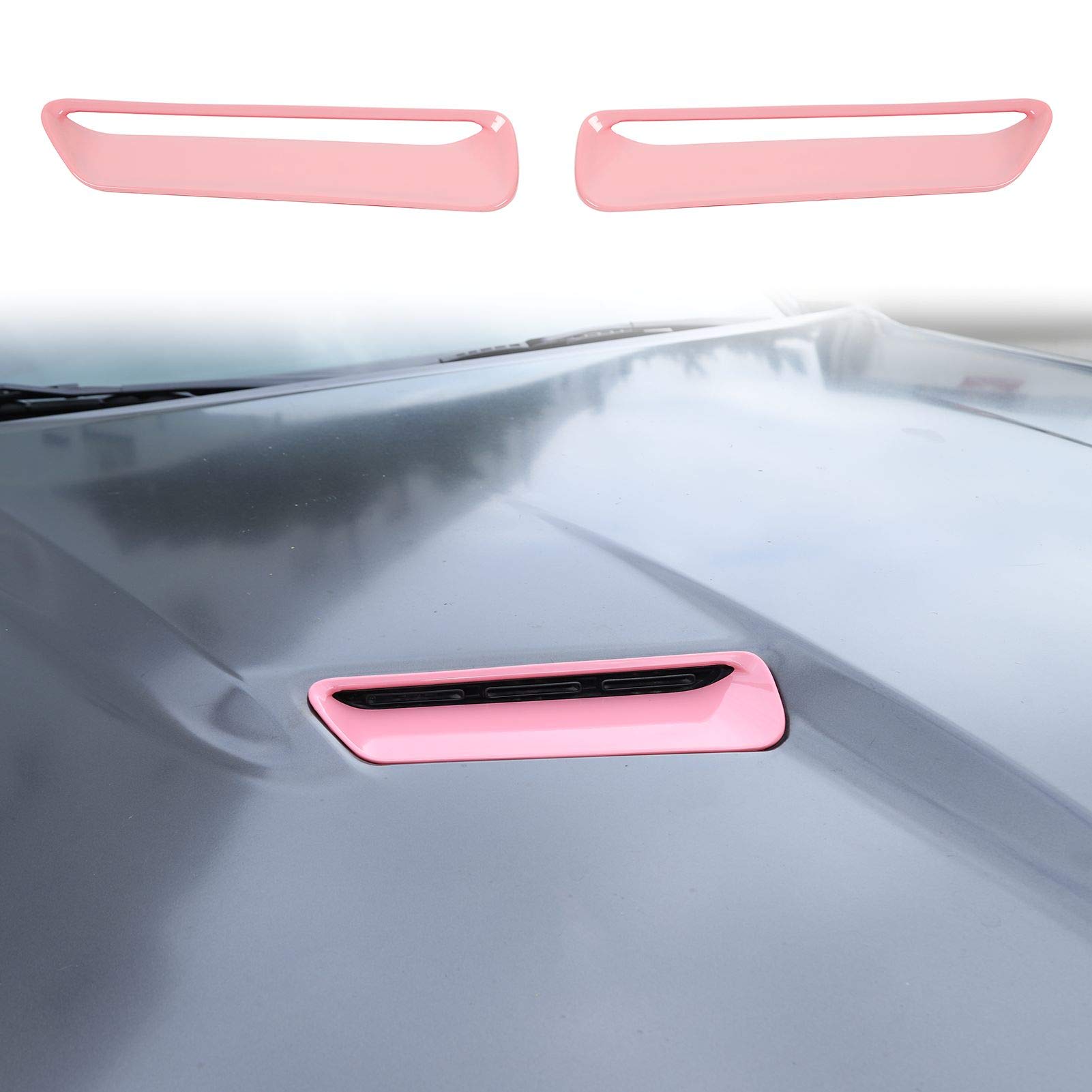
Challenger-specific ABS scoops offered in attention-grabbing colorways; good visual impact with simple installation.
Why I picked it: I picked it for bold styling options and straightforward fit on Challenger hoods.
Best for: Challenger owners who want a colorful accent or textured replacement trim.
Moderately priced trim with visual impact.
Pros
- Bold color and textured finish
- Designed for Challenger fitment
- Easy adhesive install
- Strong visual impact
Cons
- Color/finish may fade in hot climates
- Not a guaranteed airflow solution
My take
I installed these bright-textured scoops on a Challenger and got immediate visual payoff — they’re an easy way to make your hood stand out.
Installation is the standard clean, align, and press method. I followed the instructions and let the adhesive cure; on a car in hot-sun climates I saw some color fading after many months, so I coated the pieces with a clear protective layer to extend life.
These are styling pieces first. They work well as a trim replacement or accent, and they hold up fine when reinforced with extra tape or sealant, but expect some cosmetic wear if the vehicle sits in intense sun.
How I Choose Hood Vents and Scoops
Decide if you want styling or airflow
I always start by asking whether I want a purely cosmetic upgrade or genuine under‑hood ventilation. Stick-on ABS trims are great for looks and quick installs. If I need real cooling, I look for metal louvers that require cutting and hardware.
Think about your climate and driving: if I park in the sun or tow/track the vehicle, functional louvers help more than decorative scoops.
- Styling pieces: easy, non-invasive, quick install
- Functional louvers: require cutting, offer real airflow
- Choose metal for heat resistance, ABS for lightweight styling
Fitment and measuring
I check exact fitment notes for model-specific parts. For universal pieces I measure the available flat area and mock-up with tape before committing.
Templates and masking-tape guides make a world of difference during final placement; I always dry-fit and mark centerlines first.
- Use alcohol to clean the surface before applying tape
- Dry-fit both pieces to ensure symmetry
- If drilling, practice on scrap metal and follow the supplied template
Adhesives, prep, and long-term hold
I treat adhesive-backed parts as semi-permanent: prep with alcohol, heat the tape briefly for better tack, and press firmly for a minute. For long-term security I add automotive-grade VHB tape at stress points.
When installing drilled louvers, I use stainless hardware and sealant around edges to prevent corrosion and water ingress.
- Clean, dry surface is essential
- Heat the adhesive backing for stronger bond
- Reinforce corners with extra VHB tape if desired
Frequently Asked Questions
Do I need to cut my hood to install a hood vent?
Not always. I found that many ABS trims and scoop covers are stick-on and need no cutting, but functional louvers intended to vent the engine bay typically require cutting and drilling.
How do I make sure the adhesive stays put?
I clean the surface with isopropyl alcohol, let it fully dry, heat the adhesive backing briefly, and press firmly. For extra security I add automotive VHB tape at the edges or corners.
Will an ABS scoop handle hot climates?
ABS works fine in many conditions, but thin ABS can soften or fade in constant high heat or direct sun. I recommend reinforcing with better tape or a UV clear coat if your vehicle sits in hot climates.
Final Take
I picked these six hood vents to cover the main use cases: inexpensive styling, model-specific fit, and performance louvers that actually vent heat.
If I want the least hassle, I go with a vehicle-fit trim and reinforce the tape. If I need cooling, I commit to a drilled louver and proper sealing.
Use the buying guide to match your goal—style, fit, or function—and follow the prep steps so the pieces stay on and look good for years.
