
I tested popular dry rubs across smoking, grilling, and everyday kitchen use. These four blends stood out for balance, versatility, and dependable flavor whether I was building bark on brisket or seasoning roasted veg.
I spend a lot of time smoking and grilling, and a great dry rub is one of the fastest ways I get consistent, delicious results. For this roundup I focused on balance, versatility, and how each rub behaves on different proteins and cooking methods.
My testing included low-and-slow smoke sessions, high-heat searing, and quick oven roasts. I also used each rub as a finishing sprinkle and as the base for composite rubs to see how well they played with additional spices and sauces.
Below are the rubs that earned a permanent spot in my pantry, with notes on where each one shines and how I use them day to day.
I picked these rubs for how they handle heat, how they taste straight from the shaker, and how well they adapt when I mix my own custom blends.
1. Bone Suckin' Original Seasoning & Rub – Best Overall
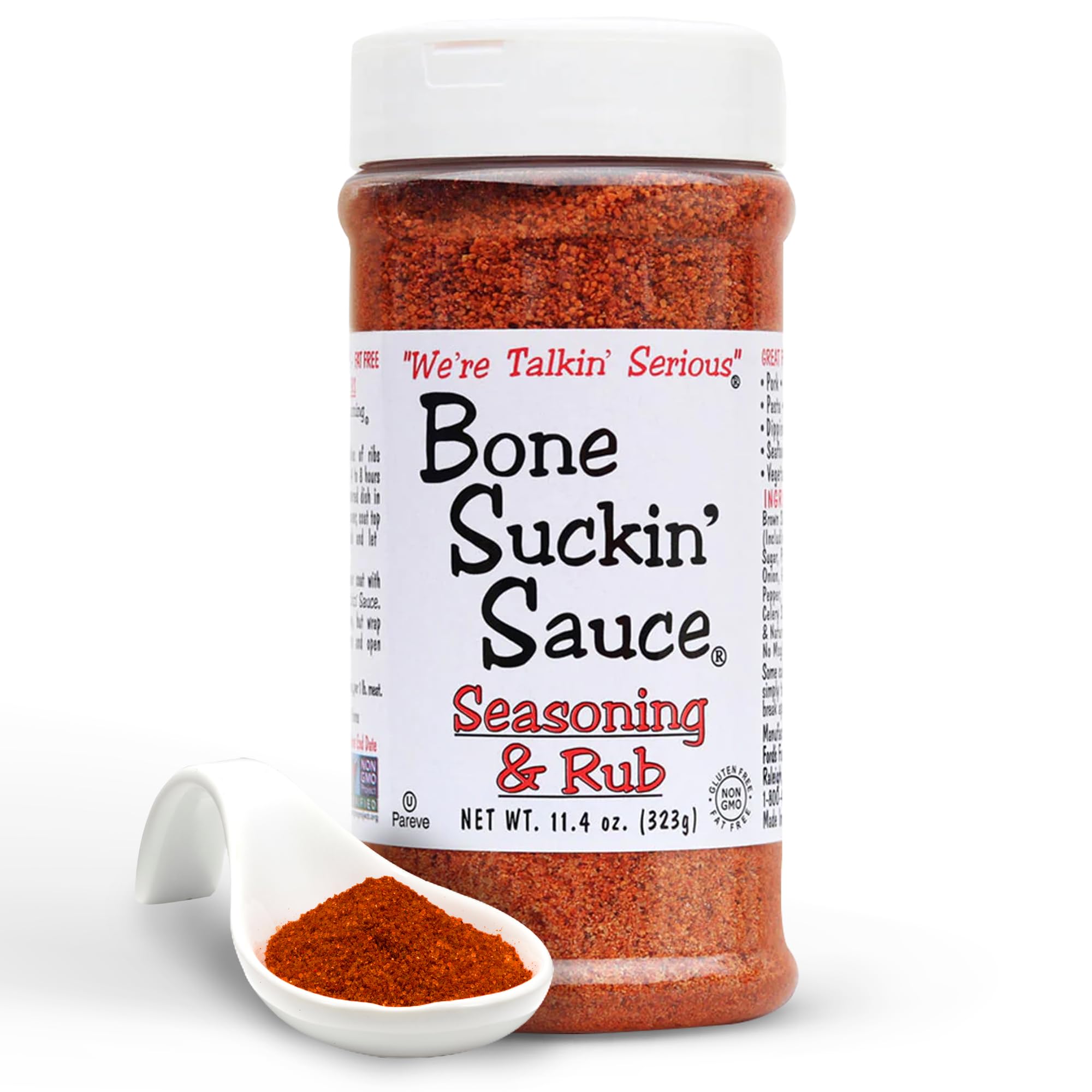
A balanced, versatile blend that I use across pork, chicken, seafood, and even popcorn.
Why I picked it: Balanced sweet-savoury profile with none of the bitter edges I often find in commercial rubs.
Best for: Finishing meats, general kitchen seasoning, and people who want one jar for everything.
Moderately priced but worth it for a multipurpose jar.
Pros
- Very balanced sweet-savoury spice
- Works on meat, seafood, veggies, popcorn
- Gluten-free, non-GMO, kosher
- No added MSG
Cons
- Jar size may feel small for heavy users
- Not overly smoky—may need pairing for intense smoke
My take
This is the jar I reach for when I want a predictable, balanced seasoned crust. The blend hits sweet and savory notes without tipping into bitterness or cloying sweetness, which makes it reliable on pork ribs and chicken.
I like using it as a finishing rub after a light marinade; it layers well and adds a clean, familiar barbecue flavor. I’ve also sprinkled it on popcorn and roasted vegetables when I wanted a quick flavor boost.
Because it’s gluten-free, non-GMO, and kosher with no MSG, I feel comfortable using it in mixed-diet gatherings. In my experience the balance here makes it the most versatile single-bottle option on the list.
2. Head Country Championship Seasoning – Best Base Rub
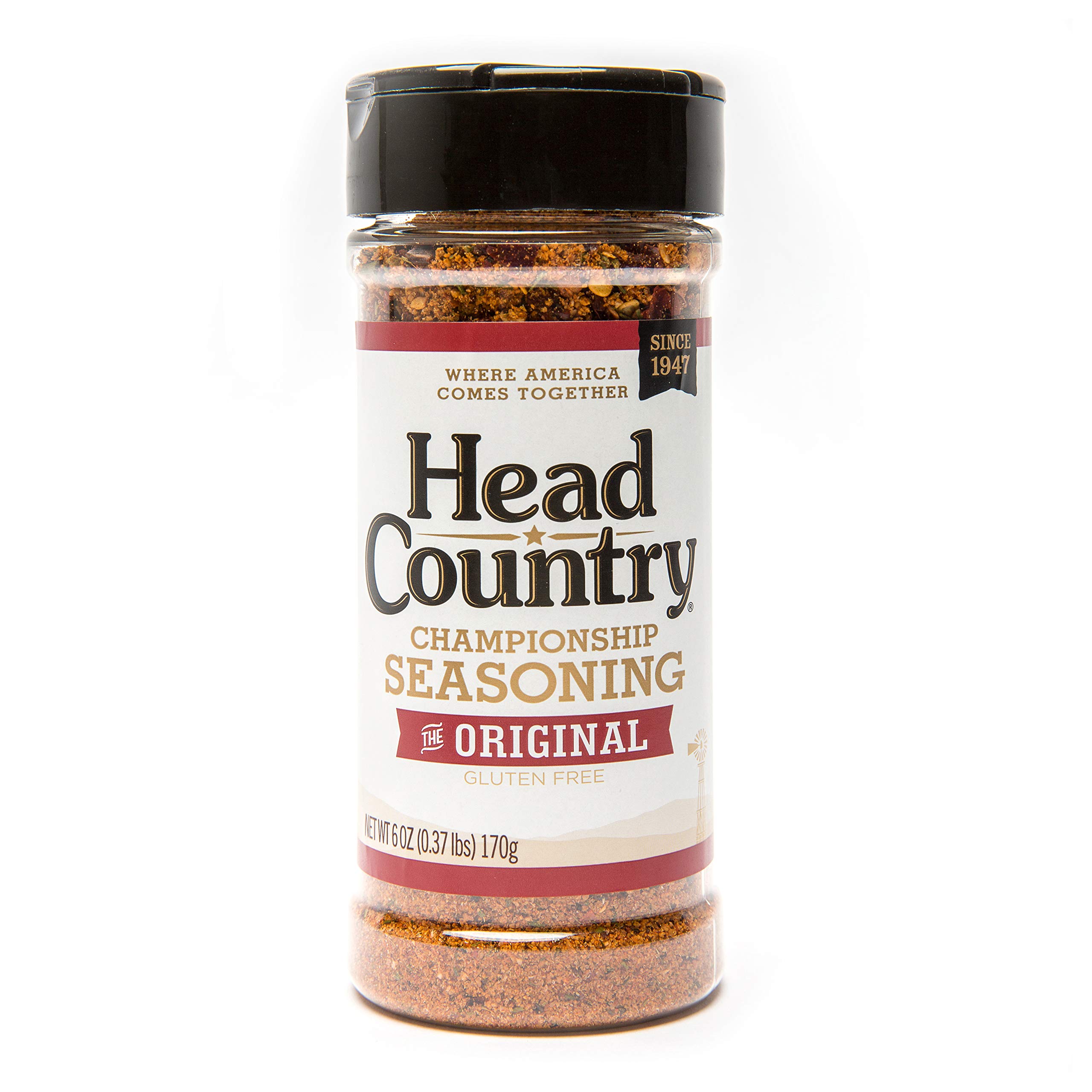
A savory, competition-style seasoning that I use as a base for custom rubs and for smoking meats.
Why I picked it: Sturdy, savory foundation that accepts additions without losing its character.
Best for: Building custom rubs and smoking brisket, ribs, and pork shoulder.
Great value if you like stocking a reliable base bottle.
Pros
- Bold, savory backbone
- Gluten-free and vegan-friendly
- Great for customizing
- Good color and finish
Cons
- Leans savory—may need sweeteners for BBQ sauce pairings
- Spoon/shaker lid can be fussy for big batches
My take
I treat this as my starting point when I want to create a custom rub. It brings a well-balanced savory core with a subtle spice that accepts smoked paprika, chipotle, or honey powder without conflict.
On brisket and pulled pork I used it straight and also as a canvas for adding onion and garlic granules and a touch of cayenne for heat. The color it gives meats looks great on the pit, and it holds up to smoking and low-and-slow cooking.
If you want a no-fuss base to customize for different cooks—Kamado, Traeger, or charcoal—this one makes that workflow easy and consistent.
3. Rudy's Texas Bar-B-Q Dry Rub – Best Texas Style
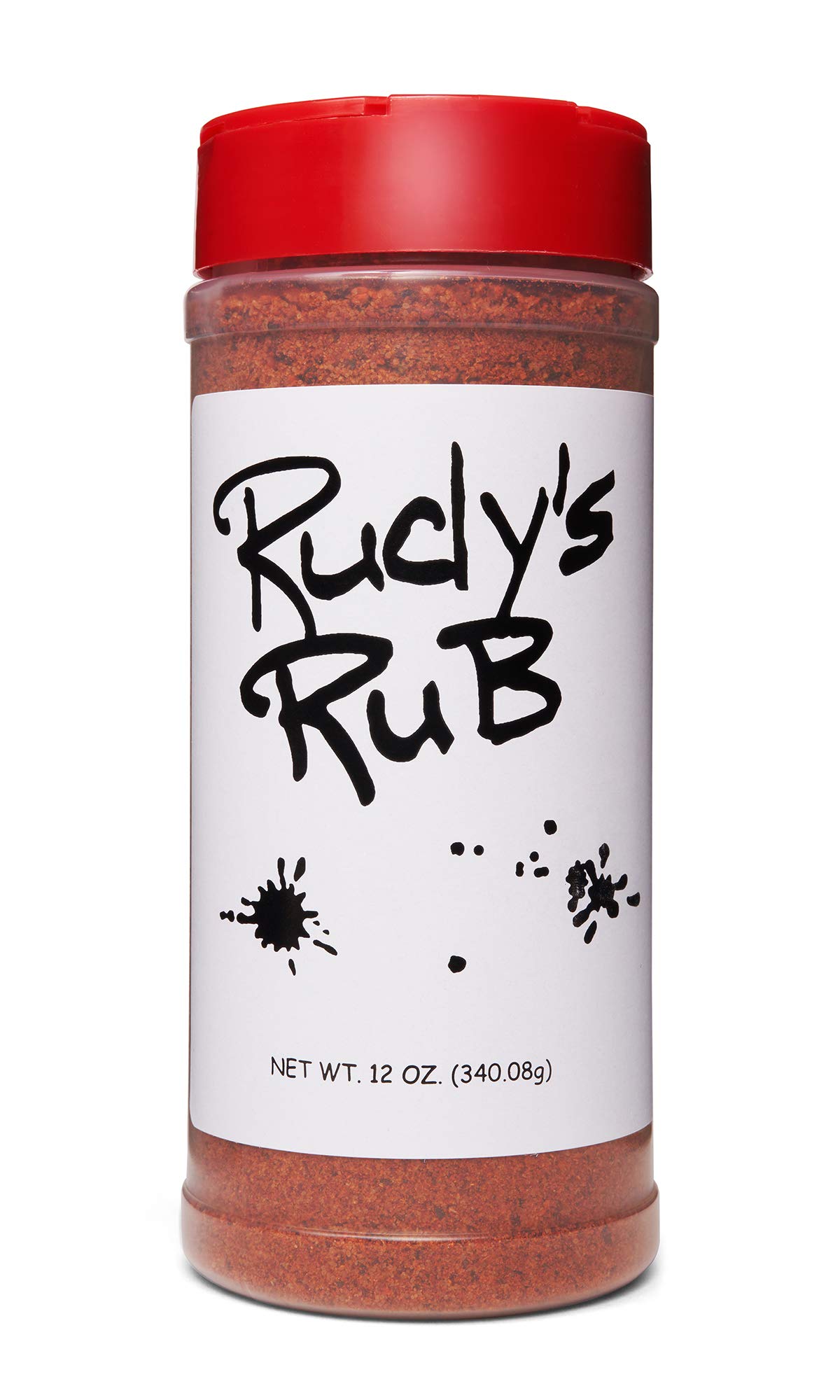
A bold, smoky rub that brings classic Texas barbecue flavors without overpowering saltiness.
Why I picked it: Distinct smoky profile and Texas-style spice that I reach for on beef.
Best for: Brisket, steaks, and smoked beef where bold smoke is desired.
Solid value for frequent smokers who need a larger bottle.
Pros
- Bold, smoky flavor
- Perfect for brisket and steaks
- Made in the USA
- A little goes a long way
Cons
- Less ideal for delicate fish or subtle dishes
- Not very sweet—may need sugar for some BBQ styles
My take
This rub delivers that classic Texas barbecue character—smoky, savory, with a little kick. I use it when I want the meat’s smoke and spice to be front and center, especially on brisket and steaks.
A small amount covers a lot of surface area, so the bottle lasts longer than expected. I also use it on roasted vegetables when I want a more assertive, savory finish.
For cooks who want straightforward, authentic Texas flavor without fuss, this is one of my go-to jars.
4. Bad Byron Butt Rub – Most Versatile
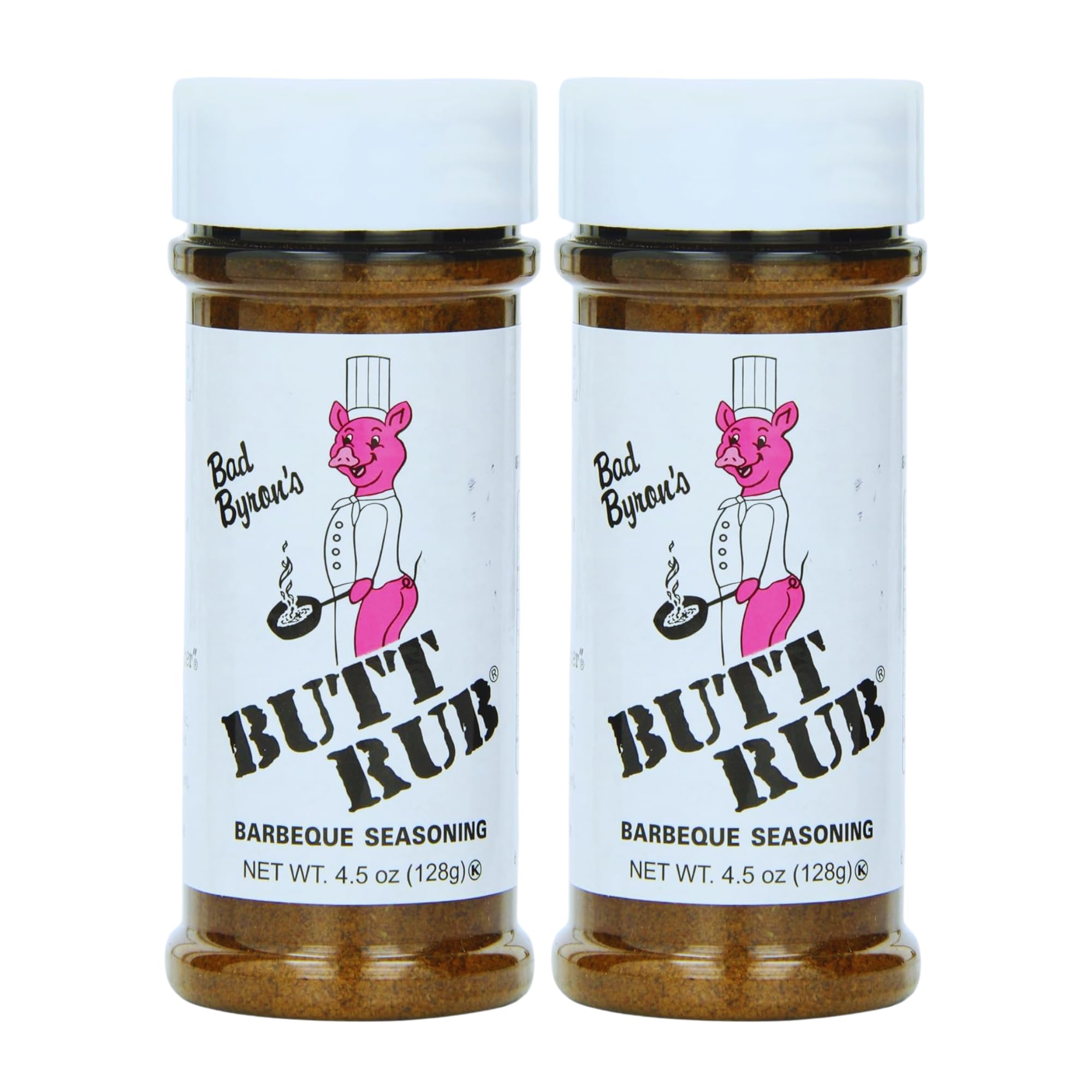
An all-purpose rub that I use on everything from pork shoulder to salmon and even popcorn.
Why I picked it: Consistently good on smoked shoulders and everyday proteins—great for making bark.
Best for: Pulled pork, whole chickens, burgers, and smokers looking for solid bark formation.
Economical option when you want to stock up on an everyday rub.
Pros
- All-purpose and versatile
- Great bark on smoked shoulders
- Doesn’t cake or clump
- Gluten-free, no MSG
Cons
- Not specifically tailored to any single cuisine
- May need extra salt for large roasts
My take
I’ve used this rub on everything from pulled pork to burgers and even salmon, and it consistently gives good results. It builds an attractive bark on smoked shoulders and adds depth when I finish with sauce.
Application is simple—just a sprinkle and go. It doesn’t cake on the meat, and I appreciate how it stands up during a long smoke without turning bitter.
Because it’s so flexible, I keep this jar handy for busy weeknights and large gatherings alike.
How I Choose a Dry Rub
Key things I look for in a dry rub
Balance matters more than novelty. A rub should have a coherent sweet-savory-heat profile that complements the protein, not distract from it.
Versatility is valuable. A single jar that works on pork, chicken, vegetables, and even popcorn saves shelf space and decision fatigue.
Ingredient transparency makes it easier to use the rub appropriately for diets and for additional blending.
- Salt level: too much flattens meat flavor; too little makes the rub taste incomplete.
- Sugar vs. smoke: sugar helps with caramelization; smoked paprika or chipotle adds depth without sweetness.
- Heat: cayenne or black pepper should be adjustable; I prefer rubs that accept added heat.
- Allergens and labels: check for gluten or other allergens if that matters to you.
- Bottle size and lid: shaker vs. wide-mouth affects how I apply the rub.
How I test rubs in the kitchen
I test rubs across a few scenarios: low-and-slow smoking for bark, high-heat searing for crust, and quick oven roasts for weeknight use.
I assess aroma straight from the jar, how the flavor develops during cooking, and how it plays with sauces or additional spices.
Longevity matters: I look for rubs that stay flavorful over multiple cooks and don’t turn bitter under prolonged heat.
- Try a small test cook before committing to a large batch.
- If a rub lacks balance, try adding sugar, smoked paprika, or garlic powder to tune it.
- Store in a cool, dry place to preserve aroma and flavor.
Frequently Asked Questions
Can I use these rubs on seafood?
Yes. I use milder blends like Bone Suckin' and Bad Byron on salmon and shrimp. For stronger Texas-style rubs, apply sparingly so the seafood flavor still comes through.
How much rub should I apply per pound of meat?
I generally start with a light, even coating and add more if needed—about a thin, uniform layer that sticks to the surface. For larger roasts I increase coverage, but avoid packing on so much that the salt overwhelms the meat.
Which rubs are gluten-free or allergen-friendly?
Some options here are explicitly labeled gluten-free and without MSG. Check the label for each product’s certifications, but Bone Suckin', Head Country, and Bad Byron all advertise gluten-free formulations.
Can I mix these rubs with liquid marinades or sauces?
Absolutely. I often use a dry rub as the flavor base, then add a light marinade or finish with a sauce during the last 15–30 minutes of cooking for added moisture and glaze.
Final Take
If I had to keep only one jar, Bone Suckin' is the most flexible for everyday use. For building customized blends, Head Country is my go-to base. Rudy’s delivers the Texas smoke I want on beef, and Bad Byron’s earns a spot for true all-purpose utility.
Pick the rub that fits your primary cooking style—smoking, grilling, or quick roasting—and you’ll find a go-to fast. I keep all four in rotation because each one serves a distinct purpose in my kitchen.
