
I tried the easiest ways to make backyard and indoor fires more magical — from color packets that tint flames to reflective fire glass that upgrades the look of gas pits.
I spend a lot of evenings around fireplaces and fire pits, testing simple upgrades that actually change the experience. For this roundup I focused on three ways I use fire more creatively: color‑changing packets for wood fires, bulk options for frequent use, and decorative tempered glass for gas or propane setups.
Each product I picked does something different. Some are pure novelty for a campout or party, while others are long‑term aesthetic upgrades that tidy up a gas pit and reflect the flames for a modern look. I explain when I reach for each option and what to watch for.
If you want short bursts of bright colors, choose the packets. If you run a gas or propane pit and want a permanent upgrade, choose fire glass. I highlight which packs work best for occasional fun versus frequent use.
1. Mystical Fire Color Changing Packets – Best for Families & Campouts
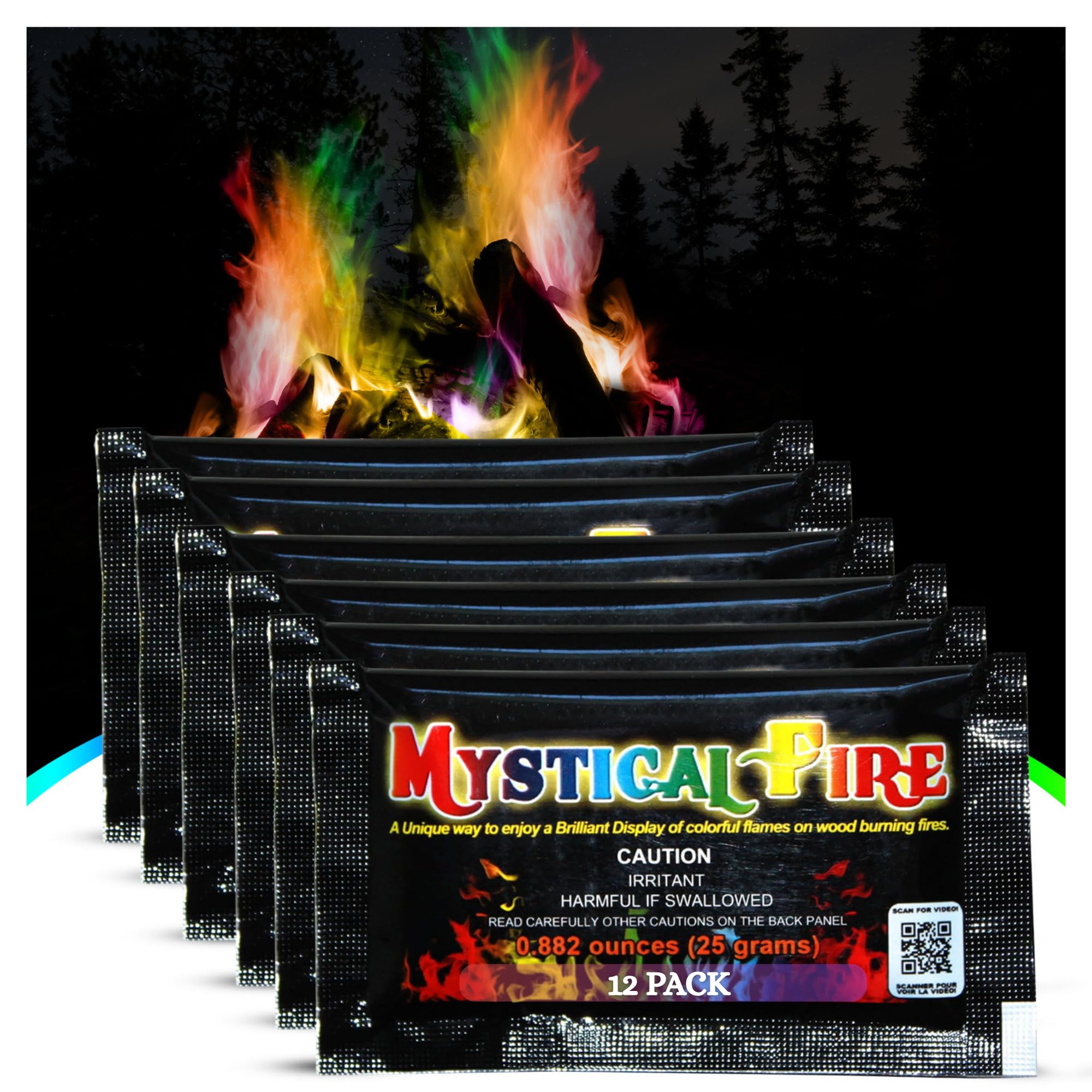
I use these single‑use packets to add vivid blues, greens, purples, and yellows to a wood fire. They’re easy to toss in and give a short, magical show that’s great for family nights and camping trips.
Why I picked it: Simple, reliable color effects for casual campfires and indoor fireplaces.
Best for: Quick, family‑friendly flame color at a campfire or fireplace.
An affordable treat for occasional use — buy the smaller pack if you want to try them first.
Pros
- Instant vibrant flame colors
- Easy one‑step use—no measuring
- Works indoors and outdoors
Cons
- Not meant for cooking over
- Single‑use packets generate residue
- Some packets may clump in packaging
My take
I grabbed a pack to make our backyard fire more playful, and the effect is immediate: toss a packet into the flames and patches of blue, green, and purple appear within seconds. I like that they work in both campfires and indoor fireplaces, so I’ve used them for family nights when we wanted something special without a lot of setup.
For the brightest display I typically use two or three packets at a time once the fire is well established. If you add them too early they burn up too quickly, so I wait until coals are glowing. They don’t have a scent that bothers me at a distance, but I avoid cooking over a fire I’ve treated and I keep kids at a safe distance when a packet hits the flames.
Packaging can sometimes keep the powder from spreading, so I’ve had better color coverage when a packet tears open in the fire. That’s not what the manufacturer recommends, but it’s a trick I’ve used carefully to get fuller color. Overall, these are a low‑effort way to make a campfire feel special.
2. Mystical Fire Color Changing Packets (Bulk) – Best Value Pack
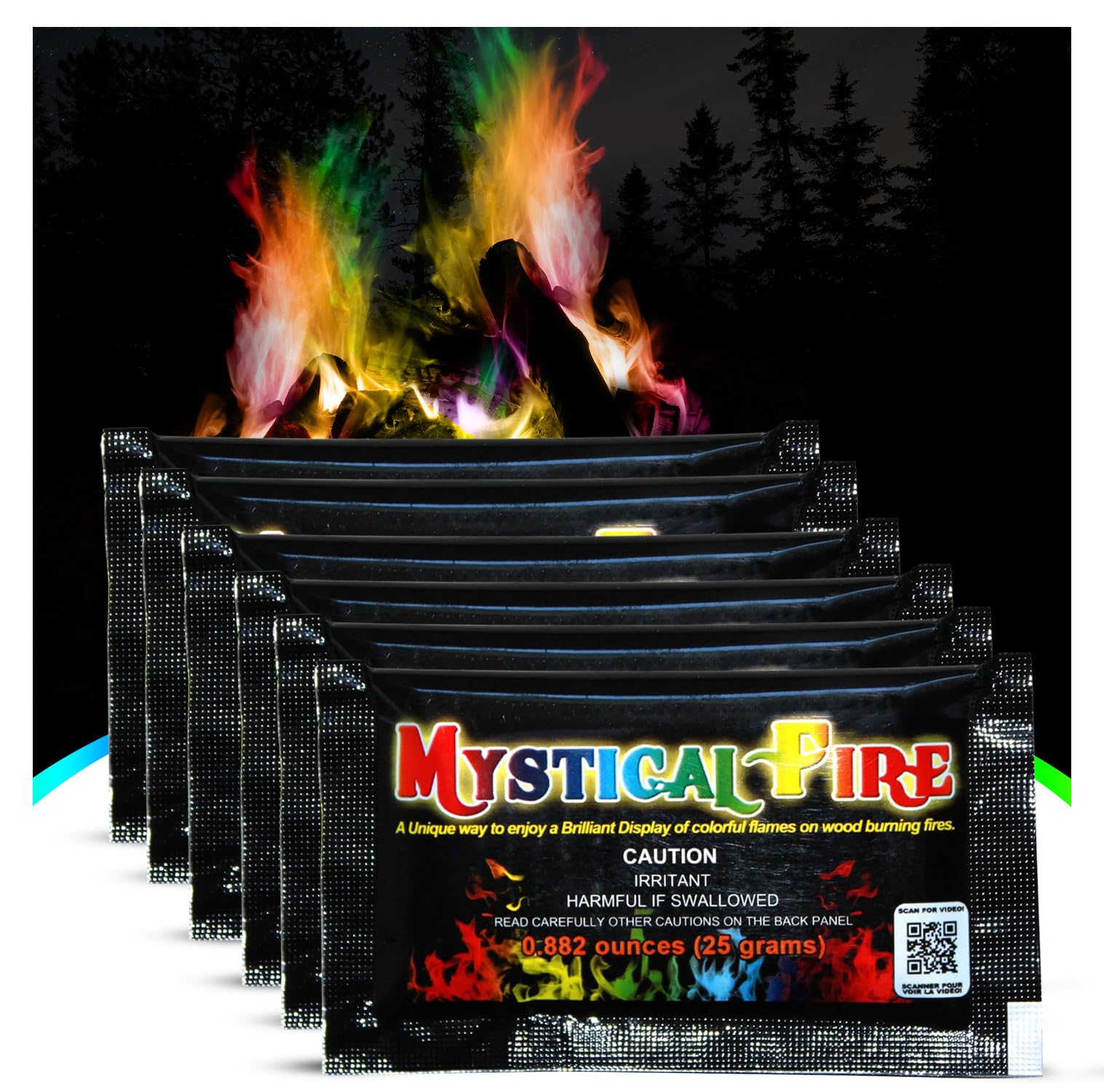
I pick the bulk box when I want to stock up for many outings or large gatherings. The longer supply means I can experiment with multiple packets for longer, richer color displays.
Why I picked it: Bulk quantity for frequent use and longer color shows.
Best for: Hosts, regular campers, or anyone who wants extended runs of colored flames.
A cost‑efficient choice if you plan to use color packets regularly.
Pros
- Large supply for repeated use
- Lasts longer when multiple packets used
- Easy to store and toss
Cons
- Takes storage space
- Same single‑use waste
- Not for food preparation areas
My take
I buy the bulk box when I know a season of campouts and backyard parties is coming. The formula and behavior are the same as the smaller packs: wait until the fire is established and add one to three packets for a sustained color display. With a larger supply I’ve been more adventurous—trying different timing and packet counts to get deeper blues and occasional magentas.
Using more than one packet is how I get a true color show that holds up against bright flames. I’ve used these indoors carefully and outdoors frequently; the envelopes are sturdy enough to toss in without a mess if I’m not trying to cut them open. For serious color watching and repeatedly sharing the effect, the bulk option makes more sense than buying the smaller packs repeatedly.
3. Fire Glass for Fire Pit — Bahama Blend – Best for Gas & Propane Pits
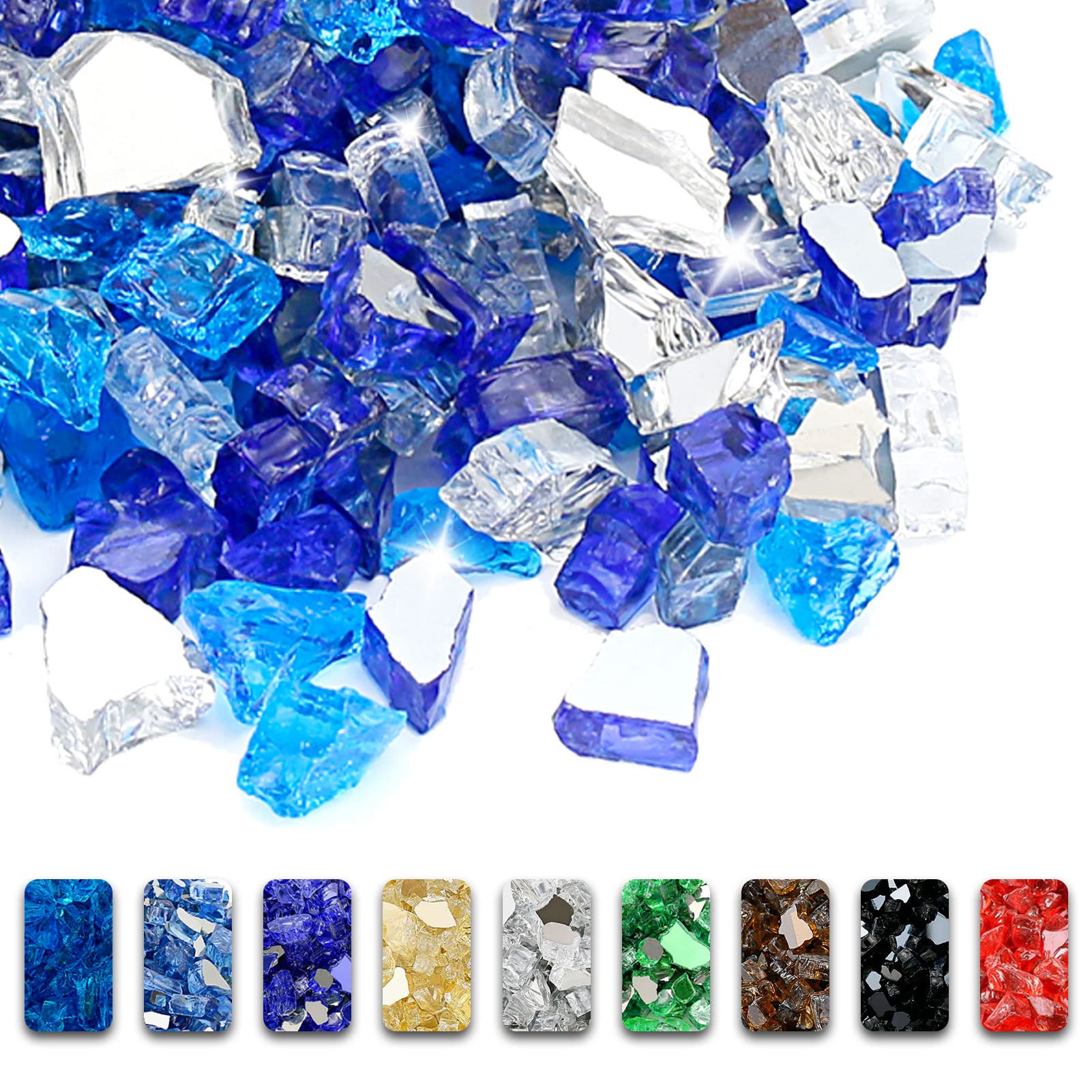
I prefer tempered fire glass when upgrading a gas or propane fire pit. This reflective glass creates a clean, modern look and holds up to heat without melting or fading.
Why I picked it: Durable, high‑luster tempered glass that brightens flames in gas setups.
Best for: Gas, propane, or electric fireplaces and modern fire tables.
More of an investment than packets but is reusable and long‑lasting.
Pros
- High luster and reflective finish
- Heat‑resistant and non‑melting
- Works with gas, propane, and electric pits
Cons
- Requires proper layering over lava rock
- Not for wood fires
- May need several bags for full coverage
My take
When I wanted to modernize a gas fire pit, I swapped out lava rock for tempered fire glass and the difference was immediate: the glass reflects the flames and gives the pit a bright, jewel‑like glow. I used a thin layer of lava rock beneath the glass for proper airflow and safety, then covered it with the Bahama blend glass to get that deep blue and clear sparkle.
The pieces are uniform and don’t have sharp shards, which made installation quick and low‑mess. The glass doesn’t melt or fade in my setup, and it retains a warm glow after I turn the gas off. If you run a propane or natural gas fire feature and want a cleaner, more contemporary look, fire glass is a one‑time swap that I find worth the effort.
4. Mystical Fire Color Changing Packets (6-Pack) – Best for Occasional Use
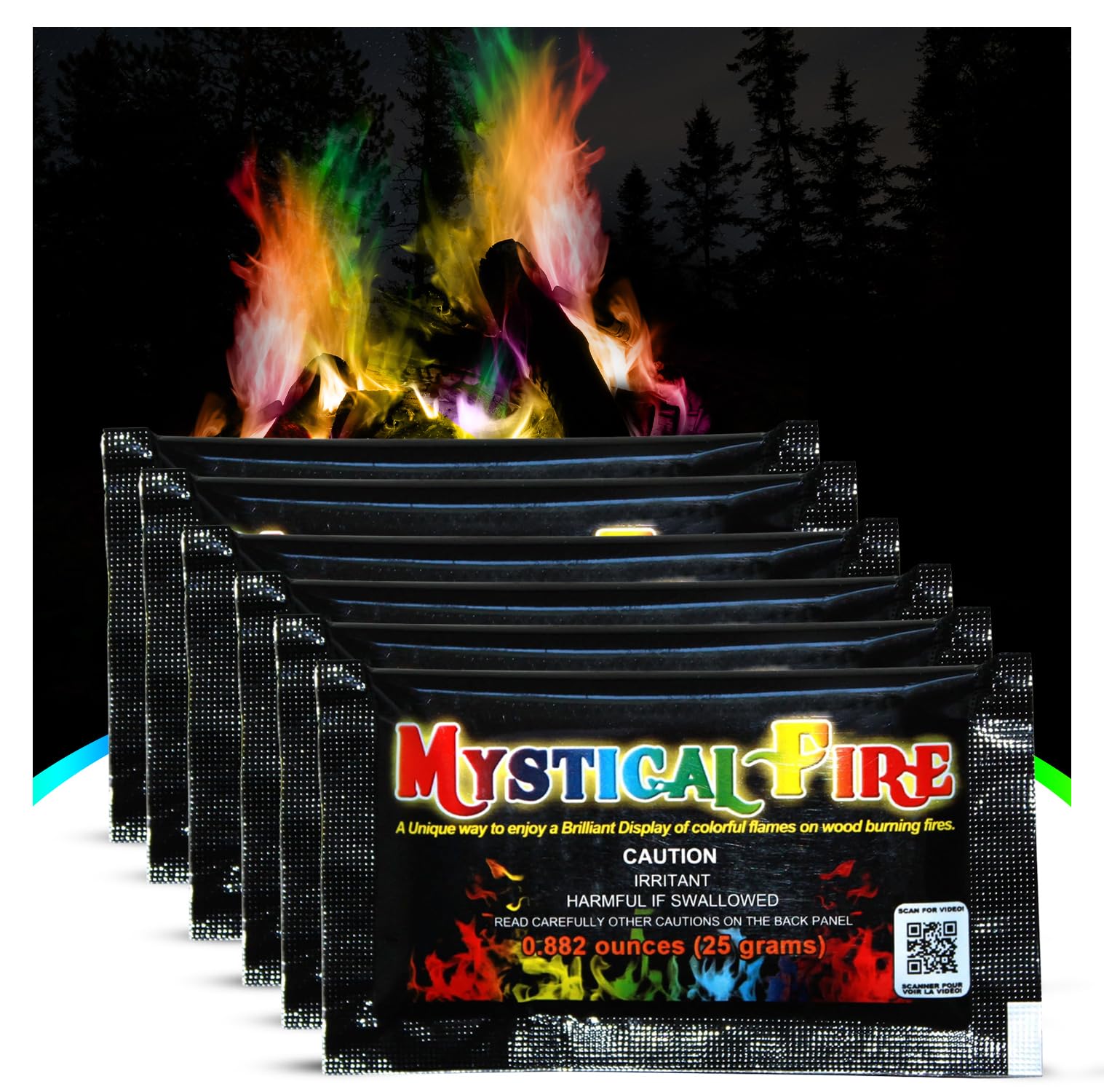
I reach for the smaller six‑pack when I want to try color packets without committing to a large box. It’s a playful, budget‑friendly way to add color for a few nights.
Why I picked it: Small, inexpensive pack for trying the effect or occasional fun.
Best for: Casual users and gift givers who want a few uses.
Lowest commitment—good for testing or light seasonal use.
Pros
- Compact for occasional use
- Easy to stash in a camping kit
- Delivers surprising color longevity
Cons
- Limited supply for repeated events
- Color intensity varies with fire size
- Not food‑safe for cooking
My take
I keep a six‑pack in my camp gear for nights when I want to make a fire feel a bit more magical. One packet often gives a pleasantly long run of green or blue tones, and they surprised me by lasting longer than I expected when the fire had a good bed of coals.
Because the pack is small it’s a great impulse add‑on or gift. I still follow the same precautions: don’t cook over the treated flames and add the packets after cooking is done. For occasional use, the six‑pack hits the right balance between novelty and value.
How I Choose Fireplace Add‑Ons
Choose the right type for your fire
I separate options into two camps: consumables for wood fires (color packets) and permanent decorative materials for gas or propane pits (fire glass). I don’t mix the two—fire glass belongs with gas, and color packets with wood.
If you plan to cook over the fire, I avoid adding colorants while food is on the grill or roasting stick.
- Wood fires: use color packets after cooking is done.
- Gas/propane pits: choose tempered fire glass for safety and appearance.
- Electric fireplaces: decorative fire glass is compatible and low maintenance.
Safety and usage tips I follow
I always add packets to a well‑established fire or hot coals to get the best color and duration. Tossing them on a very young, roaring flame gives only a brief flash.
I keep people and pets back when a packet ignites, and I never intentionally breathe the plume. For indoor use I ensure good ventilation and stable fireplace screens.
- Wait until coals are glowing for best color longevity.
- Avoid using colorants where you plan to cook food.
- Use a lava rock base under fire glass for airflow and safety.
Maintenance and longevity
Fire glass is reusable and needs only occasional rinsing to remove dust. I replace or top up bags when coverage thins.
Packets are single‑use and create residue; I sweep or rake the pit between uses to keep airflow consistent.
- Rinse glass yearly or as needed.
- Remove ash and residue before adding new color packets.
- Store packets dry to prevent clumping.
Frequently Asked Questions
Are color packets safe to use indoors?
I’ve used packets inside with good ventilation and a controlled fireplace. I still add them sparingly and never cook over a treated fire. If you have concerns about fumes or small children, stick to outdoor use.
Can I use fire glass with a wood fire?
I don’t recommend using tempered fire glass with wood. It’s designed for gas, propane, or electric flames and needs a stable heat source and proper airflow that wood fires don’t provide.
How many packets should I toss in for a strong color display?
In my testing, one packet adds a nice tint, but two to three packets give a fuller, longer‑lasting show. Timing matters—add them to a bed of coals rather than a brand‑new blaze for the best effect.
Final Take
I’ve found that small choices change how I use my fire features: packets add playful moments, while fire glass transforms the whole look of a gas pit. Decide whether you want temporary spectacle or a permanent aesthetic upgrade, then pick the option that fits how often you’ll use it.
Whichever route you take, follow basic safety steps and enjoy the extra atmosphere — I know I do.
