
I tested a range of microgreen and sprouting seeds—single varieties, colorful mixes, and bulk bags—to find the most reliable, flavorful, and easy-to-grow options for jars, trays, and hydroponics.
I grow microgreens year-round and depend on seed quality for consistent, tasty harvests. In this roundup I focused on germination rate, flavor, intended growing method (jars vs trays vs hydroponics), and overall value.
If you want broccoli-packed sulforaphane sprouts, a colorful tray mix, or a no-fuss starter pack for mason-jar sprouting, I tested options that cover those needs and explained when each makes the most sense.
I compared these seeds by growing them in the systems I use most—mason jars, soil trays, and hydroponic setups—and prioritized germination, ease of use, and how the greens taste on my plate.
1. Nature Jim's Sprouts Salad Mix – Best Salad Mix
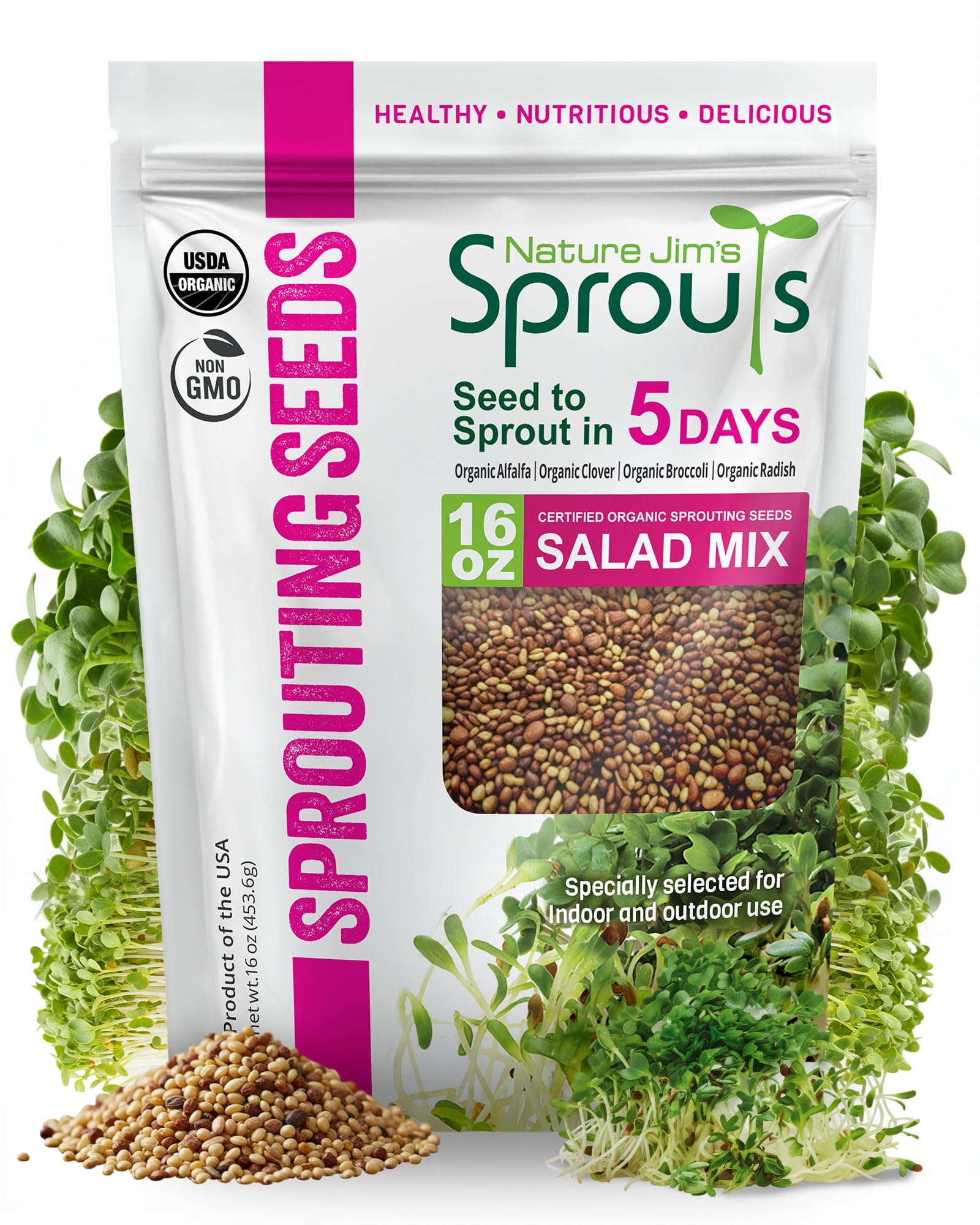
Organic, non-GMO blend of broccoli, alfalfa, radish, and clover designed for fast sprouting and a balanced, crunchy salad mix.
Why I picked it: A dependable multi-seed mix that produces quick, varied sprouts for meals.
Best for: Home cooks who want a ready-to-eat, varied microgreen mix.
Good bulk value for a one-pound sprouting mix.
Pros
- Certified organic and non-GMO
- Sprouts ready in about five days
- Large one-pound bag for frequent use
- Balanced flavor mix for salads
Cons
- Some batches can have mild bitterness
- Not tailored for tray-only microgreens
My take
I keep this salad mix on my counter when I want a steady source of crunchy, ready-to-eat greens. The broccoli, alfalfa, radish, and clover sprout quickly—typically within five days—and make a nice, balanced flavor profile that works well on sandwiches and bowls.
My routine is simple: soak overnight, keep the jar or tray in the dark for the initial days, then give them a little sun on day four to green up. They store well in the fridge for over a week if I cover them properly.
The texture is pleasantly crisp when freshly harvested. I will say some people prefer milder sprouts—radish can bring a peppery note—so I’ll mix this with plain alfalfa if I want something gentler for kids.
2. Nature Jim's Broccoli Sprout Seeds – Best Broccoli Sprouts
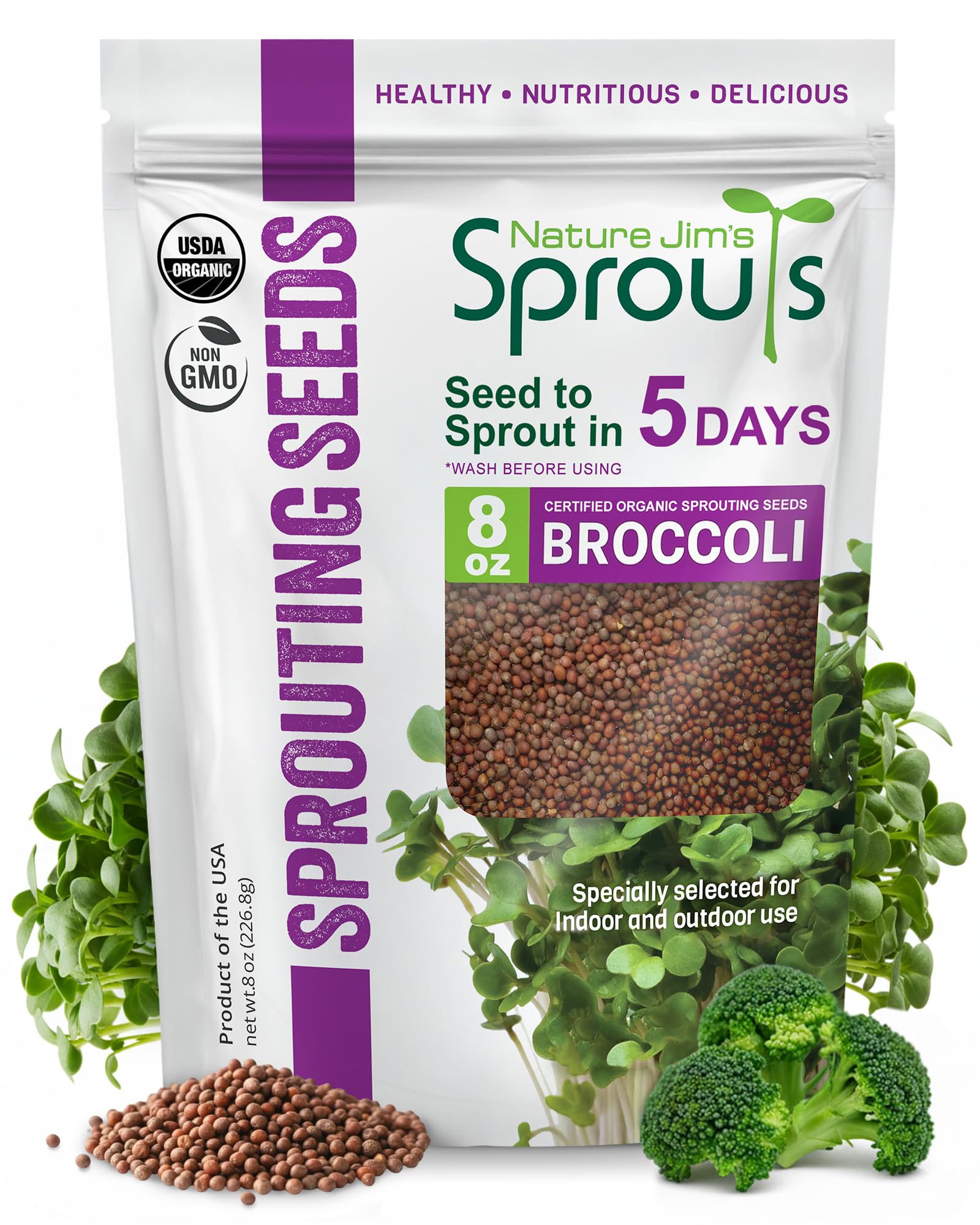
Certified organic broccoli seeds engineered for high sulforaphane content and fast germination—ideal for jar sprouting and quick harvests.
Why I picked it: Outstanding germination and nutrient-focused sprouts.
Best for: Anyone growing broccoli sprouts for nutrition and frequent jar batches.
Solid single-seed choice for targeted broccoli sprouting.
Pros
- High germination rate
- Fast-growing—about 4–5 days
- Certified organic and non-GMO
- Clean, crisp flavor
Cons
- Slightly bitter raw for some palates
- Best suited to jar sprouting
My take
I use these broccoli seeds when I want a concentrated batch of sulforaphane-rich sprouts. They germinate almost every time for me and fill a quart jar beautifully in four to five days.
My prep is to rinse, then give a short soak and an initial vinegar rinse for extra cleanliness. After daily rinse-and-drain cycles they plump up quickly and taste best with a squeeze of lemon or a dash of vinegar to cut the natural bitterness.
If you want consistent, nutrient-dense broccoli sprouts with minimal fuss, this is the seed I reach for.
3. Rainbow Heirloom Waltham 29 Broccoli Seeds – Best Heirloom Broccoli
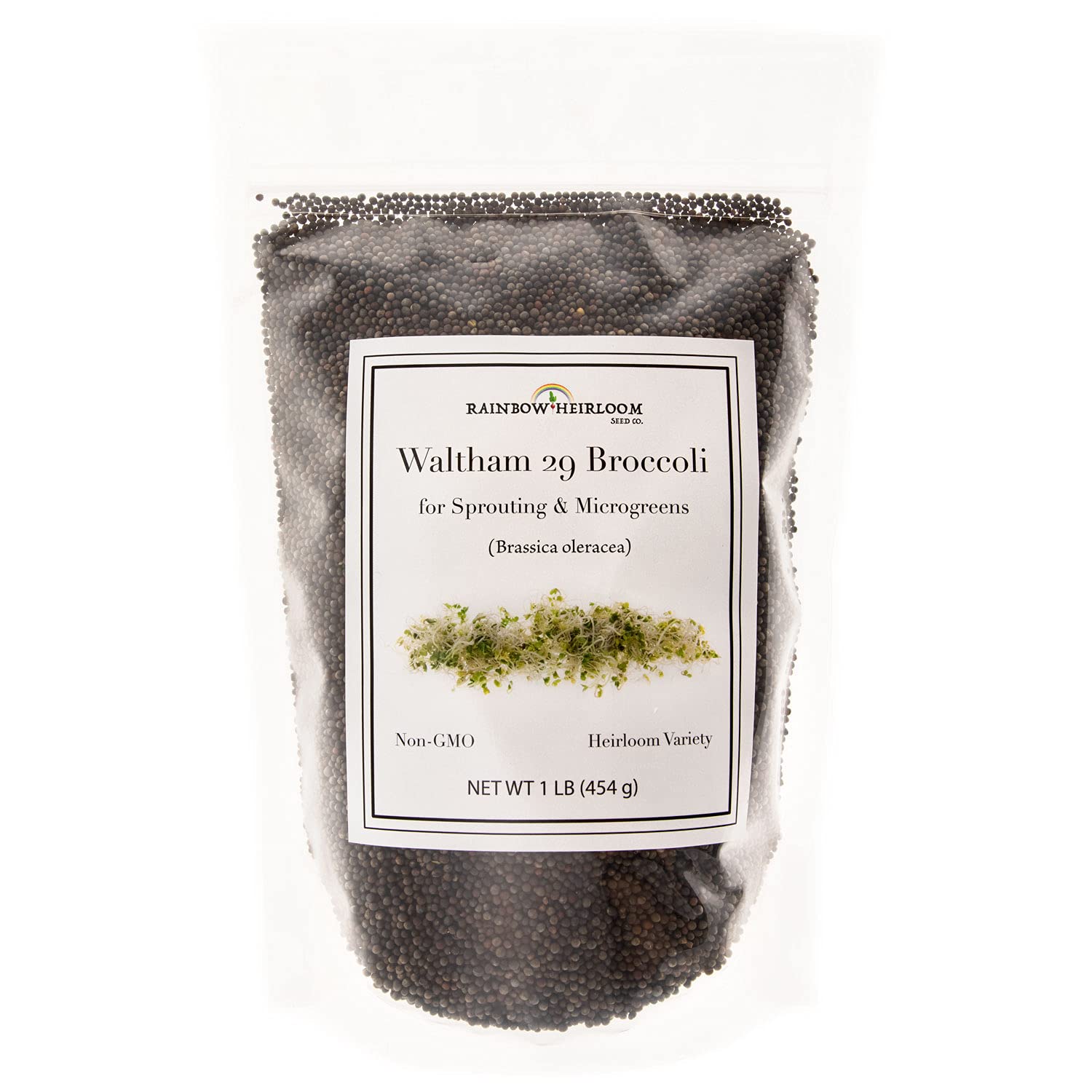
Non-GMO heirloom broccoli seeds grown and packed in the USA; versatile for soil trays and jars with consistently strong germination.
Why I picked it: Heirloom variety with steady germination and mild, sweet flavor.
Best for: Growers who prefer heirloom seed and soil-grown microgreens.
Good bulk option for frequent home growers.
Pros
- Heirloom, non-GMO seed
- Great germination in soil or jars
- Mild, sweet broccoli flavor
- Grown and packed in the USA
Cons
- Smaller yields in some tray setups
- Second harvest can show white filaments
My take
I've grown these Waltham 29 seeds in both soil trays and mason jars and found them reliable every time. In soil they produce dense, sweet microgreens that I prefer for salads and garnish.
I like that the bag seems very clean—no off-family seeds—and the trays often regrow a second set after the first harvest. When I try for second and third harvests I watch for thin white filaments that can resemble mold; they require closer inspection but haven't been an issue when handled carefully.
For growers who want an heirloom broccoli taste and predictable germination, this seed consistently performs for me.
4. Rainbow Heirloom Superfood Microgreen Mix – Best Colorful Mix
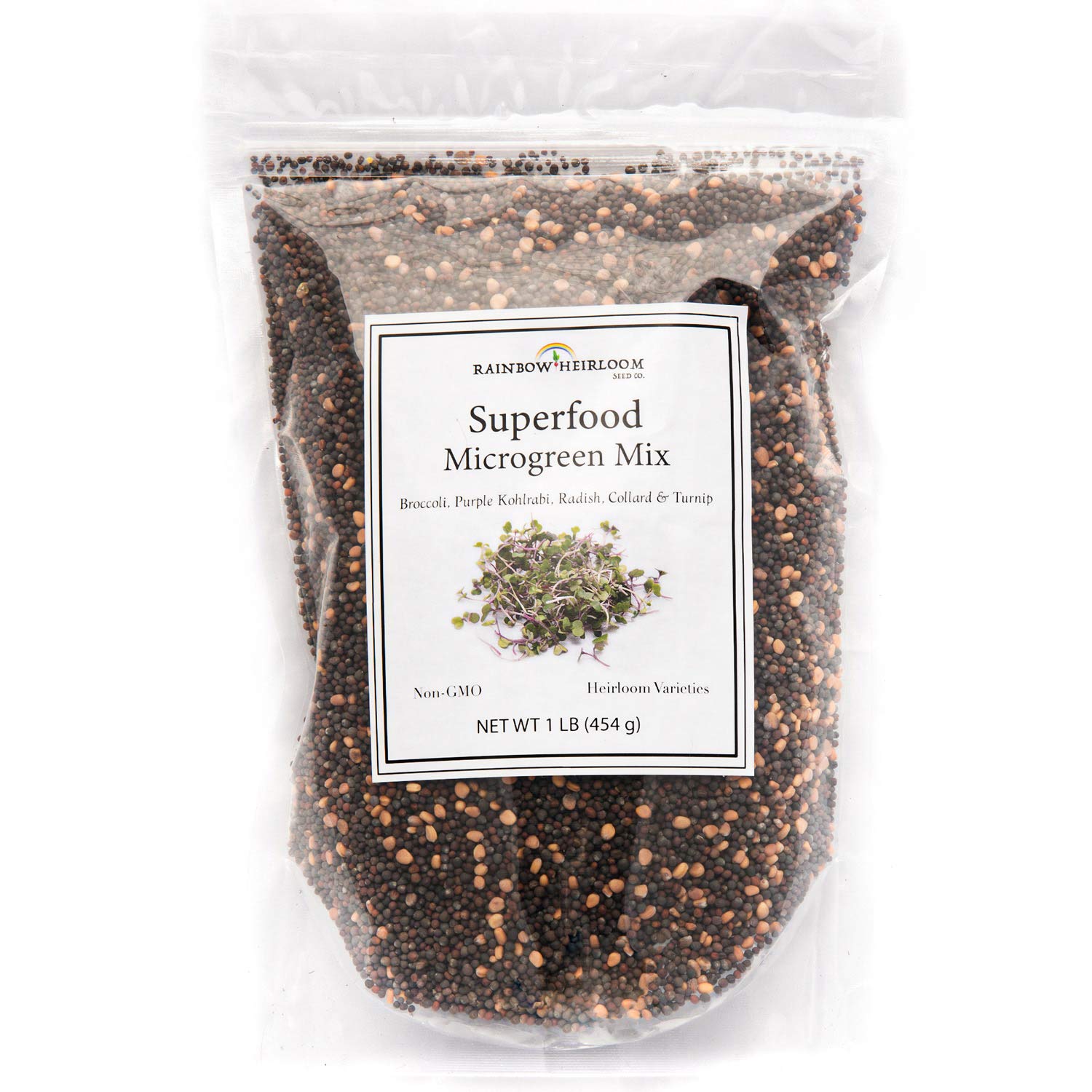
A tray-focused blend of broccoli, radish, purple kohlrabi, collard, and turnip seeds that produces colorful, nutrient-dense microgreens.
Why I picked it: Bright, flavorful tray mix designed for dense, colorful harvests.
Best for: Tray growers wanting variety and visual impact on salads.
Excellent pound-for-pound value for tray growers.
Pros
- Vibrant color and texture
- High germination for tray planting
- Heirloom and non-GMO
- Large resealable one-pound bag
Cons
- Radish adds a sharp bite
- Not recommended for jar sprouting
My take
I use this mix when I want large, colorful trays to top meals. The combination of purple kohlrabi, radish, collard, turnip, and broccoli creates great visual contrast and a satisfying texture.
The seeds germinate densely in trays and produced multiple salads' worth of greens for me. The radish element can be peppery—if I want milder plates I blend this with a plain broccoli tray.
For tray-oriented microgreen growers looking to maximize yield and color, this mix delivers consistent results and good longevity in a resealable pack.
5. Premeasured Sprouting Variety Pack – Best Beginner Variety Pack
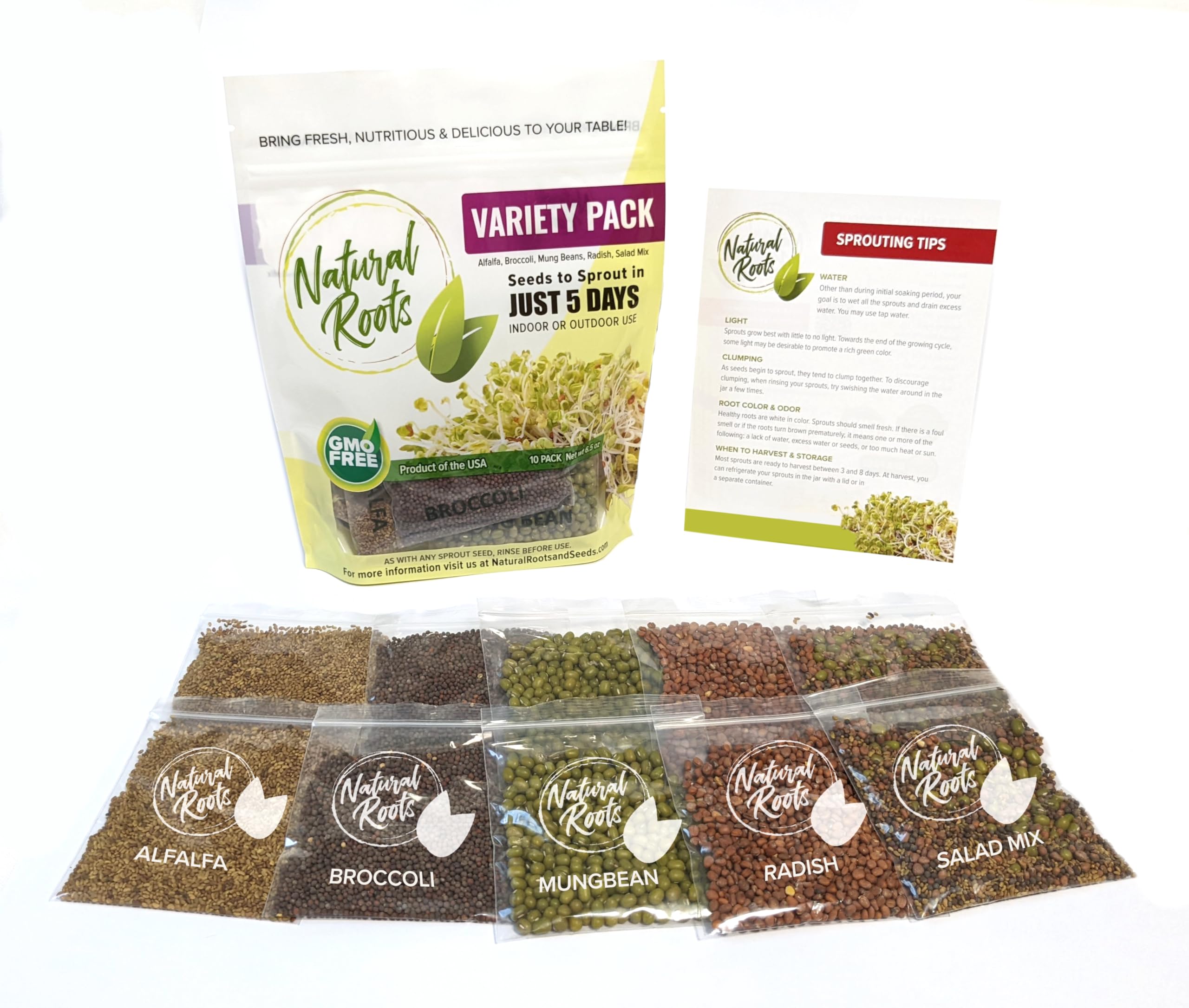
A starter set of premeasured packs (broccoli, alfalfa, radish, mung, salad mix) intended for quart jars and small trays—hand-packed and non-GMO.
Why I picked it: No-guesswork portioning ideal for newcomers and gifts.
Best for: Beginners who want to try multiple sprouts without buying bulk bags.
Practical and economical sampler for trying different sprouts.
Pros
- Premeasured for jars and trays
- Hand-packed portions
- Includes multiple seed types
- Easy to gift or share
Cons
- Alfalfa can retain hulls
- Limited quantity per pack
My take
I recommend this variety pack when someone wants to experiment without committing to large bags. Each small packet fits my sprouter or a jar and makes it easy to try different flavors and textures.
In my experience, broccoli and radish performed best; alfalfa sometimes holds hulls and mung beans gave a different crunchy texture. The included tips help, and the packaging stores nicely between uses.
This is the kit I hand to friends who want to sprout quickly—no measuring, just soak and rinse.
6. Country Creek Broccoli Sprouting Seeds – Best Budget Broccoli
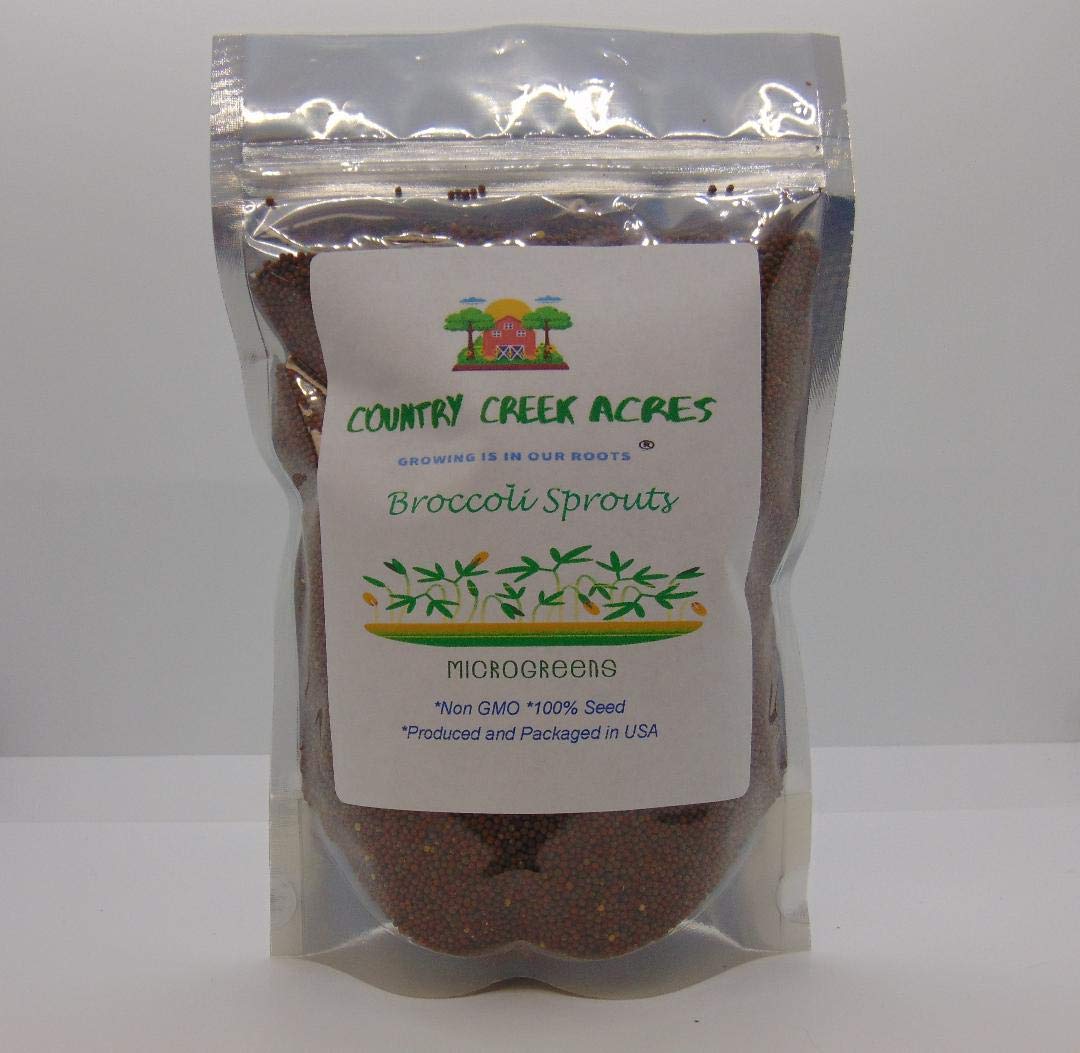
Simple, pure broccoli sprouting seed with a long shelf life and compatibility with any jar or sprouter—focused on dependable germination.
Why I picked it: Reliable, straightforward broccoli seed for regular jar sprouting.
Best for: Weekly jar sprouters who want affordable consistency.
One of the more budget-friendly broccoli seed choices.
Pros
- High germination rate
- Long shelf life
- Works with all sprouters
- Simple and dependable
Cons
- Small percentage may not sprout
- Packaging is basic
My take
I bought these as a practical seed to use every week and they rarely disappoint. A couple of tablespoons in a quart jar, soaked and rinsed twice daily, produced a full jar by day six in my routine.
Yields are generous compared with store-bought sprouts and the resealable bag stores well between batches. I did notice a small percentage that didn't sprout in one run, so I sometimes mix them with another brand if I need near-perfect germination.
For straightforward broccoli sprouting without fuss, this is my go-to budget seed.
7. Organo Republic Broccoli Seeds – Best Bulk Value
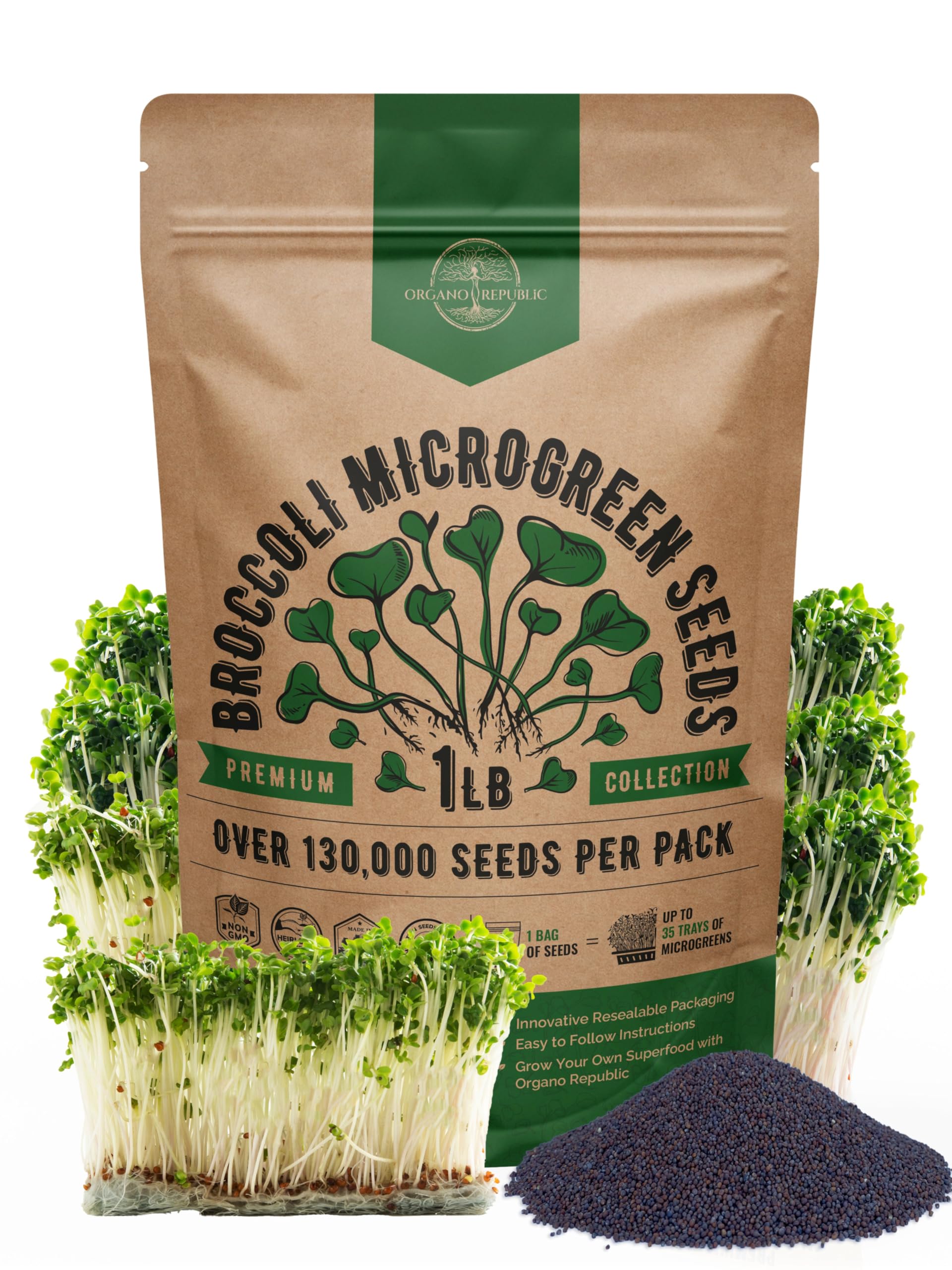
One-pound heirloom broccoli seed pack with an extremely high seed count, suitable for trays, soil, aerogarden, and hydroponic growing systems.
Why I picked it: Massive seed volume and multi-system versatility for heavy growers.
Best for: Serious growers needing bulk seed for trays and hydroponic systems.
High-volume option that stretches across many trays.
Pros
- Huge seed count per bag
- Resealable packaging with guides
- Works in soil, trays, hydroponics
- Long tested shelf life
Cons
- Overkill for casual sprouters
- Requires proper storage for long life
My take
When I need seed for many trays or ongoing hydroponic runs, this is the bag I reach for. The seed count is enormous, and in trays they filled out quickly—often ready in about five days depending on system and light.
I appreciated the resealable bags and the included growing guidance; the QR code instructions were handy when I switched to an aerogarden setup. Germination has been predictably high in my experience and the greens taste fresh and clean.
If you plan to grow microgreens at scale or want a long-lasting supply, the bulk nature of this pack makes sense.
8. Organo Republic Broccoli Seeds – Best Hydroponic Friendly
Same heirloom broccoli seed packed for multi-system growing; especially useful in hydroponics, aerogarden, and coconut coir setups.
Why I picked it: Proven adaptability across hydroponic systems and trays.
Best for: Hydroponic growers and aerogarden users seeking consistent microgreens.
Bulk format that suits hydroponic setups and frequent harvests.
Pros
- Excellent for hydroponic trays
- High germination in multiple systems
- Resealable with instructional QR code
Cons
- May be too large for casual users
- Requires room for storage
My take
I tested this same seed specifically in hydroponic and aerogarden systems and was impressed with how quickly trays filled out. The seeds responded well to coconut coir and hydro setups and produced uniform, tasty microgreens.
The package's QR code and growing instructions made switching between soil and hydroponics simple. For anyone running continual tray cycles, the large seed volume and consistent germination are real conveniences.
Hydroponic growers who need dependable seed across many trays will find this option especially useful.
How I Choose Microgreen Seeds
Seed type and intended system
I match the seed to how I grow: small seeds (broccoli, radish) work well in jars and trays, while larger beans like mung suit jar sprouters. Tray mixes often include more diverse varieties like kohlrabi and collard.
- Jars: choose seeds labeled for sprouting (broccoli, alfalfa, radish)
- Trays: choose tray-specific mixes and avoid fine sprout-only seed
- Hydroponics: pick seeds noted for tray/hydro compatibility
Germination, freshness, and packaging
I prioritize fresh, well-packed seed with resealable bags or premeasured packs. High germination reduces waste and gives faster, denser harvests.
- Look for resealable packaging and clear planting instructions
- Choose heirloom or known varieties if you want predictable flavor
- Premeasured packs remove guesswork for beginners
Flavor and uses
I pick seeds for the flavor profile I want on the plate: broccoli for sulforaphane and a clean bite, radish for heat, and kohlrabi/collard for color and texture.
- Broccoli: nutrient-focused, slightly bitter raw
- Radish: peppery, good for adding punch
- Alfalfa: mild, great for kids and sandwiches
Storage and shelf life
I store bulk seed in a cool, dry place and keep opened bags sealed. Proper storage preserves germination for many months, often up to the manufacturer’s suggested shelf life.
- Reseal bags after opening
- Keep seeds cool and dry
- Use older seed on a test tray to check viability
Frequently Asked Questions
How long do microgreens and sprouts take to grow?
In my practice, jar sprouts are usually ready in 4–6 days and tray microgreens in 7–14 days, depending on seed type and growing conditions.
Can I use the same seeds in jars and trays?
I do use many broccoli seeds both in jars and trays, but some mixes are designed specifically for trays and won’t work well as jar sprouts—check the product notes before switching methods.
How should I store unused seeds?
I keep seeds in resealable bags in a cool, dry cabinet and use older seed for test trays first to confirm germination before committing to large plantings.
Final Take
After growing these varieties in multiple systems, I’ve settled on a few go-to seeds depending on my goal: Nature Jim’s broccoli for nutrition, the Rainbow heirloom blends for trays and color, and Organo Republic for bulk, ongoing production.
Pick the seed that matches your setup—jars, trays, or hydroponics—and you’ll be rewarded with fast germination and fresh, flavorful microgreens from your countertop or grow rack.
