
I tested a range of torque tools and accessories so you can find the right balance of accuracy, reach, and durability without overpaying.
I spent time using a variety of torque tools and related accessories so I could recommend options that deliver real value. My picks cover low-inch‑pound finesse for optics and carbon fiber, long‑reach breaker and extension bars for stubborn nuts, and heavier 1/2" torque tools for automotive work.
In this roundup I focused on accuracy where it matters, build quality, practical features like cases and bits, and how each item performs in real tasks — mounting scopes, changing wheels, working in cramped electrical boxes, and working on bikes and suspension.
I compared tools by use case rather than price alone: I prioritized inch/pound accuracy for firearms and bikes, long reach and leverage for stubborn fasteners, and durable construction for shop and jobsite use.
1. Wheeler Manual FAT Torque Wrench – Best for Firearms
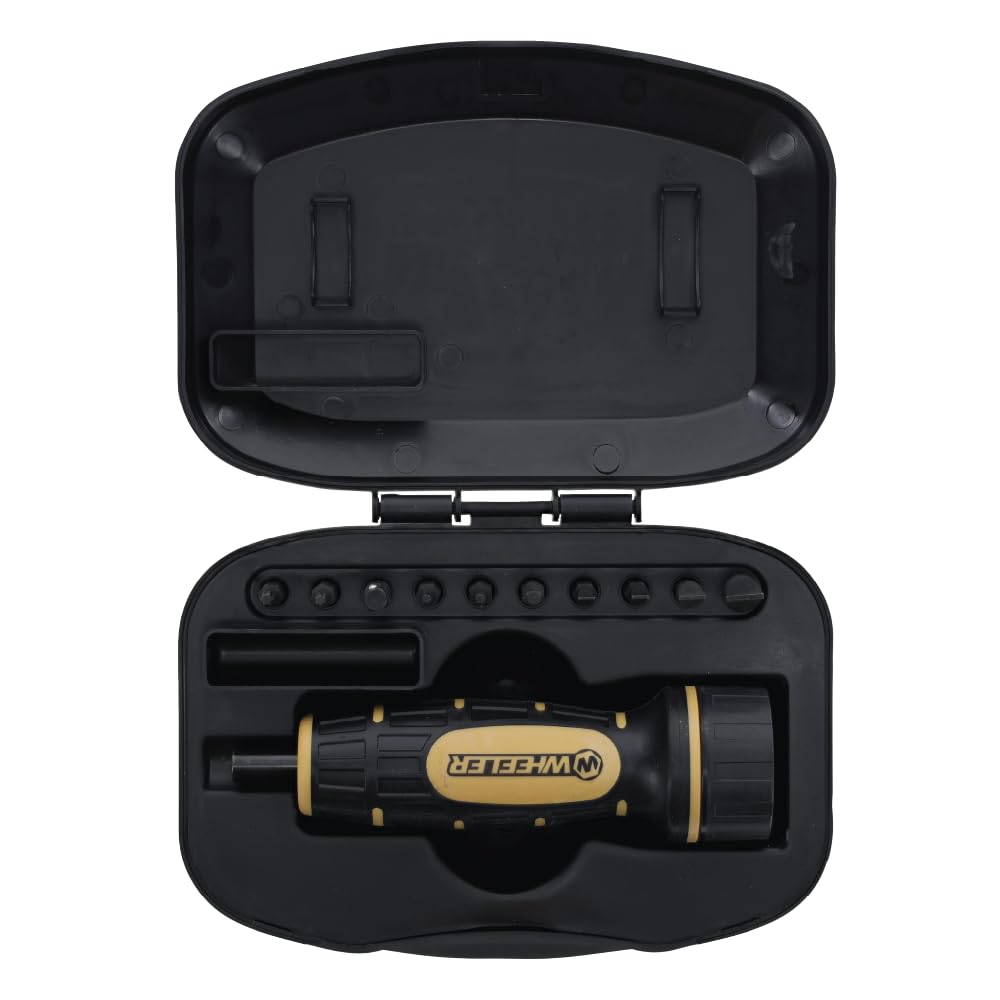
I rely on this inch/pound torque wrench when mounting scopes, red dots, and working on firearms where small fasteners demand repeatable, low torque values.
Why I picked it: Designed specifically for firearms torque ranges and includes gunsmithing bits and case.
Best for: Scope mounts, red dots, windage screws and gunsmithing maintenance.
Solid value for a firearms‑specific inch/pound wrench.
Pros
- Accurate in the low inch/pound range
- Includes S2 hardened gunsmithing bits
- Compact plastic storage case
Cons
- Limited to 10–65 in‑lb range
- Some included bits can be fragile
My take
This is my go‑to when I need repeatable inch/pound torque on rifle and optic screws. The FAT wrench lets me dial in values from 10 to 65 in‑lb with good repeatability up to 40 in‑lb.
I appreciate the included S2 tool steel bits and the compact case — it keeps everything organized when I work in the shop or take gear to the range.
In real use I found it performed exactly as described for scope rings and small guard screws. One caveat: I encountered reports (and saw it once) where a small Torx bit sheared under use; I recommend keeping spare bits if you plan heavy use.
2. Neiko 15" 1/2" Drive Breaker Bar – Best for Leverage
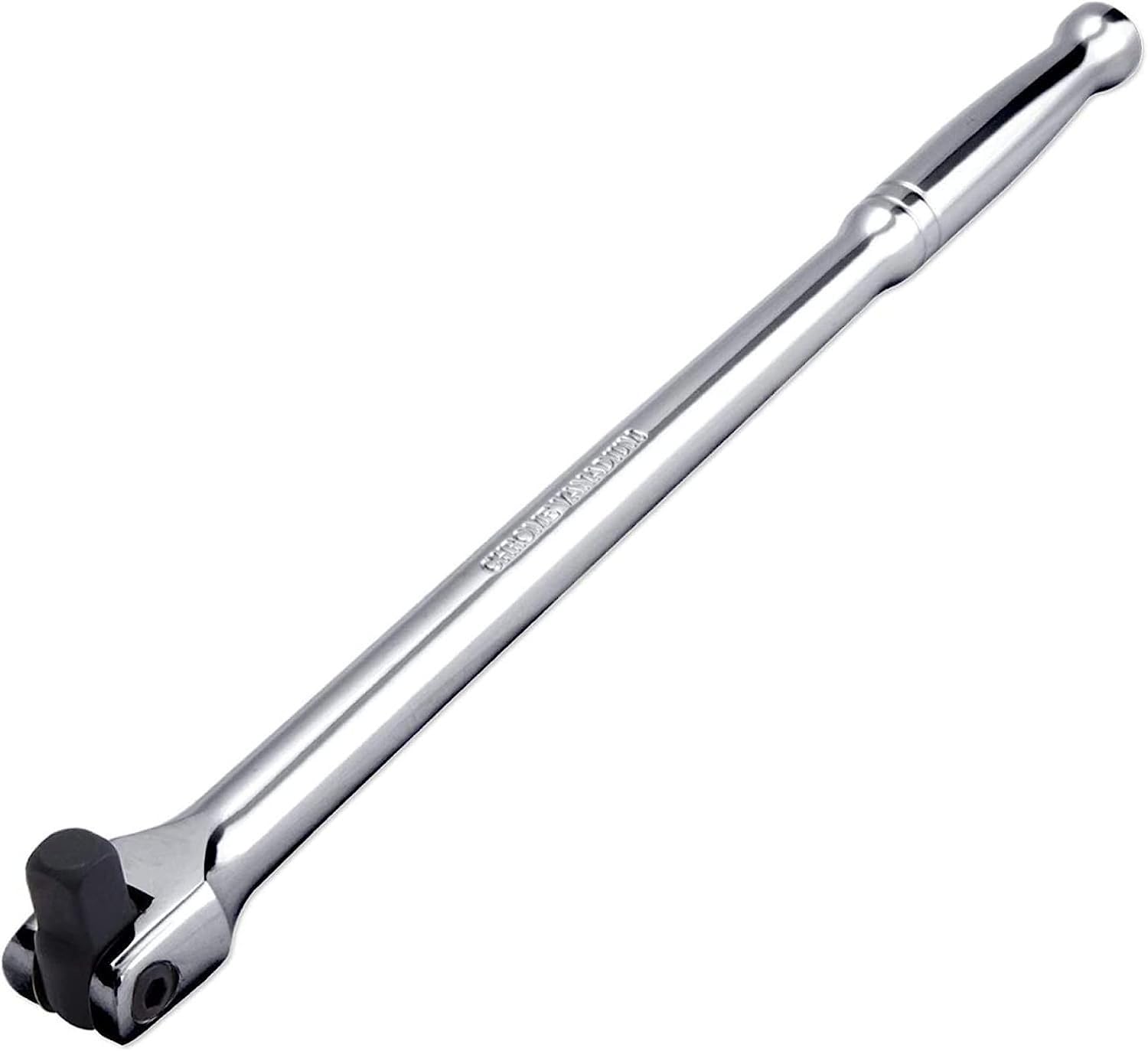
When a fastener won't budge, I reach for this long 15" breaker bar for leverage and to protect my torque wrench from being used as a breaker.
Why I picked it: Long reach and flexible head give maximum leverage in tight or awkward positions.
Best for: Breaking loose lug nuts, rusted bolts, and high‑torque loosening tasks.
Very affordable option for heavy leverage work.
Pros
- Long reach for extra leverage
- 180° flex head accesses tight angles
- Durable chrome‑vanadium construction
Cons
- Not a torque‑measuring tool
- Can be bulky for small jobs
My take
I used this bar to break stubborn wheel lug nuts and seize‑up bolts, and the extra length made a huge difference. The long handle amplifies force without stressing my hands.
The rotating/flex head helped me work around suspension components where a straight bar couldn't reach, and the spring‑loaded ball keeps sockets secure while I apply force.
I treat it as a breaker-only tool — I always finish fasteners with a proper torque wrench after using this to loosen bolts.
3. Neiko Impact Extension Bar Set (3, 5, 10 in) – Best Extension Set
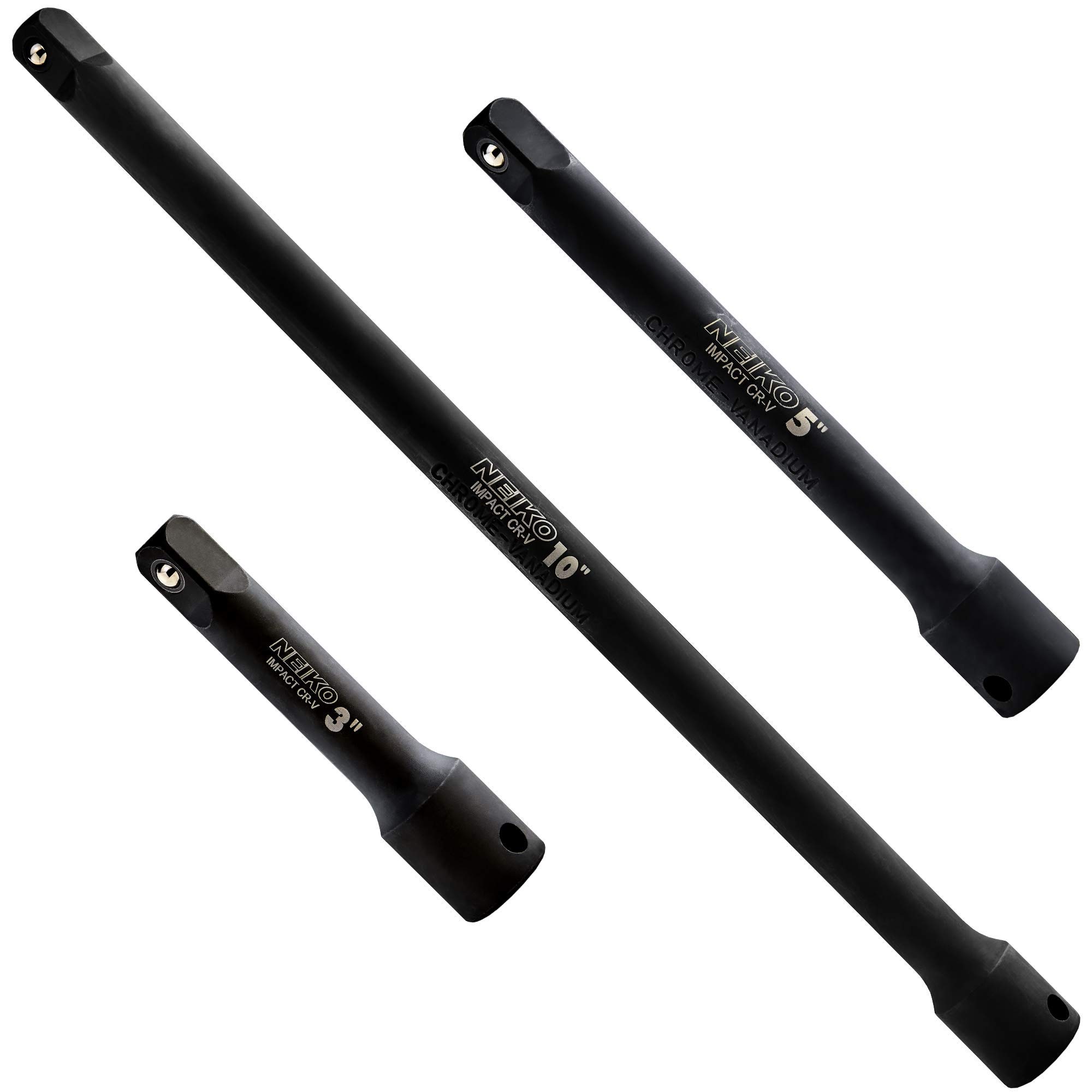
I keep this three‑piece set handy for reaching lug nuts and bolts tucked deep in wheel wells or behind brackets when using impact or air tools.
Why I picked it: Varied lengths cover most reach needs and the detent design secures sockets.
Best for: Extending impact or air wrenches to reach recessed fasteners.
Inexpensive way to add reach to impact tools.
Pros
- Three useful lengths included
- Black phosphate coating resists corrosion
- Spring ball detent secures sockets
Cons
- Not guaranteed true impact‑rated
- Long piece can be misplaced
My take
These extensions saved me when lug nuts and hard‑to‑reach bolts needed an extra few inches of reach. The set covers the common needs I encounter in auto work and bicycle maintenance.
Construction feels solid and the laser‑etched size marking is convenient. I did note that these are chrome‑vanadium with an impact finish, so I treat them with care and don't abuse them beyond typical impact use.
4. Gardner Bender Locknut Wrench Kit – Best for Locknuts
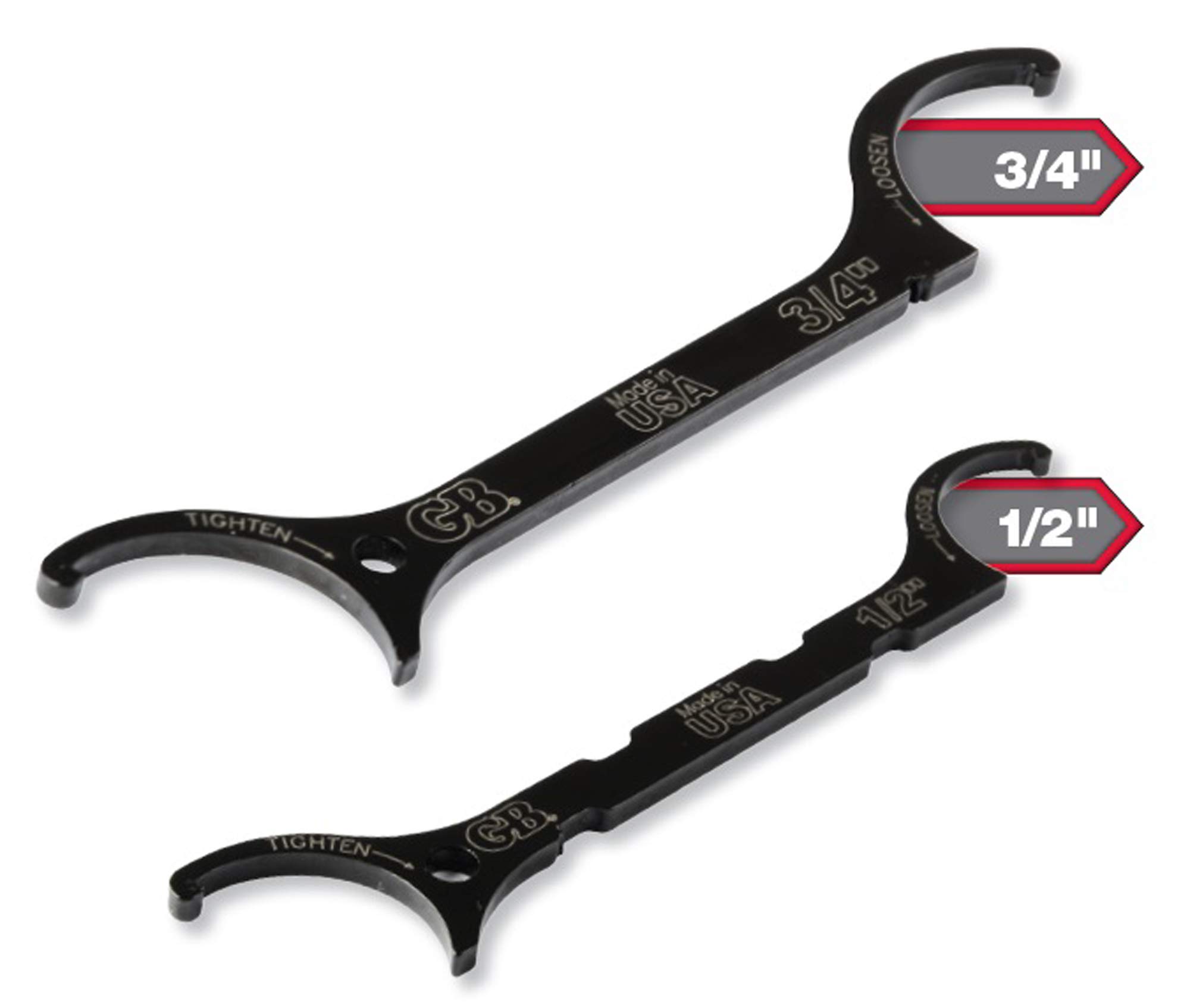
For cramped electrical boxes and UL locknuts this thin, hooked wrench set has become part of my tool pouch.
Why I picked it: Thin profile and hooked tip let me turn locknuts where pliers won't fit.
Best for: Tight junction boxes, conduit fittings, and electrical locknuts.
Low cost, high utility for electricians and hobbyists.
Pros
- Thin profile for tight locations
- Etched tighten/loosen markings
- Hooked tip increases leverage
Cons
- Takes practice to avoid slipping
- Limited to common locknut sizes
My take
I used these in cramped single‑gang boxes and they made a previously fiddly job quick and clean. The hooked tip bites into the nut so I can pull torque with minimal room.
They lay flat in my pouch and the etched arrows remove guesswork when switching directions. Expect a short learning curve — once I got the motion down they saved time and scuffed knuckles.
5. Craftsman 1/2" Micrometer Torque Wrench (50–250 ft‑lb) – Best for Heavy Duty
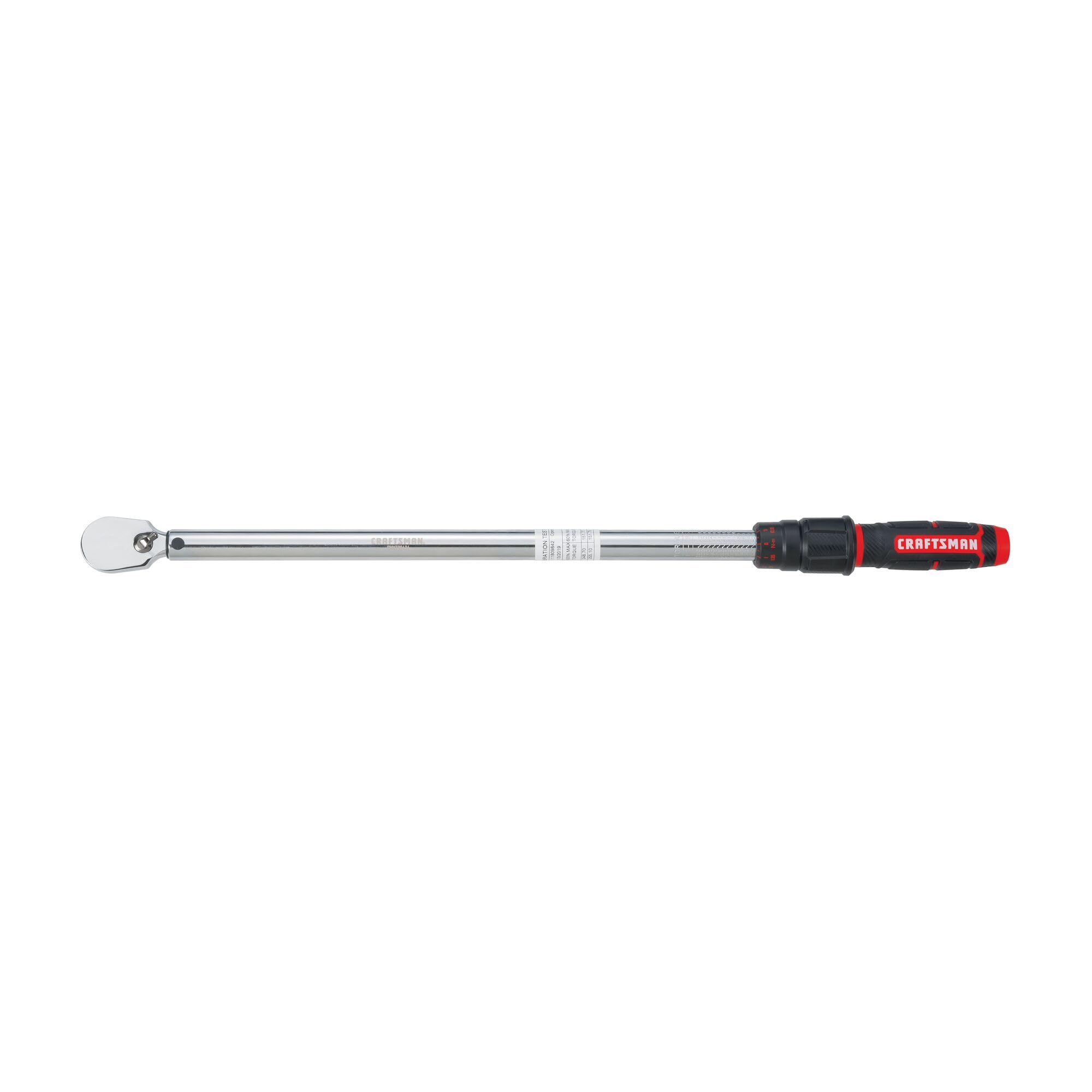
For axle nuts, hub work, and large automotive fasteners I rely on this wide‑range 1/2" micrometer wrench for consistent results.
Why I picked it: Broad 50–250 ft‑lb range with a comfortable handle and locking adjustment.
Best for: Wheel lugs, axle nuts, and medium/heavy automotive torque tasks.
Good value for a high‑range, shop‑grade torque wrench.
Pros
- Wide 50–250 ft‑lb range
- Bi‑material comfort handle
- Durable carrying case included
Cons
- Large and less handy for small fasteners
- Not intended for loosening bolts
My take
This Craftsman micrometer wrench is the one I reach for when I need reliable, high torque. It feels solid in the hand and the stamped scales make adjustments quick.
I appreciate the locking feature — it's easy to set and leaves no ambiguity when I hand‑tighten and then torque to spec. The product notes and my use both reinforce that this is a tightening tool; I use a breaker bar when I need to remove stubborn fasteners.
The build quality and calibration guarantee give me confidence for repeated shop use on wheel and axle jobs.
6. Milwaukee M18 FUEL Mid‑Torque Impact Wrench – Best Cordless Impact
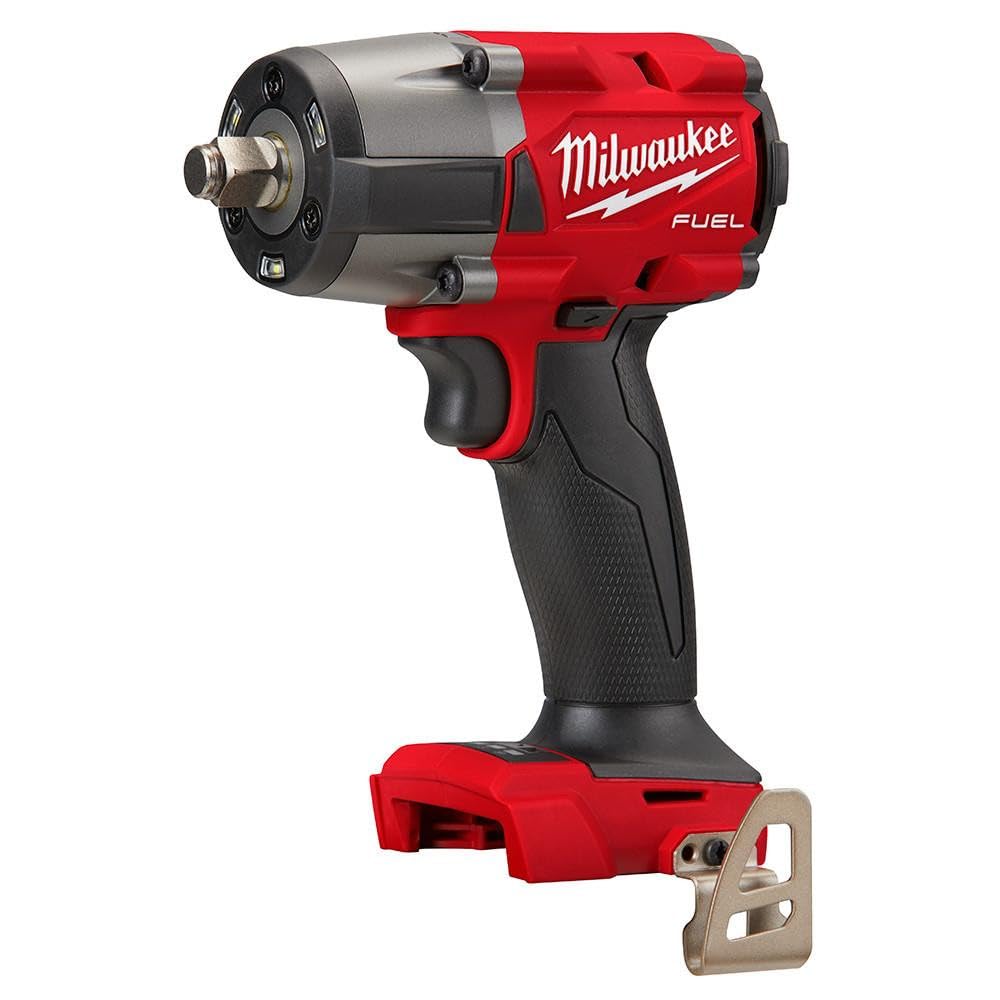
When I need cordless speed for lug nuts and general jobsite fastening, this compact Milwaukee packs surprising breakaway power and useful control modes.
Why I picked it: Compact mid‑torque power with bolt removal and auto shut‑off controls.
Best for: Quick wheel changes, suspension work, and general shop tasks.
Higher investment but delivers cordless power and advanced control.
Pros
- Strong breakaway torque
- Friction ring for quick socket changes
- Tri‑LEDs improve visibility
Cons
- Tool‑only listing — battery not included
- May be overkill for purely low‑torque jobs
My take
This impact wrench surprised me with how powerful yet manageable it is. The bolt removal mode blasts stubborn nuts then slows as they loosen, which prevents dropping fasteners.
The friction ring makes swapping sockets quick, and the LEDs light up shadowed work areas effectively. I used it extensively for tire and suspension jobs and appreciated that it didn't feel bulky while delivering strong breakaway torque.
Keep in mind the listing is tool‑only; you'll need Milwaukee M18 batteries to run it.
7. Milwaukee Impact Protective Boot – Best Accessory
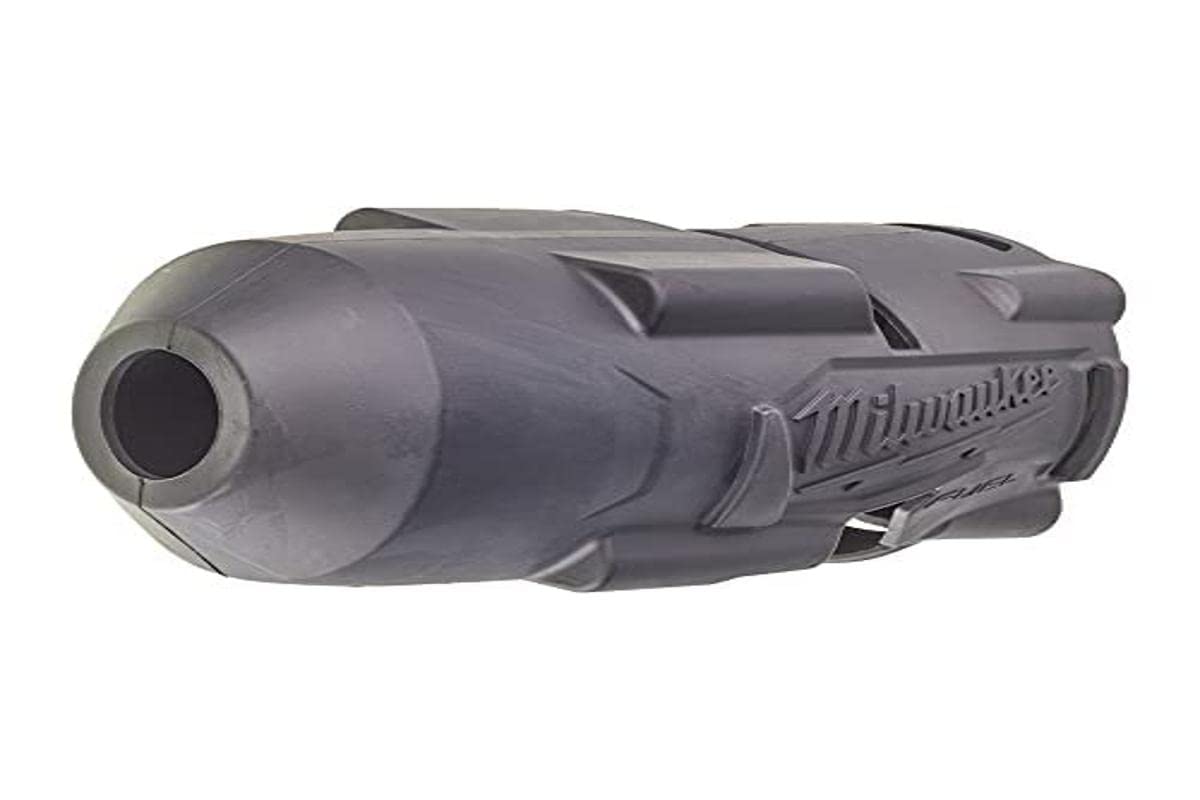
I use this rubber boot to protect a high‑torque impact from drops and corrosive messes when I'm on a jobsite.
Why I picked it: Protects the tool body and work surfaces from damage.
Best for: Protecting expensive impacts from dings, chemical exposure, and wear.
A bit pricier than generic boots but noticeably thicker and tighter.
Pros
- Form‑fitting, durable rubber
- Protects tool and work surfaces
- Resists common jobsite chemicals
Cons
- Adds bulk — tool won't fit original case
- Higher cost than no‑name boots
My take
This boot fits snugly and gives my impact much better protection during drops and rough handling. The thicker material feels more durable than cheaper covers I've tried.
Be aware that once installed the impact no longer fits in the factory plastic case; I had to slightly modify the case to carry the tool with the boot on.
I consider it insurance for a much more expensive tool and now keep one on any impact that sees heavy use.
8. Park Tool ATD‑1.2 Adjustable Torque Driver – Best for Precision Bike Work
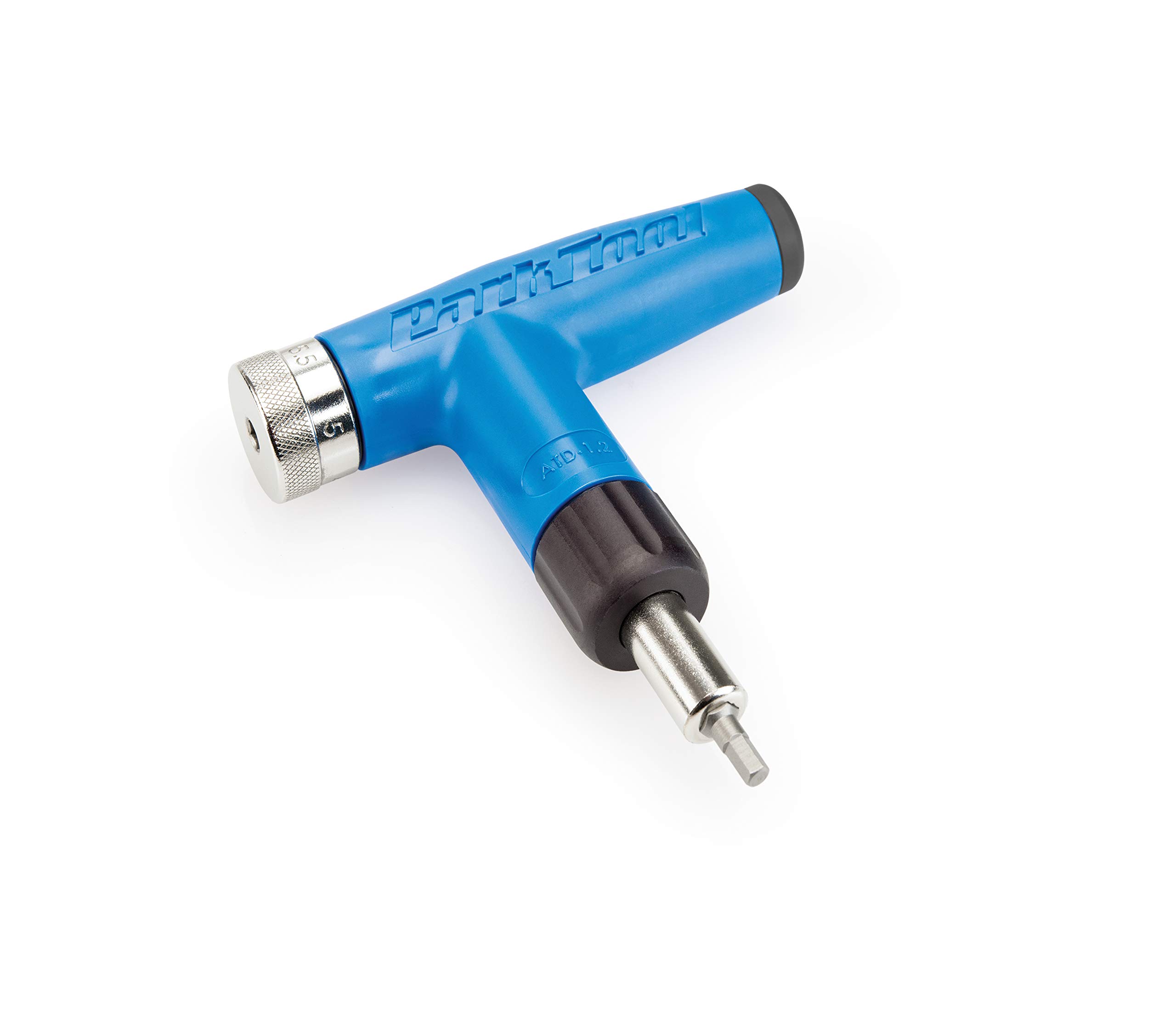
For carbon components and delicate bicycle fasteners this small adjustable driver takes the guesswork out of low Nm torque values.
Why I picked it: Precise 4–6 Nm settings and all‑metal internals for repeatable, delicate torque control.
Best for: Brake clamps, carbon stems, seatposts, and any low‑Nm bicycle fastener.
Premium tool for a specific, low‑torque niche — worth it for carbon work.
Pros
- Precise low‑Nm settings
- All‑metal internal construction
- Foolproof torque release
Cons
- Limited to small torque values
- Missing bits in some packages
My take
I relied on the ATD‑1.2 when rebuilding a carbon cockpit; the selectable 4–6 Nm settings removed any doubt about overtightening delicate fasteners.
The mechanism releases cleanly at the set value and feels durable thanks to its metal internals. I swapped in my preferred bit set for everyday bike work and stored bits in the handle when I needed them on the go.
If you work on carbon frames and components, this driver is a cheap bit of insurance against cracking expensive parts.
How I Choose Torque Tools
Match tool to task
I always start by matching the torque range and drive size to the job. Low in‑lb tools like the Wheeler FAT or Park ATD are ideal for optics and bicycles, while 1/2" drives and mid/high ft‑lb ranges suit automotive work.
If you need to break bolts free, I use a breaker bar or impact tool first, then finish with a calibrated torque wrench to hit spec.
- Use inch‑pound wrenches for firearms and optics.
- Use 1/2" drive micrometer wrenches for wheel and axle work.
- Use breaker bars or impacts to loosen, torque wrenches to tighten.
Accuracy and calibration
Accuracy matters where failure risks damage. Tools that advertise repeatable accuracy and calibration guarantees are my preference for critical work.
I keep a torque wrench calibrated per manufacturer guidance and after any heavy bangs or drops.
- Look for explicit accuracy specs for the intended torque band.
- Return to lowest setting before storage if the manual instructs it.
Build and bits
Solid construction and hardened bits matter. For gunsmithing and precision work I choose S2 or hardened tool‑steel bits and a case to protect small components.
For impacts and breaker bars I prioritize chrome‑vanadium construction and secure detents or friction rings for socket retention.
- Prefer S2/hardened bits for gunsmith tools.
- Choose impact‑rated extensions for air tools when possible.
- Cases and boots extend tool life and protect markings.
Accessories and practical features
Features like friction rings, tri‑LEDs, or etched scales are small quality‑of‑life improvements I won't ignore. They speed work and reduce mistakes.
Consider whether a tool is sold tool‑only or with batteries and plan purchases accordingly.
- Friction rings speed socket changes on cordless impacts.
- LEDs improve visibility in shadowed areas.
- Check whether batteries/chargers are included with cordless tools.
Frequently Asked Questions
How often should I calibrate a torque wrench?
I recalibrate annually for tools used regularly, and sooner if a wrench is dropped, knocked, or shows inconsistent behavior during use.
Can I use a torque wrench to loosen bolts?
I avoid using torque wrenches to loosen fasteners; they’re meant for tightening to spec. I use a breaker bar or impact to remove stubborn bolts, then torque for the final install.
Are impact extensions the same as standard extensions?
I treat extensions labeled for impact use as preferable for air and electric impacts. Standard chrome‑vanadium pieces can work but may not handle repeated high‑impact stress the same way.
Final Take
I chose each tool here for a clear job: precision low‑Nm/In‑lb control, reliable high‑torque performance, reach and leverage, or protection and convenience. Combine a breaker bar or impact for loosening with a calibrated torque wrench for final tightening and you’ll avoid common fastener failures.
If you work on firearms or bikes, invest in the low torque, precision tools. For automotive and heavier tasks, prioritize 1/2" drive tools and quality construction. The right tool for the job saves time and prevents damage.
