
I tested sprays, stain extractors, and at-home dry cleaning kits so you can protect and restore upholstery, clothing, and outdoor fabrics with confidence.
I depend on a mix of protectors and cleaners around my house to keep furniture, clothes, and outdoor gear functioning and looking their best.
In this roundup I explain which products I reach for when I want to prevent spills, lift old stains, refresh delicate garments, or keep patio cushions looking new.
I split my picks into protectors (which form invisible barriers to stop spills) and cleaners (which lift existing dirt and stains). Protectors are my go-to before heavy use or events; cleaners are what I reach for after accidents. I also call out one at-home dry cleaner for garments I don't want to send out.
1. Scotchgard Fabric Water Shield – Best Overall
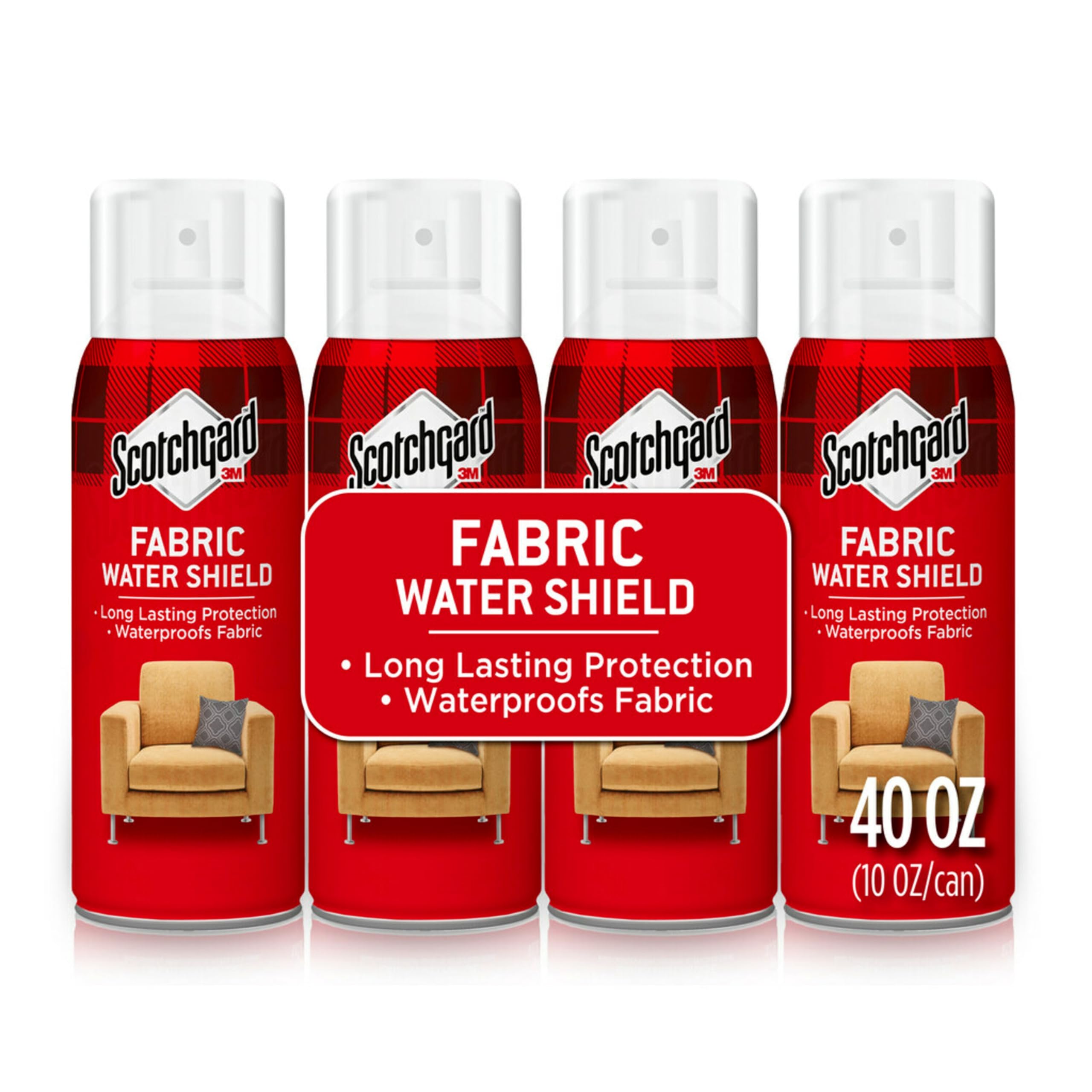
I use this multi-can fabric spray when I want broad, long-lasting water repellency on upholstery, clothing, shoes, and bags. It comes in a multi-can pack that makes treating several items convenient.
Why I picked it: Reliable water-repellent protection that keeps liquids beading without changing fabric feel.
Best for: Protecting couches, jackets, shoes, and delicate fabrics before use.
Value-minded multican pack for treating many items.
Pros
- Repels water-based spills effectively
- Safe on delicate fabrics like silk and wool
- Dries clear and maintains breathability
- Covers large items with one can
Cons
- Initial chemical odor during application
- Requires even spraying technique to avoid streaks
My take
I grab Scotchgard Fabric Water Shield when I want a straightforward barrier against water-based spills. In my experience it makes liquids bead up so I can wipe them away before they soak in. I regularly treat couches, backpack interiors, and canvas sneakers and have found the spray doesn't stiffen or change fabric hand.
I appreciate that the formula is labeled safe for delicate and dry-clean-only fabrics; I've used it on wool scarves and silk ties with no visible change. It does have a noticeable smell at first, so I always spray outdoors or in a garage and let items air out overnight.
Application is simple but matters: I hold the can at the recommended distance and apply two light coats rather than one heavy coat. That approach minimized streaking and gave me consistent coverage across cushions and jackets.
2. Chemical Guys Lightning Fast Stain Extractor – Best for Tough Stains
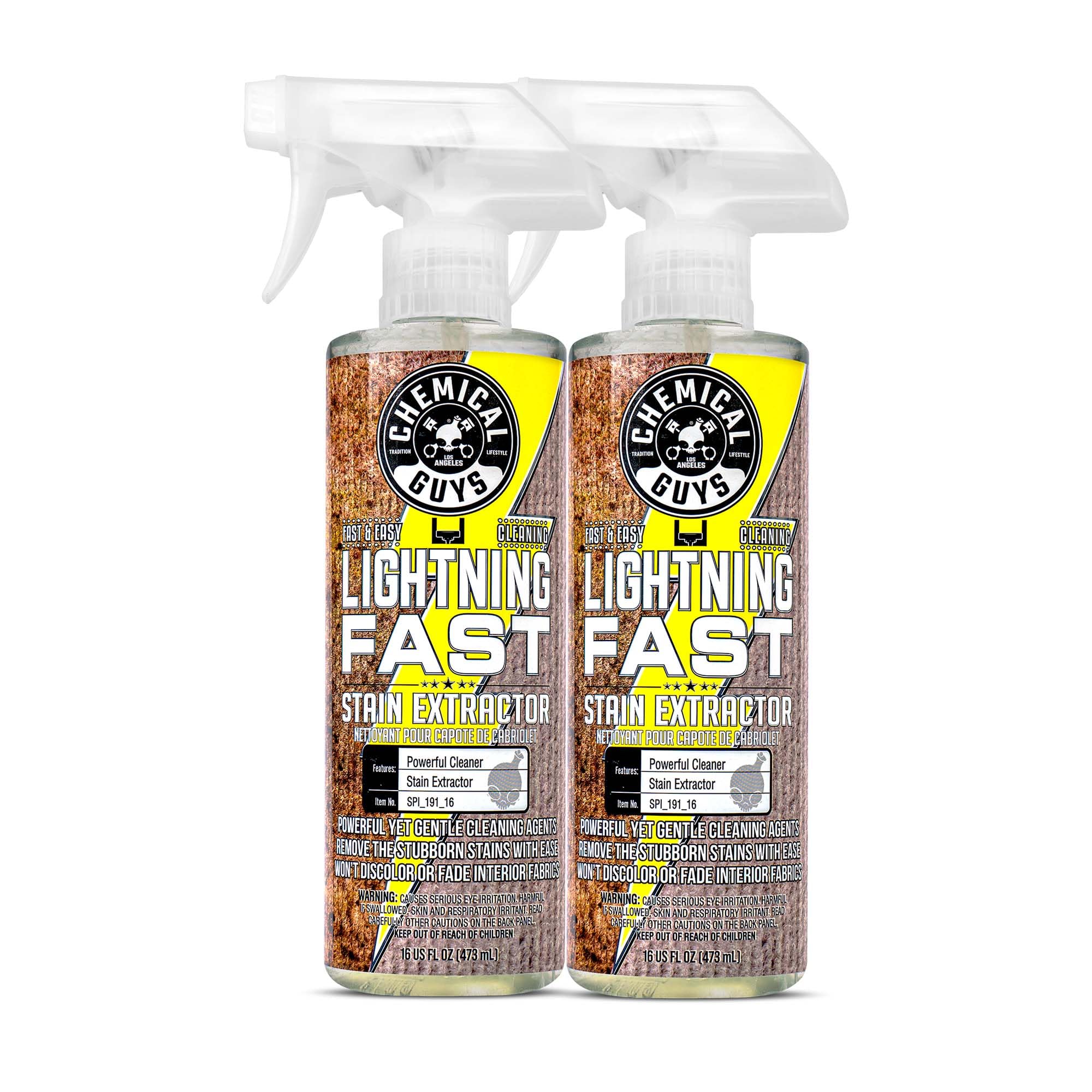
When I need to remove set-in food, grease, or pet stains from carpets and upholstery, this concentrated, professional-style formula is my first choice. I use it full strength for problem spots and dilute for routine cleaning.
Why I picked it: Penetrates deep into fibers and dissolves tough grime with minimal scrubbing.
Best for: Car interiors, floor mats, heavy upholstery stains, and spot-cleaning.
Flexible concentrate that serves both heavy-duty and maintenance needs.
Pros
- Penetrates deep into fibers
- Use full strength or dilute heavily
- No harsh residue after cleaning
- Works on headliners and seat belts
Cons
- I sometimes follow with a brush for fastest lift
- Scent may be noticeable to some
My take
This cleaner lives up to its name in my detailing kit — it attacks embedded grime in carpets and upholstery and lifts stains that I struggled with before. I sprayed, agitated lightly with a brush, and blotted; the results were visible quickly.
I like that I can use it full strength on tough spots or dilute it up to 20:1 for maintenance. That versatility means I keep a bottle in the garage for quick touch-ups and use a larger dilution for whole-seat cleaning.
For very heavy or old stains I still spend a little extra agitation time with a brush, but I’ve had several occasions where this product made my seats look essentially new without bleaching or damaging the fabric.
3. Scotchgard Sun & Water Shield – Best for Outdoor Fabrics
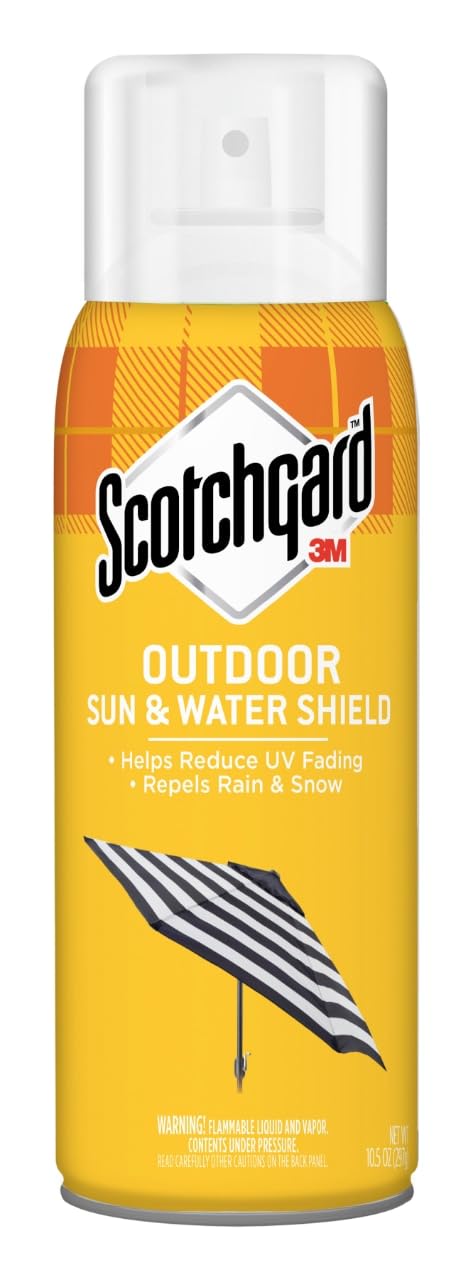
I reach for this spray when I want combined UV protection and water repellency for patio cushions, umbrellas, boat covers, and awnings. It’s designed to reduce fading as well as repel moisture.
Why I picked it: Blocks UV rays while repelling water to protect outdoor fabrics from sun and rain.
Best for: Outdoor furniture, boat Bimini tops, grill covers, and patio cushions.
Targeted outdoor protection, handy single-can option.
Pros
- Adds UV protection to reduce fading
- Repels water effectively on outdoor fabrics
- Easy one-step application
Cons
- Spray can leave streaks if applied too close
- Not recommended for leather or suede
My take
I applied Sun & Water Shield across my patio set and on the Bimini of a boat; both showed the same benefit — rain beads up and dries faster, and color fading is noticeably slower on sun-exposed pieces. I liked the simplicity of a one-step application.
One caveat from my tests: spraying too close or with uneven passes can create streaks on textured cushions. I solved this by backing up and using lighter, overlapping sprays so the product dispersed evenly.
Overall it’s the product I keep on hand for seasonal outdoor maintenance — especially on pieces that see both sun and frequent moisture.
4. Resolve Multi-Fabric Upholstery Cleaner – Best Budget Cleaner
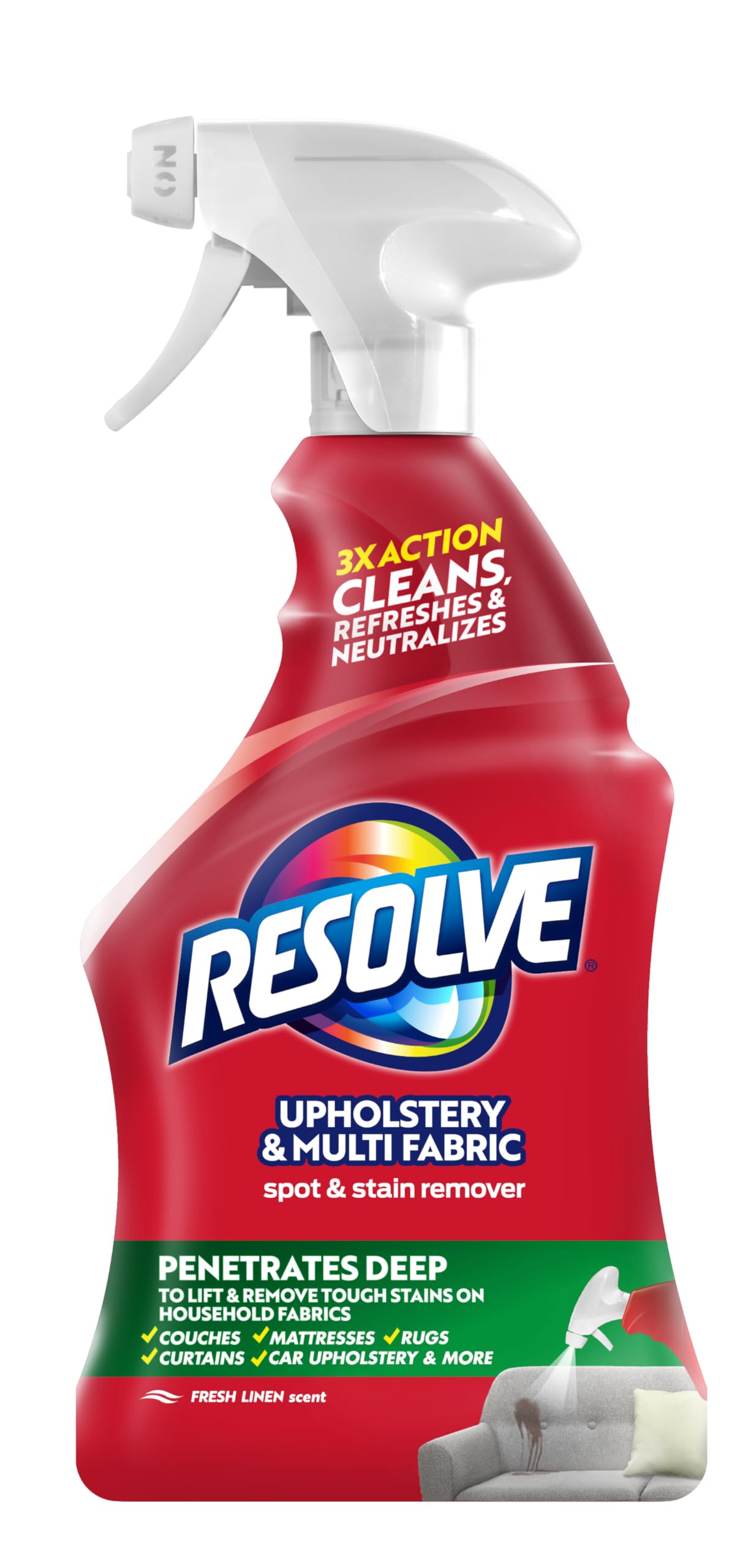
For fast spot cleanup and odor lifting around the house, I rely on this multi-fabric spray. It’s effective on common fabrics like polyester, nylon, and cotton blends and tackles pet accidents and food spills reliably.
Why I picked it: Straightforward stain and odor removal that works across many household fabrics.
Best for: Daily spills, pet accidents, and refreshing upholstery on a budget.
Low-cost, effective option for regular spot cleaning.
Pros
- Lifts stains and odors quickly
- Safe on common household fabrics
- Easy mist application
Cons
- Strong chemical scent during use
- Not recommended for silk or leather
My take
I rely on Resolve for quick kitchen-chair spills and dog-accident cleanup. It starts working fast and the odor lifts instead of just being masked. For fabrics coded WS or W, it’s a simple spray-and-wipe process that usually restores the area.
The scent is noticeable while it’s wet, so I ventilate the room when I use it and wear gloves if I’m doing multiple applications. Despite that, it’s a dependable, no-frills cleaner that I keep in the utility closet.
If fabric is delicate or labeled for dry-clean only, I avoid this product and test a hidden area first. On the right fabrics, it’s one of the quickest ways I’ve found to get stubborn spots out without damage.
5. Dryel At-Home Dry Cleaner Kit – Best for Dry-Clean-Only Clothes
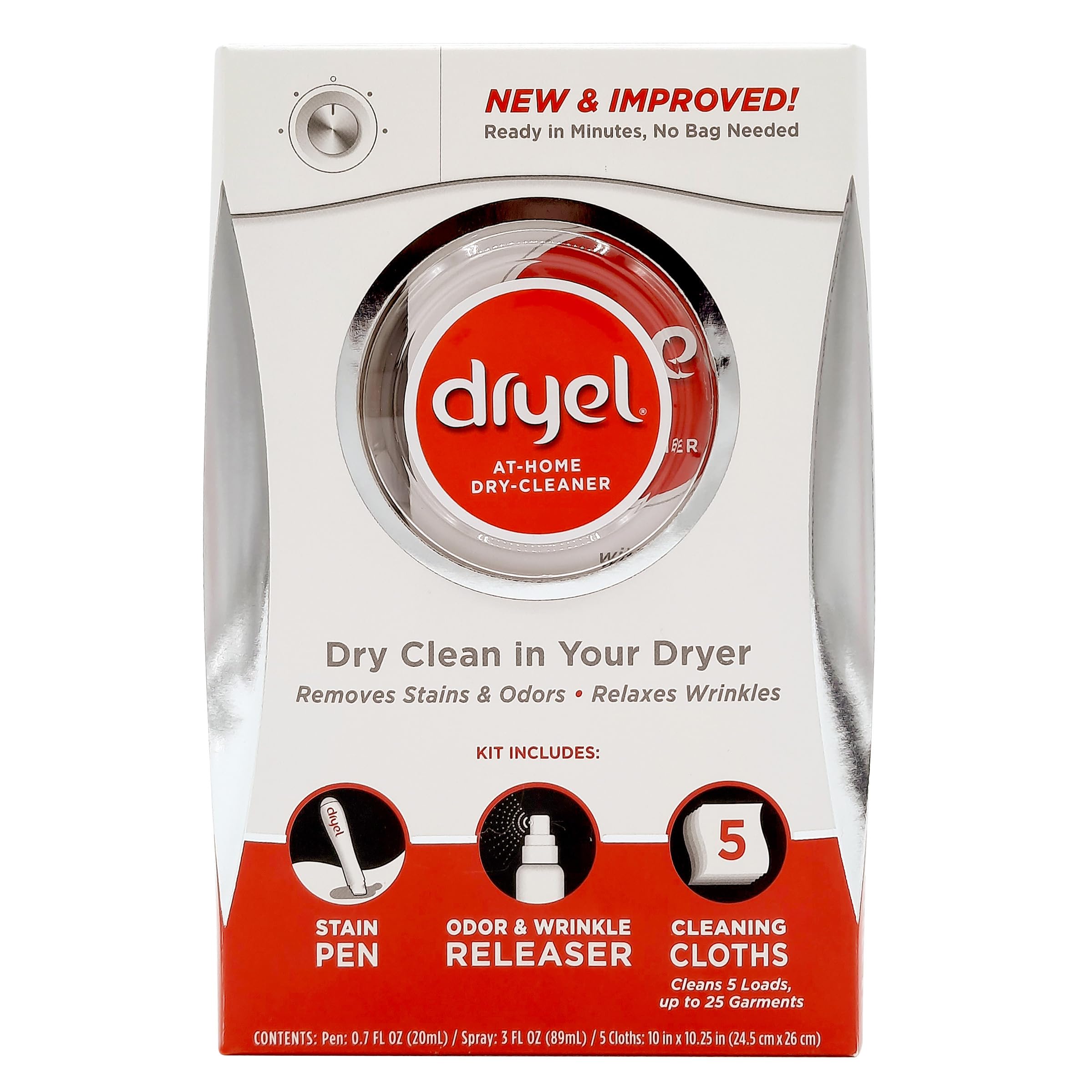
I use Dryel when I want professional-style dry cleaning results at home for suits, blouses, and delicate garments. The dryer-activated cloths, stain pen, and wrinkle spray make it a convenient alternative to trips to the cleaner.
Why I picked it: Convenient, gentle dry-cleaning substitute that refreshes and deodorizes clothes at home.
Best for: Dry-clean-only garments, sweaters, delicate blouses, and quick refreshes.
Saves on professional dry cleaning for light maintenance.
Pros
- Gentle on delicate fabrics
- Cleans, deodorizes, and reduces wrinkles
- Includes stain pen and wrinkle spray
Cons
- Not effective on deep or set-in stains
- Works best for light soil and refreshes
My take
Dryel transformed how I handle work blazers and delicate dresses — I can refresh items in my dryer in about 20 minutes and remove odors and light wrinkles without a trip to the cleaner. The kit’s stain pen is handy for small spots before the dryer cycle.
I’ve used one cloth across multiple medium-weight garments with good results, but I don’t rely on it for heavy, ground-in stains. For that I still use a solvent-based professional service or one of the cleaners above before attempting Dryel.
For regular office wear and occasional special-occasion pieces, Dryel is a practical, cost-saving solution I trust for gentle, home-based care.
6. Scotchgard Fabric & Upholstery Protector – Best Value Pack
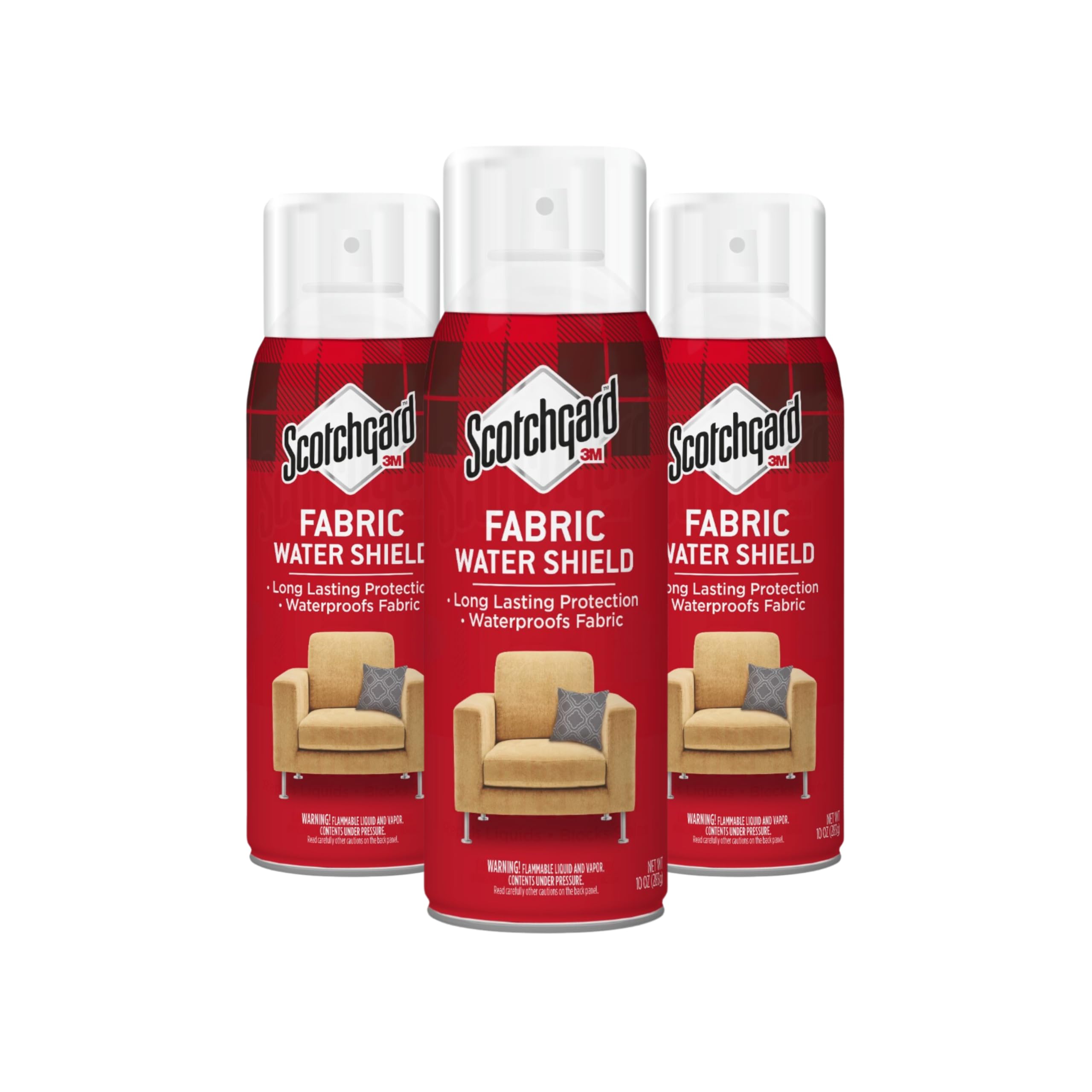
When I need wide coverage for multiple rooms or items, this three-can pack of Scotchgard gives me consistent protection that dries clear and preserves fabric softness.
Why I picked it: Three-can bundle for treating large homes, rentals, or multiple projects.
Best for: Large surfaces, multi-room treatment, and high-traffic households.
Bulk pack that stretches protection across many items.
Pros
- Dries clear without residue
- Safe for silk and wool
- Maintains fabric breathability
- Three cans for larger projects
Cons
- Strong fumes during application
- Not for use on vinyl, leather, or suede
My take
I stocked the three-pack for an apartment refresh and it covered couches, dining chair pads, and several jackets. The spray left no sticky residue and maintained fabric softness, so treated items looked and felt natural.
Application fumes can be strong in a closed room, so I always ventilate and let treated items air out for 24 hours. Following the recommended spray distance and multiple light coats produced the most even, long-lasting protection.
For busy homes or landlords who need to treat many items at once, this value pack gives me the coverage I need without running out mid-project.
How I Choose Fabric Cleaners and Protectors
Decide: protect first or clean first
I choose a protector when an item is new or freshly cleaned to prevent stains from setting. If the fabric already has spots or odors, I start with a cleaner before applying any protective spray.
Protectors save me time later; cleaners are for restoring and removing what’s already there.
- Protect new or freshly cleaned items to prevent stains.
- Clean first to lift existing soil, then protect once dry.
Match the product to the fabric
I always check fabric care codes and avoid aerosol protectors on materials labeled leather or suede. For wool and silk I use products explicitly cleared for delicates or choose a specialist dry-clean kit.
When in doubt, I test a hidden area and wait for it to dry before doing a full application.
- Polyester/nylon/cotton blends: many cleaners are safe.
- Silk/wool/dry-clean-only: use gentle protectors or Dryel.
- Leather/suede/vinyl: avoid standard fabric sprays.
Application tips I follow
I apply sprays outdoors or in a well-ventilated area and use light, even coats rather than saturating a spot. That prevents streaks and reduces lingering odor.
For stain removers, I spray, agitate gently with a brush, then blot or wipe. Reapply only if the stain remains, and always finish with a protective treatment when the fabric is fully dry.
- Ventilate during application to reduce fumes.
- Use multiple light coats, not one heavy coat.
- Test hidden spot for colorfastness first.
When to choose a concentrated cleaner
I keep a concentrate when I need flexibility — I can use it full strength on old stains and dilute it for maintenance. It’s the most economical choice for frequent, varied cleaning tasks.
A ready-to-use spray is handy for quick spot work or single-item refreshes.
- Concentrates: best for heavy-duty or repeat jobs.
- Ready-to-use sprays: best for spot cleaning and quick touch-ups.
Frequently Asked Questions
Can I use protectors on clothing and upholstery interchangeably?
I use many fabric protectors across both clothing and upholstery, but I avoid them on leather, suede, and some specialty finishes. For clothing, I follow label guidance and test a hidden seam before full application.
How long should I wait to reapply a fabric protector?
I typically reapply after heavy laundering or when I notice repellency decreasing. For high-use items I plan to refresh protection seasonally or after several washes.
Will at-home dry cleaning replace professional dry cleaners?
I use at-home dry-clean kits for light soil, odor removal, and wrinkle reduction. For deep, set-in stains or structured garments, I still send pieces to a professional cleaner.
Final Take
I keep a mix of protectors and cleaners so I can stop stains before they start and rescue fabrics when accidents happen.
For everyday stain removal I reach for a targeted stain extractor; for long-term upkeep I apply a protector right after cleaning. The picks above cover the most common needs I encounter and make fabric care less stressful.
