
I tested six peel-and-stick backsplashes and decals that work with white kitchens — from navy herringbone wallpaper to thicker subway tile sheets — and I’m sharing what worked, what didn’t, and where I’d use each option.
When I refreshed white kitchens, peel-and-stick products became my go-to for fast impact without a full renovation. I tried patterned wallpaper, vinyl decals, and thicker faux-tile sheets so I could compare real-world installation, durability, and how each option reads against white cabinets and countertops.
My picks focus on practical performance: how easy the material is to install, whether it tolerates kitchen humidity and grease, and how the finish plays with white surfaces. Below I explain where each product shines and what I did to get the best result.
If you want a tile-like, durable backsplash that stands up to splashes, go with the thicker self-adhesive subway sheets. If you want quick pattern and color contrast, wallpaper or decals are faster and easier to change later.
1. HaokHome Herringbone Peel & Stick Wallpaper – Best Overall
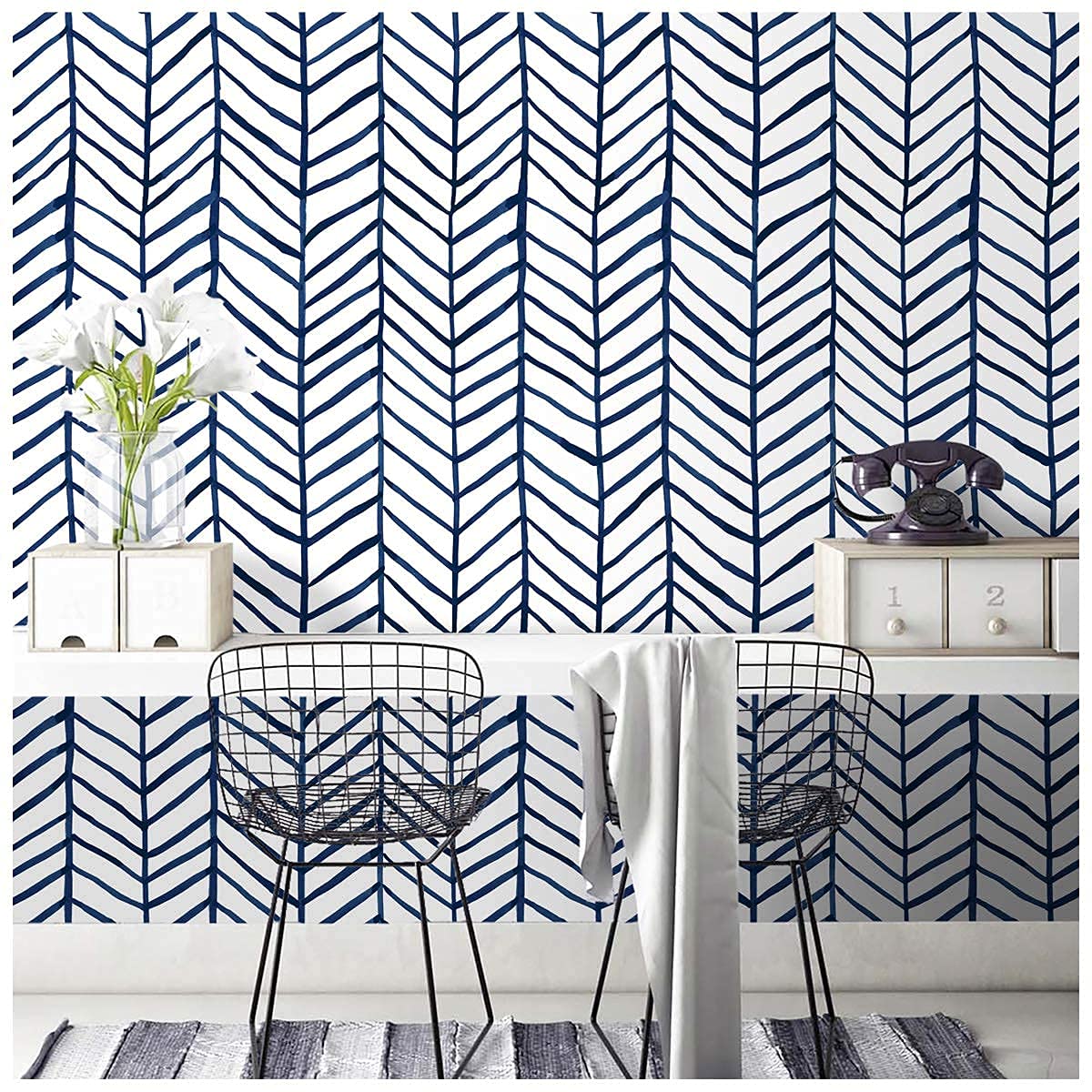
A navy-and-white herringbone vinyl wallpaper that installs like a big sticker, wipes clean, and is forgiving for pattern matching.
Why I picked it: Timeless navy herringbone that’s thick, waterproof, and easy to align.
Best for: Accent backsplash or half-wall behind counters in a white kitchen.
Affordable peel-and-stick wallpaper for bold, renter-friendly updates.
Pros
- Classic navy-and-white herringbone
- Thicker vinyl than contact paper
- Waterproof and wipeable
- Straight match reduces waste
Cons
- May pull delicate paint when removed
- Can leave adhesive residue behind
My take
I used this herringbone wallpaper when I wanted a graphic contrast against white cabinets, and it really delivered. The vinyl has a reassuring weight — thicker than typical contact paper — so it lays flat and resists tearing while I smoothed it with a basic squeegee.
Pattern alignment is beginner-friendly thanks to a straight match repeat, and I found that a level pencil line and a bit of overlap on the first strip kept everything square. It wipes clean and handled occasional splashes well, but I did take care to avoid the hottest, most humid zones because prolonged steam can weaken adhesion.
Removal was straightforward, but I experienced a little paint pull in areas where the wall finish wasn't very robust and a faint sticky residue in spots. For kitchens where paint is fresh or delicate, I recommend primer or testing a scrap first.
2. Polka Dot Peel & Stick Wall Decals – Best for Playful Accents
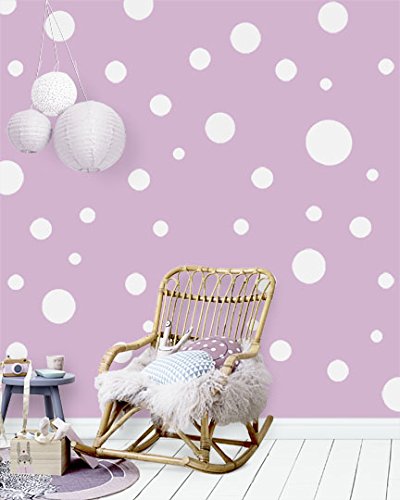
A pack of white vinyl polka dots in multiple sizes that I used to add a playful accent to white walls and small backsplash areas.
Why I picked it: Instant, repositionable dots that brighten sterile white walls and hide small blemishes.
Best for: Small backsplash areas, open shelving backs, or playful accents in a white kitchen.
Very low-cost option for instant pattern and personality.
Pros
- Instant visual impact
- Removable and repositionable
- Washable vinyl
- Multiple sizes included
Cons
- Peeling from backing can be fiddly at first
- Not a full backsplash solution alone
My take
I used these dots to liven up a short backsplash behind an open shelf and found them wonderfully quick to apply. Laying out a blue-tape template first helped me place them in a pleasing random pattern without guessing.
The vinyl feels durable and washable; after a few weeks around the sink and splashes they still looked intact. They peel and re-stick, but I avoided repeated re-positioning because the adhesive softens a bit with handling.
If you want whimsy without commitment, these are ideal. For a full backsplash I’d combine them with a solid tile alternative instead of relying on dots alone.
3. RoomMates Watercolor Potted Herbs Decals – Best for Botanical Accents
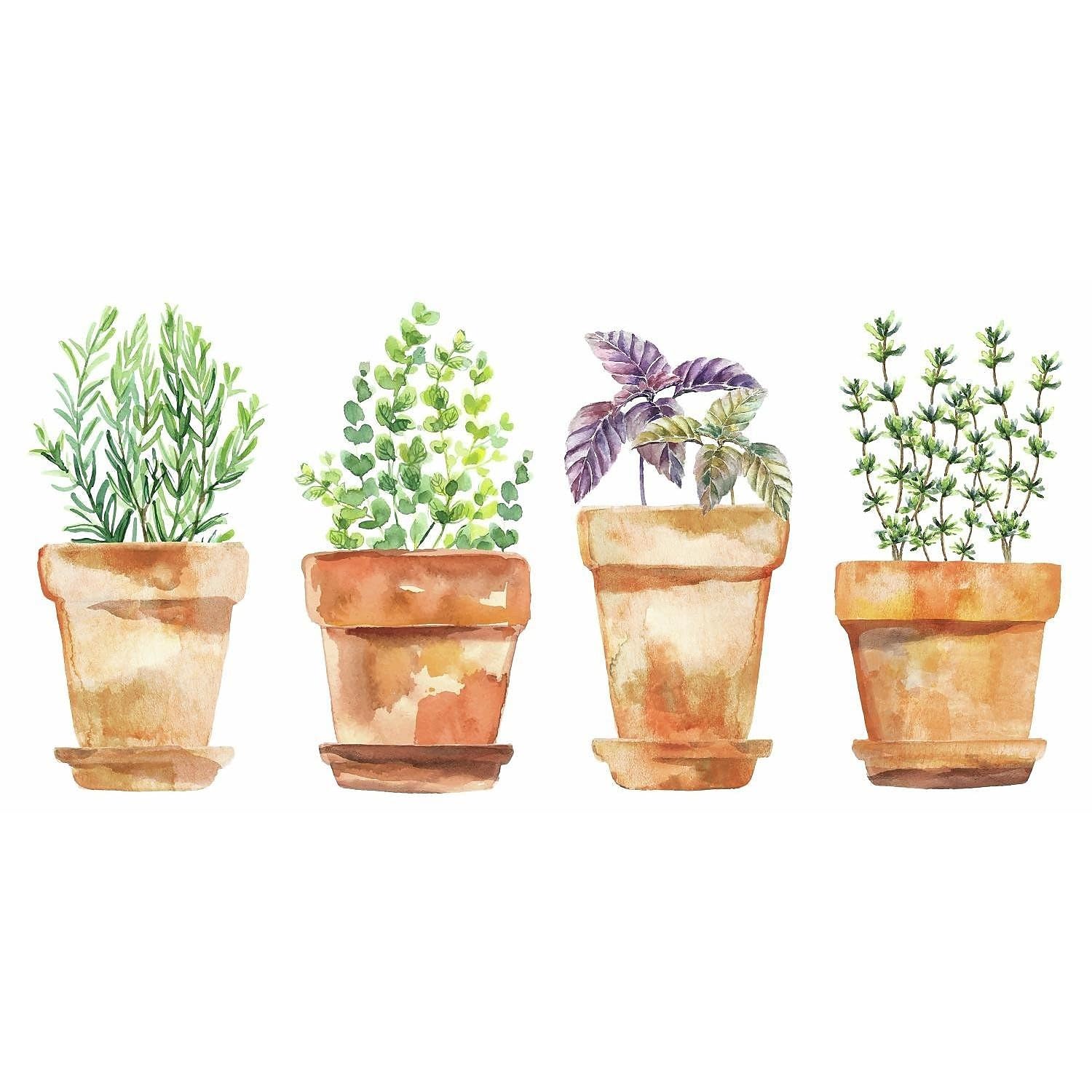
A set of vinyl herb decals in various sizes that add a fresh, painted look to white walls or small kitchen areas.
Why I picked it: Botanical artwork that installs in pieces for custom placement.
Best for: Styling a small backsplash, pantry door, or above-counter nook in a white kitchen.
Affordable decorative decals to add color without paint.
Pros
- Made in the USA
- Varied sizes for flexible layouts
- Removable with no residue
- Feels like a painted mural
Cons
- May need trimming for tight edges
- Not waterproof like tile
My take
I layered the potted herbs above a narrow countertop and immediately noticed how much warmth they added to the white backdrop. The larger pieces make a dramatic statement — one decal nearly reached my doorknob height — and smaller leaves filled gaps nicely.
Application was painless: peel, stick, and smooth. I trimmed one pot slightly so it sat flush with the counter edge and the finish still looked clean. They held up even in a warm laundry/kitchen corner I tested.
Because they aren’t solid waterproof panels, I avoided placing them directly behind a high-splash area without a clear protective layer, but they’re perfect for styling open shelving or a coffee station.
4. RoomMates Coffee House Decals – Best Themed Option
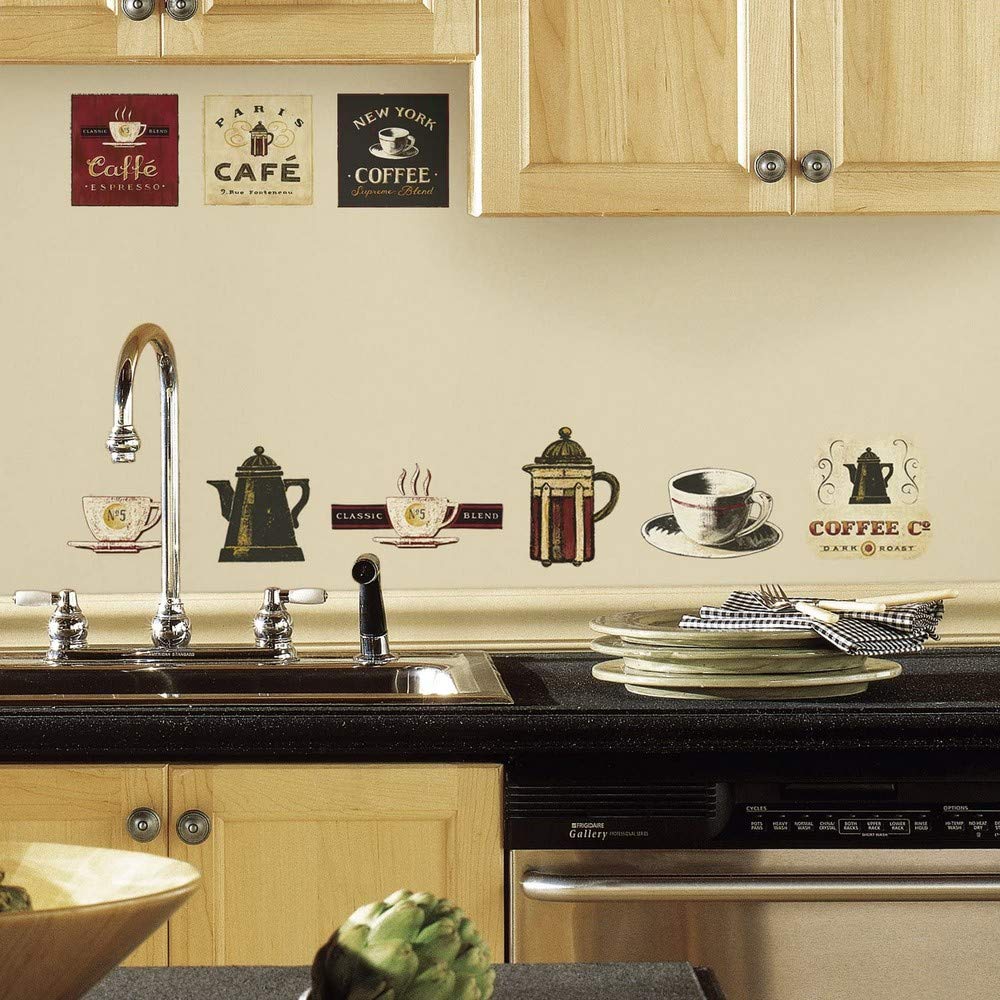
A themed decal set with coffee-related graphics that I used to personalize a coffee nook and cabinet interiors next to a white kitchen.
Why I picked it: Coffee-themed art that’s versatile and easy to move.
Best for: Coffee stations, cabinet interiors, or small backsplash accents in coffee-loving kitchens.
Budget-friendly themed decals for quick personalization.
Pros
- Includes many small decals
- Works on tile and ceramic
- Easy to reposition during install
- Removable without sticky residue
Cons
- Decals are small for a full backsplash
- Design better for accents than full coverage
My take
I used this set to dress a tiny coffee corner and inside a few cabinet doors; the different-sized pieces let me create a layered, curated look without a permanent installation. They stuck reliably to painted wood and ceramic tile in my tests.
If you want a full backsplash make-over these won’t cover the entire area, but for targeted accents or to highlight a coffee bar they’re ideal. They were simple to re-position while I arranged the layout and removed cleanly when I changed the setup.
5. STICKGOO Peel & Stick Subway Tile (Thicker) – Best for Durability
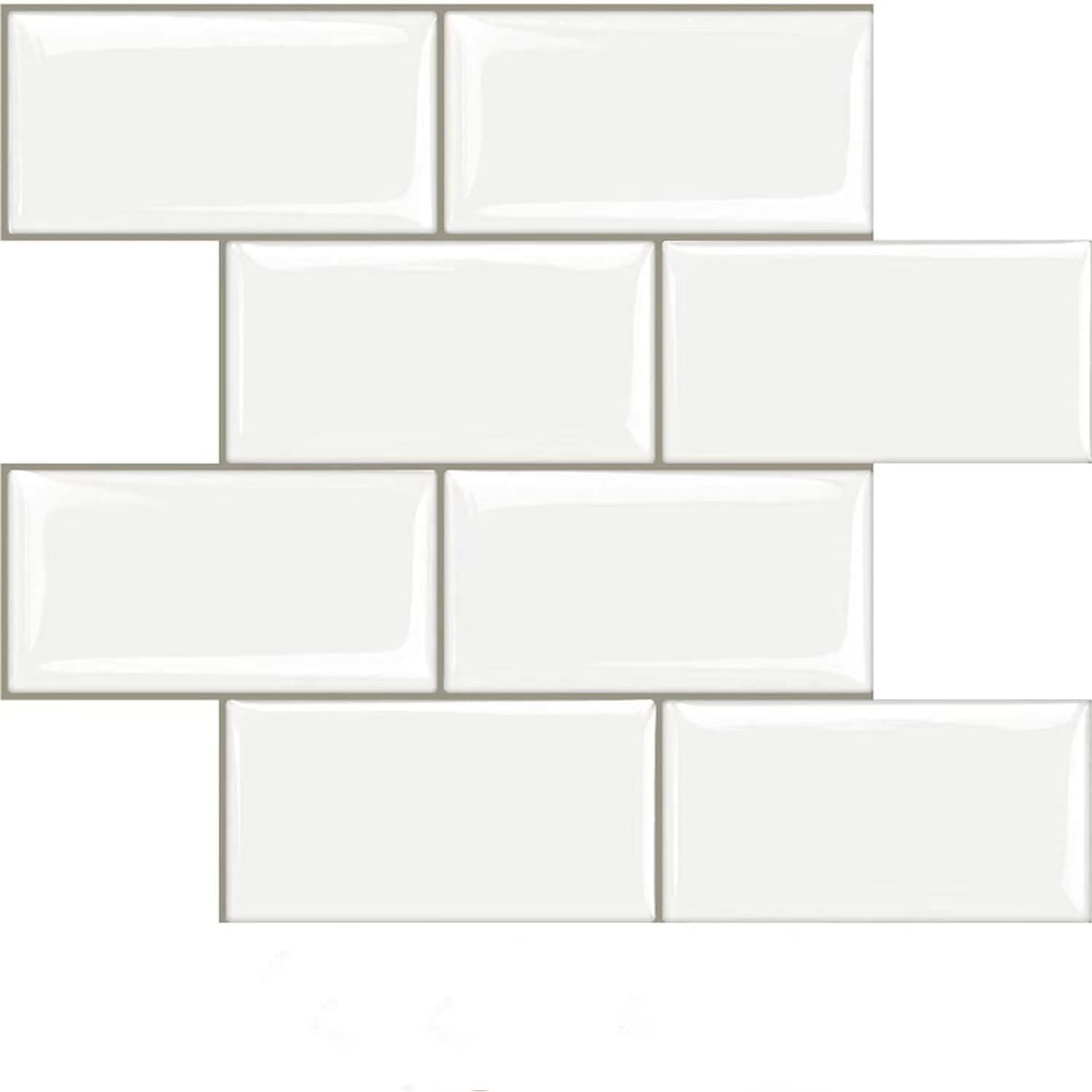
Thicker self-adhesive subway tile sheets with upgraded backing glue that emulate real tile and are designed to stand up to kitchen use.
Why I picked it: Closest thing to real tile — thicker, strong adhesive, and waterproof.
Best for: Full kitchen backsplash projects where durability matters.
Mid-range DIY tile alternative with a more finished look.
Pros
- 2–2.5mm thick for realistic feel
- 3X stronger adhesive
- Waterproof and easy to clean
- Covers more area per sheet
Cons
- Paper backing can be hard to peel
- Cuts require time and tools
- Small spots can pop up if not smoothed
My take
When I wanted a tile-like finish that would stand up to splashes, these thicker subway sheets were the obvious choice. The extra thickness and stronger adhesive made them feel much more substantial than thin sticker tiles, and the glossy white matched white cabinetry nicely.
Installation is satisfying once you get a rhythm: interlock, smooth, trim. Cutting the sheets accurately took the most time — a guillotine cutter or sharp utility knife made a big difference — and I recommend a sponge roller to press seams firmly. I caulked the edges and used trim pieces where necessary, which helped avoid corners lifting.
A small annoyance: the paper liner on the back can be stubborn, so plan for a little patience. Overall, they clean like tile and have stayed in place for months in my kitchens.
6. NuWallpaper Mirei Floral Peel & Stick – Best Premium Wallpaper
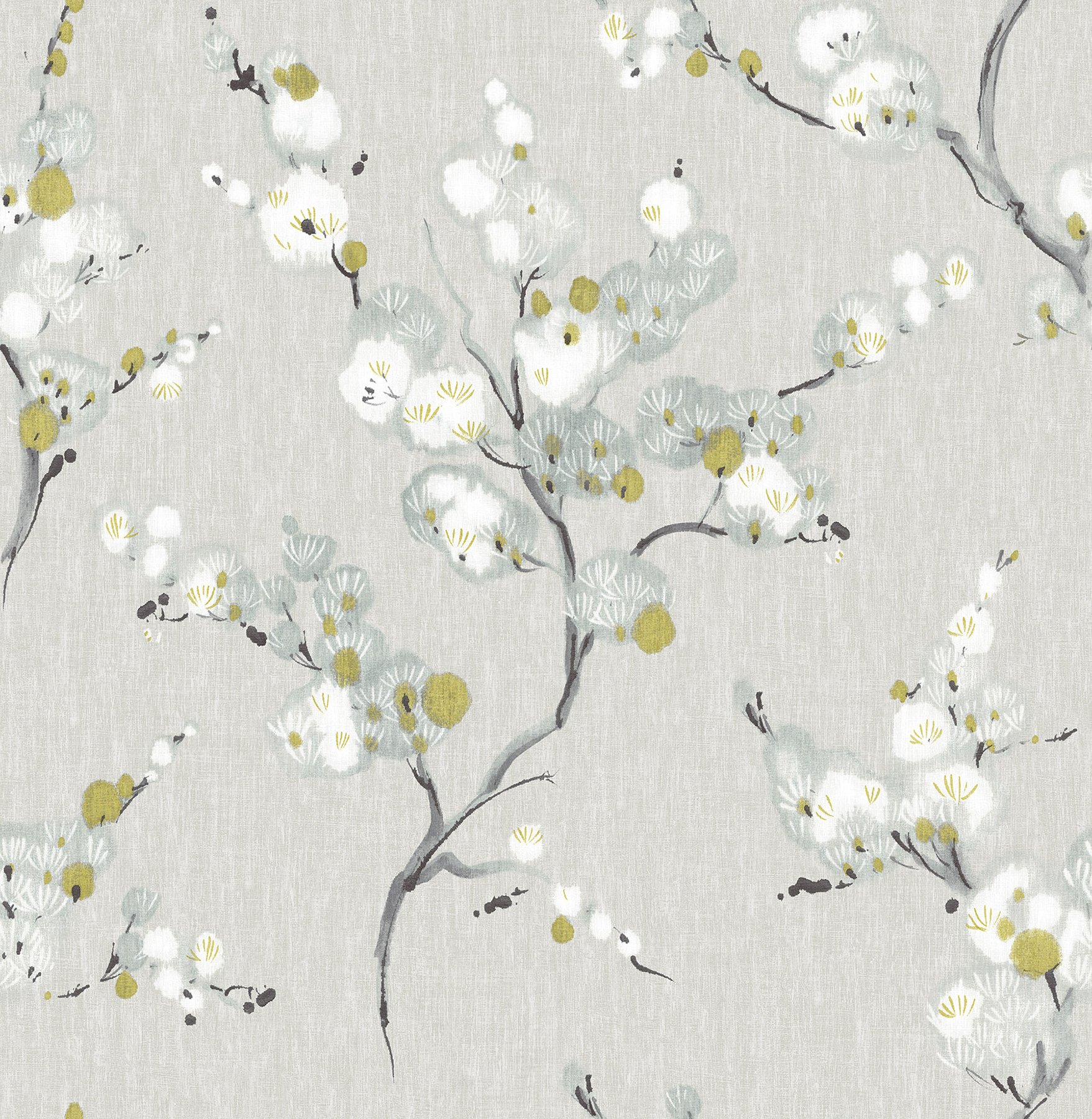
A vinyl peel-and-stick wallpaper with an Eastern-inspired floral pattern on a grey linen look that reads upscale against white kitchen surfaces.
Why I picked it: Beautiful, thicker vinyl with a refined floral pattern and good repositionability.
Best for: Accent walls, pantry doors, or a decorative backsplash behind open shelving.
A slightly pricier wallpaper that feels worth it for pattern and build quality.
Pros
- Rich, floral print with linen background
- Easily repositionable while installing
- Leaves little to no sticky residue
- Sturdy, forgiving material
Cons
- Requires acclimation for best results
- May show slight shrinkage over time
My take
I used the Mirei floral paper to create an accent behind a wall of open shelving and loved the sophistication it added to a white kitchen palette. The vinyl has body — it’s forgiving during alignment and easy to smooth into place.
A couple of practical tips I learned: let the rolls acclimate in the room for 24–48 hours, and start with a very straight first pass because misalignment becomes obvious across repeats. On certain paint types I boosted adhesion with a specialty EZ-hang product and that solved any sticking issues.
This paper felt like a step up from cheaper options; installation was quicker and re-positioning worked well. Expect to buy an extra roll for pattern match and to allow for trimming around outlets and fixtures.
How I Choose Peel‑and‑Stick Backsplashes
Material and Finish
I prioritize vinyl or thicker composite sheets for kitchen backsplashes because they resist moisture and are easy to wipe down. Thin contact-paper styles look fine but don’t hold up as well around sinks and cooktops.
Glossy finishes read more like tile and reflect light against white cabinetry, while matte or linen textures add warmth and hide small seams.
- Choose 2mm+ thickness for a tile-like feel
- Pick waterproof vinyl for areas near sinks and stoves
- Match gloss level to your cabinets and countertop
Surface Prep and Installation
I always clean the surface with a damp rag and let it fully dry before applying anything. Grease, dust, or textured paint will compromise adhesion.
For wallpaper, I let rolls acclimate in the room 24–48 hours. For tile sheets, I score the backing paper and use a hard roller or squeegee to push out air pockets.
- Wipe walls with isopropyl alcohol for best adhesion
- Use a level line to keep long runs straight
- Trim with a utility knife; a guillotine cutter speeds up straight cuts
Durability and Maintenance
I treat decals and thin papers as decorative accents rather than full wet-zone solutions. Thicker tile-style sheets are the only peel-and-stick option I trust for frequent splashes.
To keep edges sealed, I caulk perimeter seams and use trim pieces where the backsplash meets counters or open shelves.
- Wipe with a damp cloth and mild soap — avoid abrasive cleaners
- Caulk edges in wet zones to prevent water infiltration
- Test a small area for paint lift before covering a large wall
Design Tips for White Kitchens
White kitchens are my blank canvas: navy herringbone adds drama, soft florals add warmth, and subway sheets keep things classic. Think about contrast level — a high-contrast pattern reads bolder against white cabinetry.
I often use decals or wallpaper on only the area between counter and upper cabinet or behind open shelves to create a focal point without overwhelming the room.
- Use darker patterns for contrast, pale prints for subtle texture
- Consider half-wall application for a budget-friendly update
- Coordinate grout-look or trim color with cabinet hardware
Frequently Asked Questions
Can I use peel-and-stick wallpaper directly behind my stove?
I avoid placing standard peel-and-stick wallpaper directly behind high-heat burners; instead, I use thicker waterproof tile sheets or protect the wallpaper with a clear heat-resistant splash guard if I must.
Will peel-and-stick tiles damage painted walls when removed?
In my experience, thicker adhesive products usually remove cleanly from durable paint, but they can pull fragile or older paint. I test a small corner first and, when in doubt, prime the wall or use a temporary hanging solution.
How do I cut and trim self-adhesive tile sheets cleanly?
I use a sharp utility knife or a guillotine cutter for straight cuts and a metal ruler as a guide. Score the paper side first, cut with a steady hand, and finish with light sanding or trim for a polished edge.
Final Take
I’ve found that the right peel-and-stick product depends on how much moisture and wear the backsplash will face. For real kitchen durability I reach for thicker subway sheets; for quick style changes I prefer wallpaper or decals.
Start with careful surface prep and a test area, and you can get a dramatic white-kitchen update without a full remodel. I’ve used each of the options above in real projects, and keeping their strengths and limits in mind will help you pick the right fit.
