
I tested a range of phone lanyards—durable work straps, delicate beaded bracelets, rotatable tether tabs, and bulk charm packs—to find the right pick for work, travel, and everyday carry.
I carry a phone lanyard almost daily and have tried options for job sites, travel, running errands, and dressier outings. Each lanyard in this roundup earned a spot because it solved a real problem I face: dropping, misplacing, or juggling my phone and keys.
Below I explain which lanyard I reach for and why. I focus on materials, attachment style, adjustability, and the situations where each one shines so you can quickly match a lanyard to how you actually use your phone.
I grouped these picks by use: rugged and secure for work, slim tabs for travel and wireless charging, multipacks for backup and DIY, and decorative bracelets for style. I prioritized materials and attachment method first, then comfort and convenience.
1. Spigen Universal Lanyard – Best Overall
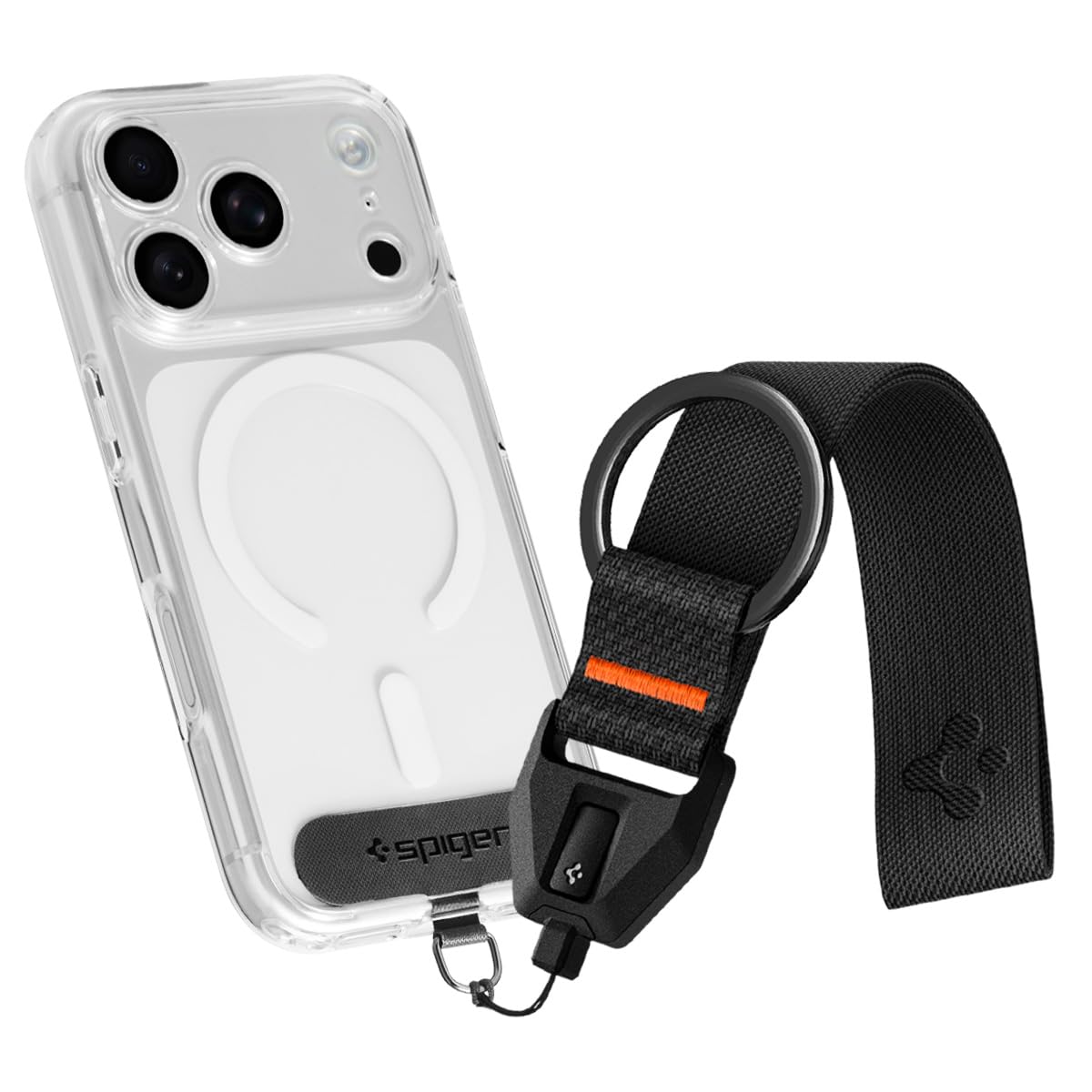
A rugged, well-built wrist lanyard with a titanium O-ring and a built-in key ring that I trust on and off the job.
Why I picked it: Durable hardware and a built-in O-ring make it my go-to for hands-free work and errands.
Best for: People who need a tough everyday strap that carries keys and phone.
Solid mid-range value for the build quality.
Pros
- Titanium O-ring resists wear
- Durable nylon strap with grip
- Built-in key ring for essentials
- Stylish, rugged design
Cons
- Short strap may feel tight for some
- Carabiner adds a bit of bulk
My take
This is the lanyard I grab when I know I’ll be moving a lot. The titanium O-ring has held up to constant clipping and unclipping without corrosion or loosening. I use the built-in O-ring for my keys so I don’t have to carry a separate keychain, and the single-loop install makes swapping devices quick.
The strap is shorter than some alternatives, which I actually appreciate on busy jobs since it’s less likely to snag on door frames or equipment. Expect a slightly beefier feel because of the carabiner and metal hardware—perfect for work, less ideal if you want a dressier, minimalist wristlet.
2. oakxco Adjustable Lanyard – Best for AirPods and Small Devices
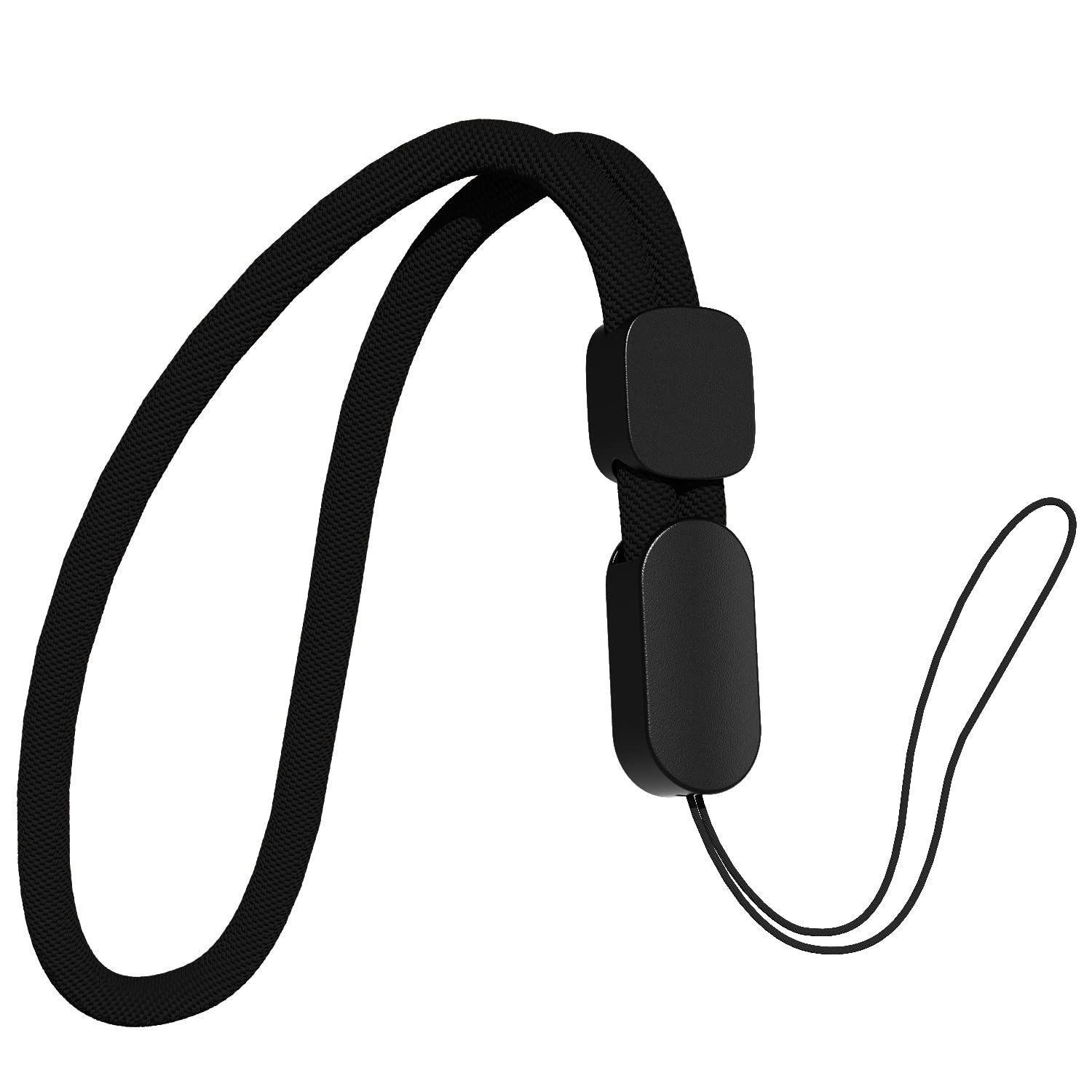
A comfortable, adjustable nylon loop that’s great for AirPods, cameras, and lightweight cases.
Why I picked it: Comfortable nylon and an easy loop attachment that I use on AirPods and compact cameras.
Best for: Securing AirPods, small cameras, and lightweight accessories.
Budget-friendly and comfortable.
Pros
- Adjustable fit for all wrists
- Easy single-loop install
- Soft, flexible nylon feels comfortable
- Multi-use on many devices
Cons
- Not meant for heavy loads
- Thin loop can feel delicate
My take
I keep one of these on my AirPods case and another on a compact camera. The adjustable slider makes it easy to cinch the strap on my wrist without it feeling bulky, and the nylon stays soft even after long wear.
Installation is nearly foolproof—thread the thin loop through the case or accessory hole and pull it through. I wouldn’t rely on it for heavy phones without a reinforced attachment point, but for earbuds, cameras, and keys it’s a handy, comfortable option.
3. yuntop 5-Pack Wrist Lanyards – Best Value Multipack
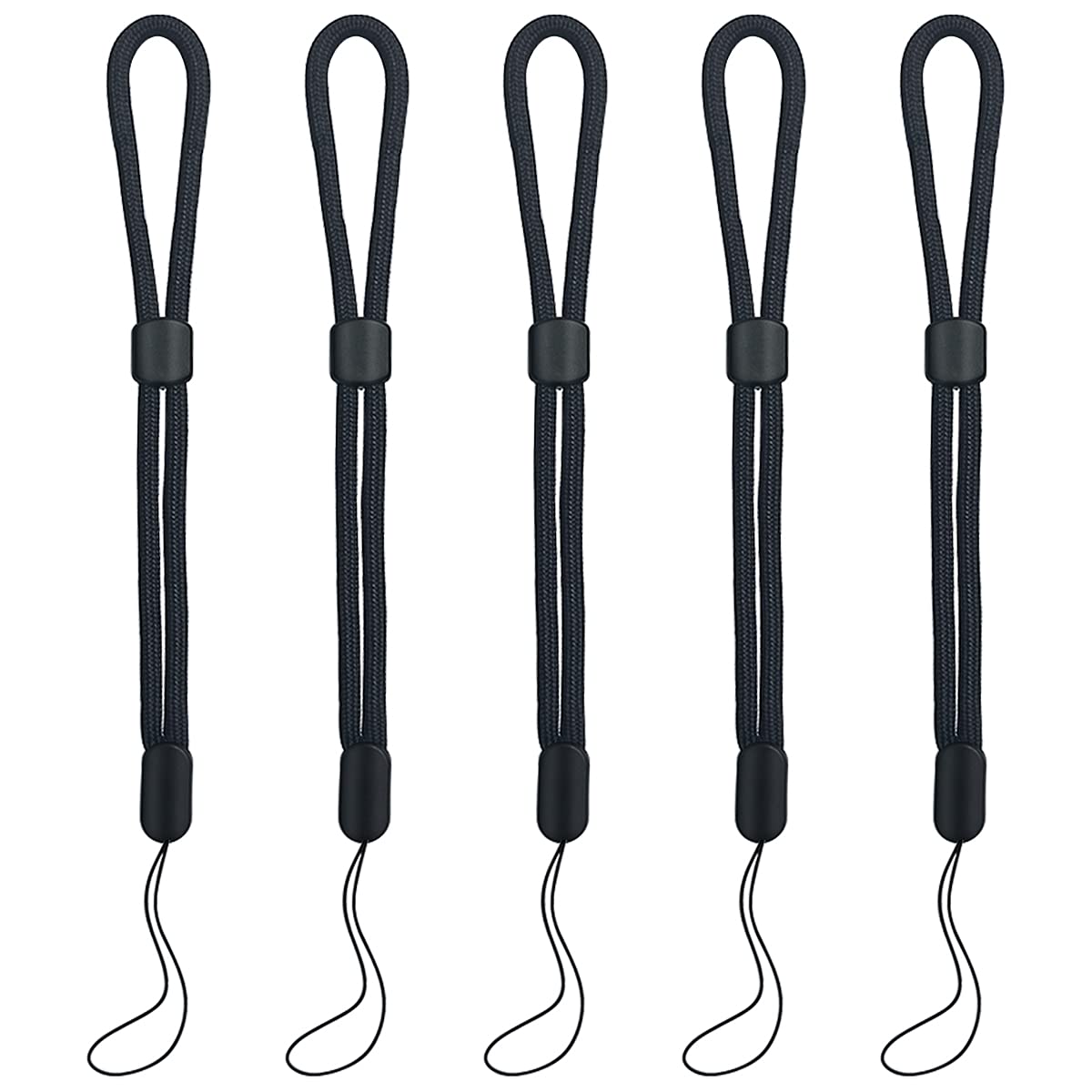
Five lightweight nylon wrist straps that give me backups for travel, cameras, and spare gear.
Why I picked it: A multipack that lets me outfit several devices or keep spares in bags and pockets.
Best for: Anyone who wants multiple reliable straps for cameras, cases, and gadgets.
Very affordable multipack—great value.
Pros
- Five straps per pack
- Lightweight, durable nylon
- Adjustable lock for security
- 6kg bearing capacity rating
Cons
- Length feels short for some uses
- Basic styling, not decorative
My take
I like having a handful of identical straps around the house and in my travel bag. They’re light but feel sturdy enough to keep a camera or phone secure when I’m moving around or taking photos near water.
The adjustable lock keeps the strap snug on my wrist, and the nylon construction looks like it will outlast casual daily use. They’re not fashion pieces, but they’re exactly what I reach for when I want a straightforward, reliable wrist strap.
4. Beaded Phone Bracelet Strap – Best for Style
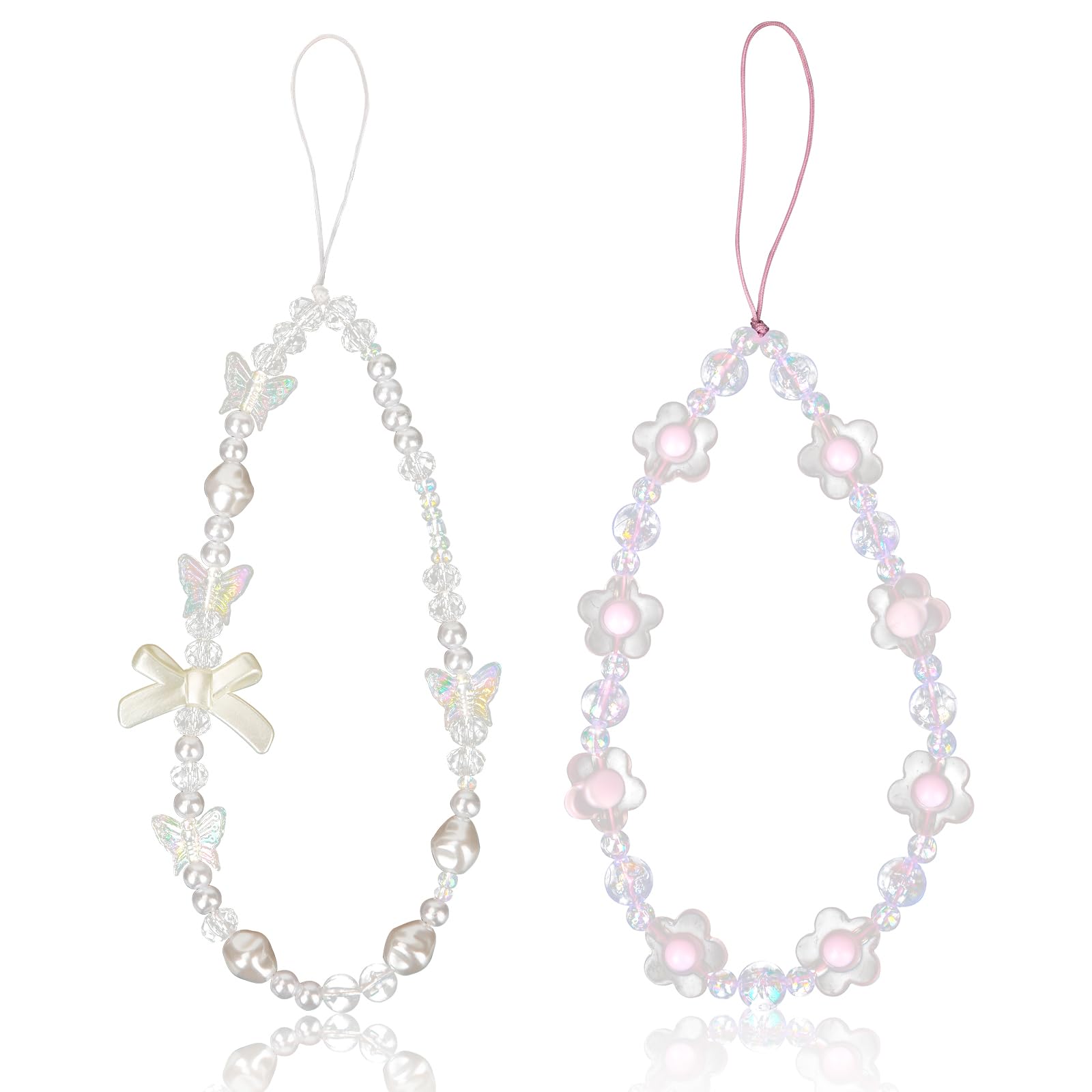
A decorative set of beaded bracelet straps that doubles as a phone charm and a wearable accessory.
Why I picked it: I use these when I want security without sacrificing a dressy look—great for events and gifts.
Best for: Dressing up a phone or adding flair to a bag or camera.
Budget-friendly and giftable.
Pros
- Pretty crystal and pearl beads
- Comes as a two-piece set
- Doubles as a bag charm
- Sturdy rope linking the beads
Cons
- Not recommended for heavy phones
- Limited color options in the set
My take
These are my go-to when I’m heading out and don’t want a utilitarian strap. The beads and pearls look like jewelry, and the rope linking them feels surprisingly robust for daily wear.
I attach one to a lightweight case or use it as a decorative charm on a handbag. It won’t replace a heavy-duty tether, but it keeps lighter devices secure and looks great in photos and in person.
5. OUTXE Rotatable Tether Tab – Best for Travel and Security
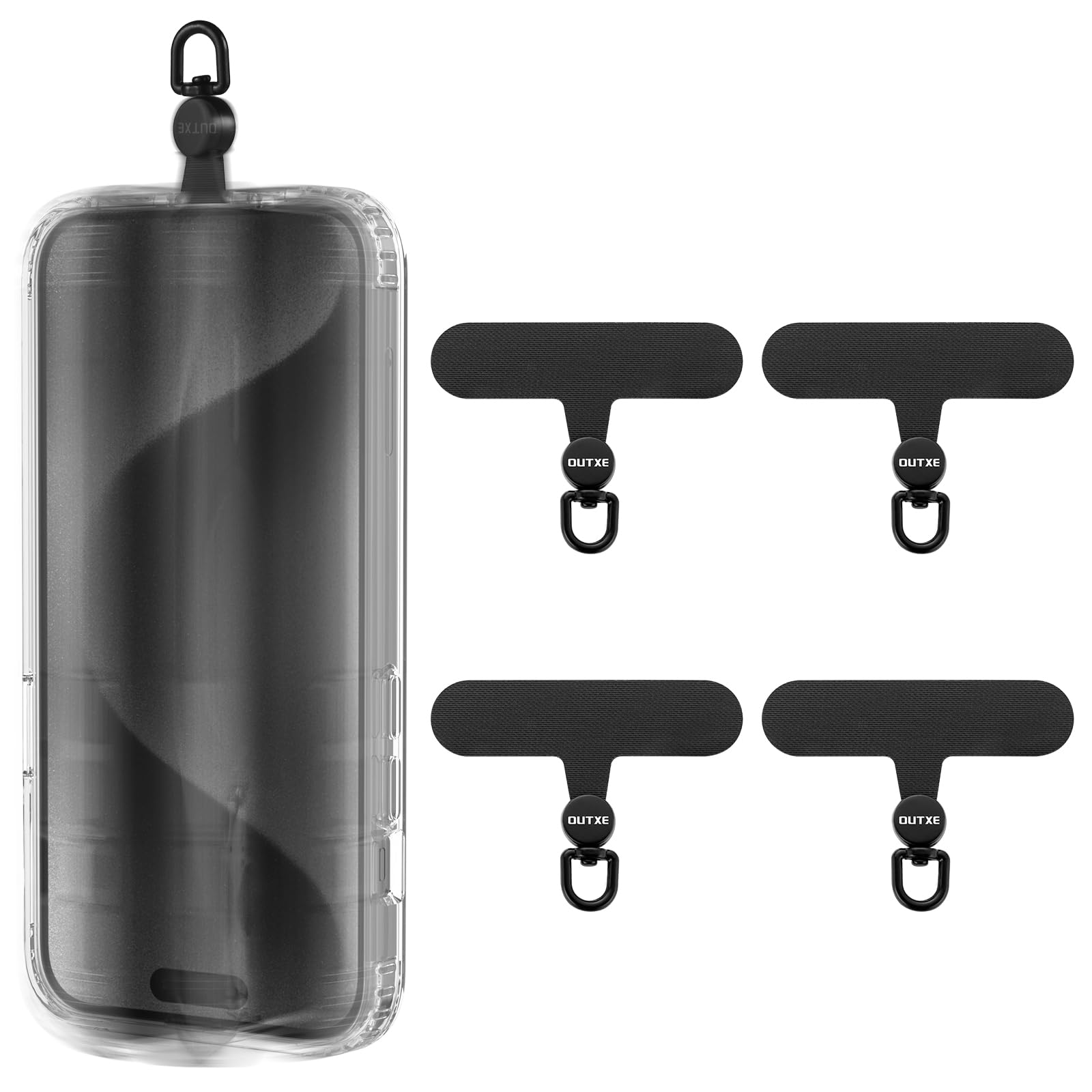
A thin, rotatable tether tab I leave under a full-coverage case when I need secure attachment and tangle-free rotation.
Why I picked it: 360° rotation and ultra-thin profile that still supports wireless charging make this my travel safety tool.
Best for: Travel, outdoor activities, and situations that need a secure tether.
Reasonably priced for the durability and features.
Pros
- 360° rotatable ring
- Thin—supports wireless charging
- Durable zinc alloy clasp
- Built to reduce patch wear
Cons
- Not compatible with half-coverage cases
- Requires a separate tether or wristlet
My take
I used this tab on a recent trip and left it under my full-coverage case for peace of mind while hiking and touring. The rotatable ring prevents tangles, which I appreciated when attaching a wristlet and clipping it to a belt loop or lanyard.
Installation is simple—thread the tab through the case’s charging-port gap and seat it inside the case. It’s thin enough to leave the phone on a wireless charger in most setups, though a few cable connectors I tried did catch slightly during repeated plugs. Overall, it’s the most travel-ready way I’ve found to tether a phone without permanent hardware.
6. Bulk Phone Charms with Lobster Clasp – Best Bulk Kit
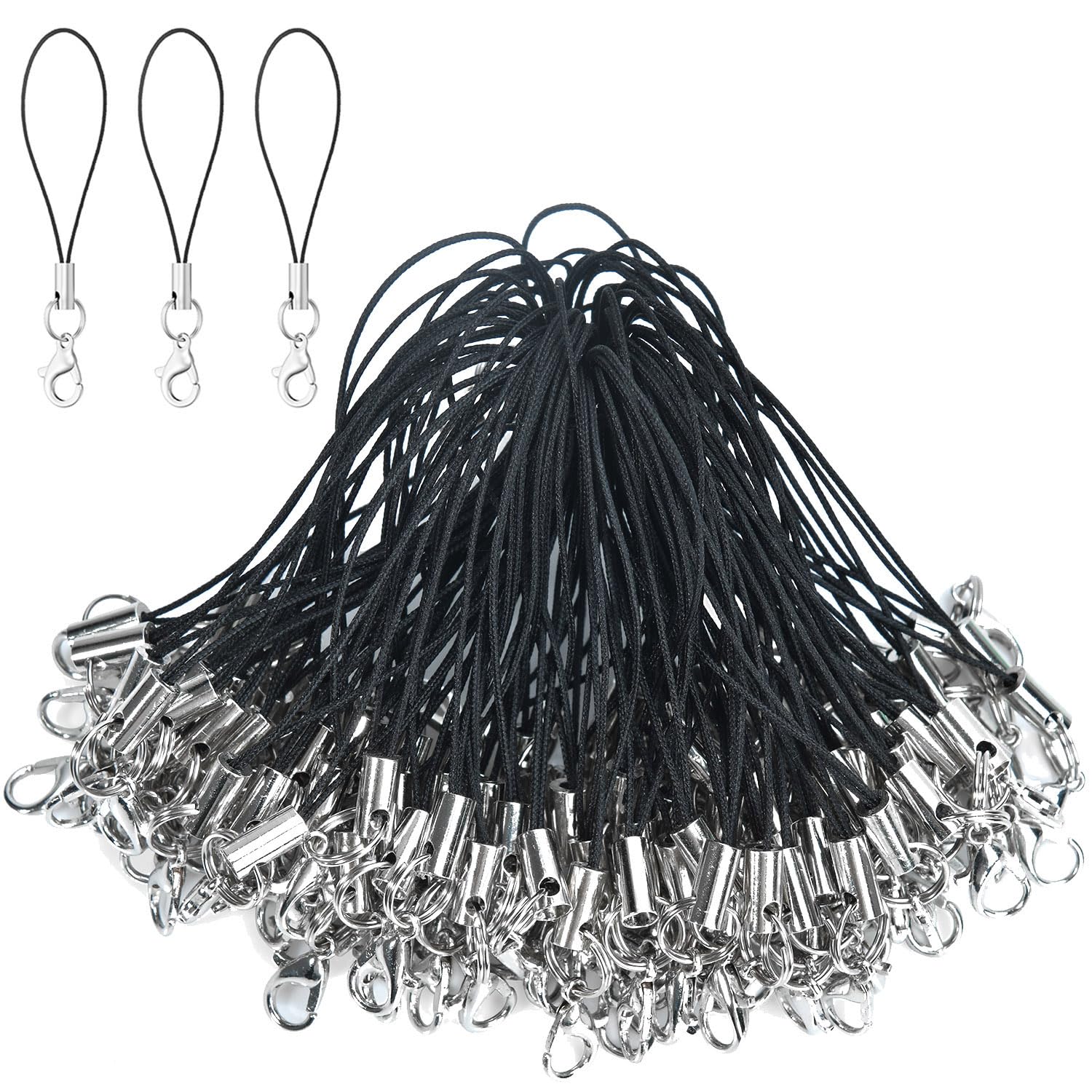
A 100-piece kit of small charm straps and lobster clasps I use for events, crafts, and replacements.
Why I picked it: Mass quantity and reliable hardware make it my choice for DIY projects and giveaways.
Best for: Craft projects, event swag, and mass replacements.
Great value for a large quantity.
Pros
- 100-piece bulk pack
- Alloy split rings and clasps
- Compact, portable size
- Excellent for DIY projects
Cons
- Can arrive tangled in packaging
- Too small for heavy attachments
My take
When I need dozens of small attachments—whether for an event or a DIY project—this pack saves time and money. The alloy split rings and lobster clasps are small but sturdy, and the nylon cords are fine for charms, USB drives, and light accessories.
Be warned: the bundle can come a bit tangled in the bag, so I sort them out before handing them out. Once separated, they perform well for light-duty use and crafting.
7. Adjustable Wrist Strap Lanyard – Best Adjustable Everyday Strap
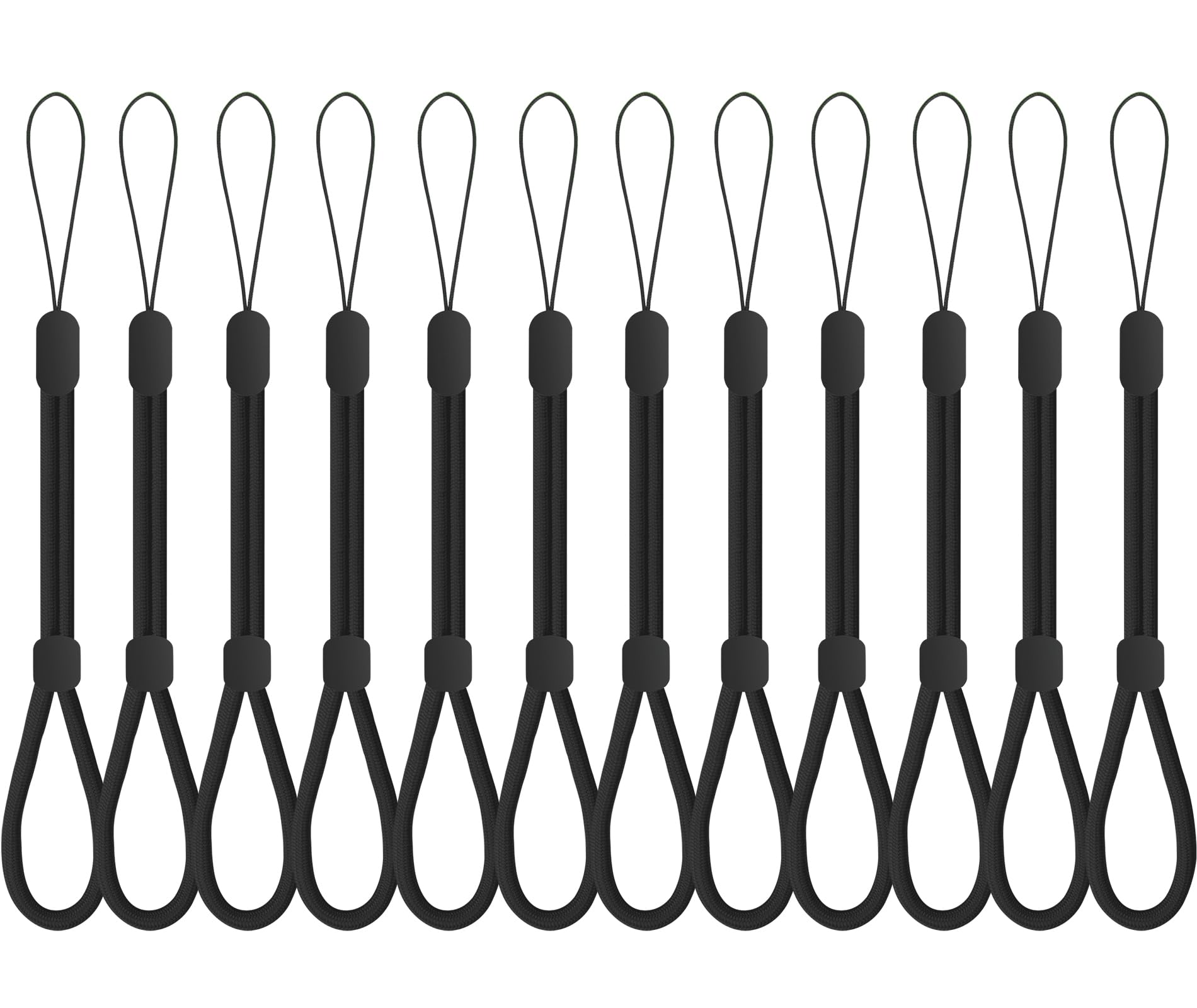
A simple, adjustable wristlet with a movable buckle I use daily for keys, flash drives, and phones with a loop point.
Why I picked it: Adjustability and color options make it my daily wearable strap for quick grab-and-go moments.
Best for: Everyday carry: keys, flash drives, quick-access phones.
Budget-friendly and versatile.
Pros
- Movable buckle for custom fit
- Bright color options available
- Lightweight and versatile
- Easy to swap between devices
Cons
- Thin connector cord limits heavy loads
- Colors may vary slightly
My take
This is the strap I toss in a pocket when I want a lightweight wristlet. The movable buckle lets me tighten it down so the strap won’t slide off during quick trips or while juggling bags.
It’s versatile enough for flash drives, keys, and phones with a small loop hole in the case. Don’t expect it to hold up like metal-reinforced tethers under sustained heavy strain, but for everyday convenience it’s a reliable pick.
How I Choose a Phone Lanyard
Materials & construction
I look for solid hardware and strong webbing first—metal O-rings, zinc or aluminum clasps, and tightly woven nylon stand up to daily abuse. If I’m using a lanyard for work or travel, I prefer a metal clasp and reinforced stitching so I’m not worrying about a snap or tear mid-use.
- Metal rings and clasps last longer than plastic
- Nylon webbing balances weight and durability
- Beaded or decorative straps trade strength for style
Attachment type matters
There are three reliable attachment styles: a loop that threads through a case hole, a patch/tab that fits under a full-coverage case, and a carabiner-style clip. I pick loop straps for earbuds and cameras, rotatable tabs for wireless charging compatibility, and carabiner setups for keys and heavy use.
- Loop—best for slim cases and small devices
- Tab—ideal for wireless charging and full-coverage cases
- Carabiner—best for keys and heavier loads
Length, adjustability, and comfort
Shorter straps reduce snag risk on jobsites; longer, adjustable straps are more comfortable for casual wear. I test the strap on my wrist before relying on it—an adjustable slider or buckle makes the biggest difference in day-to-day comfort.
- Short = less snagging; long = more reach
- Adjustable locks keep straps secure on the wrist
- Soft nylon or woven straps prevent chafing
Compatibility with cases and charging
I always check how a lanyard attaches relative to my case. If I plan to leave a tab under my case, I confirm the tab thickness and that the case fully seats over it. For wireless charging, I prefer ultra-thin tabs or strap placements that don’t force removal for charging.
- Full-coverage case + thin tab = ideal for tethering
- Half-coverage cases may be incompatible with some tabs
- Test wired charger fit after installing anything near the port
Style vs function
If I want a fashionable piece for social events, bead or pearl bracelets work well. For daily work or travel, I choose reinforced straps and metal hardware. I keep at least one decorative strap and one heavy-duty strap in rotation so I’m covered for both needs.
- Decorative straps pair with outfits but are lighter duty
- Rugged straps are practical for work and travel
- Keep at least one spare strap in your bag
Frequently Asked Questions
Will a lanyard interfere with wireless charging?
In my experience, most thin tether tabs and straps positioned away from the charging coil won’t block wireless charging. The OUTXE rotatable tab I tested is thin enough to work with wireless chargers in many setups. If the attachment sits directly on the phone’s charging area or the case is unusually thick, I remove the strap for charging to be safe.
Can I trust a lanyard to hold a large phone?
That depends on the attachment method and hardware. I trust reinforced O-rings and metal clasps with full-coverage case tabs for larger phones. Lightweight loop straps are fine for small devices but I avoid them for heavy phones unless the loop and case hole are reinforced.
How do I install a rotatable tether tab like the OUTXE?
I thread the fabric tab through the charging-port gap of a full-coverage case, place the phone into the case so the tab sits flush inside, then attach my preferred tether or wristlet to the tab’s metal ring. It takes a minute and avoids permanent modifications to the case.
Final Take
I keep different lanyards for different jobs: a rugged Spigen strap for heavy use, an OUTXE tab for travel and wireless charging compatibility, a multipack for backups, and a beaded bracelet for dressier outings. Pick the one that matches how you move—work, travel, or style—and you’ll actually use it.
If you want a single recommendation, the Spigen model balances materials, convenience, and durability for most people. For travel safety or wireless charging, add a thin rotatable tab so you don’t have to choose between charging and tethering.
