
I tested a range of .095-inch trimmer lines so you can find the right balance of durability, convenience, and compatibility for your trimmer and yard.
I spent time loading, cutting, and using several .095-inch trimmer lines across different trimmers and yard conditions to see what actually holds up. My goal was to find options that reduce downtime, resist welding and tangles, and deliver a clean cut.
In this roundup I focus on what worked best for cordless heads, pre-cut convenience, bulk value spools, twisted profiles, and speed-load systems. I kept compatibility, durability, and ease of reloading at the top of my list.
I compared these lines on durability, ease of spooling or reloading, noise and vibration, and real-world cutting power for typical residential and heavier yard work.
1. DeWalt .095 in Trimmer Line (144 ft) – Best Overall
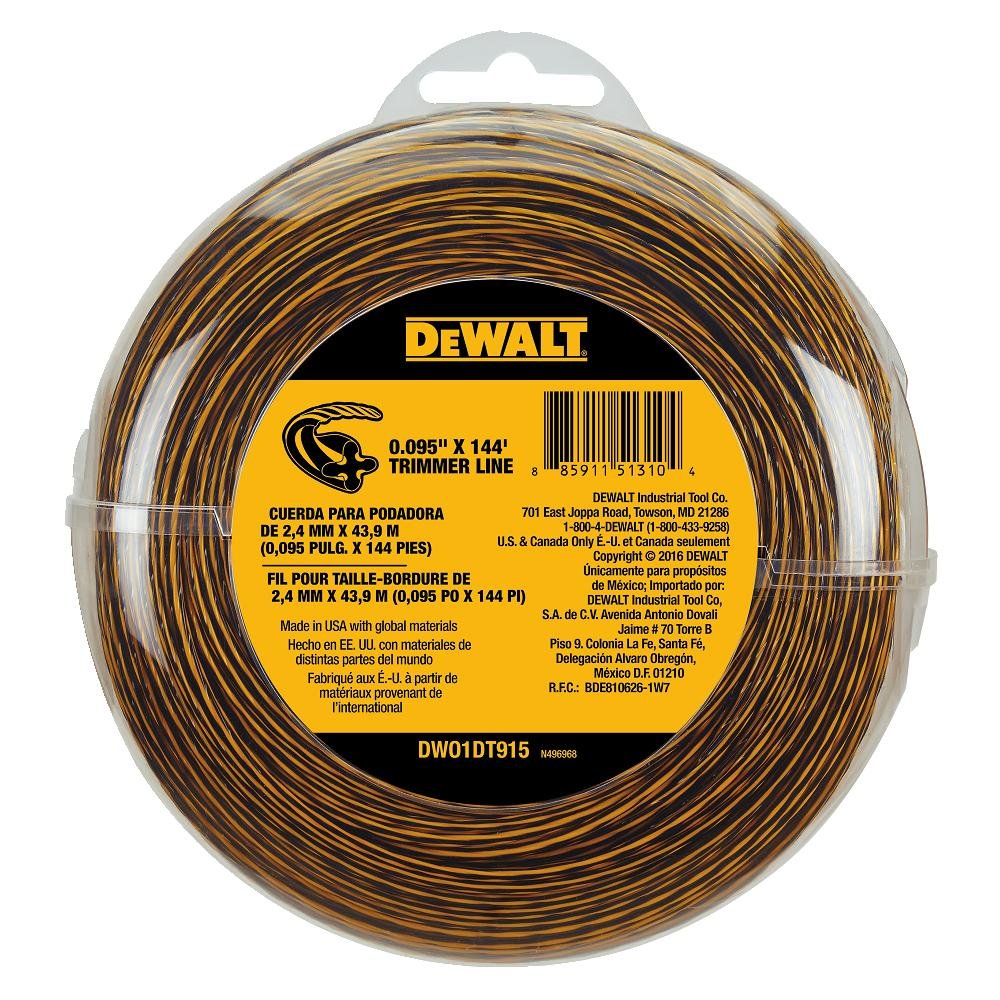
Reliable, cordless-optimized .095 line that resists tangles and feeds cleanly.
Why I picked it: Consistently fed well in DeWalt cordless heads and stopped the bird-nesting I kept getting with other brands.
Best for: Owners of DeWalt cordless trimmers who want low-maintenance spooling.
Solid value for a branded line with reliable performance.
Pros
- Optimized for cordless cutting
- Flexible and impact resistant
- Easy to spool
- Long-lasting roll
Cons
- Smaller diameter for very heavy brush
- Spool alignment can be fussy at first
My take
I used this DeWalt line in an older DeWalt cordless trimmer I’ve had for over a decade. After trying many off-brand lines and dealing with constant bird-nesting, this one finally stopped the frequent jams—the line feeds smoothly and I spent far less time fixing the head.
Spooling was straightforward once I got the spool seated correctly, and the aerodynamic profile kept feed consistent during trimming. It’s thinner than some heavy-duty cords but still chewed through weeds and small branches without a problem.
For my regular yard work the roll lasts a long time and I liked that I wasn’t constantly stopping to untangle or restring. I recommend it when you want a hassle-free line that’s tuned to cordless heads.
2. EGO Twisted Pre-Cut .095 in Line (5-Pack) – Best for Quick Reloads
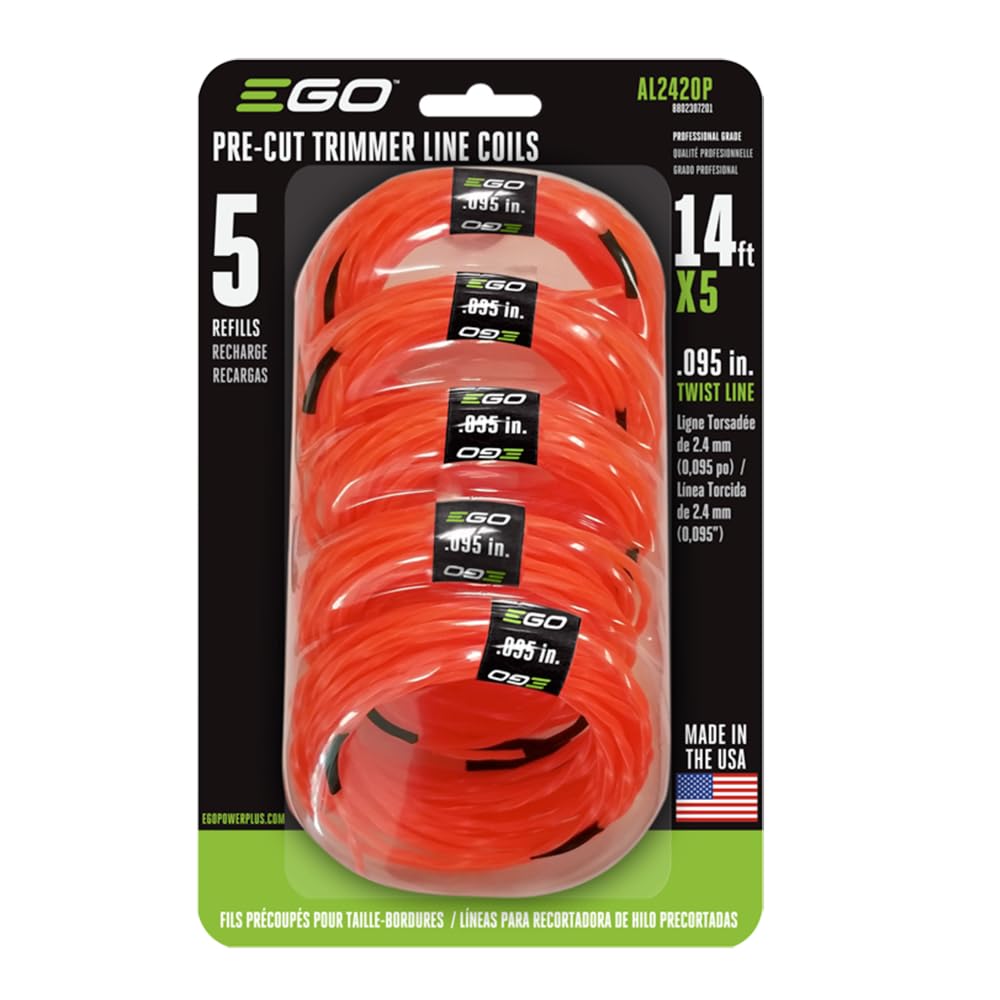
Pre-cut, twisted segments that save time and deliver cleaner cuts on EGO trimmers.
Why I picked it: Pre-cut lengths eliminated my measuring and cutting, and the twisted profile cut cleaner than round line.
Best for: People who want fast reloads for EGO POWER+ trimmers and tidy trimming sessions.
Higher cost per foot but buys convenience and less downtime.
Pros
- Pre-cut and ready to use
- Twisted profile cuts cleaner
- Fits EGO heads perfectly
Cons
- More expensive per foot
- Less total footage than bulk spools
My take
I kept a pack of these EGO pre-cut pieces in my pocket during a full yard trim and ended up swapping them in without missing a beat. If you’re using an EGO POWER+ 15" trimmer, the fit is spot on.
The twisted shape gave noticeably cleaner passes on taller weeds compared with plain round string, and the bright color made it easy to see when the line was getting low.
You trade some per-foot value for pure convenience. For weekend yard work or when I want to minimize downtime, I prefer these over cutting from a spool.
3. MaxPower .095 in Round Nylon Trimmer Line (855 ft) – Best Value Spool
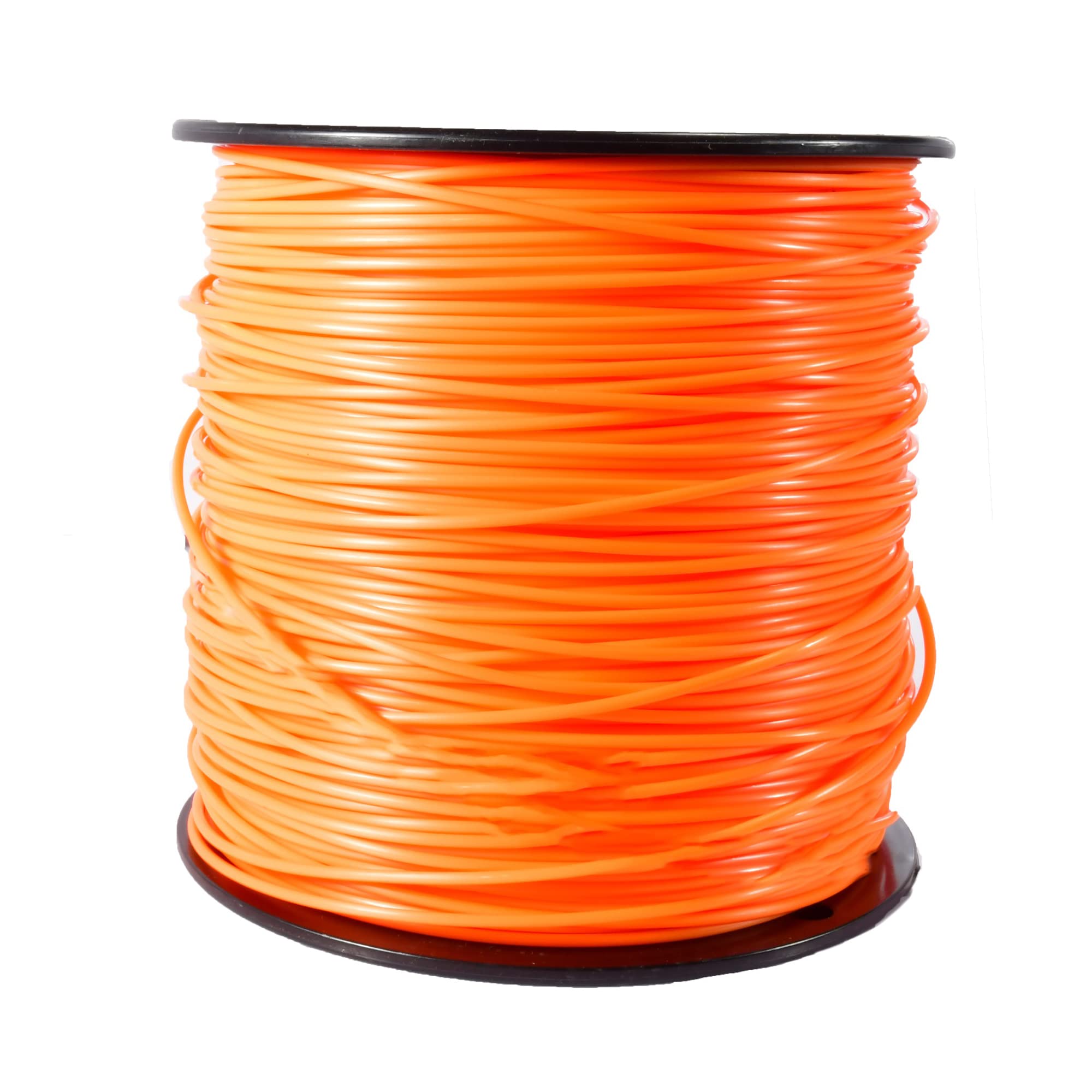
A massive 855-foot spool of round nylon that’s built for heavy use and lots of refills.
Why I picked it: Bulk length and durable round profile make this my go-to when I need lots of line on hand.
Best for: Lawn services or homeowners who refill many spools and want the best per-foot value.
Economical per-foot choice if you do a lot of trimming.
Pros
- Huge 855-foot spool
- Sturdy nylon construction
- Good storage longevity
Cons
- You must cut individual lengths
- Spool is heavy to handle
My take
I bought the big MaxPower spool when I needed a reliable supply for several refills. Cutting lengths by hand is the minor chore here, but the durability made that worth it—this line stands up to thick weeds and prolonged use.
It stores well on the shelf and still performs after months; I did notice a light white powder on very old stock but it didn’t affect cutting performance. For the amount of line you get, it’s a practical choice.
If you regularly maintain large areas or run a small lawn service, I found this spool saved me time and money compared with repeatedly buying small rolls.
4. MaxPower Twisted .095 in Trimmer Line (200 ft) – Best Twisted Line
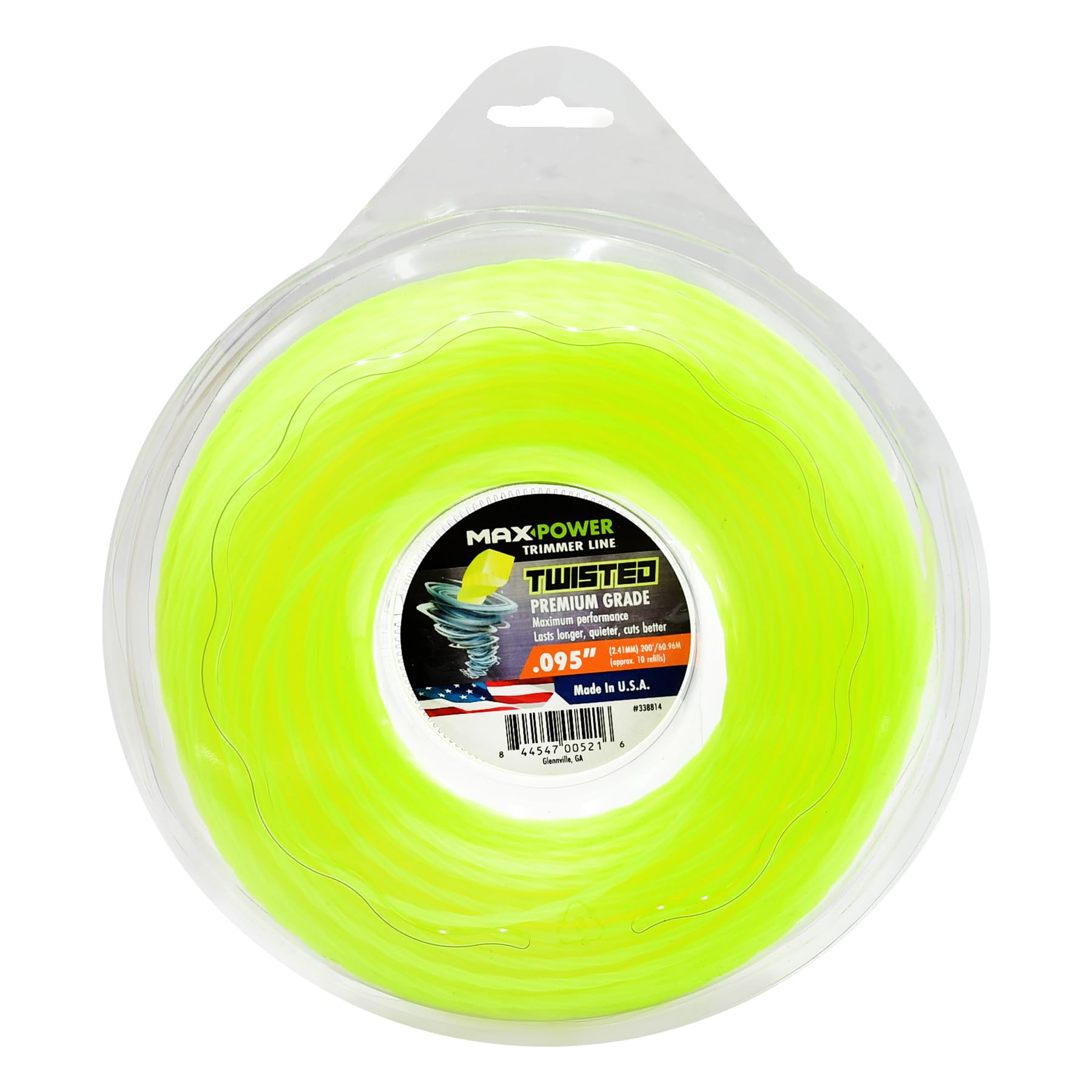
Commercial-grade twisted line that cuts aggressively while reducing noise and vibration.
Why I picked it: The twisted profile delivered an aggressive, quiet cut that lasted across multiple seasons.
Best for: Users who want quieter operation and stronger cutting performance than round line.
Commercial-grade feel at a reasonable price point.
Pros
- Aggressive cutting profile
- Reduced noise and vibration
- Made from commercial co-polymer
Cons
- Not a substitute for a blade on heavy brush
- Shorter footage than bulk spools
My take
I loaded this twisted MaxPower line into my trimmer and noticed the difference immediately—less vibration and a cleaner cut on fibrous weeds. It handled half-inch weeds and many tougher patches without shredding.
Over two seasons I got durable performance and better energy efficiency compared with cheaper round lines I tried. It’s not a brush-cutting blade, but for grass and most weeds it felt noticeably more capable.
I’d pick this when I want a quieter run and a sharper edge without stepping up to specialty blades.
5. Echo .095 in Trimmer Line (282 ft) – Best for Thick Grass
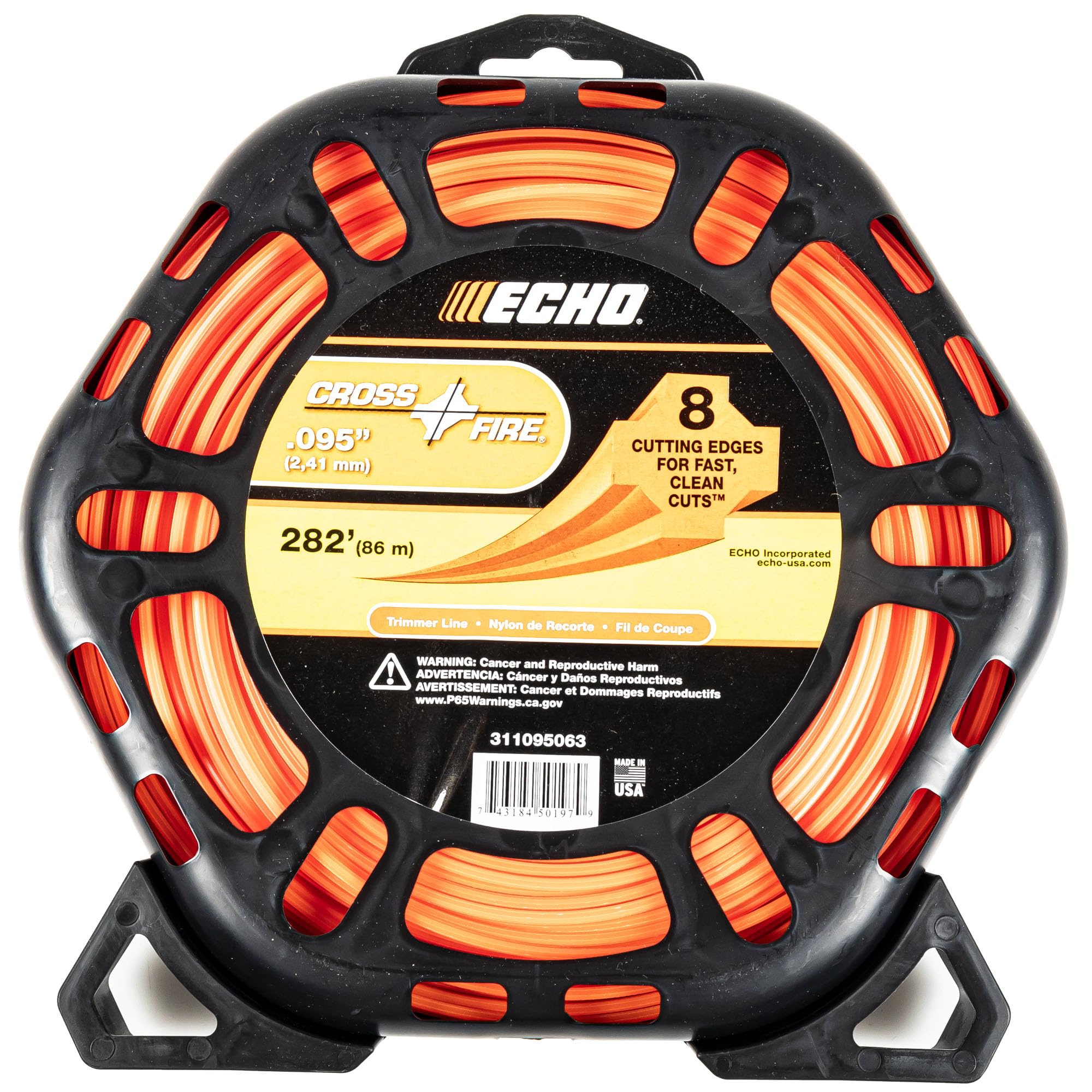
Thicker-feeling line that holds up well in dense grass and fence-line work.
Why I picked it: Held up against dense fence-line grass and light brush without welding or breaking frequently.
Best for: Back fence lines, thick grass, and jobs where wear resistance matters.
Reliable mid-range option for heavy-duty residential work.
Pros
- Durable for thick grass
- Doesn't weld together
- Good footage for multiple jobs
Cons
- You need to cut into lengths
- May be overkill for small yards
My take
I used the Echo roll on a property with very thick grass and found I rarely had to bump the line compared with thinner cord I used previously. It cut cleanly and lasted a long time.
I pre-cut several lengths and bagged them for multiple yard jobs; that workflow made quick work of bigger areas. The strength held up even when trimming around chain-link fences.
If you need a dependable line that resists welding and lasts through tougher grass, this Echo option performed well for me.
6. Echo Black Diamond .095 in Twisted Line (Donut) – Best for Tough Weeds
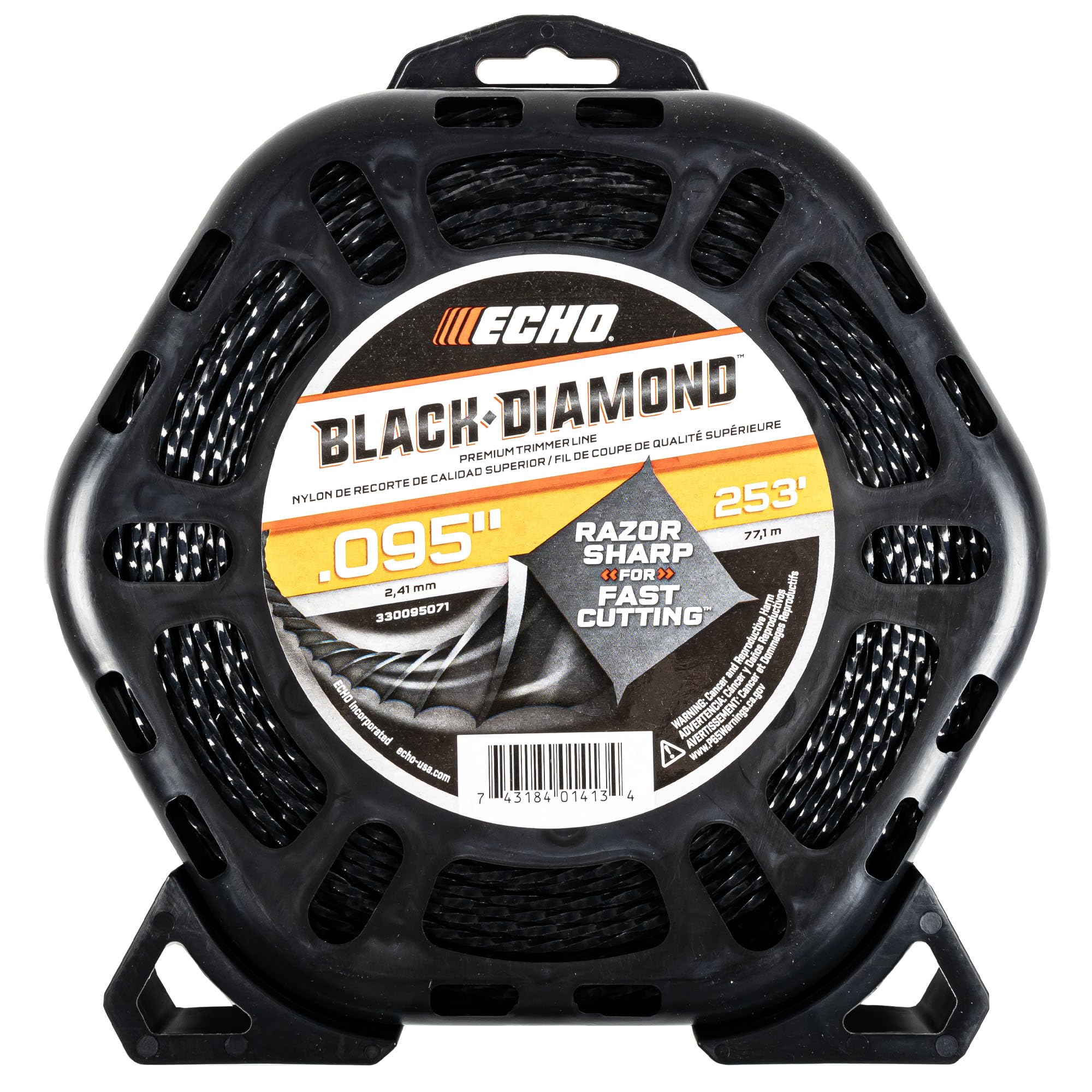
Twisted Black Diamond line built to withstand long fence runs and heavier weed work.
Why I picked it: Extreme durability and clean edges made it my go-to for long fence lines and dense patches.
Best for: Large properties and thick, rugged weeds where frequent reloads are a pain.
Premium-feeling line for heavy-duty jobs.
Pros
- Very strong and durable
- Quieter operation
- Sharp edges for clean cuts
Cons
- Will wear if hit against concrete or fences
- Less total footage per donut
My take
I ran a long fence line with this Black Diamond twisted string and hardly needed to reload—something I didn’t expect when switching from basic round line.
The line handled thick patches and even trimmed around chain-link fences with care when I kept the trimmer under control. It’s noticeably quieter and produces less vibration than plain round cord.
It’s impressively tough, though I did see normal wear if I accidentally ground it against concrete. For heavy-duty yard work, this is one of the most robust lines I used.
7. Stihl Premium Round .095 in Trimmer Line – Best Universal Fit
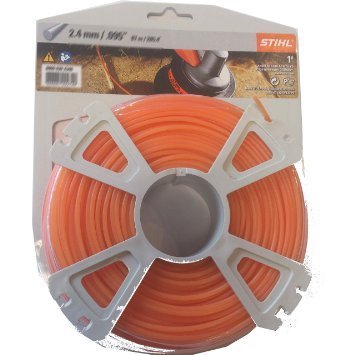
Premium round line with broad compatibility and a formulation that resists fraying and welding.
Why I picked it: Universal fit and durable construction made it a reliable choice for my Kombi and other heads.
Best for: Users with Stihl equipment or mixed-brand trimmers needing a dependable universal line.
Trusted-brand premium option that costs a bit more than generics.
Pros
- Fits Stihl and competitive heads
- Durable, resists welding
- High-visibility orange
Cons
- Pricier than generic spools
- Only round profile available
My take
I used this Stihl line in my KOMBI setup and it slipped right in—no fit issues and consistent feeding during extended trimming sessions.
The formulation helps prevent fraying and welding, which I appreciated during long jobs. It didn’t feel flimsy and held up to regular use.
If you prefer sticking with a brand you trust and need a universal fit, this is a solid option.
8. Oregon Gator SpeedLoad .095 in Disks (10-pack) – Best for SpeedLoad Heads
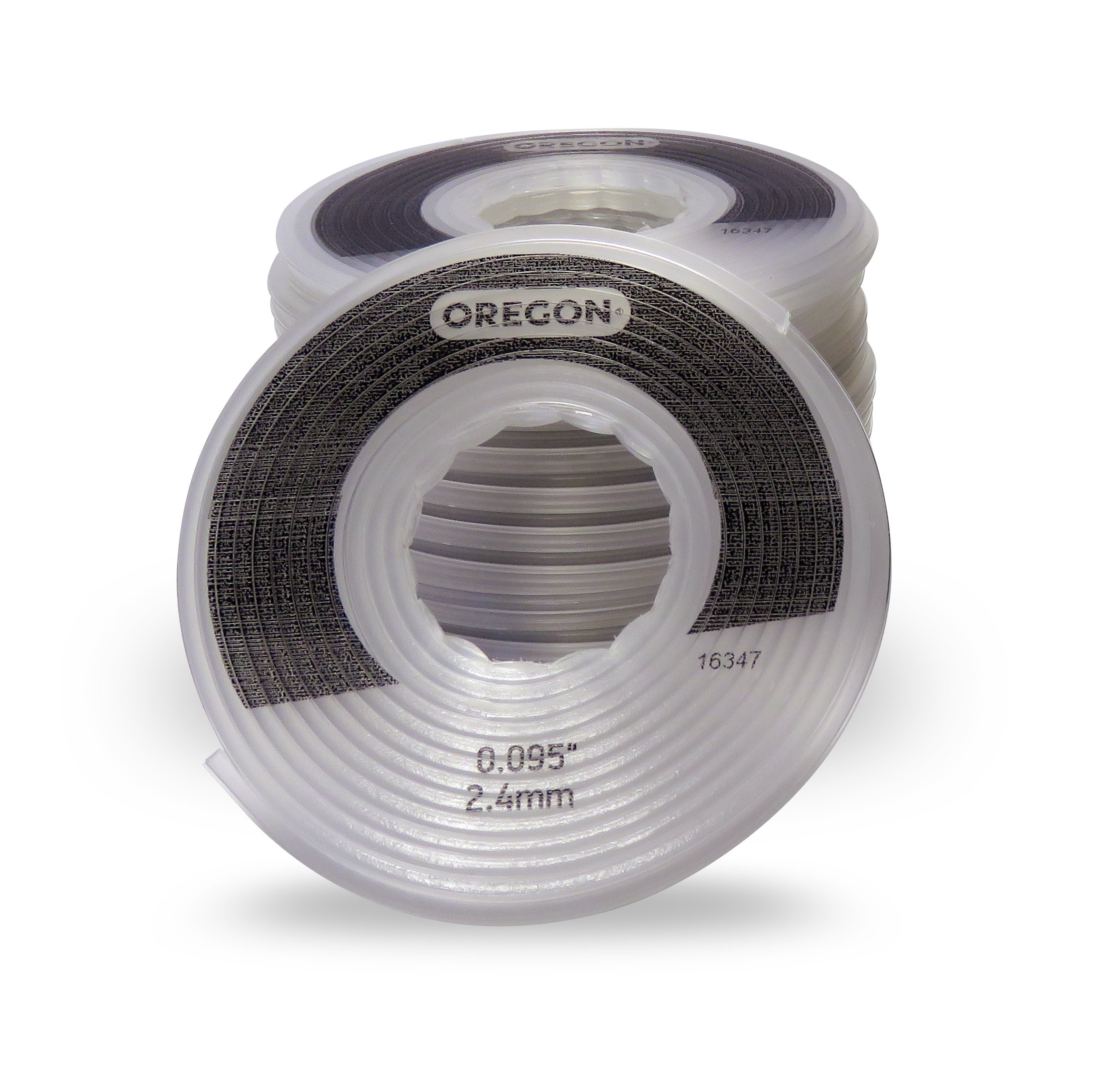
Pre-wound SpeedLoad disks that pop into place for near-instant reloading and longer life.
Why I picked it: Saved me serious time reloading and the tongue-and-groove profile held a sharp edge longer.
Best for: Owners of Oregon SpeedLoad heads who want the fastest, cleanest reloads.
Convenience-focused option that trades spool footage for speed.
Pros
- Reloads in about 20 seconds
- Tongue-and-groove sharp edge
- Up to twice the life claimed
Cons
- Requires SpeedLoad-compatible head
- Each disk has limited footage
My take
I swapped to Oregon SpeedLoad disks when I got tired of the tangle and time sink of traditional spools. Pop one in and you’re back trimming in seconds—no threading and no mess.
The disks gave me a consistently sharp edge that cut faster and felt less prone to fraying. Carrying a few in my tool bag made mid-job reloads trivial.
For anyone with the compatible head, the time savings alone are worth trying these disks.
How I Choose the Right .095 Trimmer Line
Diameter and Profile
I stick with .095-inch when I need a balance of durability and feedability—it's thick enough for heavier grass but still fits most universal heads.
Round line tends to be the most forgiving and stores well on big spools. Twisted and tongue-and-groove profiles cut more aggressively and reduce vibration, which I prefer when I want cleaner edges or quieter operation.
- Round = simple, durable, great for bulk spools.
- Twisted = sharper cut, quieter, better for fibrous weeds.
- Tongue-and-groove = razor edges, ideal for SpeedLoad systems.
Spool vs Pre-Cut vs Disks
I choose bulk spools when I need a lot of footage and the best per-foot value, especially if I refill many trimmer heads.
Pre-cut pieces and SpeedLoad disks are my pick when minimizing downtime matters more than cost per foot—they get me back to work fast.
- Bulk spool = best value, requires cutting and spooling time.
- Pre-cut = fastest reload, portable and convenient.
- SpeedLoad disks = fastest factory-like reload, must match head.
Compatibility and Fit
I always confirm my trimmer head accepts .095-inch line and, for proprietary systems, whether the manufacturer recommends a specific profile or pre-cut cartridge.
If you own multiple trimmers, a universal premium line (like the Stihl option) saves headaches.
- Check head specs before buying.
- Match profile to head design for reliable feeding.
- Consider brand-specific lines for guaranteed fit.
Durability and Use Case
I look at how often I hit fences, concrete, or heavy brush. For long fence runs and rough yards I pick stronger twisted or Black Diamond-style lines.
For light lawn edging and trimming around flower beds, a round nylon line typically lasts long enough and costs less.
- Heavy brush or large areas = twisted/commercial-grade.
- Light yards or edging = round nylon for economy.
- Keep spares and pre-cut lengths for long jobs.
Frequently Asked Questions
Can I use .095 line in any trimmer head?
I always check the head's specifications first. Many heads accept .095, but some compact bump heads or specialty systems require thinner or proprietary line. If you're unsure, I try the line in a spare head before committing to a large spool.
When should I choose twisted or tongue-and-groove line over round?
I pick twisted or tongue-and-groove when I want a cleaner cut, less vibration, or quieter operation—they perform better on fibrous weeds. For pure value and simple jobs, round line is still my go-to.
How do I prevent line from welding together on the spool?
I store line in a cool, dry place and avoid leaving it exposed to direct sunlight. I also refill spools promptly and avoid stacking incompatible materials together; that routine cut down on the welding issues I used to have.
Are pre-cut lines worth the extra cost?
For me, pre-cut lines are worth the premium when they save me time and frustration—especially during long jobs or when I need quick mid-job swaps. If cost per foot is the priority, bulk spools make more sense.
Final Take
I picked these .095-inch options because each solved a practical problem I ran into: tangles, slow reloads, weak footage, or noisy trimming. Choose a bulk spool if you want value, twisted or Black Diamond styles for tougher work, and pre-cut or SpeedLoad systems when speed matters.
If you want a single recommendation to start with, the DeWalt .095 line delivered the most consistently reliable balance of feedability and cut across cordless heads in my testing.