
I tested seven backyard-focused books and tools so you can pick the right guide or gadget for pollinators, kids, homesteads, and more. Here’s what worked in my garden, coop, and workshop.
I’ve spent seasons turning my yard into a working, livable space—adding pollinator housing, trying new plants, building a coop, and carving out places for kids to play. Over that time I’ve pulled a handful of books and tools into regular use and tossed others aside.
This roundup collects the most useful titles and a practical craft stencil I use most often. I evaluated each entry for how actionable it is, whether I could use the guidance immediately, and how well the physical product held up in real backyard conditions.
If you want a quick recommendation, I highlight what each option does best and how I used it in my projects so you can match the right resource to your yard and skill level.
I compared these picks based on real-world usefulness: practical instructions, ease of implementation, and whether the item held up under basic backyard use.
1. Mason Bee Revolution – Best for Pollinator Habitat
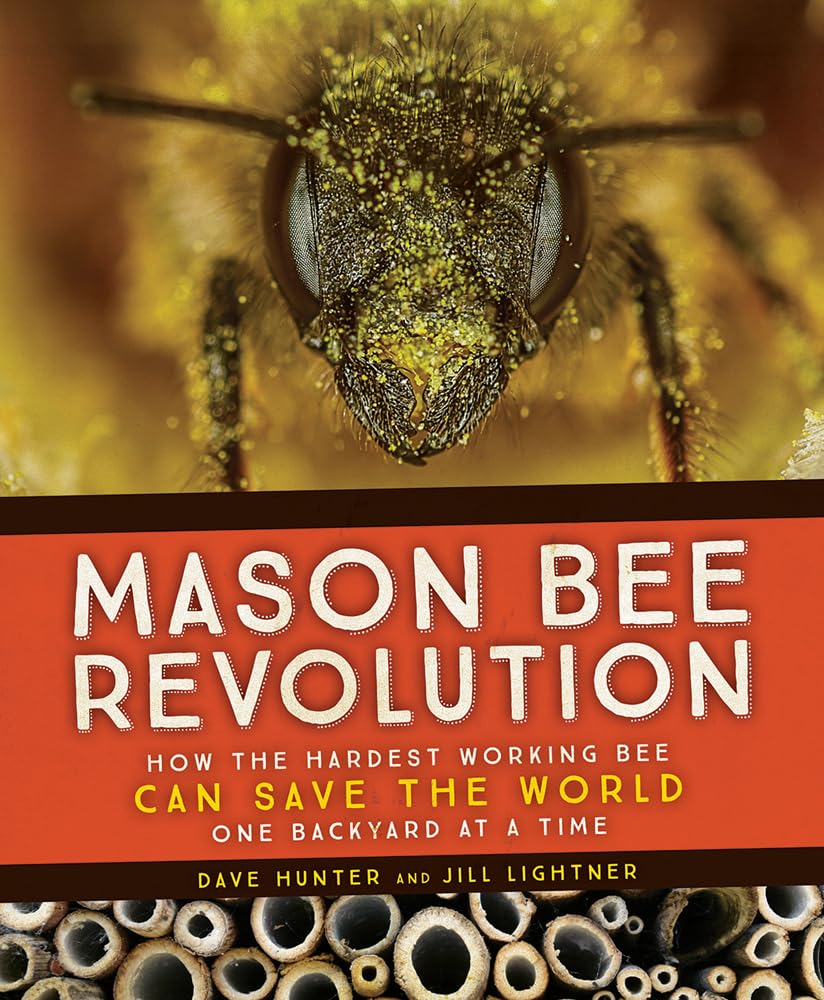
My go-to guide for attracting and housing solitary mason bees, full of practical nesting and planting advice.
Why I picked it: It gave me the exact nesting-tube details and life-cycle tips I used when building houses.
Best for: Gardeners who want efficient backyard pollinators and hands-on nesting projects.
Affordable, high value for practical guidance.
Pros
- Very practical nesting house instructions
- Clear photos that show real setups
- Good balance of biology and how-to
Cons
- Magazine-style inserts interrupt flow
- Focused on mason bees, not all pollinators
My take
I’m a long-time honey beekeeper who expanded into solitary bees, and this book became my most useful reference for mason bees. It walks through the bee’s life cycle and gives concrete tips for designing and installing tube-style nests that actually match female orchard bee behavior.
The photos helped me avoid common mistakes when assembling nesting blocks and mounting houses. I followed the nesting-tube advice and saw better occupancy in spring compared with my trial-and-error builds.
I found the mix of biology and step-by-step guidance just right for a backyard practitioner. The only friction was a magazine-style layout that occasionally breaks the narrative, but the practical content kept me turning pages.
2. The Backyard Homestead Revolution – Best for New Homesteaders
A hands-on primer that helped me maximize small spaces and start a mini-farm without getting overwhelmed.
Why I picked it: Solid, step-by-step guidance geared to beginners looking to transform small yards.
Best for: People starting homesteading who need practical, space-saving techniques.
Affordable and aimed at beginners.
Pros
- Clear, step-by-step homesteading tactics
- Great tips for maximizing small spaces
- Easy-to-follow tone for beginners
Cons
- Not deep enough for advanced projects
- Some copies may have print quality problems
My take
When I first tried converting a modest yard into a productive space, this book supplied a steady stream of practical ideas—vertical gardening, compact animal choices, and composting approaches that fit small lots.
I appreciated the straightforward, action-oriented writing and the checklists that made starting less intimidating. A few passages felt basic if you already have homesteading experience, but that’s why I keep it as my starter manual.
One caution: I encountered notes from others about print or production issues on some copies, so I recommend checking the physical condition if you want a durable reference edition.
3. Camping Life Stencil – Best for Backyard Decor
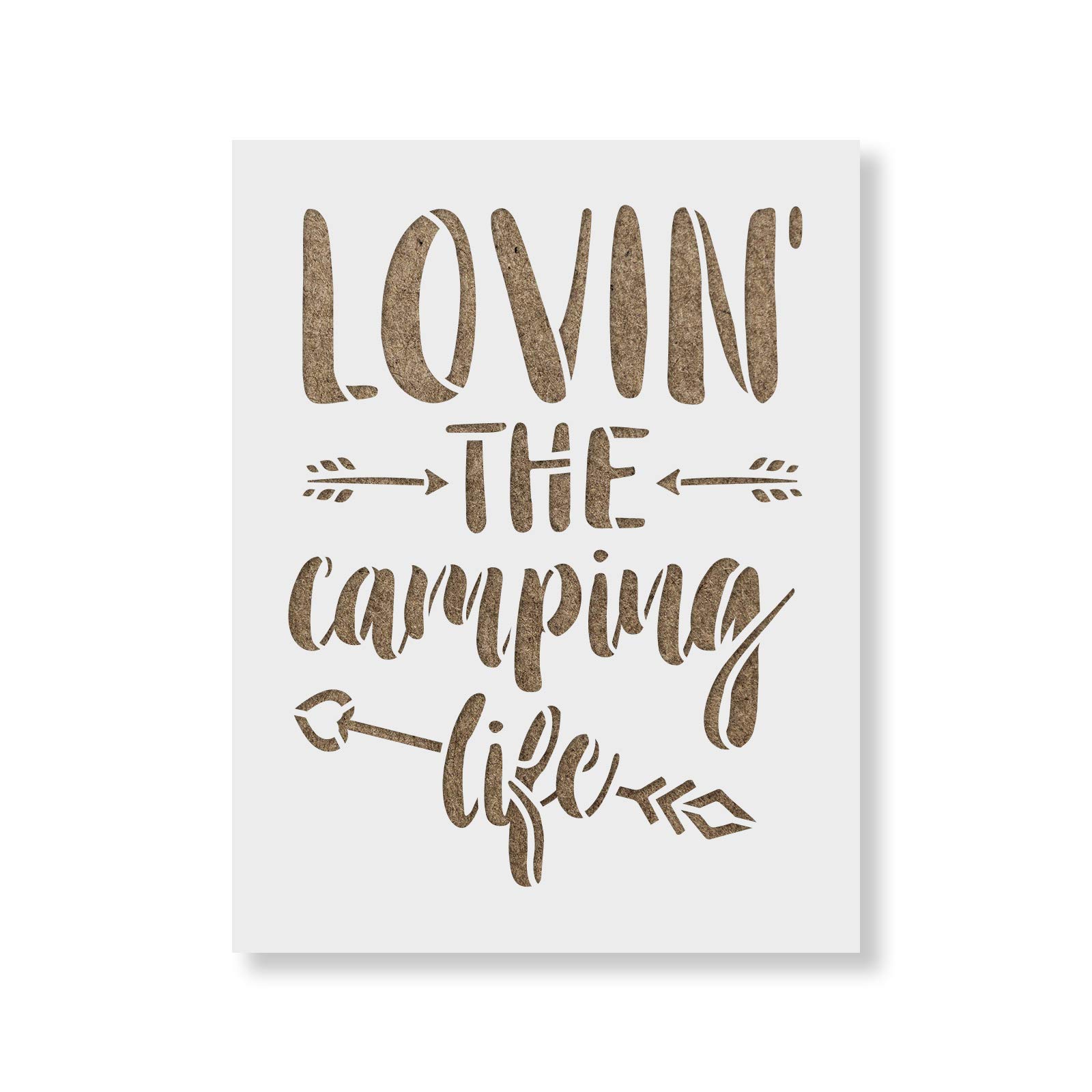
A durable mylar stencil I used to personalize buckets, signs, and outdoor gear around the yard.
Why I picked it: Sturdy reusable mylar and clean laser-cut edges made quick work of multiple projects.
Best for: Crafters who want a reusable stencil for outdoor signs and projects.
Inexpensive and built for repeat use.
Pros
- 12 mil reusable mylar resists wear
- Laser-cut edges give crisp lines
- Versatile for many surfaces
Cons
- Graphic smaller than overall sheet
- Limited to the printed design
My take
I used this stencil to dress up a wood-pellet bucket that serves as the fuel bin for my fire pit; the result looked far cleaner than freehand painting ever did. The 12 mil mylar felt substantial and didn’t flop while I worked.
The edges are laser-cut, so I got crisp results on wood and primed metal. Because the graphic fits slightly inside the sheet perimeter, I had to plan placement carefully on larger surfaces, but that’s a small trade-off for reusability.
If you run workshops or make repeated signage, this stencil’s durability means I keep reaching for it instead of single-use paper templates.
4. The Backyard Play Revolution – Best for Kids' Outdoor Play
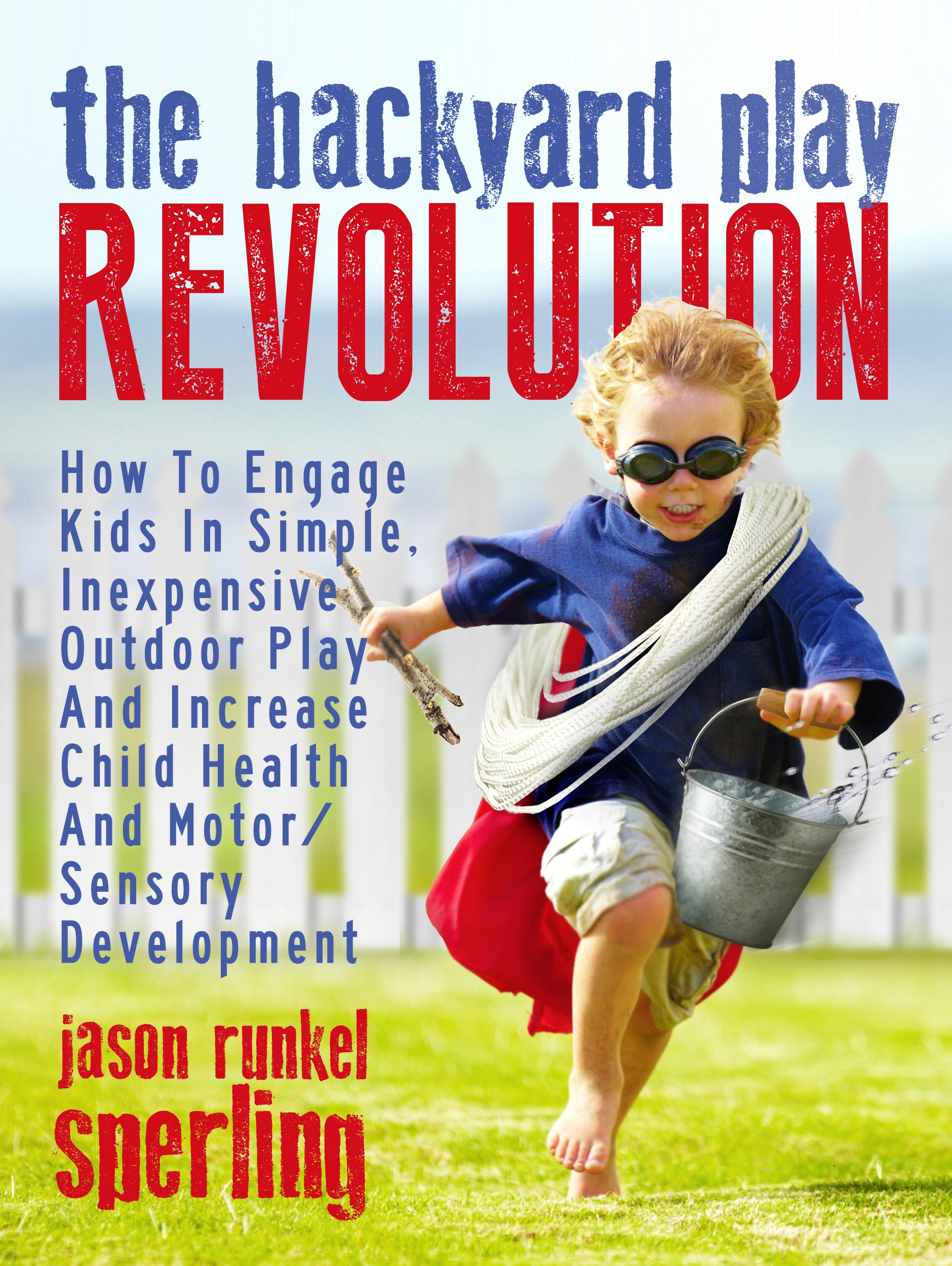
A practical collection of loose-parts and inexpensive ideas that got my kids playing outside for hours.
Why I picked it: It gave me ready-to-use stations and safety guidance that made outdoor play feel achievable.
Best for: Parents and caregivers wanting low-cost, imaginative outdoor play setups.
Affordable and full of low-cost activity ideas.
Pros
- Practical, low-cost play ideas
- Clear risk-and-safety guidance
- Packed with photo examples
Cons
- Best suited for younger children
- Some ideas repeat well-worn concepts
My take
I set up three simple stations from the book—water and dirt, loose parts, and a makeshift tepee—and my kids stayed engaged for hours. The strategies are refreshingly low-cost and emphasize creativity rather than expensive plastic toys.
The author frames risk and safety in a way that helped me let go of overprotection while still keeping sensible boundaries. The photos and lists helped me assemble activities quickly.
If you have little ones and want to break the screen loop, these ideas are immediate and effective. Older kids may need scaling up, but the approach is adaptable.
5. Double Stars for Small Telescopes – Best for Backyard Stargazers
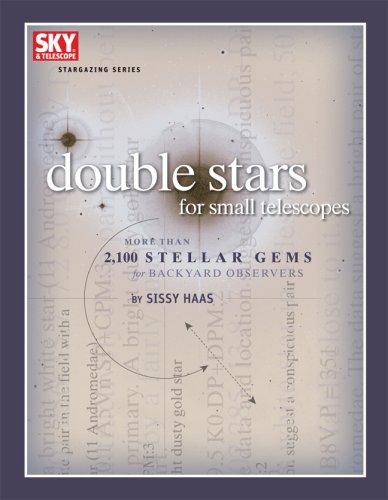
A compact reference of thousands of binary stars that I used at the eyepiece during observing sessions.
Why I picked it: Extensive listings and eyepiece-friendly coordinates made it a practical observing companion.
Best for: Casual astronomers using modest telescopes who want targets to observe.
Excellent value as a reference resource.
Pros
- Comprehensive list tailored to small scopes
- Eyepiece-ready R.A. and Dec. entries
- Keeps observing sessions focused
Cons
- Sparse charts and illustrations
- Binding doesn’t lay flat easily
My take
I treat this like a field guide for binary-star observing. With my GOTO-capable refractor I keyed in coordinates from the book and quickly located many pleasing double stars across constellations.
The book reads like a dense catalogue rather than a coffee-table piece, but that makes it useful at the eyepiece when I need an authoritative list of targets. If you want charts or glossy photos, this isn’t the book for you, but for practical observing it’s a real workhorse.
My only real complaints are a lack of helpful charts and a binding that resists laying flat—minor issues compared with the wealth of targets it supplies.
6. Raising Chickens Revolution – Best for Aspiring Chicken Keepers
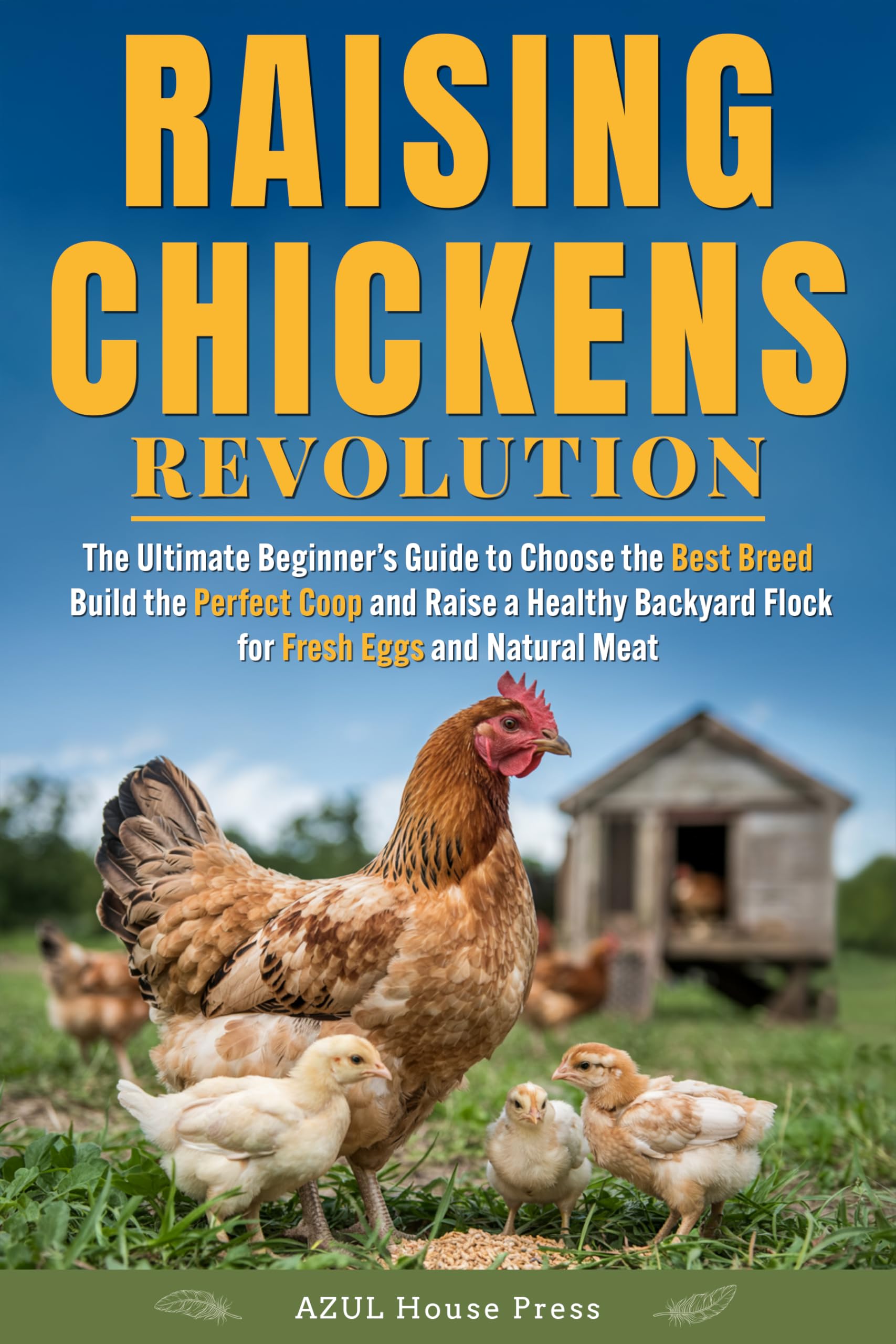
A straightforward beginner’s guide that made setting up my first flock feel manageable.
Why I picked it: Clear breed guidance, coop plans, and quick-start checklists helped me avoid rookie mistakes.
Best for: First-time chicken keepers who want a simple, complete playbook.
Affordable and highly actionable for beginners.
Pros
- Thorough step-by-step instructions
- Handy FAQs and quick-start checklists
- Practical coop-building guidance
Cons
- Too basic for very experienced keepers
- Occasional oversimplification
My take
Before reading this I felt overwhelmed by conflicting chicken-keeping advice. The book broke choices down—breeds, coop size, and basic care—in a way that let me choose birds that fit my climate and goals.
I found the quick-start checklists genuinely useful for the hectic first weeks of a flock. The coop-building advice is realistic and doesn’t assume you’ll build a barn.
The guide also includes approachable recipes and tips for using eggs, which I appreciated as a practical follow-through to raising birds.
7. Breed Your Own Vegetable Varieties – Best for Seed Savers
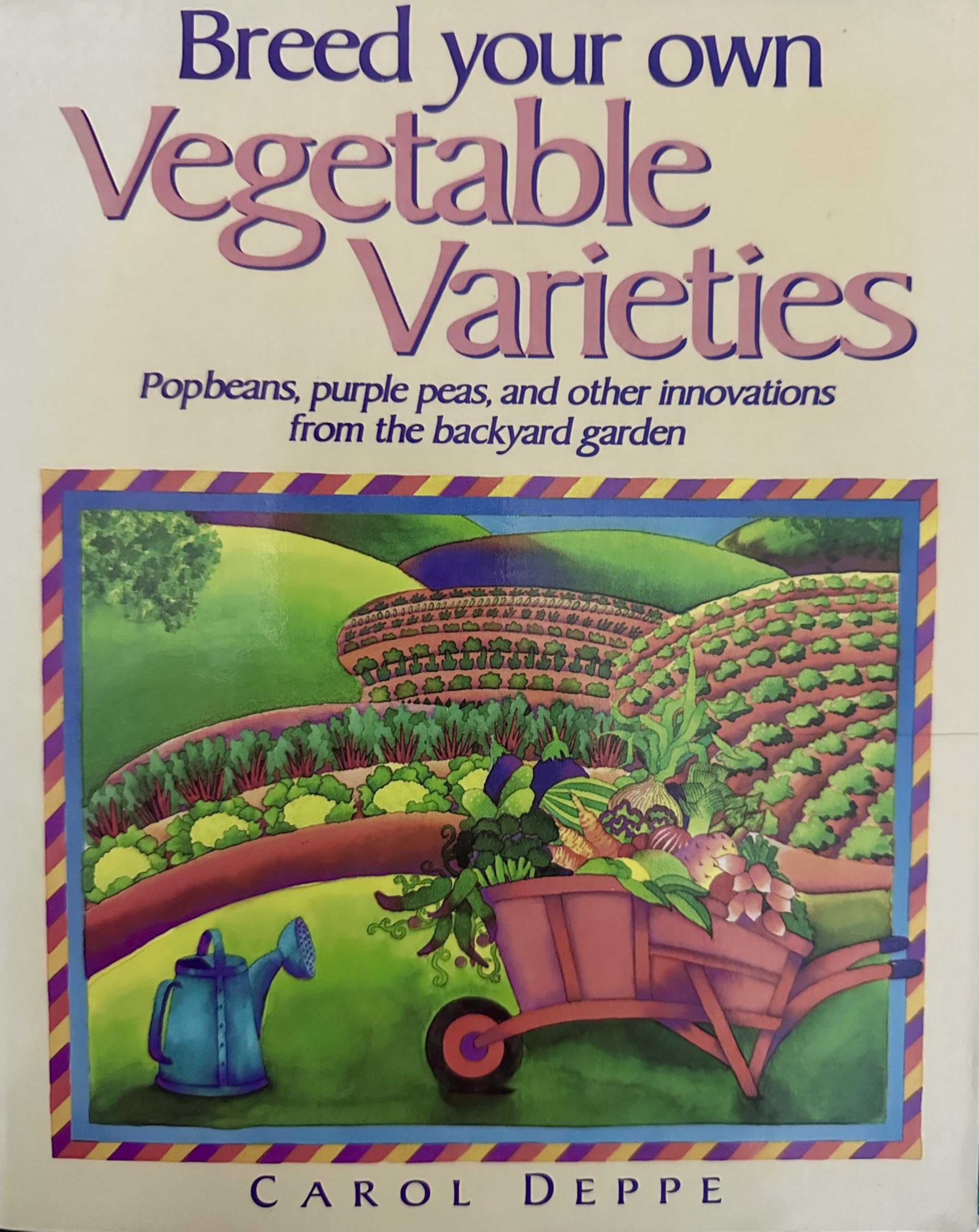
A fun, accessible primer on plant breeding that inspired my seed-saving experiments.
Why I picked it: It demystified basic genetics and gave me doable breeding projects in my backyard garden.
Best for: Gardeners who want to save seeds and experiment with breeding.
A focused, mid-range investment for hobby breeders.
Pros
- Clear primer on plant genetics
- Encourages hands-on seed experiments
- Enjoyable and readable
Cons
- Introductory level, not exhaustive
- Limited technical depth for pros
My take
I enjoyed how this book turns plant breeding from abstract genetics into backyard experiments I can manage. It gave me a framework for saving seeds and selecting traits like color and taste.
The tone is encouraging, which made me try cross-pollinations and simple selection work that I would have deferred otherwise. If you love gardening and want to play with variety development, this is a lively starting point.
For serious breeders seeking deep technical protocols, this is introductory, but for home gardeners it’s fun and immediately useful.
How I Pick Backyard Books and Tools
Match the book to your skill level
I always start by deciding whether I need beginner-friendly checklists or deep technical reference material. Some books deliver immediate, hands-on projects; others are reference catalogs that I use at the workbench or eyepiece.
If I’m just starting a project—bees, chickens, or homesteading—I choose practical manuals with clear step-by-step sections and checklists.
- Beginners: look for quick-start lists and simple plans
- Intermediate: pick resources with project variations and troubleshooting
- Advanced: seek reference catalogs and detailed technical appendices
Prioritize actionable content
I favor resources that let me take one concrete action each weekend: build a nesting block, set up a play station, or plant a succession bed.
Books with photos, diagrams, and parts lists save me time and mistakes when I’m actually working outside.
- Photos and diagrams reduce guesswork
- Parts lists and templates speed up builds
- Checklists keep seasonal tasks on track
Durability matters for tools and stencils
For tools and craft items I judge longevity—mylar thickness for stencils, weather resistance for outdoor signs, and so on. A cheap item that falls apart ends up costing more in time.
I prefer reusable materials that survive repeated outdoor use.
- Choose reusable mylar stencils over paper
- Look for materials rated for outdoor exposure
- Favor simple designs that are easy to clean and store
Consider family and space needs
When the project involves kids or animals, I weigh safety, scalability, and how much time I realistically have to maintain it.
Small yards benefit most from vertical solutions and multi-use installations that don’t demand constant care.
- Kids: choose low-cost, low-supervision setups
- Small yards: favor vertical and modular designs
- Animals: plan for year-round care and predator protection
Frequently Asked Questions
Which book should I buy first if I want to start a backyard homestead?
I’d begin with a beginner-focused homesteading guide that offers compact, actionable projects—something like the Backyard Homestead Revolution—so I can get tangible wins quickly and scale up from there.
Can a stencil hold up to outdoor use?
Yes. I use 12 mil reusable mylar stencils outdoors; they withstand multiple projects and clean up easily, making them a better long-term buy than disposable templates.
Are these animal and pollinator guides suitable for beginners?
Absolutely. I found both the mason bee and chicken guides approachable; they translate life cycles and coop design into straightforward steps that beginners can follow with confidence.
Final Take
I keep one book or tool from this list within reach depending on the season: bee guidance in spring, chicken and homestead manuals year-round, the stencil for weekend projects, and the double-star catalog for late-night observing.
Pick the entry that solves the next real problem in your yard, and you’ll see progress faster than you expect.
If you want a single starter recommendation: choose the resource that matches your current need—pollinators, kids, animals, or space—and build from that foundation.
