
I tested fabric cubes, clear clip boxes, and underbed bins to find practical ways to store paperbacks, magazines, and seasonal book collections. Here are the options I reached for again and again.
I organize a lot of printed material—paperbacks, kids’ picture books, magazines, and out-of-season reference books—so I’ve tried multiple storage solutions to keep them tidy, accessible, and protected.
This roundup covers foldable fabric cubes, sturdy fabric cubes with reinforced panels, clear clip boxes, colorful collapsible cubes, and low-profile underbed containers. I explain where each excels and where I reach for a different option.
In my experience, fabric cubes are the easiest to fit into open shelving and look great on display; reinforced fabric cubes hold heavier stacks better; clear clip boxes are best when I need airtight visibility and secure lids for documents or thin collections; underbed bins are the only practical choice when floor-to-shelf space is limited and dust protection matters.
1. MAX Houser Fabric Storage Bins – Best Overall
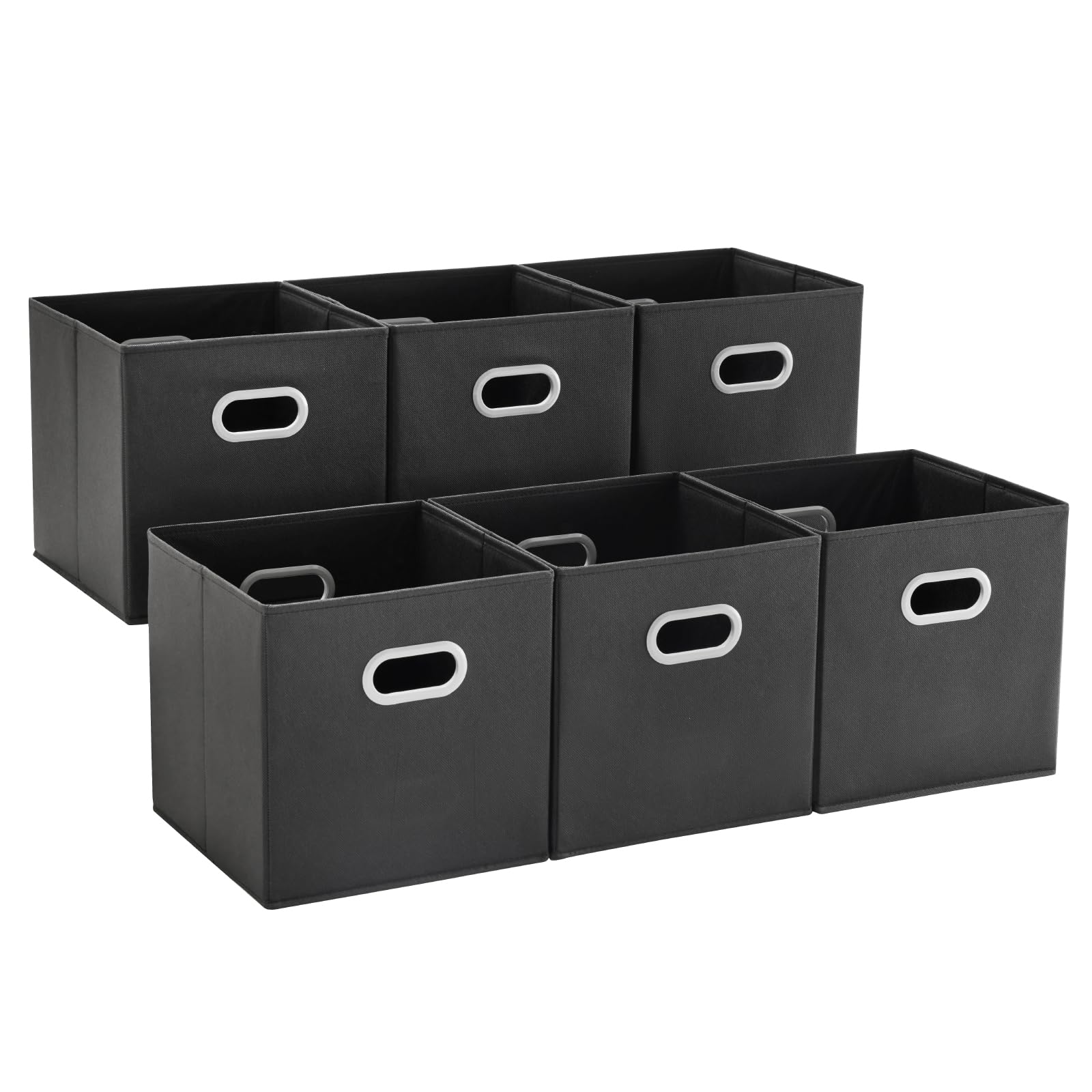
A versatile set of collapsible fabric cubes (12" square) with double plastic handles that work well for light to medium-weight book storage and general shelving.
Why I picked it: I kept reaching for these because they balance capacity, style, and convenience—easy to move and fold away.
Best for: Everyday shelf organization for paperbacks, kids’ books, and light knickknacks.
An affordable, stylish set for general household storage.
Pros
- Collapsible for compact storage
- Double plastic side handles for easy carrying
- Large internal volume for paperbacks
- Breathable, eco-friendly fabric
- Simple, clean black look
Cons
- Not rigid enough for heavy hardcovers
- Can compress under heavy weight
- Limited dust protection without a lid
My take
I like these MAX Houser cubes because they slide into cube shelving and closet cubbies without fuss. The 12" square footprint gives me enough room to stand paperbacks upright or stack a handful of small hardcovers.
The double plastic handles make it easy to pull a full bin out of a shelf and carry it across the room. When I’m not using them I fold them flat, which is handy during moves or seasonal swaps.
Because the construction is fabric and collapsible, I don’t rely on these for very heavy or valuable books that need rigid support or dustproofing. For casual living-room storage and kids’ reading corners they’re a solid everyday choice.
2. Posprica Fabric Storage Cubes – Best Premium Fabric
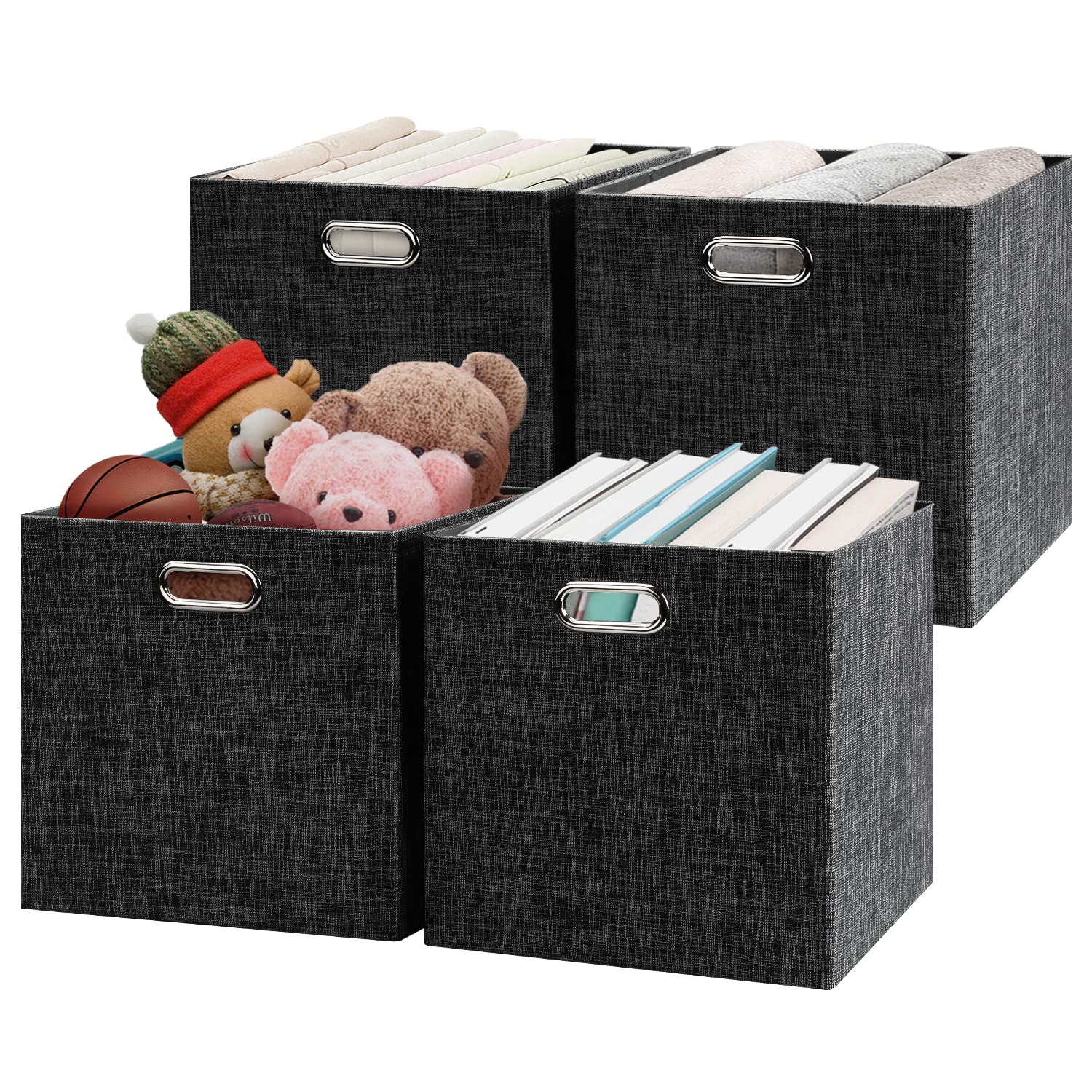
Thicker, more substantial fabric cubes with metal handles and reinforced panels that hold shape better for heavier stacks of books in cube shelving.
Why I picked it: I chose these when I wanted a more substantial, long-lasting fabric option that still fits cube systems.
Best for: Heavier paperback and small hardcover collections in cubby-style shelving.
A more expensive fabric option with sturdier construction.
Pros
- Thick, upscale-feeling fabric
- Metal handles for solid grip
- Firm internal panels maintain shape
- Fits common cube shelving well
Cons
- May have an initial chemical smell
- Higher cost than basic fabric cubes
My take
These Posprica cubes feel noticeably more substantial than basic fabric bins. The thick fabric and inserted panels keep the sides upright so books don’t slump, which I appreciate when I store denser paperback stacks.
Metal handles make moving a loaded cube feel secure, and the finish reads as a bit more polished on open shelving. I tested them in a standard cube organizer and they sat flush with minimal wasted space.
Be prepared to air them out when new—I noticed a chemical odor straight from the box that faded after a few days in an open room. If you want fabric that looks premium and holds shape, these are the step up I reach for.
3. Sterilite Large Stackable Clip Boxes – Best for Documents & Magazines
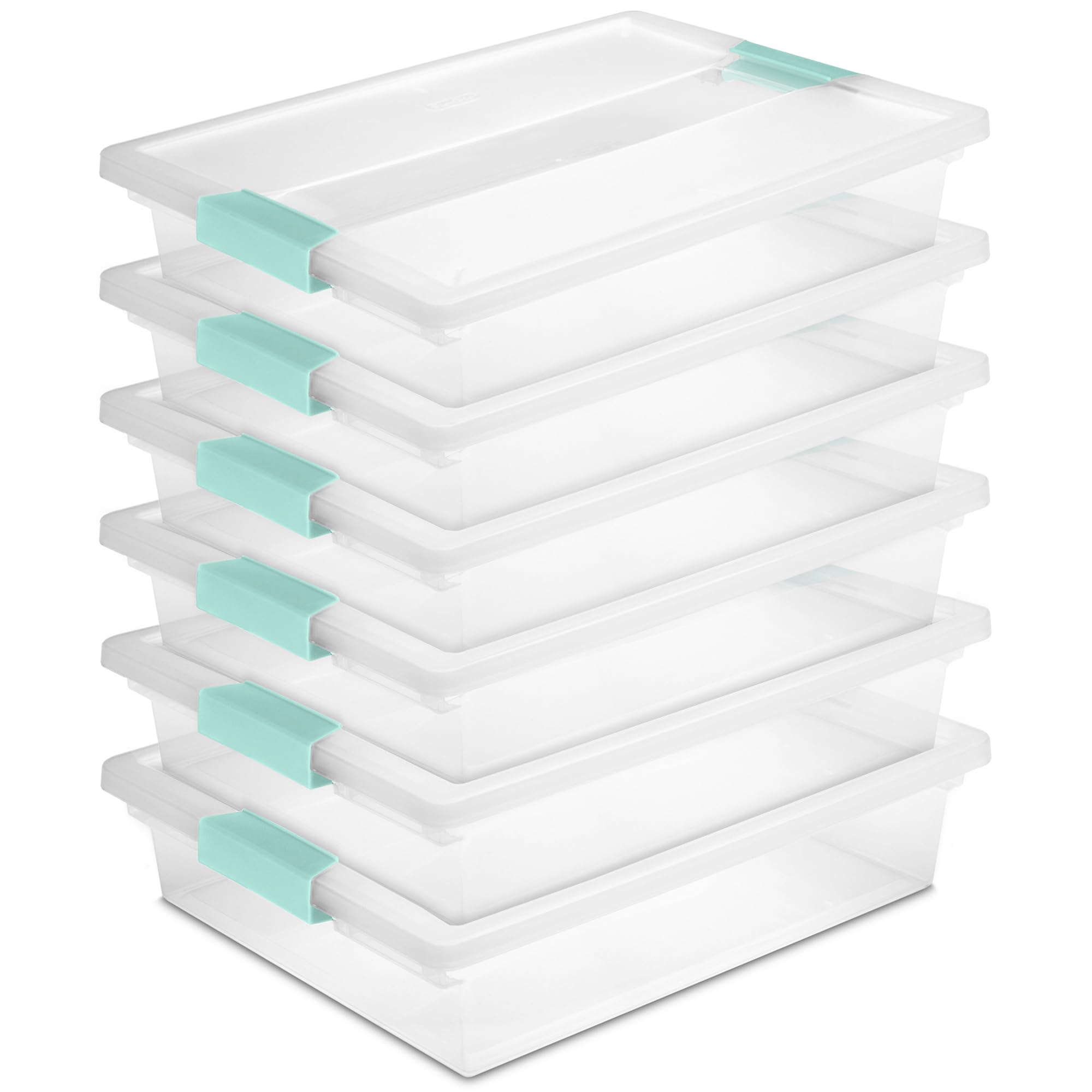
Clear, low-profile plastic boxes with tight-clasping latches that stack securely and accommodate 8.5×11 papers, magazines, and slim book collections.
Why I picked it: I rely on these when I need visibility, secure lids, and stackable organization for thin books and documents.
Best for: Magazines, documents, papers, and shallow paperback collections.
A practical, durable choice for document and archival storage.
Pros
- Clear for instant content ID
- Secure, tight-clasping latches
- Stackable, modular footprint
- Sized for standard paper
Cons
- Shallow depth not for thick books
- Plastic gives less visual warmth
My take
I use Sterilite clip boxes when I need airtight visibility and stackability. The clear base and lid let me spot a specific manual or magazine without opening multiple boxes.
The latch system stays secure during handling, so I’m comfortable stacking them and sliding a column into a closet shelf. They accommodate 8.5×11 paper easily, which makes them handy for printed research or archived documents.
Because the depth is only a few inches, I reserve these for magazines, pamphlets, and thin paperback sets rather than deep hardcover collections. For archival storage and neat, stackable filing, they’re the tool I reach for.
4. Handy Laundry Foldable Cube Storage Bins – Best Colorful Option
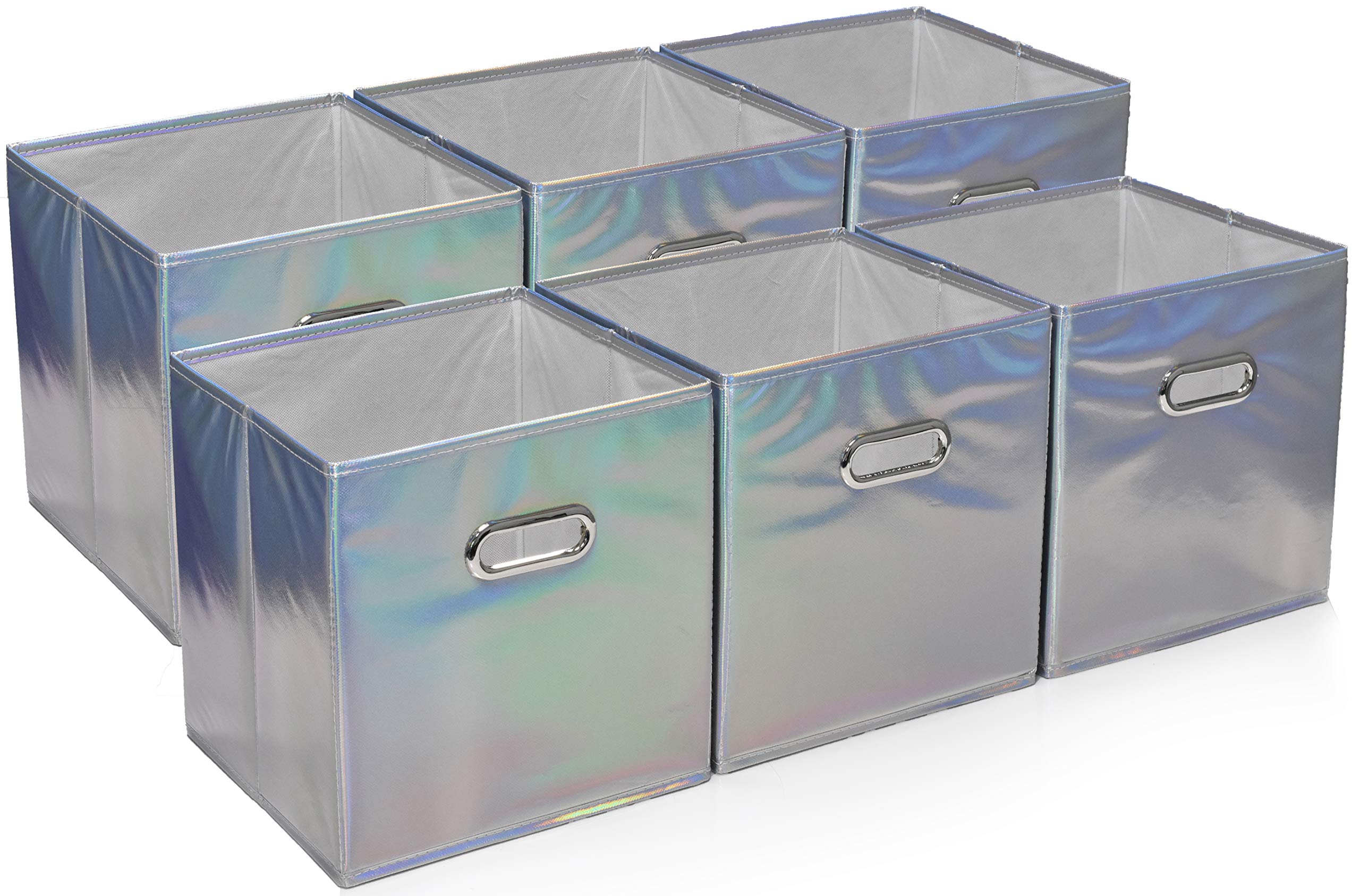
A six-pack of foldable polypropylene cubes with cardboard support and side handles—good for kids’ books, decorative storage, and colorful shelving setups.
Why I picked it: I bought these when I wanted inexpensive, colorful bins for a playroom and quick toy-and-book pickup.
Best for: Kids’ books, playroom storage, and colorful shelf displays.
A budget-friendly colorful set for casual storage.
Pros
- Bright colors liven up shelves
- Lightweight and foldable
- Durable polypropylene construction
- Side handles for easy carrying
Cons
- Stitching quality can vary
- Less premium feel than thick fabric cubes
My take
These Handy Laundry cubes are the ones I pick for kids’ rooms because they’re light, colorful, and replace clutter with a neat look. The polypropylene with cardboard support gives them enough form to hold children’s picture books upright.
They set up in seconds and fold flat when I need to store them. The side handles are practical for little hands to pull a bin out of a shelf for storytime.
If you want something that reads as premium on an adult bookshelf I’d choose a thicker fabric cube, but for play areas and quick, affordable organizing these strike a nice balance.
5. iwill CREATE PRO Underbed Storage Bins with Lids – Best Underbed Storage
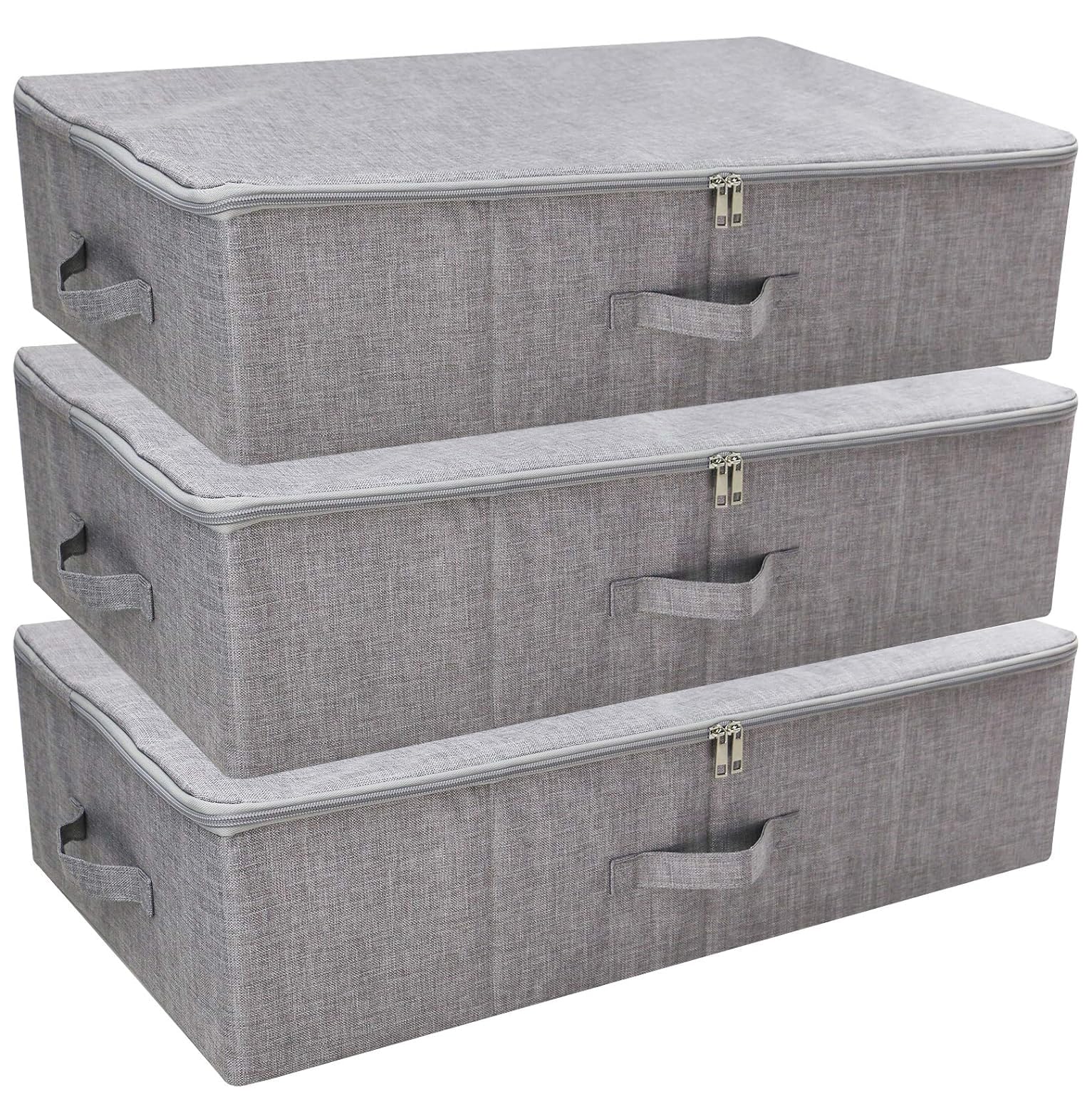
Low-profile, lidded underbed containers with plastic panels, three-sided zips, and handles—designed to keep seasonal books, photo albums, and linens dust-free under low-clearance beds.
Why I picked it: I grabbed these when I needed dustproof, low-clearance storage that slides smoothly under a bed or sofa.
Best for: Underbed storage for seasonal books, photo albums, and linens.
A functional underbed solution with washable panels and lids.
Pros
- Low-profile fits most underbeds
- Lidded, dustproof protection
- Washable rigid plastic panels
- Label pocket and multiple handles
- Three-sided zipper access
Cons
- Not ideal for extremely heavy loads
- Requires measuring bed clearance first
My take
I use these underbed bins when I need to keep photo albums and out-of-season books tucked away but protected from dust. The lidded design and three-sided zipper make access easy without fully pulling the box out.
The removable plastic bottom panel gives these more structure than cardboard alternatives and makes them washable, which I appreciate for long-term storage. Strong handles let me slide a filled bin out without struggling.
Make sure your bed has at least the listed clearance before buying; these are purpose-built to maximize low spaces. For heavy library boxes I still prefer rigid shelving, but for underbed dust protection these are my go-to.
How I Choose Storage Containers for Books
What to consider
I focus on three practical factors when selecting storage for books: size and fit, weight capacity and rigidity, and protection from dust or moisture.
Think about how often you’ll access the books. If you retrieve titles daily, choose breathable fabric cubes with handles; for long-term archival storage, opt for lidded plastic containers.
- Measure your shelf or cubby opening before buying—fit matters more than color.
- Match container type to book weight: reinforced fabric or plastic panels for heavier hardcovers.
- Use clear boxes for quick visual identification of contents.
- Choose lidded, washable options when dust and moisture protection are priorities.
- Foldable bins are great for seasonal use and moving; rigid boxes are better for stacking heavy loads.
Materials and maintenance
I prefer plastic panels for long-term shape retention and washable convenience, while thick fabric with internal boards offers a nicer aesthetic on open shelving.
If a container smells at unpacking, I air it out in a ventilated space—most attenuation happens within a few days.
- Fabric cubes: lightweight, breathable, decorative.
- Reinforced fabric: better for heavier stacks.
- Clear plastic: ideal for documents and archival storage.
- Underbed bins: measure clearance and check for zippers and lids.
Frequently Asked Questions
Which container type is best for heavy hardcovers?
I recommend reinforced fabric cubes with internal panels or rigid plastic boxes. The extra structure prevents sagging and protects spines better than purely collapsible fabric bins.
Can these containers protect books from dust and moisture?
Lidded boxes and underbed bins with zippers offer the best dust protection. Fabric cubes are breathable and attractive but won’t seal out dust the way a zip-top or hard-lid box will.
Will fabric cubes fit standard cube shelving like IKEA Kallax?
In my testing, standard 12–13 inch fabric cubes fit common cube shelving well, but always measure your shelf because nominal sizes vary slightly between manufacturers.
How should I clean these storage containers?
I wipe plastic and hard panels with a damp cloth and mild soap. For fabric bins, I spot-clean according to the manufacturer guidance and air them fully before storing books back inside.
Final Take
I keep at least two types of containers on hand: reinforced fabric cubes for everyday shelving and rigid, lidded boxes for archival or dusty underbed storage.
Decide what matters most—visibility, dust protection, or aesthetics—and match the container accordingly. With the right choice, your book collections stay organized and easy to access.
