
I tested five pellet stoves across size, control, and non-electric categories. Here are the units I’d choose for whole-house heat, long hopper runs, blackout-ready performance, and smart-home convenience.
I spent time installing, running, and tuning a range of pellet stoves so I could tell which models actually deliver reliable heat and simple day-to-day operation.
In the sections that follow I highlight the strengths and compromises I found so you can match a stove to your home, whether you want maximum runtime, a large viewing window, or a non-electric option for outages.
I compared output, hopper capacity, venting needs, and controls. If you want long unattended runs choose the larger hoppers; if you need power-outage resilience pick the non-electric Wiseway.
1. Castle Serenity Pellet Stove – Best Overall
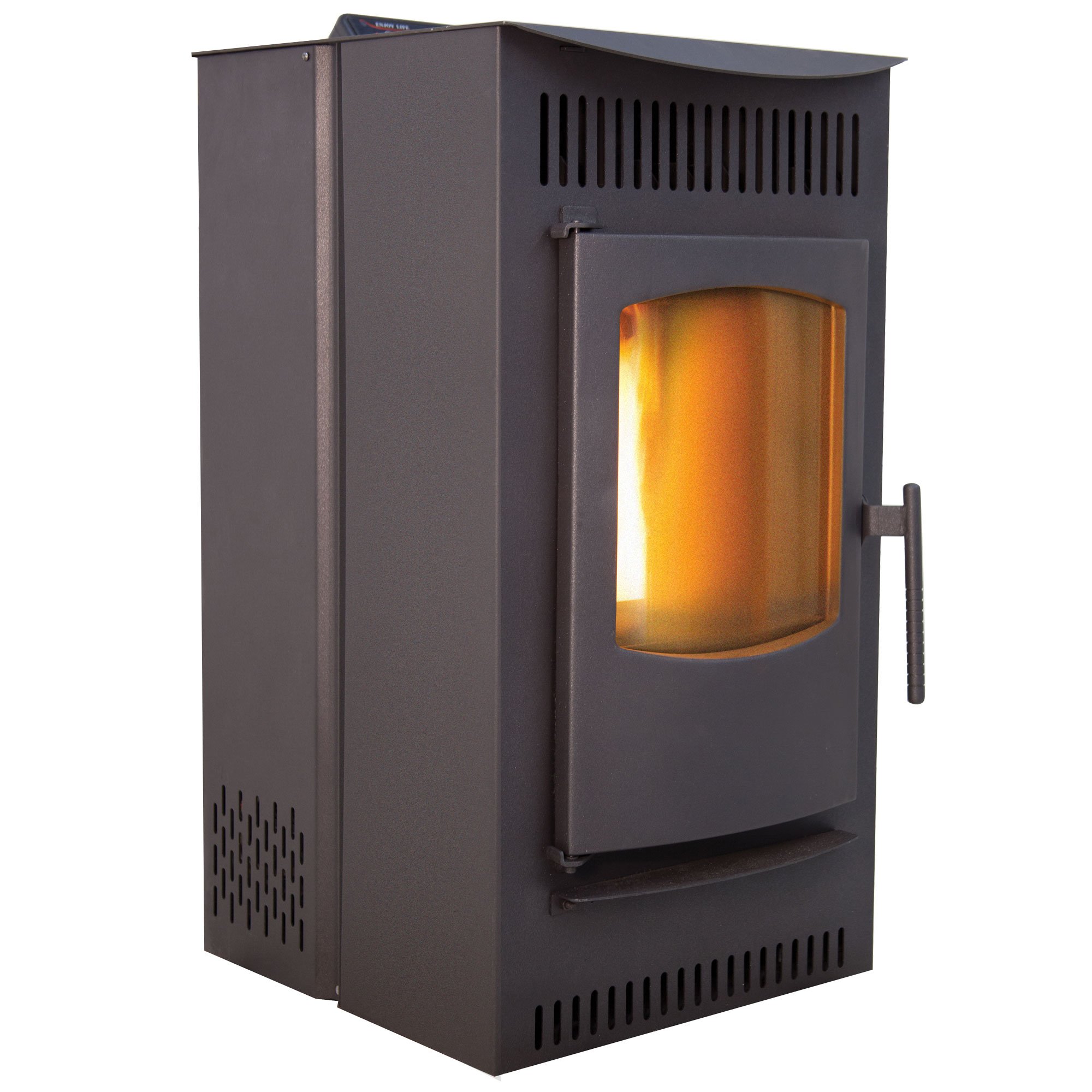
A compact, programmable stove with an easy-to-use smart controller and straightforward maintenance.
Why I picked it: I appreciated the Smart Controller’s mix of manual, thermostat, and weekly modes plus straightforward cleaning.
Best for: Homeowners who want programmable heat without complicated maintenance.
Affordable choice for a programmable pellet stove.
Pros
- Smart Controller with weekly scheduling
- Easy to clean interior
- Attractive space-saving design
- Quiet operation once tuned
Cons
- Small hopper compared to larger models
- Heavy—needs help moving
My take
I used the Castle Serenity as my everyday living-room heat source and liked how simple the Smart Controller made scheduling. The thermostat mode heats quickly to set temperature and then settles back to a low maintenance burn.
After a season I experimented with exhaust blower speeds and air-inlet adjustments; once I dialed those in the unit ran quietly and efficiently. Expect to spend a short setup period tuning it for your altitude and pipe length.
The Serenity is easy to clean—there are no hidden tubes or corrugations—so I never fought hidden ash. Be aware the hopper is on the small side, so it needs more frequent refills than the larger commercial units.
2. Comfortbilt HP22 Pellet Stove – Best for Large Spaces
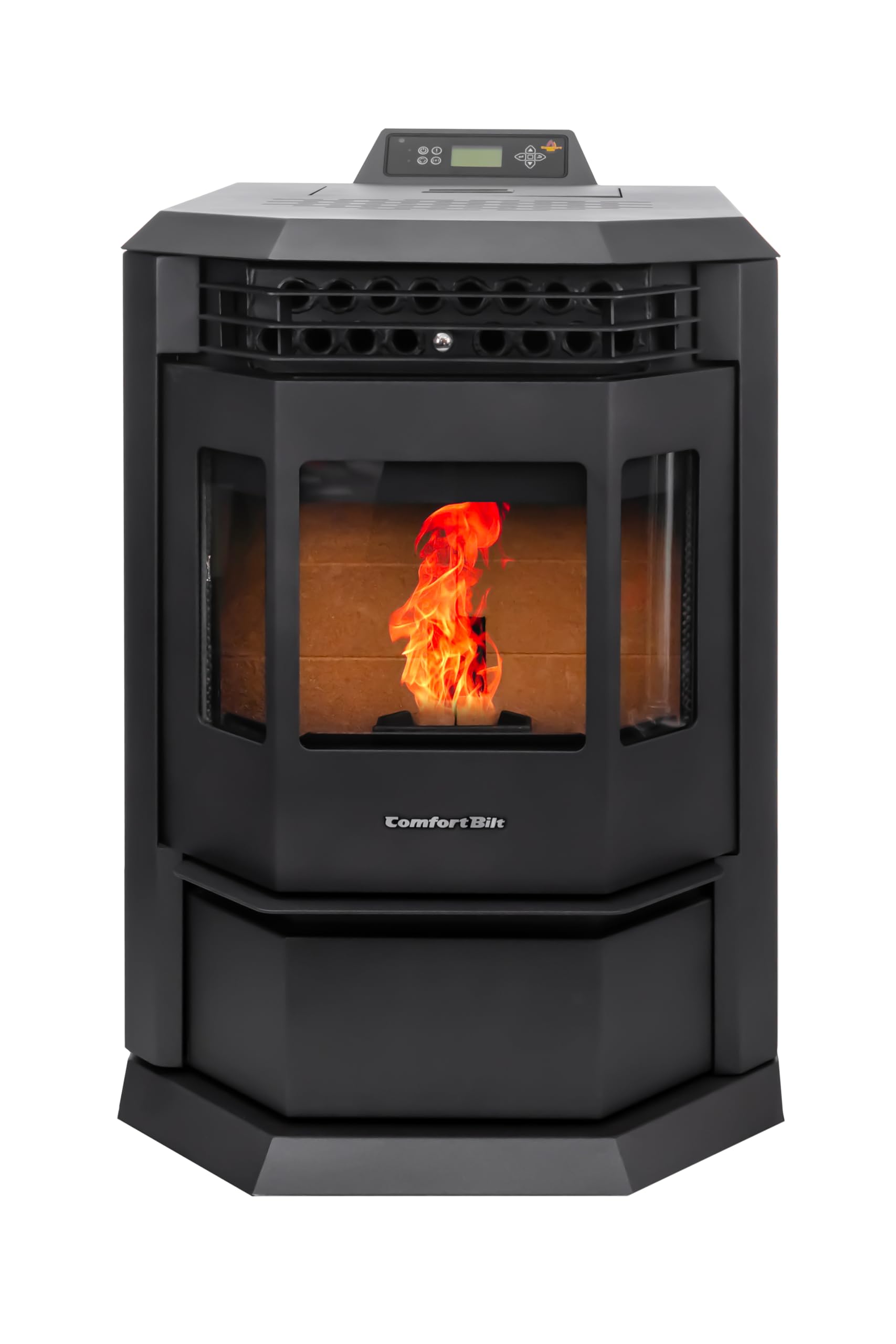
A powerful stove that covers large square footage with a robust blower and programmable thermostat.
Why I picked it: I chose it for strong heat output and a sizeable hopper that keeps a big house comfortable.
Best for: Owners heating large homes or open-plan areas.
A mid-to-upper range option for heavy-duty heating needs.
Pros
- Heats very large spaces
- Powerful blower
- 55 lb hopper for longer runs
- Auto ignition and programmable thermostat
Cons
- Hopper opening is a bit narrow
- Thermostat may kick on high only
My take
I installed the HP22 in a larger home and was impressed with how quickly it raised temperature. The blower moves a lot of warm air and the programmable thermostat keeps things steady.
Loading required a little extra care because the hopper opening is narrower than on some competitors, but that’s an easy habit to learn. If you plan to use thermostat control constantly, expect it to favor strong heat when it starts up.
I had good support from the seller during delivery and installation, and I recommend getting the optional hopper extension if you want to minimize refill frequency.
3. US Stove Wiseway Non-Electric Pellet Stove – Best Non-Electric
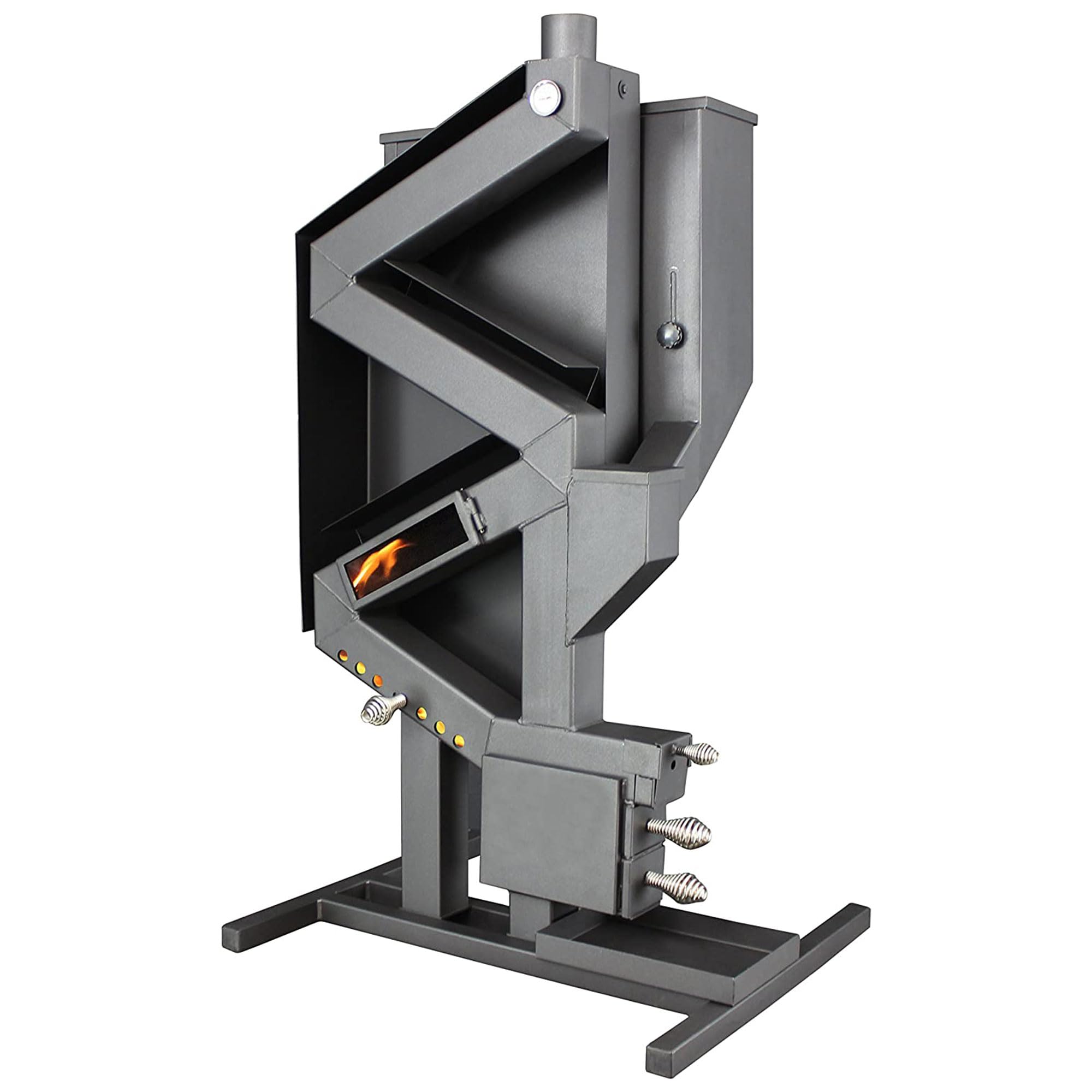
A rare nonelectric pellet stove that uses gravity feed—ideal for off-grid cabins and blackout-prone areas.
Why I picked it: I value the simplicity and blackout resilience of a gravity-fed, nonelectric design.
Best for: Off-grid homes or anyone who needs heat during power outages.
A specialty choice for reliability without electricity.
Pros
- Operates without electricity
- Long 60 lb hopper runtime
- Low maintenance mechanicals
- Silent operation
Cons
- Requires manual start procedure
- Initial burn-off odor when new
My take
The Wiseway is built for situations where electricity isn’t guaranteed. I started it with a propane torch per instructions and watched the natural-draft system take over reliably.
Heat output is solid for its class—enough for most medium-sized homes—and the 60-pound hopper translates to many hours of unattended warmth. I did note a burn-off smoke smell during the first long pre-burn, so I recommend that initial bake-out step outdoors or with good ventilation.
Adjusting fresh-air intake controls the burn rate cleanly and there are far fewer moving parts to service compared with motor-driven stoves.
4. Comfortbilt HP22-N Pellet Stove – Best Long-Run Hopper
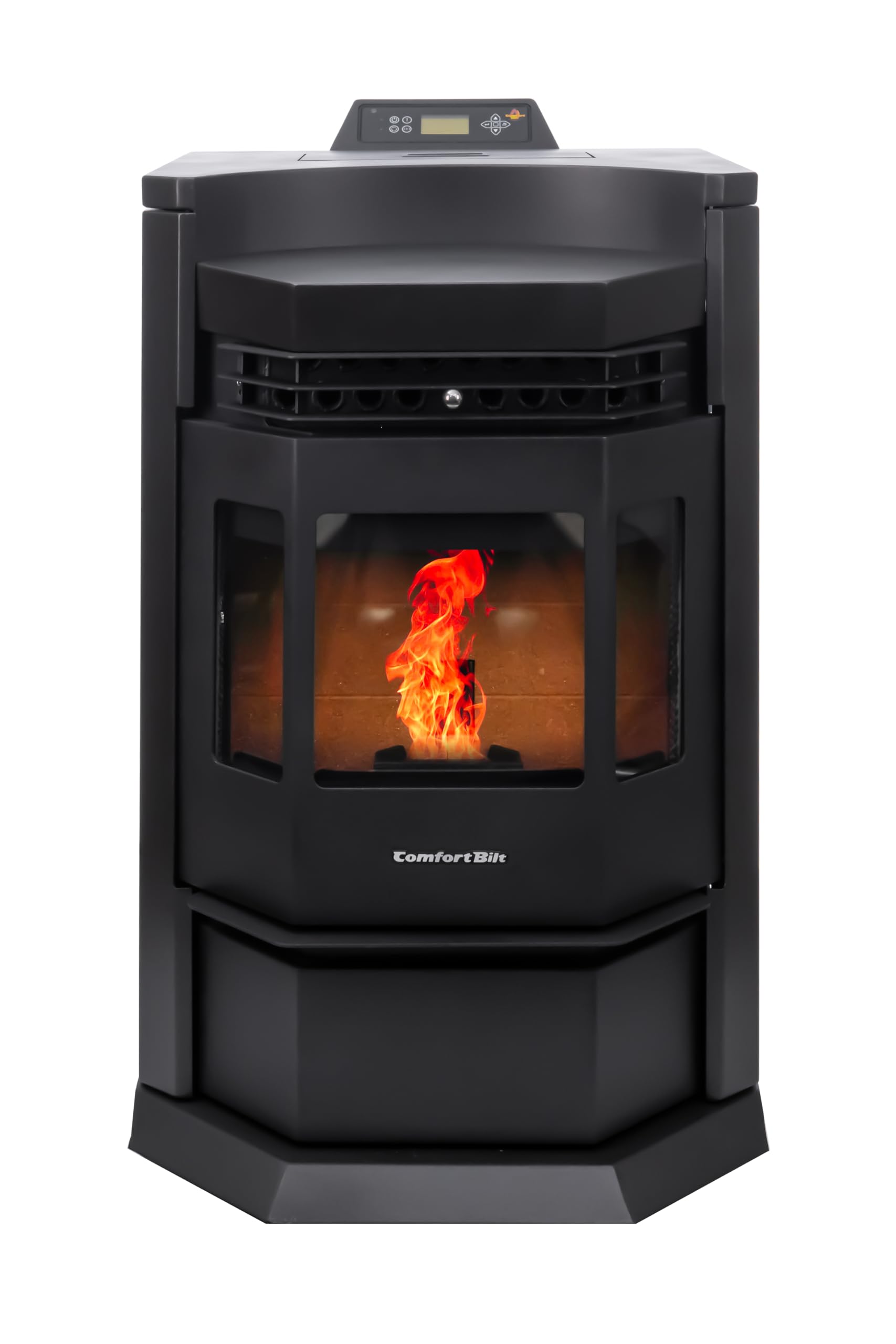
An 80 lb hopper and multiple power settings that allow very long burn periods on low.
Why I picked it: I picked this for its huge hopper and engineering that yields long unattended runs.
Best for: Basements or spaces where long runtimes are a priority.
A heavier-duty unit with features geared to longer runs.
Pros
- 80 lb hopper for long runtime
- Up to 36 hours on lowest setting
- Powerful heat for large homes
- Attractive bay-window design
Cons
- Very heavy—needs multiple people to move
- Requires proper venting
My take
The HP22-N’s 80-pound hopper delivers a different level of convenience—I routinely ran it many hours on low without refilling. That makes it my go-to for basement installs or when I want the least possible fuss.
It’s a substantial, well-built unit and the bay window gives a nicely framed fire. Moving it into place requires planning—this one is heavy—so arrange help or professional delivery.
Installation took me a few hours because of outside-air and exhaust holes, but once it was piped and tuned the stove was easy to maintain and very consistent in performance.
5. Cleveland Iron Works Bayfront Pellet Stove – Best Smart/Wi‑Fi
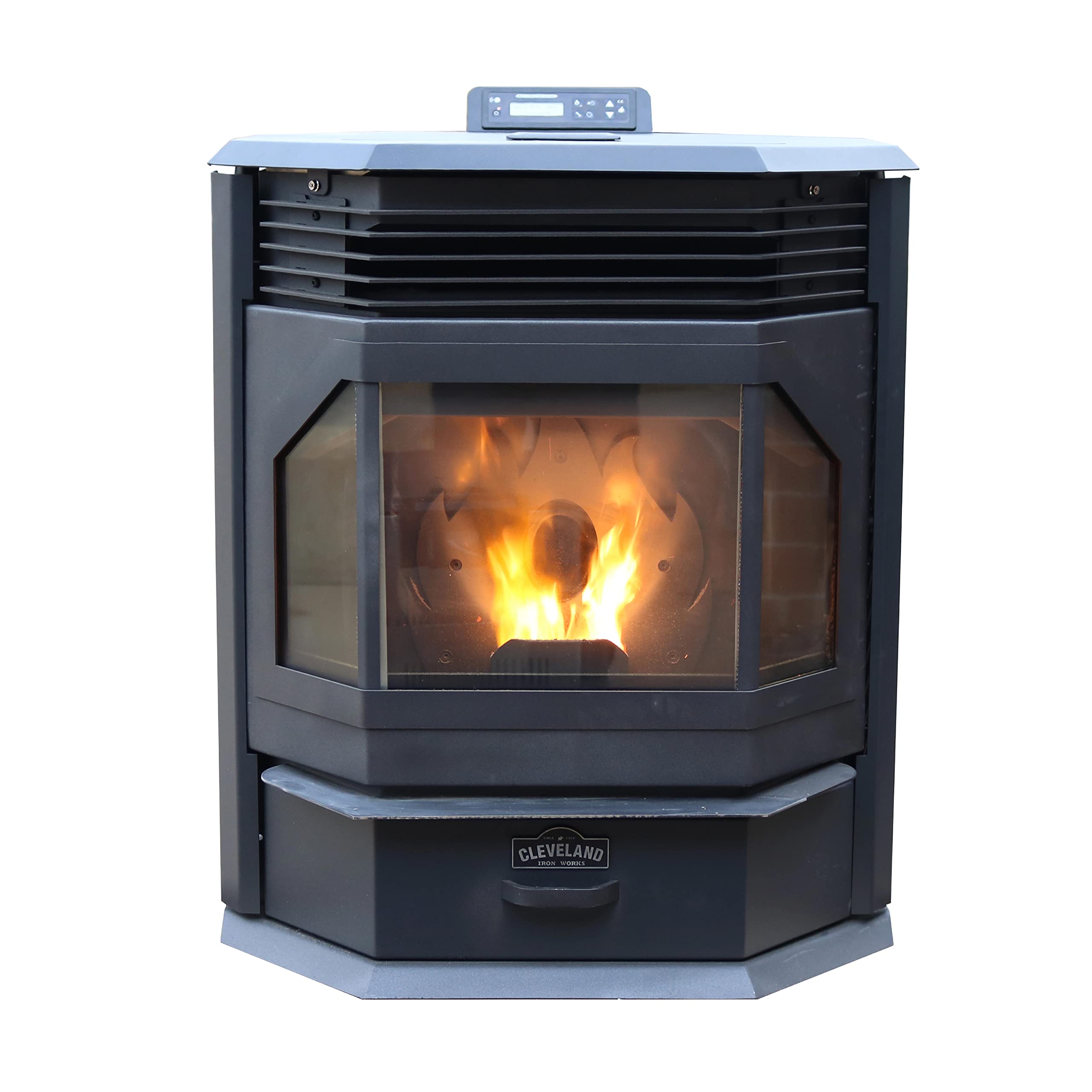
A visually striking stove with built-in Wi‑Fi and a large viewing area for easy remote control.
Why I picked it: I liked the Wi‑Fi and remote control features combined with a roomy hopper and quiet blower.
Best for: People who want app control and a large viewing window.
A feature-rich model with smart controls and solid construction.
Pros
- Built-in Wi‑Fi and remote control
- Large bay-front viewing windows
- Quiet blower technology
- Solid steel and cast-iron build
Cons
- Pellet bridging can occur
- Hopper door switch is delicate
My take
I appreciated the Bayfront’s smart features—controlling the thermostat from an app or the included remote was convenient during daily use. The large windows give a pleasant fire-view and the Whisper Quiet blower really is unobtrusive.
In practice I had to mind pellet quality and occasional bridging; that required a quick clean to restore steady feed. Also, the hopper door switch can be easily bent if you’re not careful loading pellets, so I adapted my loading routine to avoid interruptions.
Overall the stove felt rock-solid and the initial pre-burn step (about 45 minutes) was important to burn off manufacturing oils and minimize early odor.
How I Choose a Pellet Stove
Key factors I look for
I balance heat output, hopper capacity, controls, and installation complexity. A stove that matches my home size and lifestyle delivers the best experience.
Venting and clearances are non-negotiable—plan for proper exhaust and, when needed, an outside-air kit.
- Heat output (BTU) vs. square footage: overspec a bit for very cold climates.
- Hopper capacity = fewer refills; 55–80 lb hoppers radically reduce hands-on time.
- Controls: thermostats and programmable schedules matter if you want set-and-forget heat.
- Non-electric models are ideal for off-grid or frequent outages.
- Installer and venting costs can affect overall value—budget for pro installation if unsure.
Frequently Asked Questions
Do most pellet stoves need electricity to run?
Yes—most pellet stoves use blowers, augers, and controls that need power. I keep a backup plan in mind: the US Stove Wiseway is a nonelectric gravity-feed option if you need heat during outages.
How often will I need to refill the hopper?
It depends on hopper size and burn setting. In my experience, 55–66 lb hoppers typically last many hours to a day on moderate settings; 80 lb hoppers can extend that to multiple days on low.
Are pellet stoves hard to maintain?
They require routine ash removal and occasional auger or burn-chamber cleaning. I prefer stoves with easy-access service areas and simple ash pans to make maintenance quick.
Can I install a pellet stove myself?
I recommend professional installation unless you’re experienced with venting and local codes. Some units are heavy and require proper outside-air and exhaust hookups that are easiest done right the first time.
Final Take
My pick for overall value and programmability is the Castle Serenity; it balances control, cleanability, and affordability.
If you need maximum runtime or heat for a very large home, the Comfortbilt HP22-N and HP22 are the better fits. For blackout-ready heat, the US Stove Wiseway is the only nonelectric option here. If app control and a big viewing window matter to you, the Cleveland Bayfront delivers.
Use the buying guide checklist to match a stove’s hopper size, venting needs, and control features to your house. When you pair the right stove with careful installation and quality pellets, you’ll get reliable heat with minimal fuss.
