
I tested popular vacuum-seal bags and rolls for sous vide and freezer storage. These five picks cover convenience, custom lengths, bulk rolls, and a versatile multi-size pack that I keep returning to.
I rely on vacuum-seal bags every week for sous vide, meal prep, and long-term freezer storage.
Over many months I tried pre-cut bags and several roll options so I could judge durability, seal consistency, and sous-vide safety.
This roundup highlights the products I keep using: the easiest pre-cut bags, heavy-duty rolls with a cutter, and the variety pack I reach for when I need multiple sizes.
I focused on seal reliability, puncture resistance, and ease of portioning. Pre-cut bags win for convenience; rolls win for flexibility and lower cost per inch. FoodSaver material consistently sealed with no surprises, while the Wevac roll stood out for a big cutter box and puncture resistance.
1. FoodSaver Precut Quart Vacuum Bags – Best Overall
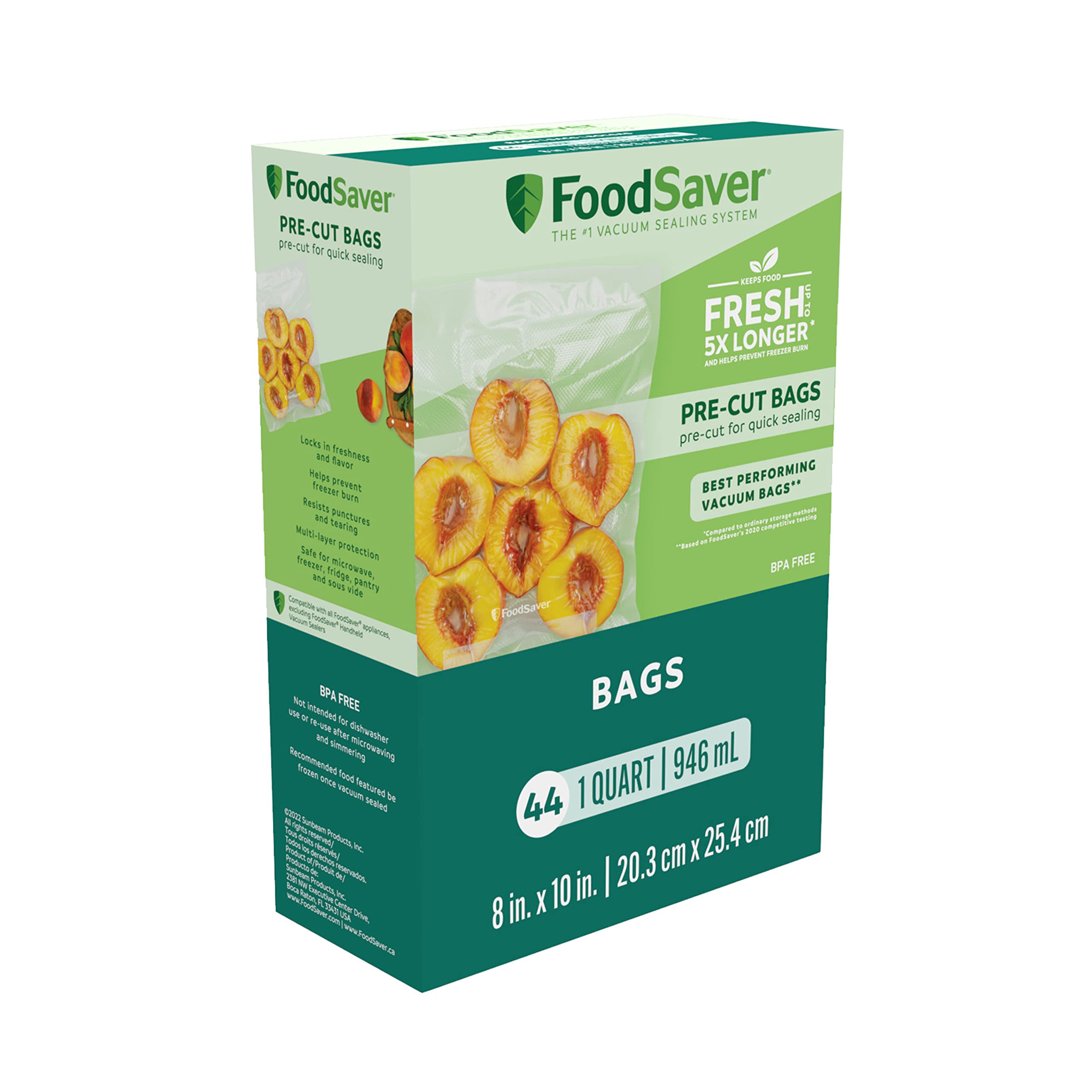
Dependable, pre-cut quart bags that make meal prep and sous vide easy without trimming or measuring.
Why I picked it: I value convenience and decades of reliable sealing for everything from fish fillets to meal portions.
Best for: Everyday meal prep and portioning for one to two people.
A practical buy if you want fuss-free, ready-to-seal bags.
Pros
- Pre-cut, ready to use
- BPA-free and boil-safe
- Sturdy, reliable seals
Cons
- Less flexible than rolls
- Fixed size limits large cuts
My take
I’ve used FoodSaver pre-cut bags for years — they’re the product I grab when I want a no-fuss seal. The 1-quart size is ideal for single portions, small fillets, and leftovers. I write dates on them with a Sharpie and they hold up in the freezer for months.
The material is multilayer and BPA-free, which gives me confidence when I simmer or reheat directly from the bag. They consistently produce airtight seals with my FoodSaver system, so I rarely see leaks or freezer burn.
If you want predictable, ready-to-use bags that shorten prep time, these are the ones I turn to most often.
2. Wevac 11-inch Vacuum Seal Roll with Cutter – Best Value Roll
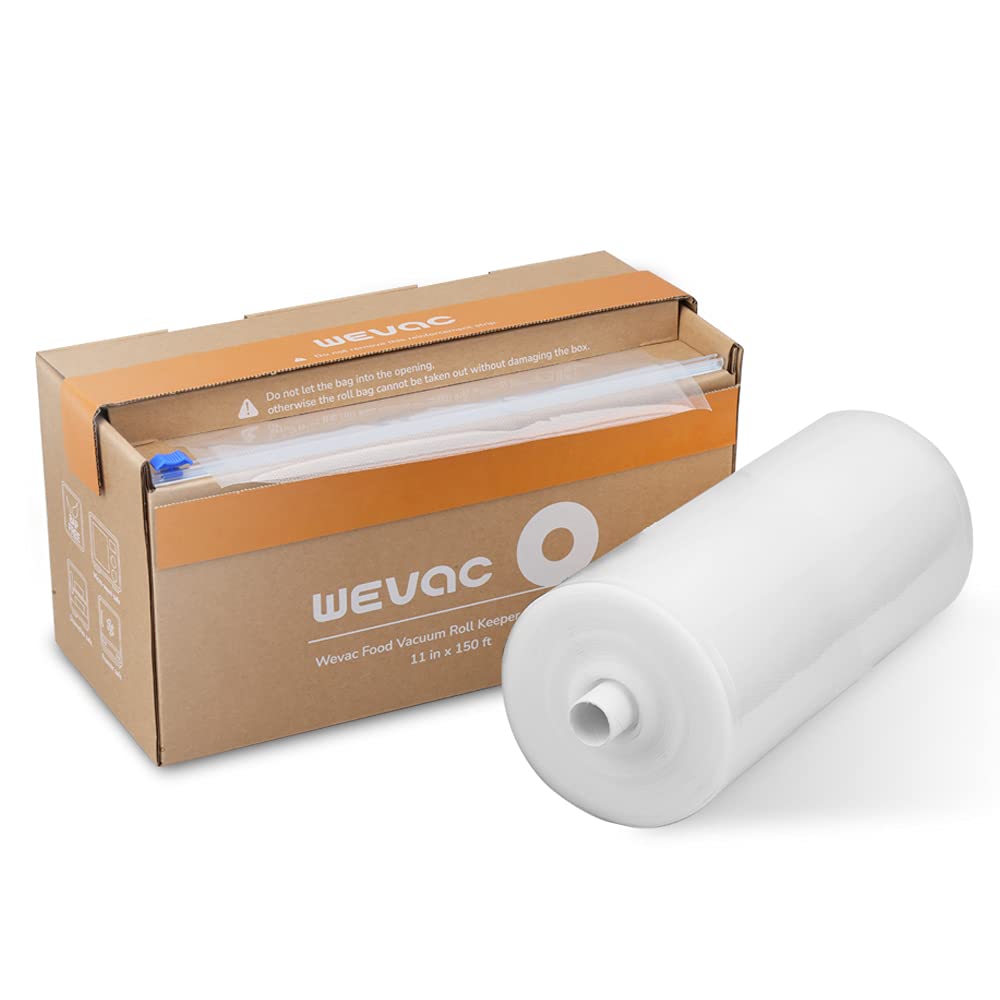
A heavy-duty 11-inch roll with embossed channels and an integrated cutter box for long runs of sealing.
Why I picked it: I picked this for its durability and the tidy cutter box that makes long packing sessions less messy.
Best for: Bulk packers and hunters who need large continuous lengths and puncture resistance.
Great cost per foot for high-volume sealing.
Pros
- Extra-long roll length
- Integrated cutter box
- Embossed channels for strong vacuum
Cons
- Roll handling takes space
- May require wider sealer for very large items
My take
When I’m processing a lot of meat or prepping bulk buys, I reach for this 11-inch roll. The embossed suction channels make it easy for my sealer to pull a strong vacuum, and the material feels thicker than many third-party rolls I’ve tried.
The cutter box is the feature that sold me — it keeps the roll clean and makes cutting quick and accurate. I can cut precisely what I need and avoid waste, which speeds up multi-hour packing sessions.
I also use these for sous vide; they handle heat well and have resisted punctures in my freezer packs. For heavy-duty use, this roll gives me the best balance of durability and convenience.
3. FoodSaver Custom Fit Vacuum Sealer Roll – Best for Custom Lengths
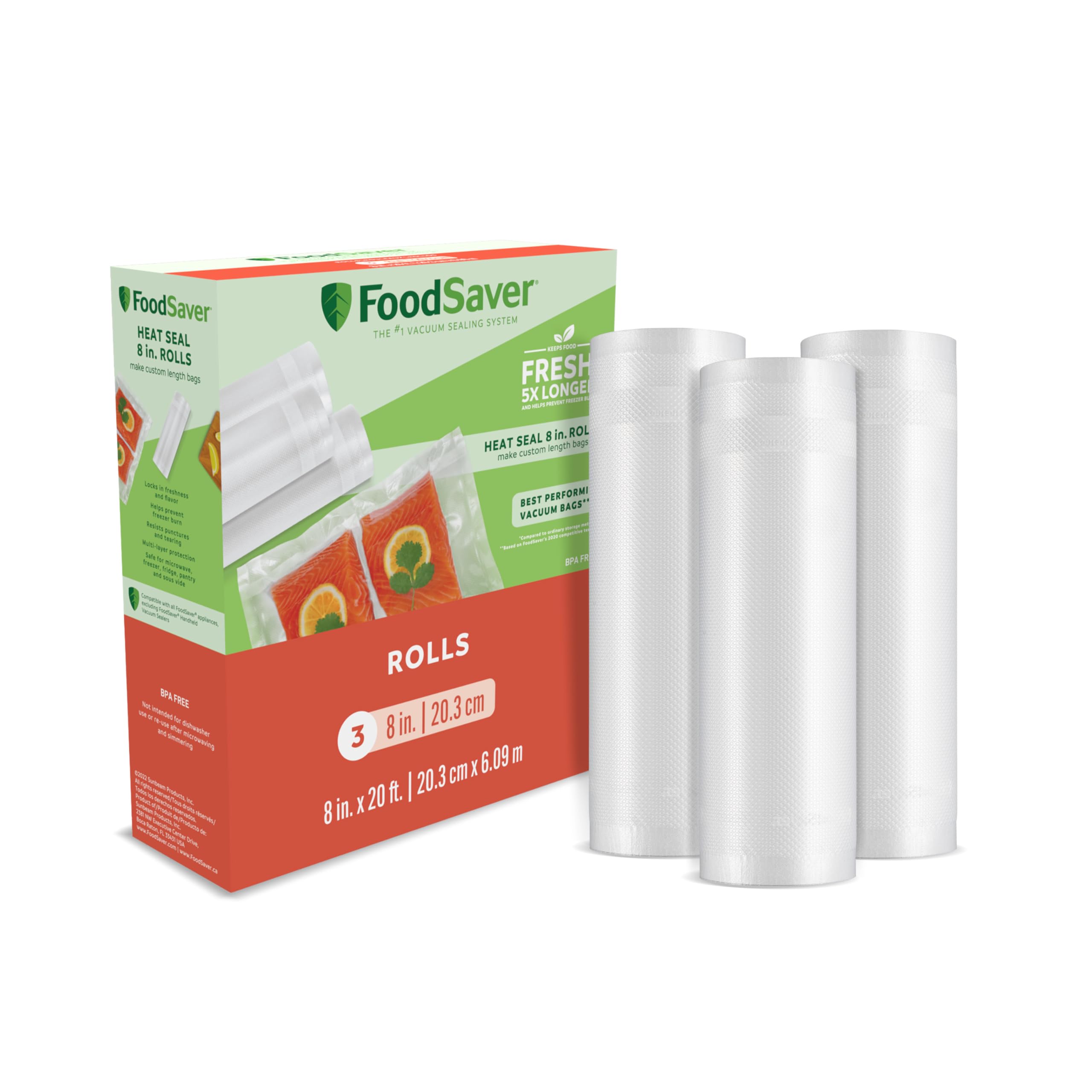
Custom-length rolls that let me size bags perfectly for odd-shaped items and reduce waste.
Why I picked it: I appreciate the control of cutting exact lengths and the FoodSaver-specific material that seals consistently.
Best for: People who want custom bag lengths for irregular cuts or large roasts.
A bit pricier than some third-party rolls, but I pay for consistent seals.
Pros
- Cut-to-length flexibility
- Designed for FoodSaver sealing strip
- Boil- and microwave-safe
Cons
- Higher cost than generic rolls
- Requires manual sealing of one end
My take
I use custom-fit rolls when nothing on the shelf will fit a particular piece of meat or a long fish fillet. Cutting the length I need eliminates wasted material and makes storage neater.
Because this material is engineered for FoodSaver sealers, my seals have been dependable — I’ve had fewer failed seals compared with cheaper alternatives. The multilayer construction also handles boiling and reheating without softening.
If you want tidy, custom-sized bags and value consistent sealing, these rolls deliver the control I prefer in the kitchen.
4. FoodSaver 8-inch Vacuum Sealer Rolls (2-Pack) – Best 8" Roll Pack
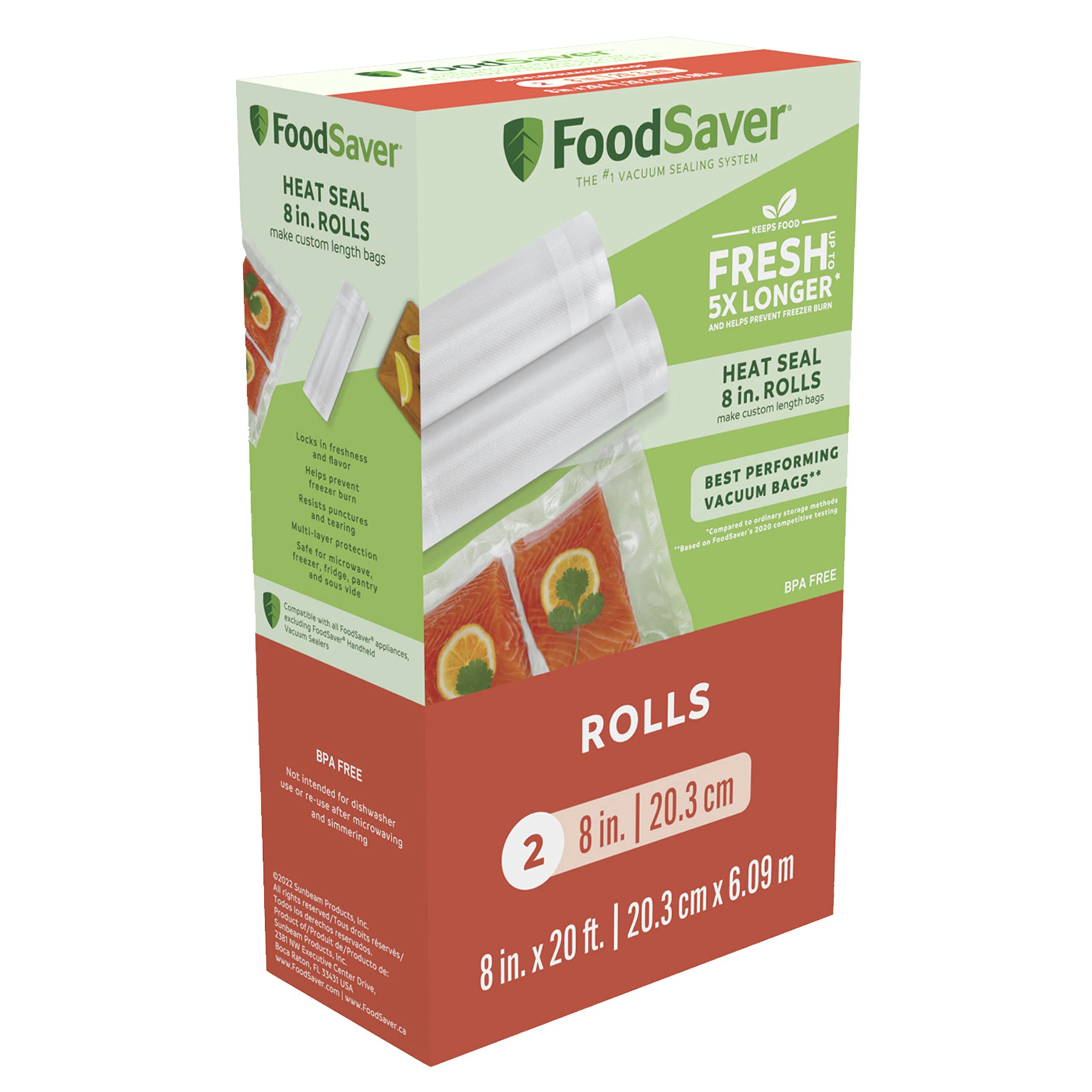
Two 8-inch rolls that are flexible for a range of uses and include a writable date panel for organization.
Why I picked it: I like having two rolls for alternating tasks and the white writing panel for labeling contents.
Best for: Households that want the flexibility of custom bags without constant reordering.
Good middle ground between pre-cut convenience and bulk rolls.
Pros
- Writable date panel
- Multi-layer puncture resistance
- Versatile for many foods
Cons
- Takes up storage space
- Requires cutting and sealing steps
My take
These 8-inch FoodSaver rolls are my go-to when I need moderate flexibility. I cut to size, seal one end, fill, and vacuum. The white panel for dating is a small detail I use every time — it keeps my freezer organized.
The material creates a tight barrier that keeps food tasting fresher and avoids freezer burn. In practice I've seen faster thaw times and less ice crystal buildup compared with conventional freezer bags.
Between the two rolls I usually have enough stock for weekly to monthly packing; they’re a straightforward, dependable option if you already own a FoodSaver unit.
5. FoodSaver Vacuum Sealer Variety Pack – Best Variety Pack
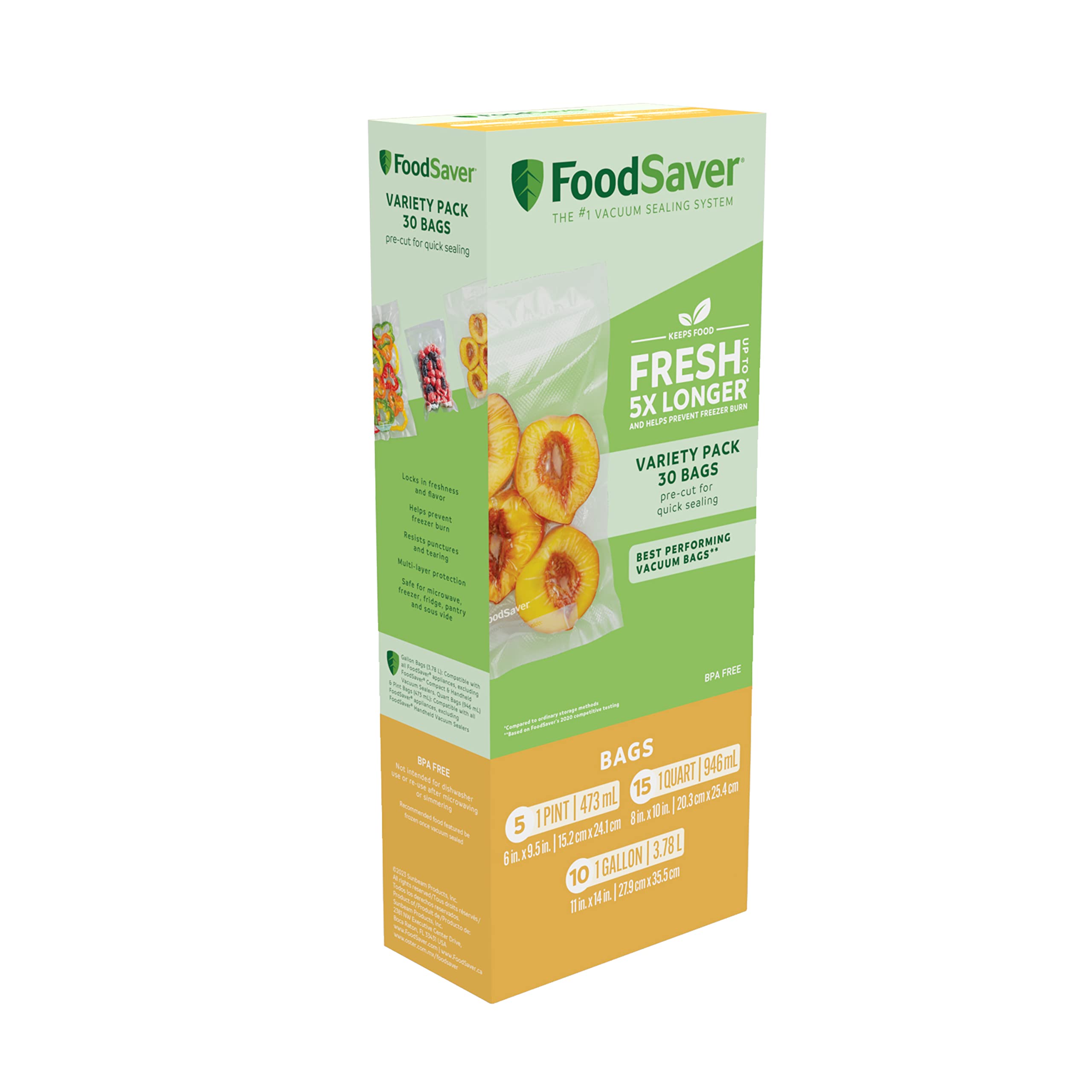
A multisize assortment of pre-cut pints, quarts, and gallons that covers most household needs and works for sous vide.
Why I picked it: I keep this variety pack on hand when I need multiple sizes without cutting rolls.
Best for: Small families or anyone who wants a ready mix of portion sizes.
Convenient mix when pre-cut sizes save time despite a higher unit cost.
Pros
- Multiple pre-cut sizes
- Puncture-resistant multilayer material
- Safe for sous vide up to typical temps
Cons
- Higher cost per bag than rolls
- May not fit very large items
My take
I buy the variety pack when I want the right size without trimming a roll. Having pints, quarts, and gallons ready-to-seal cuts prep time dramatically when I’m switching between snacks, meal portions, and large roasts.
The material is robust and seals reliably in my FoodSaver. I also use these bags for sous vide — they handle typical sous-vide temperatures and simmering, so I don’t worry about leaching or bag breakdown during a cook.
For convenience and flexibility in one box, this pack is the easiest way I keep my freezer and meal prep organized.
How I Choose Sous Vide Bags and Rolls
Bag Type: Pre-cut vs. Roll
I choose pre-cut bags when I need speed and consistent portion sizes; I choose rolls when I want flexibility and a lower cost per inch.
Rolls are better for odd-shaped items and large cuts because I can cut exact lengths, while pre-cut bags reduce prep steps and waste.
- Pre-cut: fastest, no measuring, good for regular portions
- Rolls: flexible lengths, better for bulk or large items
- If you value speed, keep pre-cut on hand; use rolls for big jobs
Material, Safety, and Temperature
I always check for BPA-free, multilayer construction and explicit boil/microwave or sous-vide safety.
Most of the bags I recommend are safe for simmering or sous vide at common home temperatures; still, I verify the manufacturer’s max temperature for long cooks.
- Look for BPA-free labeling
- Multilayer material resists punctures and holds vacuum
- Confirm the bag’s max temperature if you sous vide long cooks
Sealer Compatibility & Seal Reliability
I prefer brand-matched material for guaranteed sealing strip temperature alignment, but many third-party rolls work fine with modern vacuum sealers.
If seals fail occasionally, I switch to brand material — it’s the most reliable way I’ve found to avoid repeat leaks.
- Brand material often matches sealing temperature best
- Third-party rolls can offer similar performance at lower cost
- Test a small batch before committing to bulk buys
Practical Tips for Sous Vide and Freezer Use
I leave a little headspace when sealing for sous vide to avoid burst seals, and I use the double-seal technique on moist items.
Label bags clearly and flatten them before freezing for faster, more uniform thawing.
- Double-seal moist foods to prevent leaks
- Flatten and stack bags to speed freezing and thawing
- Write contents and date on every bag
Frequently Asked Questions
Can I use these bags for sous vide cooking?
Yes — I use the multilayer bags and rolls for sous vide at typical home temperatures. A number of the products I recommend are explicitly boil- and simmer-safe, and the variety pack lists compatibility up to common sous-vide temps. I still check the manufacturer's max temperature for very long cooks.
Are these bags BPA-free and food-safe?
They are. I choose bags labeled BPA-free and multilayer; every product in my list notes BPA-free material, which gives me confidence for both cold storage and reheating.
Do third-party rolls work with FoodSaver units?
In my experience many third-party rolls are compatible and seal well, especially those with embossed channels. That said, I keep brand-specific rolls on hand for critical packs because the sealing strip temperature matches the material and reduces the chance of failed seals.
Final Take
I rely on a mix of pre-cut bags and rolls depending on the job: pre-cut for speed, rolls for flexibility.
If you want one versatile choice, the FoodSaver pre-cut quart bags and the 8-inch rolls cover most needs I encounter. For heavy use, the Wevac roll and FoodSaver custom rolls give the durability and length I want.
Whichever option you pick, focus on seal quality and heat safety — those two factors have the biggest impact on sous-vide results and long-term freezer storage in my kitchen.
