
I tested popular zippered encasements so you don’t have to. Here are the best options I rely on for waterproofing, quiet sleep, deep mattresses, and long-term protection.
I spent time fitting and sleeping on several zippered mattress encasements to find which ones actually deliver on protection and comfort.
This roundup focuses on full 360° encasements that seal the mattress with a zipper—things I use when I want waterproofing, bed-bug/dust-mite barriers, or serious spill protection.
Below I explain which encasement I reach for in different situations and why each one earned a spot on my short list.
I compared fabrics, zipper durability, noisiness, breathability, and how easy each cover is to install and wash so you can pick the right trade-offs for your bedroom.
1. Utopia Bedding Zippered Mattress Encasement – Best Affordable Encasement
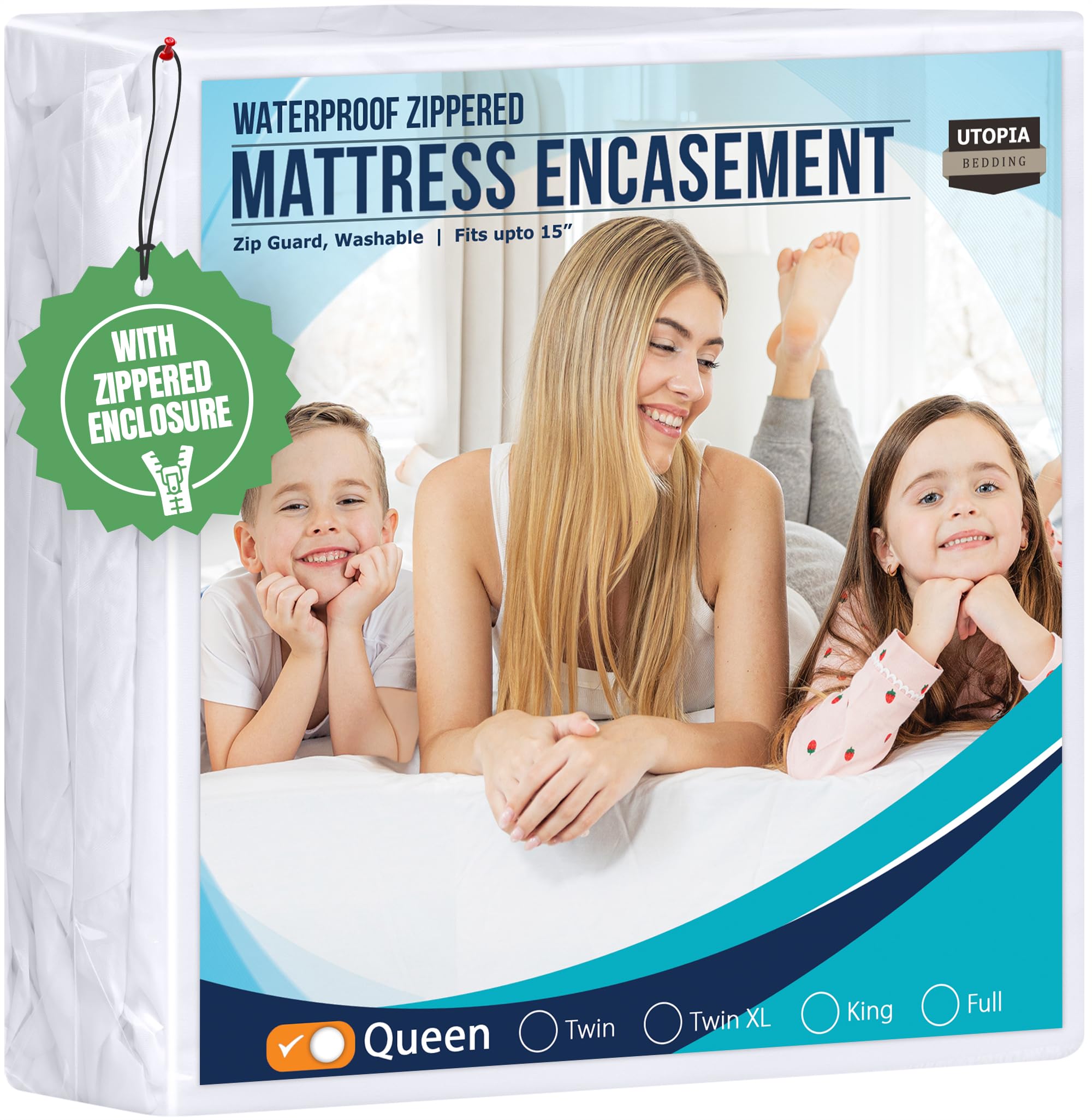
I use this when I need full 360° zippered protection that’s affordable and straightforward to install.
Why I picked it: I rely on this for full zip-around waterproof protection with a soft, non-crinkling polyester finish.
Best for: I recommend it for families, pet owners, and anyone wanting complete mattress coverage on a budget.
I consider this an affordable value pick.
Pros
- 360° zippered enclosure
- Soft, non-crinkling polyester
- Waterproof liquid barrier
- Fits mattresses up to 15 inches
- Machine washable
Cons
- Polyester can feel warmer for some sleepers
- May produce slight sound on certain mattresses
My take
Putting this encasement on was straightforward thanks to the stretch polyester—one person can manage most queen mattresses. The wrap-around zipper seals the mattress completely, so I don’t worry about leaks or dust-mite exposure.
Sleeping on it didn’t feel like sleeping on plastic; the knitted polyester lays flat and kept noise to a minimum in my tests. That said, on very plush or heavily textured mattresses I noticed a small, soft plastic-y sound during position changes.
Care is easy: I machine washed and tumble-dried on low without shrinking or damage. For the price, this is the most practical full-coverage option I turn to when I need reliable protection without premium materials.
2. Utopia Bedding Premium Zippered Encasement – Best for Breathability
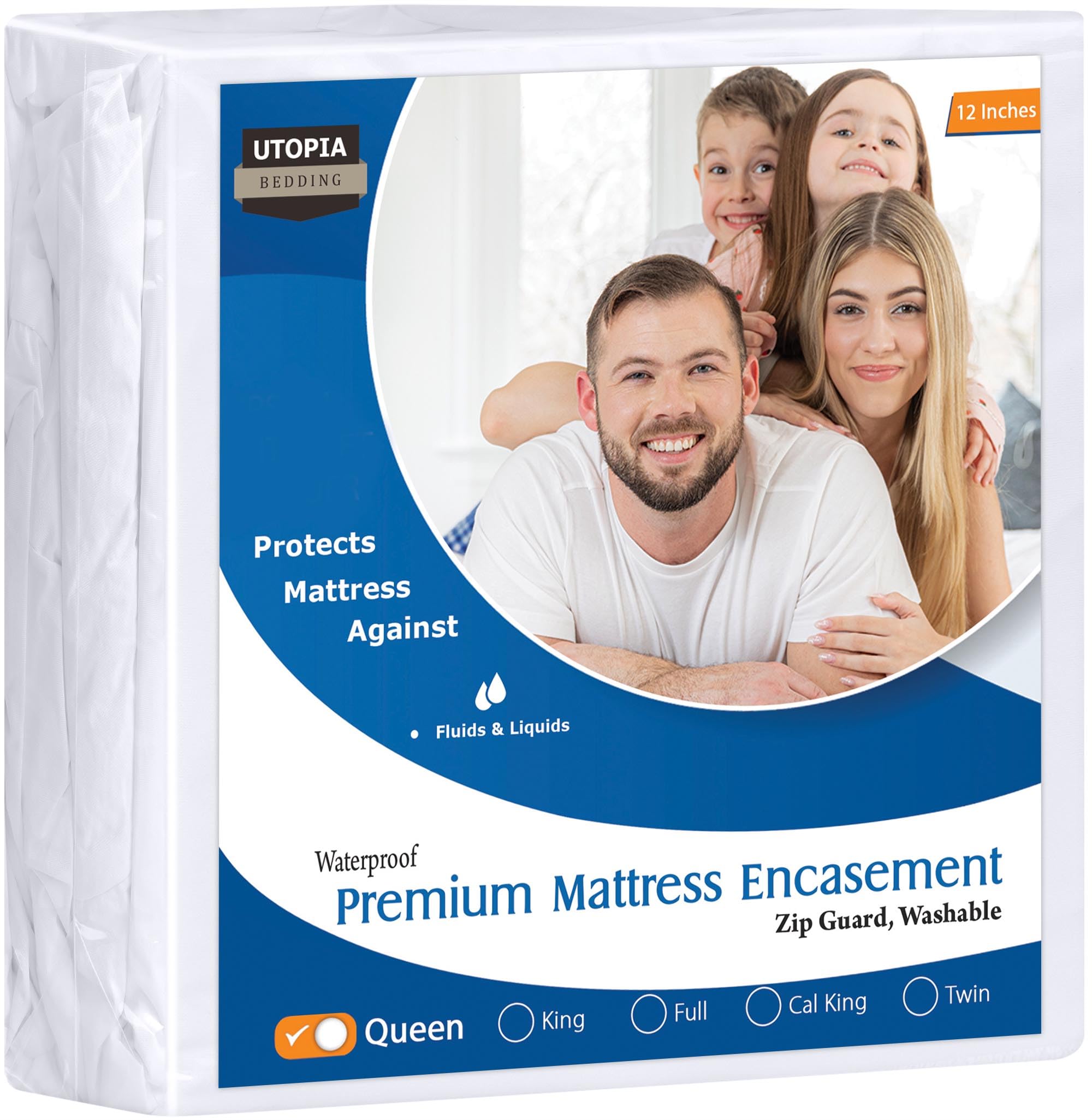
I picked this encasement when breathability and a quiet knitted fabric were my priorities.
Why I picked it: I value its smooth, breathable knit that stays quiet and avoids trapping heat while still providing a zippered barrier.
Best for: I recommend it for sleepers who run warm or need a breathable, full-zip encasement for deep mattresses.
I view this as an affordable, performance-focused option.
Pros
- Smooth, quiet knitted fabric
- Breathable—doesn't trap heat
- Full zippered encasement
- Good fit for 12-inch mattresses
- Machine washable
Cons
- Not as thick as cotton terry
- May feel thin for heavy-duty needs
My take
This premium knit material stood out for how cool and quiet it kept the sleep surface. I tested it on a 12-inch mattress and the fit was snug without bunching under fitted sheets.
Because the fabric is breathable, I noticed less warmth buildup overnight compared with heavier waterproof covers. The zipper seals tightly, so I felt confident about protecting the mattress from spills and bed bugs.
Overall, this is the one I reach for when I want a balance of comfort and protection without the heavier feel of a terry-lined encasement.
3. Linenspa Zippered Mattress Encasement – Best for Quiet Sleep
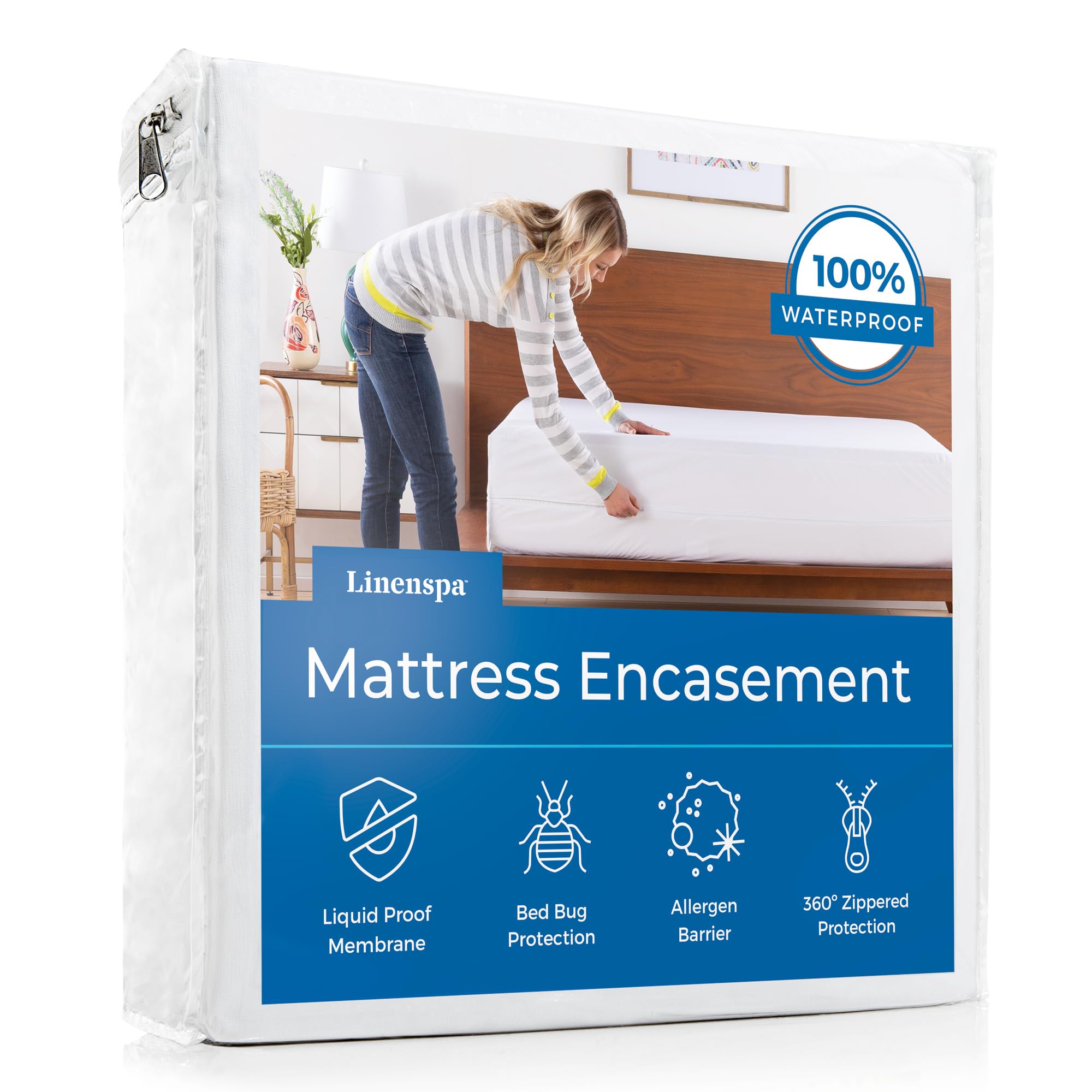
I turn to this model when silent, barely-there protection is the top priority.
Why I picked it: I picked it for its ultra-thin, noiseless fabric that preserves the mattress feel while keeping liquids out.
Best for: I recommend it for dorms, rentals, and light sleepers who can’t tolerate crinkly covers.
I consider this a solid mid-range option.
Pros
- Ultra-thin, flexible fabric
- Noiseless sleep surface
- 100% waterproof barrier
- Breathable and lightweight
- Easy machine care
Cons
- Feels thin compared to heavy-duty covers
- May be snug on very deep mattresses
My take
This encasement was the quietest I tested—the fabric moved with the mattress rather than rubbing against it, so nights were noticeably calmer.
Despite being ultra-thin, the aqua-tight barrier kept moisture from passing through during my spill test. I liked that it preserved the original feel of the mattress and slipped easily under fitted sheets.
If you want protection that doesn’t change how your bed feels or sounds, this is the one I’d recommend reaching for first.
4. SafeRest Zippered Cotton Terry Encasement – Best Premium Encasement
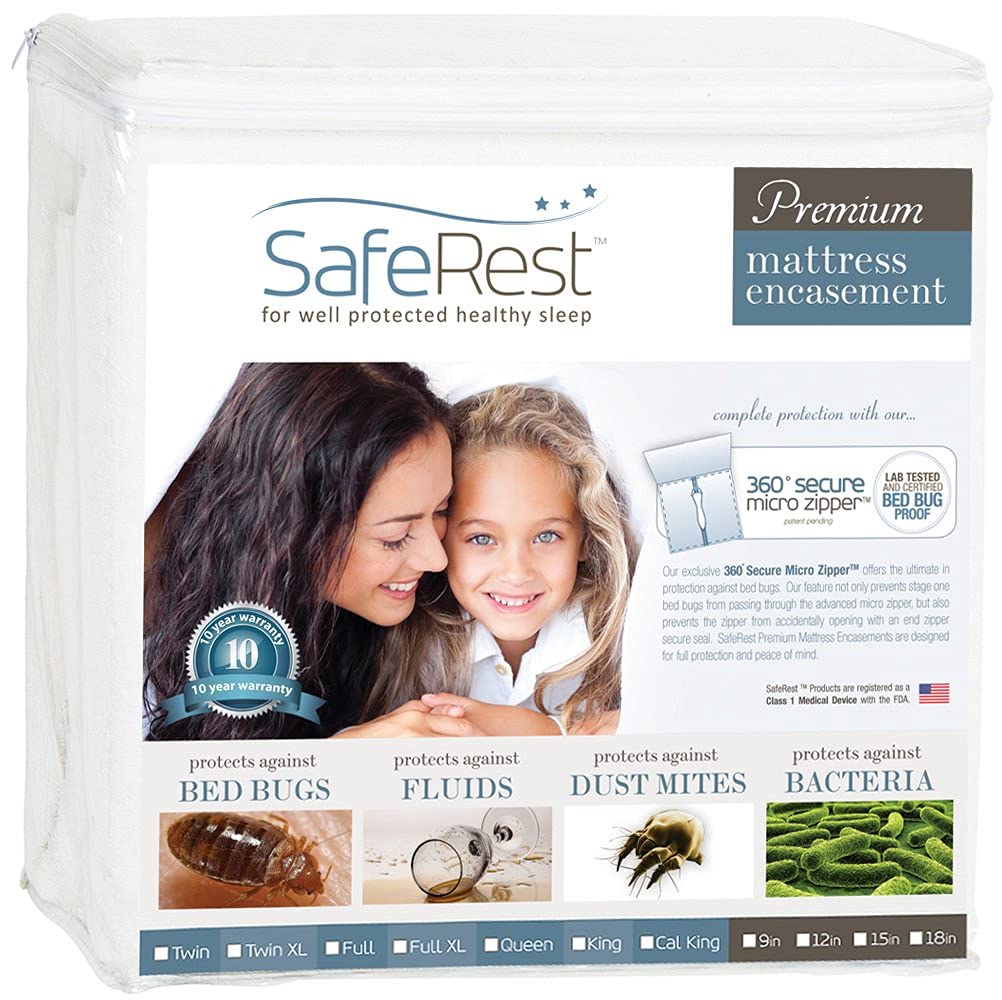
I rely on this premium cotton-terry encasement when I want noiseless, highly breathable protection and a more substantial surface feel.
Why I picked it: I appreciate the soft cotton terry top and the secure zipper system that makes the encasement feel like a long-term mattress safeguard.
Best for: I recommend it for sensitive sleepers, allergy concerns, and anyone who wants premium materials and long-term durability.
I view this as a more expensive, premium choice.
Pros
- Soft cotton terry surface
- Noiseless and breathable
- 360° secure zipper with Velcro flap
- Free of vinyl and PVC
- Backed by a 10-year warranty
Cons
- Installing solo can be tricky
- Higher cost than basic covers
My take
The cotton terry surface immediately feels different—thicker and more cloth-like than polyester or thin knits. In my testing it stayed quiet and didn’t trap heat, which made it the best option for sensitive sleepers.
The zipper quality and the 360 Secure Velcro flap delivered a reassuring seal; once zipped, I felt confident the mattress was protected from spills and pests. I do recommend enlisting a second person for installation on heavier mattresses, as I found it easier that way.
If long-term protection and a premium sleep surface matter most, this is the encasement I turn to despite the higher cost.
How I Choose Mattress Encasements
Key things I look for
When I evaluate encasements I focus on three priorities: a full zip seal, the material’s noisiness and breathability, and how deep of a mattress it will fit.
- Full zip vs fitted skirt: I choose full zip for bed-bug protection and complete waterproofing.
- Material: Knit polyester is lightweight and quiet; cotton terry feels premium and breathable.
- Noise: I test covers for crinkling—ultra-thin and terry options are best for light sleepers.
- Waterproofing: Look for an aqua-tight or membrane layer that blocks liquids without adding bulk.
- Depth fit: Measure your mattress height and allow a little extra for toppers or pads.
Care and durability
I always check washing instructions and zipper quality; a machine-washable encasement with a sturdy zipper will last longer in my experience.
- Machine wash on warm, tumble dry low unless the label says otherwise.
- Avoid bleach and high heat to preserve waterproof membranes.
- Inspect zippers and seams periodically—repair or replace if stitching fails.
When to choose which style
I match the encasement to the situation: budget polyester for general protection, knit for breathability, ultrathin for noise-sensitive sleepers, and cotton terry for a premium, quiet surface.
- Families/pets: full zip waterproof polyester is practical and easy to care for.
- Warm sleepers: prioritize breathable knits to reduce heat buildup.
- Light sleepers: pick ultra-thin or terry for minimal noise.
- Long-term protection: choose robust zippers and warranties.
Frequently Asked Questions
Will a zippered encasement make my bed noisy?
I find that noise depends on material: ultra-thin knits and cotton terry were the quietest in my testing, while some heavier polyester covers can make a soft plastic sound on certain mattresses.
Can I wash a zipped encasement in a home machine?
I always wash encasements in a regular machine on gentle settings and tumble dry low; avoid high heat to protect the waterproof membrane and zipper.
Do zippered encasements trap heat?
I noticed breathability varies by fabric: knitted and terry styles breathed well and didn’t trap heat, while thicker vinyl-like membranes can feel warmer for some sleepers.
How do I get the encasement on a very heavy mattress?
I recommend having a second person to help—getting a heavy mattress into a full zip encasement is much easier with two people, and it reduces strain on seams and zippers.
Final Take
I pared this list down to options I actually used and would reach for again depending on the situation: budget polyester for general protection, a knit for breathability, a thin option for quiet sleep, and cotton terry for premium noiseless protection.
Pick the cover that matches how you sleep and how much protection you need—each option here solves a different problem while delivering full zip-around security.
